MENU
Close





On February 8, 2026, Bad Bunny At Super Bowl LX transformed the Apple Music Halftime Show into a Spanish-language spectacle rooted in Puerto Rican imagery, before raising the temperature with surprise turns from Lady Gaga and Ricky Martin.
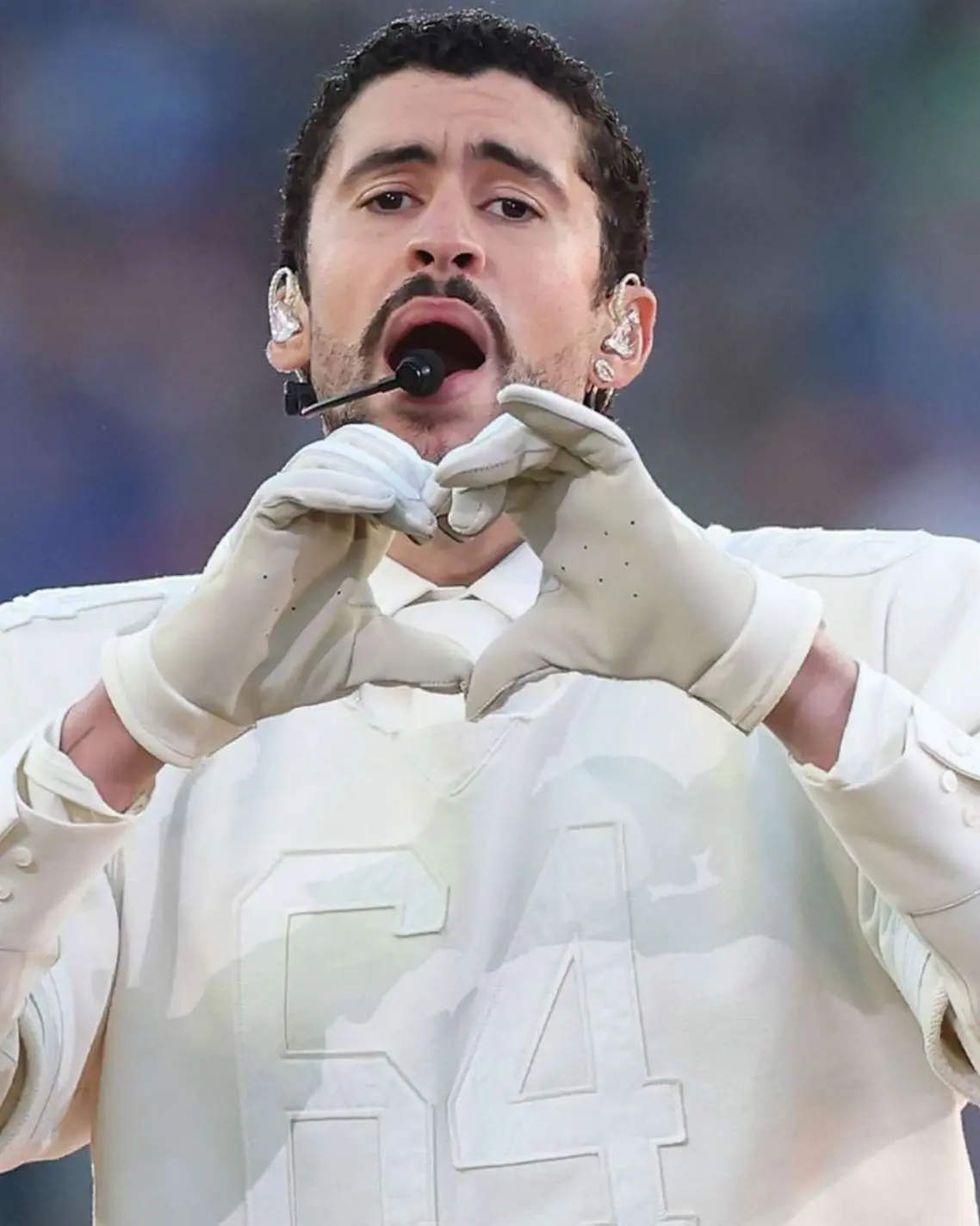
On February 8, 2026, Bad Bunny At Super Bowl LX transformed the Apple Music Halftime Show into a Spanish-language spectacle rooted in Puerto Rican imagery, before raising the temperature with surprise turns from Lady Gaga and Ricky Martin.
February 8, 2026


Super Bowl halftime shows love a big idea. Bad Bunny, who recently became the first artist to win the prestigious Grammy award for a record sung entirely in Spanish, made a statement at the Superbowl. His set unfolded like a moving postcard from the island: a sugar-cane-field opening, pulsing street scenes, and the recurring “La Casita” motif that kept the performance grounded in home, community, and memory.
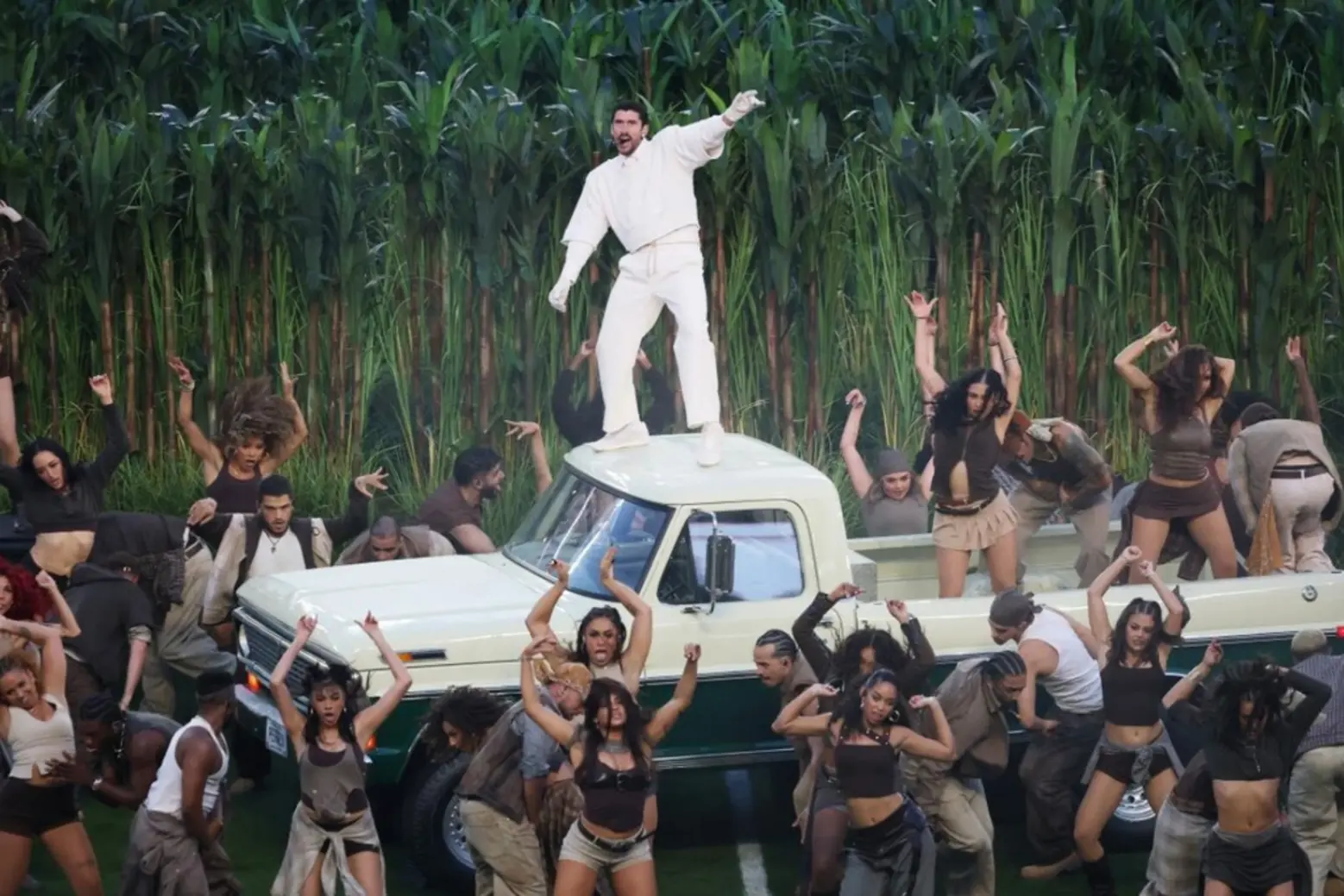
The milestone sat in plain sight: a full halftime set delivered in Spanish on the NFL’s biggest stage, framed as a celebration of Puerto Rico and Latin culture rather than a quick bilingual nod. The music leaned on the adrenaline of reggaeton and the sway of salsa, stitched together into a medley that treated hits as chapters, each beat drop paired with choreography that read like a block party built for broadcast.
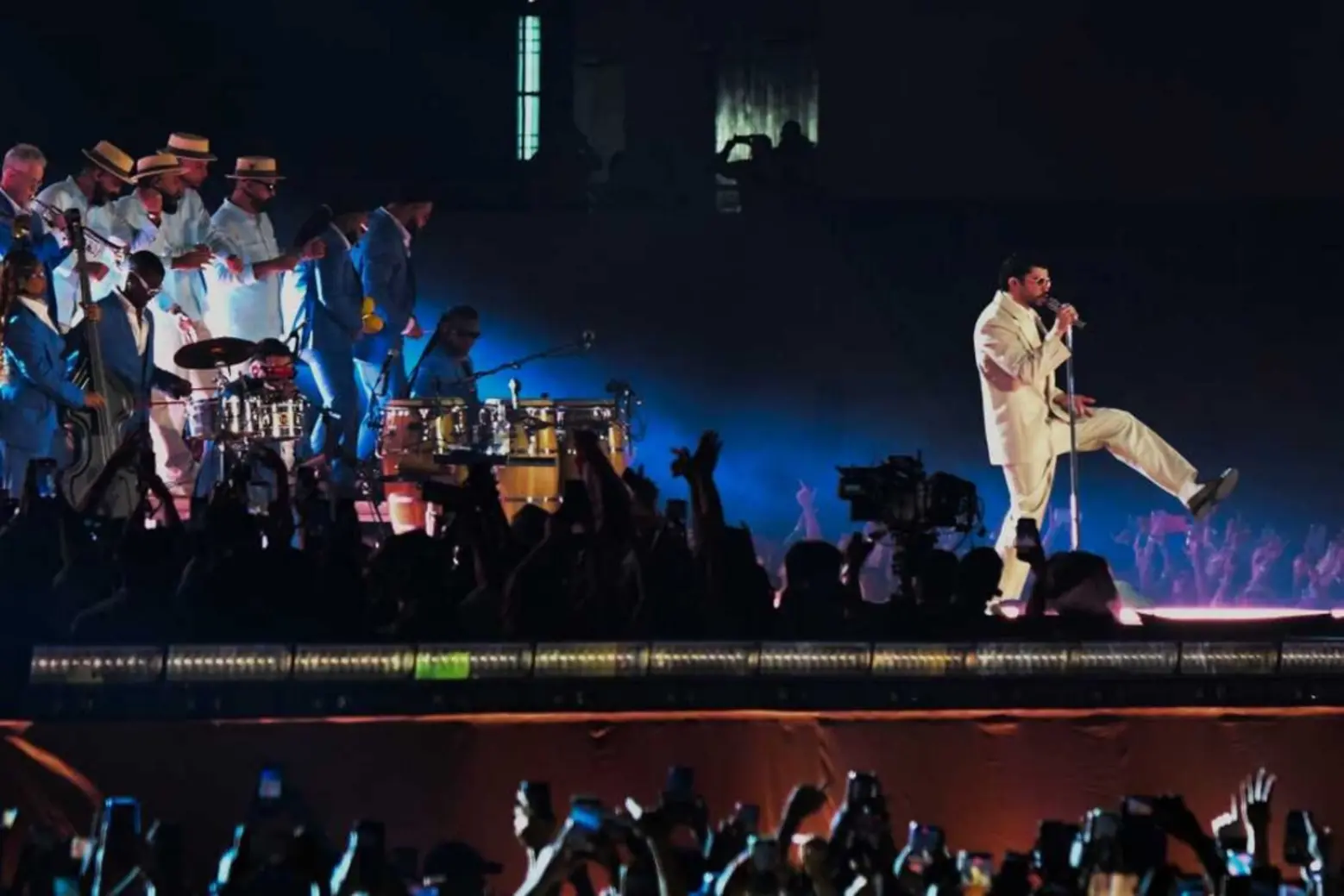
Songs such as “Tití Me Preguntó,” “Yo Perreo Sola,” and “El Apagón” anchored the momentum, while the staging kept snapping into fresh tableaus, from wide-crowd formations to intimate moments inside the “casita” frame. The camera work leaned cinematic: sweeping overheads for scale, quick cuts for percussion, and close-ups that let sweat, joy, and swagger do the storytelling.
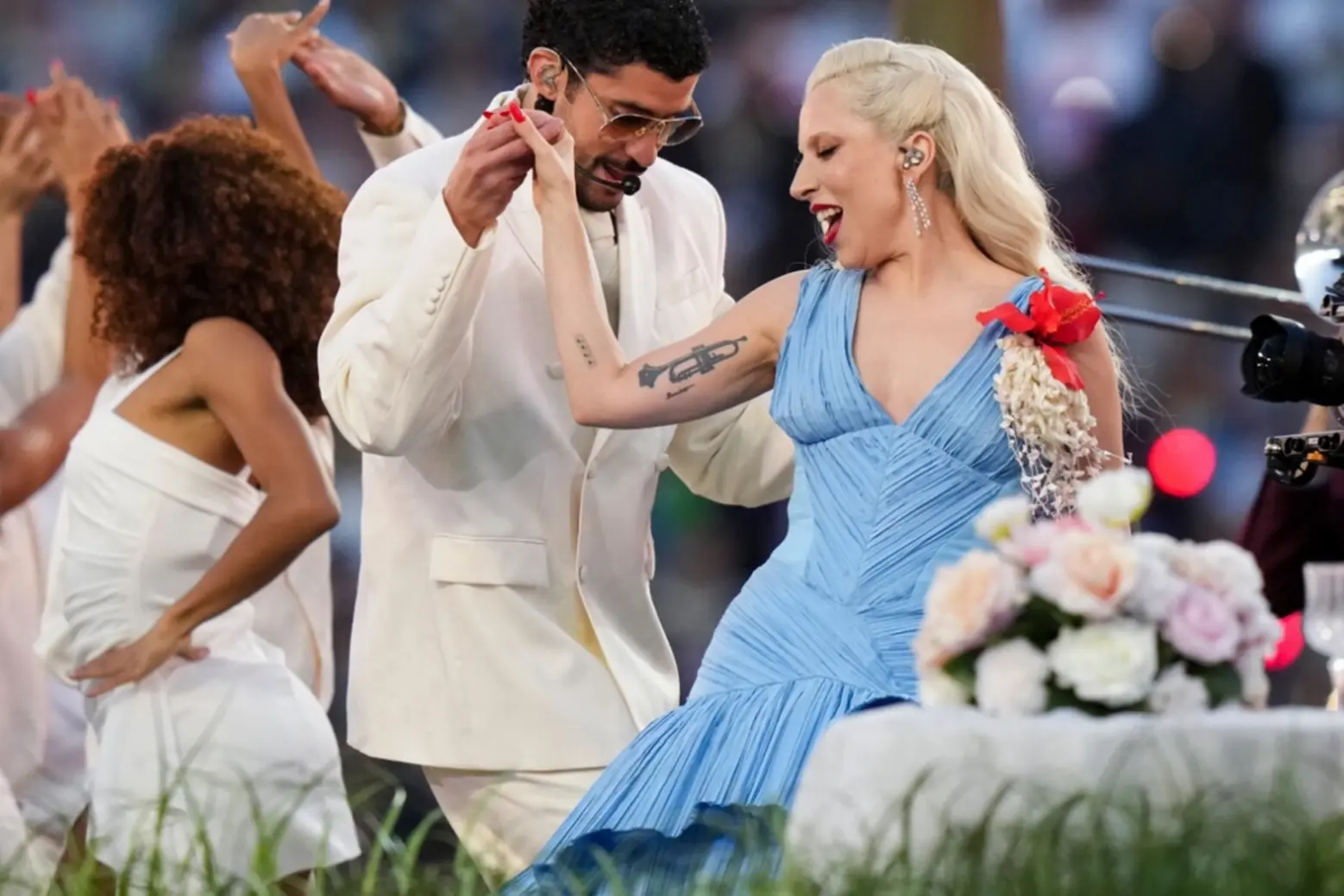
Then came the guest-star electricity. Lady Gaga appeared for a salsa-tinged segment that played like a glamorous left turn, followed later by Ricky Martin, whose presence carried instant legacy weight. Around them, celebrity cameos and crowd-pleasing reveals added sparkle without stealing the thesis: this was Benito’s tribute, built as much from symbols as from hooks.
The afterglow landed fast. Apple reported a spike in Bad Bunny listening immediately after halftime, and the surrounding content cycle hit enormous engagement numbers within days. Bad Bunny at Super Bowl LX still delivered its usual football drama, yet halftime owned the cultural headline: a superstar translating identity into stadium-scale choreography, and making the entire world sing along — en español.