MENU
Close





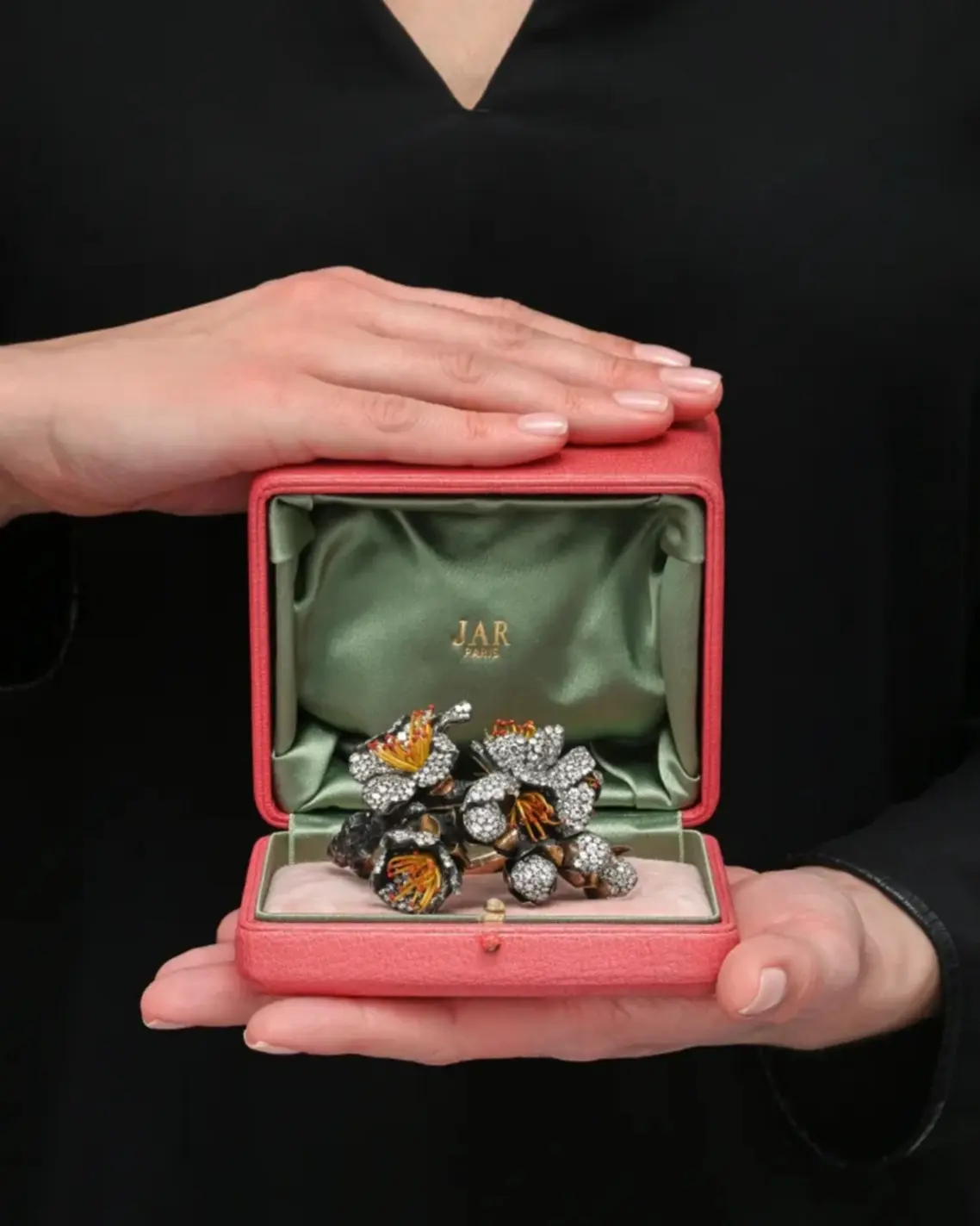
In the rarefied world of haute joaillerie, few names evoke the same mystique and reverence as Joel Arthur Rosenthal, known simply as JAR.
In the rarefied world of haute joaillerie, few names evoke the same mystique and reverence as Joel Arthur Rosenthal, known simply as JAR.
January 19, 2026


Often referred to as the "Fabergé of our time," Rosenthal has forged a legacy that defies convention, eschewing the flashy marketing campaigns and celebrity endorsements that define much of the modern jewelry industry. JAR's creations, known for their daring materials, impeccable craftmanship and near-mystical rarity, are coveted by a small, exclusive group of collectors.
Before JAR became synonymous with some of the most breathtaking jewels ever created, his journey began in an entirely different craft: needlepoint. In the early 1970s, Rosenthal ran a needlepoint shop in Paris, a far cry from the glitzy ateliers of the Place Vendôme. Yet, this period of his life would prove foundational to his later work as a jeweler. It was here that Rosenthal first became fascinated by the way threads could be intricately woven to form fabric. This fascination would later evolve into his signature micro-pavé technique, where tiny gemstones are set so closely together that they resemble knitted fabric.
A central tenet of JAR’s work is his ability to transform non-precious materials into objets d'art. While other jewelers were still fixated on traditional precious metals like gold and platinum, Rosenthal boldly experimented with titanium and aluminum - metals that had little value in the world of jewelry before JAR’s influence. These lightweight metals allowed for massive, comfortable earrings and brooches, with designs that might otherwise have been too heavy to wear. More importantly, these metals could be anodized into vibrant colors, which complemented his gemstones in ways previously unimagined.
In a world obsessed with diamonds, JAR looked beyond the conventional. His mastery of material science allowed him to create pieces that were not just technically impressive but also artistically profound. His use of blackened silver or gold settings gives the jewelry an antique, moody feel, accentuating the natural colors of the gemstones. This stark contrast creates an ethereal glow that draws the eye to the intricacy of the design, while the darkened setting serves as a visual backdrop to the stone’s beauty. It is this unique marriage of light and shadow that has become one of Rosenthal’s most defining stylistic signatures.
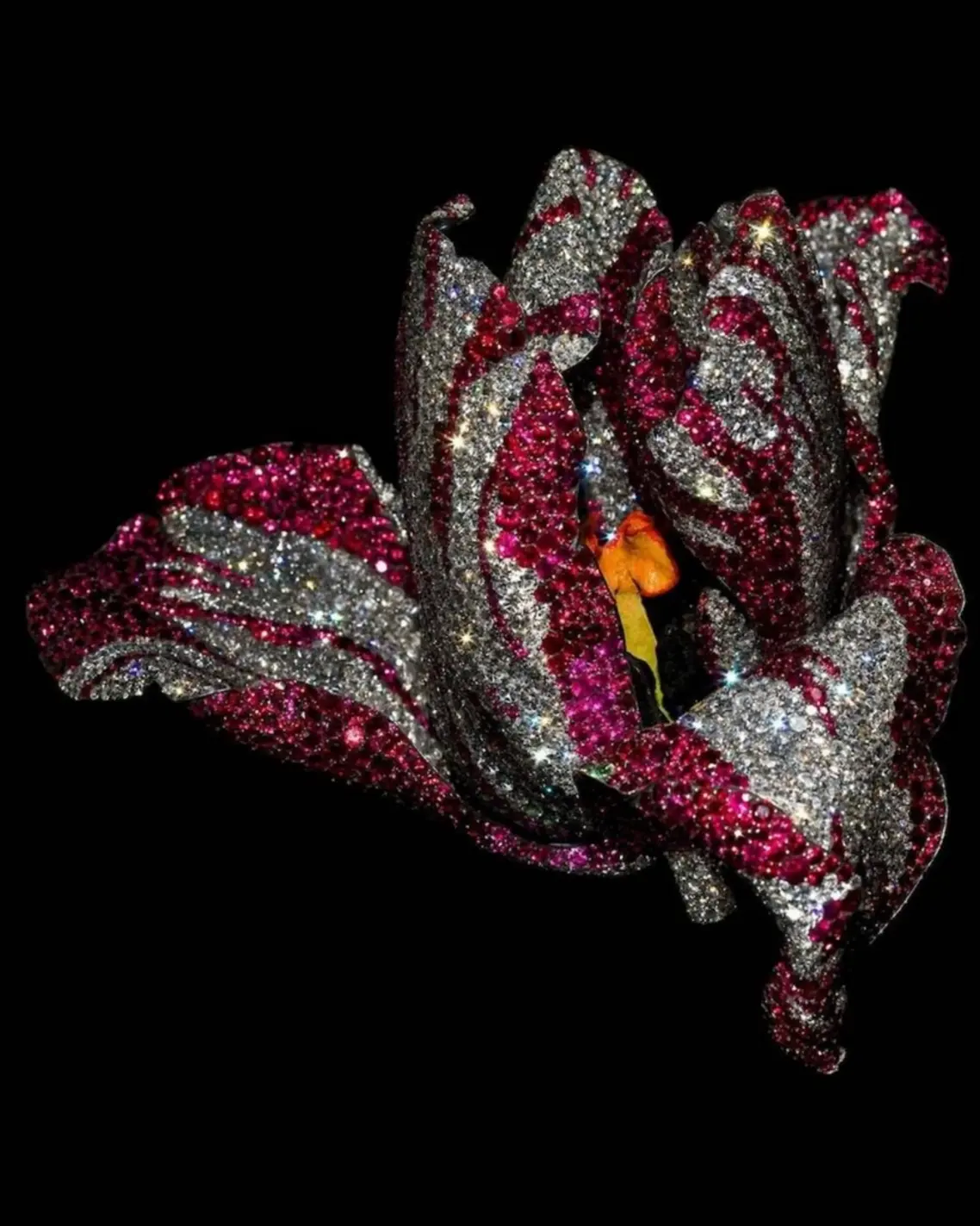
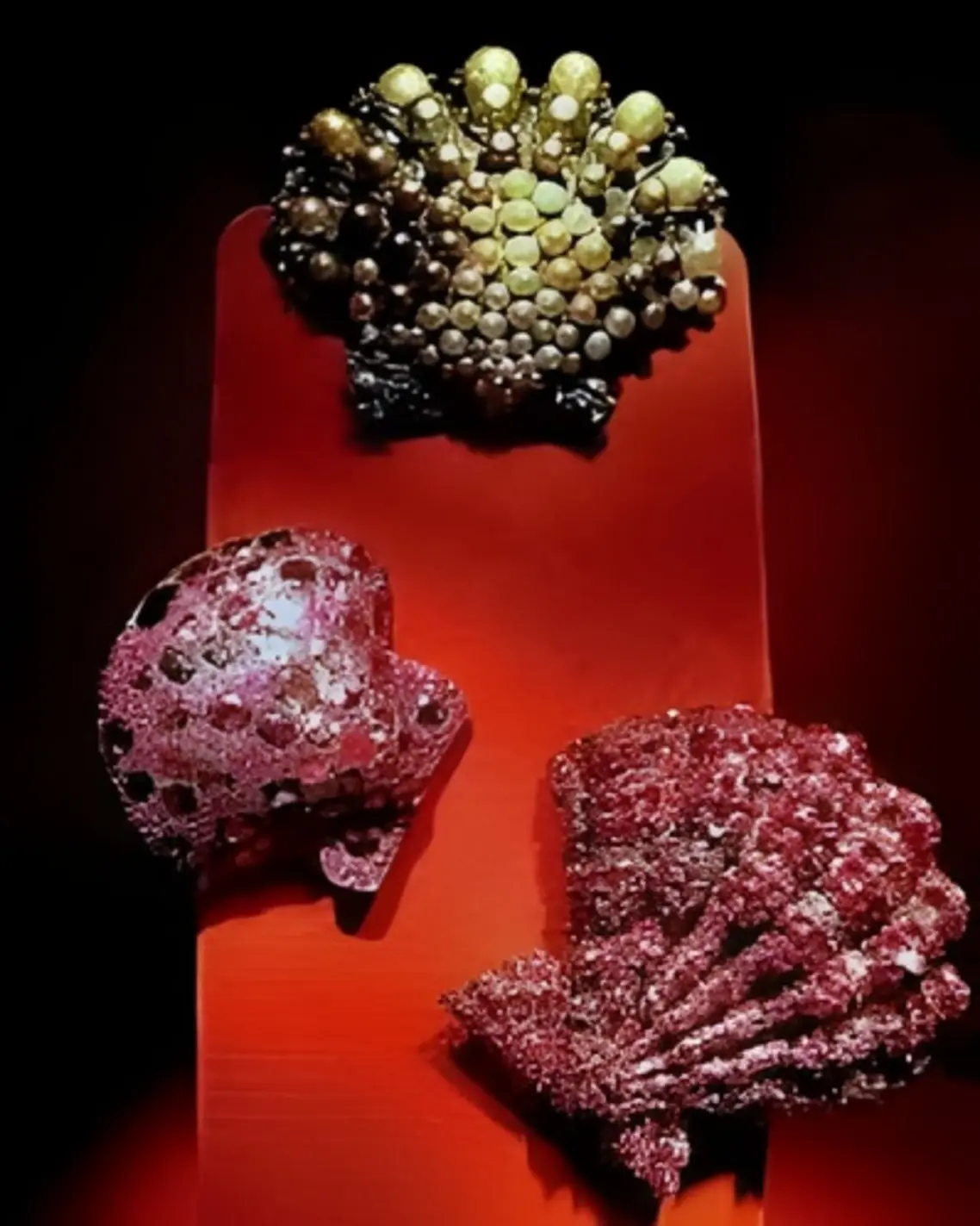
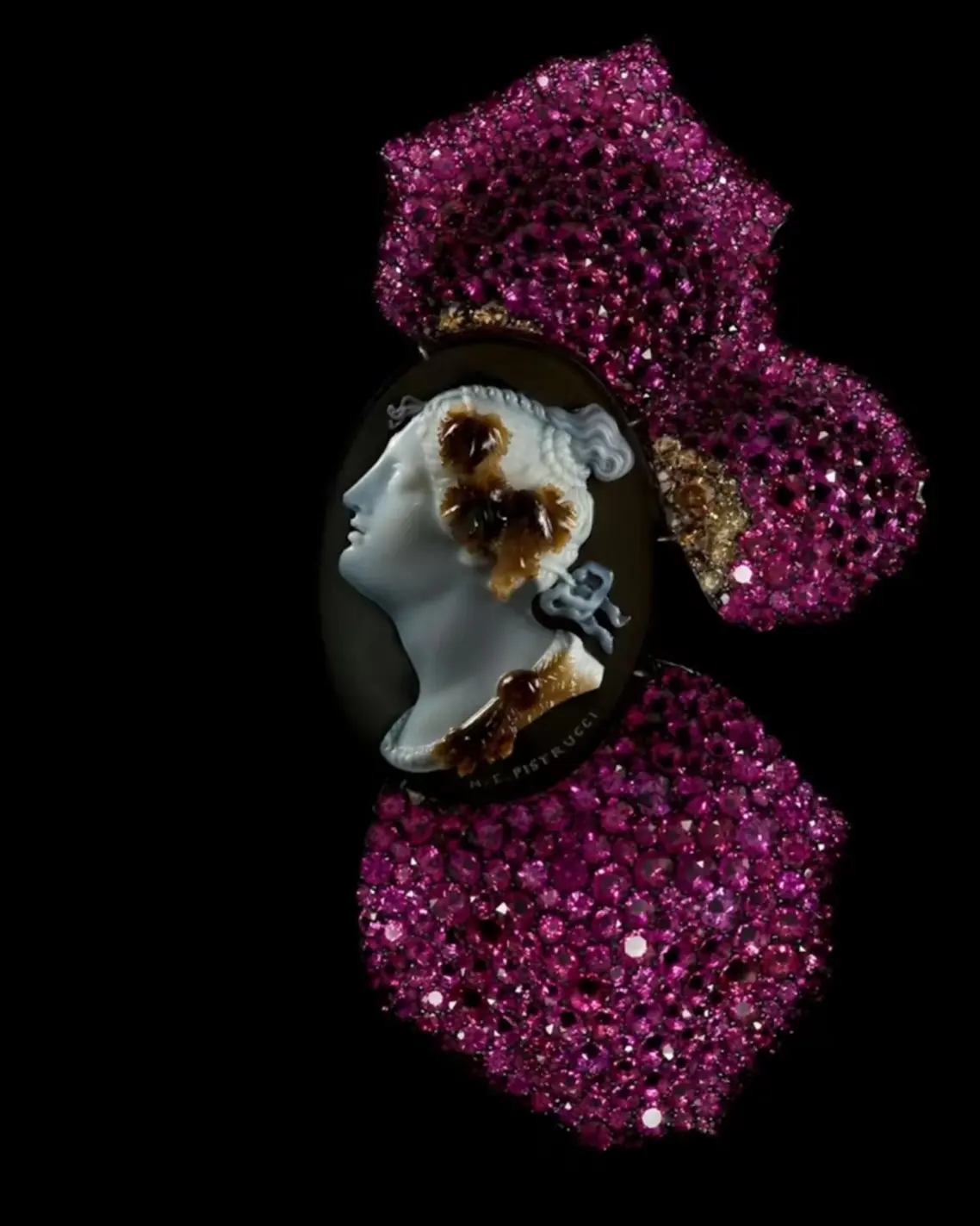
Perhaps Rosenthal’s most iconic works are his hyper-realistic depictions of nature. His creations are not simply representations of flowers, insects, or vegetables; they are windows into the soul of the natural world. Faded flower petals, butterflies, and even humble vegetables like leeks or carrots have been immortalized in gold, diamonds, and sapphires. These works blur the line between jewelry and sculpture, elevating objects of the earth into ethereal, almost otherworldly beauty.
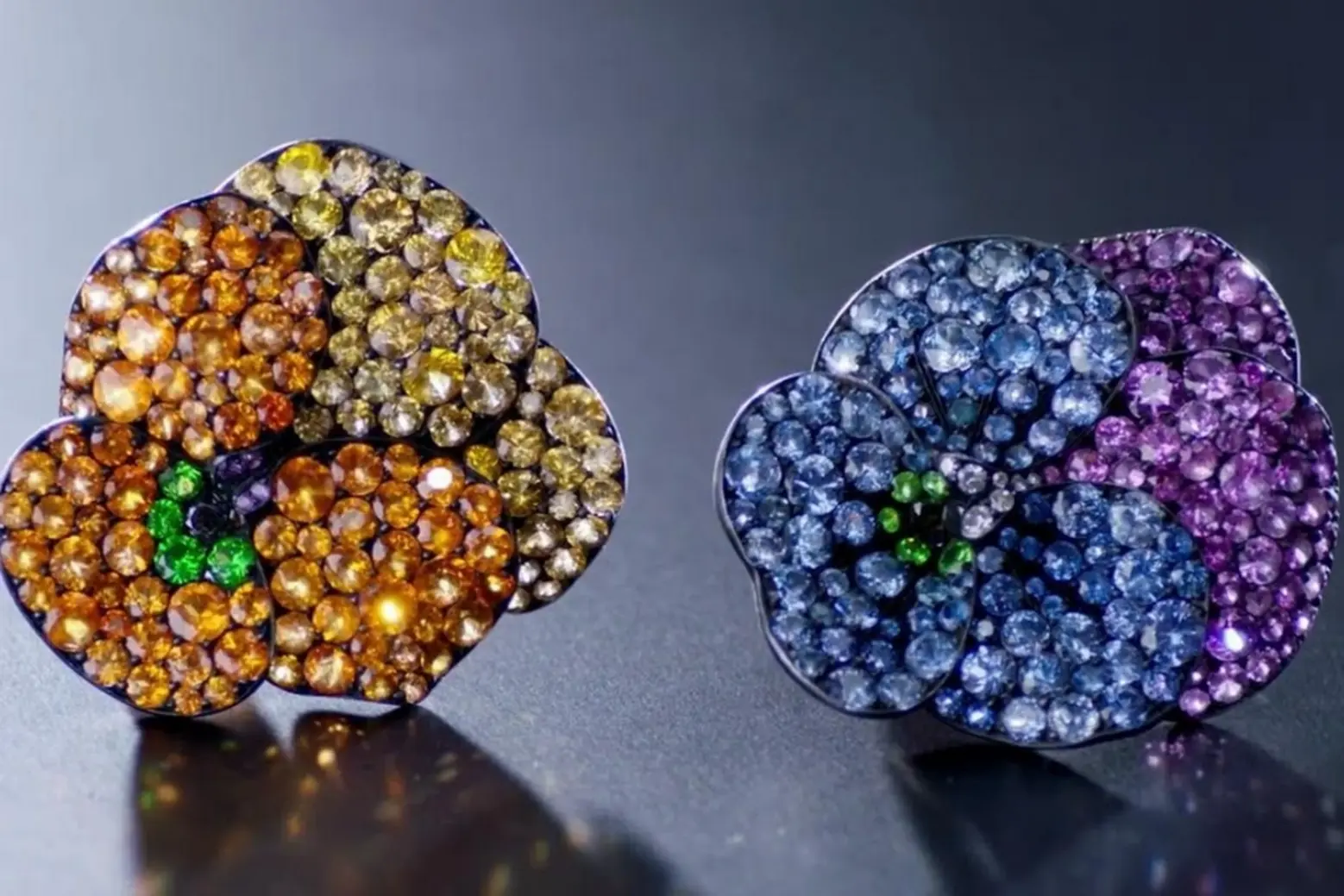
One such piece, the "Merci" pansy earrings, stands as a testament to Rosenthal’s ability to blend art with sentiment. These aluminum "Pansy" earrings were gifted to the 145 clients who loaned pieces for his exhibitions, a gesture of appreciation that resulted in a piece so beloved that it was later sold in limited editions.
While traditional luxury brands like Cartier or Tiffany produce thousands of pieces annually, JAR’s business model is built around exclusivity and scarcity. With a production rate of only 70–80 pieces per year, JAR ensures that demand for his jewelry always outstrips supply. This deliberate limitation fosters a sense of rarity that heightens the allure of his work, making each piece a coveted treasure rather than a commodity. It is a system where the price tag reflects not just the gemstones or the craftsmanship but the rarity of being able to own a piece at all.
This strategy is by design. In the world of high jewelry, "sold out" is typically seen as a failure. For JAR, however, it is the mark of success. The exclusivity of his pieces has created a lifelong competition among his collectors to secure a piece before it is gone, with waiting lists that can span years.
JAR’s atelier at 7 Place Vendôme in Paris is shrouded in mystery. There is no window display, no signage—just the letters "JAR" on the doorbell. Entry to this sacred space is by appointment only, and often requires a "sponsorship" from an existing client. Rosenthal’s gatekeeping is legendary; he has famously turned away billionaires and celebrities if he felt they were not a "suit" for his work. He is known for a fiery temperament; legend has it he once poured a glass of water over a reporter’s head to end an interview. This level of exclusivity adds another layer to the legend of JAR, transforming his jewelry from a mere commodity to a symbol of belonging to an elite, almost mythical club.
The rarefied nature of his work is further compounded by his fiercely independent attitude. For Rosenthal, the jewelry is his expression; the buyer need only accept it. He claims that his designs come to him in "instantaneous flashes," a process that lasts anywhere from 10 to 60 seconds. Unlike many designers who sketch and refine their creations, Rosenthal creates without compromise, allowing the piece to dictate its own existence.
In 2002, the "Jewels of JAR" exhibition at London's Gilbert Collection broke with tradition in the most provocative way. The room was kept pitch black, and visitors were given flashlights to illuminate the jewels themselves. This intimate, hands-on experience forced guests to interact with the pieces personally, illuminating them one by one, much as a collector might reveal the beauty of a gemstone to their own eyes. It was a radical departure from the gallery-style presentation and a rare opportunity to experience the jewelry as a deeply personal treasure.
Rosenthal’s pieces are as rare in the auction world as they are in his boutique. When a JAR piece goes to auction, it often sells for two to five times its high estimate, with individual brooches and rings fetching upwards of $4 million. The market for JAR jewelry has grown beyond collectors — it has become an investment vehicle, with pieces often sold as "safe haven" assets in a volatile global economy.
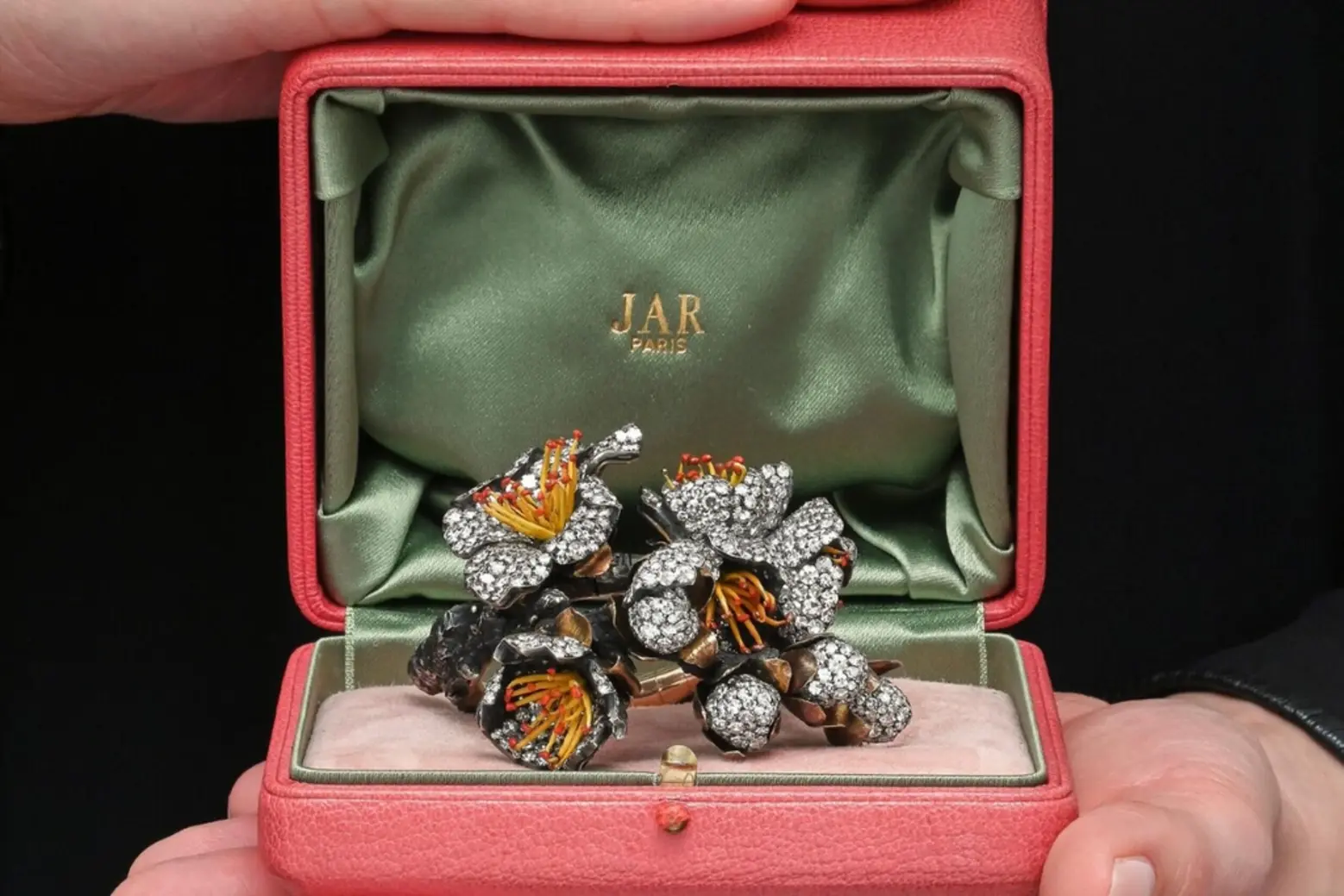
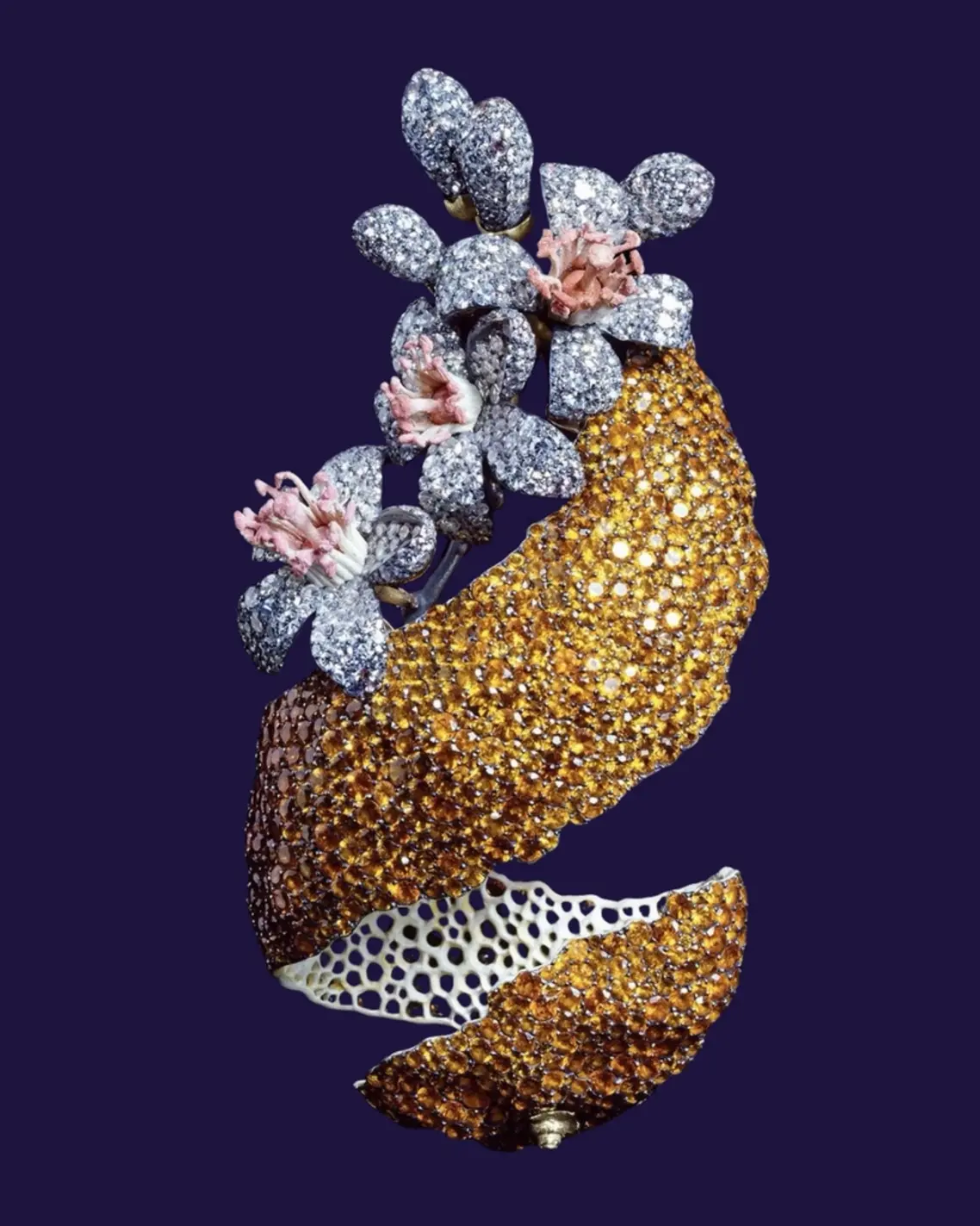
One recent standout was the "Diamond Apricot Blossom" bangle, which sold for over $2.8 million — nearly ten times its low estimate. This, along with the "Garnet Orange Peel" brooches, confirms that JAR’s works are not just about the stones themselves; they are about the artist’s eye, his ability to transform the mundane into the sublime.
Instead of relying on social media or influencer endorsements, JAR presents his works at select art fairs such as TEFAF (The European Fine Art Fair) and Design Miami. These venues have become the modern-day equivalents of a royal court, where collectors and curators gather to discover and acquire one-of-a-kind pieces. These fairs generate enough leads to sustain a studio for an entire year, and the exclusive nature of the clientele ensures that JAR’s work remains as rarefied as ever.
In this new era of jewelry, JAR has transcended the role of a craftsman to become an artist in every sense of the word. His work defies the conventions of the jewelry industry, challenging not just our understanding of luxury but our expectations of art itself. As we stand on the cusp of a new age of collecting, one thing is certain: the legend of JAR is just beginning.