MENU
Close





From elite errand service to cultural authority, the modern personal shopper now curates identity, time, and legacy for a new generation of wealth.
From elite errand service to cultural authority, the modern personal shopper now curates identity, time, and legacy for a new generation of wealth.
February 1, 2026


In an era of infinite digital shelves and paralyzing choice, time has emerged as the ultimate non-renewable luxury. The modern personal shopper has evolved from a discreet privilege of the old-money elite into a strategic necessity for a new generation of wealth, one that values intelligence over abundance. Today’s personal shopper does not merely acquire objects; they architect identity, conserve irreplaceable hours, and act as a critical filter in a saturated world.
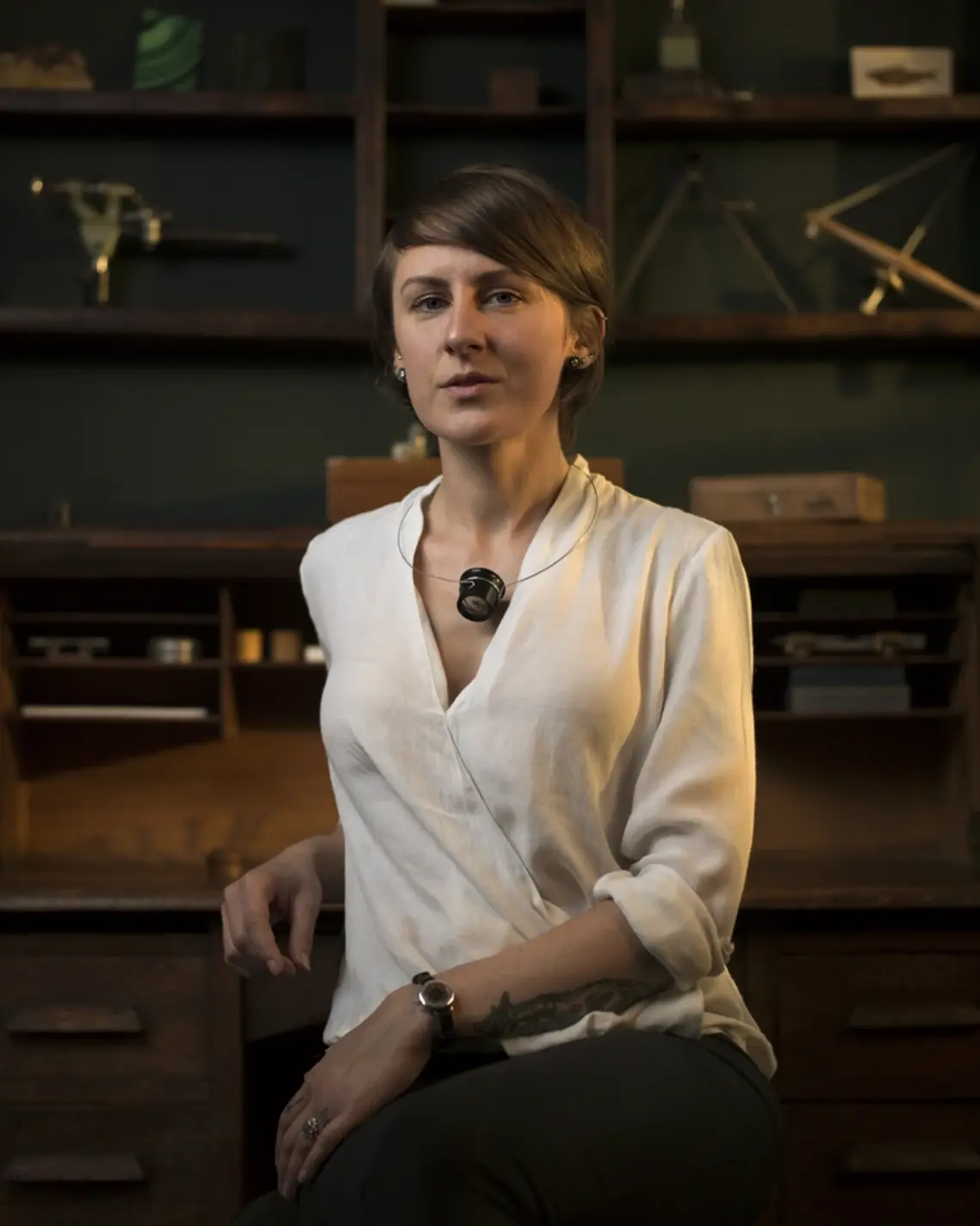
The personal shopper is no longer a luxury but a necessity, especially for the ultra-rich. These elite professionals cater to a demanding clientele, and contrary to popular belief, men are often the most meticulous. Personal shopper Sarah Chellingsworth, who has as many male clients as female, notes that men are willing to spend more on their closet.
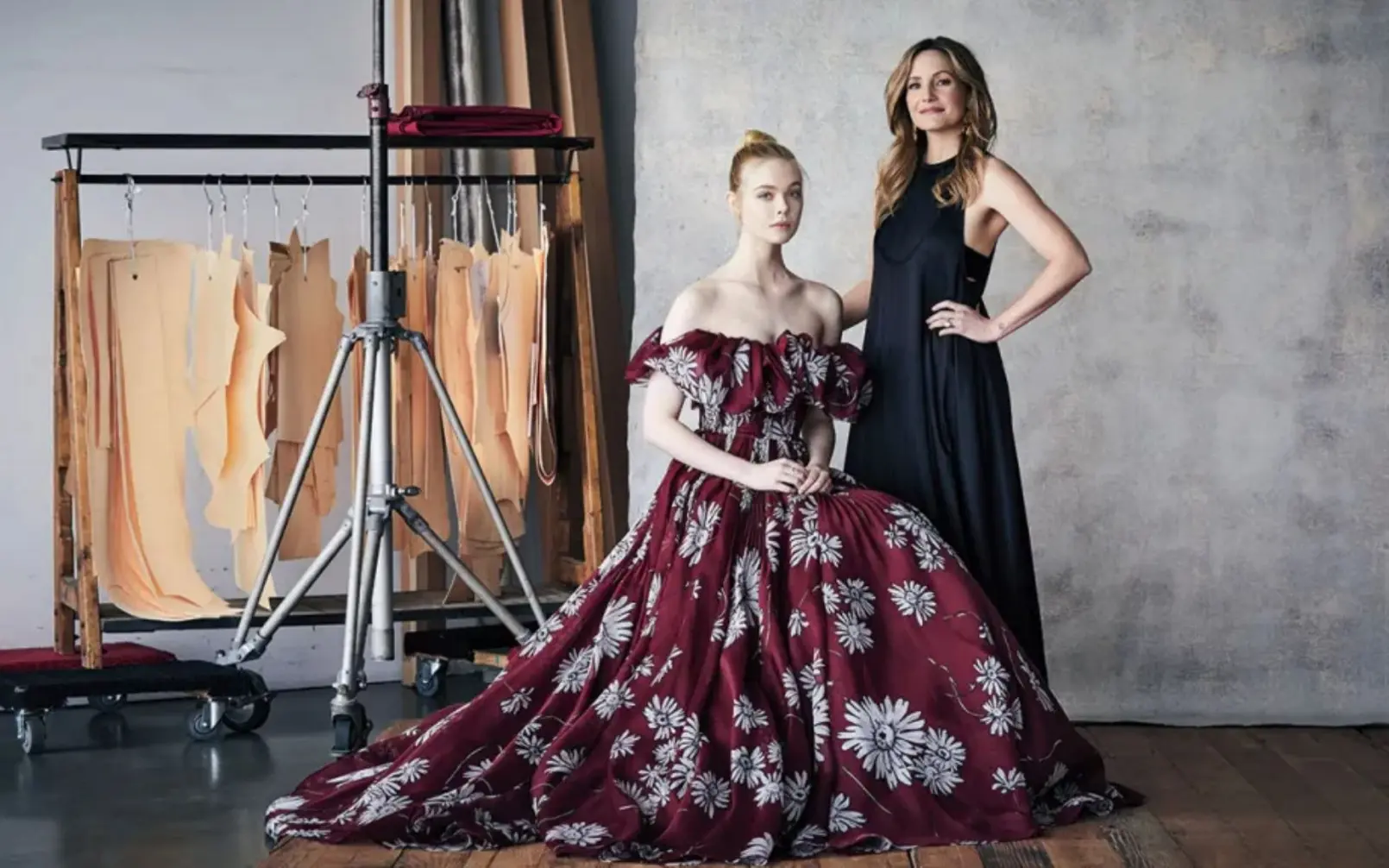
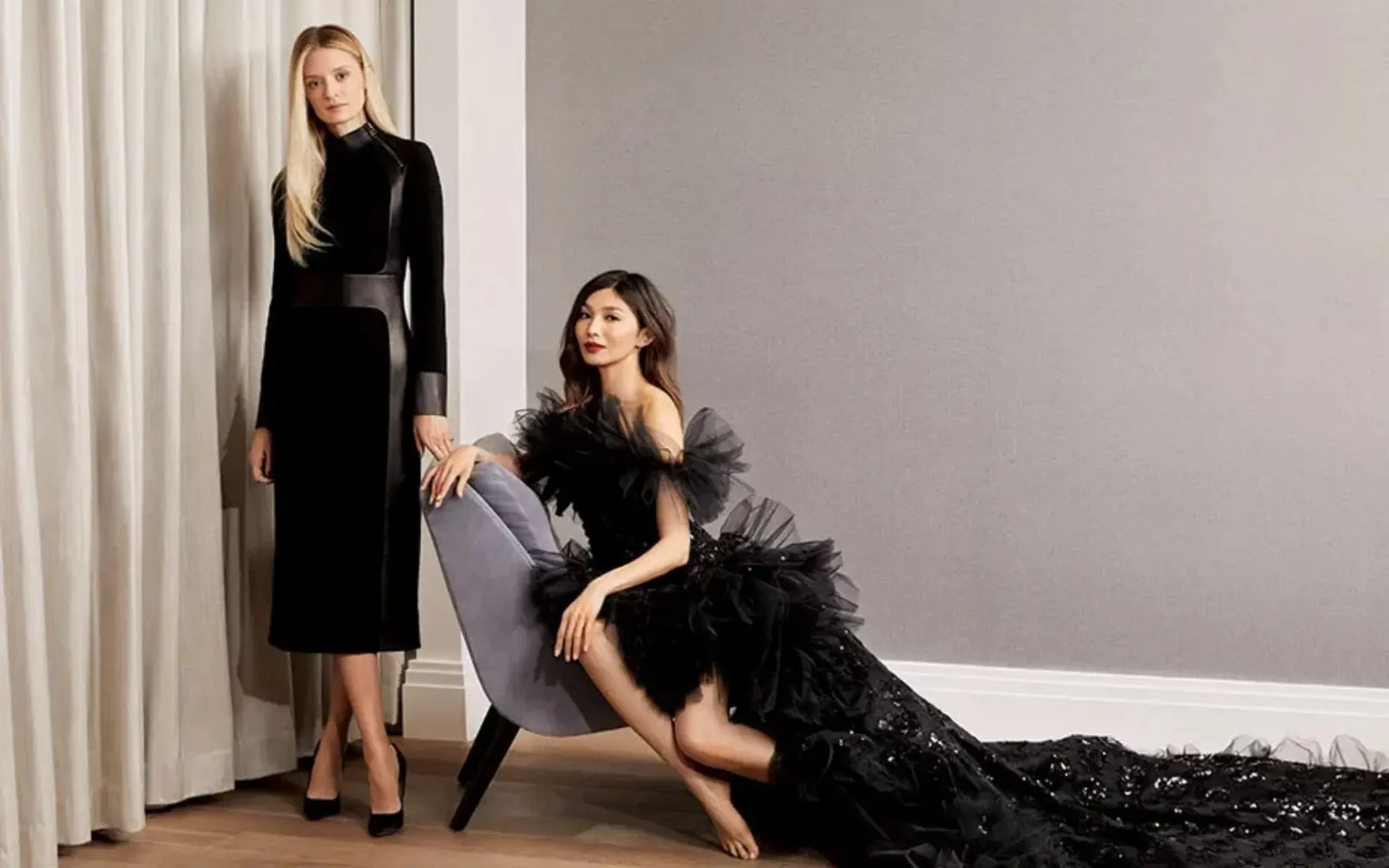
Sarah Chellingsworth's elite personal shopping service is built on more than just an eye for style; it's also about strategic discretion. Fluent in five languages (but pretends not to be), she secretly listens as clients discuss her selections and their true preferences in private. This information helps her prepare for the next season's shopping trip. Sometimes, her clients' requests can be extraordinary, but that makes the job interesting. One, for instance, asked for help choosing the color of his new Bentley, which was blue. She then sourced a staggering £750,000 worth of navy suits and coordinating shirts to build a wardrobe that matched the car.
For others, like Netflix's Bling Empire star Kane Lim, a personal shopper is all about convenience. The uber-wealthy Singaporian, who shops daily and admits his overflowing closets are a "nightmare," uses personal shoppers when he's too busy to visit stores himself. "I love them picking things up for me, because it's easy," he says.
The demand for these services is skyrocketing in hubs like Dubai, which boasts over 12,000 millionaires. The city's luxury shoppers spend an average of $3,000 per visit, and personal shopping now accounts for a significant 30% of its luxury retail sector. This market is set to grow by an additional $20 billion in the Middle East in the next five years. To meet this demand, top personal shoppers, stylists and image consultants have to work with top brands to handle about 15 clients monthly.
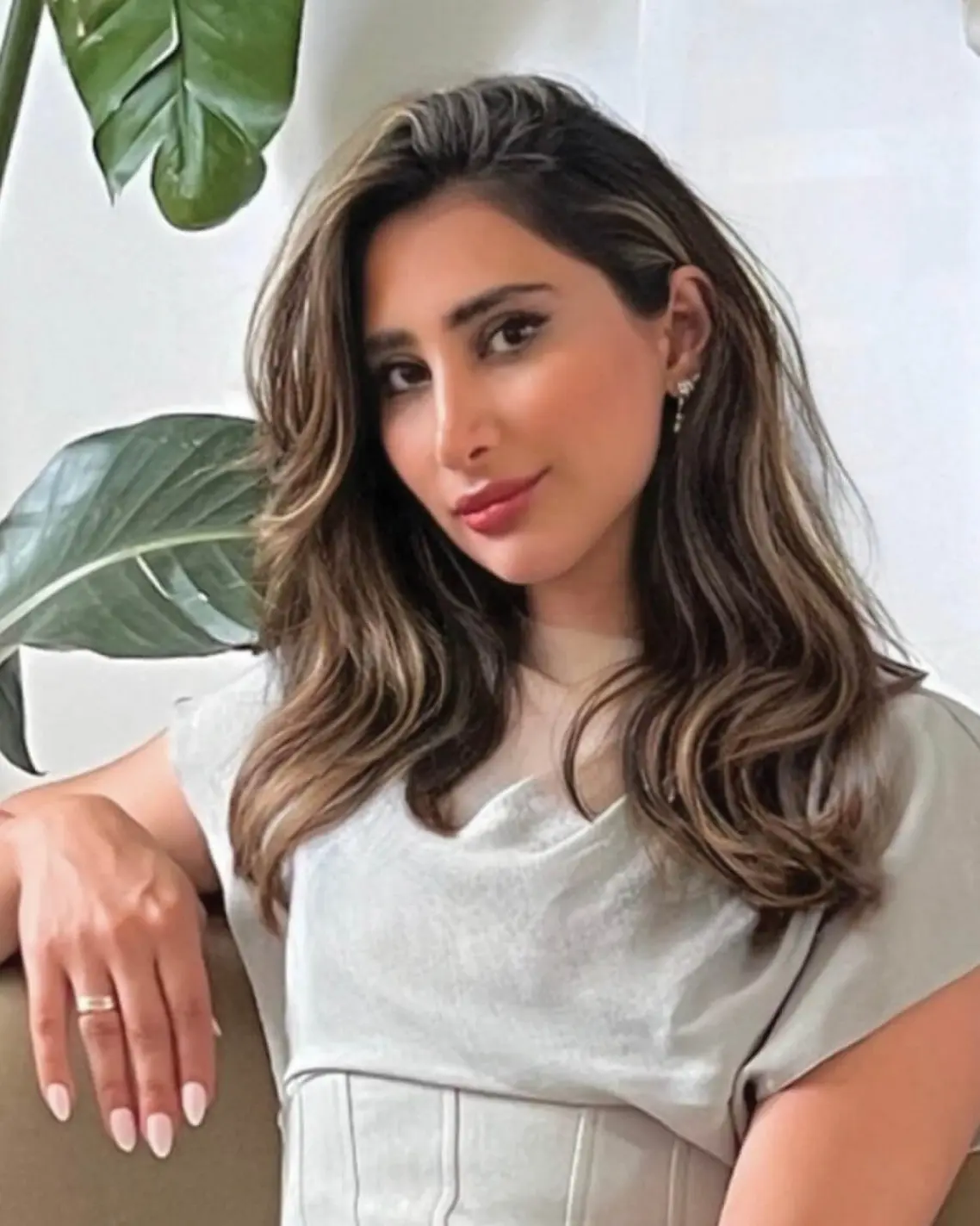
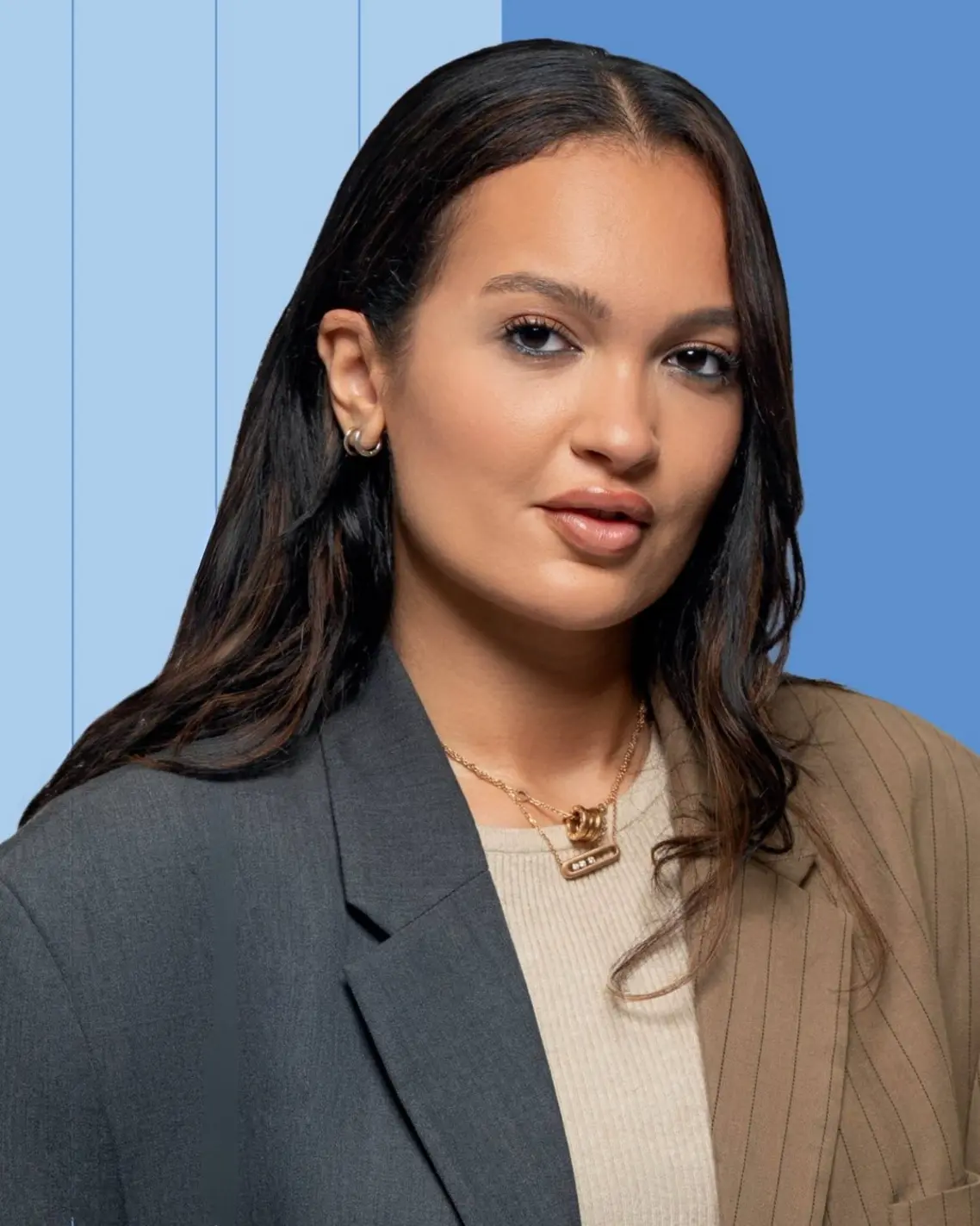
Noura BinHaidar, an affiliate stylist for Threads Styling, is so in-demand that her services, which range from virtual shopping to closet detoxes, are booked months in advance. Moroccan-born Oumayma Elboumeshouli is known for her love of neutral tones. Her signature styling tip is to "add a padded shoulder." Meanwhile, Dubai-based Guzal specializes in luxury, with a portfolio that includes top brands such as Valentino, YSL, and Balenciaga. Beyond her styling work, she is a co-founder of an exclusive Russian-speaking networking club and luxe beauty salon Privé7, further solidifying her status as a tastemaker in the region.
A new wave of billionaires, from pop stars like Taylor Swift to crypto investors and tech entrepreneurs, is redefining the luxury design market. This shift is driven by millennials and Gen Z, who now make up 45% of global luxury consumers. Unlike previous generations, these younger, ultra-wealthy individuals are actively involved in designing their living spaces, using social media to showcase their personal style.
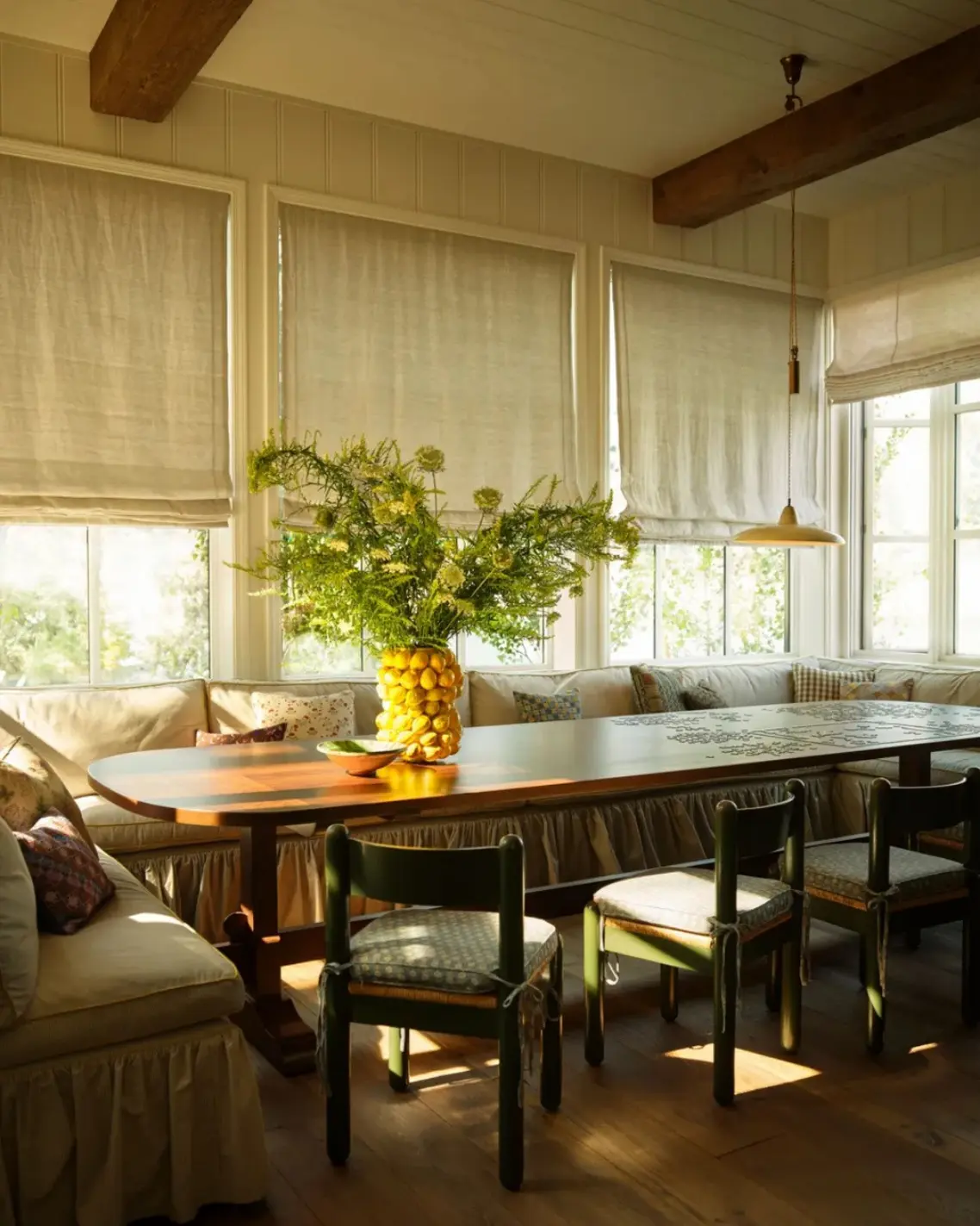
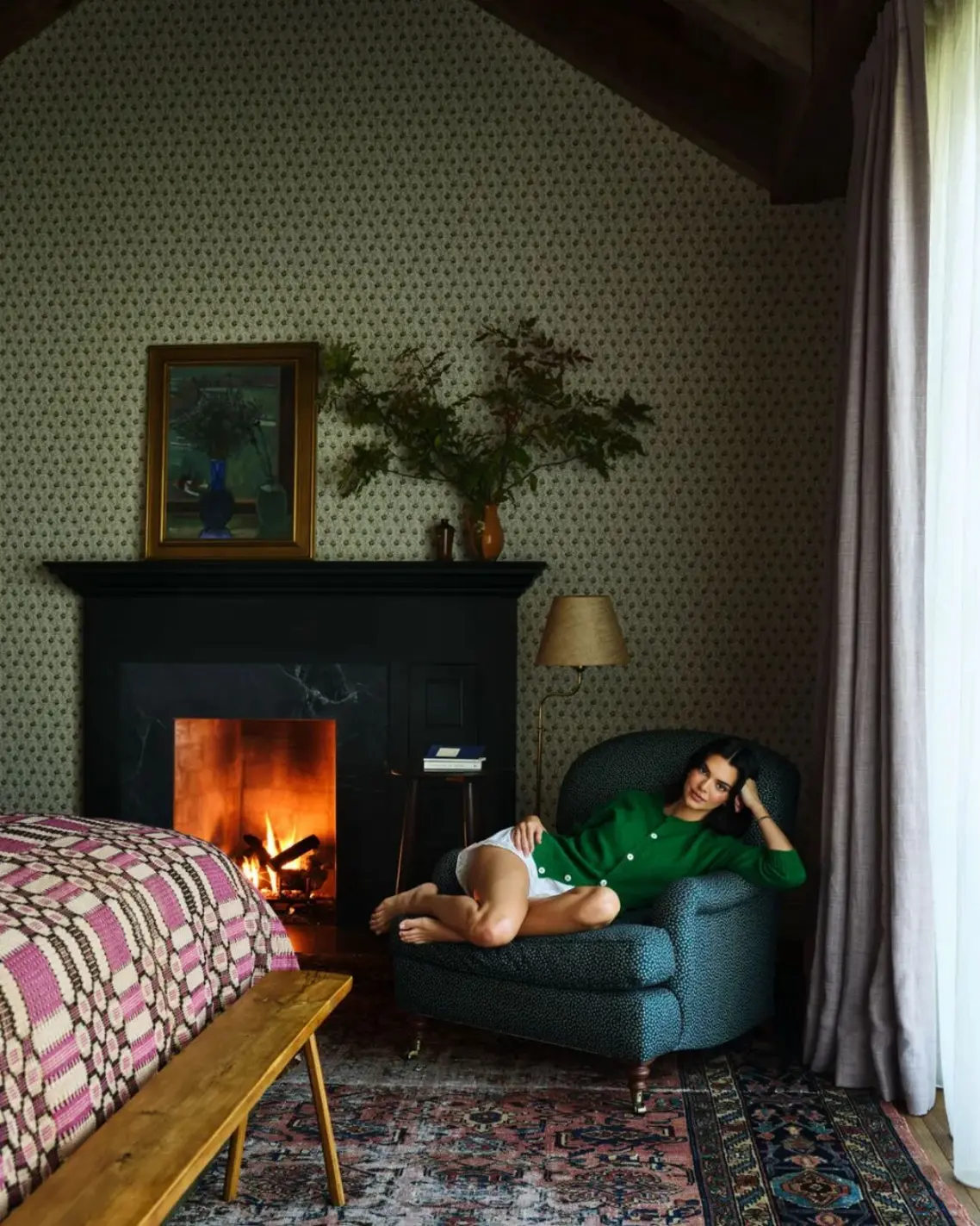
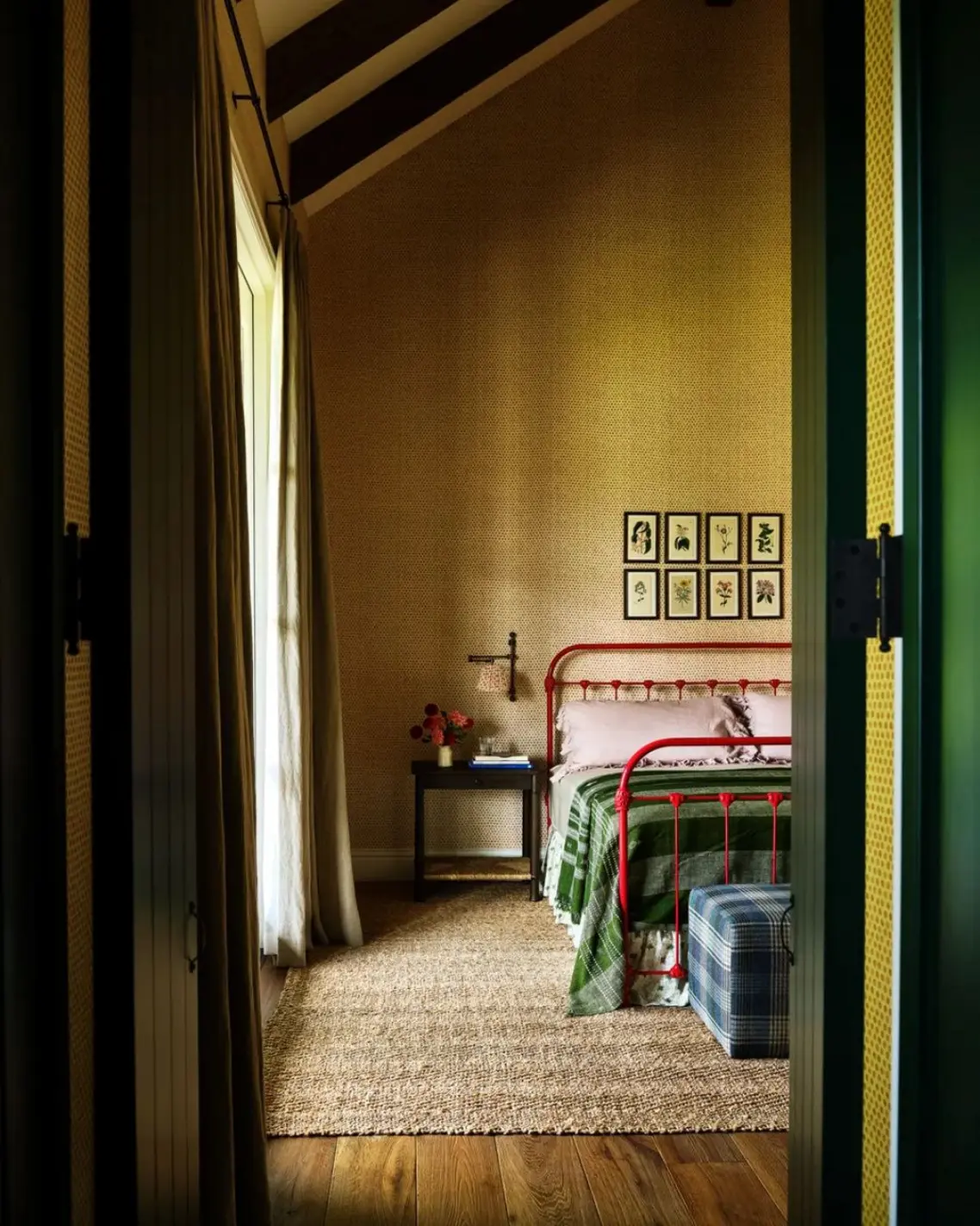
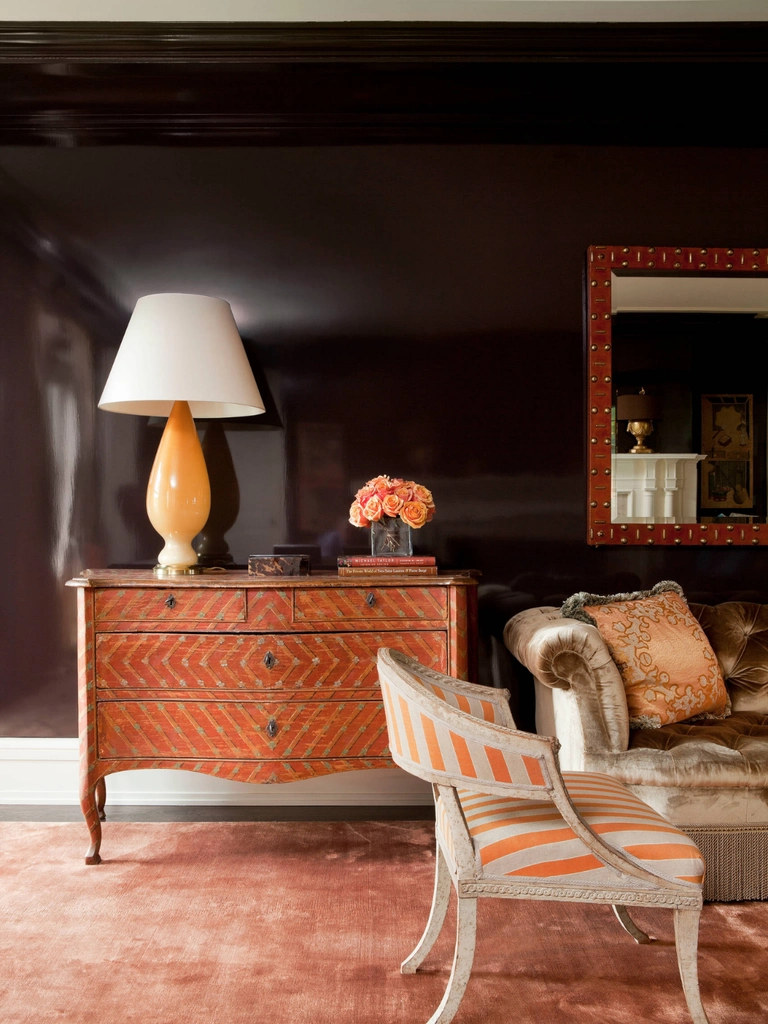
This demand for a one-of-a-kind, curated space has become the new benchmark for luxury. Designers are going to extraordinary lengths to meet these unique demands.
One designer shared a story of being picked up in a helicopter to fly directly to a project site, all to avoid traffic. Another recalled a client who wanted to install an actual dinosaur skeleton in a 25-foot-high underground parking lot. These incredible requests prove today's elite homeowners value a space that is a completely bespoke reflection of their unique vision and lifestyle.
For the ultra-wealthy, collecting art is about more than just aesthetics but a powerful and multifaceted pursuit. Owning significant works is a potent status symbol, signaling not just wealth, but also sophistication, refined taste, and intellectual curiosity. It's an entry ticket into an elite social circle, granting access to exclusive events and influential networks. Beyond social and personal fulfillment, art also serves as a strategic financial tool. It can be a vehicle for wealth transfer and a form of portable wealth, offering flexibility that assets like real estate lack.
Investing in art, while risky, can offer substantial rewards. The art market has seen significant growth recently, with many works setting new price records. This has led to the ultra-wealthy increasingly viewing art as a viable investment for diversifying their portfolios and achieving high returns. And where do they entrust to guide them on what and where to buy, negotiate deals, and bid at auctions? Art advisors.
Since 2002, Sarah Schiff has been a professional art advisor, you have probably heard of her client: Leonardo di Caprio. Schiff highlights the art market's "highly unregulated industry" and advocates for more transparency and a code of ethics.
Art advisor Xin Li was a former basketball player and model in China, before selling masterpieces to Asian billionaires as Deputy Chairman at Christie’s Asia.
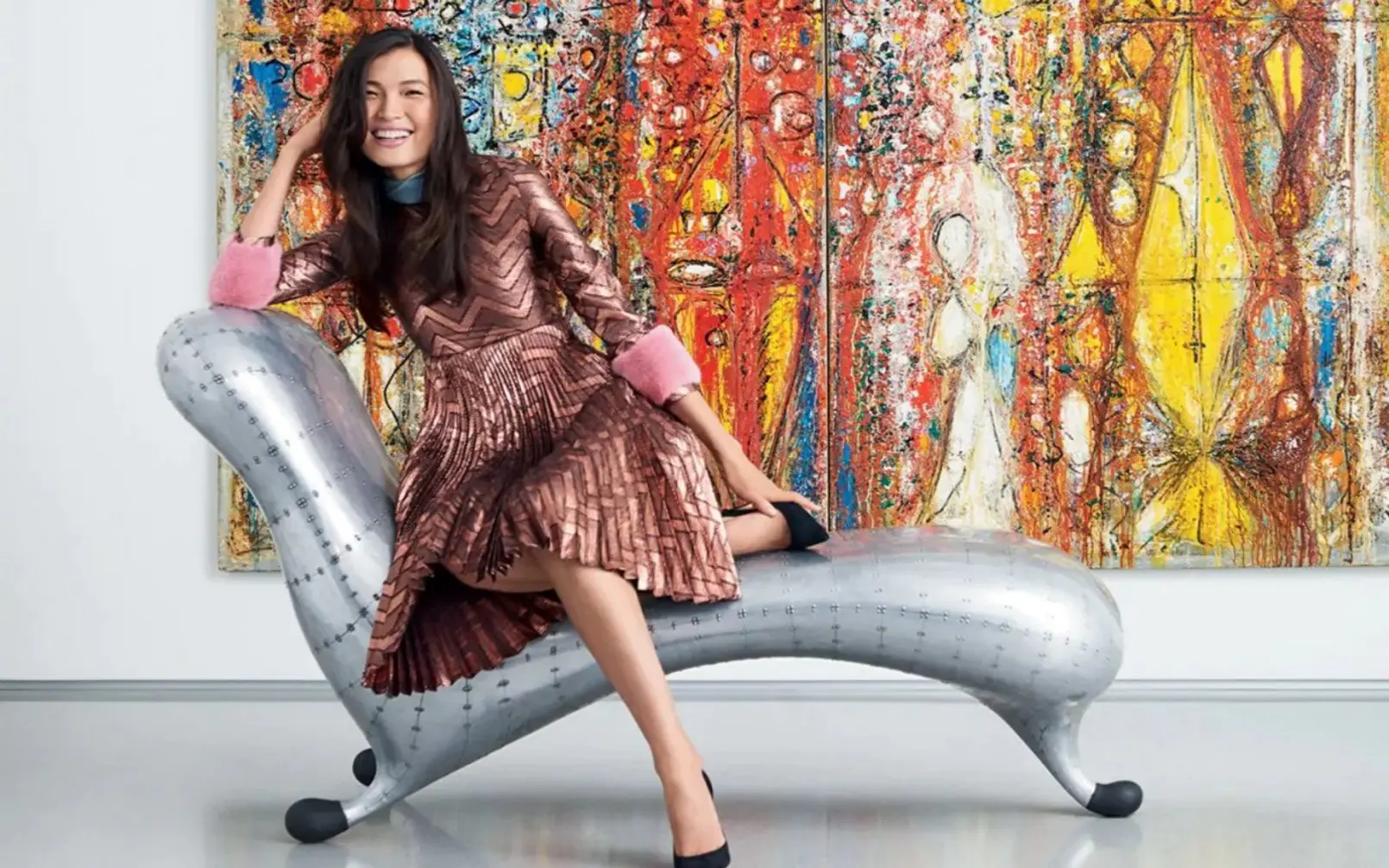
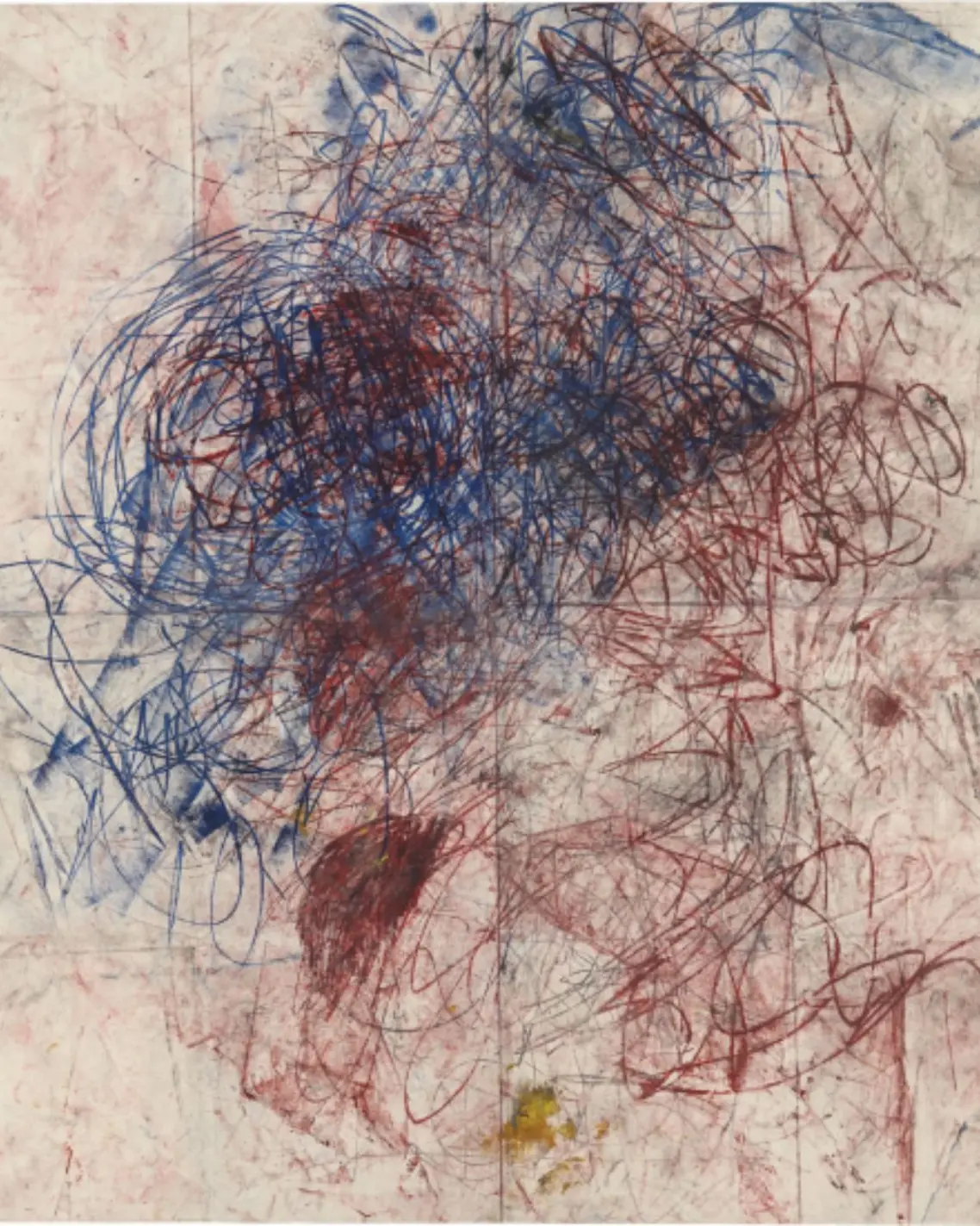


Another advisor whose clientele includes some of the most iconic figures of our time is Jeanne Greenburt. She was also behind the production of JayZ's video "Picasso Baby" with performance artist Marina Abramovic, which took place at Pace Gallery, New York.
Paying $50 to $300+ per hour for a personal shopper may seem steep, but it can save you valuable time and help you avoid costly trial-and-error mistakes.