MENU
Close





When Miranda Priestly famously dismantled Andy’s "lumpy blue sweater," she revealed the fashion industry's greatest open secret: your personal taste is a manufactured byproduct. That specific cerulean wasn't a choice, but an $8 million industrial investment that trickled from an Oscar de la Renta runway down to a clearance bin. Today, this "Cerulean Mandate" has evolved into a high-stakes fusion of big data and social engineering. Color prediction isn't a hunch, but a business plan with a 93% accuracy rate.
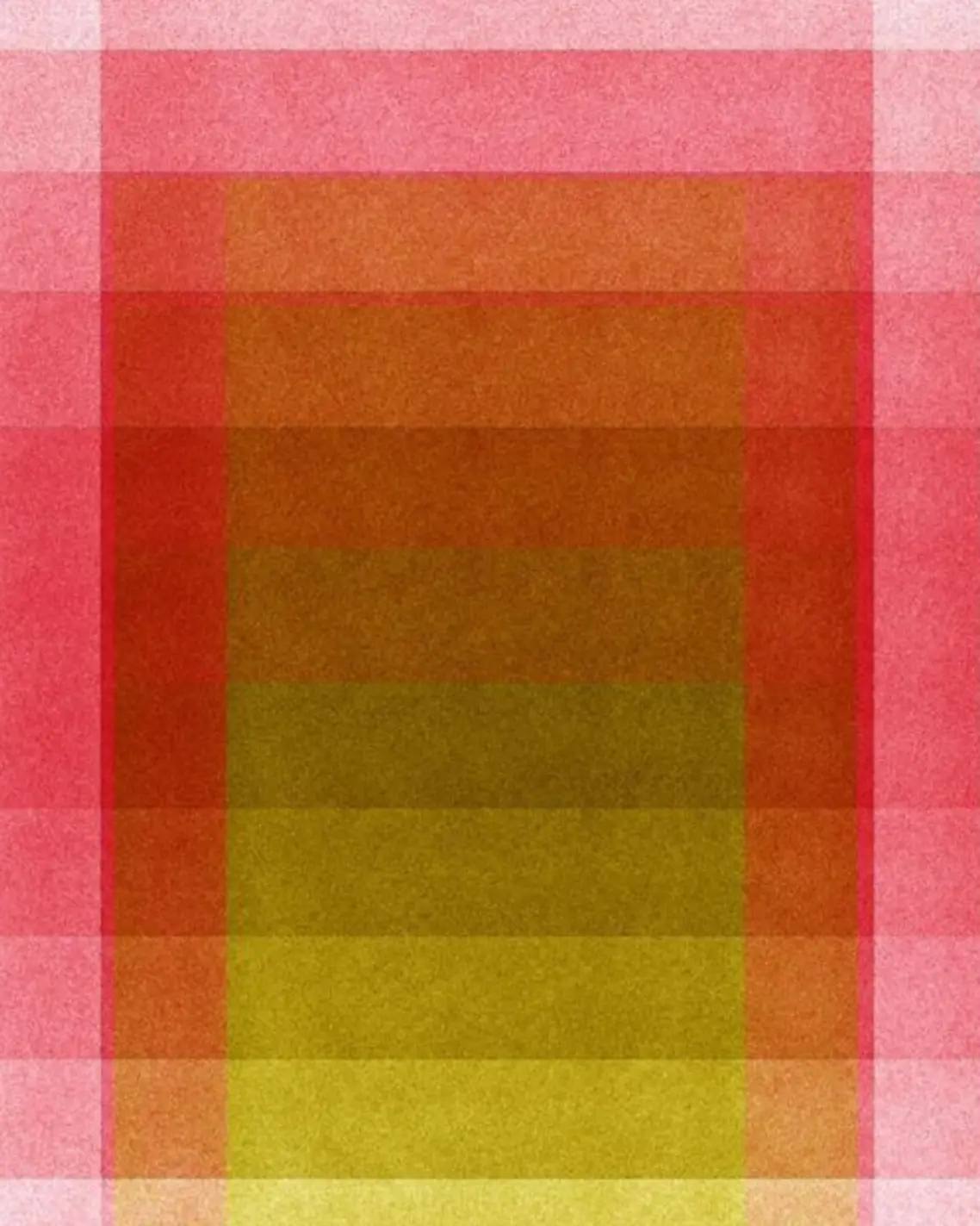
When Miranda Priestly famously dismantled Andy’s "lumpy blue sweater," she revealed the fashion industry's greatest open secret: your personal taste is a manufactured byproduct. That specific cerulean wasn't a choice, but an $8 million industrial investment that trickled from an Oscar de la Renta runway down to a clearance bin. Today, this "Cerulean Mandate" has evolved into a high-stakes fusion of big data and social engineering. Color prediction isn't a hunch, but a business plan with a 93% accuracy rate.
January 28, 2026


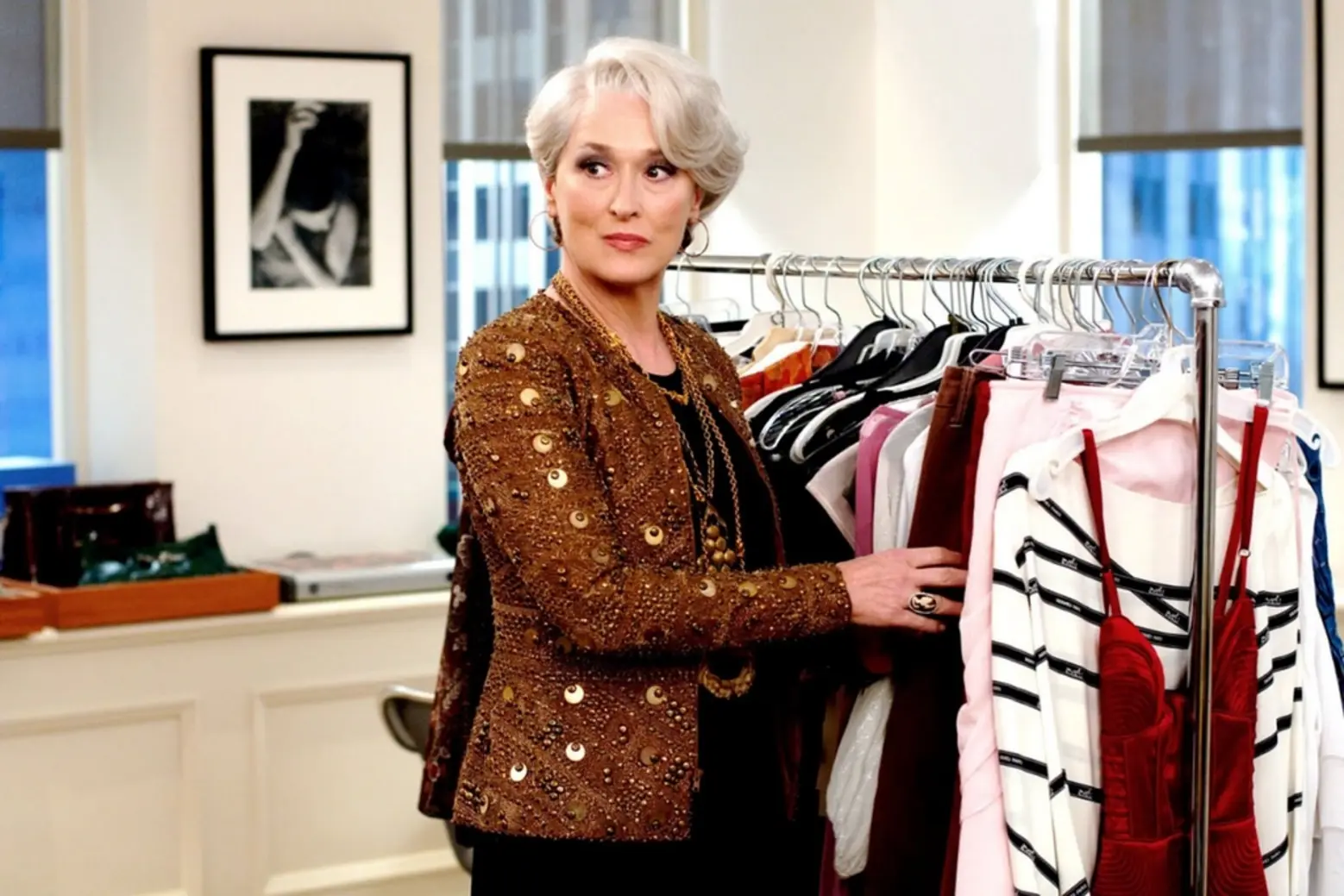
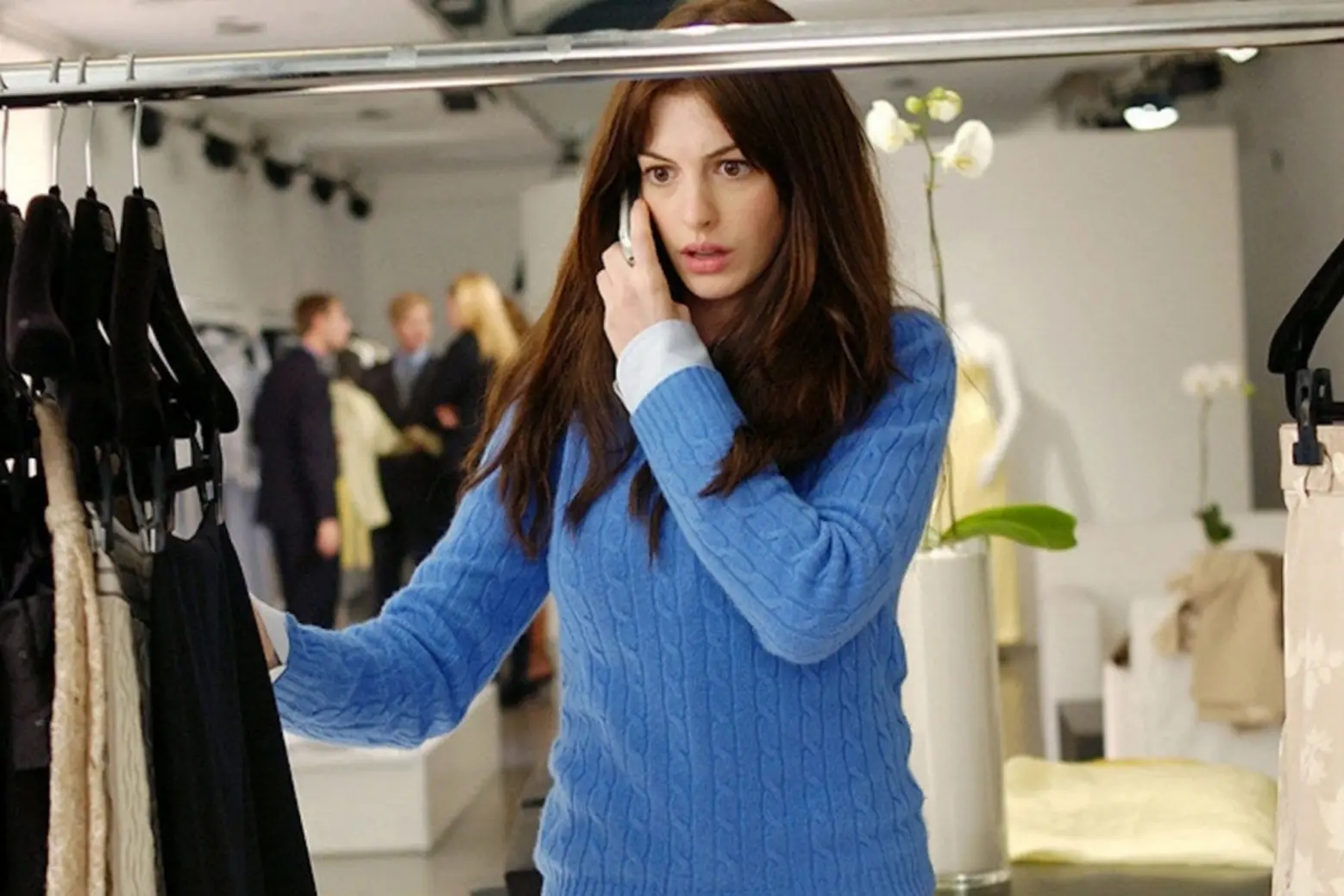
Remember when Miranda clocked Andy’s blue sweater in The Devil Wears Prada? Yes, the iconic monologue about how Andy is "blithely unaware of the fact that in 2002, Oscar de la Renta did a collection of cerulean gowns... and then it filtered down through the department stores and then trickled on down into some tragic Casual Corner where you, no doubt, fished it out of some clearance bin." That was not just a lecture about Andy's poor taste, but an insight into the multi-year, multi-billion dollar industrial mandate of color forecasting: the science of deciding what you will want to wear three years before you even know you want it.
The grand scheme of color forecasting lives in trend agencies, color standards, subscription reports, and those glass-walled consulting rooms where a moodboard stops being “inspo” and starts being a purchase order. It reaches everywhere: fashion and beauty, sure, but also tech finishes, car interiors, hotel lobbies, cereal boxes, and the scroll-stopping palettes that rule social media. Color prediction behaves like infrastructure, barely noticed when it’s doing its job, suddenly unmistakable the moment it changes course.
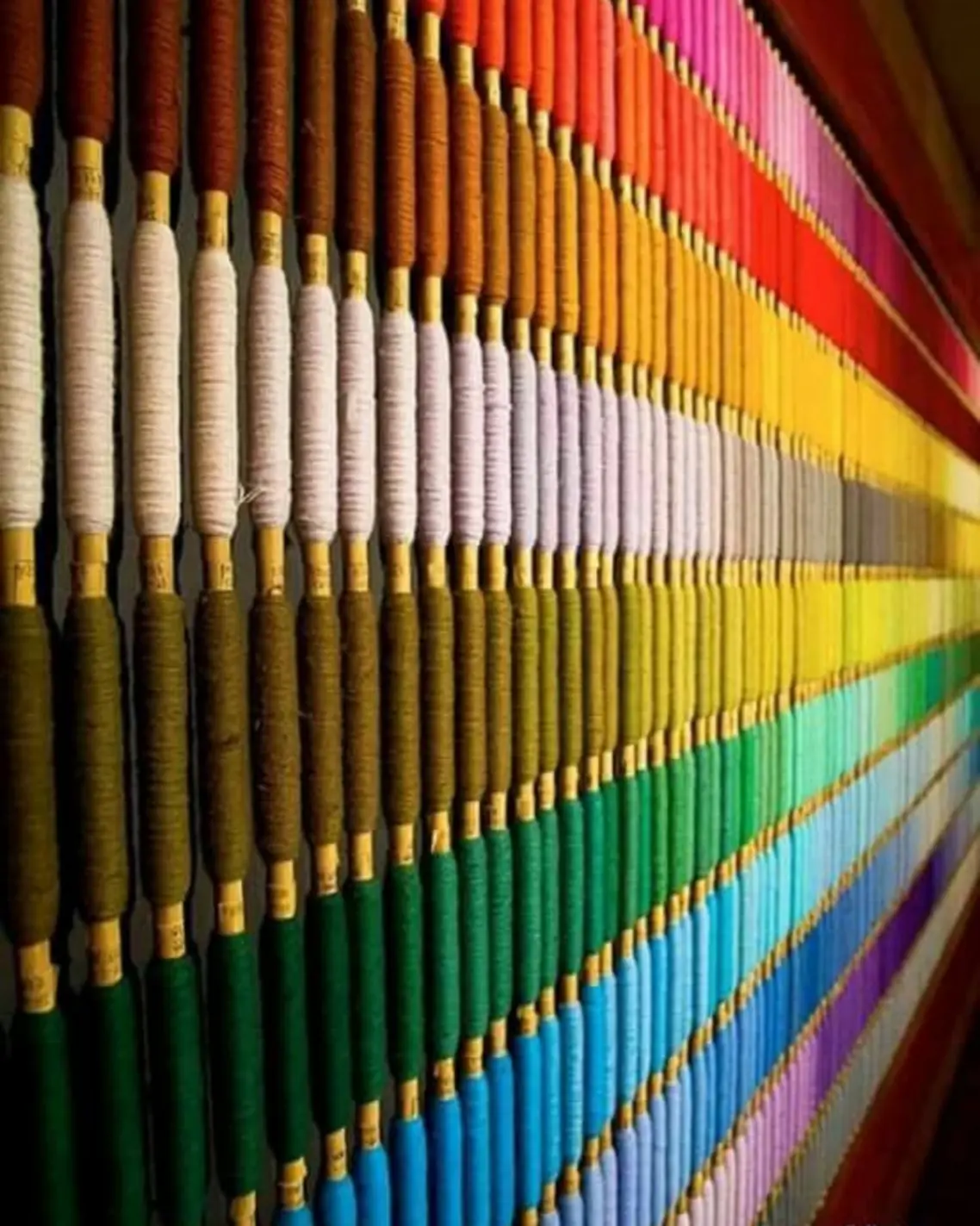
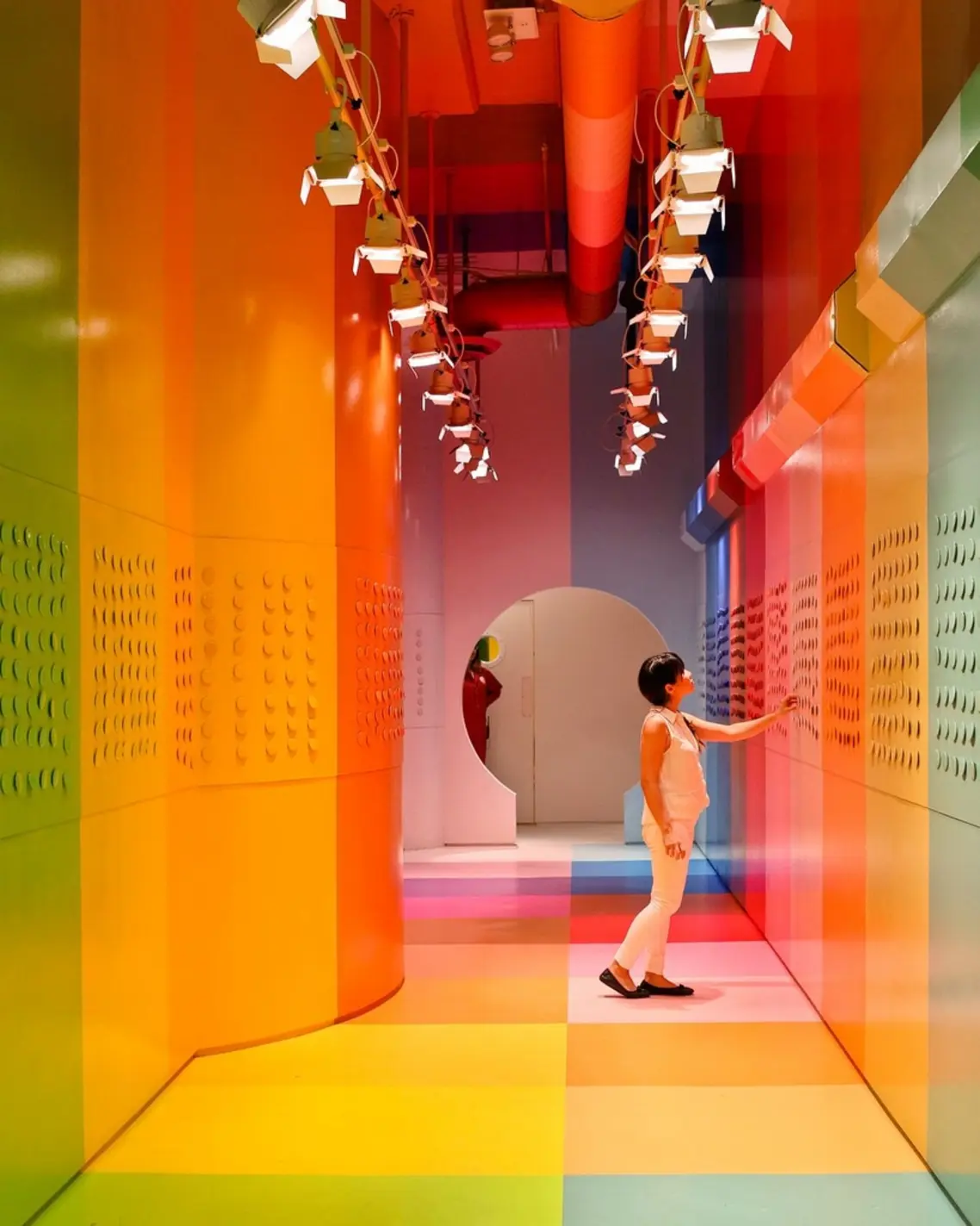
Color is feelings with a deadline. It signals status, tells stories, and nudges desire, but it also drags a very unromantic suitcase behind it: production timelines. Brands lock fabric orders months before a campaign gets a call sheet. Mills dye yarn well ahead of delivery. Packaging runs demand approvals, proofs, minimums, and a relay of sign-offs. Retailers map floorsets with tactical precision. Call the shade early and you buy certainty; call it late and you pay for chaos. Color Marketing Group reports that accurate forecasting can raise sell-through by up to 20%, trimming the risk of dead stock, inventory that stalls instead of selling. In practice, many companies buy forecasts for alignment as much as inspiration. A palette becomes a meeting shortcut: fewer debates, faster decisions, smoother handoffs.
In this world, accuracy is a KPI, not a vibe.
So how do they actually pull it off?
First, they read the temperature of culture. The big forces set the tone: money, politics, climate nerves, wellness, tech sleekness, entertainment churn, nostalgia, and whatever the next youth micro-scene is calling “cool.” Color prediction companies scan everything from runways and street style to art, architecture, film, gaming, and music, then back it up with signals that are harder to argue with: search spikes, resale heat, engagement patterns, image color-clustering, even sentiment data attached to visuals.
Then comes the alchemy: translation. A feeling gets turned into a palette you can manufacture. “Calm” becomes foggy greys and quiet sage. “Escape” turns into vitamin brights or outer-space blues. “Precision” lands in stark monochrome, clean whites, and metallics that look engineered.
After that, it’s pure merchandising. Forecasts usually sort colors into a hierarchy:
Finally, they time it like a release schedule. Long-range calls (18–24 months) feed production. Mid-range (6–12 months) shapes buys and assortments. Short-range “now” insights chase whatever is catching fire online: fast enough to matter, slow enough to still ship.
The application of AI drives the process faster than ever. As AI is brilliant at pattern-spotting: it sorts millions of images by hue, tracks tiny shifts over time, and gauges near-term “lift” from engagement and demand signals. Firms like Heuritech say they reach +91% accuracy by scanning millions of fashion images daily, catching color momentum before it’s obvious to anyone scrolling runway galleries. Yet color is never just math, it’s meaning. White symbolises purity and wedding in Western culture, but death and mourning in Eastern countries. That is where the human touch stays essential: cultural context, regional nuance, and ethics.
Color prediction, at scale, becomes a negotiation between creativity and commerce, culture and calendar.
A big slice of forecasting “accuracy” comes from its role as a market coordinator. Once enough brands follow the same map, the outcome turns self fulfilling.
“Control” sounds dramatic, but watch what happens when color direction lines up across categories. A season suddenly feels coherent, almost inevitable. Fashion harmonizes with beauty, interiors rhyme with packaging, tech accessories pick up the same undertones you saw on the runway. Consumers experience this visual agreement all across the world.
That’s where color becomes a cheat code for innovation. The product can stay structurally familiar, yet a hue refresh reads as “new.” Limited edition shades add urgency and collectability. In luxury, where design tweaks can be whisper level, color can still make headlines: a bag released in a rare seasonal tone, a lipstick synced to a cultural moment, a capsule wardrobe framed as a new “color chapter.”
Forecasting sits right on that hinge, translating cultural weather into commercial strategy. It’s the part of the machine that turns vibes into inventory.
And yes, the old story still plays: Miranda’s cerulean monologue, the myth of trickledown, runway to retail like a royal decree. That stream remains real, especially when fashion week and luxury houses set the tone. But the modern pipeline loops. It behaves less like a waterfall and more like a boomerang. Social platforms can fling a shade from meme to moodboard to marquee show, with designers watching the feed as closely as the front row.
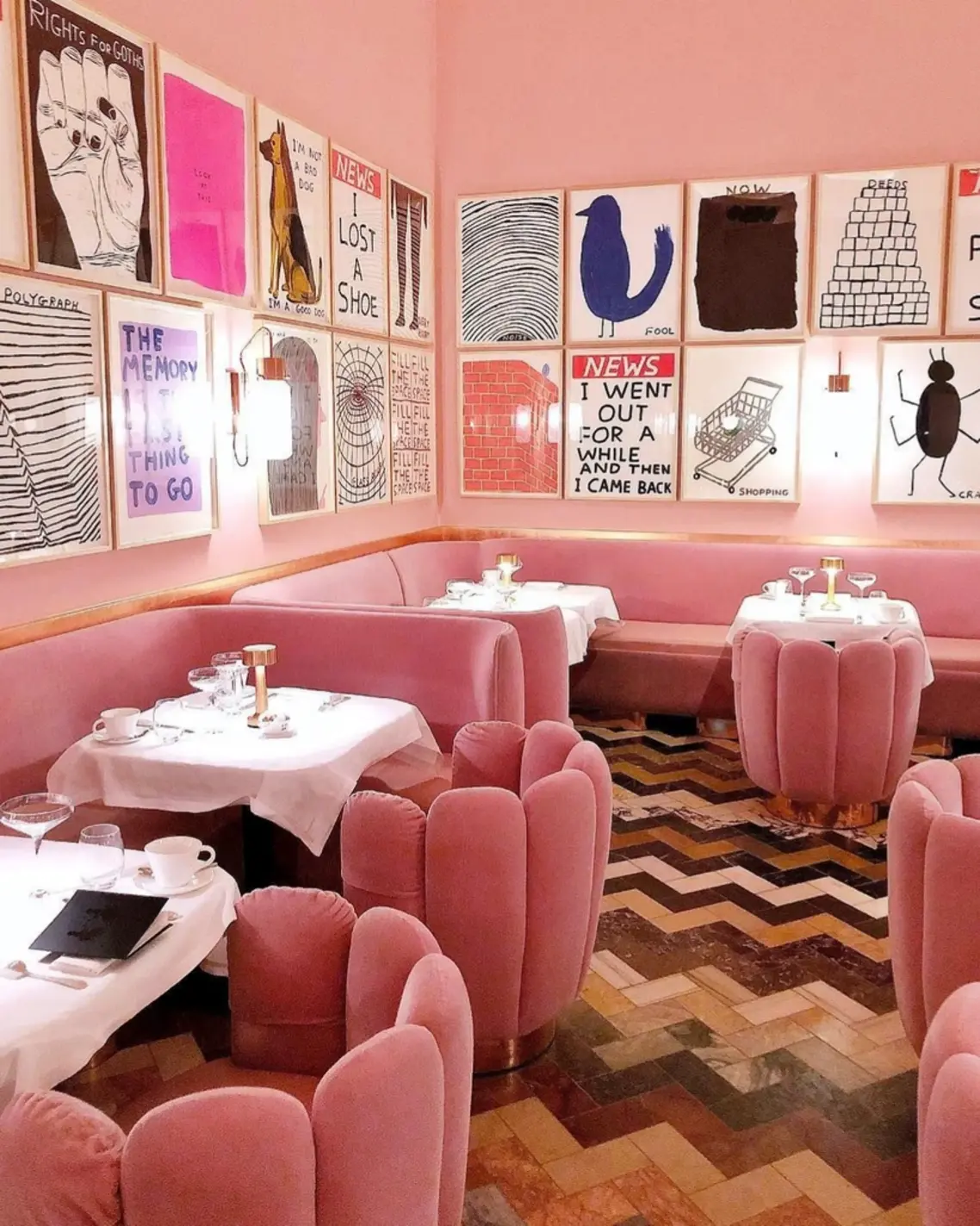
Recent color waves make the case. Millennial Pink became an era’s default through branding and Instagram minimalism. Barbiecore pink rode film buzz and fast fashion into a full cultural event. Quiet luxury neutrals whispered restraint and still won. In each case, forecasting didn’t just predict demand, it coordinated it: brands seed, consumers repeat, algorithms amplify, and the trend turns self fulfilling.
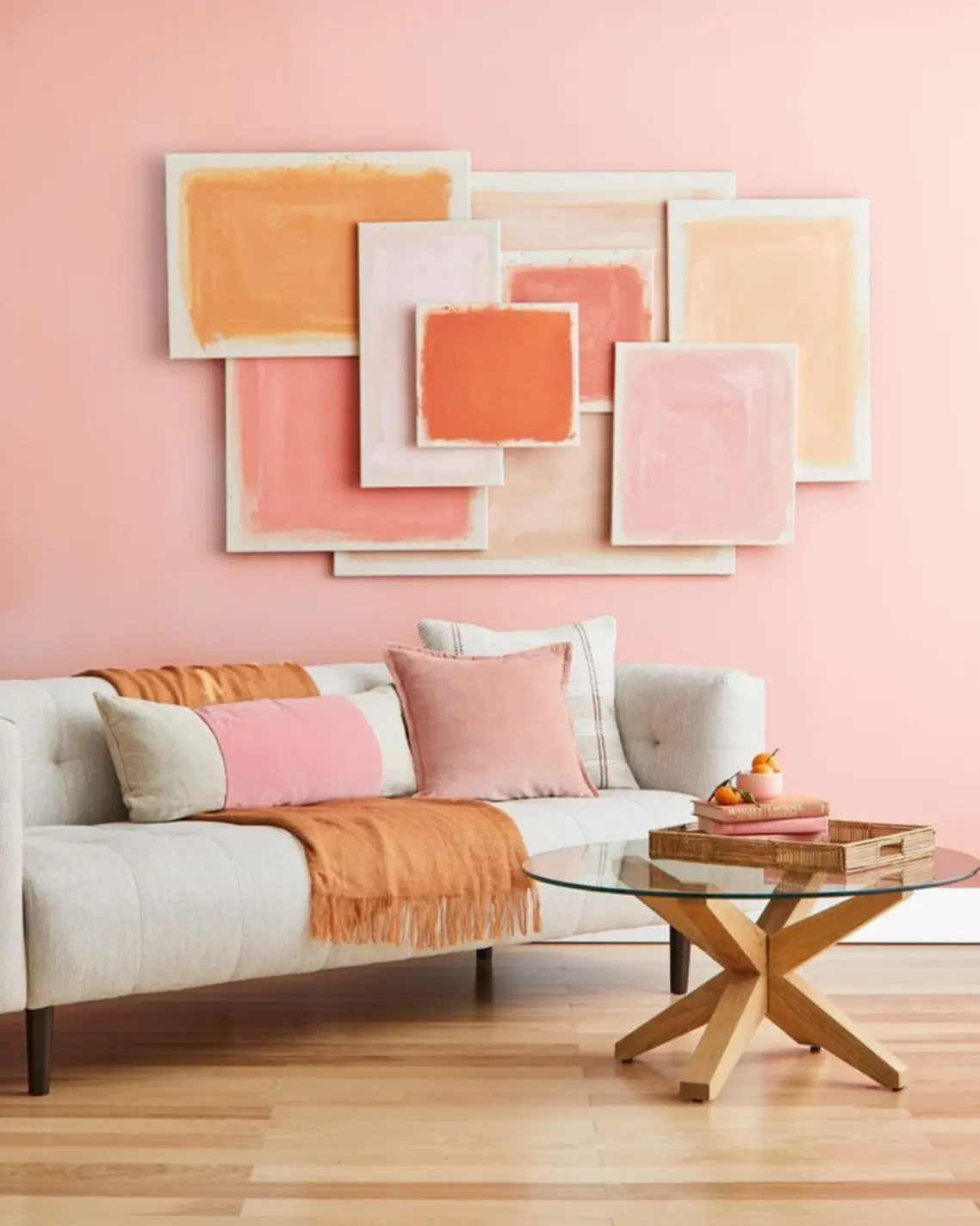
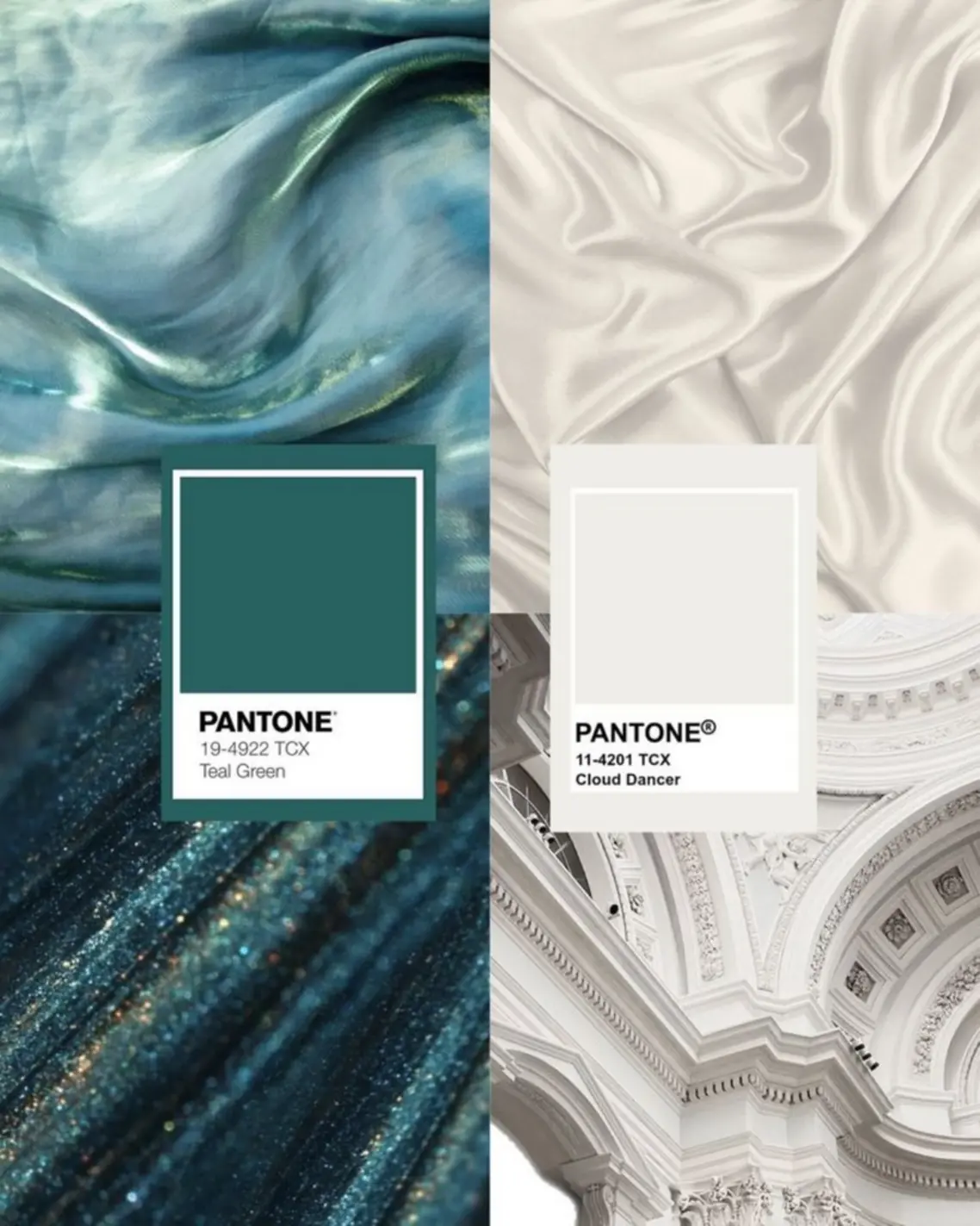
For 2026, WGSN’s Transformative Teal signals “Redirection,” shifting from passive sustainability to active regeneration. Built to feel restorative on screens and in recycled textiles, it balances blue trust with green vitality, a counter to crisis fatigue. Next to Pantone’s softer Cloud Dancer, it reads as the bolder call: tech forward, eco accountable, Earth first.
Then comes the retail reality check, where the prophecy locks in. When H&M, Zara, and Adidas align on the same forecast, that palette dominates racks, ads, and scrolling thumbs. Shoppers can only choose from what’s available, so the prediction starts performing itself in public. Add the commonly cited idea that around 85% of consumers treat color as a primary purchase driver, and the mechanism becomes obvious: coordinate the palette, and you don’t just follow taste, you help decide what taste looks like this season.
The next time you’re at the checkout, clutching a teal throw pillow or a "phygital" blue water bottle, realize you aren’t just making a purchase, you’re fulfilling a prophecy. You are the final, paying participant in a multi-billion dollar game of color prediction that began in a high-level trend lab years ago. While we like to imagine our taste is a private internal compass, it is often a manufactured byproduct: an industrial investment that was focus-grouped, dyed, and shipped to meet you exactly when the algorithm decided you’d be "ready" for it.