MENU
Close





Go beyond the pyramids. At the Mit Rahina Museum, stand before the colossal, reclining statue of Ramesses II on the sacred ground of ancient Memphis. Discover the forgotten cradle of Egyptian civilization in this intimate, profound travel experience.
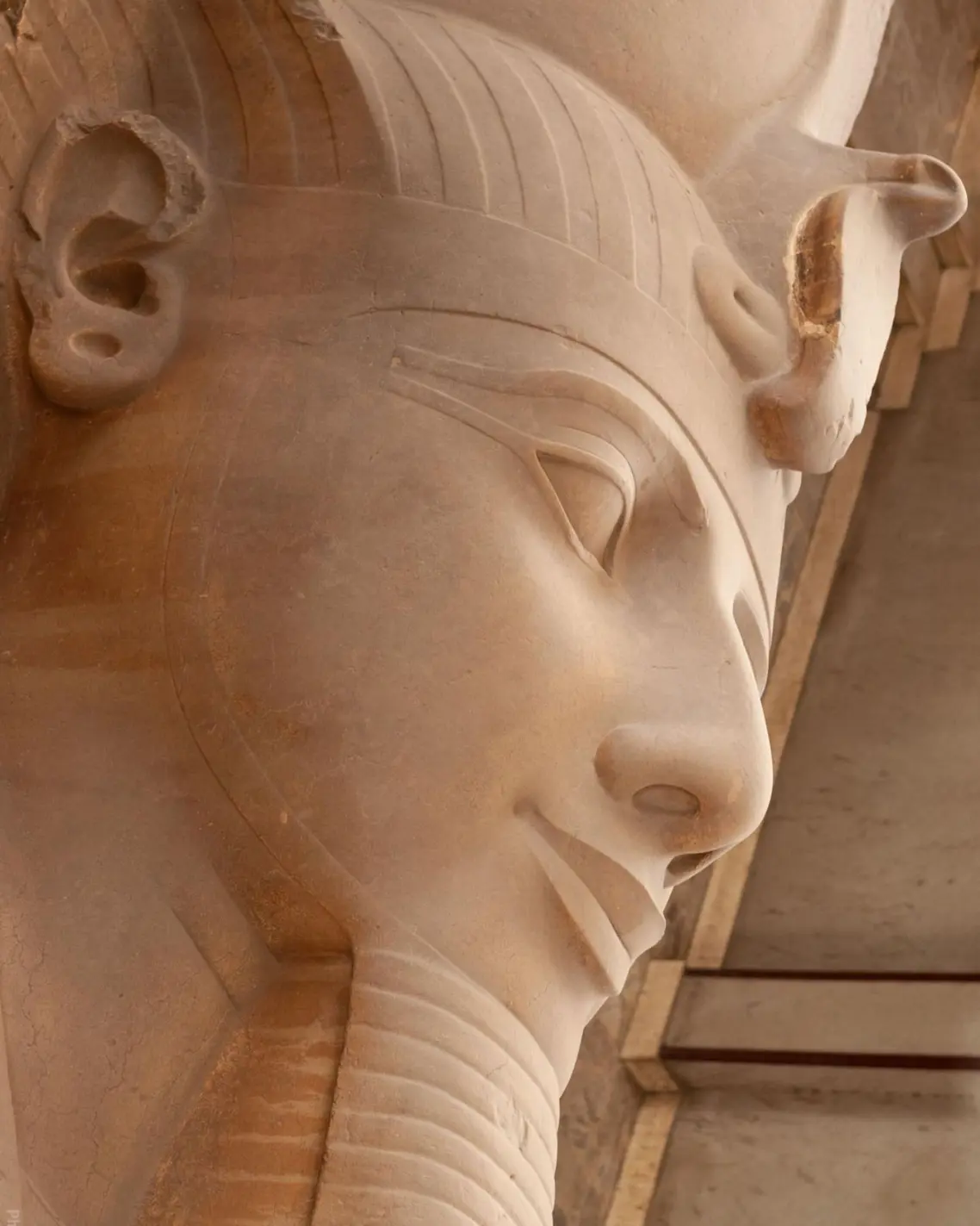
Go beyond the pyramids. At the Mit Rahina Museum, stand before the colossal, reclining statue of Ramesses II on the sacred ground of ancient Memphis. Discover the forgotten cradle of Egyptian civilization in this intimate, profound travel experience.
December 8, 2025


Long before the pyramids became icons and Luxor claimed its throne as an open-air museum, Memphis was where Egyptian civilization first learned to speak in stone. And at Mit Rahina, the quiet village built atop this ancient capital, travelers come face to face with its most extraordinary guardian: the colossal, reclining Ramesses II, a king so powerful he reshaped the map of empires, yet so serene in stone he seems to breathe in eternal peace.
A formidable military commander who led his troops into battle, Ramesses II had secured Egypt’s borders through both warfare and diplomacy — most famously by signing the world’s first known peace treaty after the Battle of Kadesh.
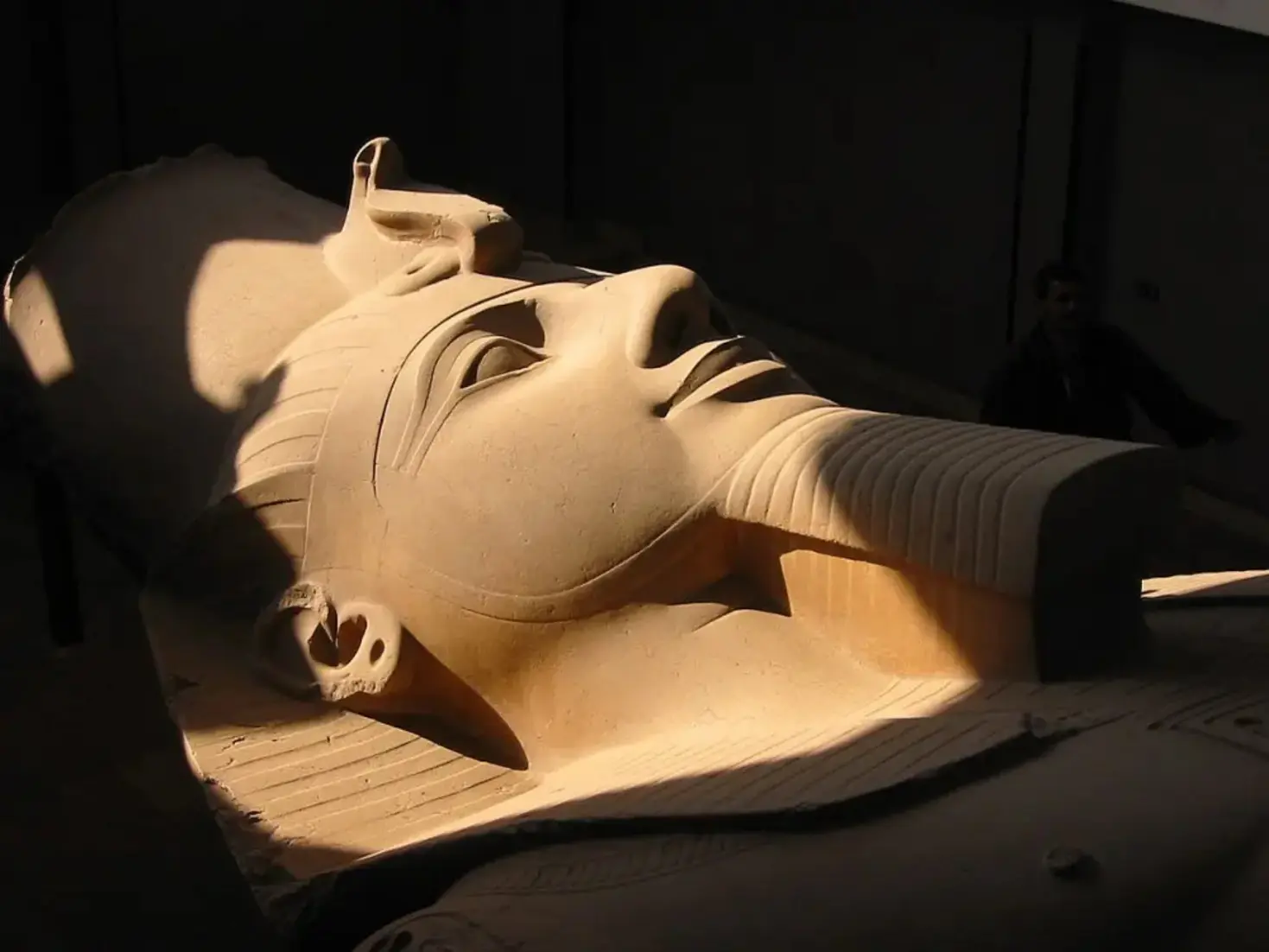
Under his rule, Egypt flourished economically and artistically: temples rose across the Nile Valley, colossal statues proclaimed his divine authority, and gold and tribute flowed in from lands under Egyptian influence. Yet, despite this image of invincible might, one of the most powerful symbols of Ramesses II that survives today radiates an unexpected tranquility.
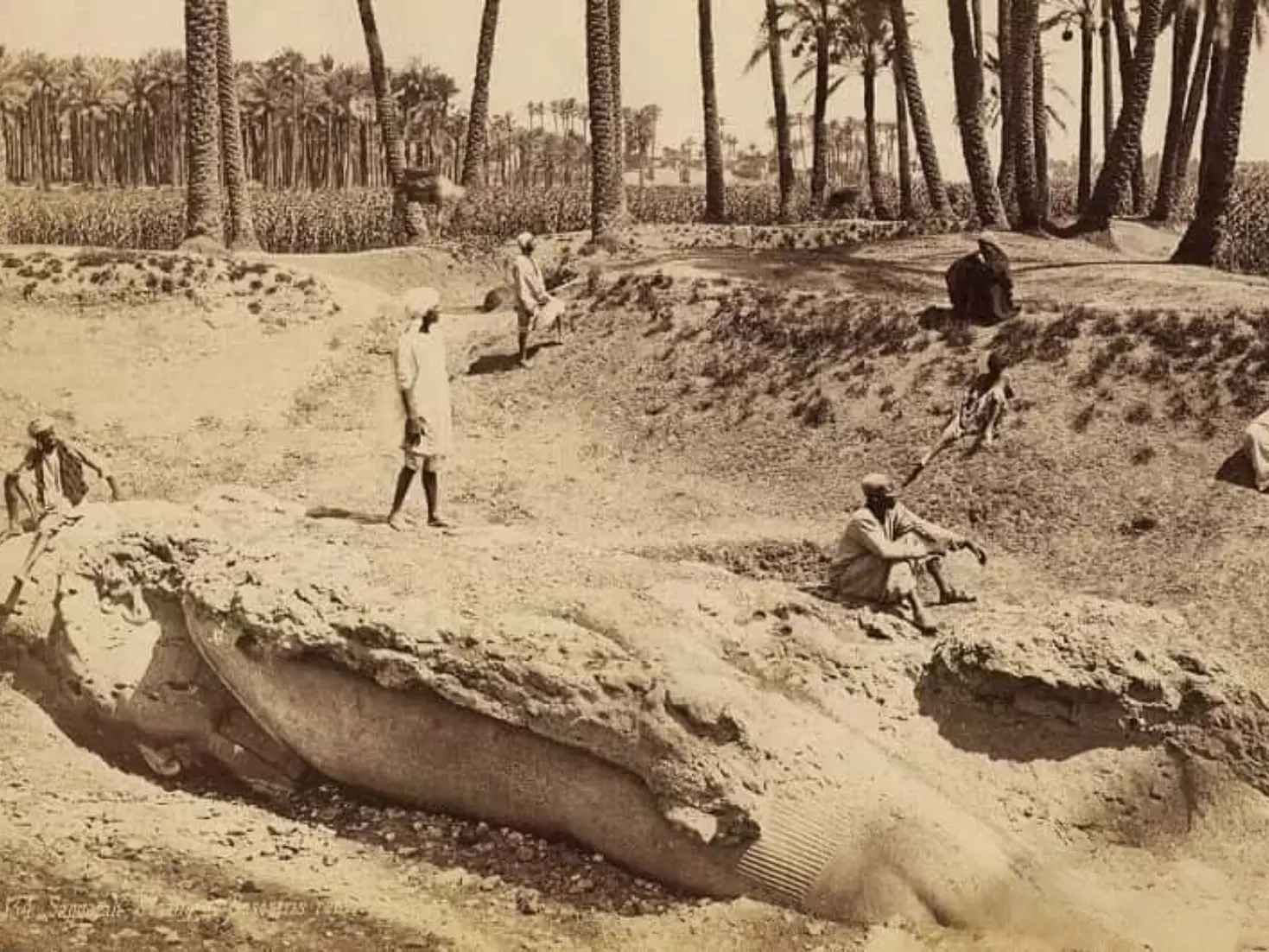
In 1820, when Italian explorer Giovanni Battista Caviglia unearthed a statue so massive it defied imagination. Measuring over 13 meters (33 feet) in length, the statue of Ramesses II was too immense to stand upright without modern intervention. Instead, an enclosure was built around it in Memphis, and there it remained, still captivating visitors more than two centuries later.
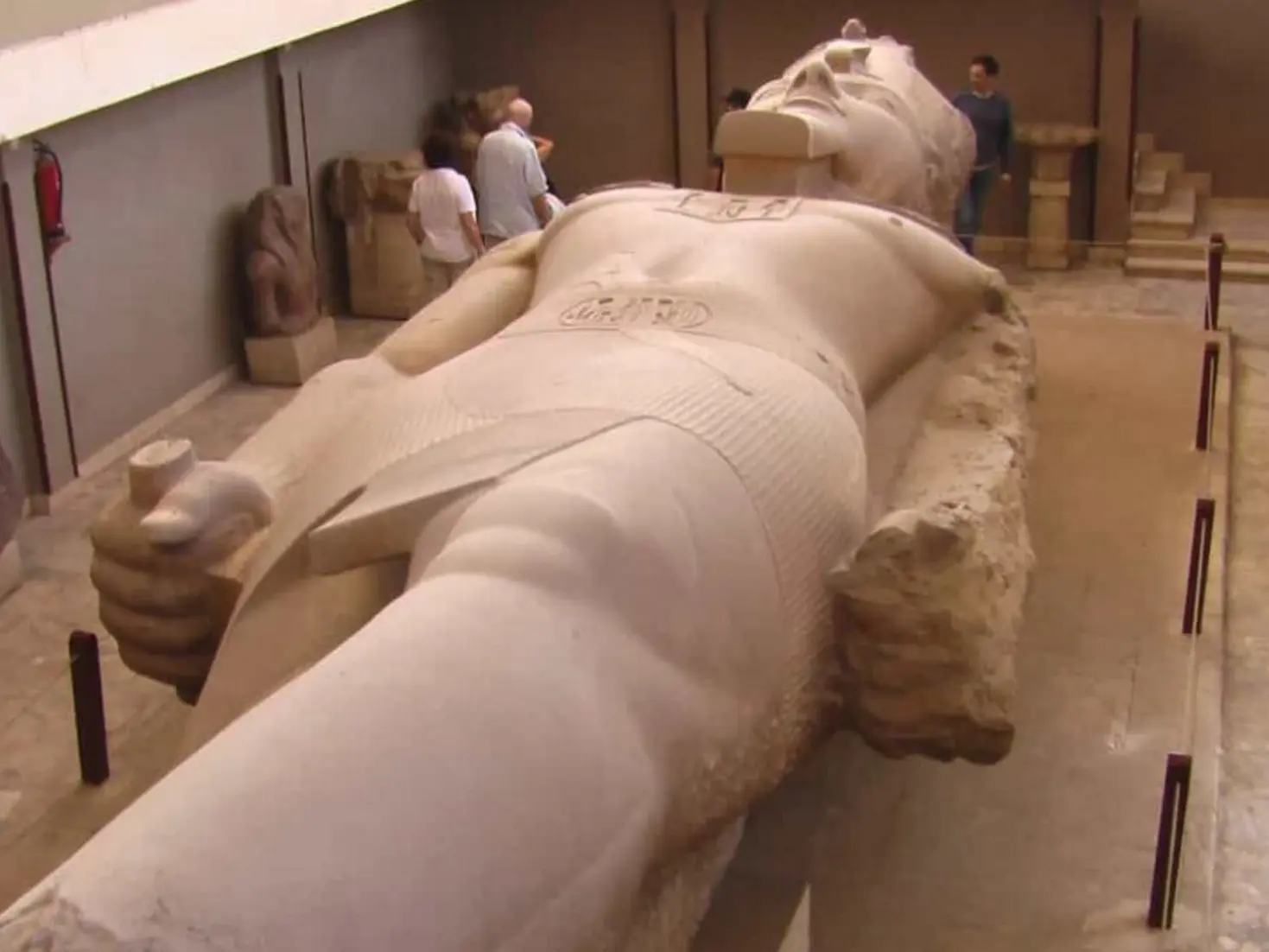
Resting horizontally as it was found, the statue portrays the pharaoh not as a warrior but as a serene, timeless figure, his expression calm and godlike. In its stillness, it captures another facet of his legacy: the eternal peace of a ruler who, after conquering nations and time itself, continues to reign in silent majesty.
Built around the colossal statue of Ramesses II, the Mit Rahina Museum preserves the treasures of ancient Memphis in two main sections: an indoor hall, where visitors find the reclining colossus, statues, and carved columns, and open-air grounds, scattered with sphinxes, triads, and monumental fragments.
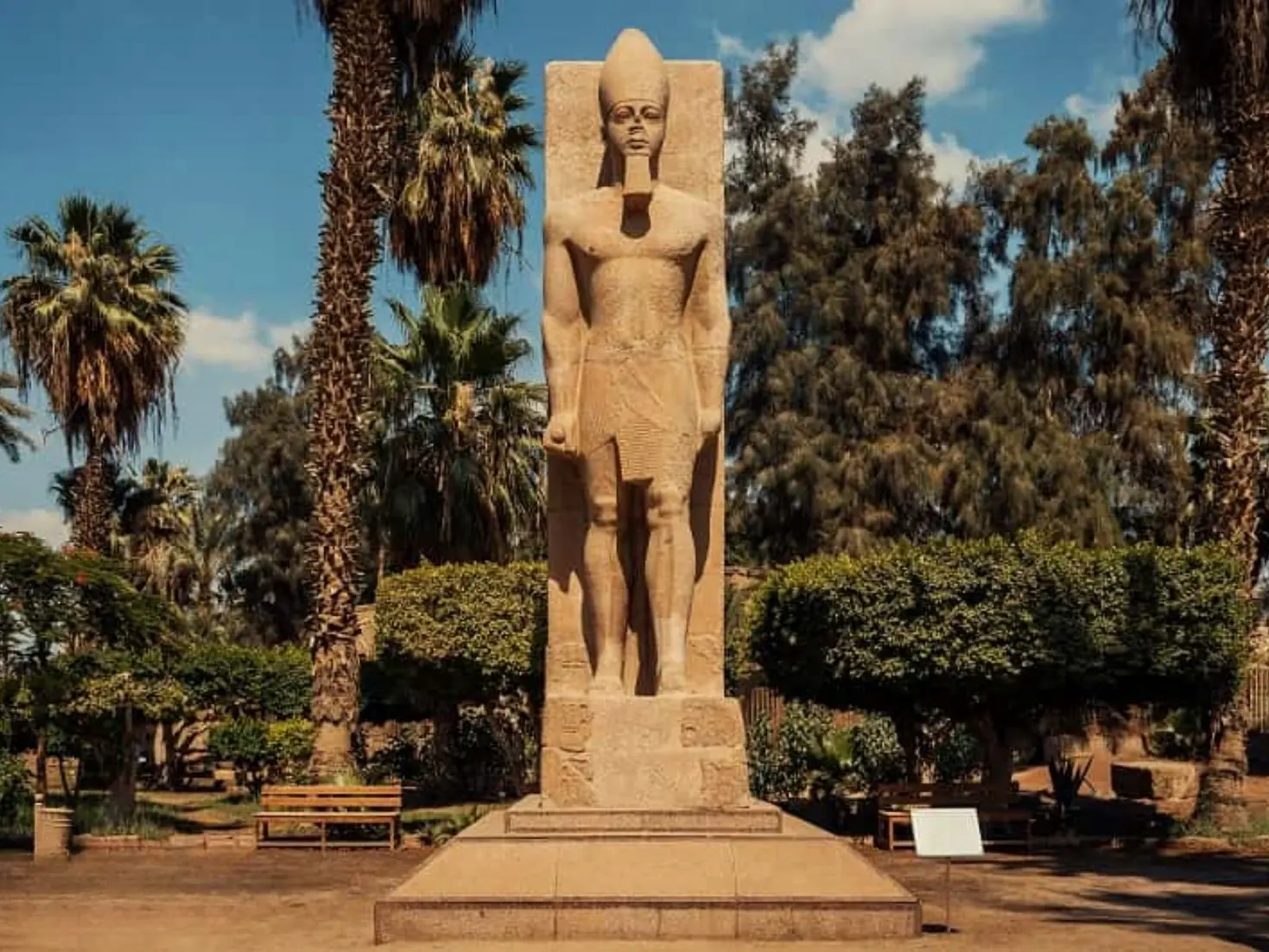
Among its highlights is the Ramesses Sphinx, a smaller guardian bearing the pharaoh’s unmistakable features, and the celebrated Triad of Memphis, depicting Ptah, Sekhmet, and their son Nefertem — a divine family embodying strength, renewal, and creative power. The museum’s artifacts trace Egypt’s long evolution: lotus-carved columns honor pharaonic grandeur, while Christian-era carvings reflect later cultural shifts, and even the statues of dwarfs reveal their important roles as entertainers or trusted scribes in the royal court.
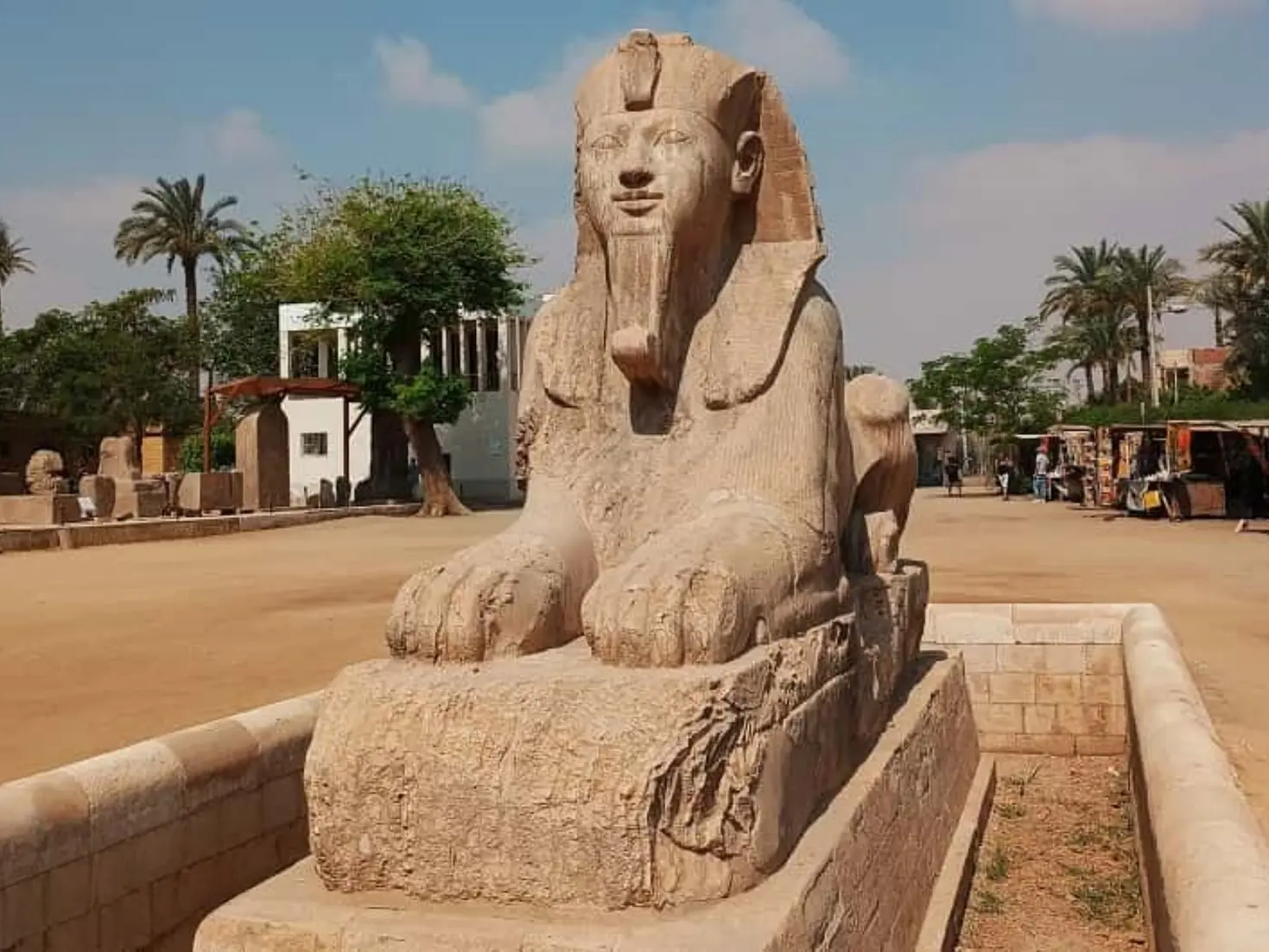
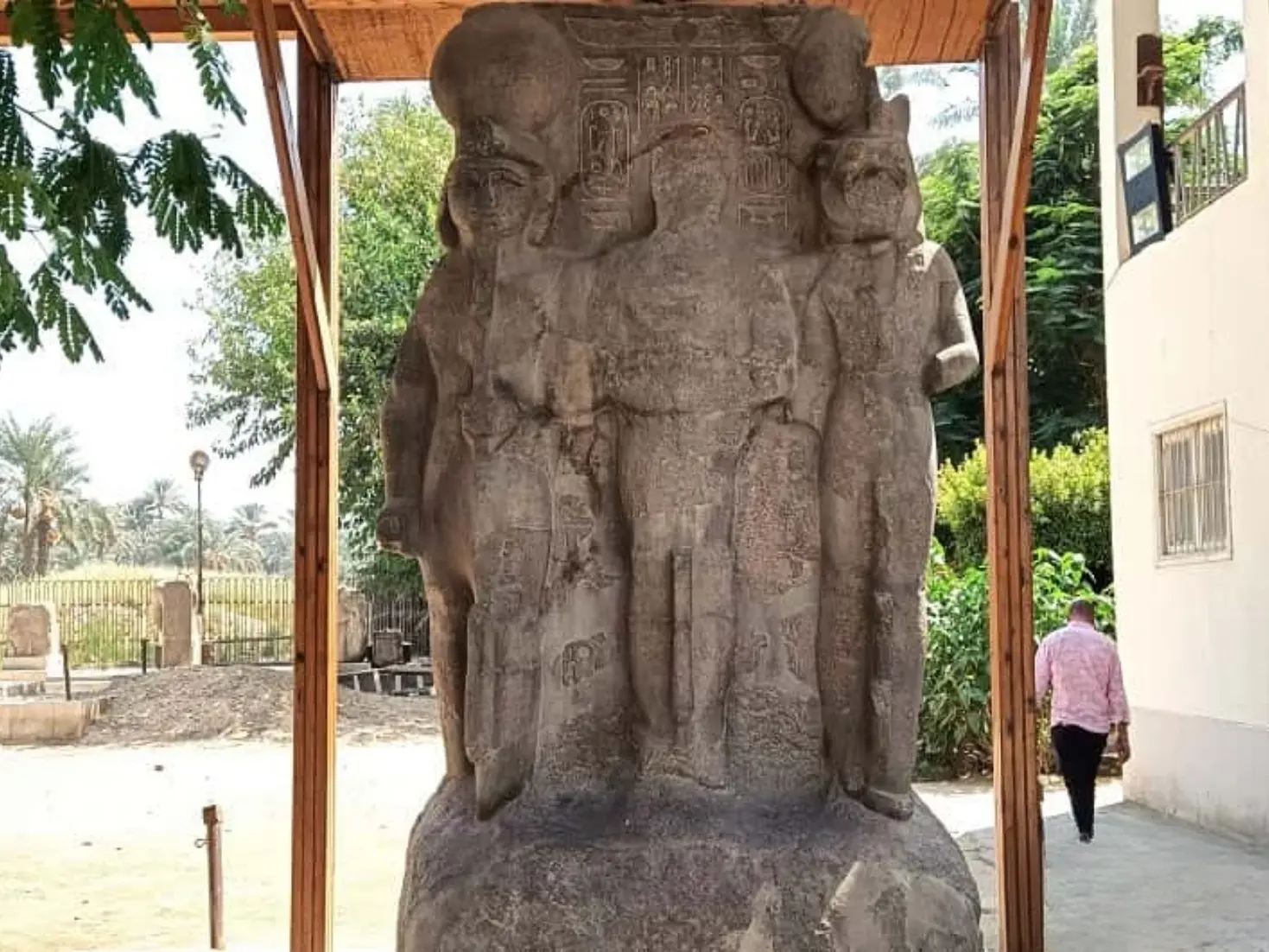
Mit Rahina lies at the northern edge of ancient Memphis, a modest modern village built upon one of Egypt’s most storied foundations. Once the flourishing capital of the Old Kingdom, Memphis was the beating heart of early Egyptian civilization — the first great seat of kingship and religion along the Nile. Yet, despite its profound historical significance, it remains curiously overshadowed by Egypt’s more celebrated sites. Few visitors realize that it was here, in Memphis, that Egypt first took political form, laying the groundwork for the splendor and stability that would define the pharaonic age.
To wander through Mit Rahina today is to walk upon the true cradle of Egyptian civilization. The Temple of Ptah, the spiritual core of Memphis, once stood among a constellation of sacred sites: the sun temples of Abu Ghurab and Abusir, the Temple of Apis, the Serapeum, and the Heb-Sed temple at nearby Saqqara. Together, these sanctuaries formed the religious and cultural nexus of a civilization whose influence would echo through millennia.
For luxury travelers from the Middle East seeking to explore Egypt’s ancient heart beyond the usual landmarks, Memphis and the Mit Rahina Museum offer an unforgettable journey into the cradle of civilization. Located just 30 kilometers south of Cairo, the site can be easily reached by private car or chauffeured transfer. Nearby, travelers can enjoy world-class comfort at The St. Regis Cairo, Four Seasons Hotel Cairo at The First Residence, or the historic Marriott Mena House, each offering panoramic Nile views, opulent spa treatments, and halal-friendly dining options. After a morning among the colossal statues of Ramesses II and the ruins of ancient Memphis, guests can return to these five-star sanctuaries for fine dining, riverside relaxation, and personalized luxury — a perfect balance of history and indulgence.