MENU
Close





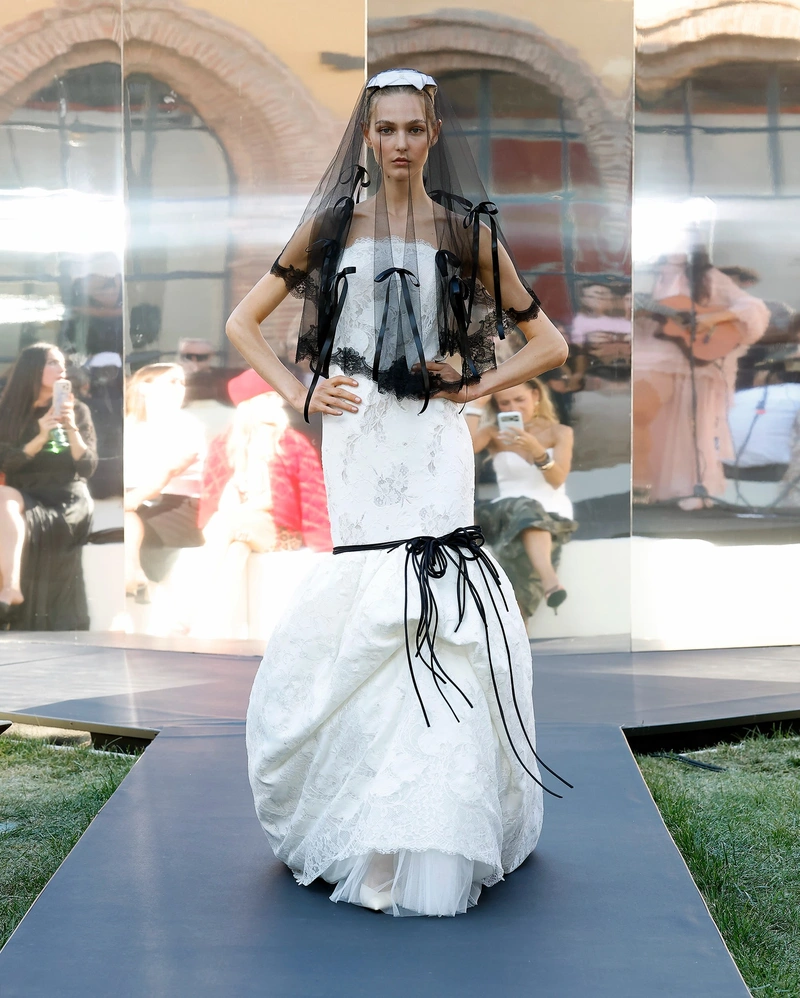
As weddings expand into multi-day, camera-ready productions, bridal style has shifted from finding one perfect wedding dress to curating an entire wedding wardrobe of reveals.
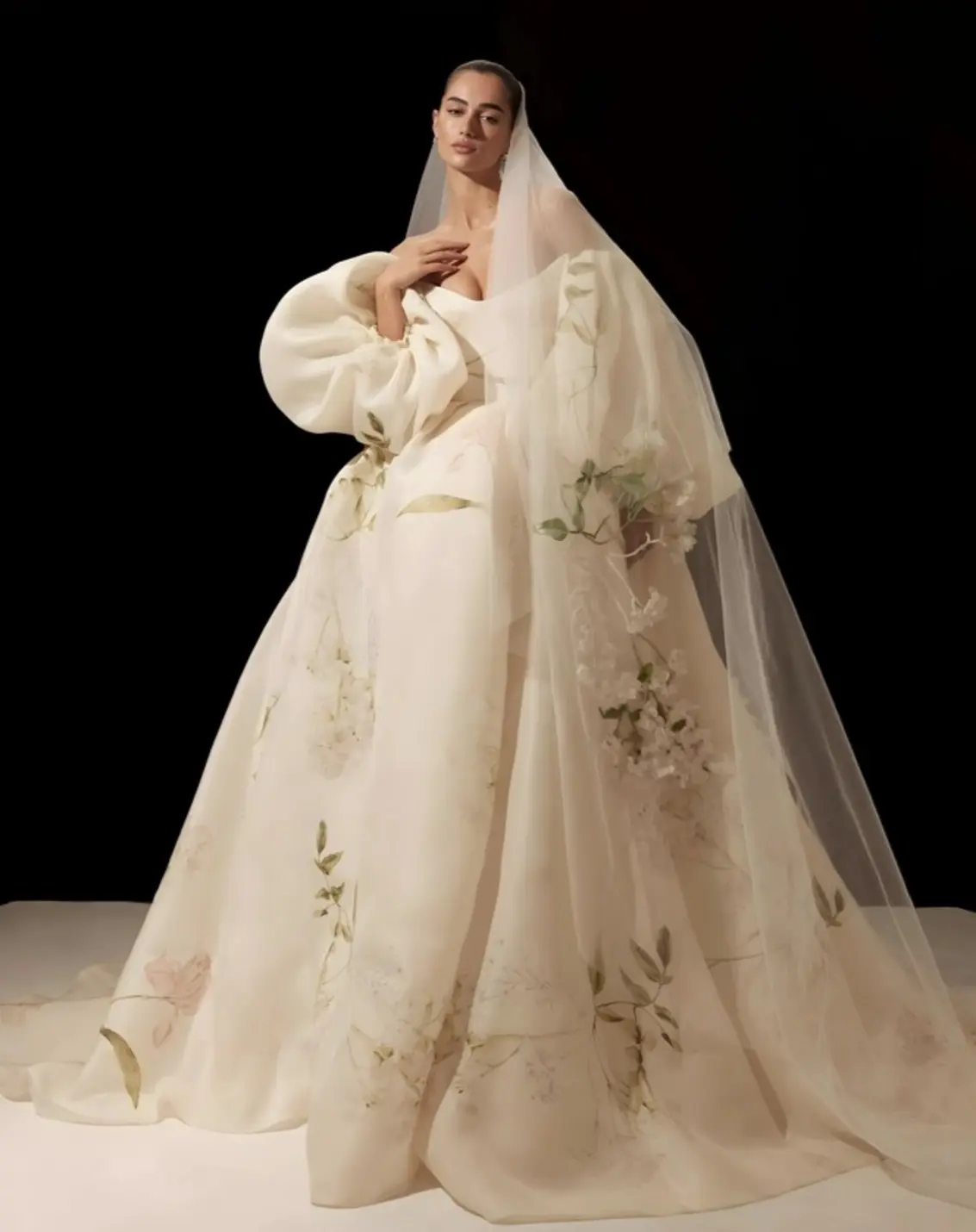
As weddings expand into multi-day, camera-ready productions, bridal style has shifted from finding one perfect wedding dress to curating an entire wedding wardrobe of reveals.
February 10, 2026
Advertisement
Advertisement


There used to be a single, commanding image that defined a bride: one aisle, one gown, one forever photograph. Today, that idea has been stretched into a sequence, more like a limited series than a still life, because modern weddings keep multiplying their scenes. Welcome dinners, boat lunches, rehearsal moments, after-parties, farewell brunches, courthouse signings, engagement shoots: each one asks for its own mood, its own silhouette, its own headline look.
This is why bridal style now behaves like editorial styling. Brides build a wardrobe, then build a story around it, and the centerpiece wedding dress becomes only the opening chapter.
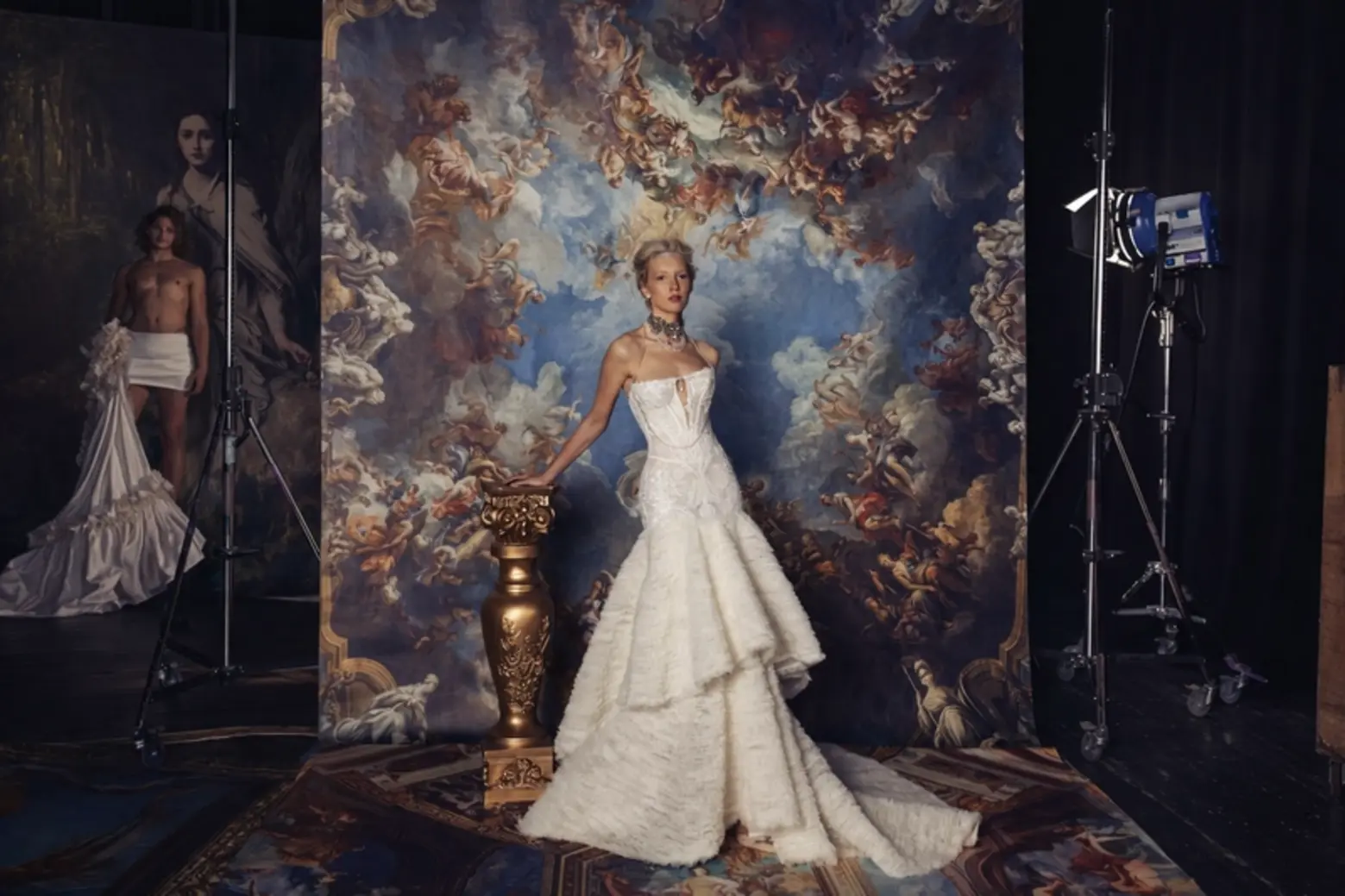
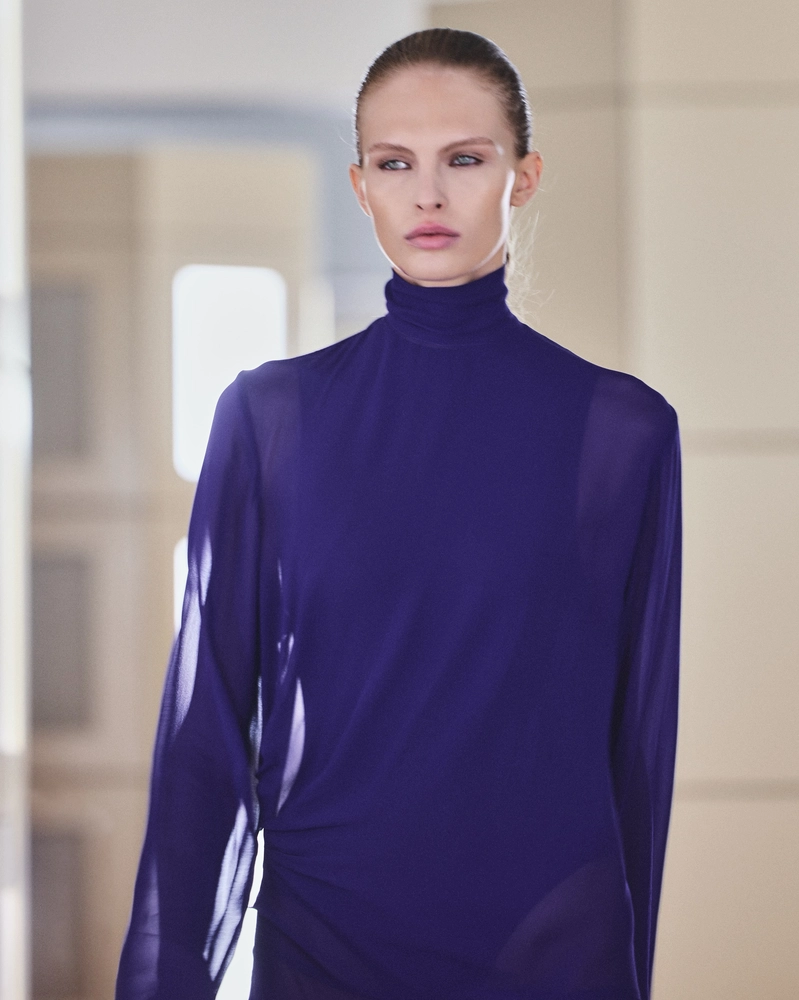
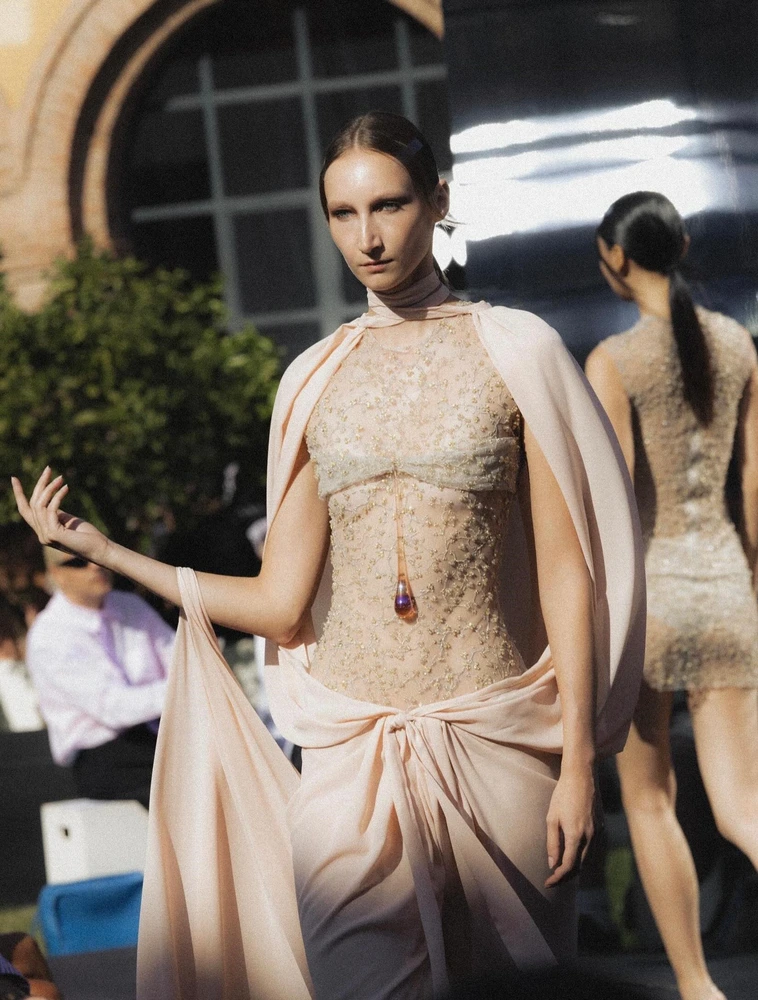
A modern bride rarely wants to feel like one fixed archetype from noon to midnight. She wants range: sacred and cinematic for the vows, sleek and kinetic for dinner, playful and sharp for the after-party, soft and luminous for the morning-after. That desire for different vibes throughout the day sits at the heart of the multiple-look movement.
What’s new is the way this range gets treated as intentional narrative. Bridal stylist Anny Choi describes her work as a mix of curating and editing, keeping brides out of endless scrolling, shaping a cohesive visual thesis, and supporting the emotional weight that comes with dressing for ritual. She even frames the process as “wedding therapy,” with the bride’s wardrobe planned like a full magazine shoot where every frame stands alone and still belongs to the same story.
That editorial approach changes how brides shop. Instead of hunting for the dress first and backfilling everything else, many start by mapping the week: which moments are photographed, which moments are intimate, which moments need movement, which moments demand drama. Even Miami-based jewelry designer Martina Gurgel mapped out more than 25 wedding-week outfits in a spreadsheet, covering everything from the engagement shoot and bachelorette to the bridal shower, rehearsal dinner, and beyond.
The logic is almost media-savvy: if the celebration already includes photographers and content capture, each outfit becomes a new visual asset, a new drop, a new memory with its own aesthetic signature. Gurgel estimated spending $15,000 to $20,000 on looks for the wedding week alone (including honeymoon apparel), a figure that illustrates how bridal style has become an ecosystem rather than a single purchase.
So the modern wedding dress holds a paradox. It remains the emotional centerpiece, often the most photographed, the most symbolic, but it now shares the stage with a supporting cast that carries just as much identity.
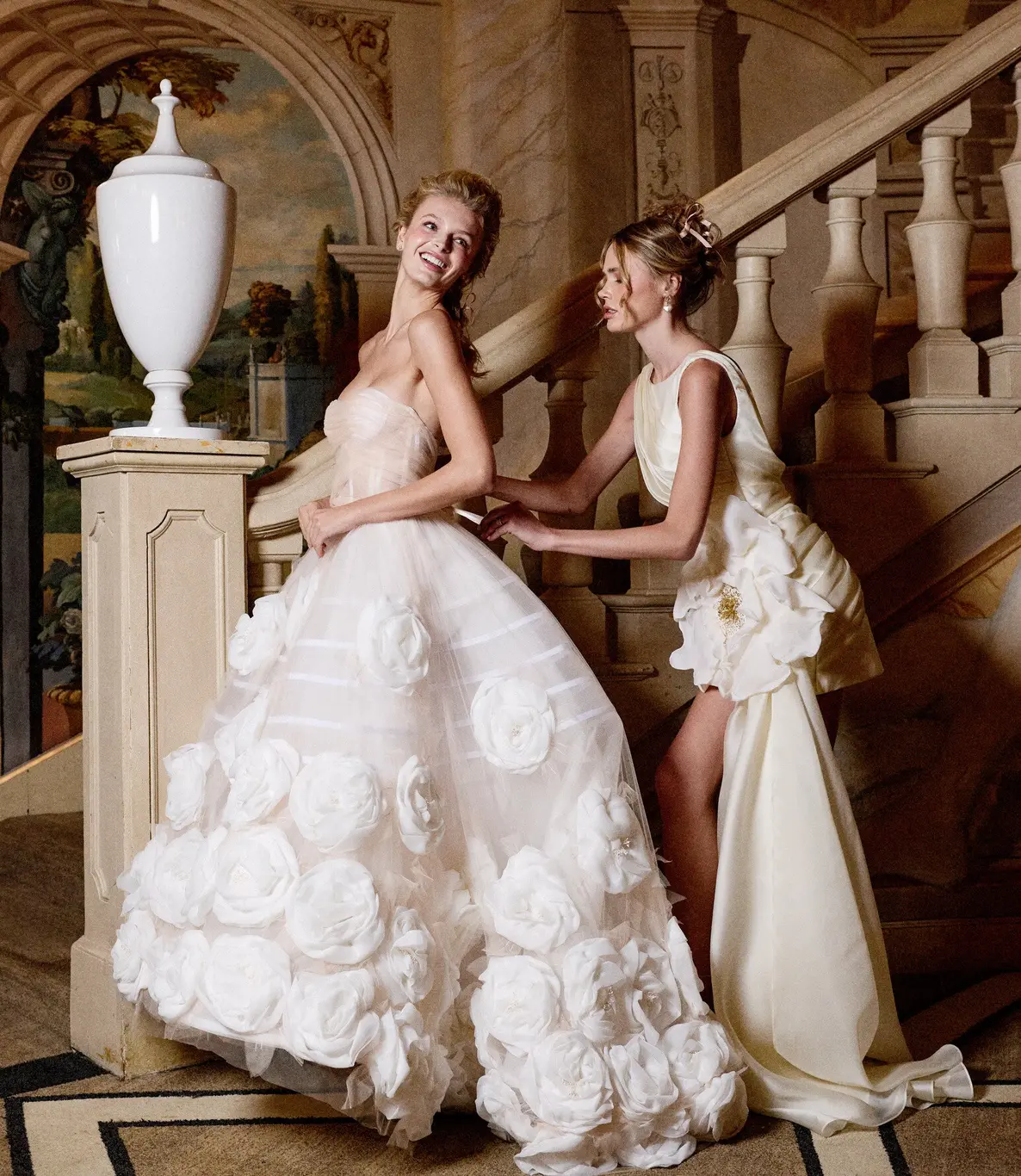
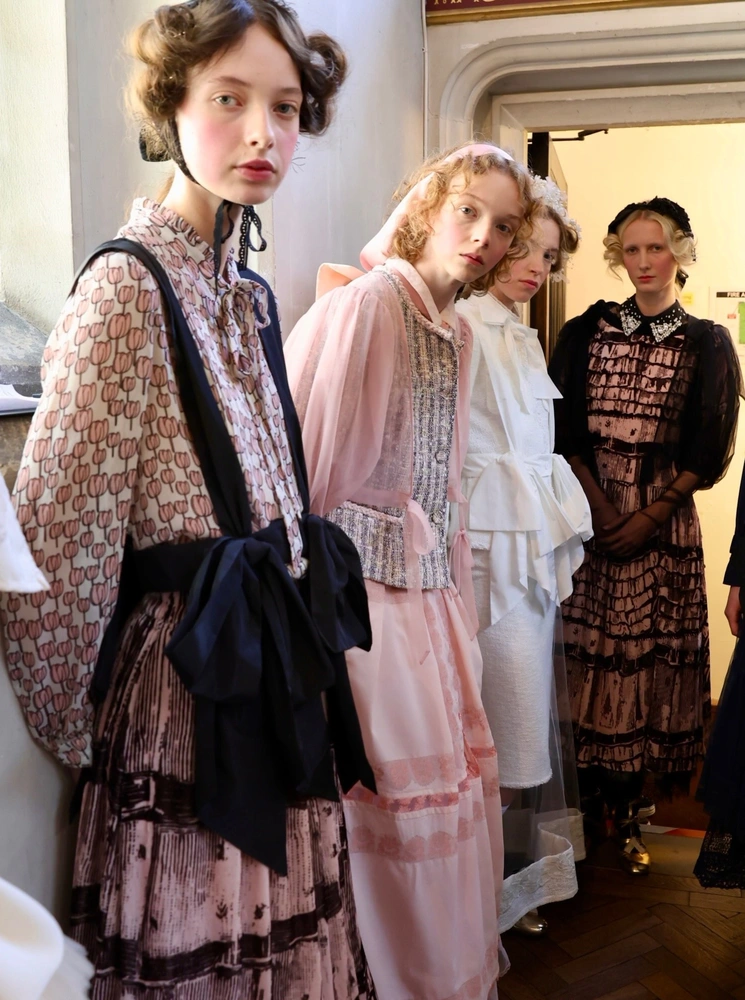
Once a bride starts thinking in chapters, the wedding day starts resembling production. Outfit changes require timing, helpers, garment bags, backup plans, and a tolerance for backstage chaos.
Brides puts hard numbers to what feels glamorous on Instagram: many outfit changes take 15 to 30 minutes. That time comes straight out of the party, which forces a practical question, how many changes actually serve the experience? One planner’s rule of thumb: one outfit change maximum for every six to eight hours of celebration.
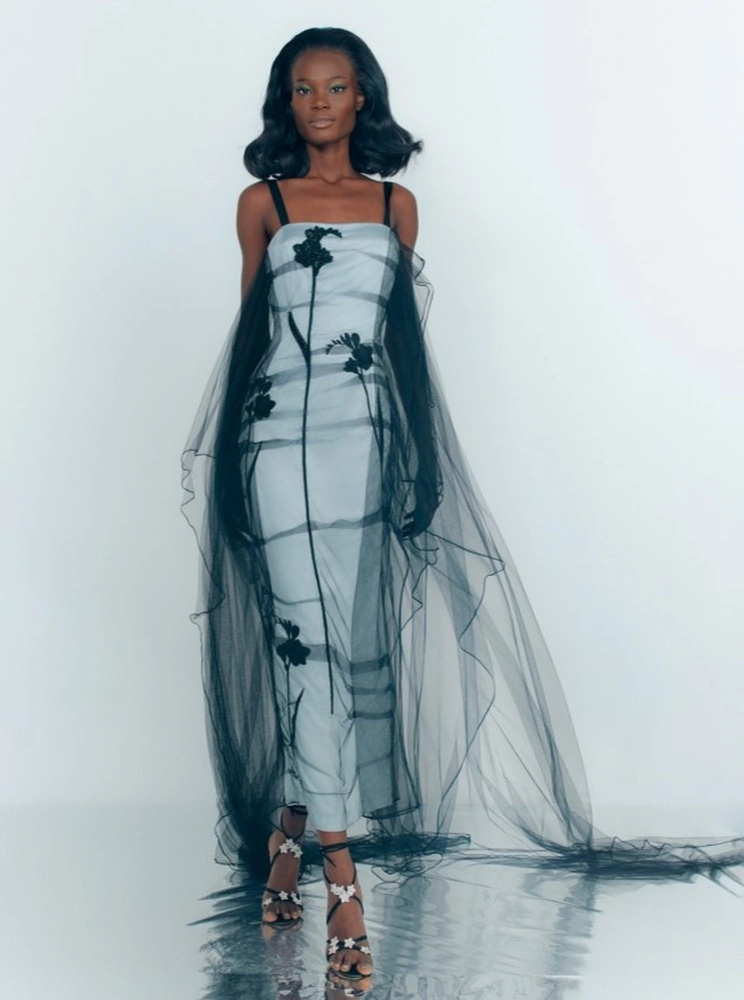
This is why the second look has become its own discipline. Another report frames reception looks as a long-running bridal fashion trend with a fresh, modern direction, one that balances sophistication with freedom, and increasingly leans into shorter hemlines and silhouettes designed for movement. Minis, sheaths, and converted gowns (overskirts that come off, sleeves that detach, toppers that disappear) let a bride keep the ceremonial impact while gaining the kinetic ease of a party piece.
Culturally, the rise of wedding stylists has moved in lockstep with this shift. The stylist now acts as an architect of cohesion, building mood boards, sourcing pieces, understanding tailoring, coordinating with designers, and providing steady emotional guidance, especially in the post-pandemic era that reshaped how brides shop and how weddings expand.
And once you widen the lens beyond the bride, the entire wedding starts dressing like a scene.
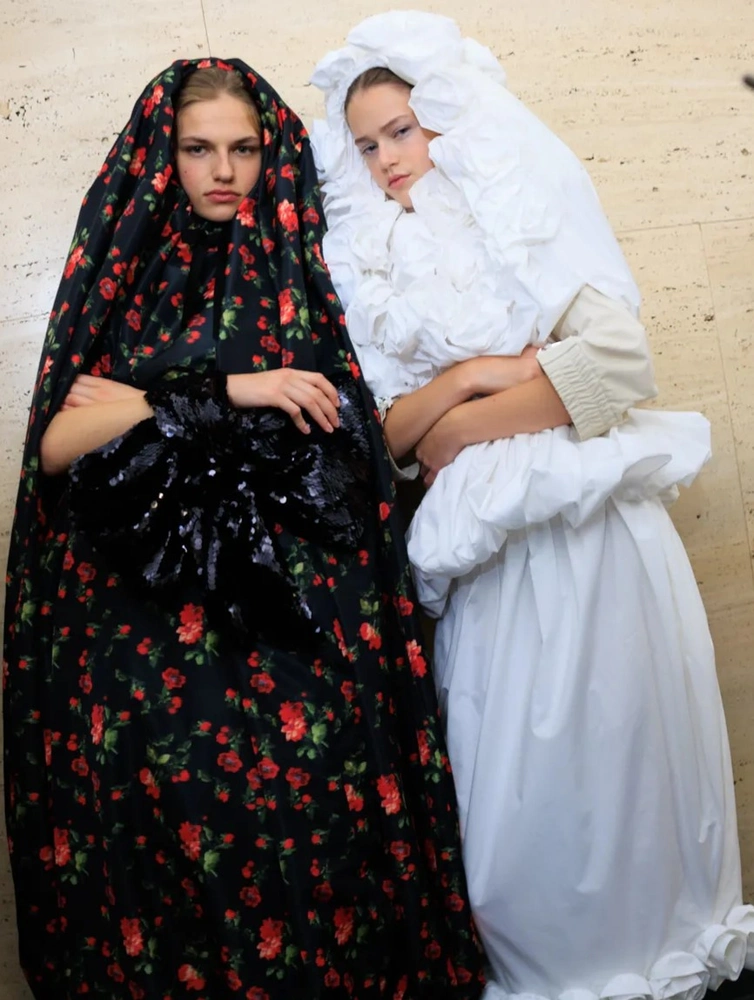
Weddings have become participatory fashion worlds. Guests want to contribute to the visual atmosphere, bridal parties want autonomy, and couples increasingly design the event as an aesthetic universe rather than a formal template.
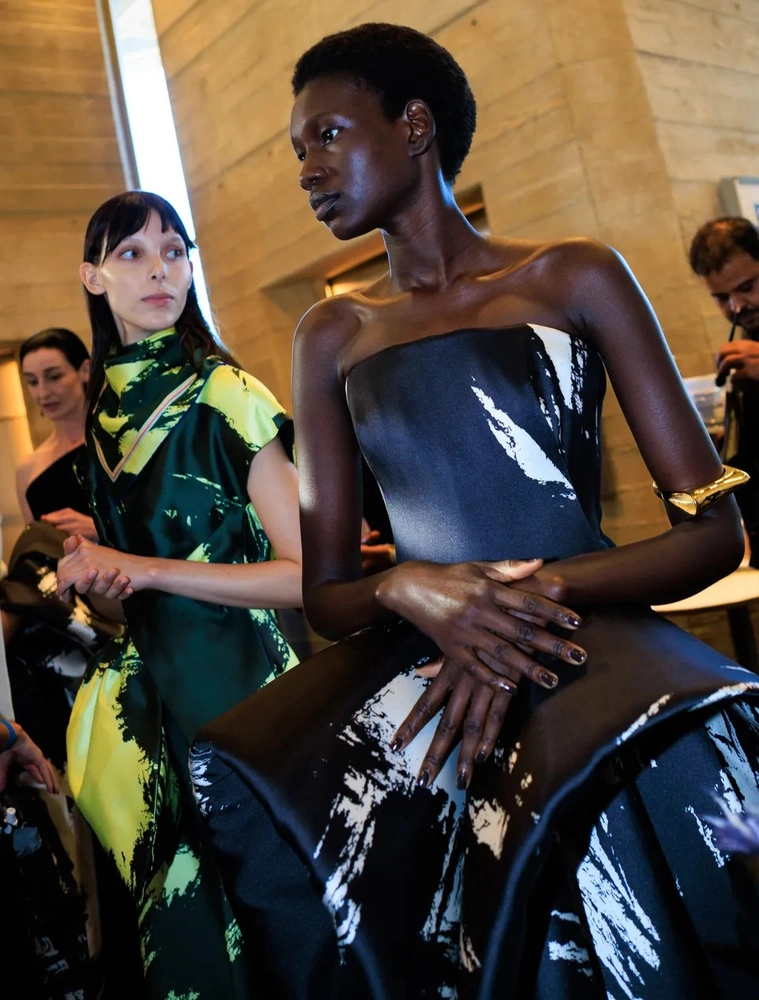
Even bridesmaids have entered their own era of individuality. According to online wedding planning company Zola, more than 69 percent of couples dressed their wedding party in non-traditional outfits. The bridal party stops functioning as uniform background, and starts functioning as curated character casting.
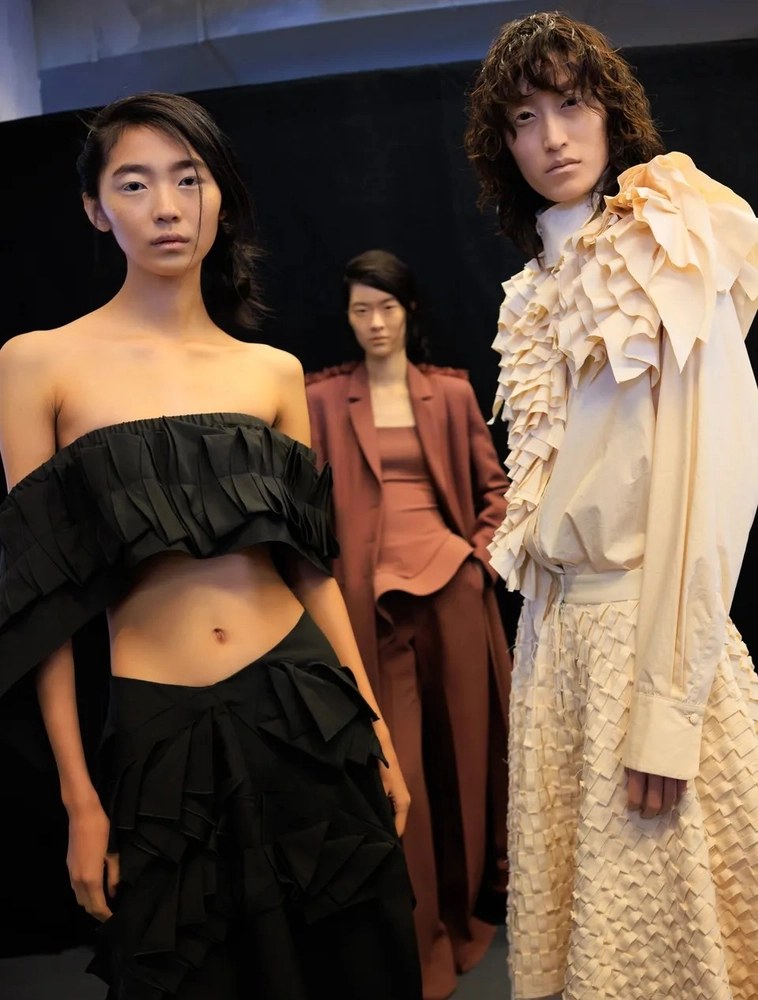
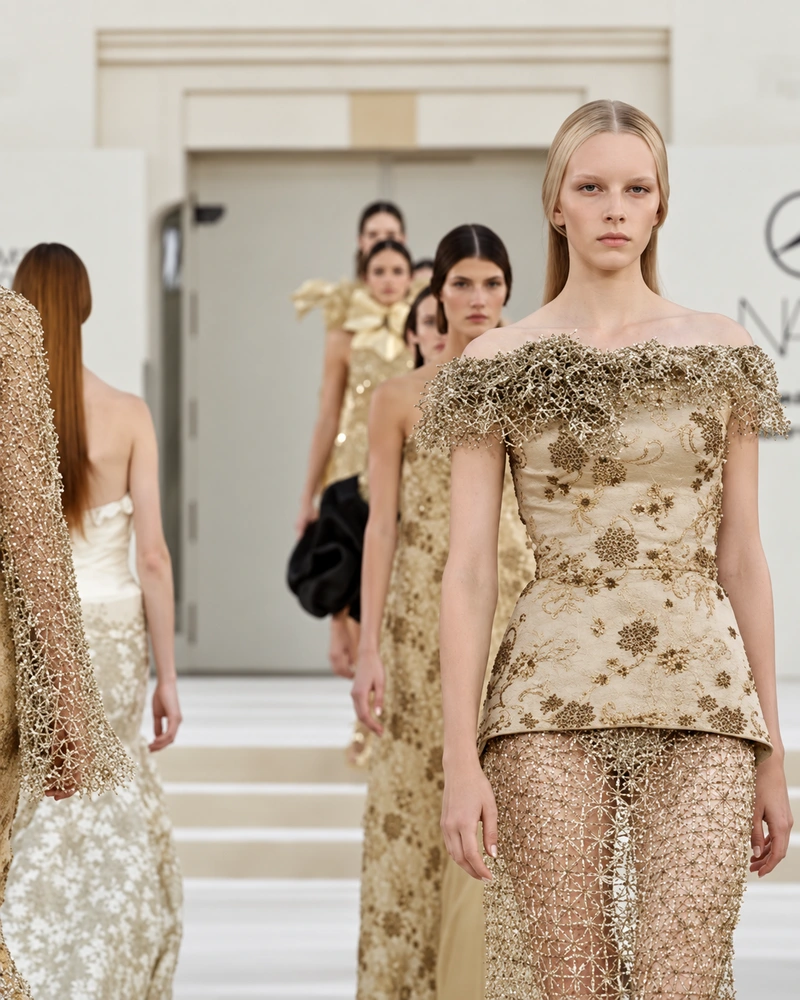
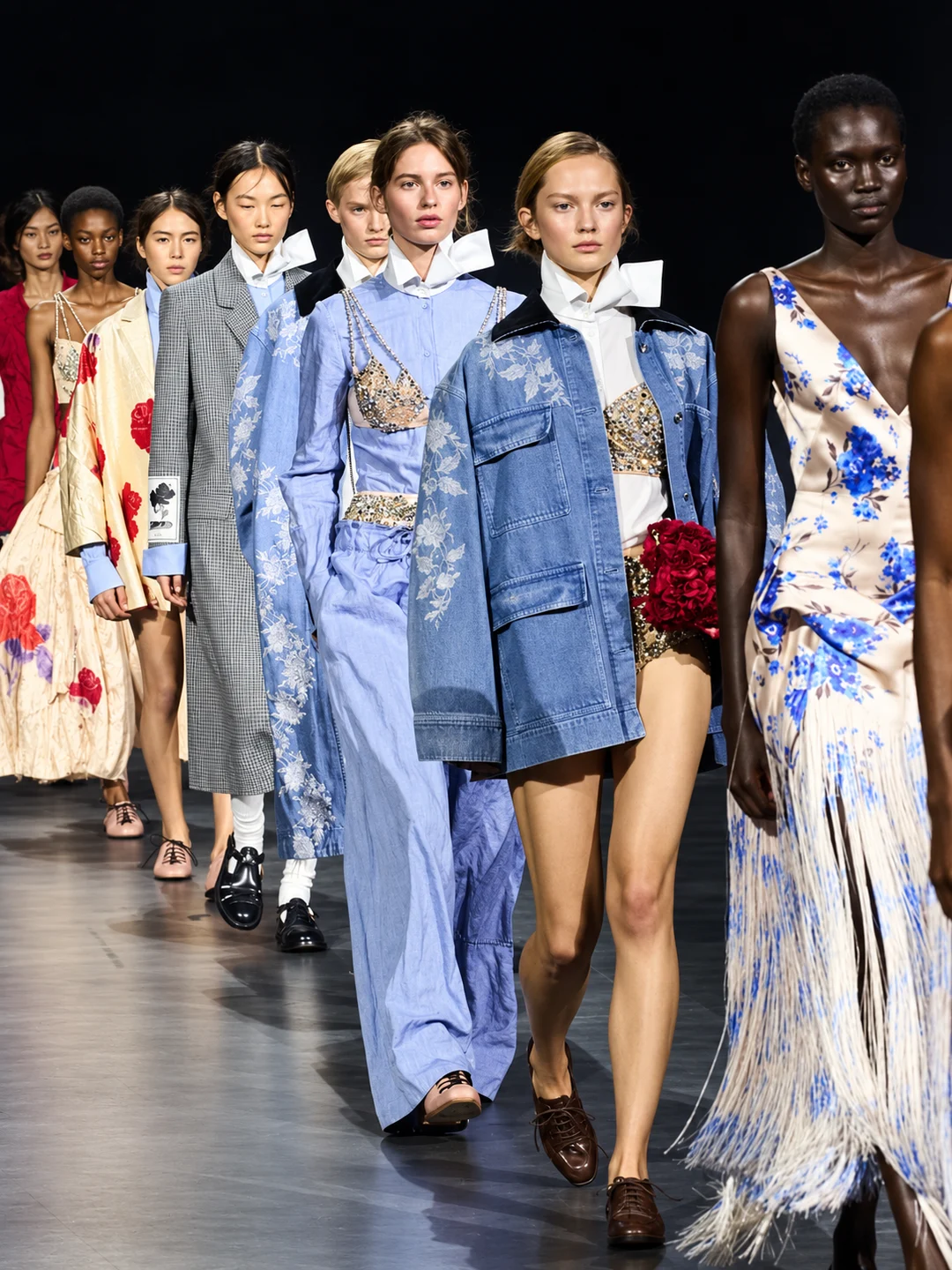
Put these pieces together and the wedding becomes less like a single ceremony and more like a fashion week schedule: multiple moments, multiple outfits, multiple mood shifts, all staged for memory and image.
Yet even when budgets stay grounded, the same impulse shows up in smaller forms: a detachable overskirt, a ceremony gown plus a reception mini, a “morning-of” slip dress, or simply a sharp accessory reset. The point stays consistent: modern brides want their bridal style to move with the day, rather than fight it.
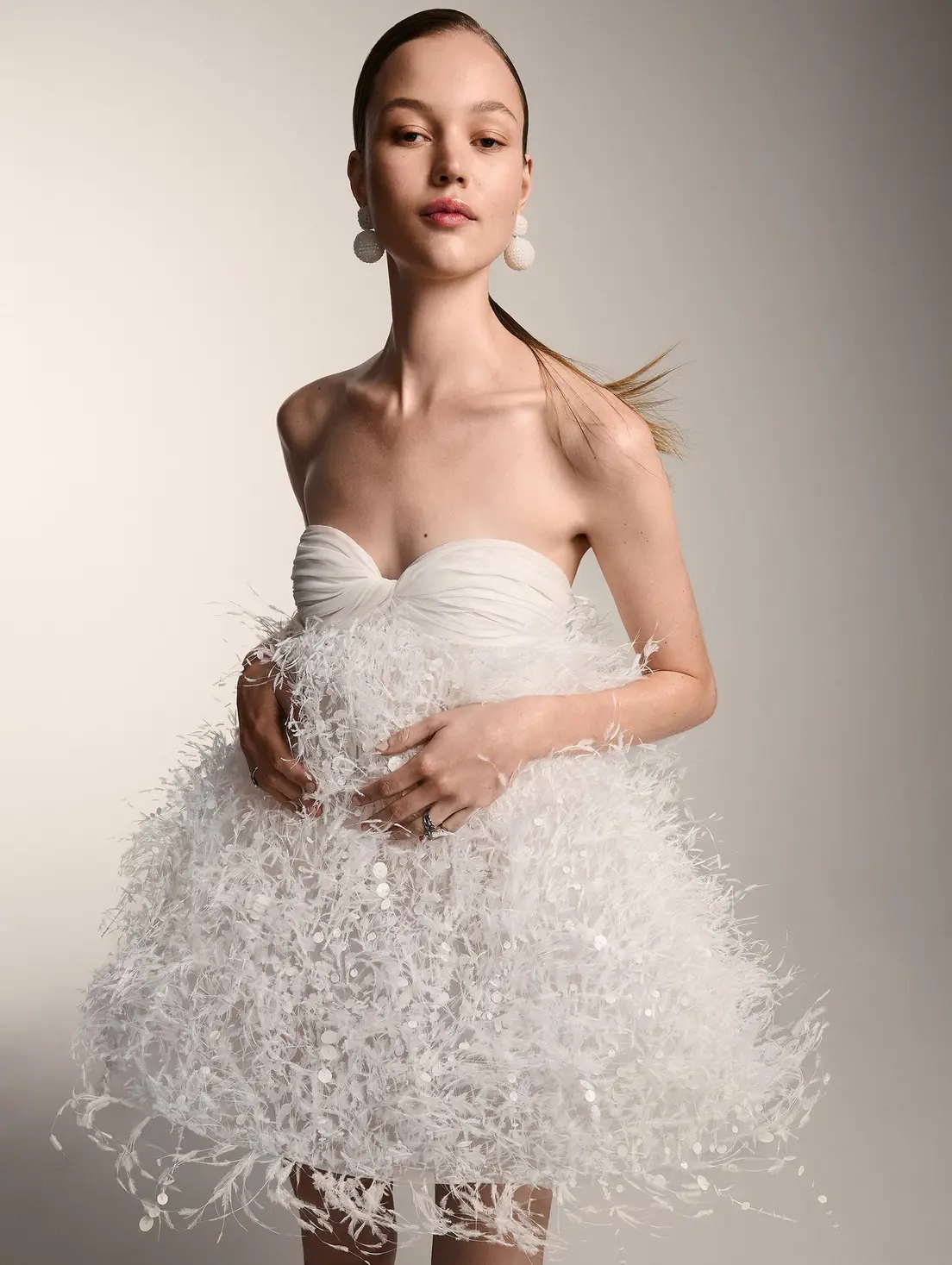
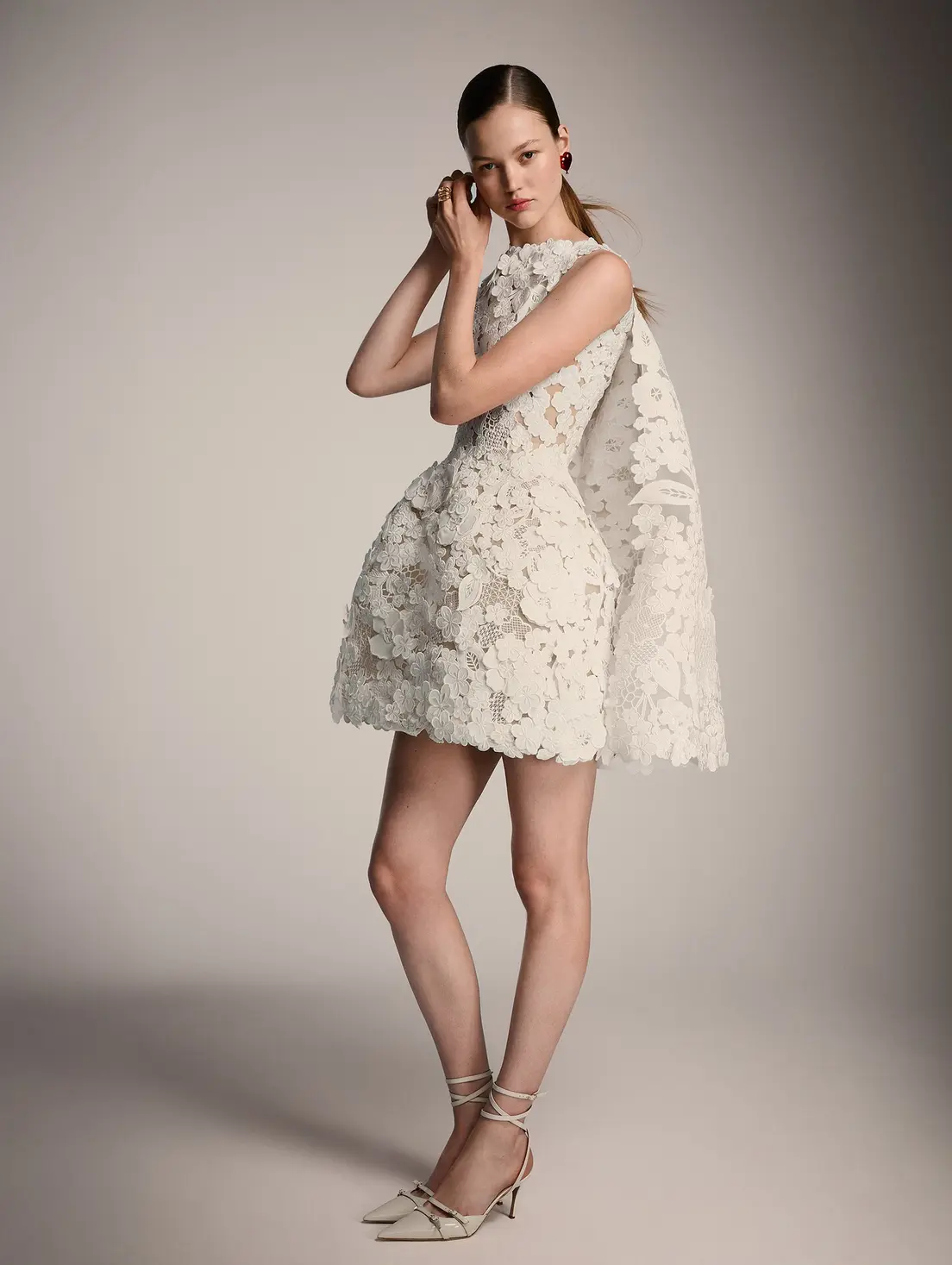
Once brides treat weddings as a wardrobe project, the market responds.
The Business of Fashion identified this shift early in the post-pandemic wedding boom: brands updated strategies to serve brides buying multiple dresses and shopping online. The takeaway for fashion was straightforward, bridal became a growth lane, and the “one-and-done” model started loosening.
Established fashion brands launching bridal collections as the wedding fashion moment expands beyond the single wedding dress. The piece points to a wave of entrants, brands like Ba&sh, Hai, Loeffler Randall, plus collaborations and capsule drops, because brides now shop for a sequence of events, not a single garment.
There’s also a scale argument. Global Bridal Wear Industry Report projected bridalwear as a $69.9 billion market by 2026 (up from $55.5 billion in 2020), with the U.S. accounting for $26 billion of 2021 sales, figures that underline why brands chase bridal, even before counting ancillary-event wardrobes.
Then comes the ethics-and-access layer: circular bridal.
Renting a wedding dress is already a common practice in countries like Japan, South Korea, and China, and the model is gaining traction in the U.S., especially for pre-wedding events and reception looks. Rental platforms and peer-to-peer services let brides explore multiple looks without blowing up budgets, while also reducing storage hassles and long-term closet guilt.
Another angle is the rise of pre-owned wedding dresses as a modern bridal code, one that blends individuality and sustainability with a touch of couture ambition. Going second-hand can read as a style flex rather than a compromise, especially for brides chasing rarity and a garment with built-in narrative.
And yet, resistance remains because weddings are emotional economies as much as financial ones. A recent RTÉ Brainstorm analysis highlights a key friction point: many brides feel unsure about secondhand options, assume dresses may feel dated or damaged, or simply lack clear guidance on how to navigate the secondhand market. In other words, the barrier often lives in perception and process as much as price. (RTE)
That tension explains the hybrid future that already dominates: buy the main wedding dress for the ceremony, then rent or resale-shop for secondary looks. It lets the bride keep the symbolic forever garment while treating the rest of the week like fashion, flexible, expressive, and intentionally varied.
Brides still say yes to a wedding dress. They also say yes to movement, to multiplicity, and to a wedding wardrobe that allows one day to hold several selves, each deserving its own silhouette.
Advertisement