MENU
Close





In the Catalan town of Llinars del Vallès, Damián Mateu Bisa was born into a family of iron merchants. When he died on 7 December, 1935, he left behind not only a family and a legacy of leadership, but a distinct imprint on the industrial and automotive history of his country.

In the Catalan town of Llinars del Vallès, Damián Mateu Bisa was born into a family of iron merchants. When he died on 7 December, 1935, he left behind not only a family and a legacy of leadership, but a distinct imprint on the industrial and automotive history of his country.
December 7, 2025


A sharp negotiator with a taste for engineering, Mateu would go on to finance one of the most glamorous and technologically advanced car makers of the twentieth century and quietly place Spain on the map of world motoring.
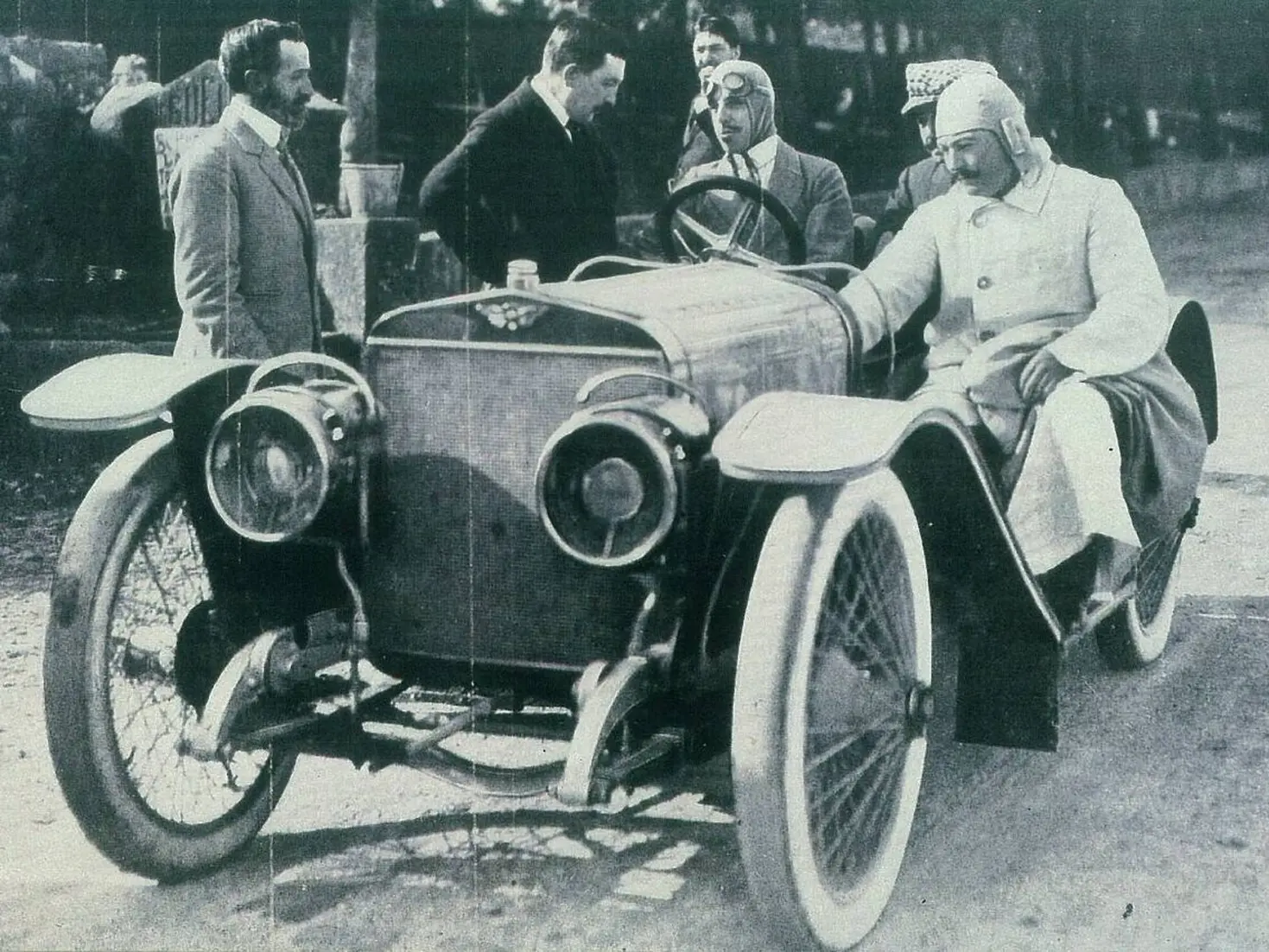
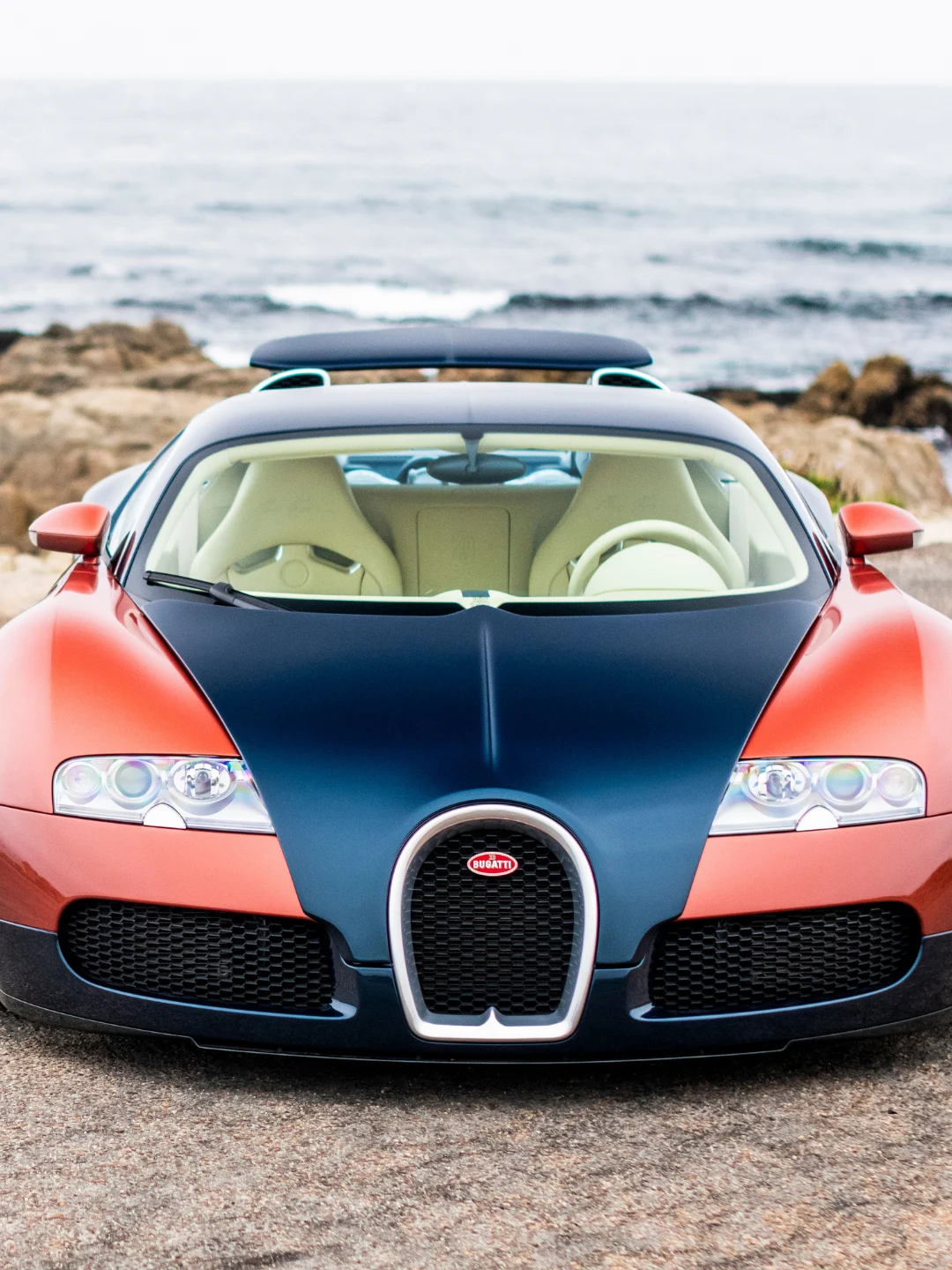
In 1904, Mateu joined forces with Swiss engineer Marc Birkigt to found Hispano Suiza in Barcelona, later bringing in businessman Francisco Seix. From the beginning, his vision was clear. The brand would not simply assemble cars, it would build fast, luxurious machines that could compete with the very best from France, Britain and Italy. Under his presidency, Hispano Suiza became synonymous with elegance, innovation and sporting prestige, a kind of Mediterranean answer to Rolls.
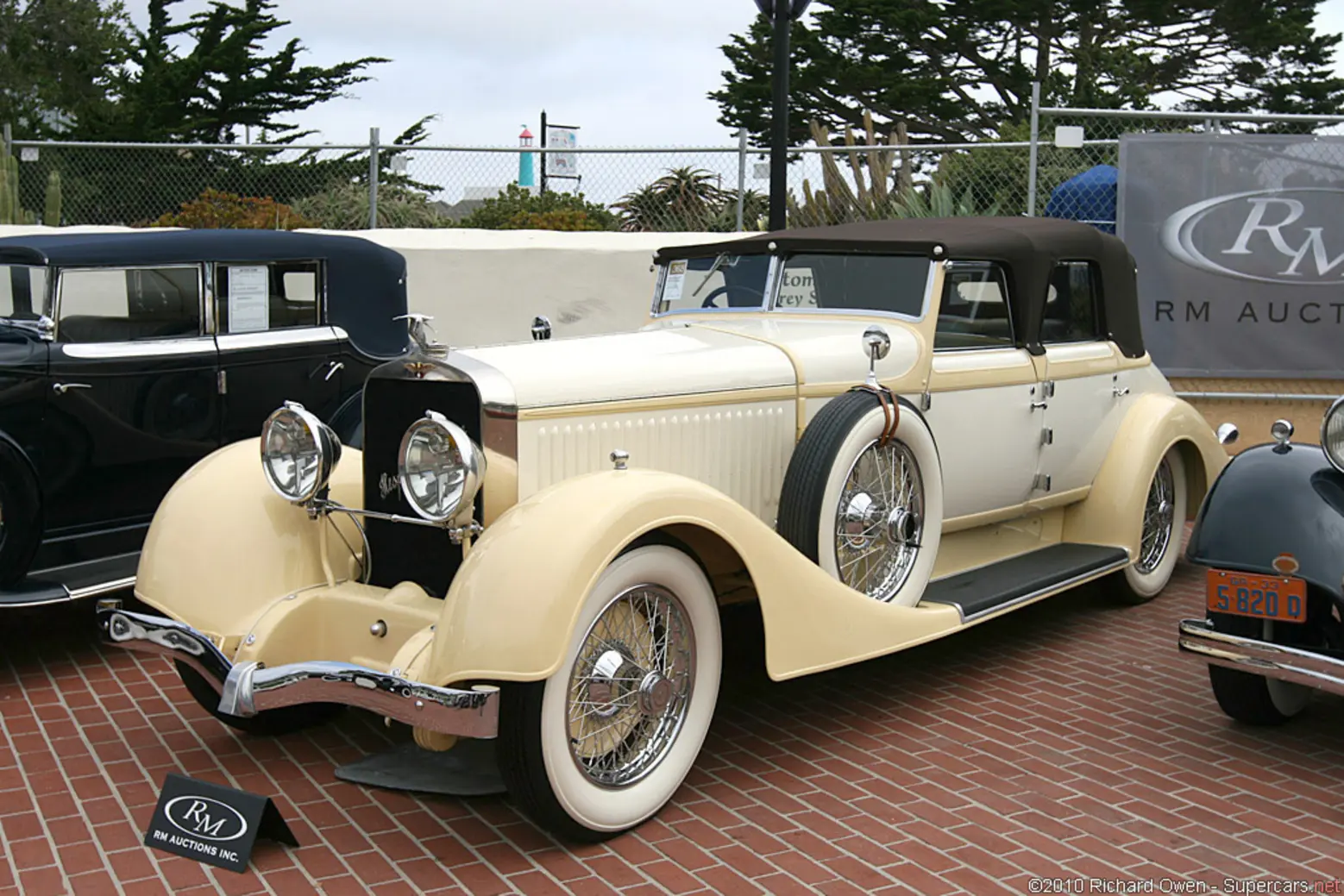
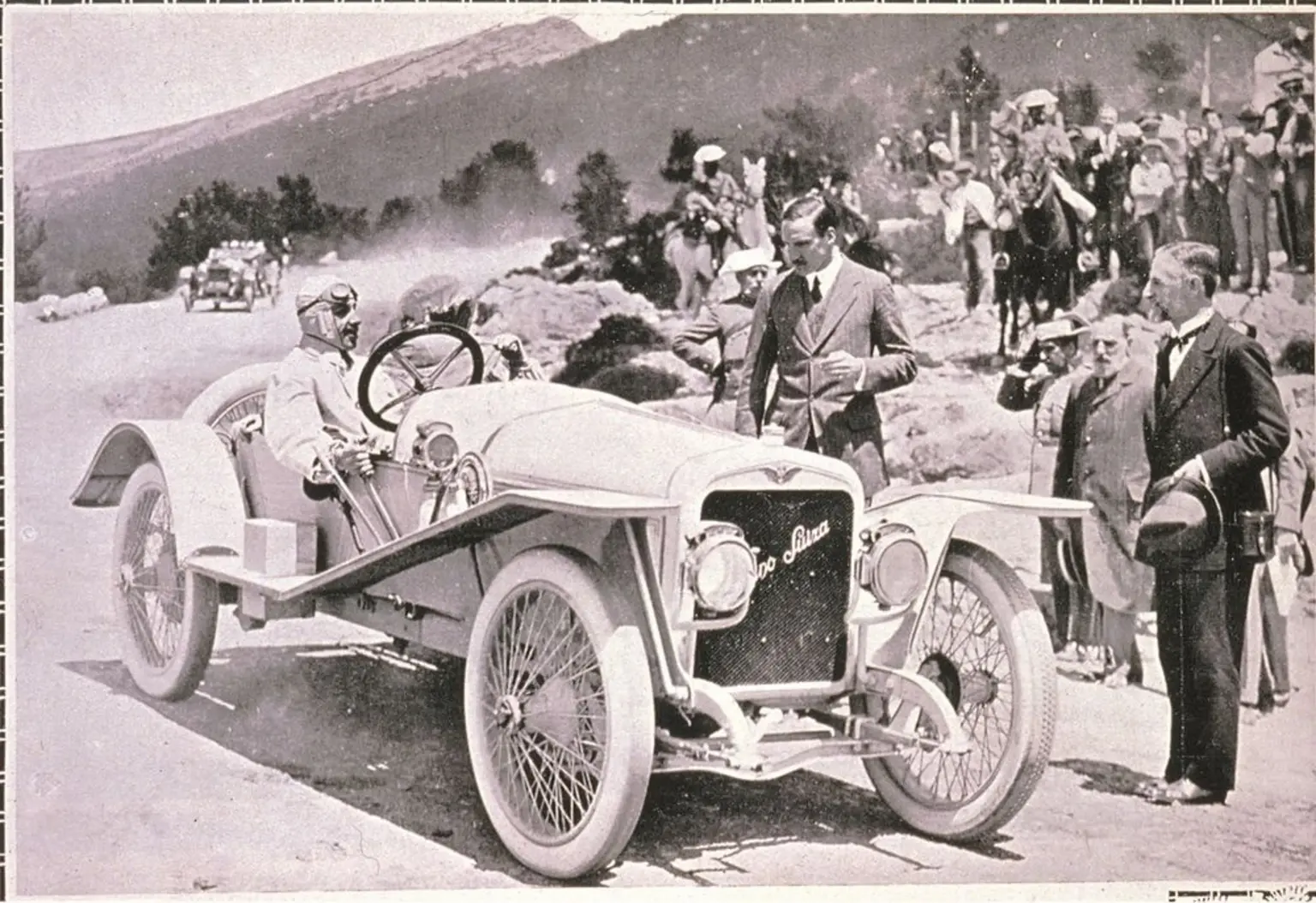
Mateu’s “design style” lived in strategy and direction rather than drawing boards. He backed Birkigt’s bold engineering decisions: using lightweight materials inspired by aviation, favouring powerful engines and cutting edge technology over mere ornament. As early as 1907, the company produced Spain’s first six cylinder car, which famously drove from Perpignan to Paris in twenty two hours, proving that Hispano Suiza could blend reliability with Later models like the Alfonso XIII and the H6 married these technical advances with refined coachwork, attracting kings, maharajas and Hollywood.
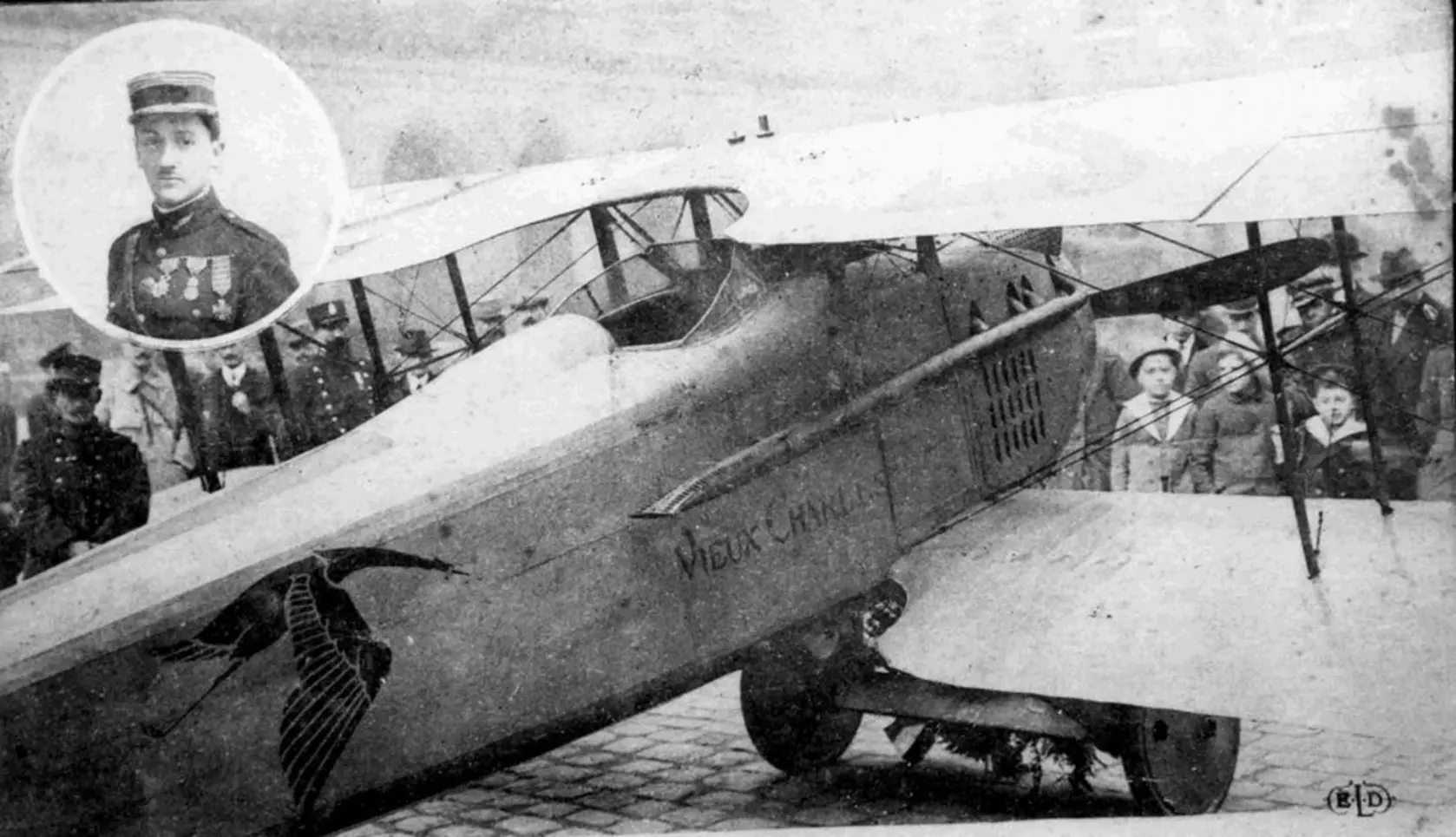
Mateu’s legacy extends far beyond beautiful cars. Under his leadership, Hispano Suiza became a pioneer in aircraft engines during the First World War, with light, powerful V8s that would influence aviation worldwide. The brand introduced power assisted brakes that were so advanced Rolls Royce licensed the system, a testament to how Spanish Swiss engineering was reshaping global standards of safety and performance.
He was also a builder of ecosystems. Mateu sat on the boards of banks, utilities and industrial firms, channelling capital and infrastructure into Catalan industry. A passionate monarchist who refused a noble title, he preferred influence without ostentation, letting the cars speak for him on boulevards and racetracks alike.
The industry has not forgotten. In 2021, Damián Mateu was inducted into the FIVA Heritage Hall of Fame as one of the “heroes of motoring history,” honoured for creating a brand that still stands for elegance and daring technology more than a century later.