MENU
Close





In November 1932, amid the Great Depression, Chanel Bijoux de Diamants 1932 emerged as a radical gesture by Gabrielle Chanel. Staged as an exhibition at her home at 29 Faubourg Saint-Honoré in Paris from November 7 to 19, the presentation translated couture thinking into light, introducing high jewelry into a fashion house on its own, carefully controlled terms.
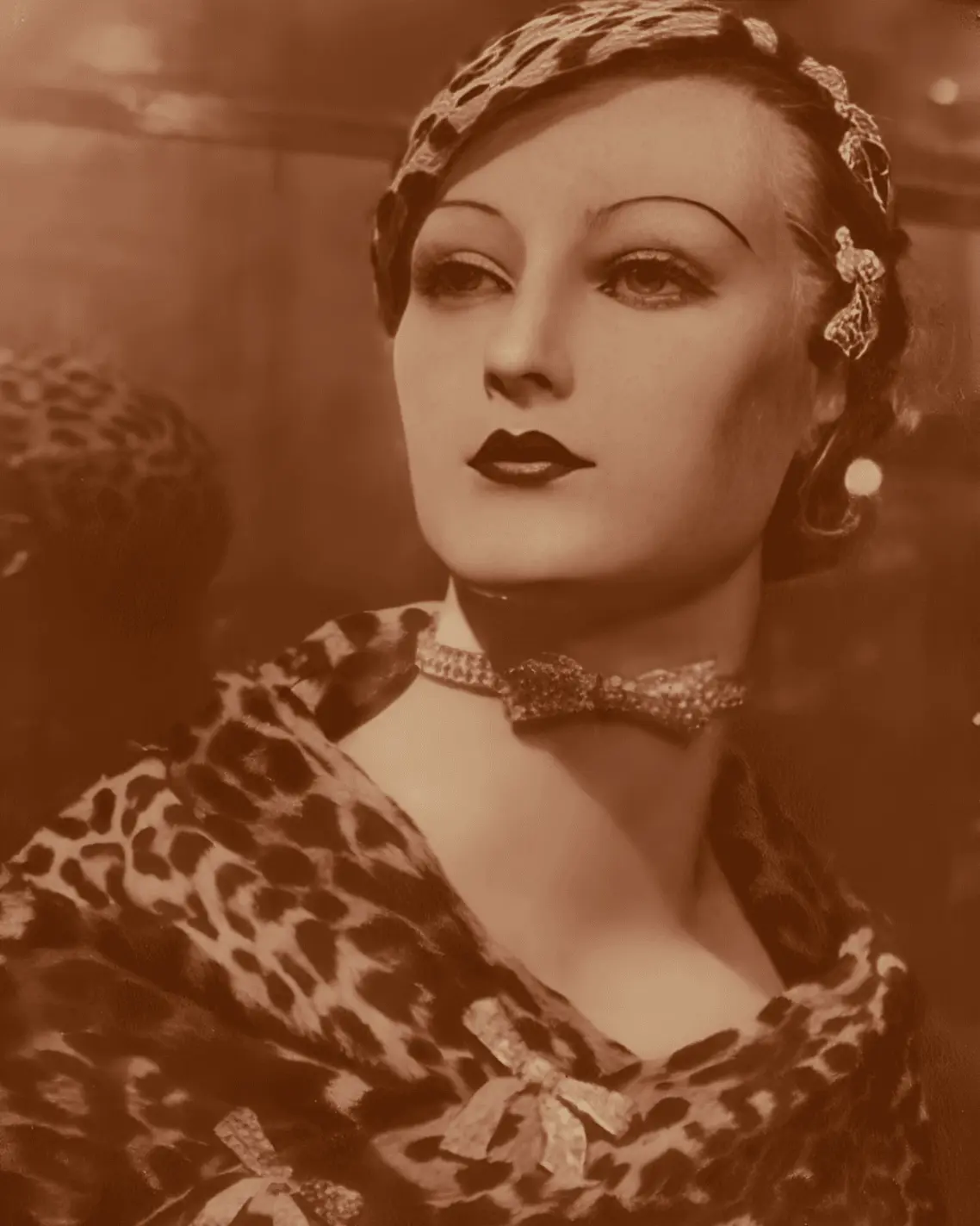
In November 1932, amid the Great Depression, Chanel Bijoux de Diamants 1932 emerged as a radical gesture by Gabrielle Chanel. Staged as an exhibition at her home at 29 Faubourg Saint-Honoré in Paris from November 7 to 19, the presentation translated couture thinking into light, introducing high jewelry into a fashion house on its own, carefully controlled terms.
November 7, 2025


What made the moment historic begins with structure. Chanel’s own archives describe Bijoux de Diamants as the first high jewelry collection in history built around a single theme and presented together in one place, the opposite of how jewelers traditionally revealed pieces one by one. The second historic charge came from context: the project was widely linked to efforts to rekindle desire for diamonds during an economic downturn, turning an exhibition into a cultural strategy for survival-yet Chanel made it feel like pure imagination.
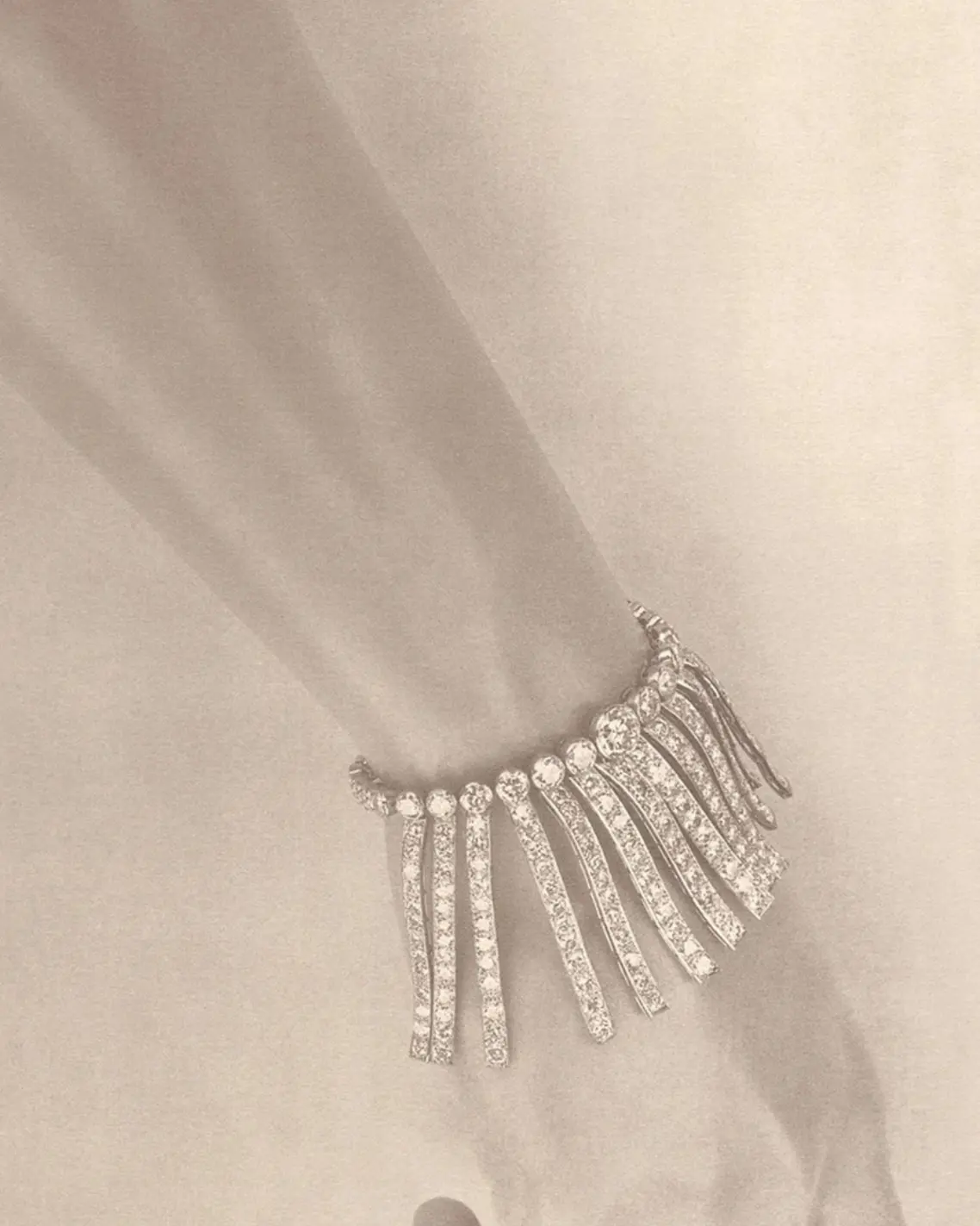
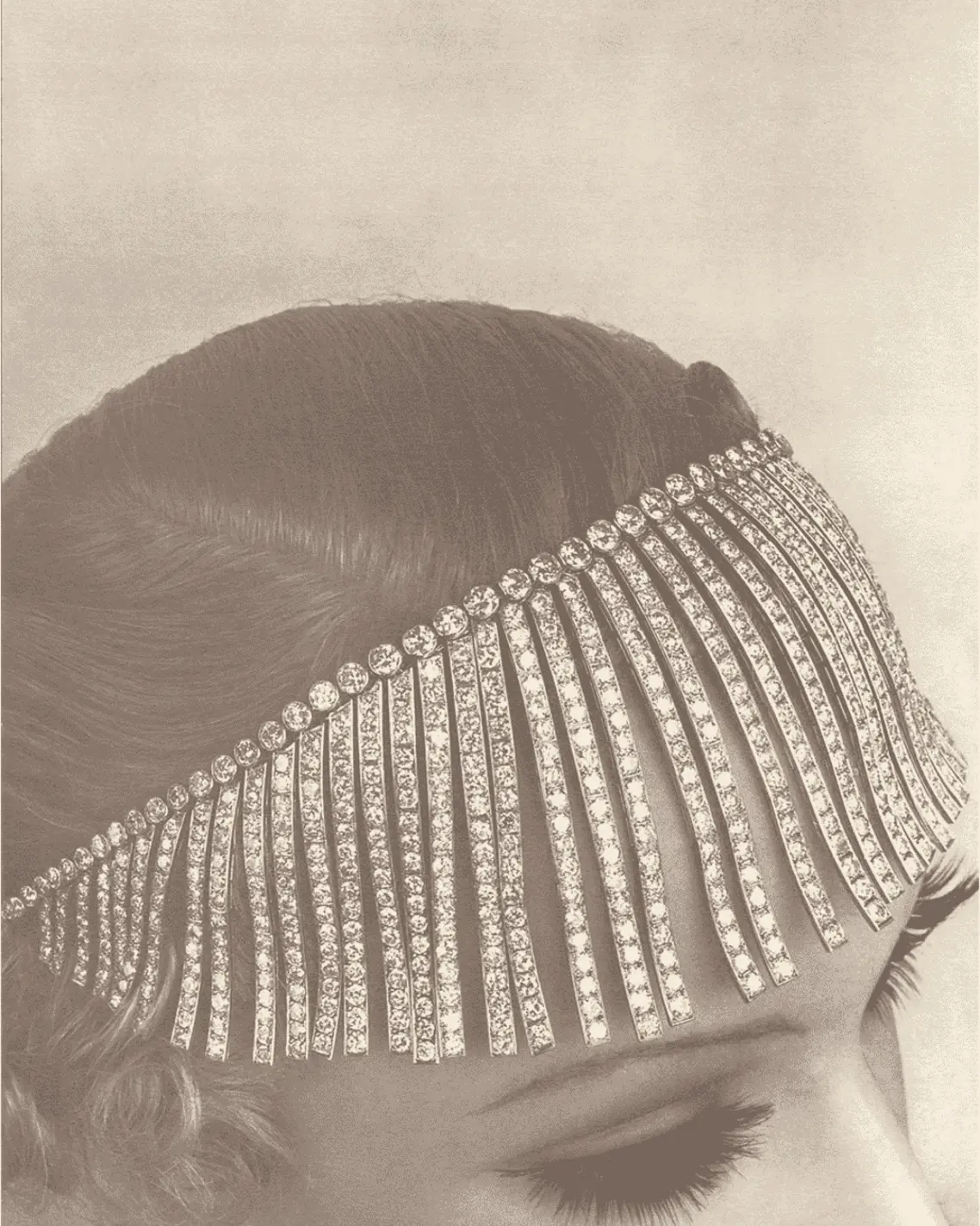
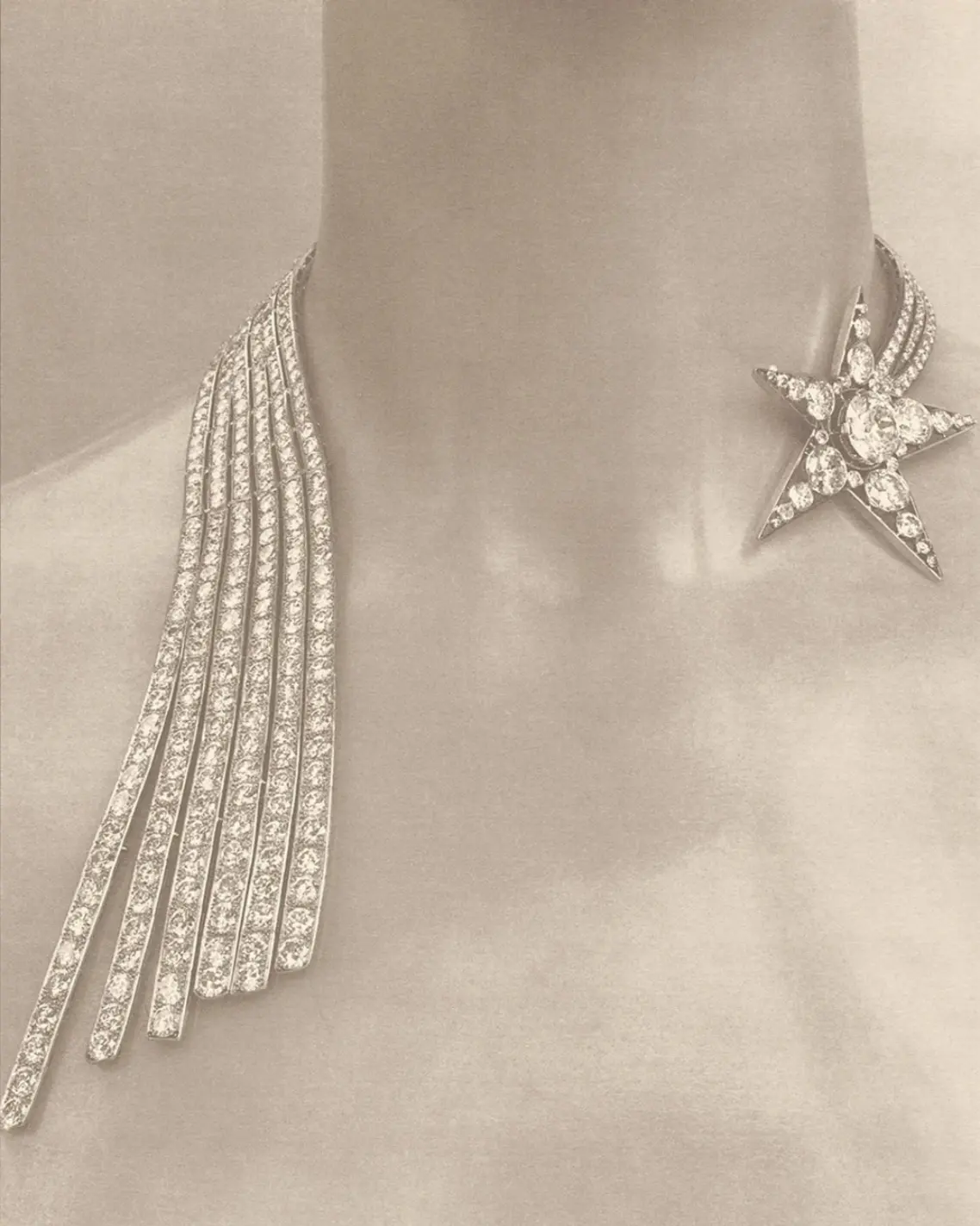
The collection itself carried the clarity of a manifesto. Reports describe around 50 pieces, set with white and yellow diamonds in precious metals, designed to sit on the body with the ease of clothing-light, articulate, and meant to move. Celestial codes shaped the visual language: comets, stars, moon, and sun, motifs that made diamonds read like constellations rather than status symbols.
Several designs still define how people remember Chanel Bijoux de Diamants 1932. A comet motif flashes like a streak of fate across the neckline; a ribbon-like Noeud necklace turns brilliance into a graphic bow; fringe pieces drape in fluid lines that feel closer to fabric than armor. Those shapes explain why the debut landed as more than a jewelry launch: it proposed that high jewelry could follow the same rules as haute couture-line, comfort, versatility, personality-while keeping the diamond as the sharpest punctuation.
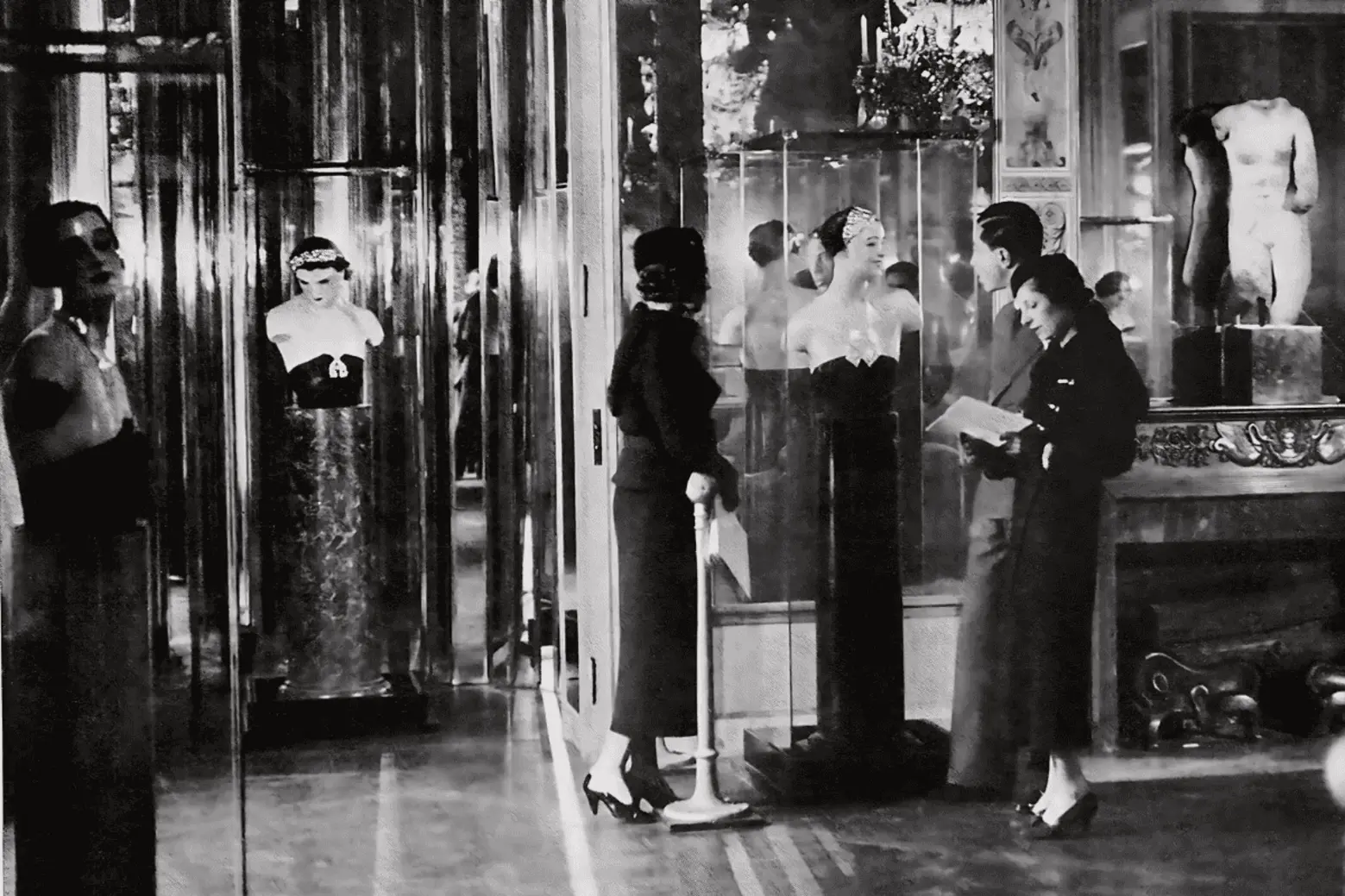
Nearly a century later, Chanel Bijoux de Diamants 1932 continues to resonate because its idea remains strikingly modern: a single vision, a disciplined theme, and diamonds arranged with the logic of design rather than the noise of excess.