MENU
Close





After joining the Haute Couture Week calendar as Guest Houses, Gaurav Gupta, Miss Sohee and Phan Huy vanished the next season, raising questions about transparency, commercial value and accountability in fashion’s prestige system.
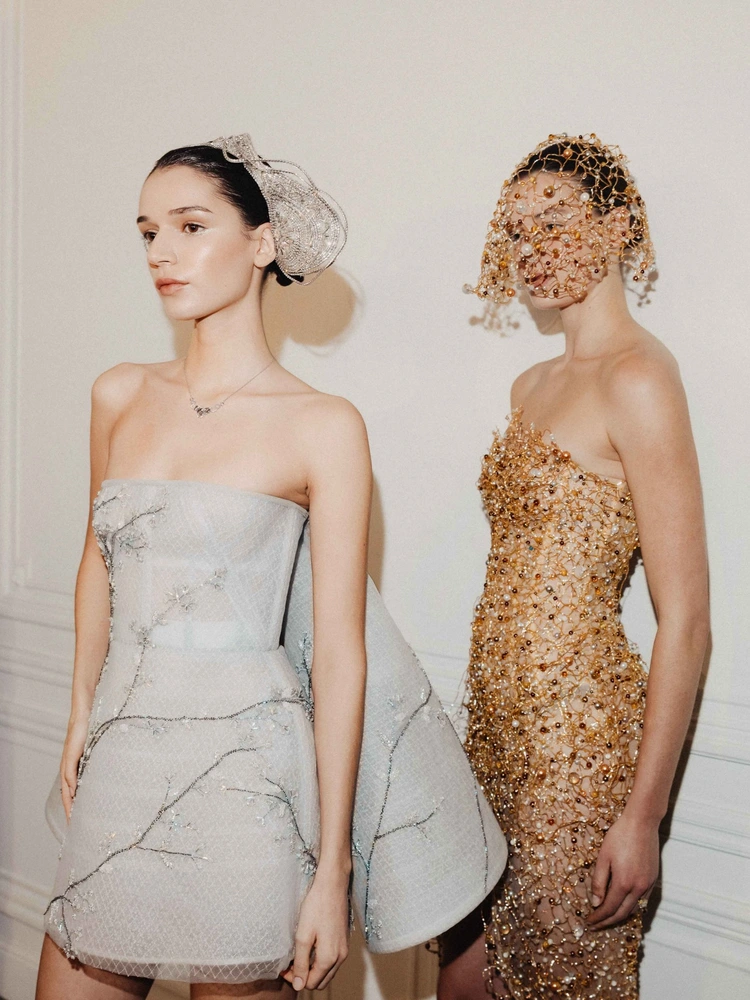
After joining the Haute Couture Week calendar as Guest Houses, Gaurav Gupta, Miss Sohee and Phan Huy vanished the next season, raising questions about transparency, commercial value and accountability in fashion’s prestige system.
July 21, 2026


Gaurav Gupta, Miss Sohee and Phan Huy appeared on the Haute Couture Week Official Calendar as Guest Houses, then were absent the following season. But that absence alone does not prove failure, a strategic withdrawal or a decision made by the committee. What it reveals instead is a larger information gap: when a title creates prestige, media value and commercial leverage, the questions surrounding how that title is granted, maintained or discontinued also deserve to be answered.
The Official Calendar for Haute Couture Spring/Summer 2026 listed Gaurav Gupta, Miss Sohee and Phan Huy. By Haute Couture Fall/Winter 2026–2027, those names were no longer present. Vogue also listed Gaurav Gupta, Miss Sohee and Phan Huy among the names absent from the Fall/Winter 2026 season.
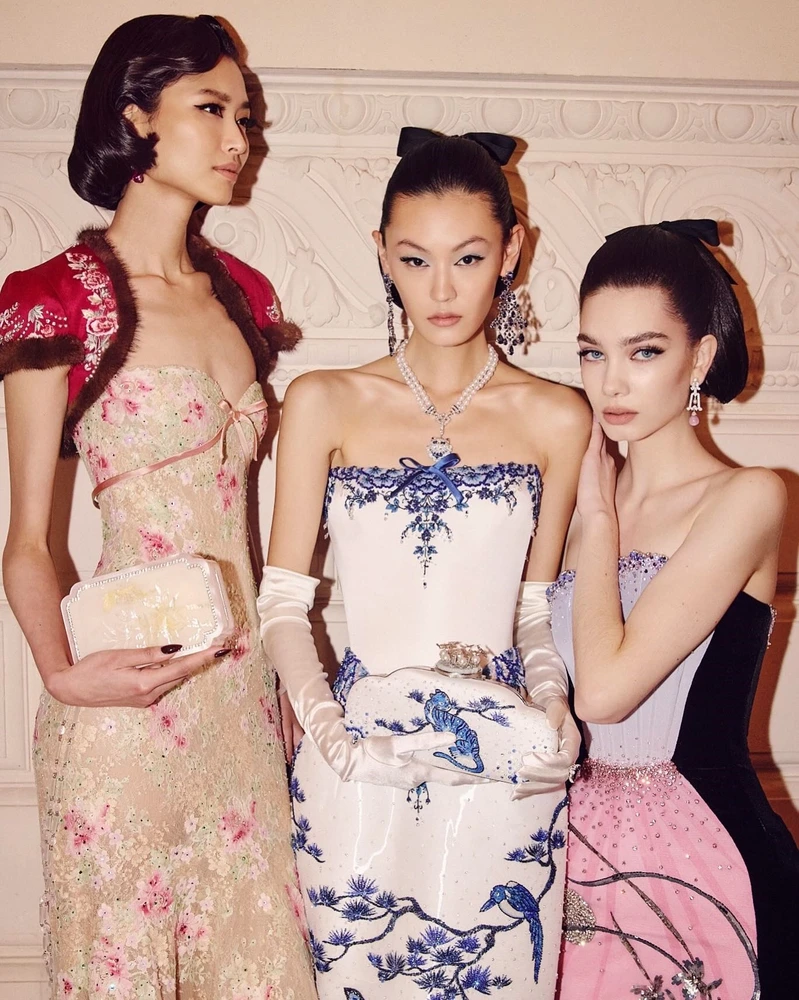
On paper, this may look like a simple scheduling change: present one season, absent the next. But the Official Calendar only shows the final result of a process that takes place behind closed doors. It does not reveal which maisons submitted applications, which chose not to return, which were not selected, which withdrew midway through the process, or which reassessed their previous participation and concluded that the investment no longer made strategic sense.
Their absence, then, is not an answer. It is the beginning of a series of questions.
A name on the Haute Couture Week Official Calendar can become a major communications asset for a young maison. It can be placed on a website, in a brand profile, in commercial materials, in pitches to clients, in domestic media coverage and in the story a brand tells about its place in the international market. But when that name disappears from the calendar the following season, the public has almost no way of understanding what actually happened.
That is the gap that needs to be questioned.

The issue is not whether a Guest House returns or not. Guest House status is not a permanent position. According to the Fédération de la Haute Couture et de la Mode, the Haute Couture Week Official Calendar includes Members, Corresponding Members and Guest Members selected by a committee after the number of available places has been determined. FHCM also states that Guest status is subject to a separate assessment process, and that brands wishing to apply must submit an official request in order to receive the eligibility requirements and application procedure.
In other words, appearing for one season does not create an automatic right to return the next.
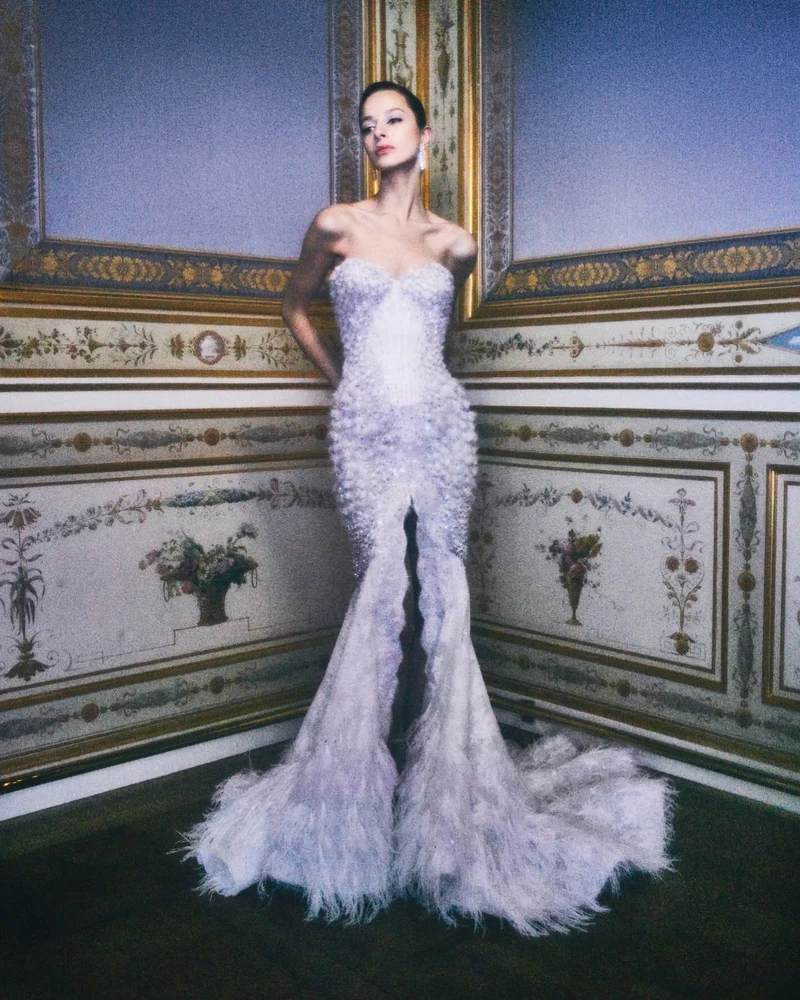
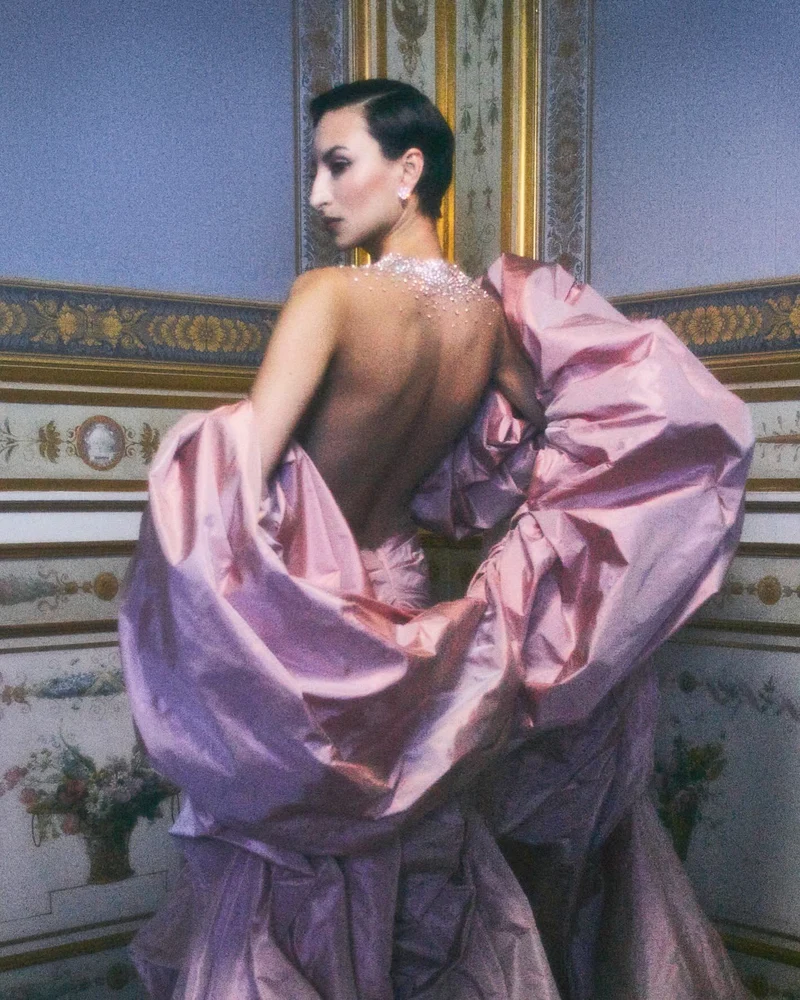
But precisely because Guest House status is seasonal, it needs to be communicated more clearly. A “Guest House selected for the Haute Couture Week Official Calendar” is not the same as a “Haute Couture Member.” When these terms are translated, shortened or used interchangeably, consumers may assume that a maison has received France’s official Haute Couture recognition, when in reality its status applies to one specific season.
That ambiguity is not minor. In fashion, titles create value. A line on an official calendar can open doors to press, stylists, celebrity dressing, private appointments, investor conversations and customer trust. If presence on the calendar creates value, then absence from it cannot simply be left as a blank space without explanation.
The first possibility is that a brand wanted to return, submitted an application to FHCM, but was not included in the final calendar.
The most immediate explanation would be that the application was not approved by the Haute Couture Committee. Yet “not selected” cannot automatically be translated as “not good enough.” A Guest House process is unlikely to evaluate only a few design images. It may involve creative quality, technical skill, savoir-faire, image consistency, operational capacity and the ability of a brand to sustain couture activity after the show ends.
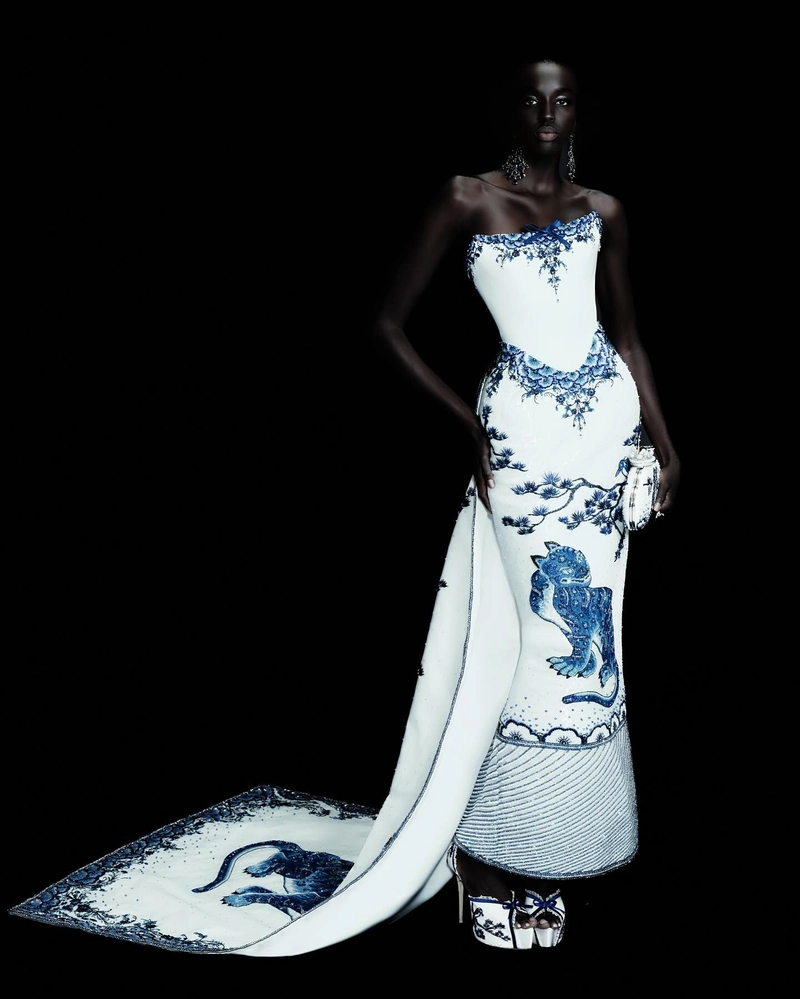
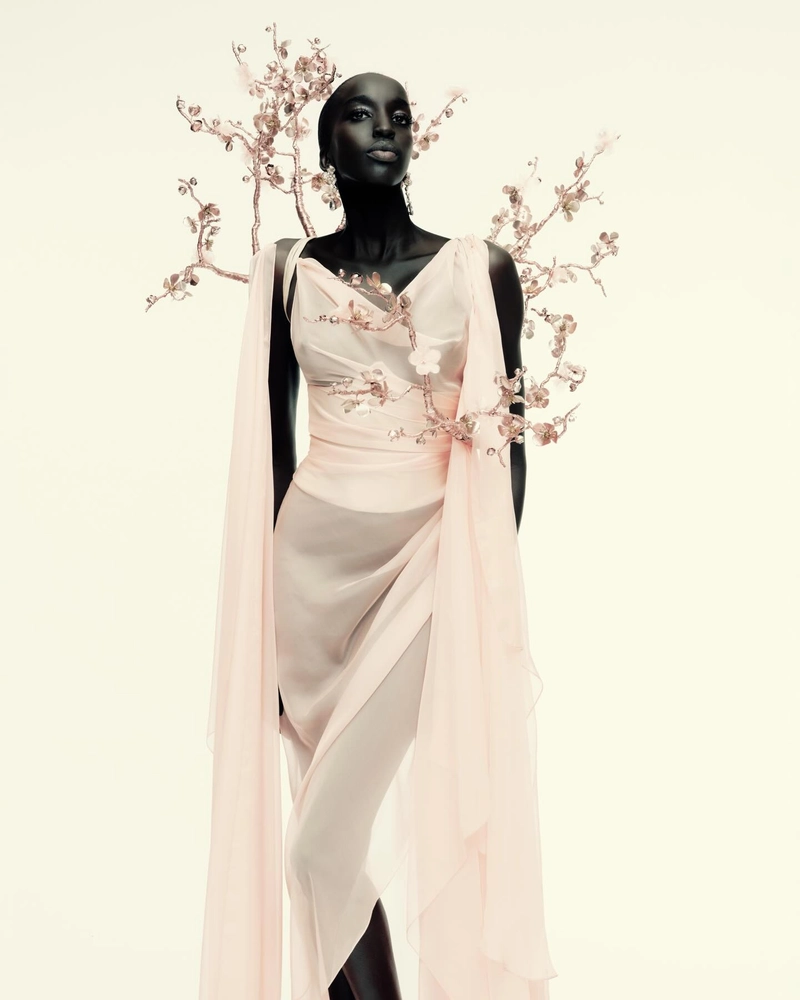
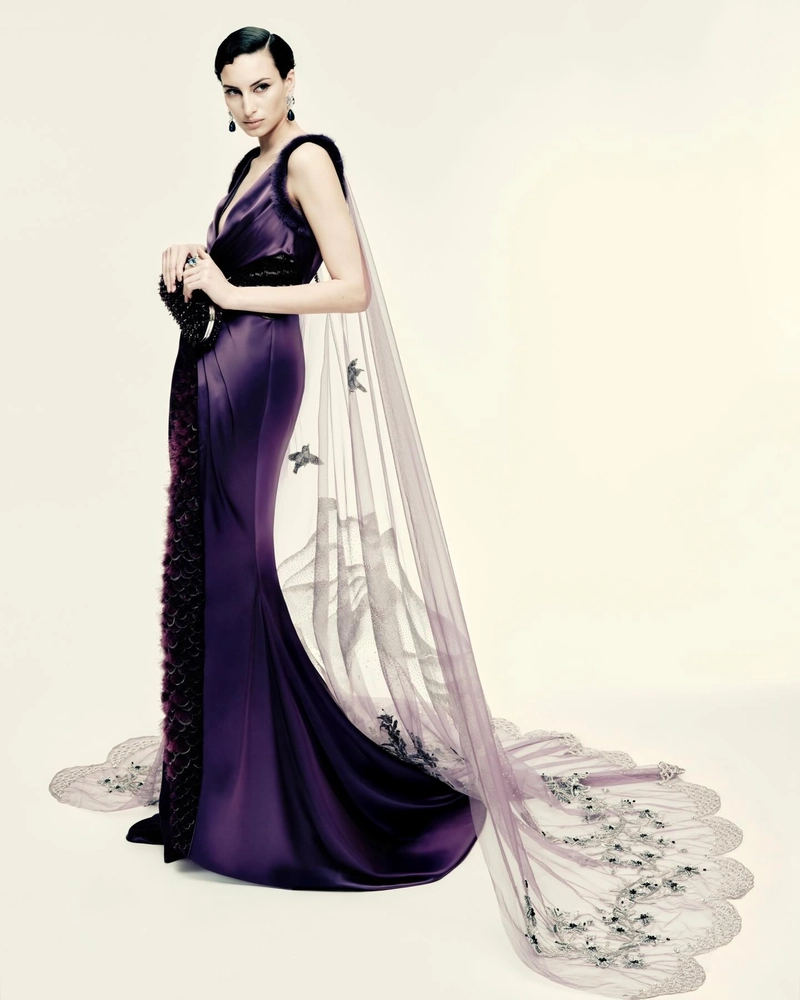
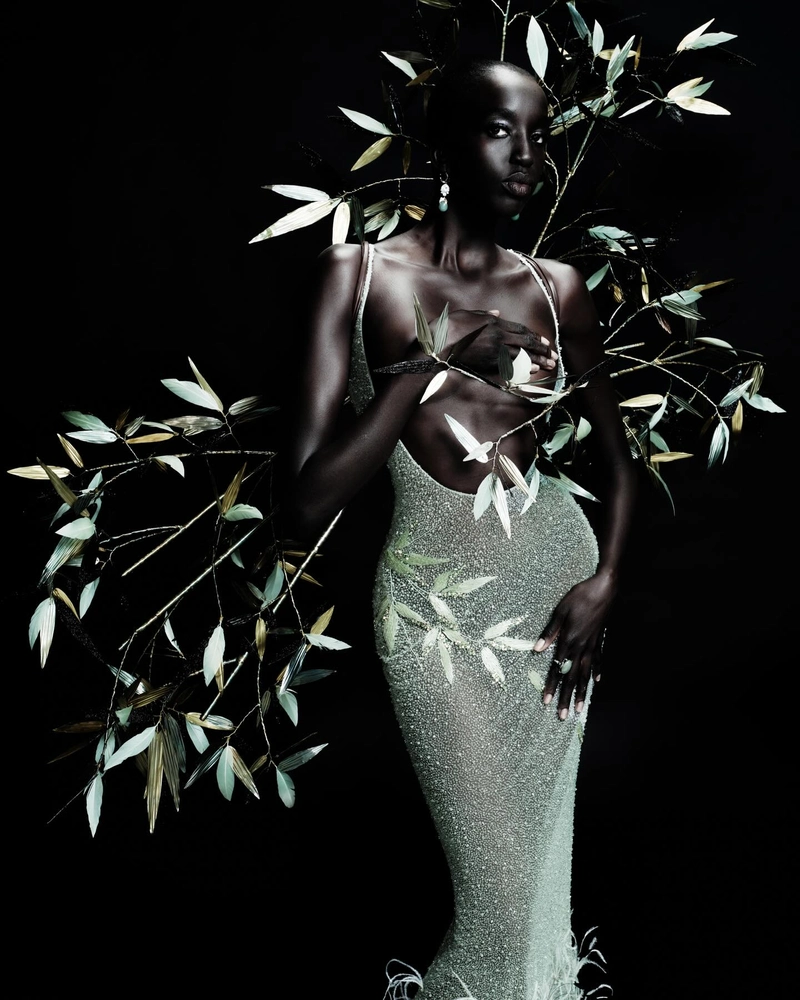
An application could run into difficulty at the level of the proposed collection. The new work may not have created enough distance from the previous season, may not have expressed a sufficiently strong design language, or may not have been persuasive enough when placed beside other applicants in the same season.
Another possible issue lies in technical execution. Haute Couture requires more than lavish embroidery on the surface. Construction, cutting, draping, material handling, proportion, fitting, finishing and the ability to translate a runway sample into a made-to-measure garment for a real client are all practical concerns.
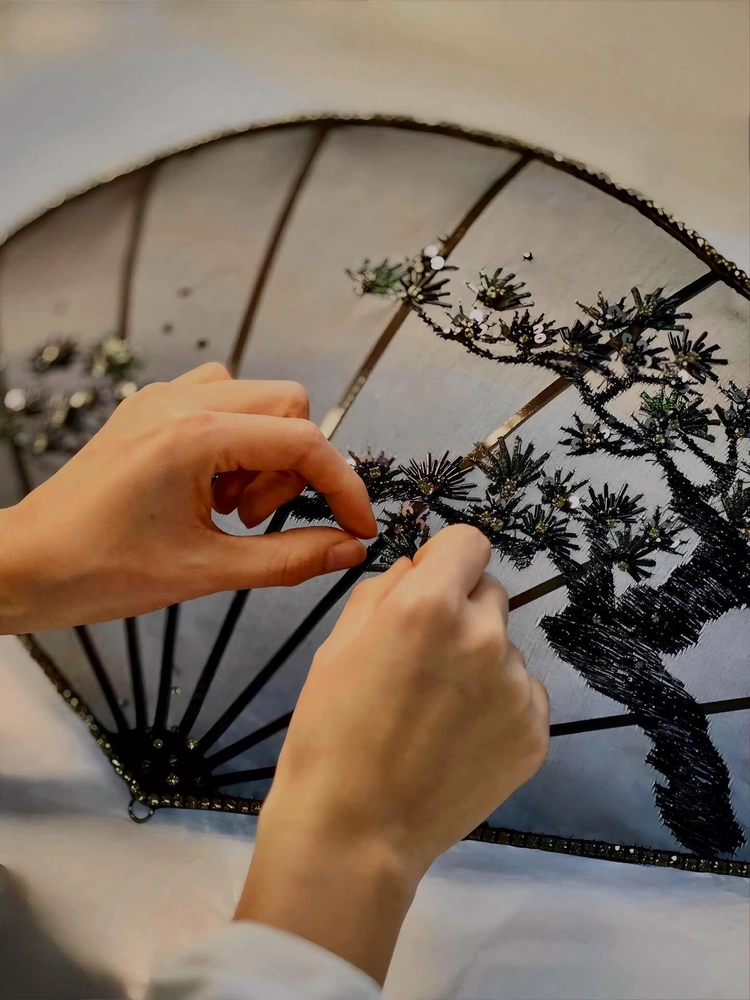
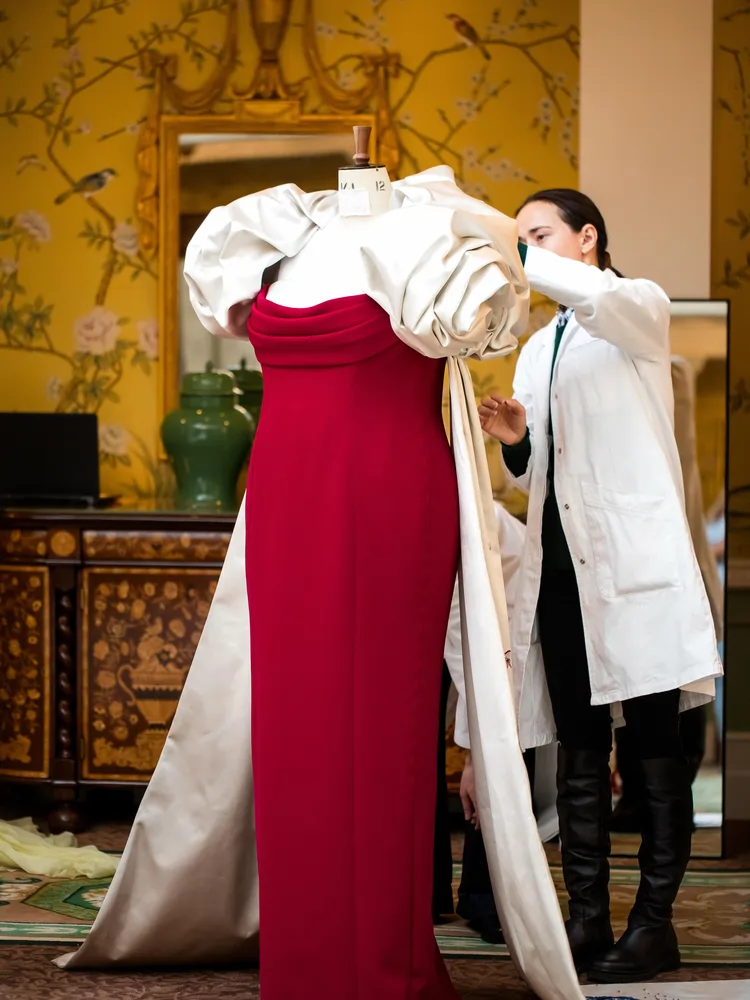
Economic criteria add another, less romantic layer. A collection may produce beautiful images but still fail to demonstrate that it can exist as a couture operation. A maison needs people, clients, cash flow and a stable operational structure in order to continue after the show.
Even if an applicant performs relatively well across these criteria, absence from the calendar may not reflect absolute weakness. FHCM indicates that Guest Members are selected only after the number of available places on the calendar has been determined. That makes the process competitive and limited. One maison does not necessarily have to be weak; another may simply fit the structure, rhythm or direction of the season more convincingly.
This is why drawing conclusions from the Official Calendar alone is risky. An absence may reflect the quality of an application. It may also reflect a calendar with a finite number of positions.
An application that is submitted does not necessarily reach the final stage. A maison may withdraw because the collection is behind schedule, the budget has changed, an investor has revised the plan, or the team has concluded that the work needs more time.

Venue availability, production, casting, transportation and the atelier’s own schedule can all make a proposed show impossible to complete. A brand may also decide that finishing the collection within the remaining time would compromise quality or place too much pressure on its production system.
Logically, there is also the possibility that an application was accepted but the maison later became unable to participate because of an issue that arose after approval. There is no public evidence that this happened with Gaurav Gupta, Miss Sohee or Phan Huy. But if the analysis is to remain neutral, that possibility has to remain on the map.
The Official Calendar records only those who appear at the end of the process. It does not record who entered the process and stopped somewhere along the way.
The second possibility changes the interpretation entirely. A Guest House may choose not to apply again after reviewing the outcome of its previous participation.
Haute Couture carries immense symbolic value. Simply being placed on the Official Calendar positions an independent designer within the same institutional space as Chanel, Dior, Schiaparelli and maisons with far longer histories. It can offer access to international press, stylists, celebrities, private clients, investors and markets where the brand may not previously have had significant visibility.
But the same place on the calendar does not produce the same result for every brand.
A maison may receive significant coverage in its home market while leaving a much smaller impression in Europe, the United States or the Middle East. A collection may appear in multiple roundup stories without receiving substantial independent analysis. The press may focus more on the milestone of “participating in Haute Couture” than on the design language itself.
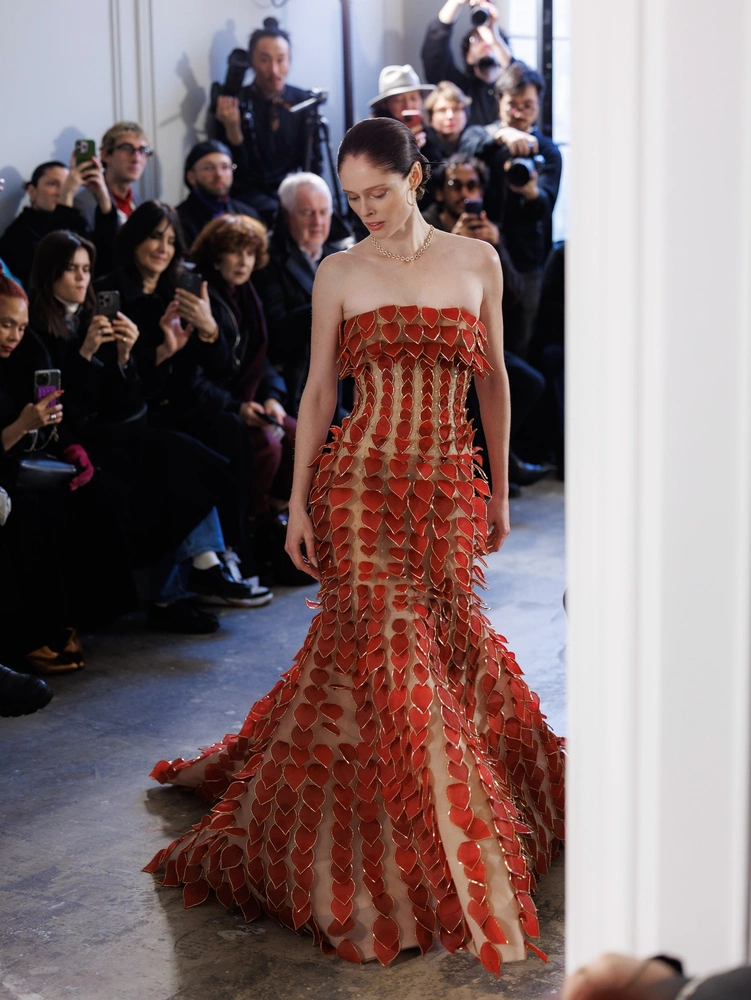
A spike in followers during show week is not enough to prove long-term progress. The more important questions are whether people continue searching for the brand afterwards, whether the looks enter editorials, whether stylists request pieces, whether the clothes appear on red carpets, and whether the brand creates media relationships that last beyond one season.
The commercial impact of a Haute Couture show is even harder to observe than its media impact.
Couture is not sold like ready-to-wear. The value of a collection may come from a small number of made-to-measure orders, private appointments, bridal clients, red-carpet commissions or long-term relationships with high-value customers.
A highly shared show may generate few orders. A show with moderate engagement may still succeed if it attracts the right clients. A gown worth tens of thousands of euros creates a very different kind of commercial value from thousands of social media shares.
To properly assess whether a season was effective, one would need to know the number of appointments generated after the show, the number of new clients, average order value, repeat-client rates and revenue over the following six to twelve months. These are exactly the kinds of figures privately held maisons rarely disclose.
A collection that is widely discussed is not necessarily a commercial success. A collection with limited media visibility is not necessarily a failure.
Miss Sohee is an example of how Guest House status can be translated into a strong international media narrative. Before its official appearance on the couture calendar, the Financial Times published a dedicated profile of the brand, reporting that Miss Sohee had been profitable since launch, generated €3 million in revenue in 2024, employed a team of 37 and aimed to double revenue. The article also reported that couture pieces started at around €70,000, while bridalwear often exceeded €100,000, with private clients concentrated in the Middle East, the United States and Asia.
Those figures were supplied by the brand to the Financial Times rather than drawn from publicly available audited accounts. Still, they created an unusually complete business narrative for a young label: profit, revenue, team size, price positioning, client markets and a specific growth target.
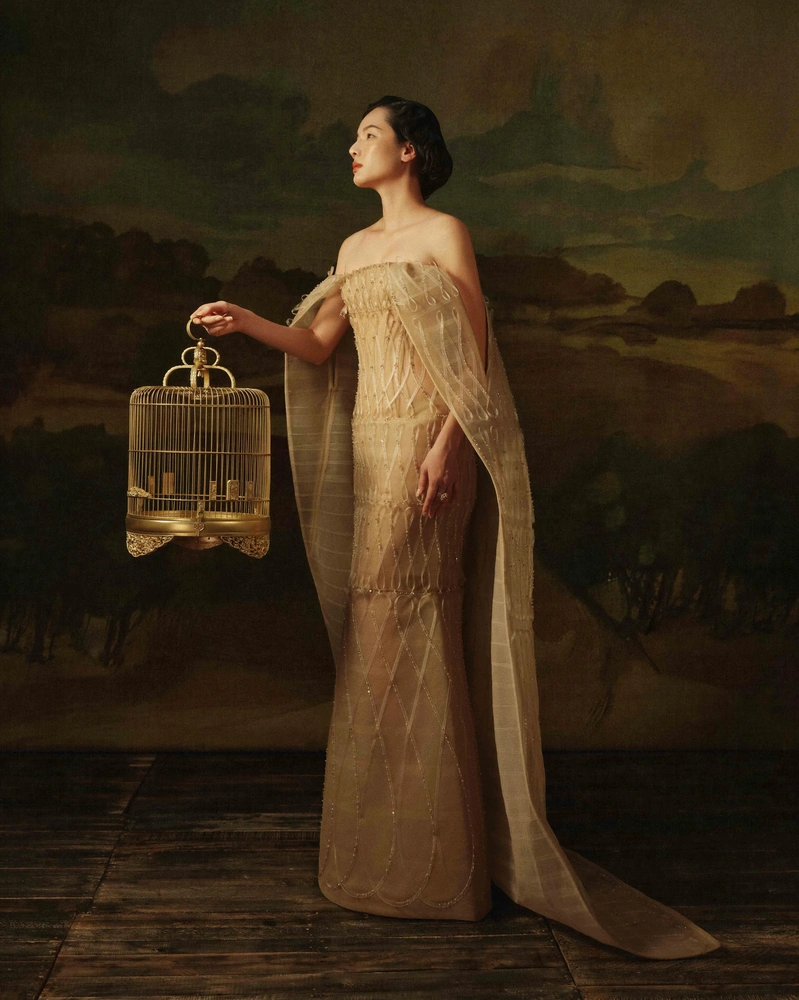
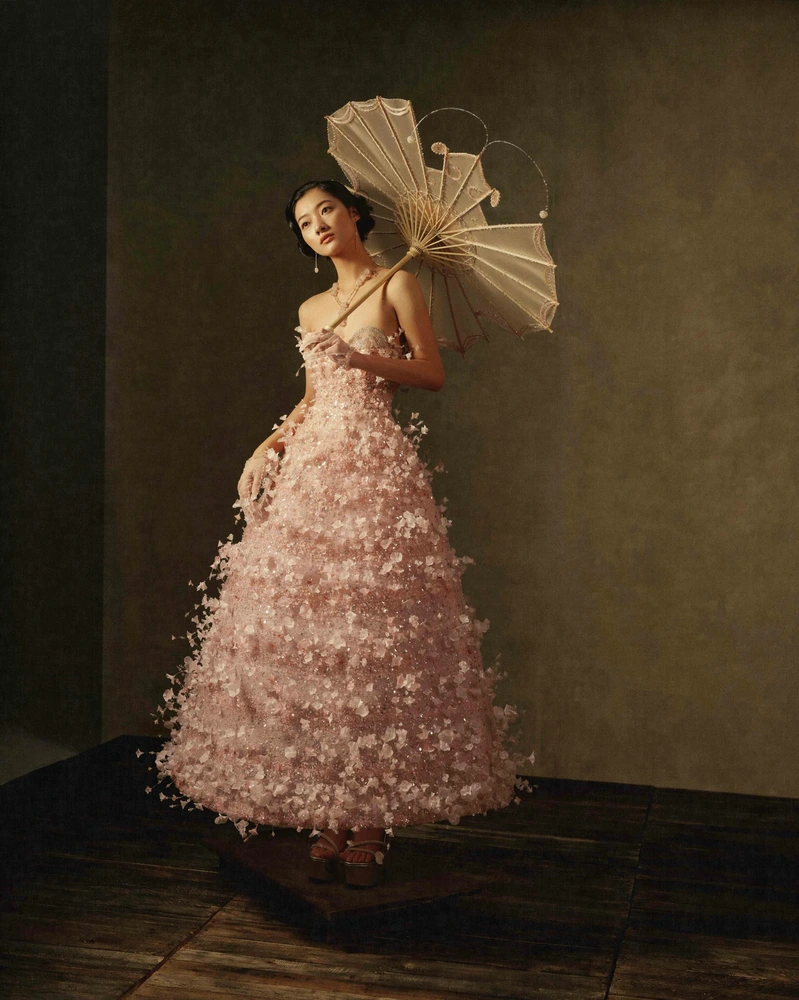
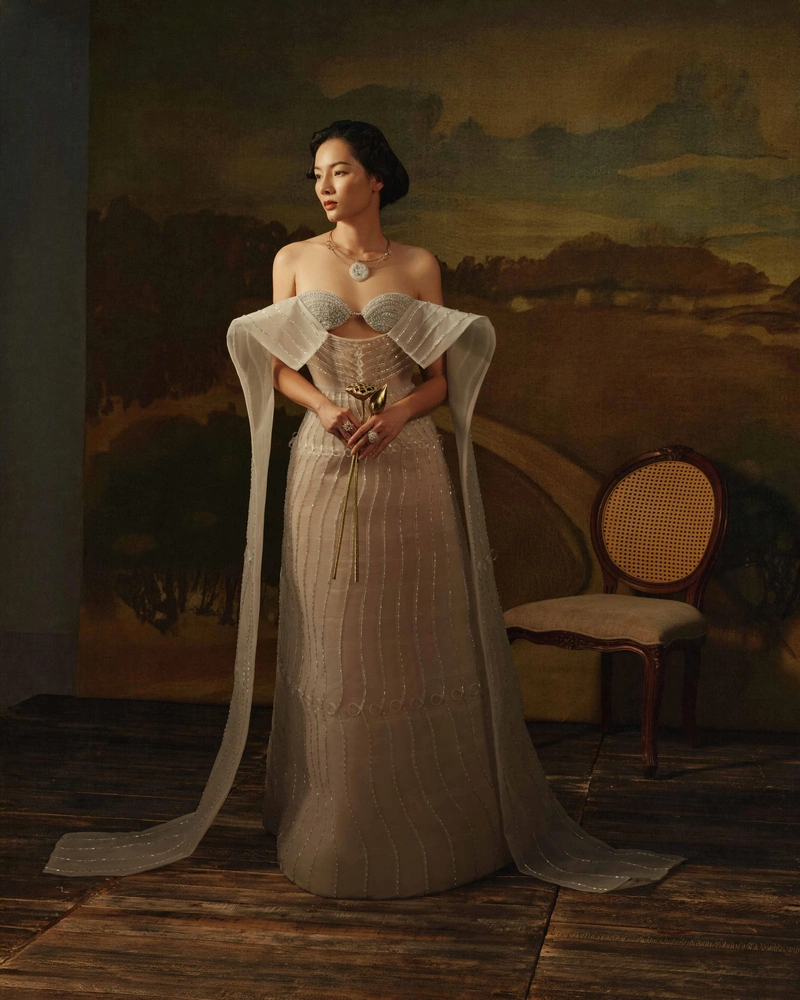

For an emerging brand, receiving a dedicated Financial Times profile is a significant communications success. The FT is not a platform where a young label can easily secure a substantial feature through a press release alone. A brand needs a compelling story, specific data, authoritative supporters and a strong enough media-relations system to bring all of those elements to the right journalist at the right time.
However, even a major Financial Times profile does not automatically answer the question of return on investment for the wider Haute Couture project.
Media becomes a durable asset only when a brand has the capacity to hold attention and turn it into clients, orders or business opportunities. A beautiful story can open a door. But beyond that door, a maison still needs operations, sales capacity, client management, an atelier, cash flow and a long-term vision.
Even if any direct fee for applying to or appearing on the Official Calendar is not publicly disclosed, the real cost of participating in Haute Couture Week goes far beyond an administrative fee.
A maison has to develop the collection, source materials, pay the atelier, make patterns, conduct fittings, complete embroidery and finish every design. In Paris, the brand must also pay for a venue, models, casting, production, lighting, sound, PR, photography, video, transportation, insurance, accommodation and hospitality.
For an independent brand, the largest cost may sometimes be the resources locked into the project for months. While the atelier focuses on the runway, the same team may have to reduce time spent on bridal, private orders or product categories that create more immediate cash flow.
A maison may therefore conclude that the same budget would produce clearer results if invested in a showroom, celebrity dressing, an international campaign, atelier expansion or private appointments in markets where clients already exist.
In that case, not returning is not necessarily a failure. It may be the outcome of a deliberate calculation of opportunity cost.
Not every Guest House sees Haute Couture Membership as the final destination.
To become a Haute Couture Member in France, a maison must enter a separate system of requirements involving its atelier, workforce, presentations, made-to-measure services and operational structure. A brand whose main base is outside France may not wish to build the entire infrastructure required to pursue French Haute Couture recognition. Corresponding Membership is also not automatically granted after a fixed number of seasons.
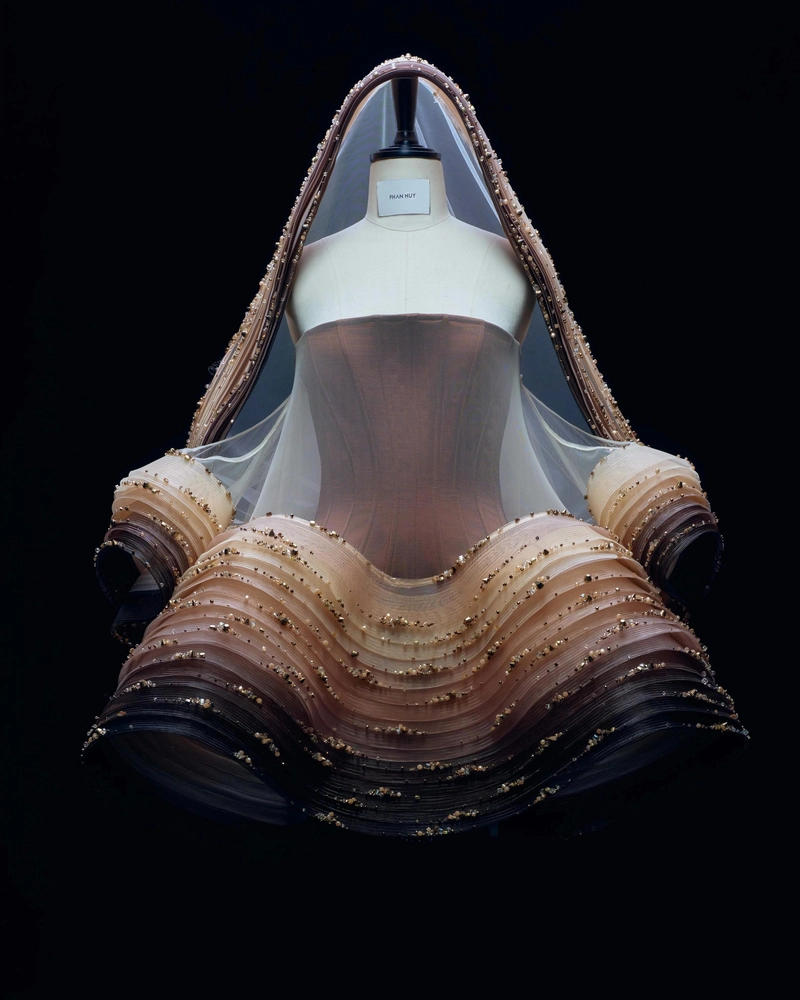
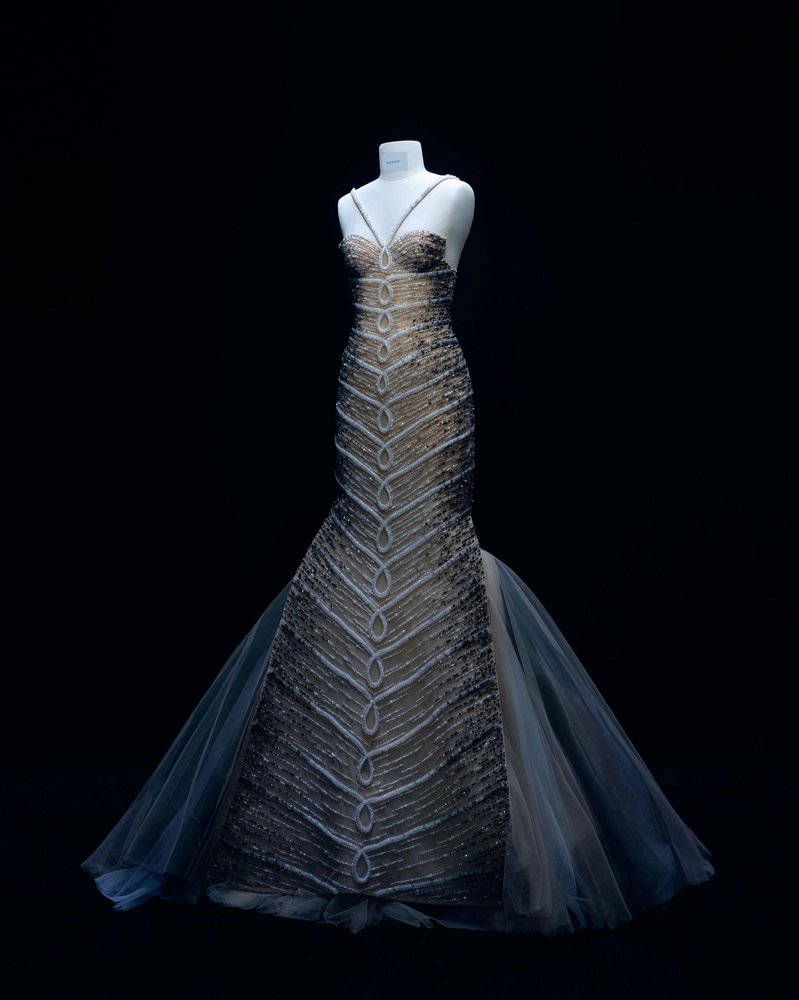
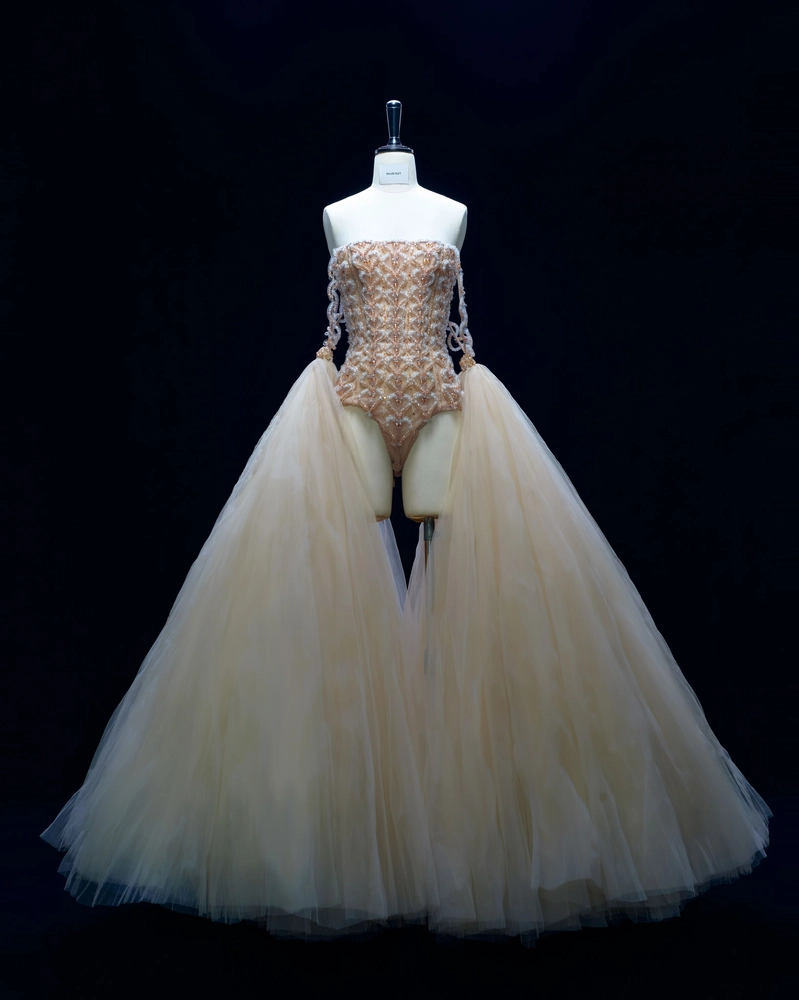
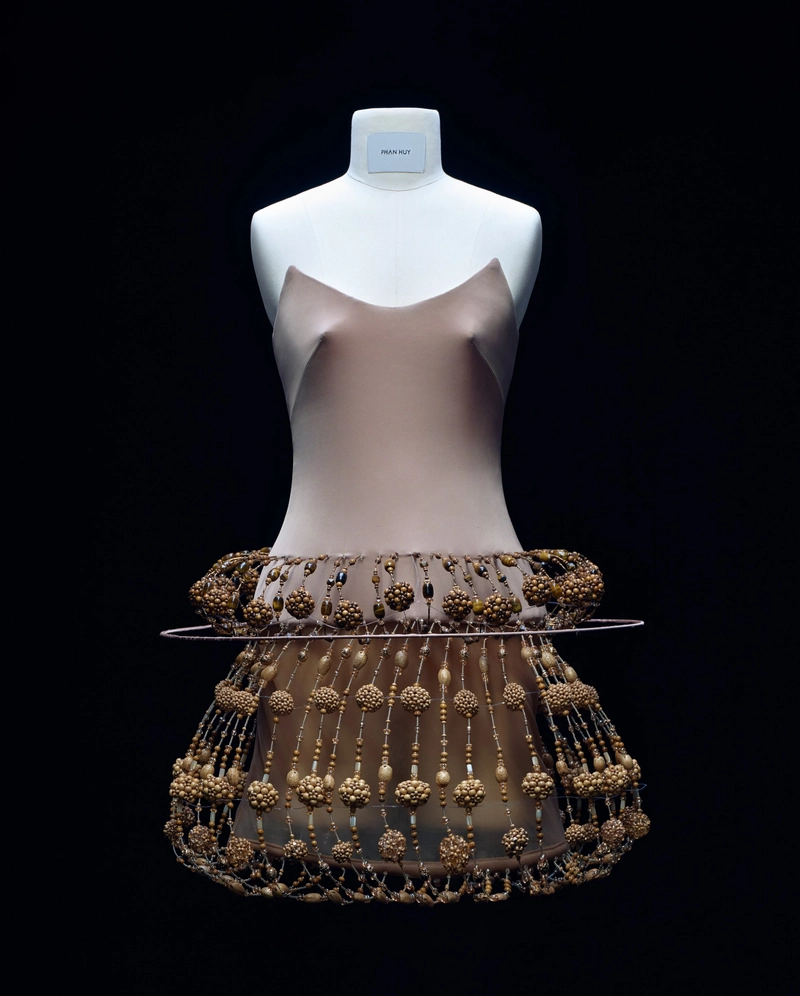
For some maisons, Guest House status is part of a multi-year institutional strategy. For others, one or two seasons may already have achieved the goal: creating an international milestone, raising brand value, opening doors to private clients or adding a prestigious credential to the company profile.
A previous appearance on the Official Calendar can continue to be cited on a website, in profiles, in commercial materials and in communications long after a maison has left the schedule. If the symbolic value has already been captured, a brand may see little reason to repeat the same investment.
This raises a broader question: is Guest House status the beginning of an institutional journey, or is it a brand asset that can be used commercially without continuous participation?
Being selected for the Official Calendar is undoubtedly a milestone worth communicating. The issue is not whether a maison uses that milestone to build its image. Almost every award, fashion week and certification in fashion can become a brand asset.
The issue lies in how the title is described.
A “Guest House selected for the Haute Couture Week Official Calendar” is not the same as an “official Haute Couture Member.” When the two are translated or used interchangeably, consumers may assume that a maison has received France’s Haute Couture recognition, when in fact its status was granted for a specific season.
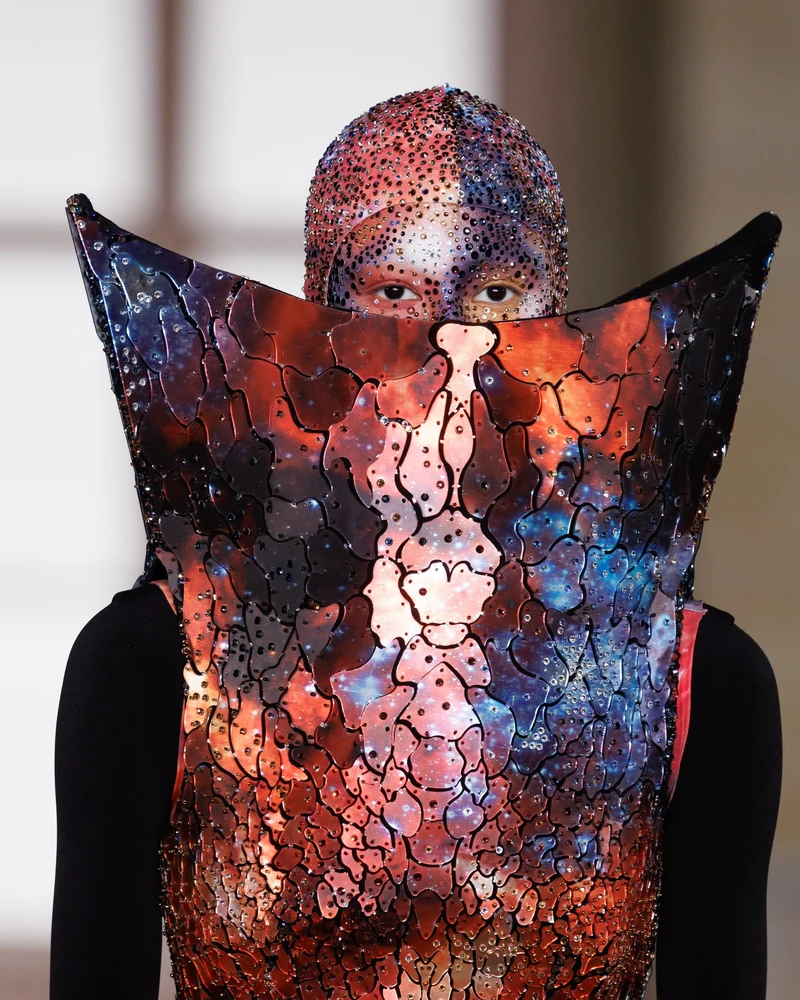
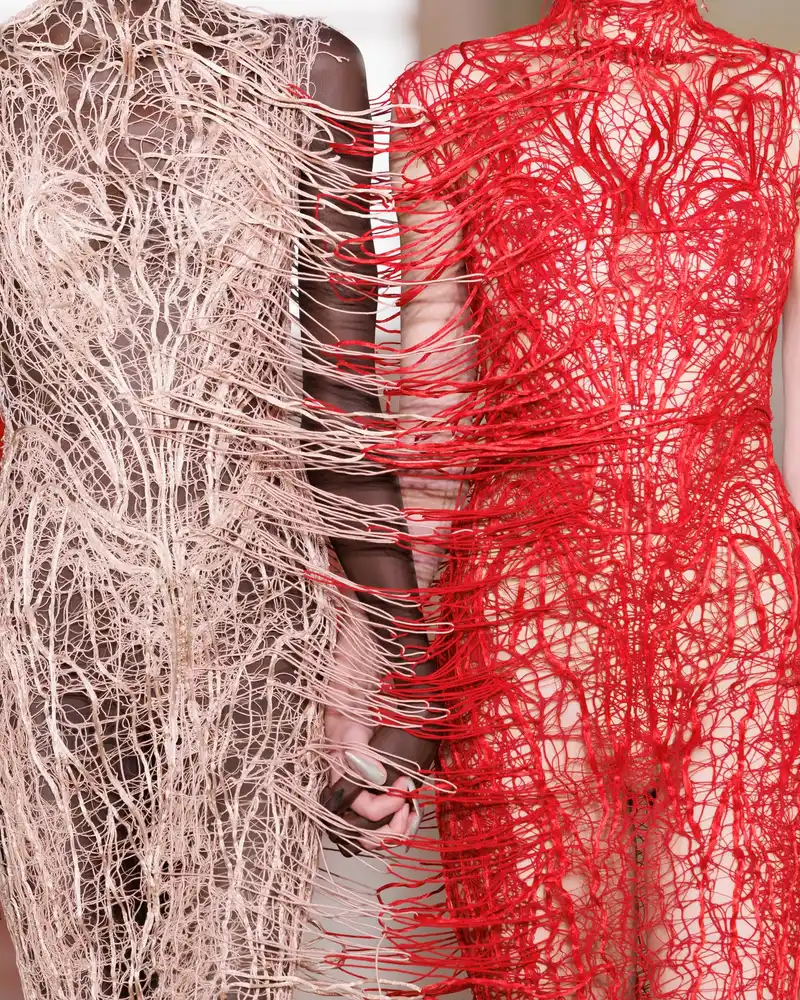
A similar ambiguity can arise between the Official Calendar and off-calendar shows held in Paris during the same period. An agency may sell a venue, casting, production, PR and an event package branded around “Paris Couture Week.” That service is not the same as placing a brand on the official FHCM calendar.
The public process currently indicates that Guest status is subject to a separate assessment by the Haute Couture Committee. There is not enough evidence to conclude that a maison can directly purchase a place on the Official Calendar.

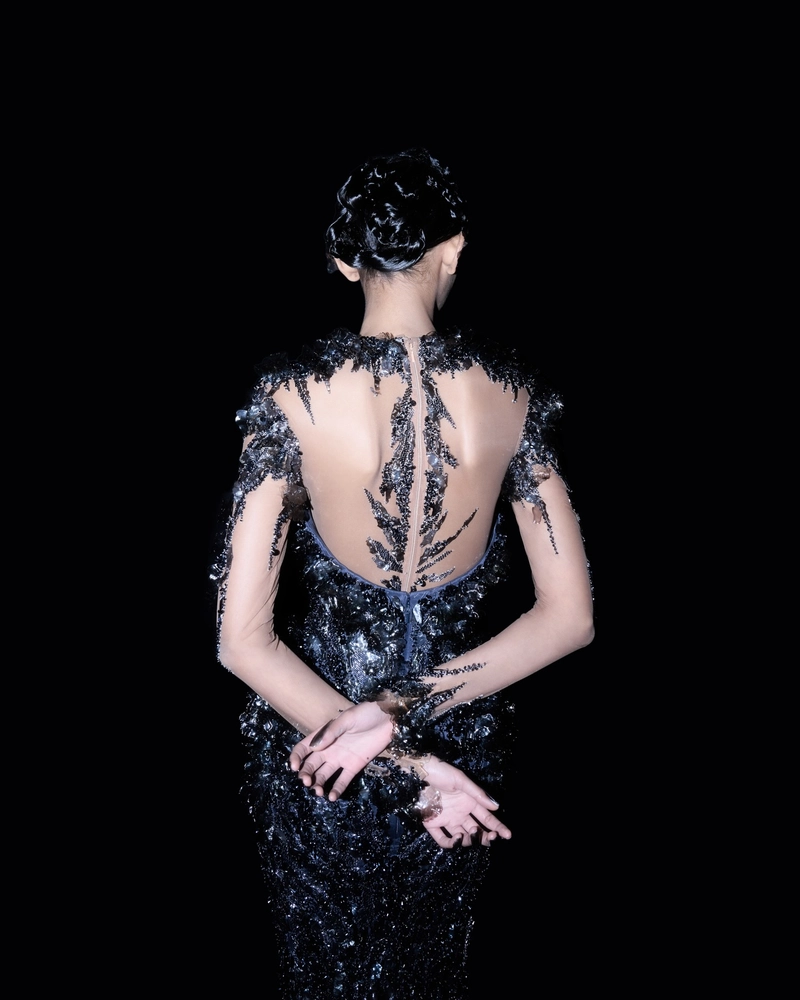
At the same time, because FHCM does not publicly disclose a specific fee structure, the public also cannot know whether applicants or selected Guest Houses pay administrative, participation or service-related fees. That gap creates a legitimate investigative question, but it does not create evidence of a pay-to-play system.
This distinction matters. A serious article should not turn questions into accusations. But it should not ignore questions simply because the parties involved may refuse to answer.
If the Official Calendar can create symbolic and commercial value for the names selected, then the process behind it deserves a corresponding degree of transparency. Not every internal detail has to be public. But there is basic information the market has a right to understand more clearly.
FHCM could begin by answering the following questions.
How many Guest House applications are submitted each season?
How many Guest House places remain available after Haute Couture Members and Corresponding Members are scheduled?
When a maison appears as a Guest House in one season but does not return the next, does FHCM distinguish between “did not reapply,” “withdrew” and “was not selected”?
Does the committee provide feedback to applicants that are not selected?
Are there any administrative, application, participation or service fees connected to applying for, or appearing on, the Official Calendar as a Guest House?
If such fees exist, should the fee structure be made public in order to avoid speculation about pay-to-play?
These questions are not meant to attack FHCM. On the contrary, they are meant to protect the value of the Official Calendar. The more prestige a system creates, the more clearly it should be understood.
The maisons cannot stand entirely outside this conversation either, especially when they are the ones who benefit from the communications value of Guest House status.
For a brand that appeared and then disappeared, the first question is simple: did the brand apply for the following season?
If so, how far did the application go?
If not, was the decision not to return related to strategy, budget, production schedule, media impact, commercial performance or a broader long-term plan?
What did the previous participation generate: private appointments, made-to-measure orders, bridal clients, red-carpet commissions, stylist requests, press relationships or investor conversations?
Does the brand see Guest House status as the first step toward a long-term institutional position, or as a communications milestone that has already served its purpose?
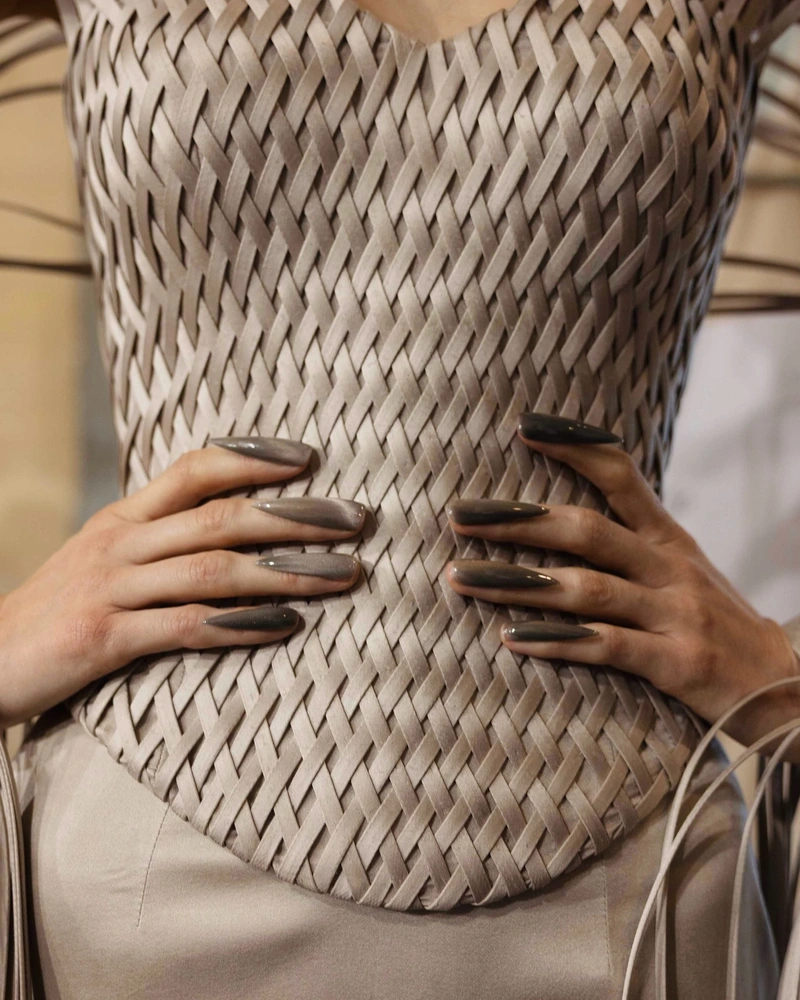
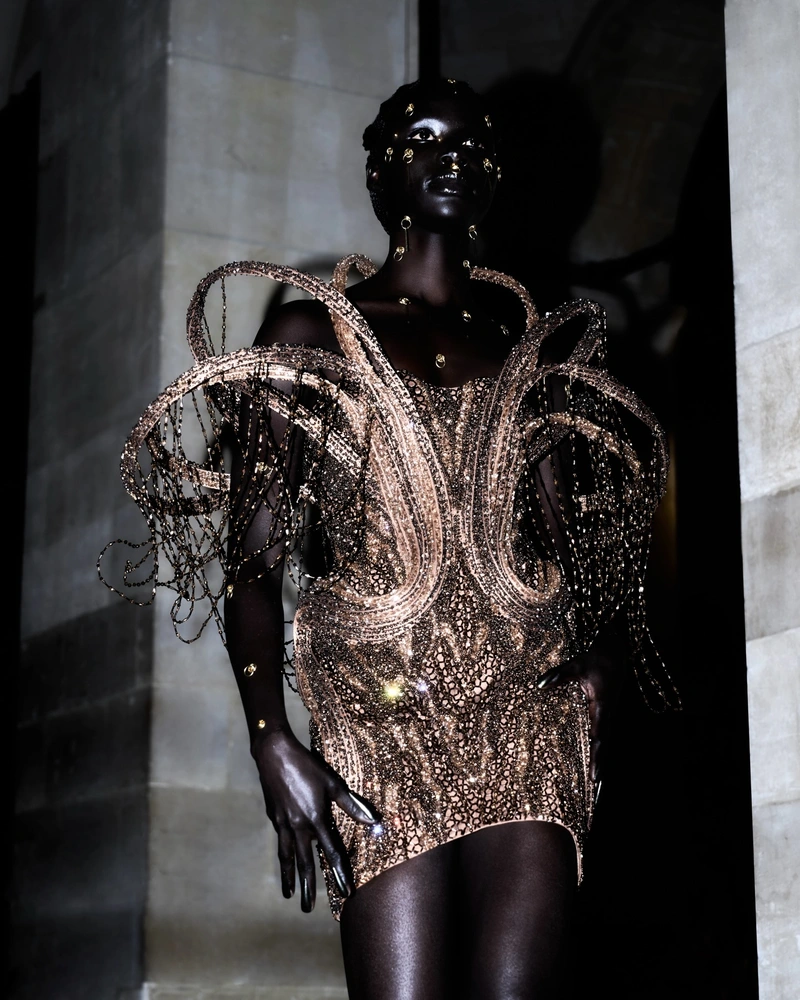
These questions may be difficult to answer. But if a brand has used its presence on the Official Calendar as part of its public story, then its absence from the calendar cannot be completely immune from public questions.
Silence does not prove that a brand has failed. But silence also does not make the questions disappear. It only leaves the market to build its own interpretation.
Responsibility does not rest only with FHCM or the maisons. The press, buyers and the public also need to reconsider how they use the language of fashion.
Are we using the phrase “participated in Haute Couture” too loosely?
How many people can distinguish a Guest House from a Haute Couture Member?
When a brand says it appeared during Haute Couture Week, does the audience understand that this status is assessed season by season?
Can a seasonal title continue to create commercial value after a brand is no longer present on the official calendar?
These questions are not meant to diminish the value of any maison. They are meant to protect the precision of fashion language. In an industry where titles can be converted into commercial value, precision is not a minor detail. It is part of accountability.
From a business-management perspective, when an activity that was once prioritized suddenly disappears from the plan, it can usually be read through three possible scenarios.
The first is a deliberate strategic decision. The brand still has enough resources to continue, but after reassessing cost, media impact, sales and opportunity cost, management concludes that the investment no longer produces proportionate value.
In this case, withdrawing may reflect prudent management. A company does not need to maintain an activity simply because it confers prestige, especially when the same capital could produce clearer results through bridal, private couture, showrooms, celebrity dressing or market expansion.
The second possibility lies in limitations of management capacity. The brand has not entered an urgent financial crisis, but its current resources are not strong enough to sustain an expensive project over multiple seasons.
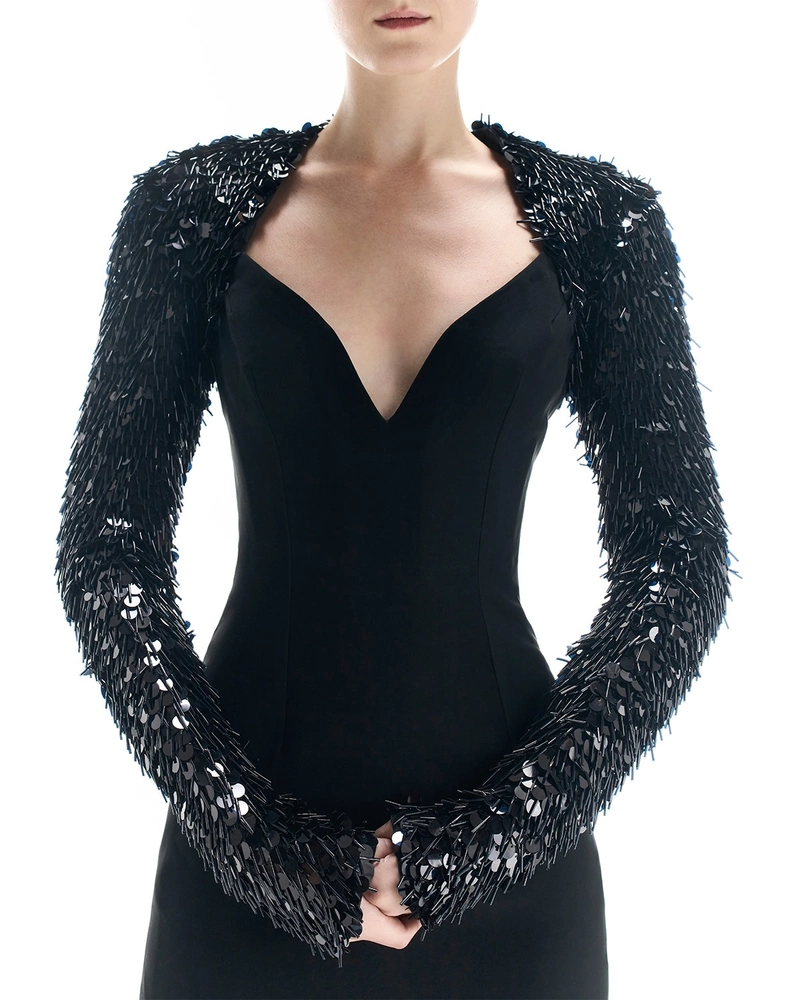
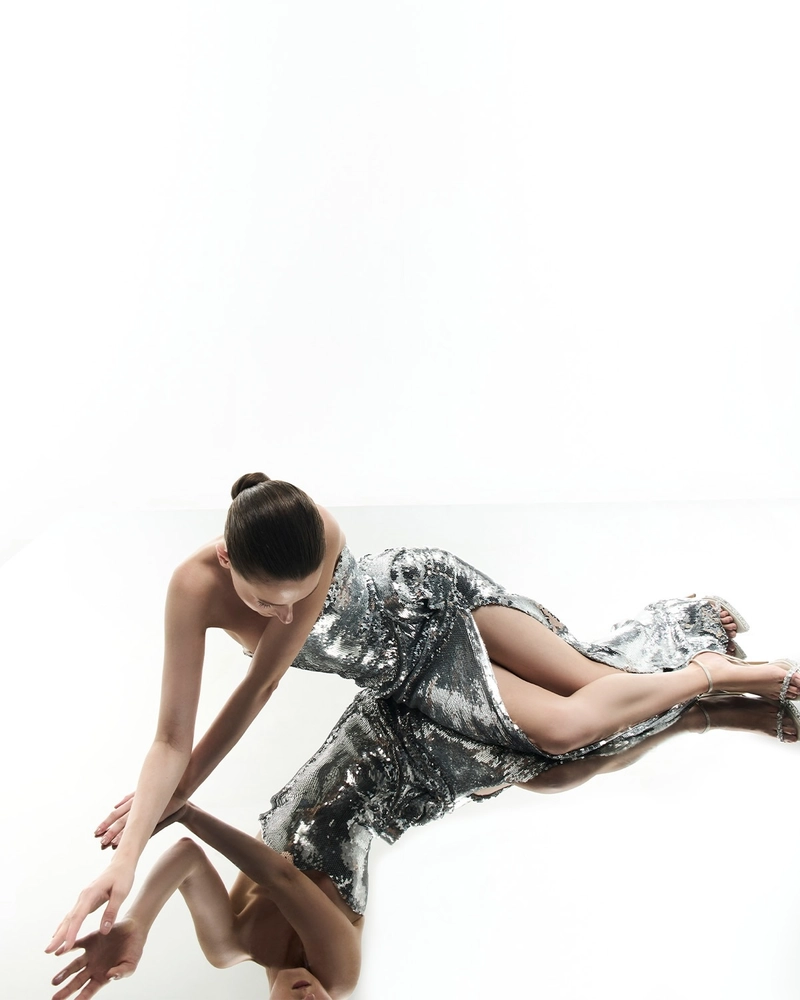
The problem may come from inaccurate budgeting, inefficient capital allocation, a lack of systems to convert media exposure into clients, or an unclear understanding of Haute Couture’s role within the long-term strategy.
In this case, financial limitation is only part of the problem. The other part is vision. A maison may have treated its appearance on the Official Calendar as the destination, without building a plan for what should happen after the show: which clients should be approached, how orders should be handled, how new prestige should be converted into revenue, and whether the brand wants to pursue membership or only needed a communications milestone.
The third possibility is more serious. The company’s finances may be under urgent pressure, forcing management to cut activities that consume capital without generating immediate cash flow or without showing a sufficiently rapid return.
Under those circumstances, a Haute Couture project becomes an obvious candidate for review. A collection requires months of work, expensive materials, specialist labor and the cost of staging an event in Paris, while the number of orders it may generate remains difficult to predict. Media value may look significant on the surface, but it cannot immediately pay employees, suppliers or other financial obligations.
The boundary between these three possibilities lies in the freedom to choose. A maison that still has the ability to continue but deliberately redirects resources toward a more productive use is making a strategic decision. A maison that wants to return but has failed to build the necessary budget, sales infrastructure or long-term objective may be facing a management limitation. A maison forced to cut spending in order to protect cash flow is facing genuine financial pressure.
This is a management lens, not a conclusion about Gaurav Gupta, Miss Sohee, Phan Huy or any other Guest House. The Official Calendar does not provide enough information to determine which scenario applies to any individual brand.
But precisely because there is not enough information, the question cannot simply be ignored.
In business, the decision to continue a project always returns to basic questions: does the company have sufficient resources, does the team understand what objective the investment is meant to serve, and are the results strong enough to defend the same decision before the next season?
Gaurav Gupta, Miss Sohee and Phan Huy appeared on the Spring/Summer 2026 Official Calendar as Guest Houses, then were absent from Fall/Winter 2026–2027. That is the fact. Everything else remains a question.
They may have applied and not been selected. Their applications may have been withdrawn. They may have chosen not to apply again after reviewing media impact, sales, costs or long-term strategy. Their absence may also be no more than a single-season pause within a broader plan.
Each possibility creates a different interpretation. None can responsibly be assigned to a specific maison without confirmation from the brand itself or FHCM.
But one thing is clear: when the Official Calendar creates symbolic value for the names it selects, it also creates a need for transparency when those names disappear. Presence on the calendar can be commercialized into prestige. Absence from the calendar, then, cannot be left as an unexplained blank space.
The Official Calendar shows whose door opened in the current season. It does not reveal who knocked, who changed course halfway through, or who decided that the room was no longer worth entering.
Talent may bring a maison onto the Haute Couture calendar once. Returning to Paris season after season requires that talent to be supported by cash flow, management capacity and a vision clear enough to turn glamour into value that can endure. But before the market makes its own judgment, the people holding the facts — FHCM and the maisons involved — should have the opportunity, and also the responsibility, to answer the questions that this system itself has created.