MENU
Close





The accent of couture is changing, and Indian designers at Paris Couture Week are making that shift impossible to ignore.
The accent of couture is changing, and Indian designers at Paris Couture Week are making that shift impossible to ignore.
June 22, 2026
Advertisement

Advertisement



For decades, the story of European haute couture has been told with a glaring omission. The breathtaking embellishments, the intricate zardozi embroideries, and the impossibly delicate handwoven textiles that define the very lexicon of Parisian luxury have long been born in the humming ateliers of India. Yet, the artisans responsible for this magic have remained effectively invisible, their extraordinary contributions absorbed into the mythology of heritage Western houses without a whisper of credit on the final garment label.
This season, however, the narrative is experiencing a profound and necessary rewrite. As the Paris Haute Couture Week calendar unfolds, a palpable shift is occurring: Indian designers at Paris Couture Week are stepping out of the shadows of the global supply chain and claiming their rightful, named places on the official runway.
India’s presence in Paris is no longer a fleeting novelty; it is rapidly solidifying into a structural pillar of the couture establishment. It is a long-overdue pattern that acknowledges centuries of uncredited influence on European textiles. What we are witnessing through Indian designers at Paris Couture Week is not merely an inclusion of new names, but a fundamental paradigm shift in how the epicenter of fashion perceives the intersection of origin, craft, and high design.
The cultural and economic relationship between India and France is not a modern phenomenon; it is a complex tapestry that has been woven since the seventeenth century, deeply rooted in a shared, almost reverential esteem for delicate and elaborate craftsmanship. Pascal Morand, the executive president of the Fédération de la Haute Couture et de la Mode, rightfully points out that the growing presence of Indian designers on the official haute couture calendar is a reflection of this historical continuity. It represents a common commitment to the defense of supreme ornamentation and the fostering of genuine creative dialogues.
The timing of this cultural renaissance is critical and deeply intertwined with recent industry milestones. When Maria Grazia Chiuri staged Christian Dior’s landmark pre-fall 2023 show against the majestic backdrop of the Gateway of India in Mumbai, it served as a triumphant, highly publicized spotlight on the Chanakya ateliers the French house had quietly relied upon for years. It was a beautiful moment of transparency, yet it simultaneously underscored a lingering Western bias.
Even in the glow of the Dior runway, India was still largely perceived by the old guard as a magnificent factory of craft, rather than a crucible of original, avant-garde design. This perception persisted despite India possessing a vibrant, multi-billion-dollar domestic fashion ecosystem, with visionary designers retailing globally from Harrods in London to Bergdorf Goodman in New York, and operating massive flagship stores from Dubai to Mumbai.
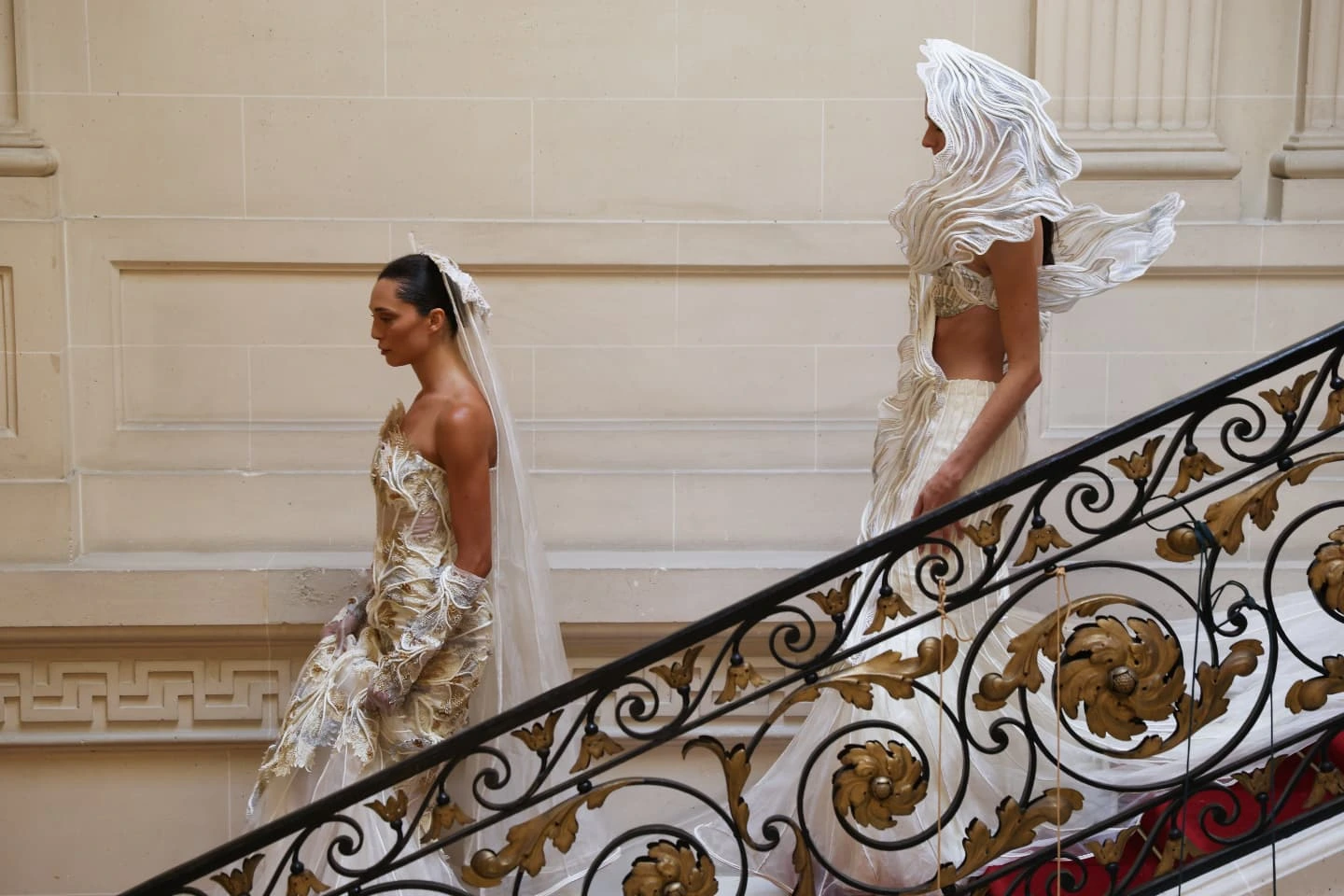
Today, that perception is rapidly disintegrating. Digital fashion commentators and industry insiders alike are demanding radical transparency. There is a growing, undeniable awareness of the indispensable role that Indian artisans play in Western haute couture, but as many critics point out, acknowledging the labor is only the first step. True equity requires recognizing the creative intellect behind the craft. The current uptick in Indian designers at Paris Couture Week leading their own eponymous houses is an eye-opening evolution, forcing legacy brands to realize that Indian talent is no longer content to merely execute the visions of others; they are here to present their own.
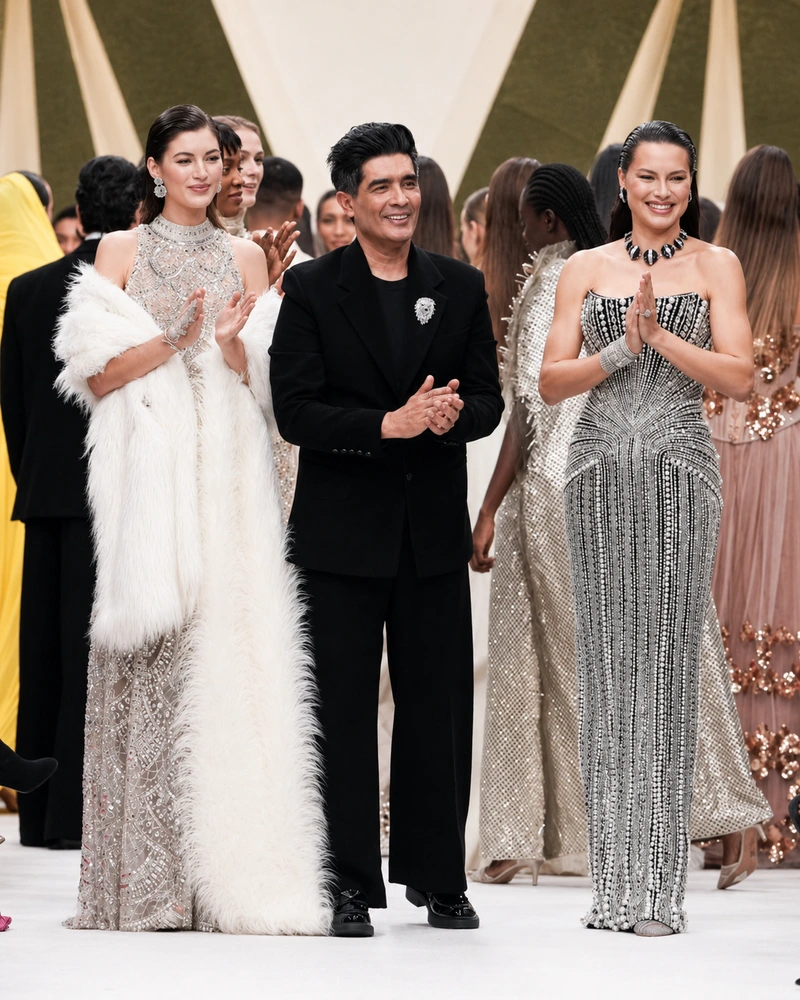
This July, the arrival of Manish Malhotra to the Paris Haute Couture Week schedule marks a fascinating watershed moment. As he makes his highly anticipated debut, Malhotra becomes the fourth Indian designer to grace the official calendar, joining the esteemed ranks of Rahul Mishra, Gaurav Gupta, and Vaishali S. For over three decades, Malhotra has been the undisputed architect of modern Indian cinematic glamour. His label is a cultural juggernaut that has dictated the aesthetic of over a thousand films and dressed a sprawling constellation of international icons, from Kim Kardashian to Jennifer Lopez.
Yet, Malhotra’s pivot to Paris is driven by a motive that extends far beyond personal accolade or brand expansion. He approaches this debut with a striking sense of cultural diplomacy. For him, the most meaningful aspect of this endeavor is pure, undiluted representation. While Paris offers unparalleled visibility in the Western market, Malhotra’s true excitement lies in the opportunity to contribute to the global couture conversation specifically from an Indian perspective. His goal is to replace the antiquated notion of the "anonymous artisan" with a vivid, breathing awareness of the depth, sophistication, and formidable artistry that thrives within Indian ateliers.
As one of the most commercially recognizable Indian designers at Paris Couture Week, Malhotra brings a specific flavor of unapologetic, maximalist joy to the runway, a stark contrast to the quiet luxury dominating recent seasons, reminding Paris that couture can be a celebration of sheer, cinematic scale.
Malhotra joins a prestigious stage that his contemporaries have been meticulously preparing for years. Rahul Mishra, often regarded as the philosopher-botanist of Indian fashion, shattered the ultimate glass ceiling in January 2020 by becoming the first Indian designer to join the official calendar. As he approaches his fourteenth consecutive showing, having impressively never taken a season off, Mishra’s tenure represents an unyielding commitment to redefining the global perception of his homeland.
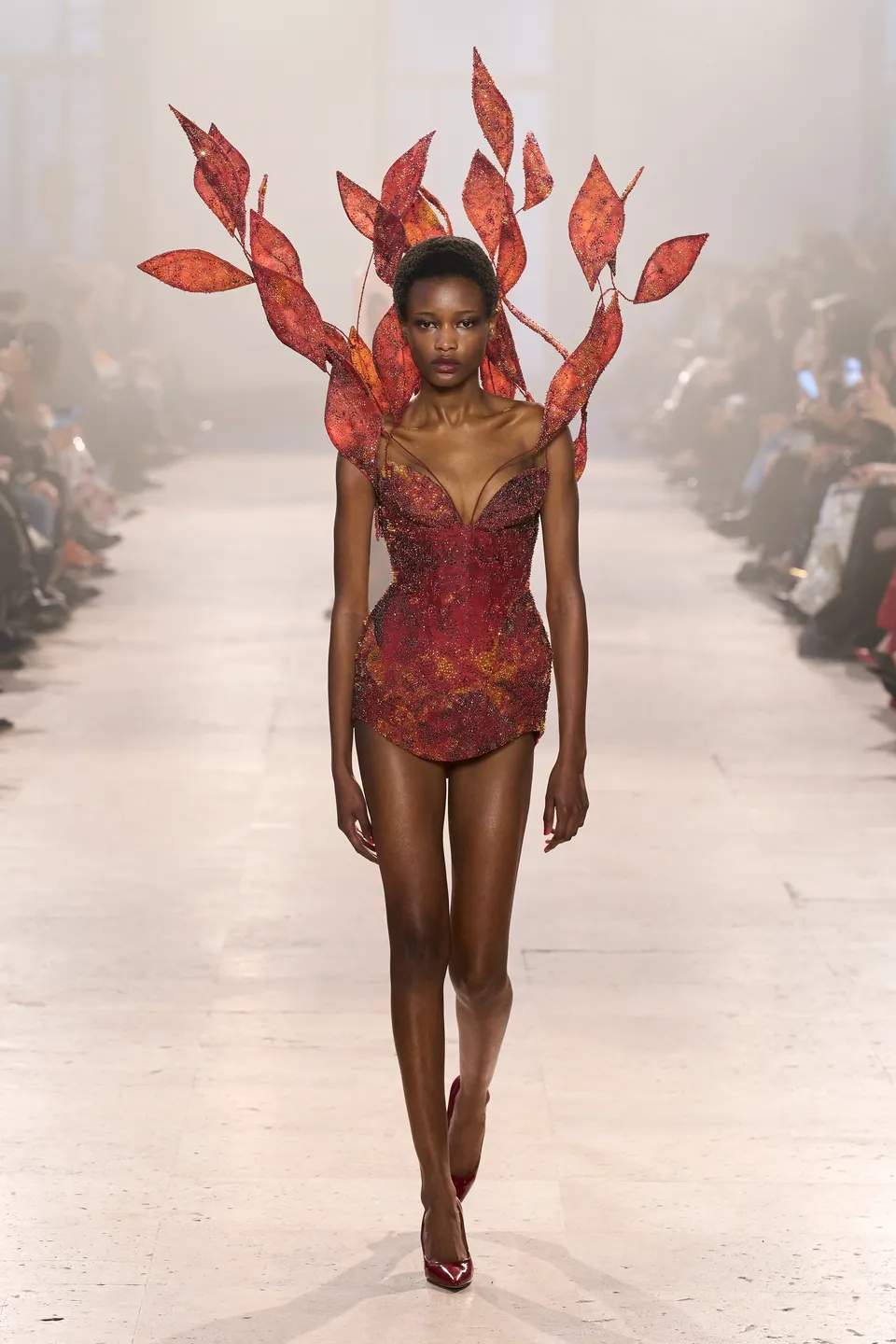
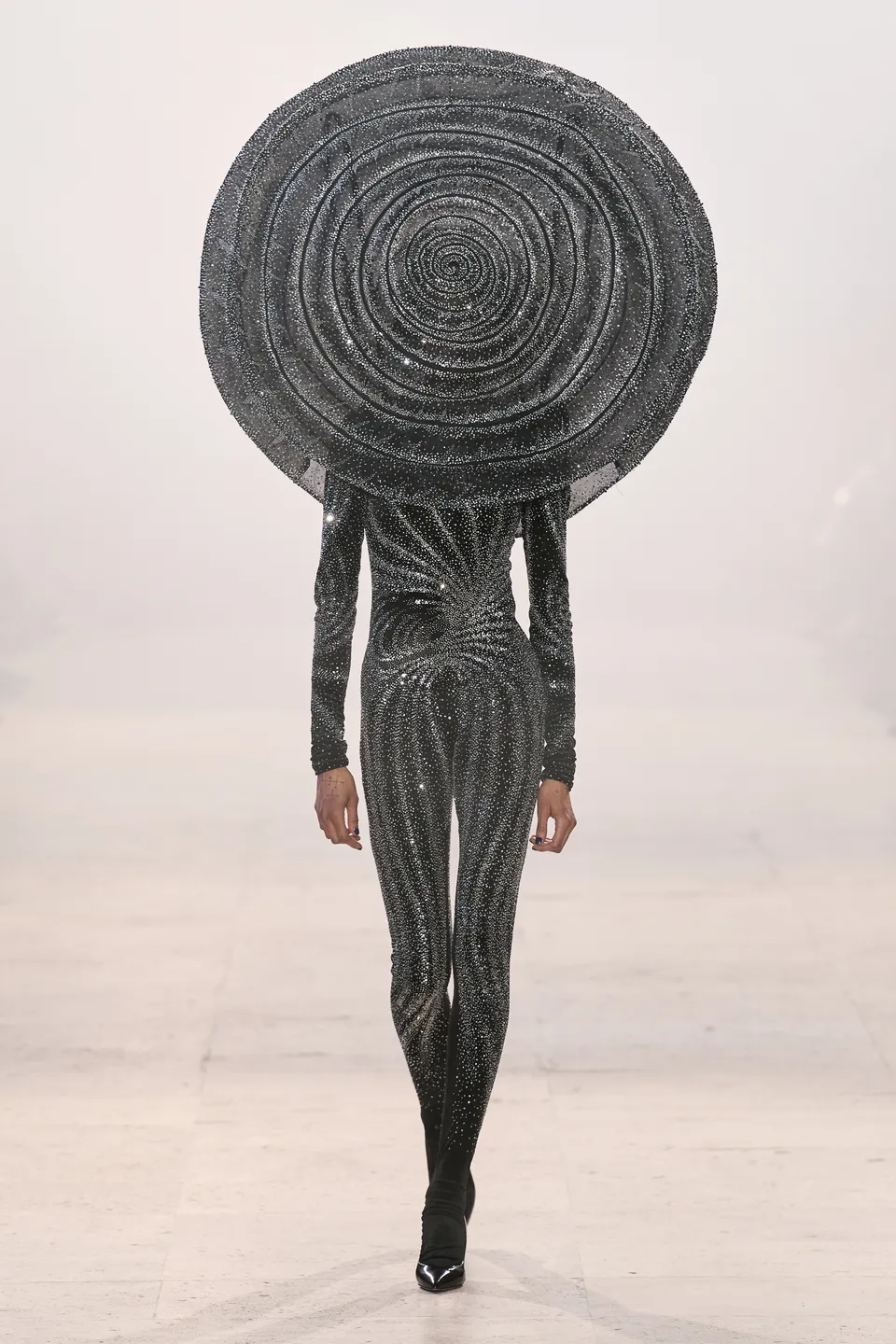
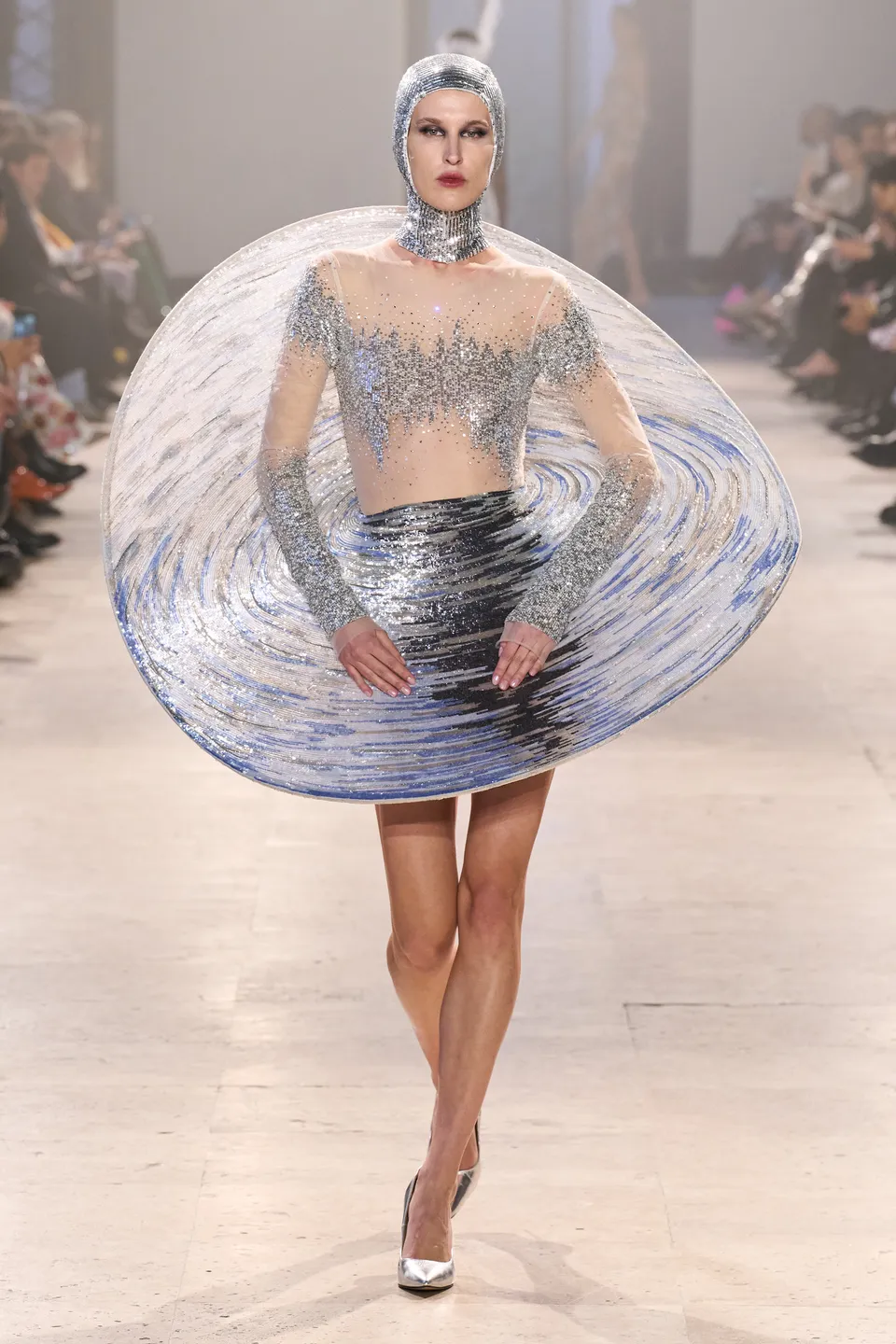
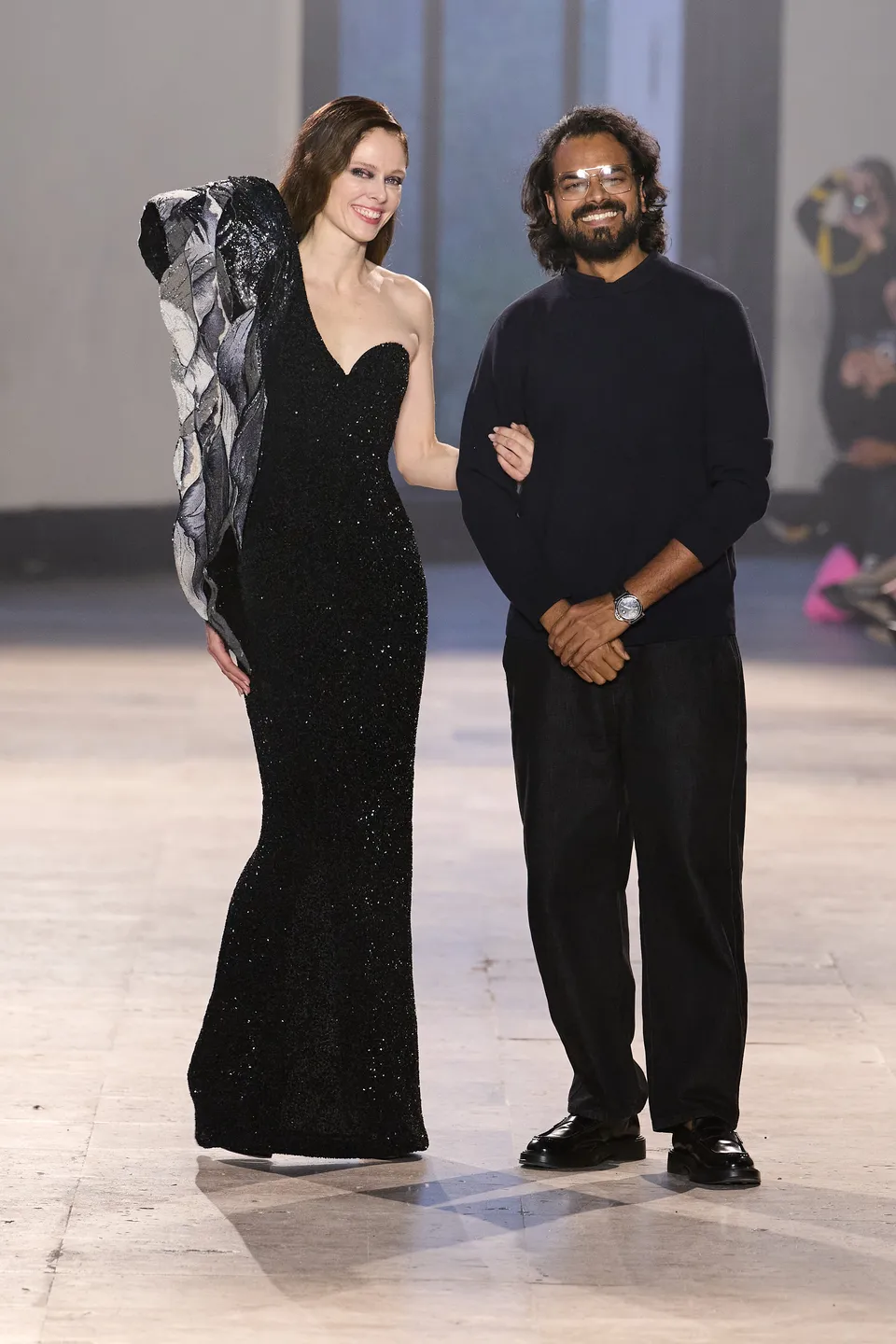
Looking back at his early presentations, Mishra speaks of a profound, almost crushing sense of responsibility. As the sole Indian voice on the official platform at the time, he felt a supreme duty to elevate the global luxury conversation. His ambition was to firmly dismantle the familiar, reductive perception of India as merely a source of flat embroidery and handcraft. Instead, he sought to prove that ancient Indian craftsmanship could serve as a powerful vehicle for modern innovation, biomimetic artistic expression, and contemporary design at the absolute highest level. His signature three-dimensional, wildly intricate botanical embroideries are not just decorations; they are structural feats that challenge the very limits of what thread and needle can achieve.
Conversely, Gaurav Gupta has brought an entirely different, shockingly futuristic vernacular to Paris since his own debut in January 2023. If Mishra represents organic poetry, Gupta represents aerodynamic physics. Over the course of six sensational showings, Gupta has redefined the limits of fabric, engineering sculptural, fluid forms that seem suspended in a state of perpetual, gravity-defying motion.
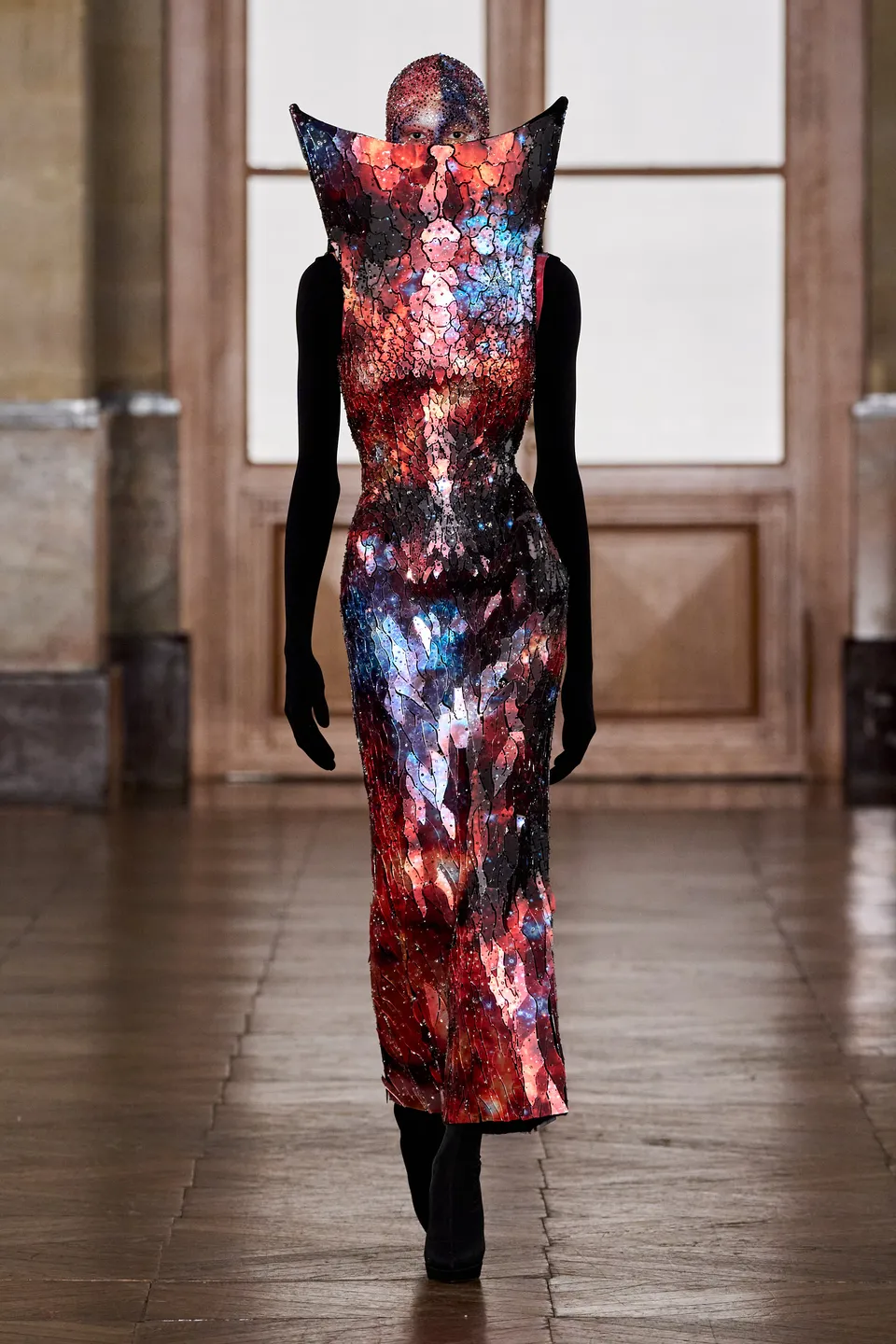
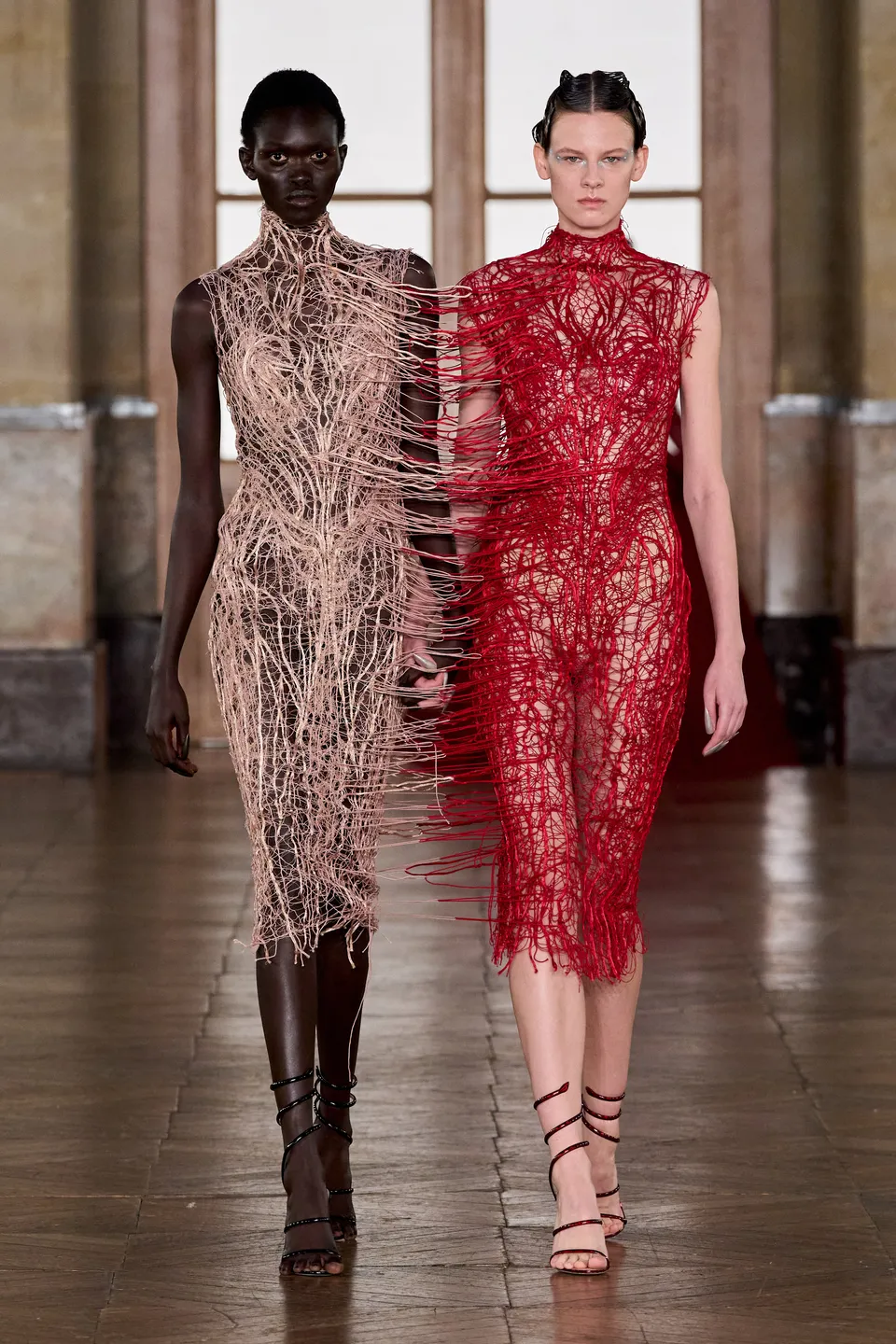
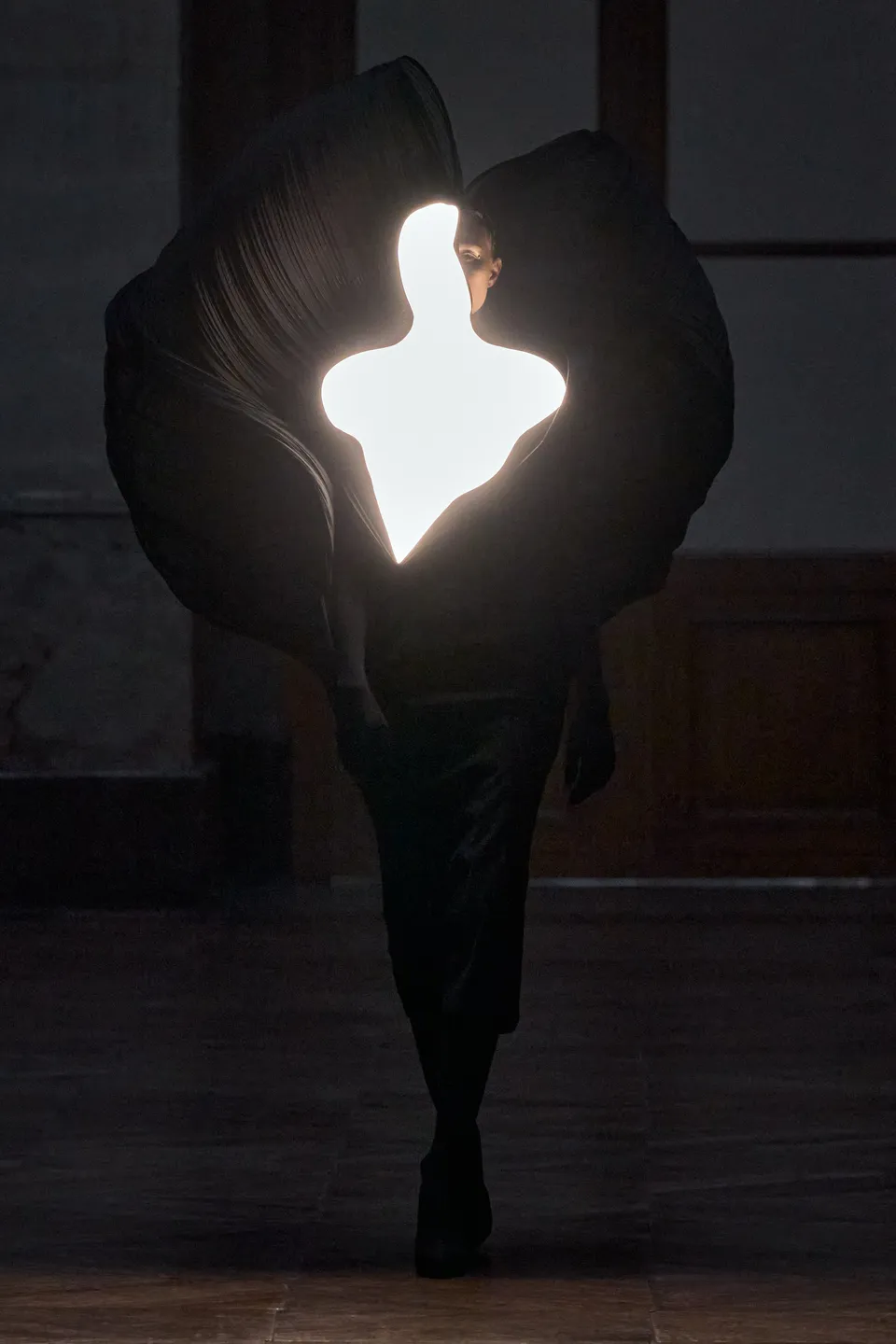
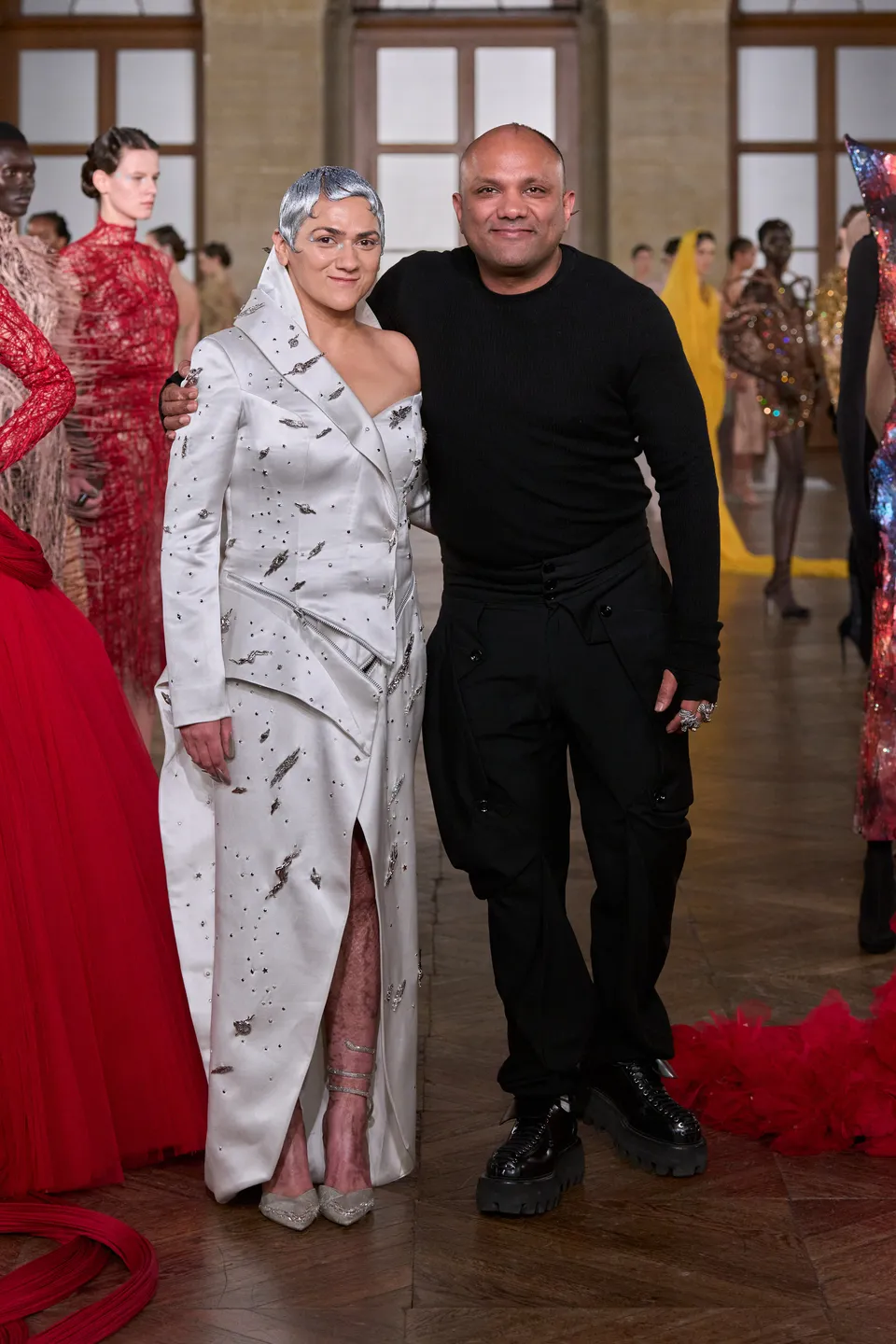
His celestial, swirling silhouettes have rapidly become the de facto armor for global cultural icons, gracing everyone from Beyoncé and Queen Latifah to Serena Williams and Aishwarya Rai. While Gupta is taking a brief hiatus from the runway this season to focus on the monumental task of opening his own physical atelier in Paris, his presence remains omnipresent. His trajectory underscores a crucial reality: Indian designers at Paris Couture Week are not just visiting Paris for a seasonal photoshoot; they are planting flags, establishing physical footholds, and laying the brick-and-mortar foundations for truly global luxury houses.
The critical acclaim surrounding these designers is heavily bolstered by a formidable, rapidly expanding commercial reality. Indian designers are increasingly being recognized by the most discerning global buyers not just for their technical mastery, but for their highly bankable creative visions. For houses like Gupta’s, Paris Couture Week serves as an unparalleled global incubator. It is the ultimate nexus where international buyers, high-net-worth private clients, and influential industry leaders can engage with the brand at its absolute highest, most concentrated expression.
This strategic visibility has catalyzed tremendous international growth, particularly in the highly lucrative demi-couture and luxury eveningwear categories. The exposure of the Paris calendar works symbiotically with global retail expansion; as brands secure coveted floor space in prestigious retailers across the world, the runway shows provide the necessary narrative prestige to convert curious onlookers into loyal, high-spending clients.
While India proudly hosts its own robust couture week in Delhi every July, its focus has traditionally remained heavily localized, catering primarily to the domestic bridal behemoth. Paris, however, operates as the ultimate, centralized discovery platform for the global elite. Retail directors from institutions like Harrods note that Paris Couture Week has dramatically evolved beyond its traditional Eurocentric roots. The inclusion of Indian designers at Paris Couture Week is not a token gesture; it actively enriches the commercial ecosystem. They bring an entirely unique aesthetic perspective, rooted in an extraordinary, multi-generational mastery of embellishment and handwork techniques, that provides luxury retailers with the fresh, culturally distinct offerings their increasingly diverse clientele demands.
Perhaps the most fascinating, and economically impactful, result of this Parisian triumph is the profound psychological shift it has triggered back home in India. The country boasts one of the largest, most financially formidable couture bridal markets on the planet. For decades, the aesthetic expectations of this market were rigidly defined by traditional parameters: value was inherently linked to the sheer weight and density of traditional embroidery.
However, the unprecedented success of designers like Mishra, Gupta, and Vaishali S on the Parisian stage has initiated a massive re-education of the domestic consumer. Paris has effectively functioned as a powerful mirror, reflecting a new, modernized vision of Indian luxury back to its own people. Designers are witnessing this paradigm shift firsthand within their own ateliers. There is a newfound, fervent curiosity and a vastly elevated appreciation for couture as an art form among Indian clients.
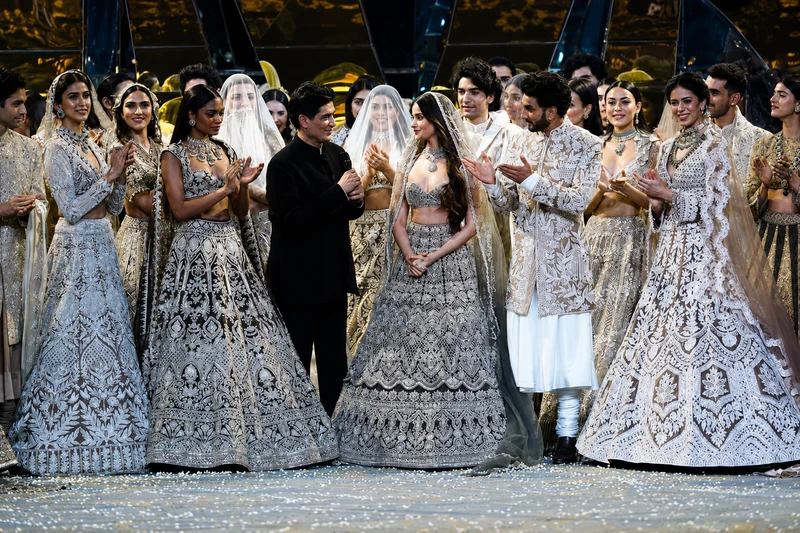
Today's affluent Indian brides are no longer satisfied with merely checking the boxes of traditional embellishment. They are actively engaging with the conceptual narratives presented in Paris, regularly requesting avant-garde runway looks or seeking highly customized adaptations of complex, architectural pieces for their wedding ceremonies.
There is a rapidly growing appreciation for the nuanced elements of high fashion, including architectural silhouettes, precise garment construction, and innovative draping techniques. By proving that Indian design can comfortably and dominantly stand alongside the world’s finest heritage houses, Indian designers at Paris Couture Week have liberated the domestic market from its own traditional constraints, proving that Indian identity and avant-garde modernity are not mutually exclusive.
As the global fashion community watches this evolution, it becomes incredibly clear that this is merely the prologue of a much larger story. India possesses an almost unfathomable reservoir of talent, and there are countless, fiercely distinct interpretations of what Indian couture can look like in the twenty-first century. This movement is infinitely larger than any single designer or any one particular house. It is about a collective, systemic reclamation of artistic dignity.
It is about ensuring that the masterful artisans, the ancient techniques, and the breathtaking creative excellence that have quietly shaped the foundation of global fashion for centuries are finally celebrated under their own sovereign banners. The fact that designers as distinctly varied as Mishra, Gupta, and Malhotra can arrive at the exact same, highly exclusive Parisian platform with completely divergent visions—spanning biomimetic craft, aerodynamic sculpture, and cinematic glamour—is the ultimate triumph. It is the purest, most undeniable reflection of the sheer richness, versatility, and unstoppable force of Indian creativity today. The invisible hand has finally revealed itself, and through Indian designers at Paris Couture Week, it is reshaping the very future of couture.
Advertisement