MENU
Close





Copenhagen Fashion Week 2026 Day 4 gave Copenhagen its cinematic close-up, with the clothes staying calm while the scenery did the flirting.
Copenhagen Fashion Week 2026 Day 4 gave Copenhagen its cinematic close-up, with the clothes staying calm while the scenery did the flirting.
August 15, 2026
Advertisement

Advertisement



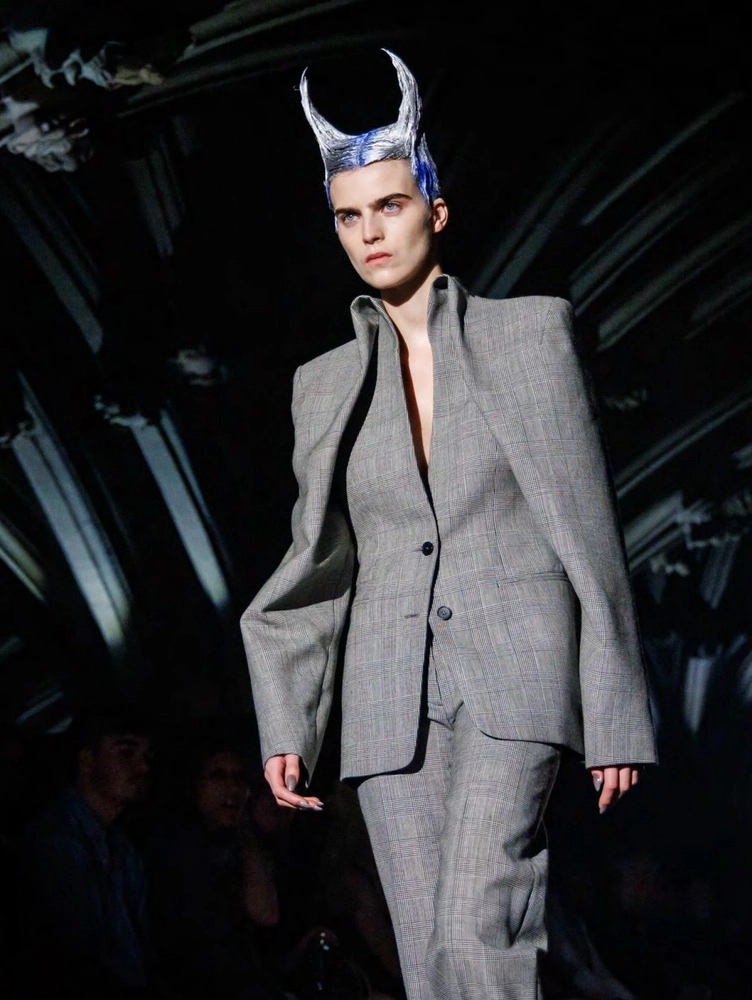
Copenhagen Fashion Week 2026 Day 4 felt like the city lifting the curtain with a steady hand. The official Thursday 6 August calendar carried Mr. Larkin, Iamisigo, Marimekko, Swedish School of Textiles, Nicklas Skovgaard, Collina Strada and Caro Editions through a tighter cast than Day 3, but the emotional register grew louder: translucent color, sacred craft, print heritage, student experimentation, classic cars, tinsel by the harbor and club-exit glamour. The SS27 programme ran from 3 to 7 August 2026, marking Copenhagen Fashion Week’s 20th anniversary season.
The day’s strongest lesson sat in control. Copenhagen Fashion Week 2026 Day 4 allowed performance to enter the clothes, then kept proportion, palette and product logic clear enough for the runway to speak to buyers as much as image-makers. Spectacle had a body. Decoration had a job. Fantasy kept its tailoring sharp.
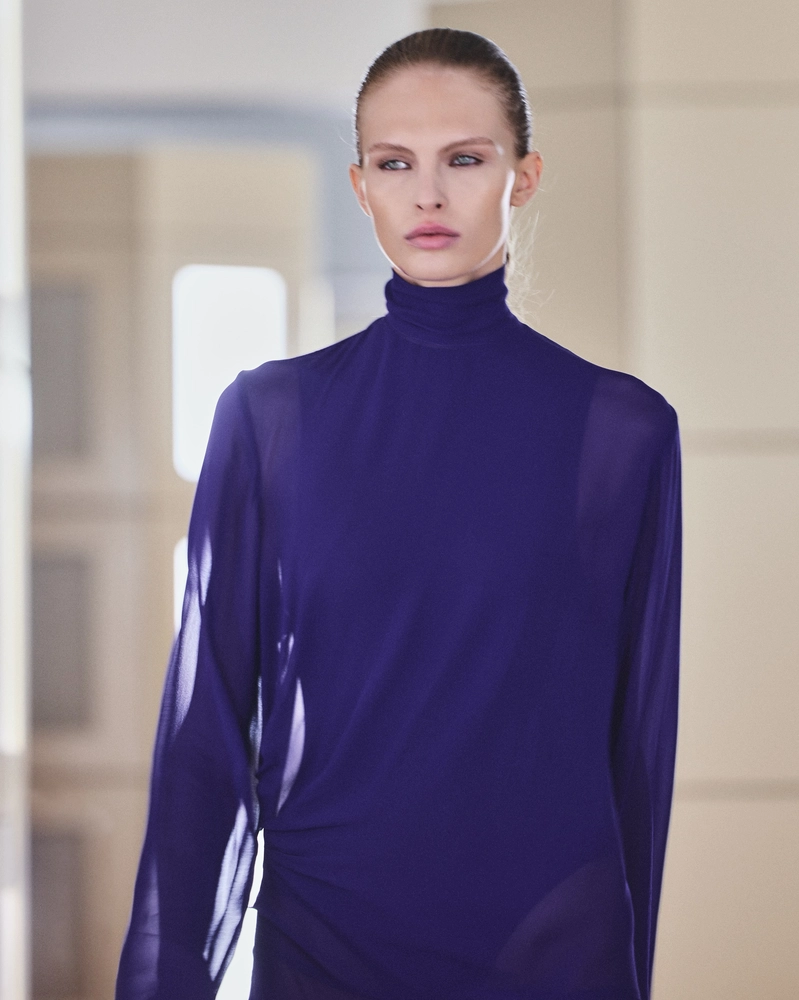
Mr. Larkin opened the fashion sequence with commercial charm sharpened by movement. The brand’s first runway show at V1 Gallery brought color-pop see-through shifts and semi-sheer crochet into the SS27 conversation, placing sensual transparency inside a crisp Copenhagen register.
The interesting detail was restraint in decoration. Pale lemon, tassels and beaded-chain movement gave the collection a soft kinetic charge, the kind of surface detail that swings when the body walks yet keeps the garment light enough for daily use. Mr. Larkin made the case for clothes that flirt through small mechanics: a chain at the hem, a tassel near the hand, a washed citrus tone that catches summer air.
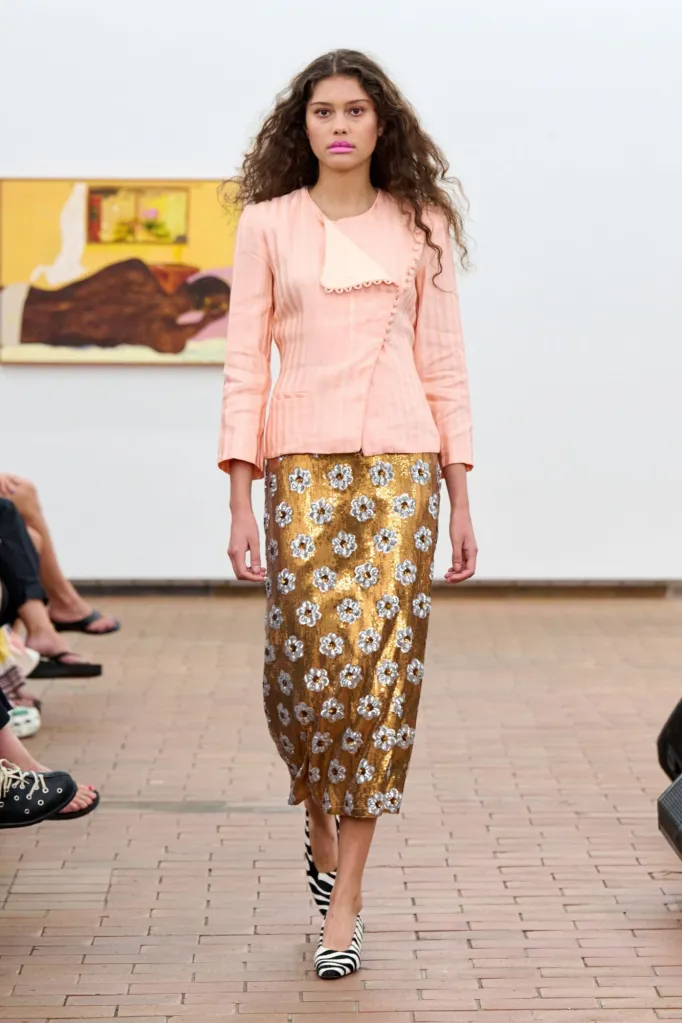
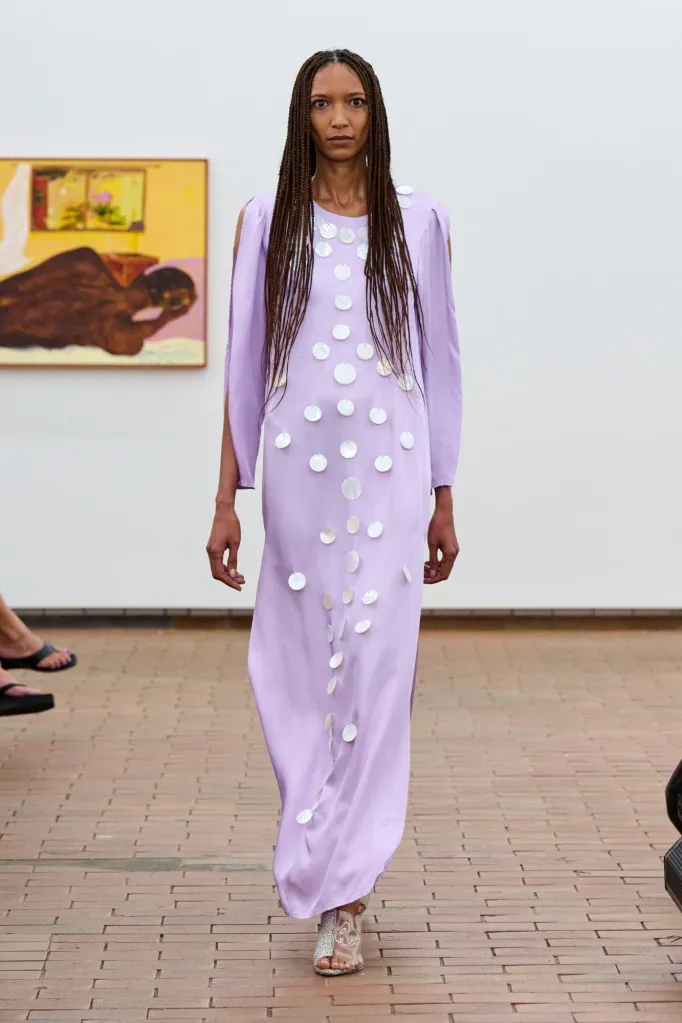
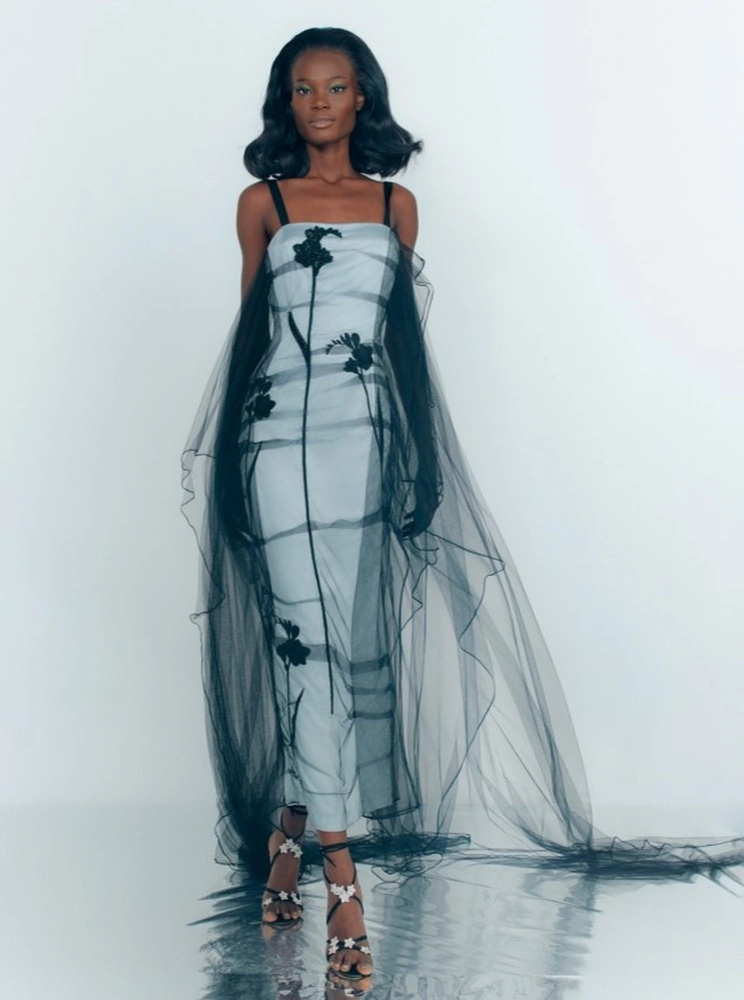
Iamisigo gave Copenhagen Fashion Week 2026 Day 4 its deepest intellectual root. The brand describes itself as a contemporary wearable-art house based in Lagos, Nairobi and Accra, with a slow design practice centered on preserving Africa’s intangible cultural heritage through handmade craft. Its world is built through textile preservation, circular design, regenerative fashion, natural fibres, upcycled materials and endangered techniques held by artisan communities.
On this day, Iamisigo expanded the meaning of Copenhagen’s sustainability language. The collection could be read as clothing with memory in the fibre, where craft acts as archive and the body becomes a moving site of cultural knowledge. Its presence gave the schedule density: spectacle came through substance, and material thinking became the most serious form of drama.
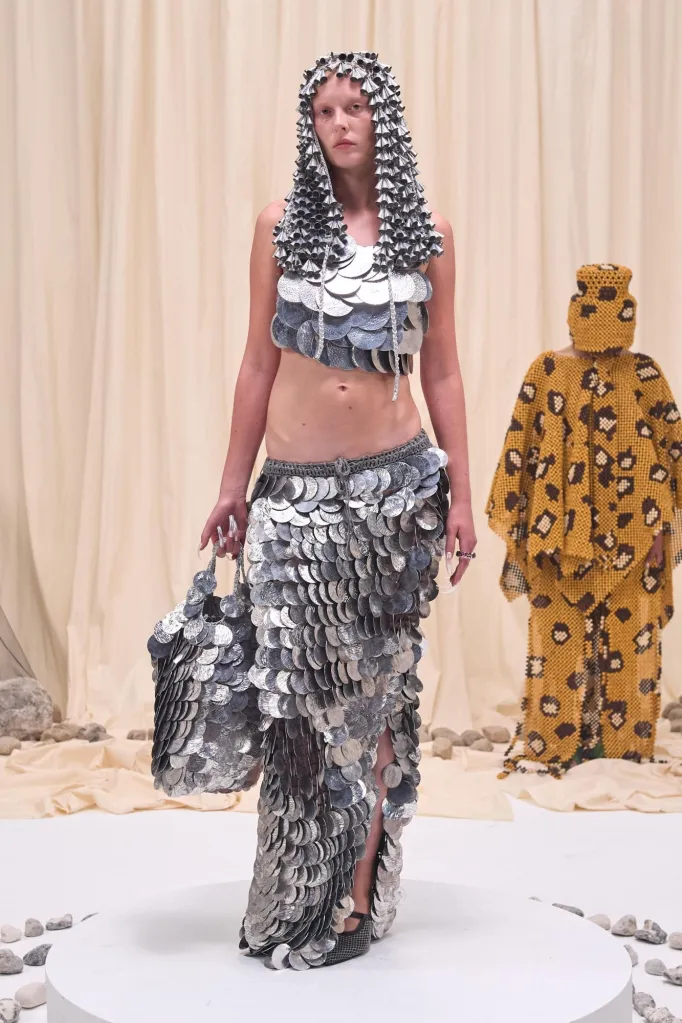
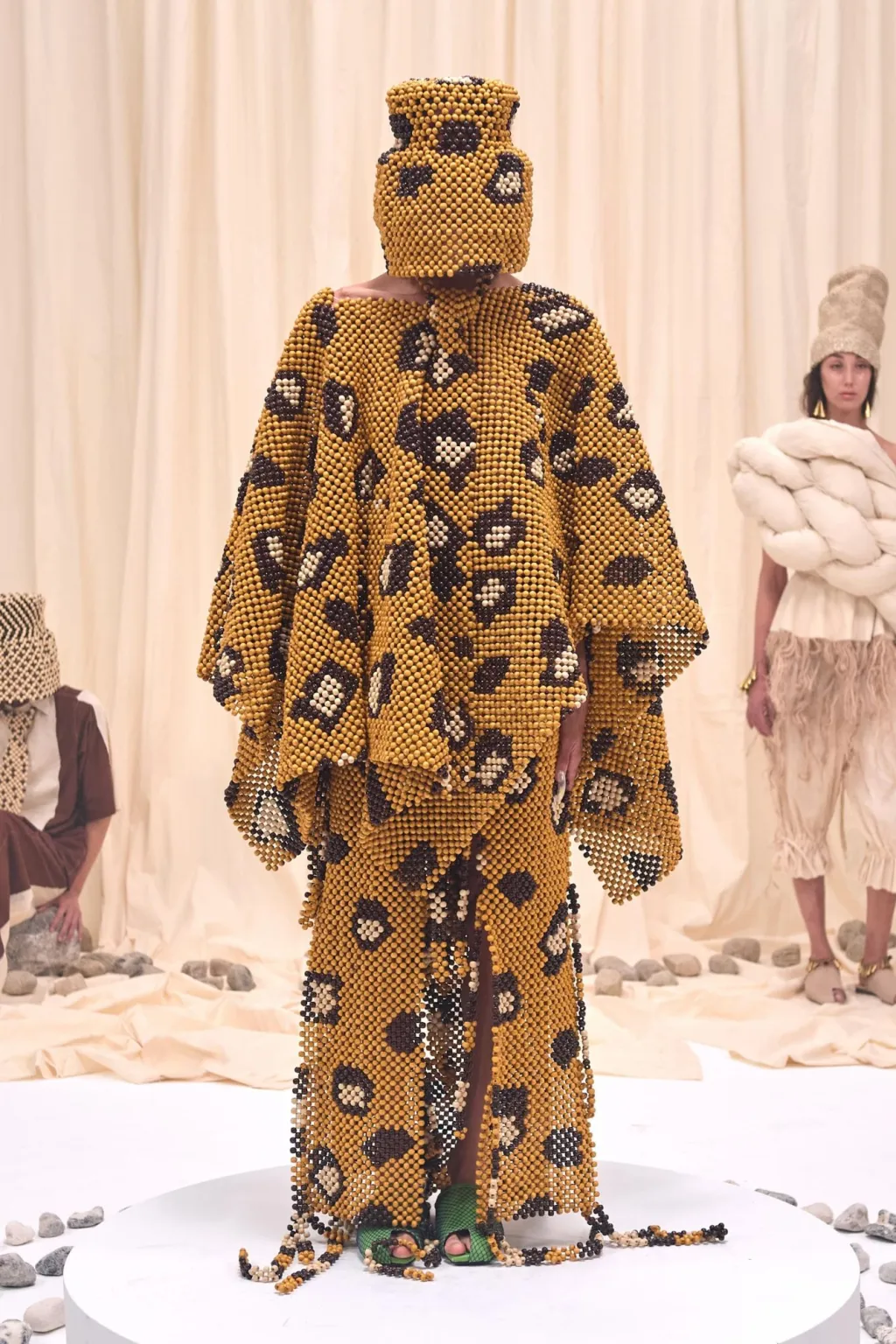
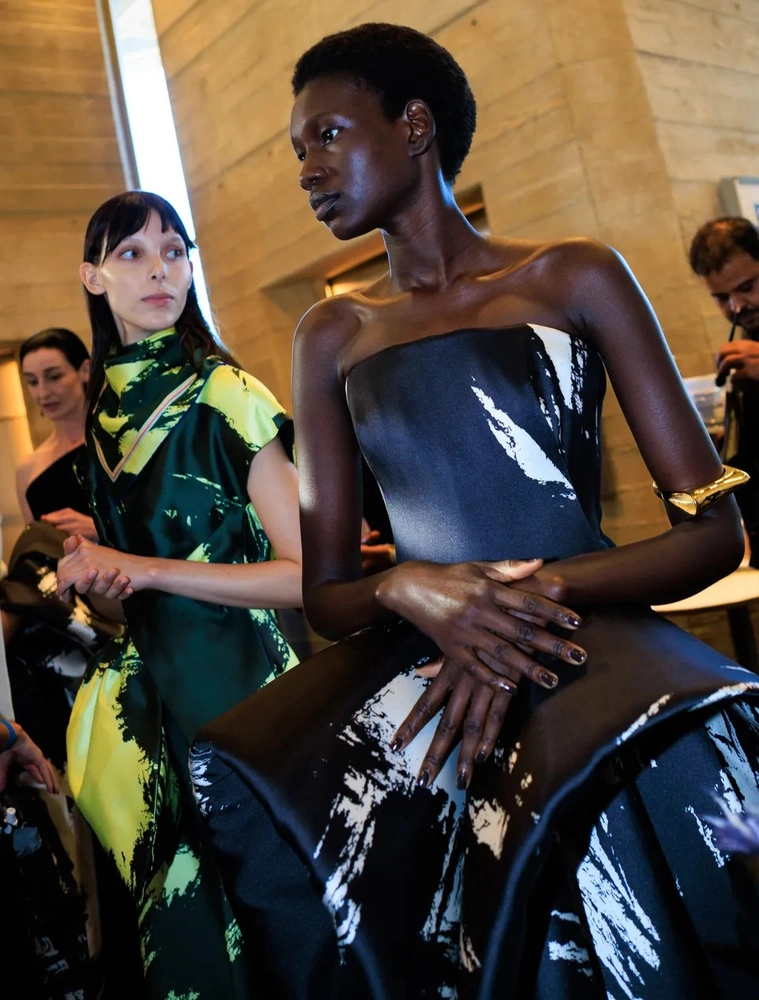
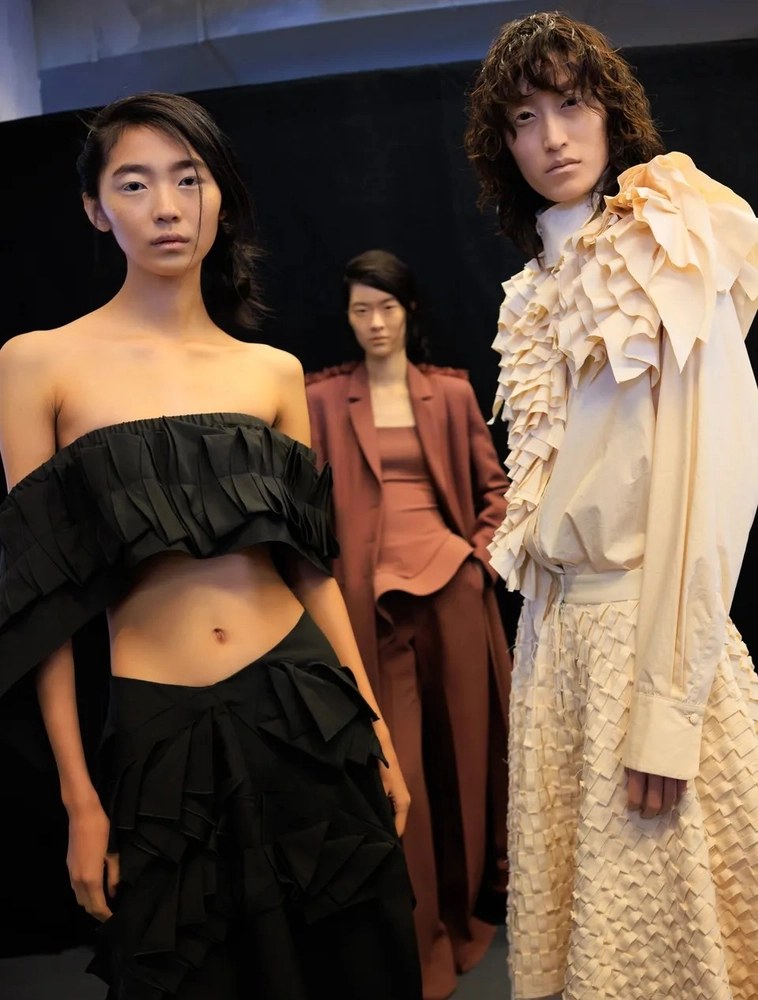
Marimekko brought sunlight with discipline. The Finnish house, founded in 1951, is globally recognized for its art of printmaking, and its SS27 presence gave Day 4 a broader language of color, optimism and graphic control.
The point of Marimekko is never simple brightness. Print becomes architecture when color is cut with enough clarity. Peplum volume and airy frill shapes brought a sculptural lift to the body, creating a kind of wearable landscape where surface, waist and movement worked together. In the middle of Copenhagen Fashion Week 2026 Day 4, Marimekko made joy look designed, edited and ready for the rack.
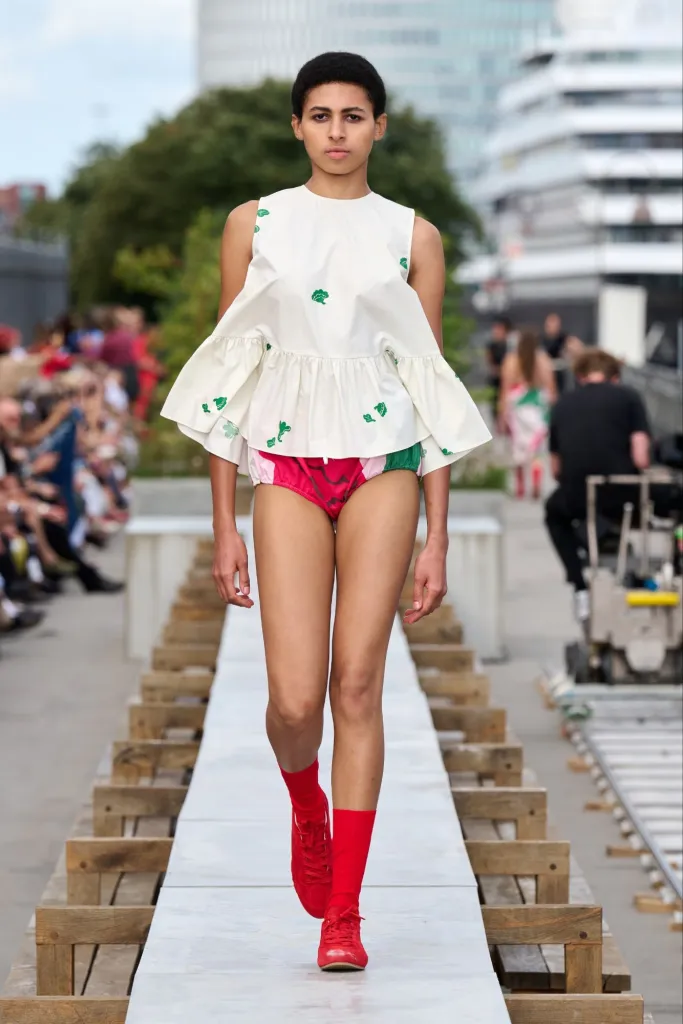
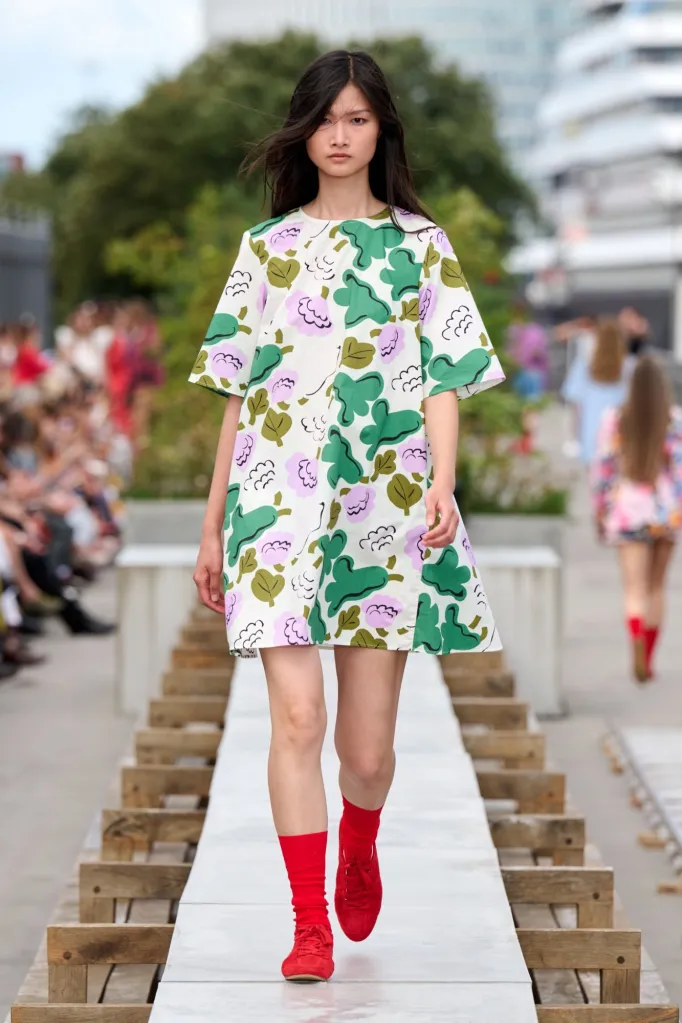
Swedish School Of Textiles entered the day as the future-facing pause. The official schedule placed its show at 16:00 at Langelinie Pavilion, giving the calendar a moment for education, research and young textile thinking inside the same rhythm as established brands and international guests.
Its function in the article is crucial because Copenhagen has built its reputation around systems, standards and new design language. A school show makes that ecosystem visible. Day 4 needed this pause because spectacle gains credibility when the next generation is allowed into the room, bringing technique, risk and material curiosity before those ideas become market language.
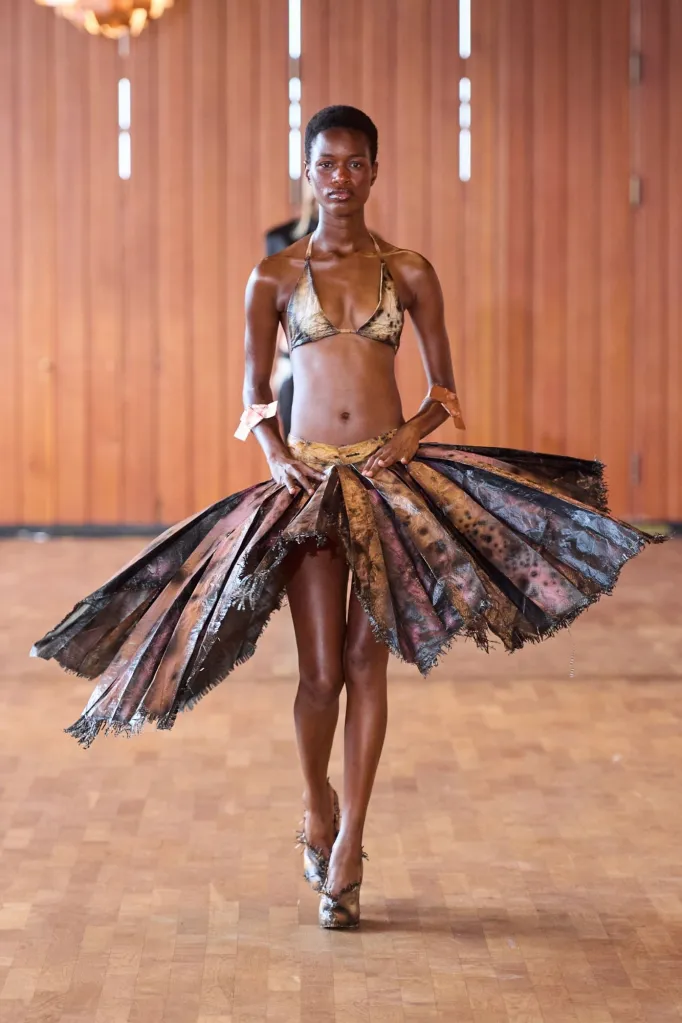
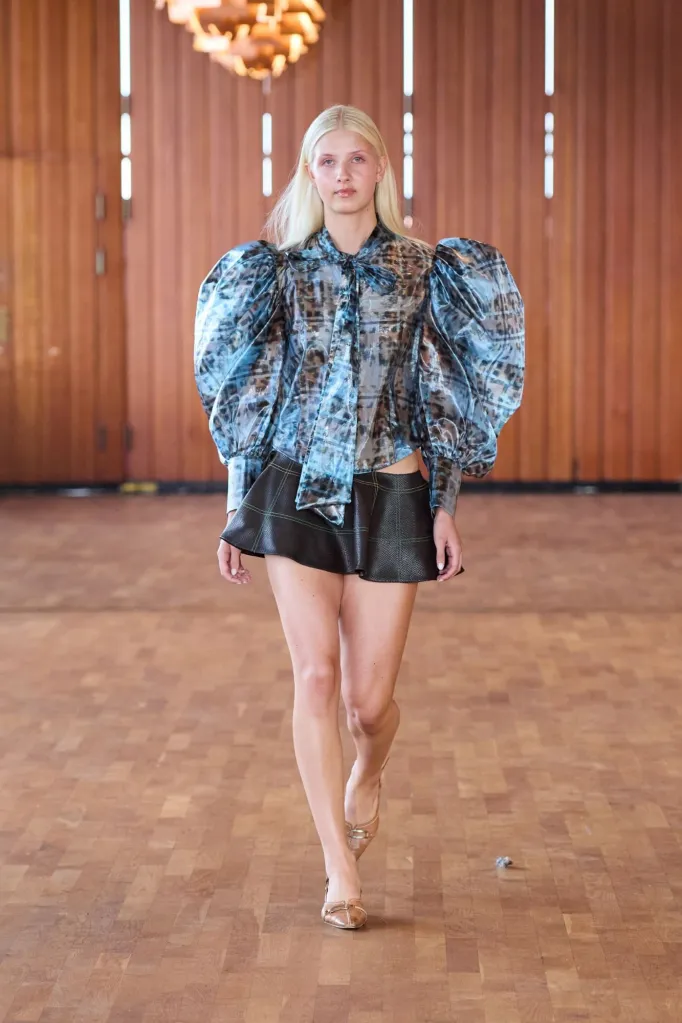
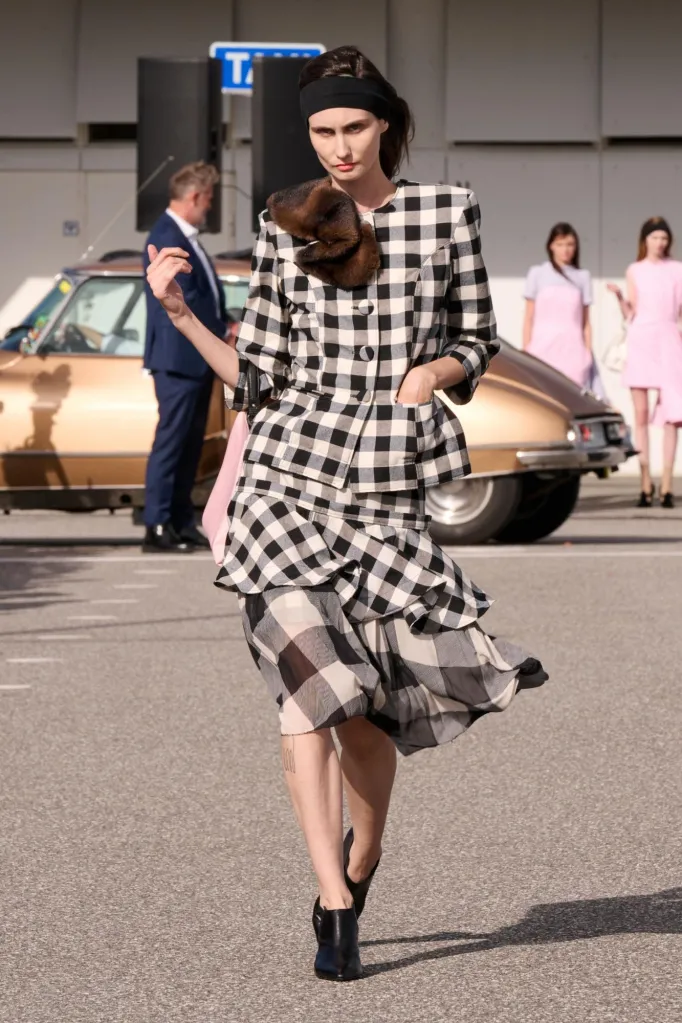
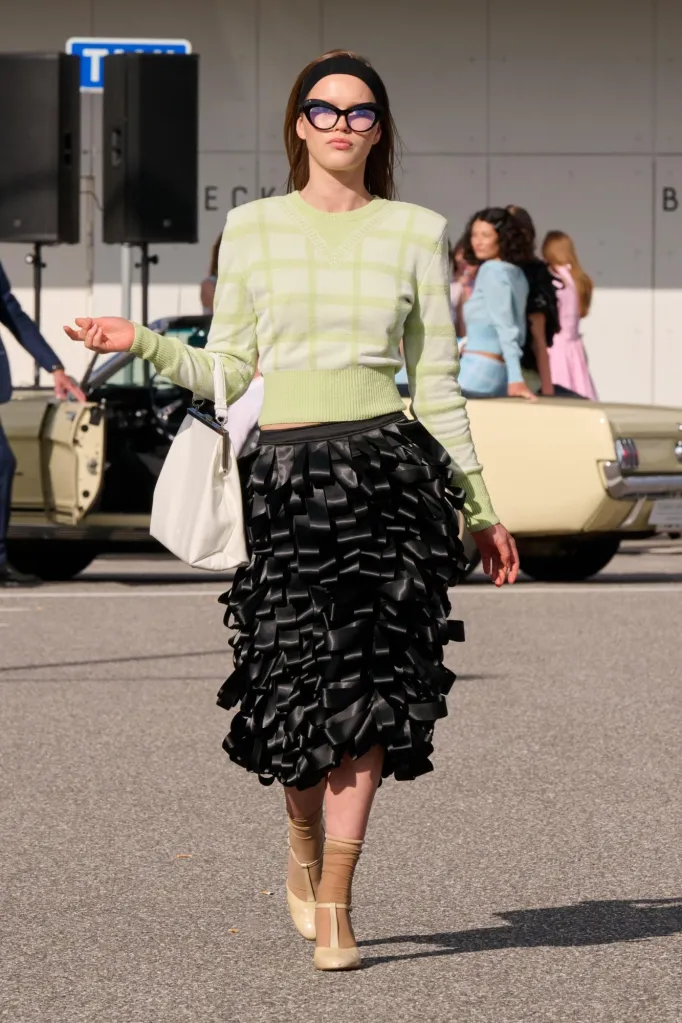
Nicklas Skovgaard gave Copenhagen Fashion Week 2026 Day 4 its most cinematic local moment. Models were ferried onto the runway in classic cars, and the brand continued its collaboration with Spanish sneaker label HOFF for a second season. The gesture had instant image power: Copenhagen suddenly looked like a fashion film with the polish of a retail story underneath.
Skovgaard’s real skill sits in turning theatre into product. Peplum shapes, pastel charm, sneaker styling and carefully staged entrances made the collection feel playful, yet the clothes kept a sweet precision. The drama never swallowed the garment. It framed it. That is why Skovgaard remains one of Copenhagen’s most persuasive young voices: he understands how a look can have plot and still survive beyond the runway photograph.
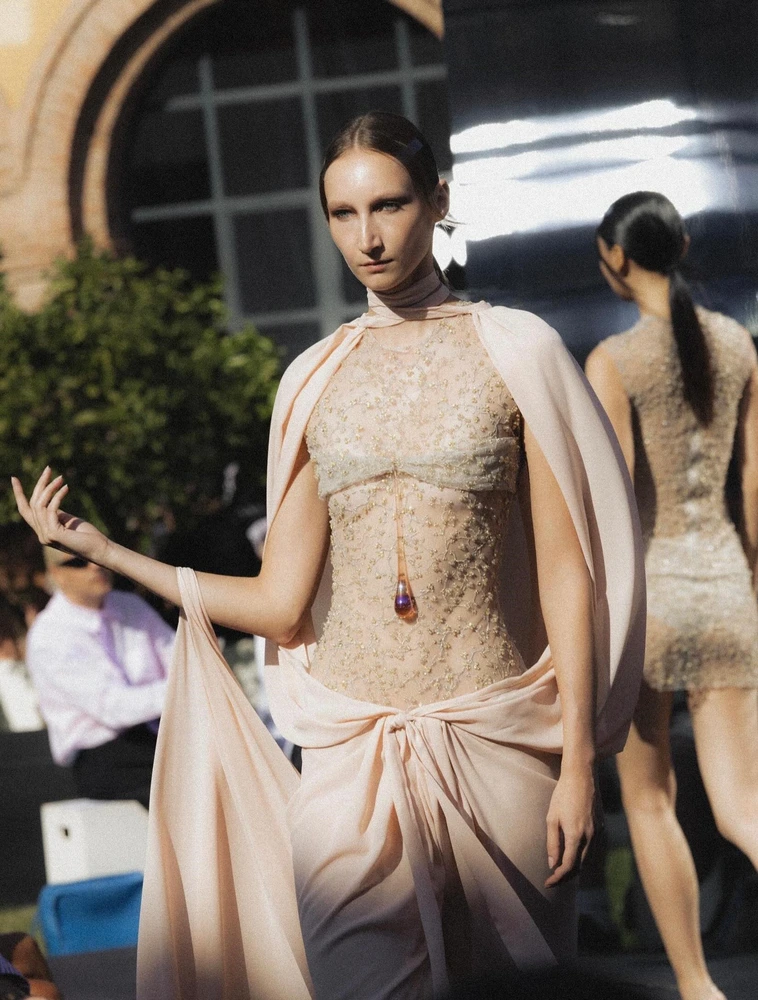
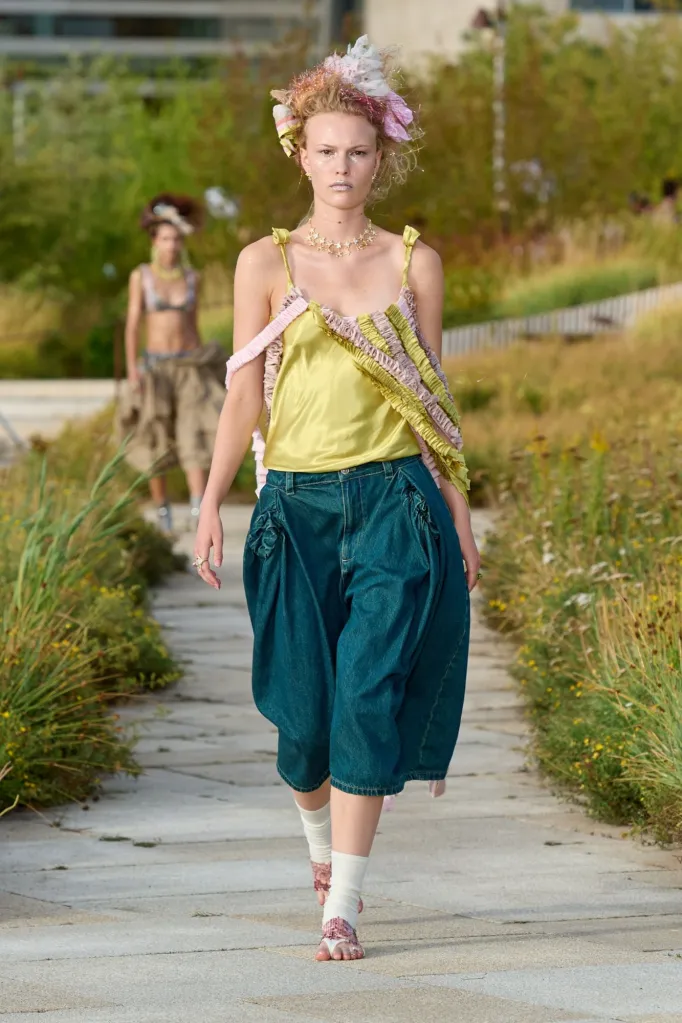
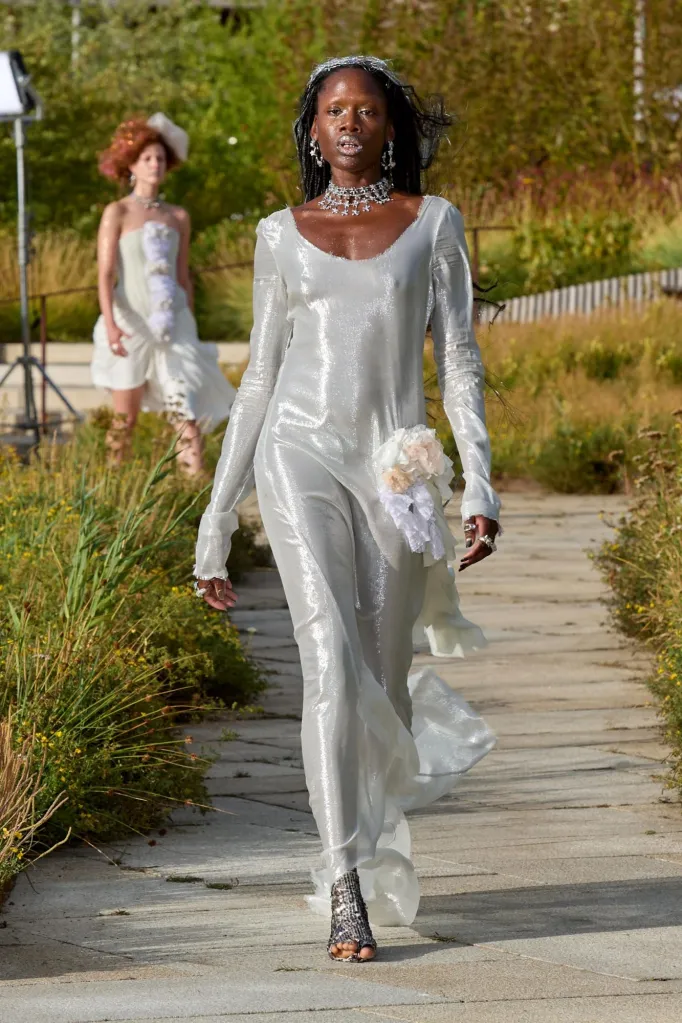
Collina Strada gave Day 4 its international spectacle by the water. Hillary Taymour’s Copenhagen guest-slot show, Delirium In Bloom, unfolded near the harbor at sunset with a string quartet, tinsel, glittered skin, teased hair and barefoot models moving through wind like party spirits trying to become clothes.
The wildness had a strict material premise. The collection used deadstock material left in the studio, then pushed those fabrics through pleating, gathering, twisting, layering, patchworking and sculpting. Cream chiffon, tulle, soft pink, juicy green and baby blue made the mood tender, while cargos and manipulated surfaces kept the Collina Strada eccentricity alive.
As the first international guest slot supported by The Climate Pledge, Collina Strada gave Copenhagen Fashion Week 2026 Day 4 a useful global signal: sustainability-minded fashion can still be strange, image-rich and emotionally loud.
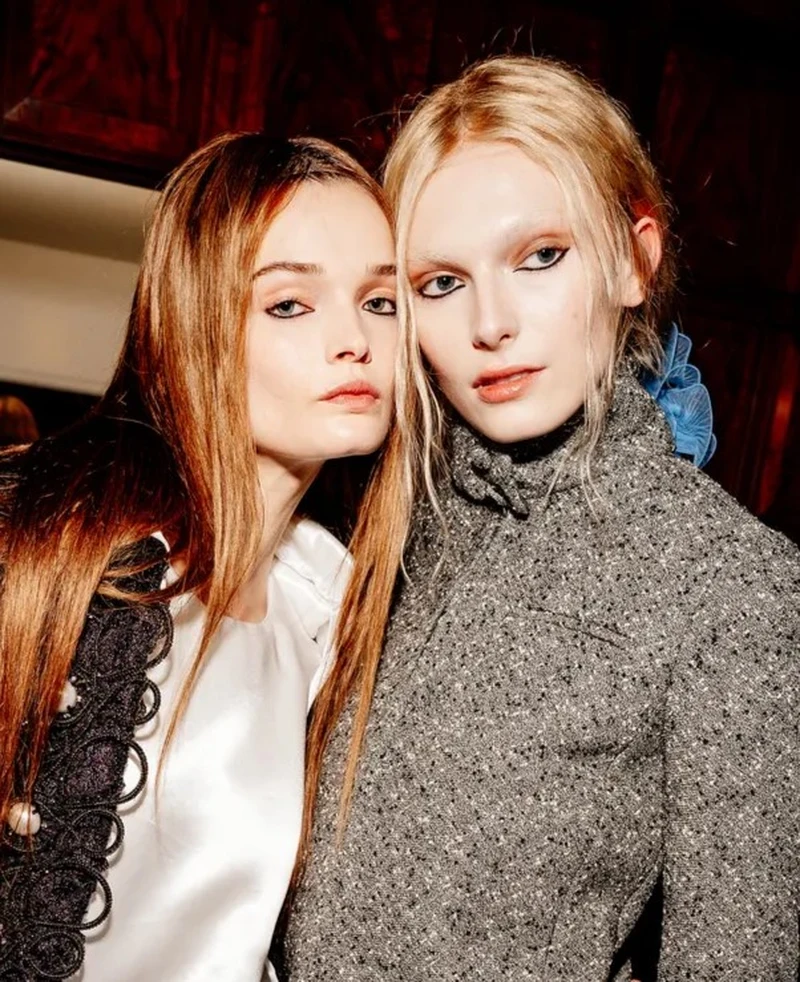
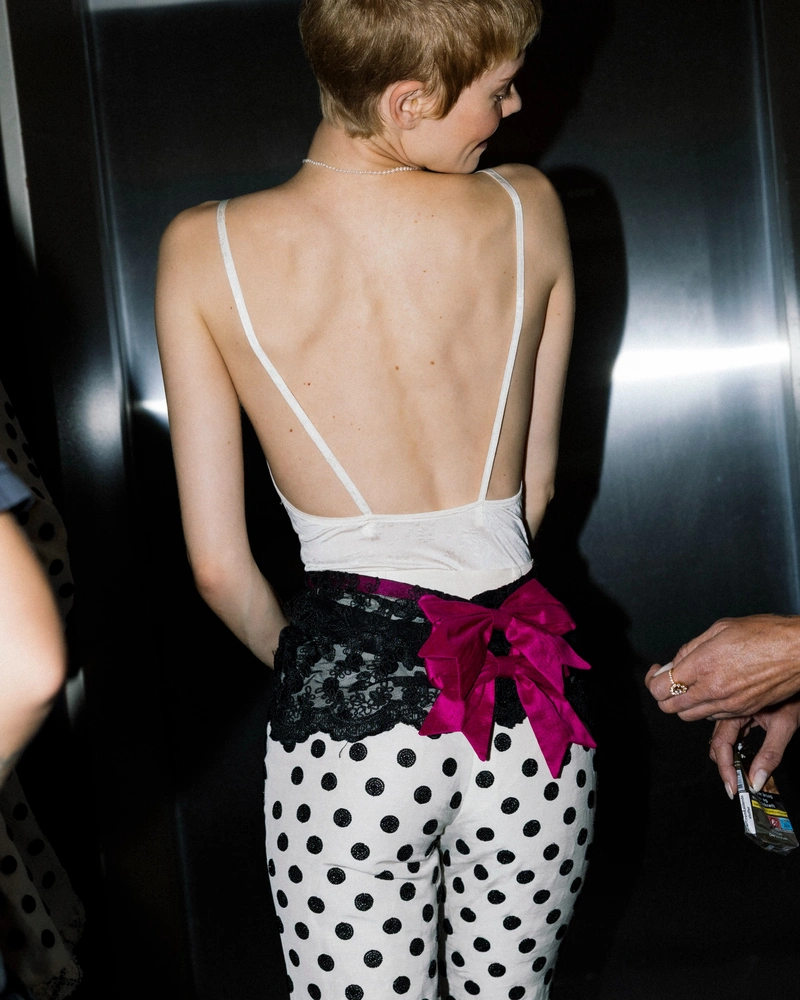
Caro Editions closed the day with sunrise glamour. The show carried a “Caro Club” mood, inspired by nights out in Copenhagen, Paris and New York and the image of women leaving as the sun came up. Ladylike blouses, leopard-print jackets, hot-pink capri pants and embellished jelly sandals turned after-dark dressing into something bright, social and highly photographed.
The brand’s deeper value lies in its balance of charm and craft. Caro Editions, founded in 2022 and led by Caroline Bille Brahe, has built a rebellious Copenhagen universe around limited pieces, deadstock fabrics and playful embellishment, including the use of deadstock Chanel and Dries Van Noten for appliqués and borders.
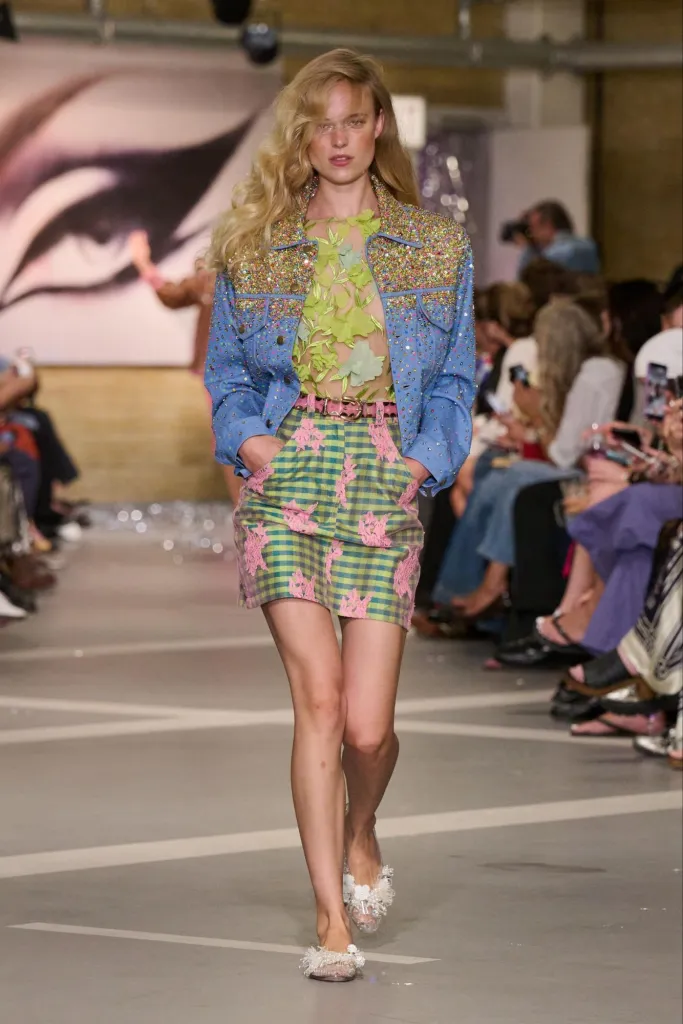
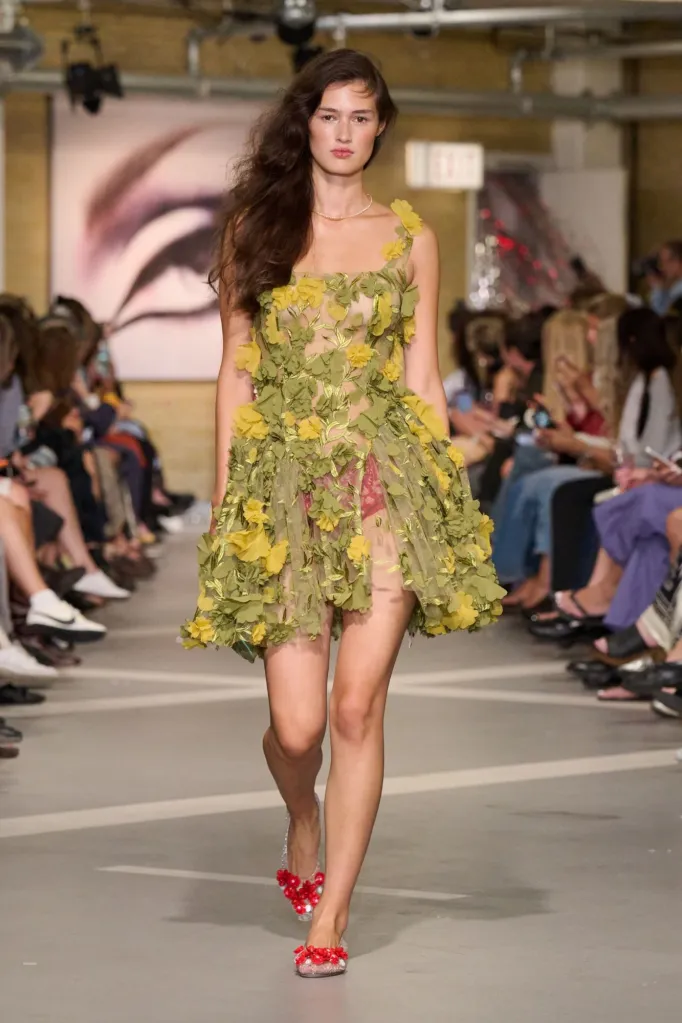
Copenhagen Fashion Week 2026 Day 4 worked because Copenhagen let fashion become theatrical while keeping the clothes intelligent.
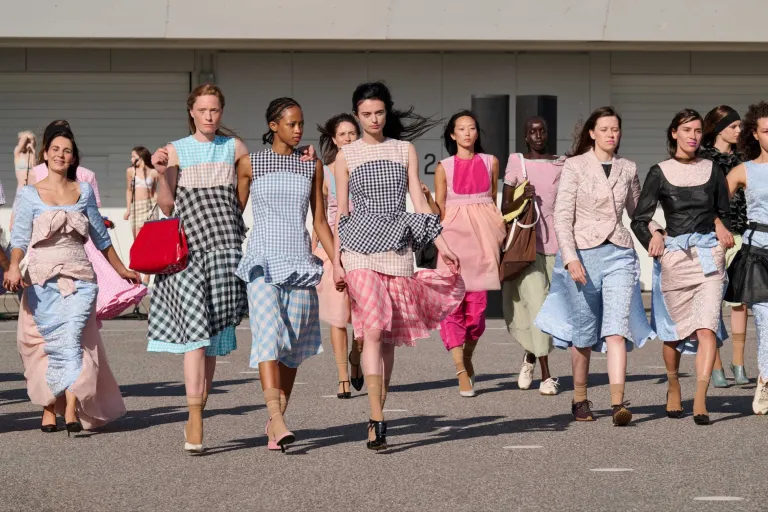
The result was a cleaner argument than simple spectacle. Copenhagen’s current power comes from making imagination wearable. Copenhagen Fashion Week 2026 Day 4 showed that commercial fashion can hold art, humor, ecology, performance and public emotion inside clothes that still make sense on the body. That is the city’s most valuable talent now: it can make the show memorable, then make the garment matter after the lights go down.
Advertisement