Has beauty become so obsessed with hormones that even our faces need an estrogen prescription? A strange new skincare ritual raises a rather uncomfortable question.
Are We Really Putting Estrogen on Our Faces?
Has beauty become so obsessed with hormones that even our faces need an estrogen prescription? A strange new skincare ritual raises a rather uncomfortable question.
November 7, 2026


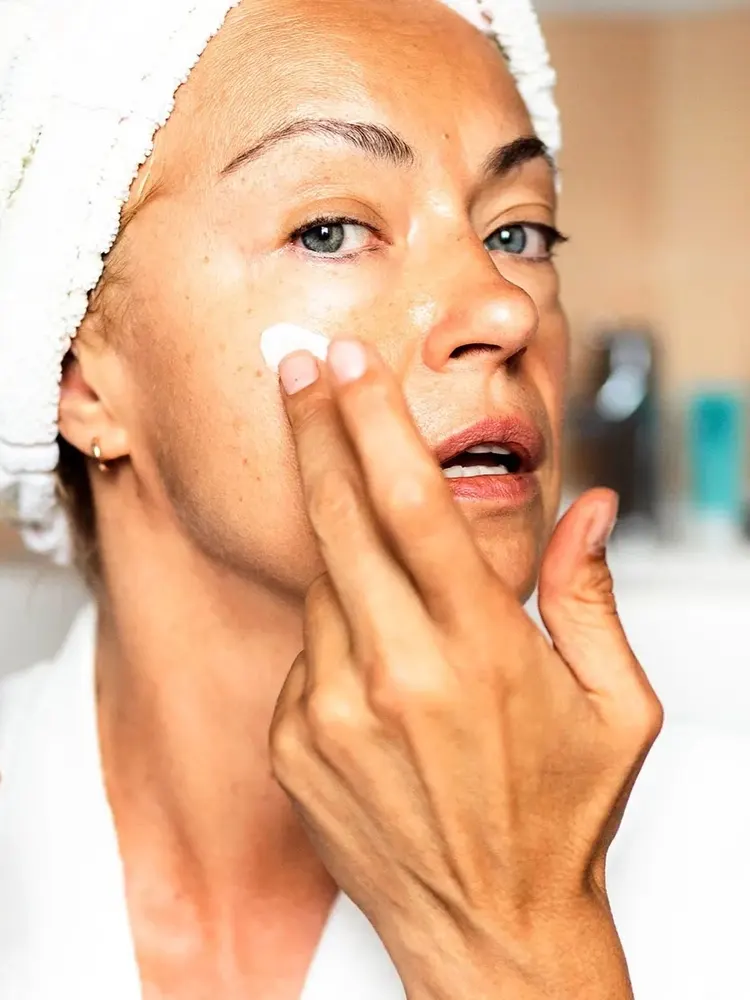
A hormone cream beside the cleanser, serum and moisturizer. Apparently, this is where the beauty industry has arrived. Estrogen, the hormone associated with reproductive health, menstrual cycles and menopause, is finding a place in facial skincare. The premise is startling: apply a hormone directly to aging skin and potentially recover some of the firmness and moisture lost during menopause.
The fascination surrounding estrogen skincare exposes an increasingly ambitious pursuit of youthful appearances. As menopause becomes a major focus of wellness and beauty innovation, even the face has become a target for hormonal intervention. Yet behind the remarkable promise lies a question that deserves serious examination: can an estrogen-infused moisturizer genuinely deliver the rejuvenation its ingredients suggest?
What Exactly Is Estrogen Skincare?
Estrogen skincare refers to facial products containing actual estrogen hormones, typically estriol or estradiol. These substances are naturally produced by the human body and influence numerous biological processes, including the maintenance of skin structure.
Estriol is the ingredient attracting particular attention in prescription facial creams. It belongs to the estrogen family and interacts with estrogen receptors, specialized proteins that allow cells to respond to hormonal signals.
When applied topically, an estriol formulation is intended to deliver the hormone to the skin, where it may influence collagen production, hydration and tissue maintenance.
The growing category includes prescription creams formulated specifically for facial use. Another, distinctly controversial practice involves applying vaginal estrogen creams to the face, an off-label experiment popularized through social media.
Both developments place hormone-containing medication within the conversation about cosmetic anti-aging treatments.
Why Does Aging Skin Need Estrogen?
Estrogen influences fibroblasts, the cells responsible for producing collagen and maintaining the skin's supporting connective tissue. It also contributes to hydration, elasticity and wound healing.
During perimenopause and menopause, declining estrogen levels can coincide with changes in skin thickness, moisture retention and collagen content. Women may experience increased dryness, fine lines and alterations in facial texture.
Estrogen skincare attempts to address these changes through topical hormone delivery.
The scientific premise involves stimulating estrogen receptors within skin tissue, potentially encouraging processes associated with collagen maintenance and repair.
However, the presence of a plausible biological mechanism establishes only part of the argument. A hormone can influence cellular activity while producing limited visible improvement in facial wrinkles. Whether those effects translate into meaningful, sustained cosmetic results remains a central question in current research.
The Brands Turning Hormones Into Beauty Products
The commercial development of estrogen skincare is particularly visible in American prescription skincare and menopause telehealth services.
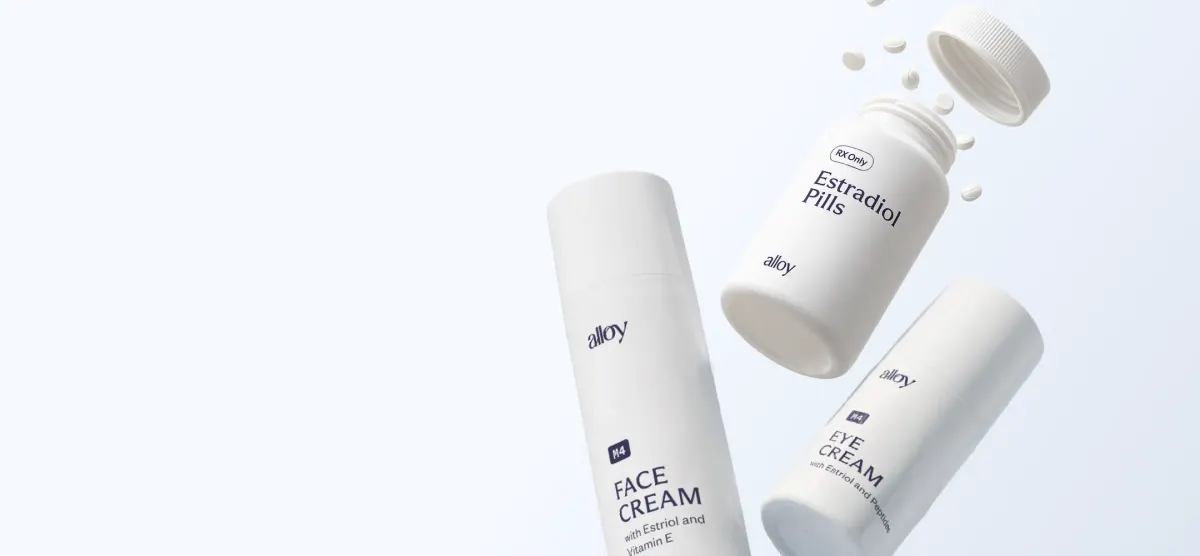
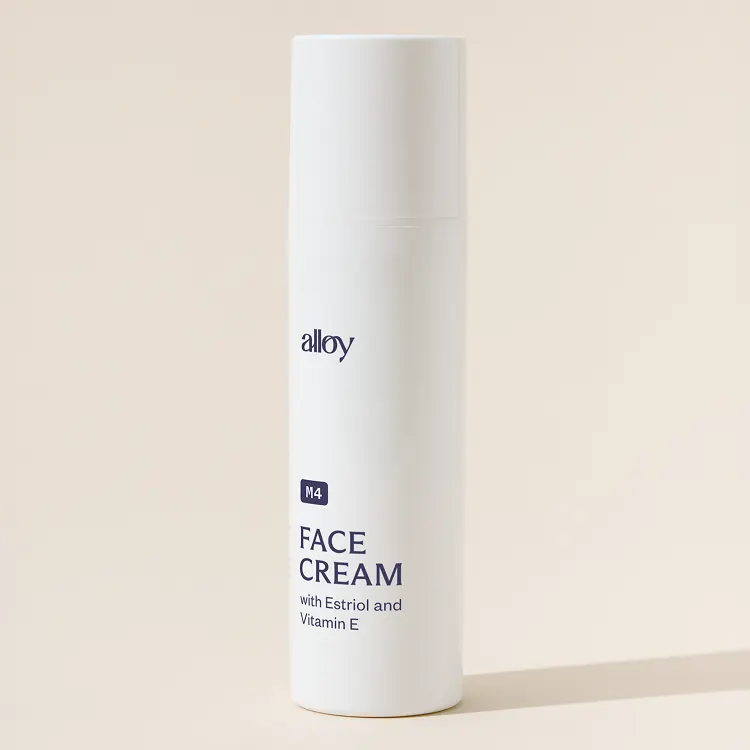
Alloy introduced M4 Face Cream Rx for women experiencing perimenopause and menopause. Its prescription formulation contains estriol alongside moisturizing ingredients such as glycerin and vitamin E. The company markets the product for dryness, firmness and visible skin aging.
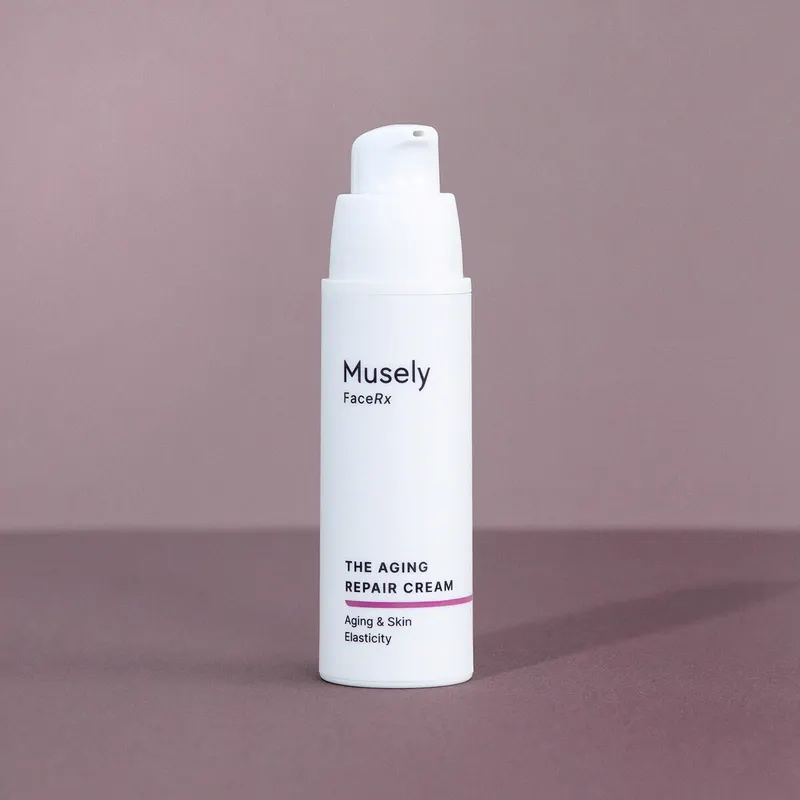
Musely offers The Aging Repair Cream through its prescription skincare platform. Its estriol-based formula incorporates supporting skincare ingredients, including hyaluronic acid, targeting concerns such as wrinkles and elasticity.
Midi Health expanded into prescription skincare in 2026 with Estriol+ Face Cream, combining estriol with cosmetic ingredients such as hyaluronic acid. The launch reflects the growing relationship between menopause healthcare and beauty services.
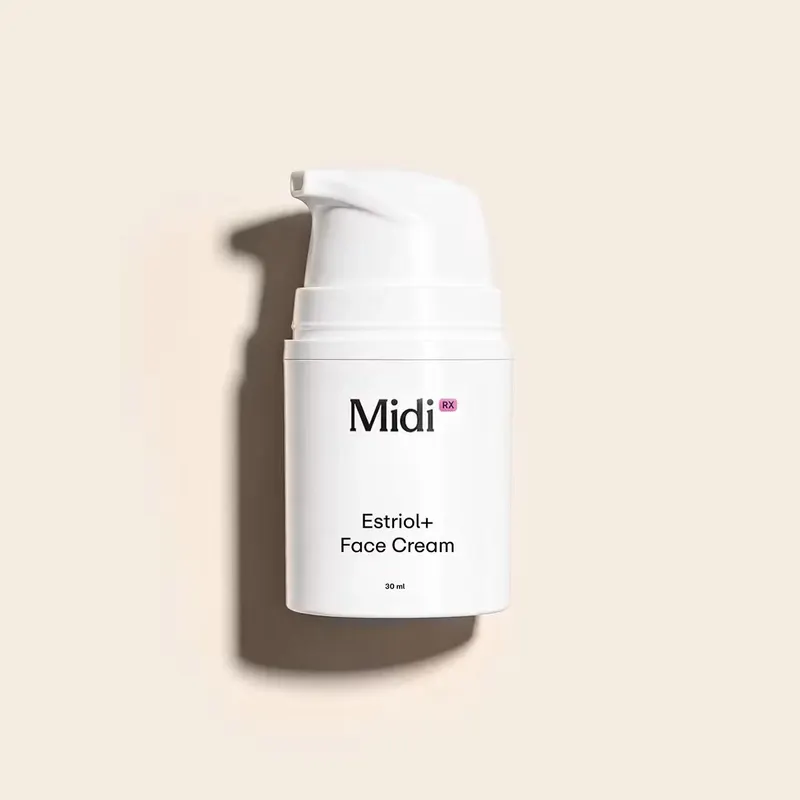
These businesses position estrogen skincare as a specialized response to hormonal skin changes, bringing medical consultation, personalized prescriptions and daily beauty routines into a shared commercial model.
What Happens When Scientists Test the Promise?
In March 2026, researchers published a review in JAAD Reviews examining topical estrogen treatments for aging skin. The evidence offered intriguing biological findings, alongside substantial uncertainty about their cosmetic effectiveness.
Some small clinical studies documented increased collagen production, thickening of the epidermis and greater fibroblast activity after topical estrogen application. Other investigations reported changes in elastin density and skin vascularity.
Yet visible improvements in wrinkles and overall facial appearance remained inconsistent. Study participants, treatment concentrations and evaluation methods varied considerably, complicating broader conclusions.
New York dermatologist Dr Viktoryia Kazlouskaya acknowledges the biological potential of topical estrogen. Certain studies suggest that estrogen may stimulate collagen production, a process associated with skin firmness and structure. However, she highlights an important distinction between cellular changes and visible rejuvenation. As she explains, “In real life, it's not clear if it projects into cosmetic improvement.”
This distinction is particularly important for estrogen skincare. An increase in collagen-related activity observed through laboratory analysis may indicate tissue changes while leaving the visible appearance of the face largely unchanged.
Hydrating ingredients introduce another consideration. Glycerin and hyaluronic acid can improve moisture retention and temporarily soften the appearance of fine lines. Establishing estriol's specific contribution requires controlled trials that account for these additional ingredients.
Could Estrogen Skincare Affect the Entire Body?
Perhaps the most consequential question concerns what happens after estrogen enters the skin.
Human skin functions as a protective barrier, although certain substances can penetrate it and enter circulation. The amount absorbed depends on formulation, concentration, application area and individual physiological characteristics.
Research has documented systemic absorption and hormonal activity following some topical estrogen treatments. The implications of repeated facial exposure over several years remain uncertain.
Hormonal history also matters. People with certain estrogen-sensitive cancers, unexplained vaginal bleeding or other relevant medical conditions require careful assessment before considering estrogen-containing products.
In the United States, compounded estriol facial preparations also occupy a particular regulatory position. The FDA has approved several estrogen medicines for established medical indications, while compounded estriol creams lack FDA approval for facial anti-aging use.
What Dermatologists Want Women to Understand
Medical specialists recognize estrogen's importance in skin biology while emphasizing appropriate clinical evaluation.
A 2026 review in JAAD Reviews concluded that evidence of tissue-level improvements warrants further investigation, particularly regarding visible benefits and long-term safety.
Genevieve Hofmann, a women's health nurse practitioner and clinical professor at the University of Colorado, has cautioned against using these medicines for facial rejuvenation based on social-media advice. Her concern centers on women becoming “guinea pigs” for applications whose safety and effectiveness remain insufficiently established.
For established signs of photoaging, dermatologists can also discuss treatments with extensive clinical research, including prescription retinoids, sun protection and selected topical antioxidants.
Estrogen skincare deserves examination through the same rigorous standards expected of other medical treatments.
The remarkable development is that contemporary beauty has reached a point where the hormonal changes of menopause are inspiring prescription products for the face. Estrogen skincare may eventually establish a meaningful place in dermatology. For now, its captivating promise remains ahead of the evidence needed to define its lasting value.