MENU
Close





Under the spell of midnight cinema, 1990s goth beauty gave pale skin and wine-dark lips a wicked intimacy, as though every beautiful face hid a secret.

Under the spell of midnight cinema, 1990s goth beauty gave pale skin and wine-dark lips a wicked intimacy, as though every beautiful face hid a secret.
October 14, 2026
Advertisement

Advertisement



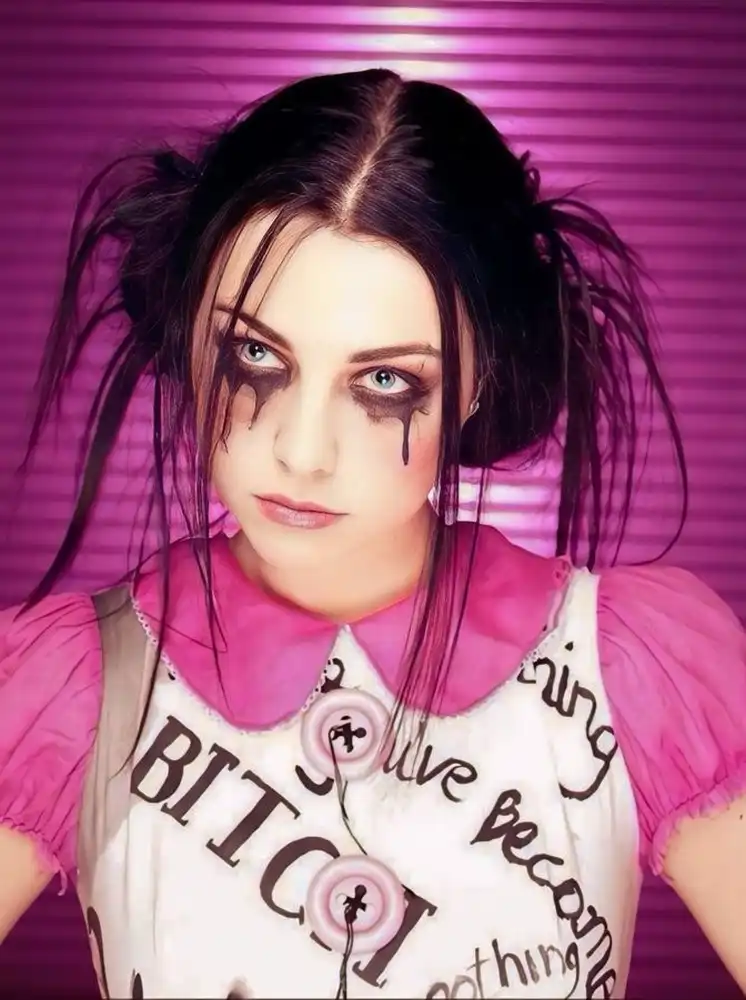
A pale face, wine-colored lips, and shadowed eyes could suggest a Victorian vampire, a teenage outsider, or an elaborate stage persona. Throughout the 1990s, goth makeup circulated through changing cultural environments, each bringing its own references and techniques.
The resurgence of vampire cinema during the early 1990s renewed interest in the sensual imagery of Gothic literature. Francis Ford Coppola's Bram Stoker's Dracula (1992) drew upon Victorian dress, historical painting, and theatrical filmmaking, creating an atmosphere where elaborate costume and facial styling conveyed aristocratic romance.

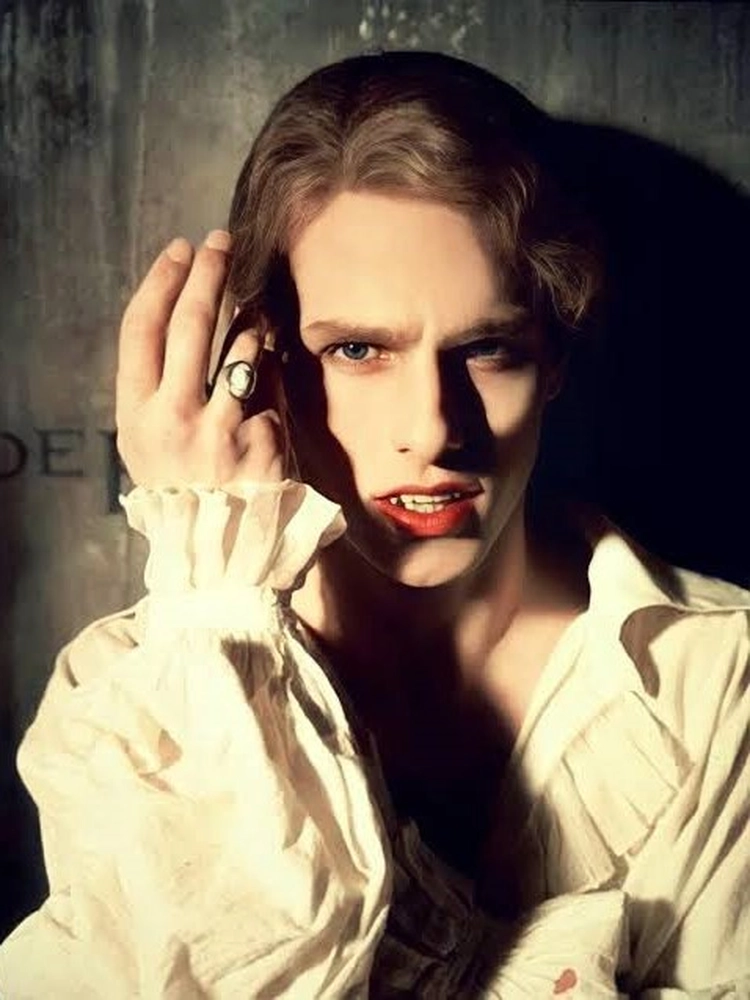
Neil Jordan's Interview with the Vampire (1994) continued this cinematic fascination. Kirsten Dunst's Claudia possessed an unnaturally luminous appearance, supported by styled curls and refined period makeup. Within romantic goth aesthetics, powdered complexions, muted plum shadows, and burgundy lips echoed these images of immortal elegance.
Christina Ricci's Wednesday Addams offered a defining image of youthful gothic femininity in The Addams Family (1991) and Addams Family Values (1993). Her restrained makeup emphasized an even, pale-looking complexion, softly defined eyes, and subdued lips. The character's unwavering gaze and controlled expression carried the unsettling atmosphere, demonstrating the expressive potential of minimal facial styling.


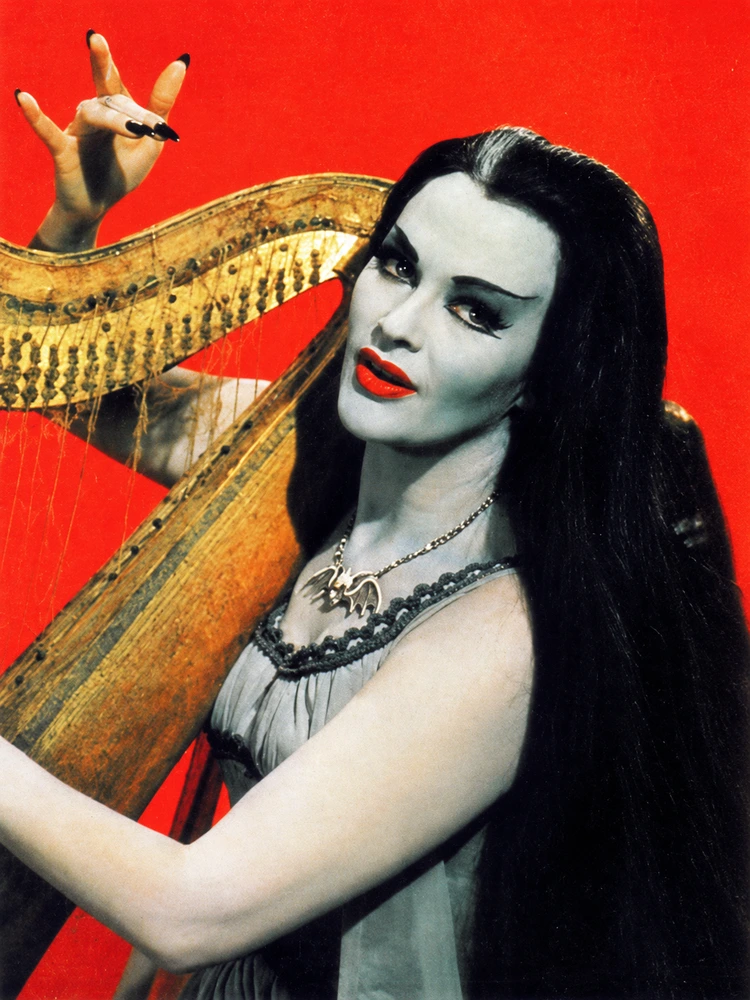
Anjelica Huston's Morticia offered another interpretation within the same fictional family. Precisely shaped brows, dramatically outlined eyes, and sculpted lips connected her macabre identity with Hollywood glamour. Together, the characters gave audiences distinct models of gothic femininity across generations.
Hollywood's horror revival brought theatrical goth-inspired makeup into distributed films. In The Crow (1994), Brandon Lee's Eric Draven wore stark white face paint, black markings surrounding his eyes, and dark lines extending from his mouth. The design translated James O'Barr's comic-book imagery into a striking cinematic mask, supported by the film's alternative-rock atmosphere.
The Craft (1996) presented a recognizable teenage variation. Fairuza Balk's Nancy Downs used dark eyeliner, heavily defined brows, and deep lipstick to express a rebellious personality. Her intense appearance accompanied the character's transformation through witchcraft and power, linking beauty choices to narrative development.


Jennifer Tilly's Tiffany in Bride of Chucky (1998) provided a vivid gothic-inflected exception, combining smoky eyes, dark lips, platinum hair, and punk glamour. Horror cinema gave audiences several ways to recognize darkness through makeup.
Industrial and shock-rock musicians developed a related aesthetic of bodily transformation. Nine Inch Nails' The Downward Spiral (1994) explored psychological disturbance through unsettling artwork and performance imagery. Mark Romanek's video for Closer drew on antique medical equipment, surreal imagery, and physical vulnerability, contributing to the decade's fascination with uncanny bodies.


Marilyn Manson's Antichrist Superstar (1996) brought this impulse into visible stage makeup. Pale foundation, asymmetric eye treatments, dark lipstick, and contrasting contact lenses constructed an disquieting face. These visual experiments intersected with goth beauty while reflecting the distinct traditions of industrial metal and shock rock.
Japan's Visual Kei movement offered another expression of theatrical beauty. Drawing on rock performance, androgyny, European historical imagery, and costume drama, groups incorporated gothic influences into elaborate stage characters.

Malice Mizer, formed by Mana and Közi in 1992, with strong connections to Japan's emerging Gothic Lolita fashion. Around Merveilles (1998), Mana's porcelain complexion, detailed eye makeup, shaped lashes, and delicately painted lips created a doll-like persona that helped popularize the Gothic Lolita aesthetic. Közi explored expressive color contrasts and painted facial shapes, while Gackt contributed a romantic, aristocratic presence. Mana extended this influence into fashion in 1999 with the founding of Moi-même-Moitié, introducing his interpretations of Elegant Gothic Lolita and Elegant Gothic Aristocrat.
By the decade's end, goth beauty circulated through alternative gatherings, international performances, and watched films. As dark imagery reached expanding audiences, makeup became an visible way to negotiate personal identity, artistic affiliation, and the fascination with the extraordinary. The 1990s gave goth a repertoire of faces whose cultural meanings continued evolving well into the next century.
Advertisement