MENU
Close





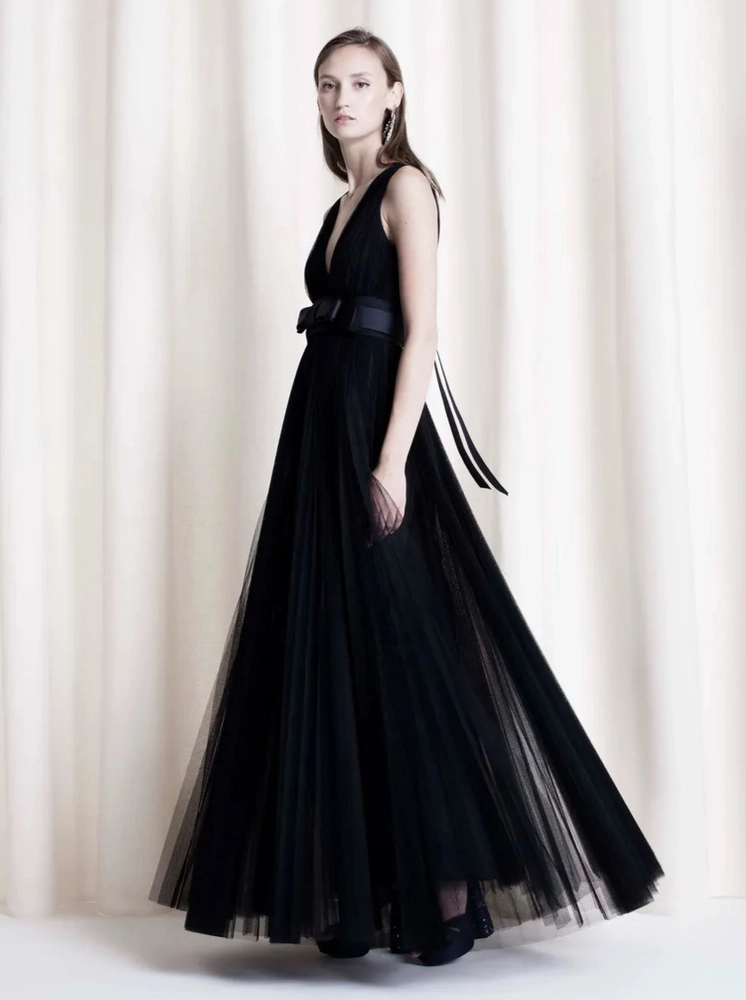
How can a fabric so delicate create some of fashion’s grandest silhouettes? From ballet stages to haute couture ateliers, tulle fabric has mastered the extraordinary art of shaping volume through an intricate network of fine yarns.

How can a fabric so delicate create some of fashion’s grandest silhouettes? From ballet stages to haute couture ateliers, tulle fabric has mastered the extraordinary art of shaping volume through an intricate network of fine yarns.
October 11, 2026
Advertisement

Advertisement



Fashion has long explored the possibilities of transparency, movement, and architectural form. Within this pursuit, tulle fabric occupies a distinctive position. Its fine net structure allows designers to manipulate space around the body, creating everything from floating veils to monumental evening gowns. Behind these expressive qualities lies a fascinating relationship between textile engineering, fiber properties, and techniques developed through centuries of craftsmanship.
Tulle fabric is a lightweight, fine-net textile constructed from yarns interconnected into a continuous open-mesh structure. Its distinctive surface consists of numerous small openings, frequently arranged in hexagonal patterns, which allow air and light to pass through the material.
The term tulle describes a textile construction and commercial fabric category. The material can be manufactured from silk, nylon, polyester, cotton, and other suitable fibers, each contributing particular characteristics to the finished surface.
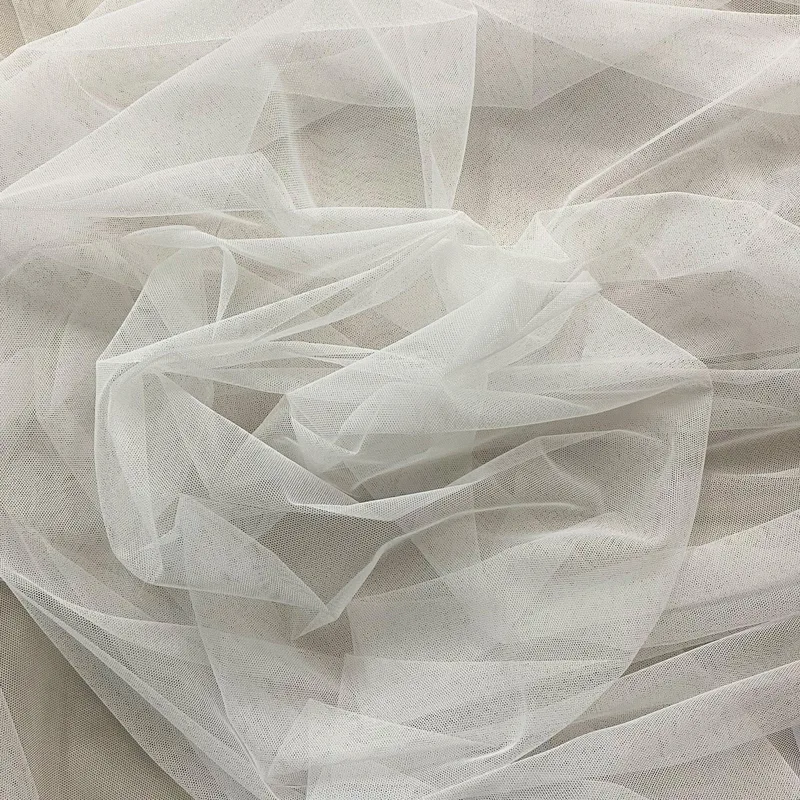
Silk tulle is associated with fine bridalwear, couture dressmaking, and specialist textile applications. Nylon provides a versatile option for soft netting and structured garments, while polyester is widely used in contemporary production due to its dimensional stability and adaptability to different finishing treatments.
The physical behavior of tulle depends on the relationship between yarn fineness, mesh geometry, density, and finishing. Fine yarns arranged into an open structure create transparency and low weight, while the mechanical properties of the fibers influence flexibility and shape retention.
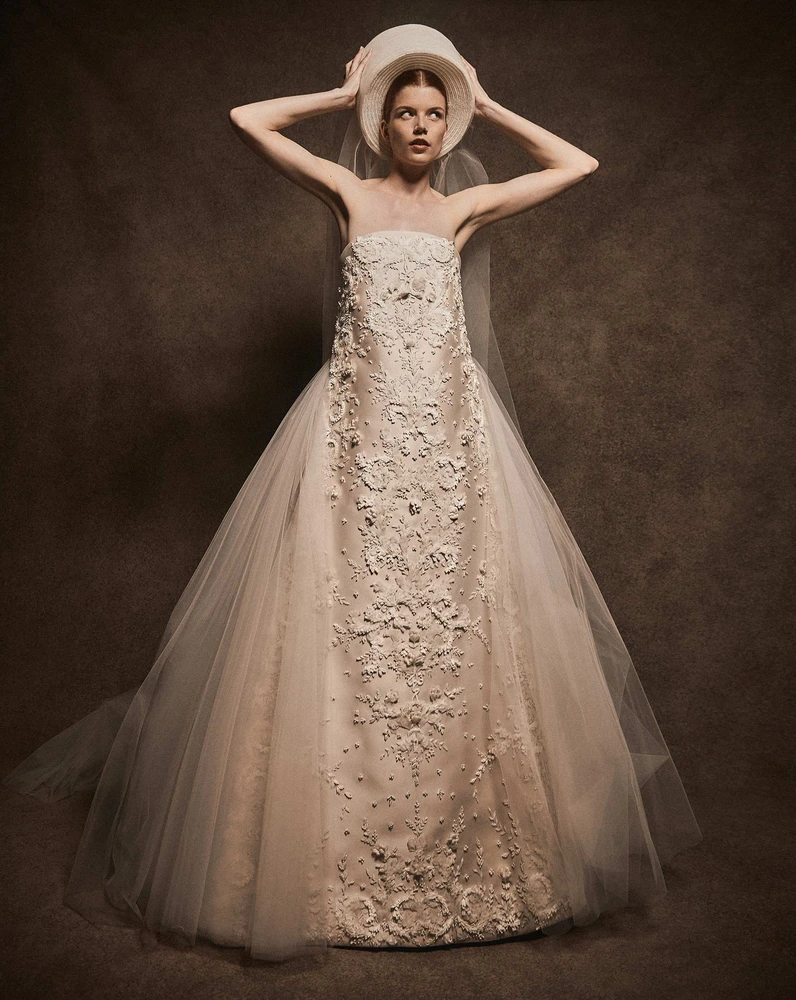
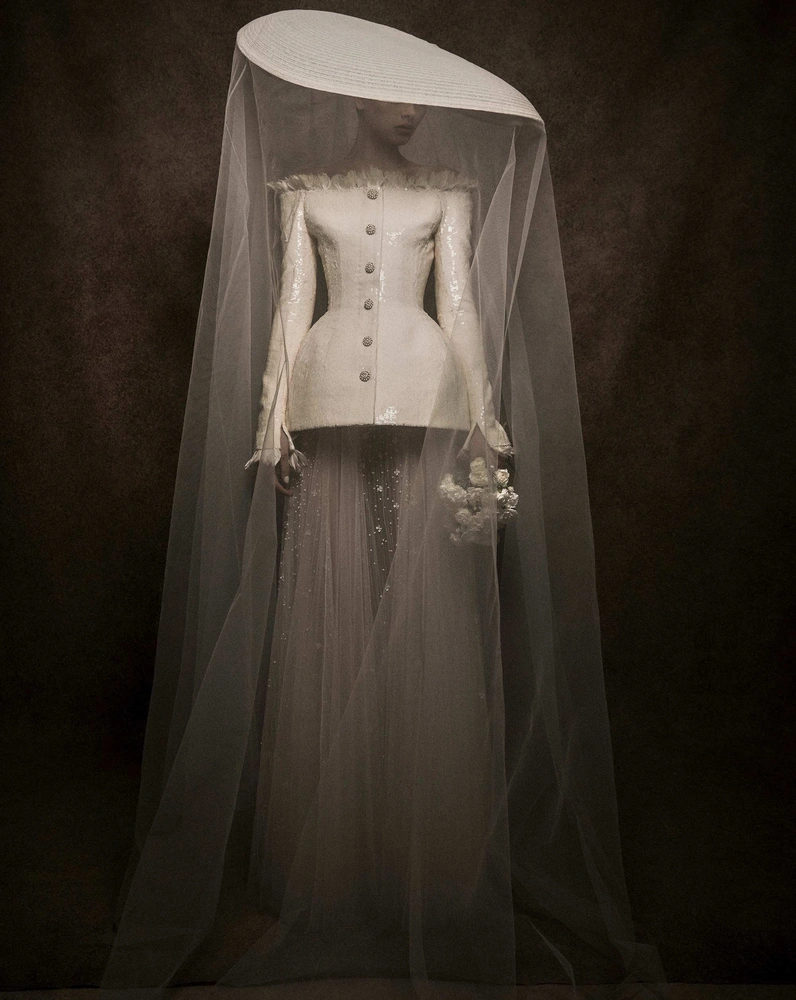
Its recognizable appearance ranges from delicate, almost invisible netting to firm, textured surfaces capable of maintaining expansive silhouettes. These variations allow tulle to serve several functions within a garment, including surface layering, structural support, embroidery foundations, and three-dimensional shaping.
The name also carries a geographical association with Tulle, a town in the Corrèze department of France, historically connected with lace and textile production. The development of modern tulle manufacturing, however, involved important technological advances across the European textile industry, particularly in Britain and France.
Transparency is among its recognizable qualities. The small openings between interconnected yarns allow light to pass through the textile, creating an airy surface that can reveal underlying garments or skin. The degree of transparency depends on yarn thickness, mesh density, color, and the number of layers used. When several layers overlap, the accumulated yarn structures alter the overall optical density, creating subtle variations in opacity and color.

Lightweight construction also contributes to the material's versatility. A significant proportion of the fabric's surface consists of open spaces, allowing designers to manipulate substantial areas of tulle while controlling garment weight.
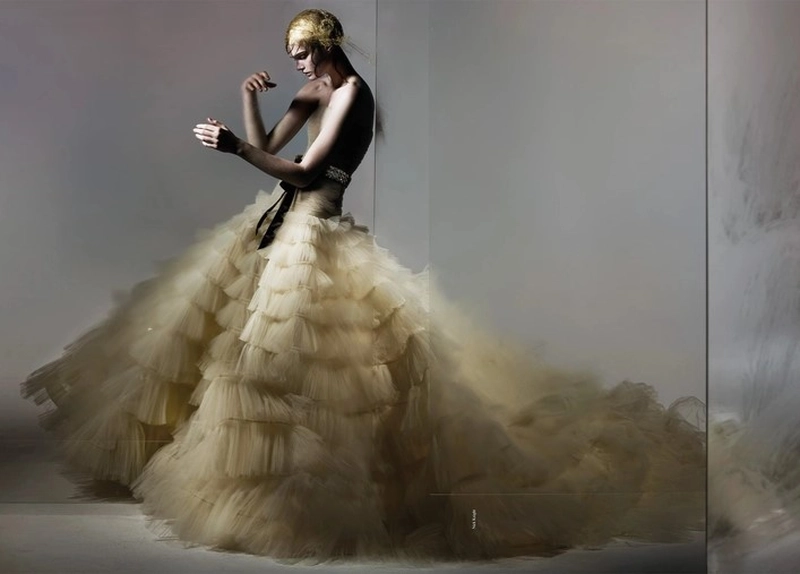
The ability to create volume and shape retention is another essential property. Tulle develops fullness through the interaction between fiber stiffness, mesh geometry, gathering, and repeated layers.
When gathered around a waistline, the material's structure can support outward projection. Multiple layers contribute additional resistance to compression, helping maintain the intended silhouette.
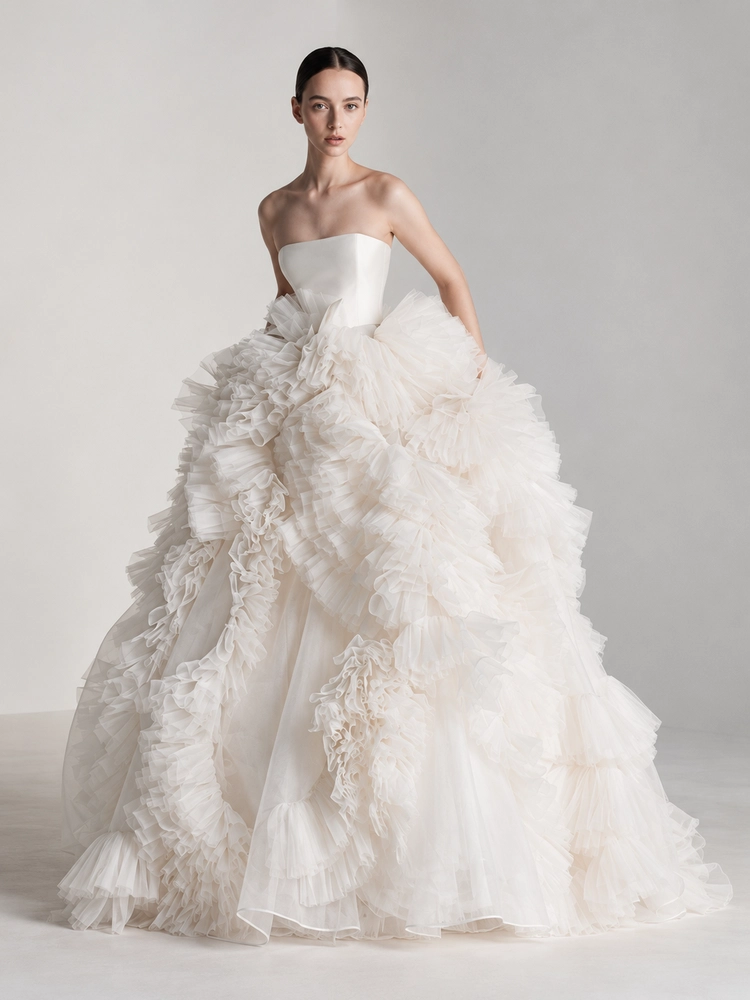
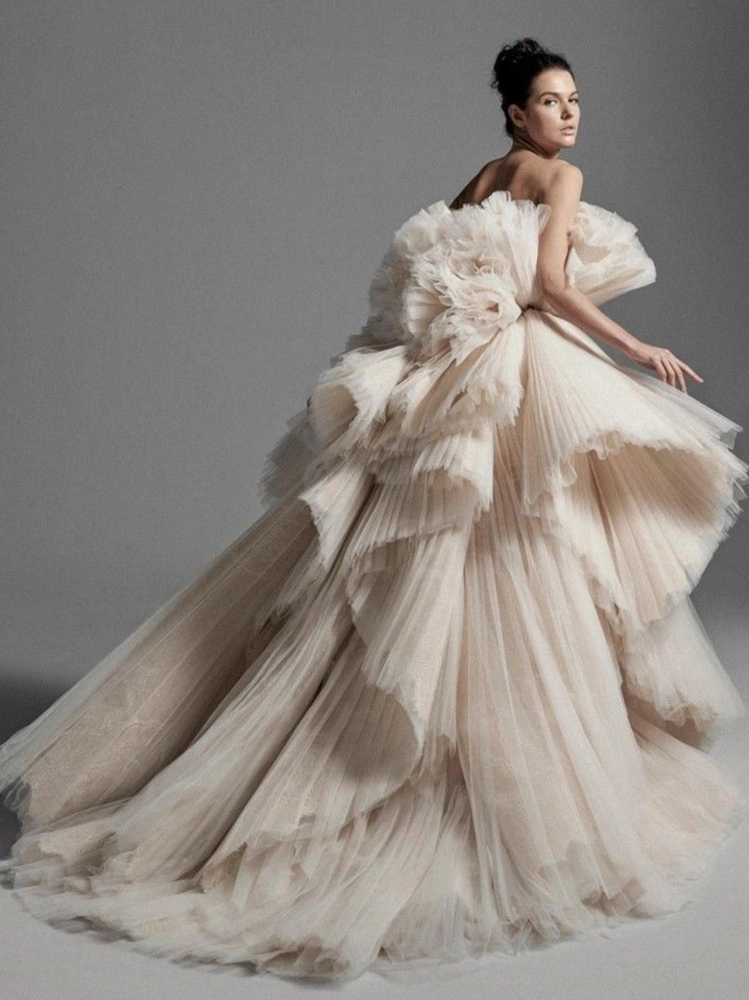
The fabric also offers a broad range of draping characteristics. Soft tulle follows gravity and settles into gentle folds, while firm tulle can maintain pronounced shapes and structured arrangements. Yarn composition, density, and finishing treatments determine these characteristics. Its open structure provides substantial air permeability, allowing air to circulate through the mesh. The breathability of a complete garment also depends on its linings, supporting structures, and layered construction.
Tulle possesses a delicate surface that requires appropriate handling. Fine yarns may catch on jewelry, rough surfaces, and sharp objects, creating snags or irregularities in the mesh. Its durability depends on fiber strength, construction, and the stresses experienced during wear.
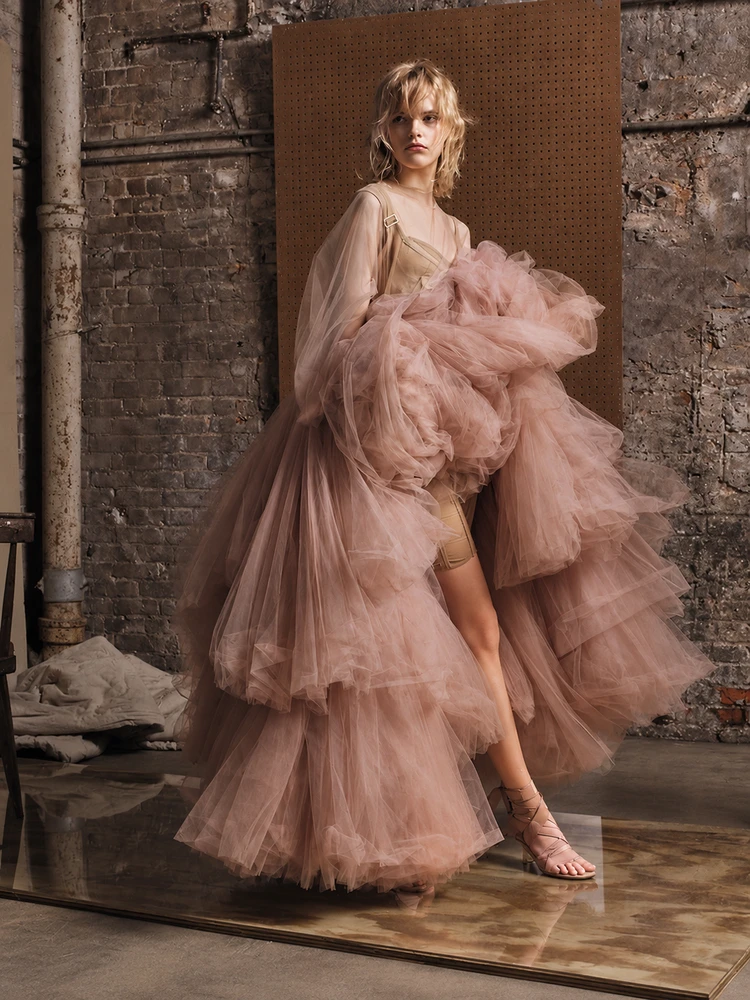
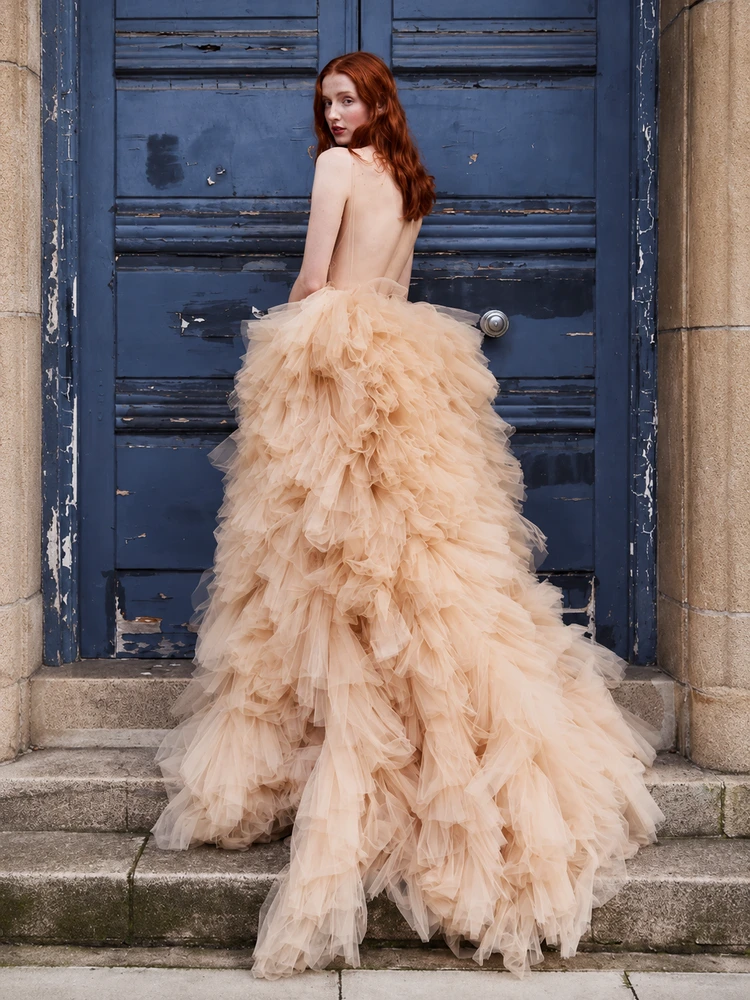
Certain tulle constructions also offer stretch, achieved through suitable knitting structures or the incorporation of elastic fibers. The resulting flexibility can be useful in fitted sleeves, illusion panels, and garments requiring movement.
Finally, the net structure provides an important foundation for embroidery and embellishment. Fine motifs and carefully distributed ornamentation can appear suspended against the body, with the underlying tulle supporting their placement while preserving the intended transparency.
For dressmaking applications, tulle fabric can be classified into two principal groups according to its handling characteristics: soft tulle and stiff tulle.
Soft tulle is characterized by fine yarns, flexibility, and fluid draping. Its structure allows the material to fall into gentle folds and move naturally with the wearer. This category includes selected silk tulle and fine nylon or polyester netting, depending on their construction and finishing. Soft tulle is frequently used in bridal veils, draped overlays, illusion necklines, and flowing evening dresses.


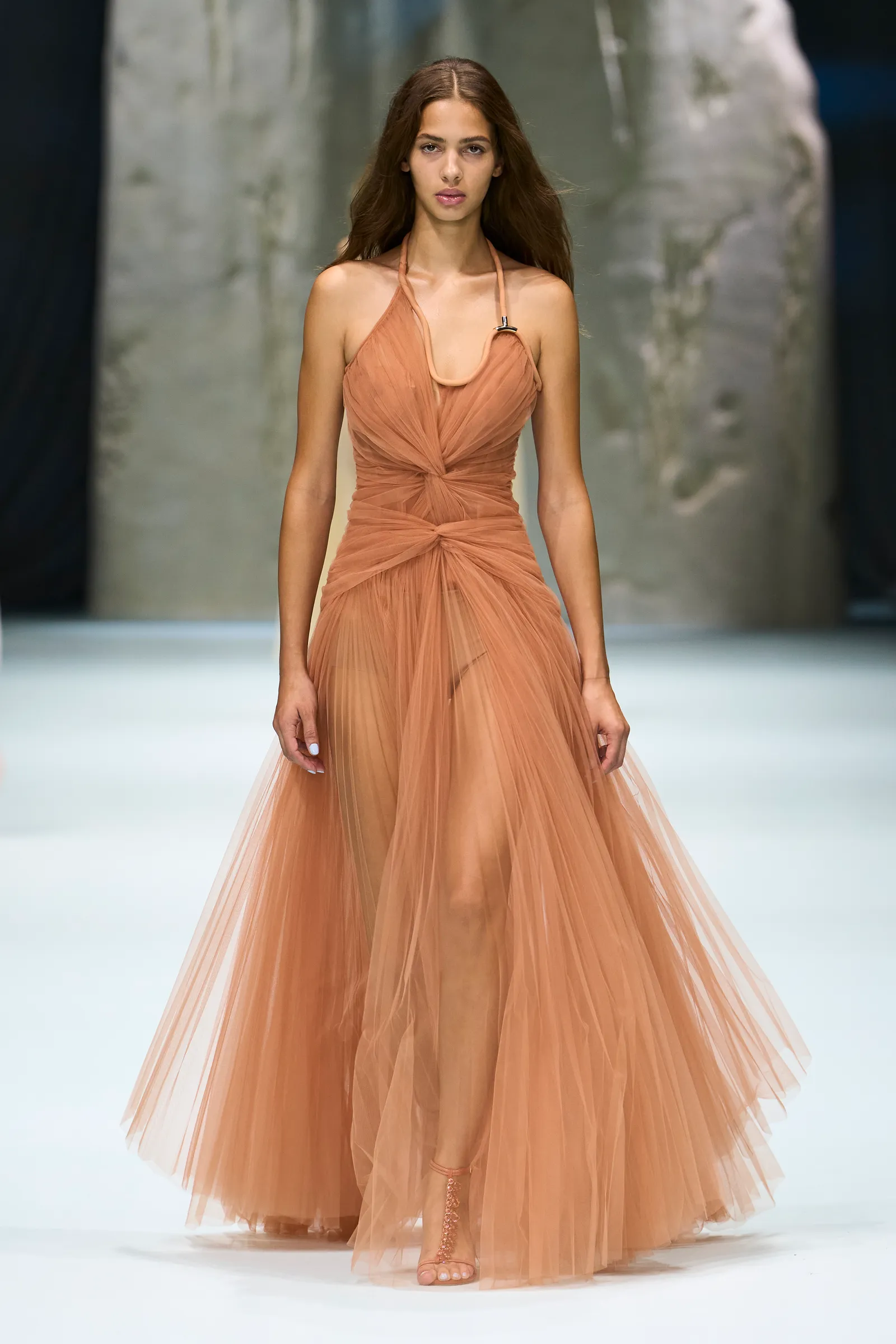
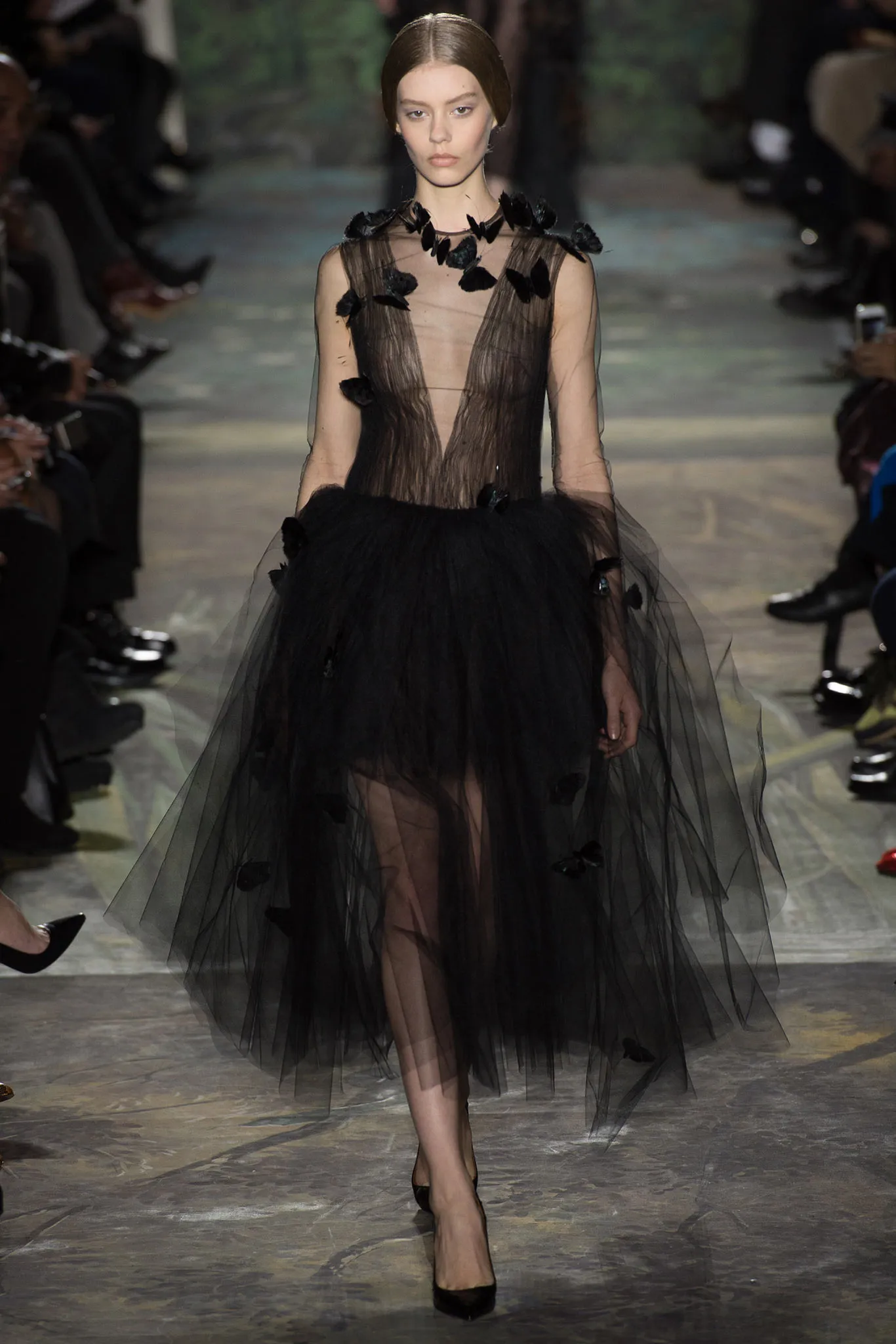
The material is particularly useful when a design requires transparency and a delicate surface. Multiple layers can create subtle variations in color and coverage while maintaining an airy appearance. Soft tulle can also support embroidery and lightweight embellishment when its construction and reinforcement are appropriate to the intended design.
Stiff tulle possesses sufficient bending resistance to maintain fullness and defined shapes. Its structural behavior depends on yarn stiffness, mesh density, and finishing treatments. This type is frequently used in classical ballet tutus, structured skirts, petticoats, and voluminous couture garments.
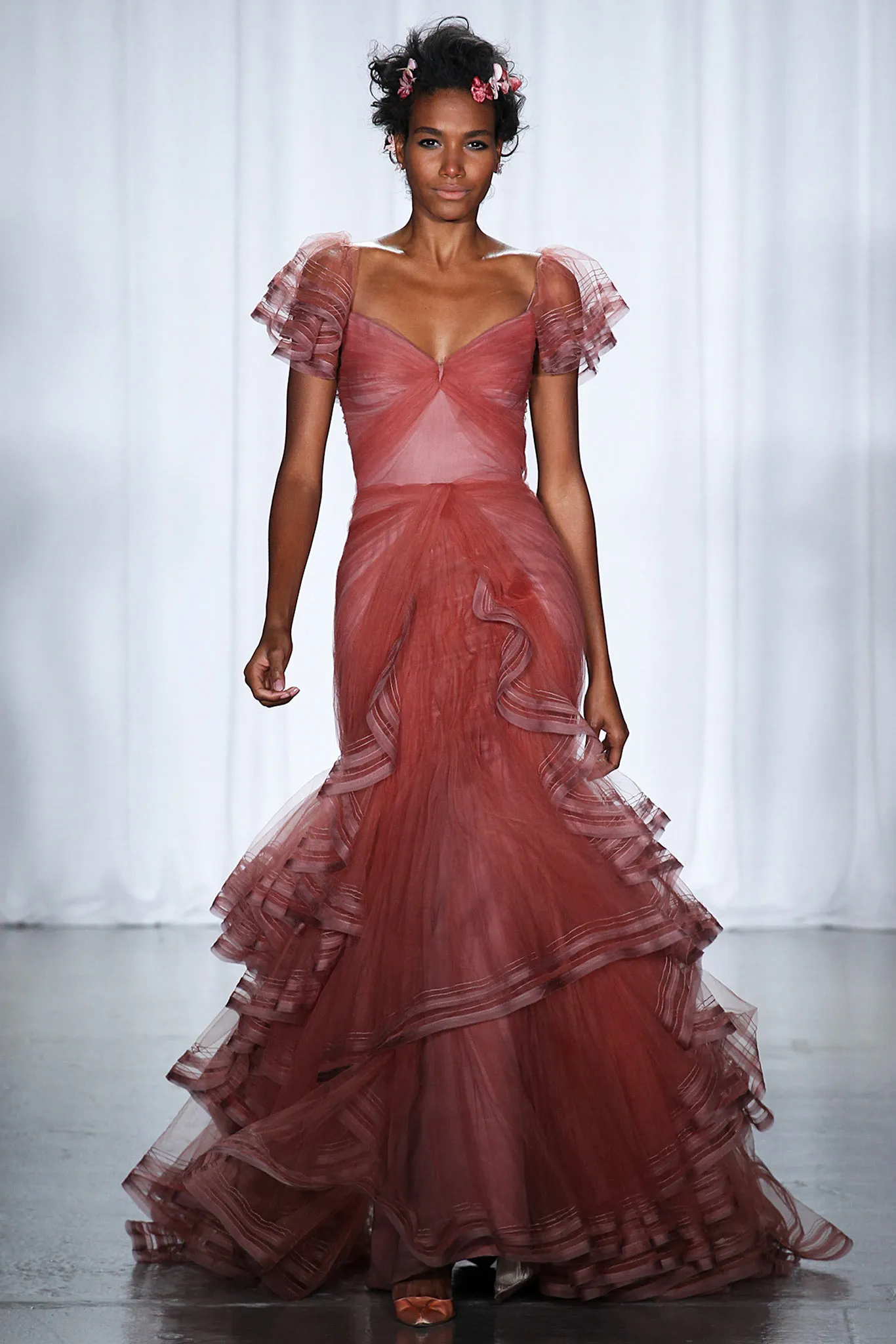
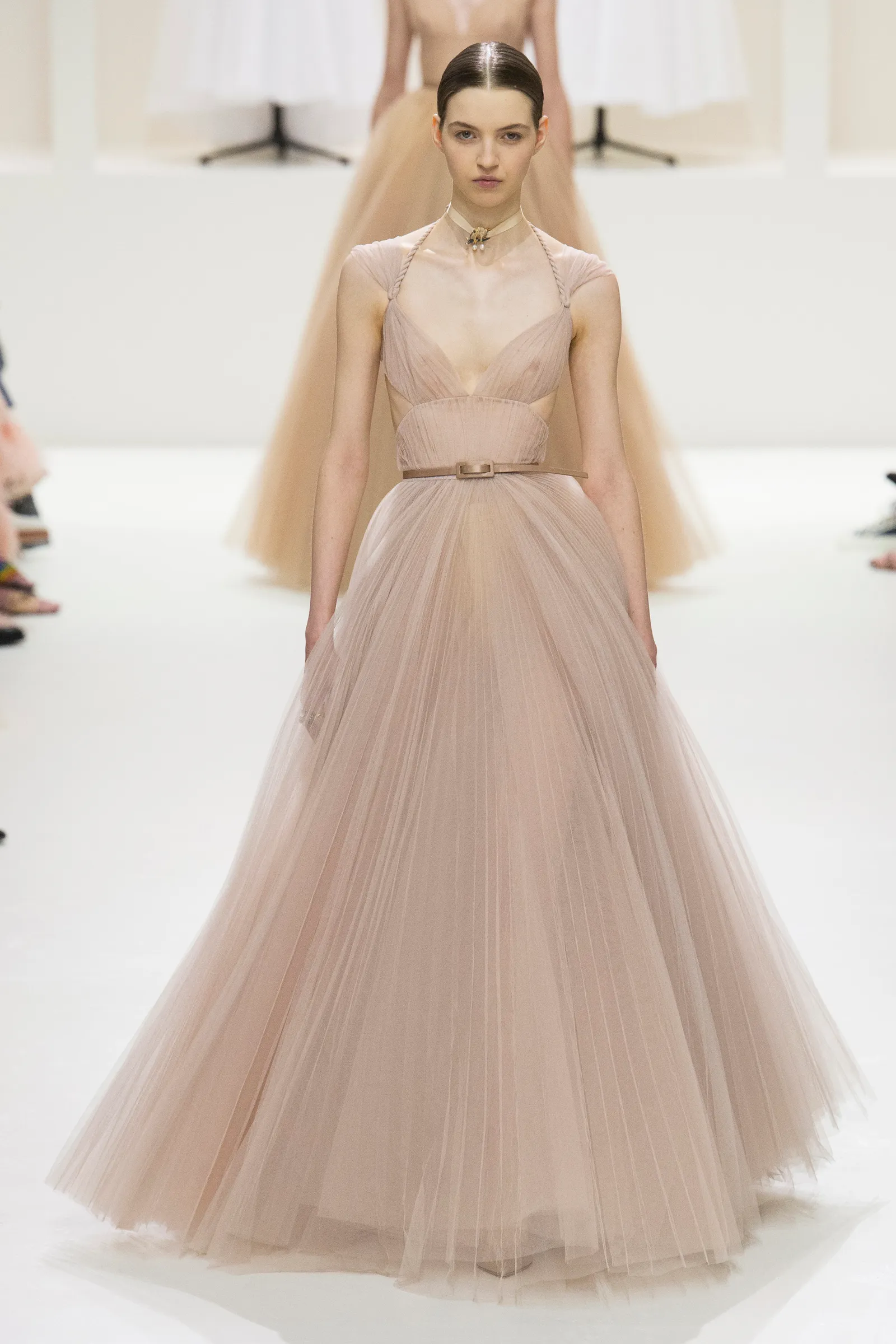
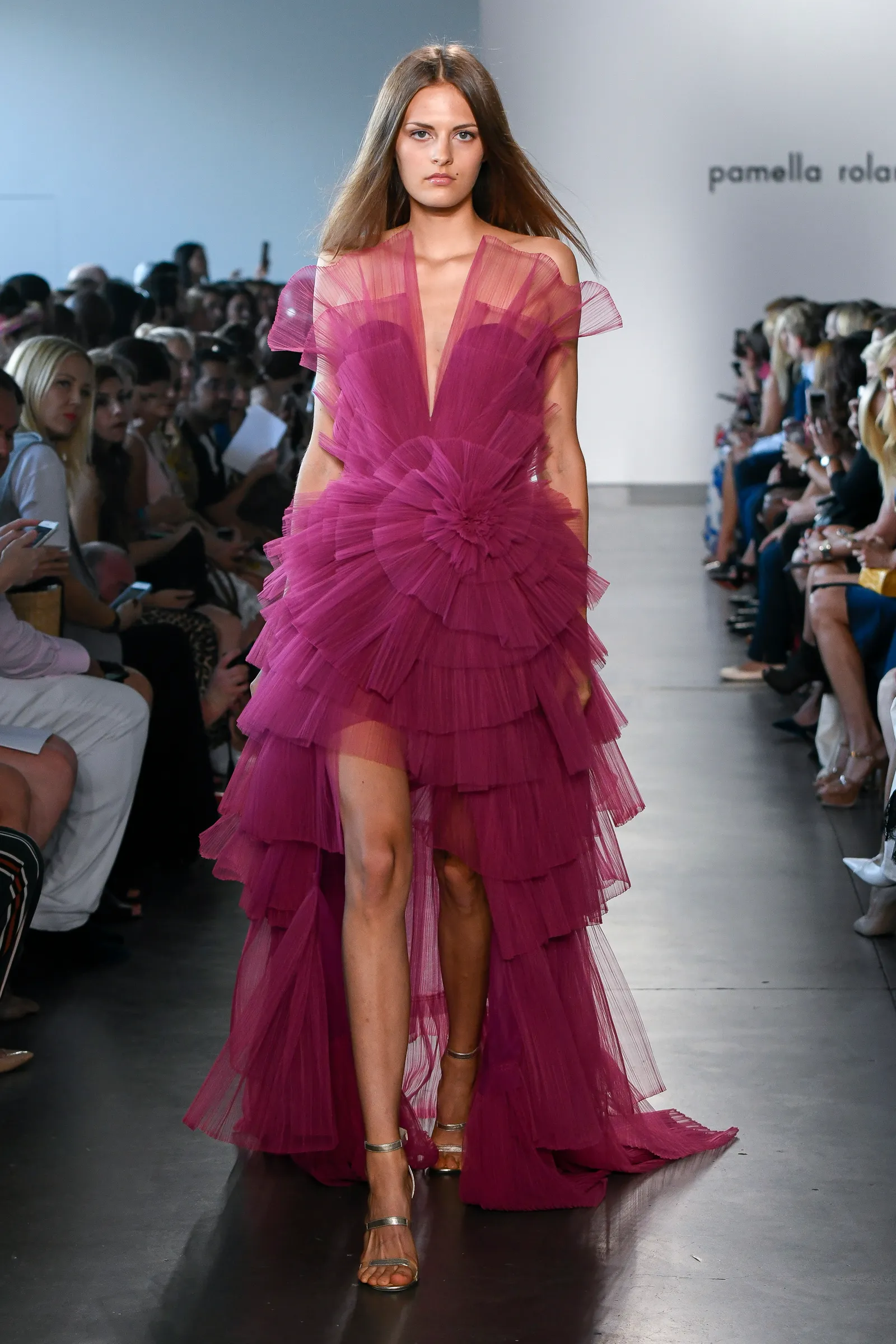
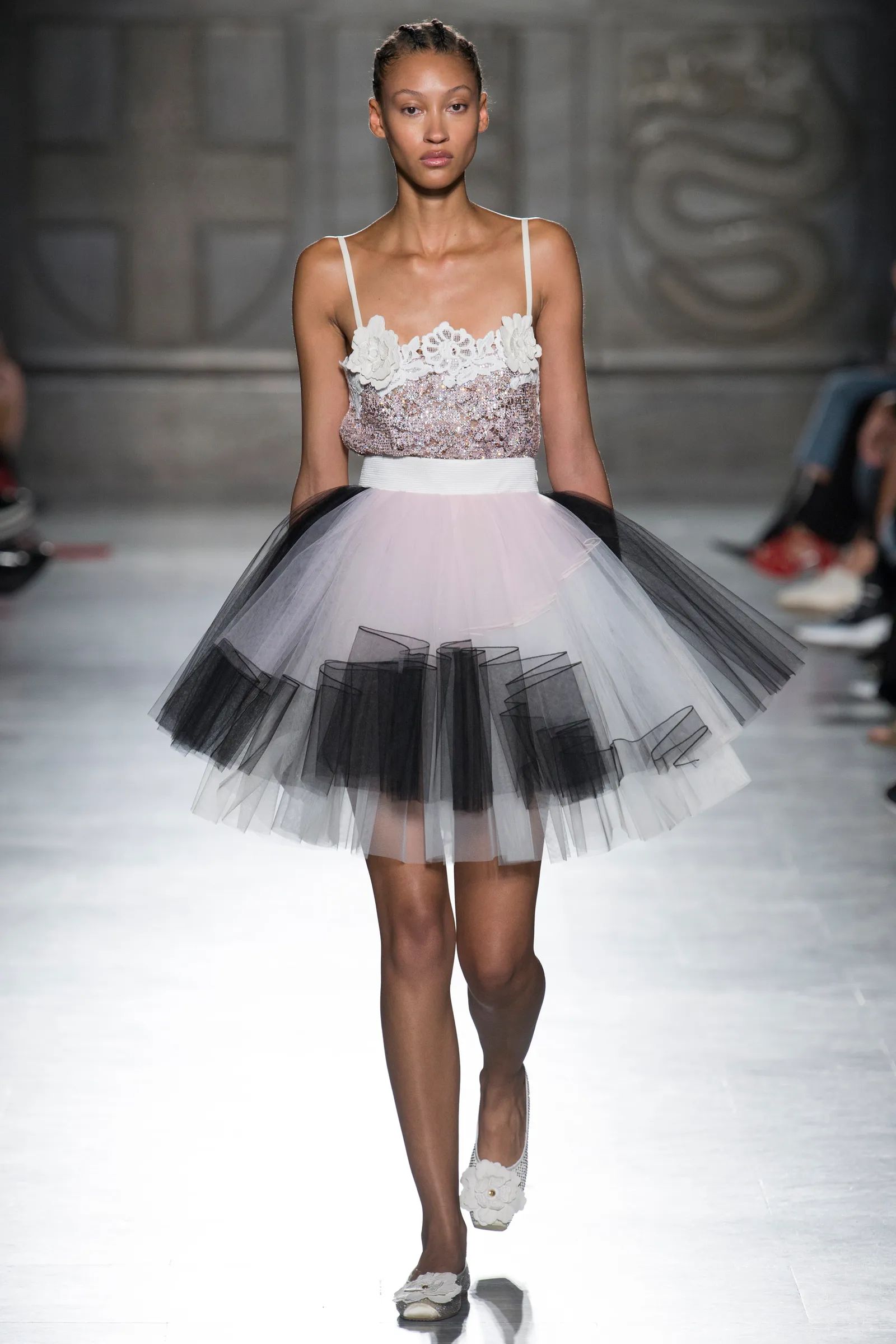
When gathered and arranged in layers, stiff tulle can project outward from the body, contributing to rounded silhouettes and expansive garment forms. Additional structural elements may support particularly elaborate designs, allowing the material to maintain the intended shape during wear.
Tulle fabric occupies an established position in fashion through its ability to create volume, transparency, and layered surfaces.
In bridalwear, it is widely used for veils, wedding gowns, trains, and illusion details. Fine soft tulle can form delicate veiling around the face, while gathered layers create fullness within skirts. Bridal designers also use tulle as a foundation for embroidery, floral appliqués, beads, and crystals. When paired with appropriate linings and structural supports, the material contributes to elaborate gowns with controlled silhouettes.
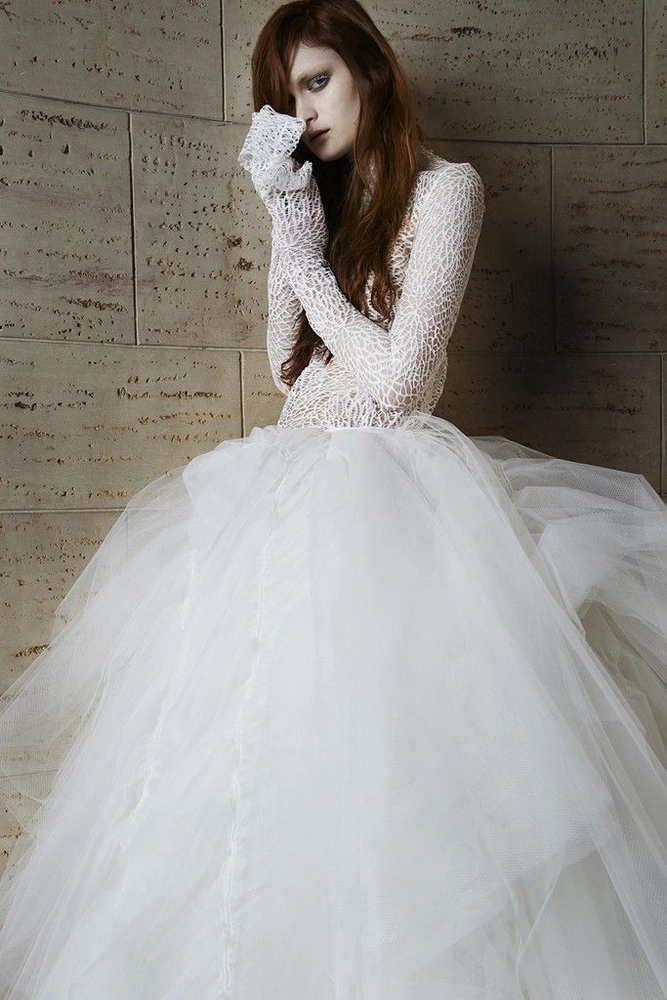
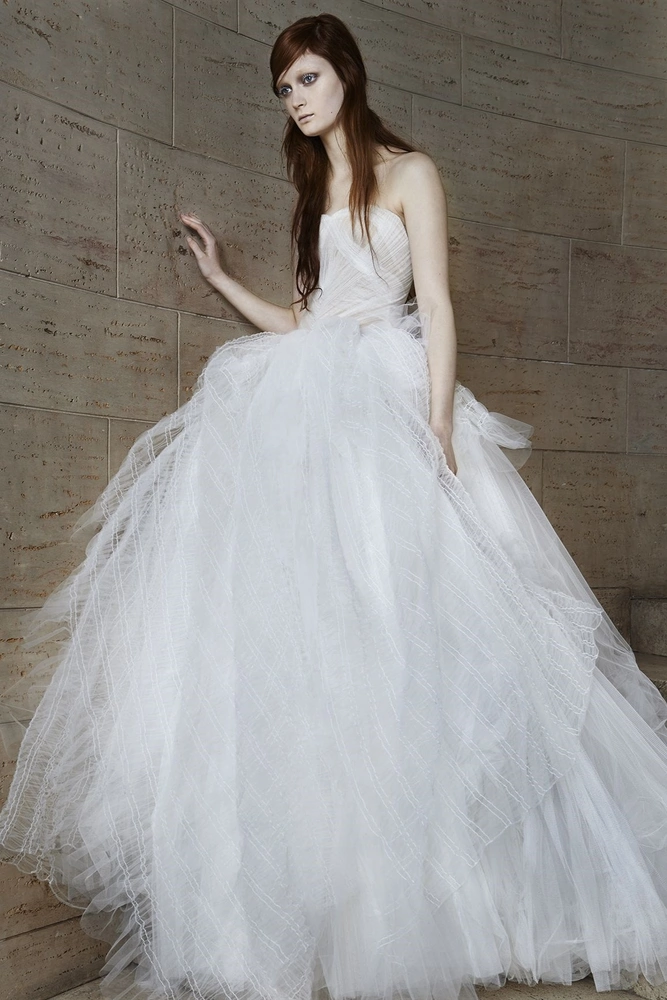
Ballet costumes represent another important application. Romantic tutus typically feature flowing skirts extending toward the lower leg, while classical tutus use short, projecting layers supported by carefully arranged netting. Costume construction requires attention to durability, movement, and shape retention. The positioning of layers and selection of appropriate stiffness contribute to the garment's performance under stage conditions.
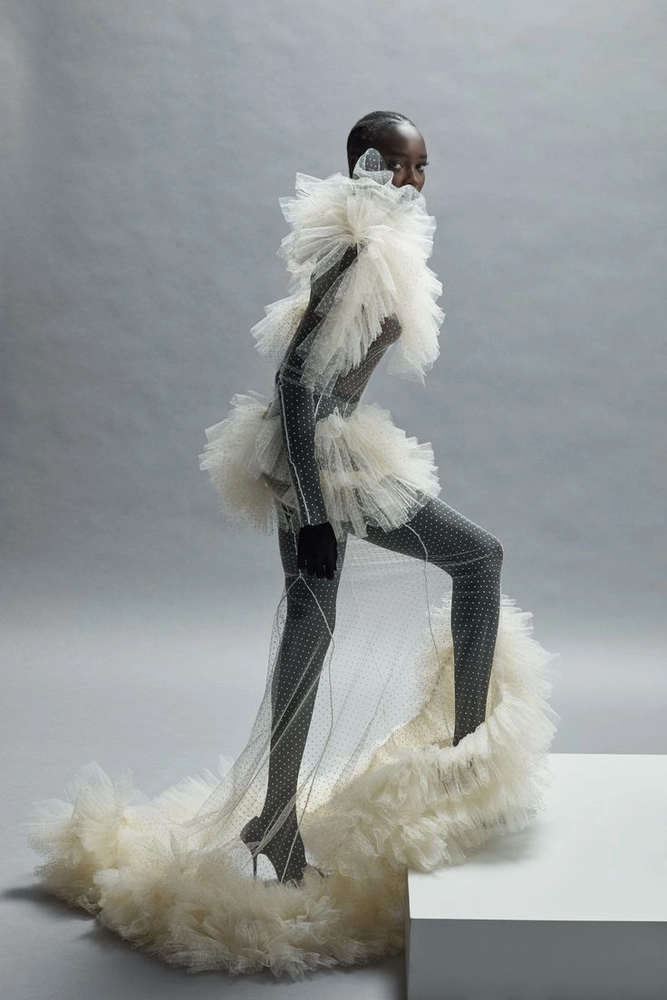
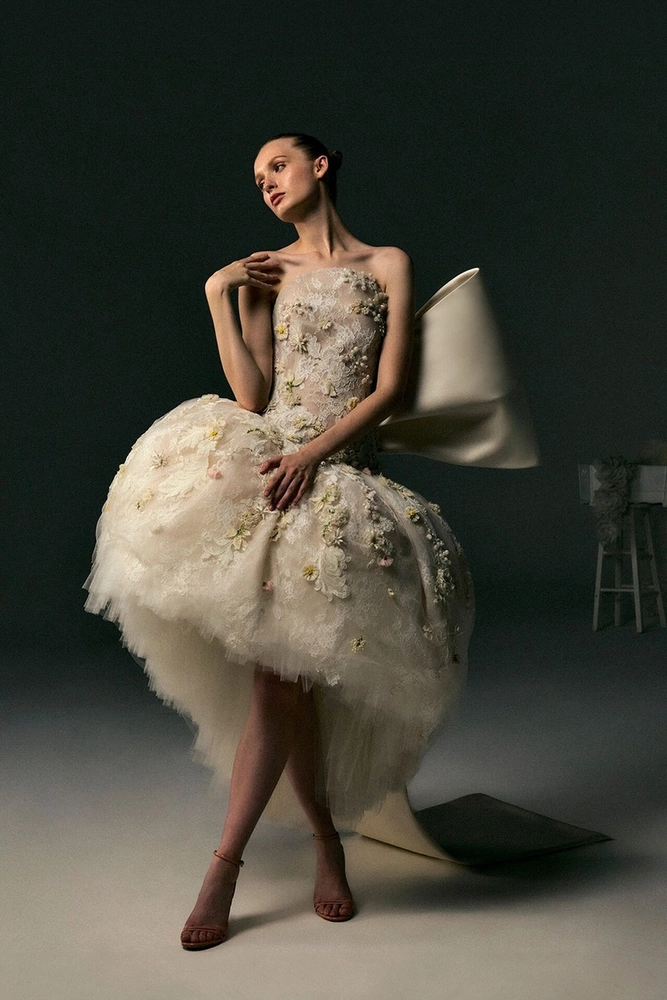
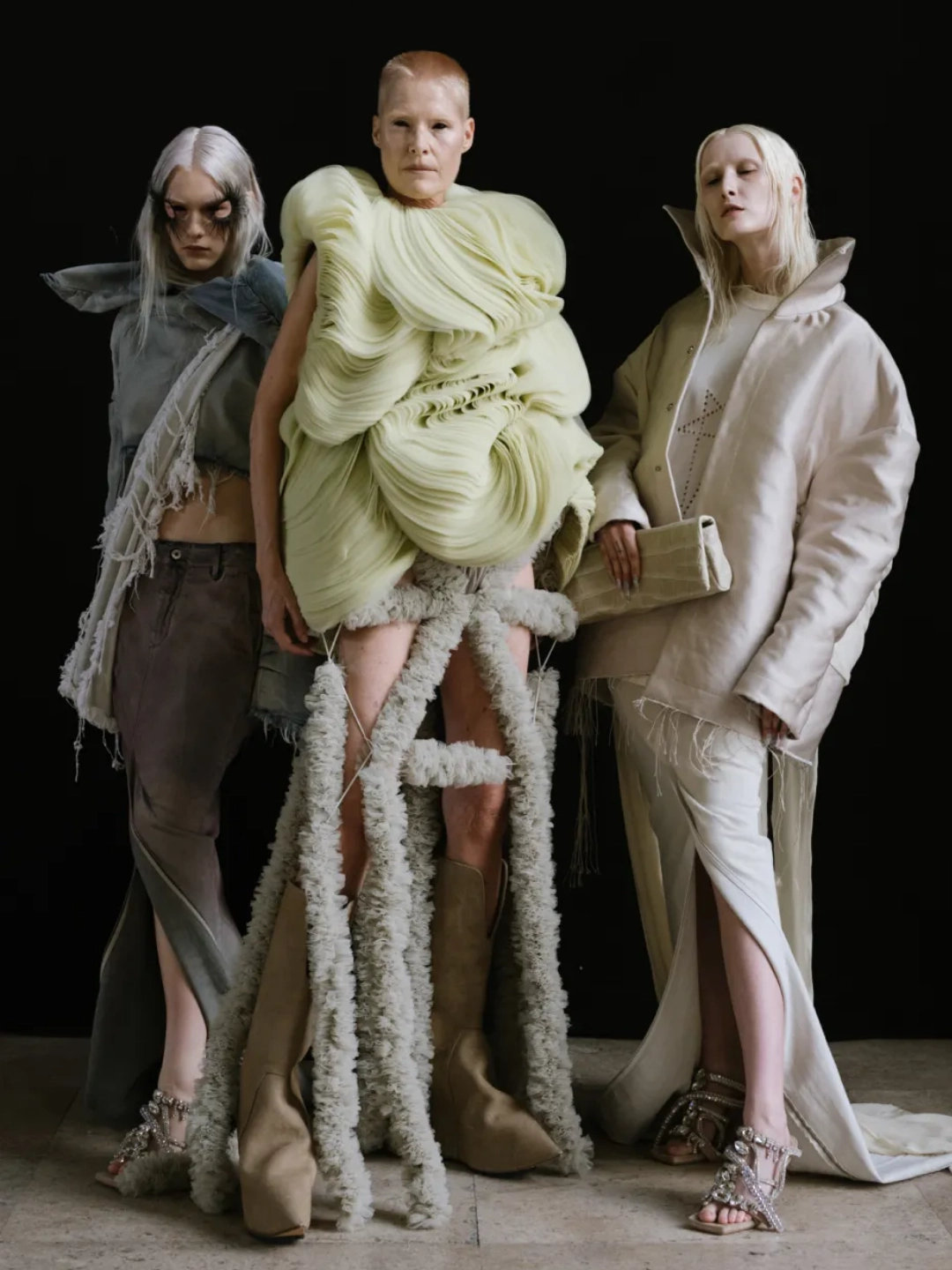
Within haute couture, tulle offers extensive possibilities for sculptural dressmaking. Designers can use gathering, layering, and pleating to build dramatic silhouettes around the body.
Fine netting also plays a significant role in illusion dressing. Skin-toned tulle can provide a discreet foundation for embroidery, crystals, and decorative motifs. When carefully selected to complement the wearer's complexion, the mesh allows embellishments to appear suspended across the body.
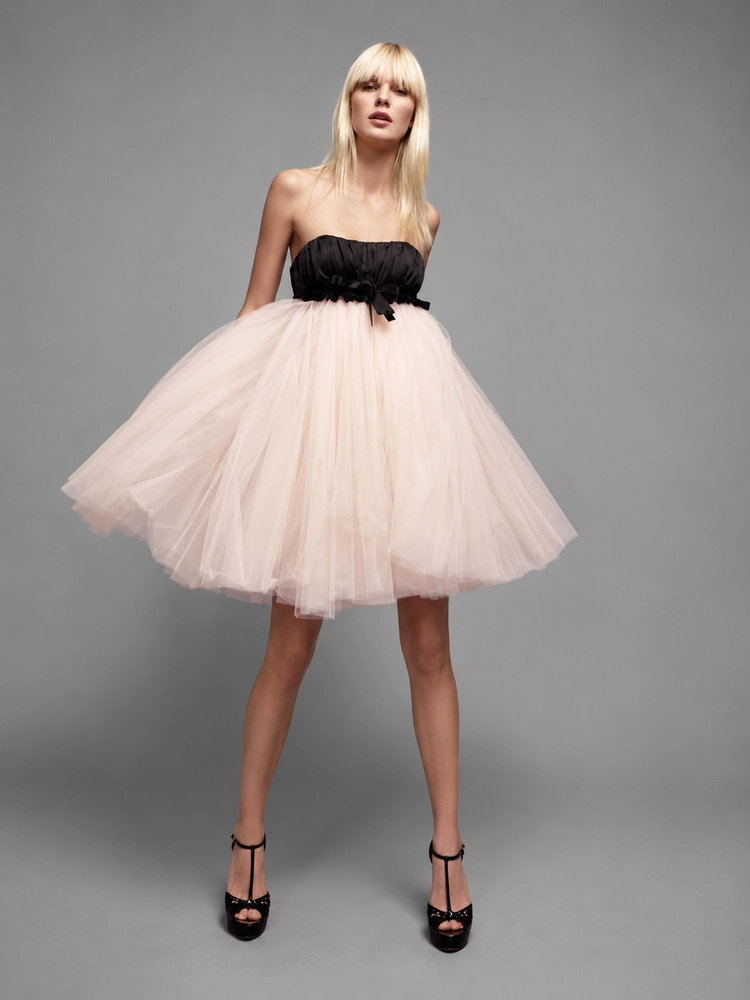
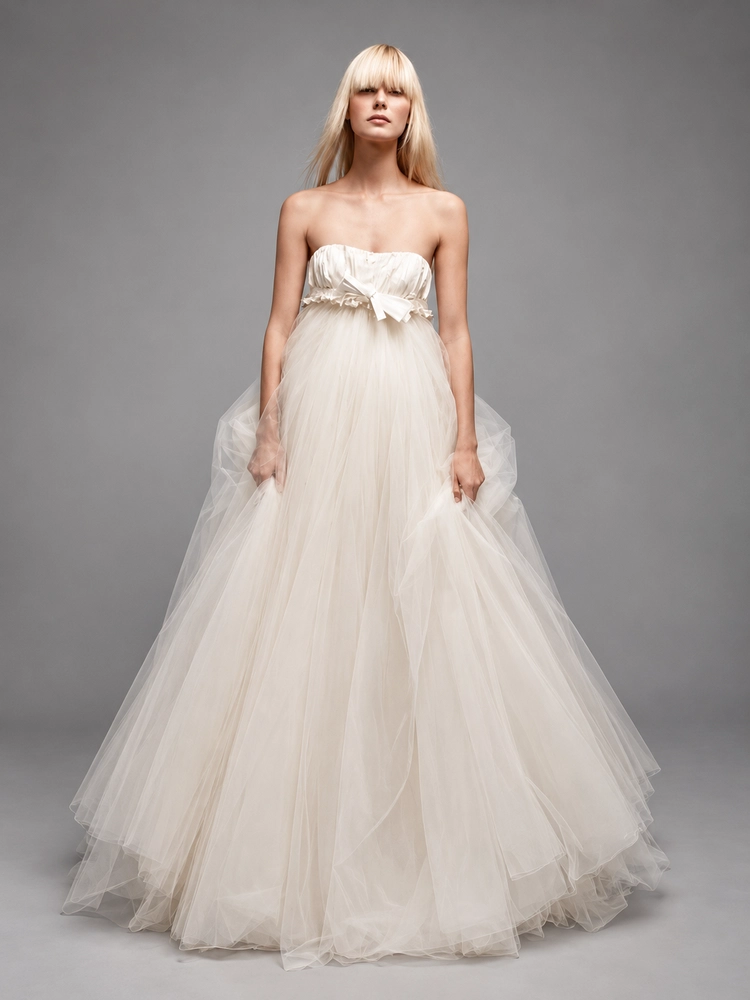
In ready-to-wear, tulle appears in skirts, sheer blouses, dresses, layered tops, and garment panels. Designers combine it with tailored fabrics, knitwear, and structured clothing to develop silhouettes that incorporate transparency and movement. Tulle also functions as an important foundation in textile embellishment. Its open structure allows embroidery and applied motifs to be arranged across delicate surfaces, supporting intricate design while maintaining the visual character of fine netting.
Identifying tulle fabric begins with examining its fine open-mesh structure. The surface typically consists of regularly distributed openings, frequently arranged in approximately hexagonal shapes. Close inspection reveals the interconnected yarns that form the net, while handling provides information about softness, stiffness, weight, and flexibility.
The material's fiber composition can be established through manufacturer specifications or appropriate textile testing. Silk, nylon, and polyester tulle may share similar appearances while requiring individual consideration during garment manufacturing and care.

When purchasing tulle, the intended application should guide material selection. Soft tulle is suitable for draped overlays, veiling, and flowing garments, while stiff varieties are frequently selected for structured skirts and volume creation. Mesh consistency is an important quality consideration. Buyers should inspect the fabric for broken yarns, irregular openings, and areas of distortion. Yarn fineness and mesh density influence transparency and texture. Testing several layers together provides useful information about the eventual appearance of a garment.
For embroidered designs, the tulle must possess sufficient strength and stability to support the intended embellishments.
Cleaning methods depend on the fiber composition and construction of the finished garment. Many delicate tulle products can be hand washed gently using suitable mild cleaning products, according to their care instructions. Garments featuring substantial embroidery, crystals, or complex structural components may require specialist cleaning. During washing, careful handling helps preserve the integrity of the mesh. Gentle rinsing and appropriate support during drying can reduce unwanted distortion.
Heat treatment also requires attention. Nylon and polyester tulle are sensitive to excessive temperatures, while silk tulle should be treated according to its particular care requirements. Controlled steaming may help relax wrinkles when permitted by the manufacturer. The temperature, distance, and duration should be selected according to the fiber and finishing treatments.
The continued presence of tulle fabric in fashion demonstrates the extraordinary design possibilities of a finely engineered textile structure. Its open network allows designers to shape the space surrounding the body, creating silhouettes that interact with air, light, and movement. As couture ateliers and contemporary labels continue exploring the relationship between fabric and form, tulle remains a versatile material for translating technical precision into imaginative fashion design.
Advertisement