MENU
Close





NAD+ drip is no longer just an IV on a clinic menu. It has become part of a larger culture built around longevity, performance, and the idea that health should be continuously optimized.
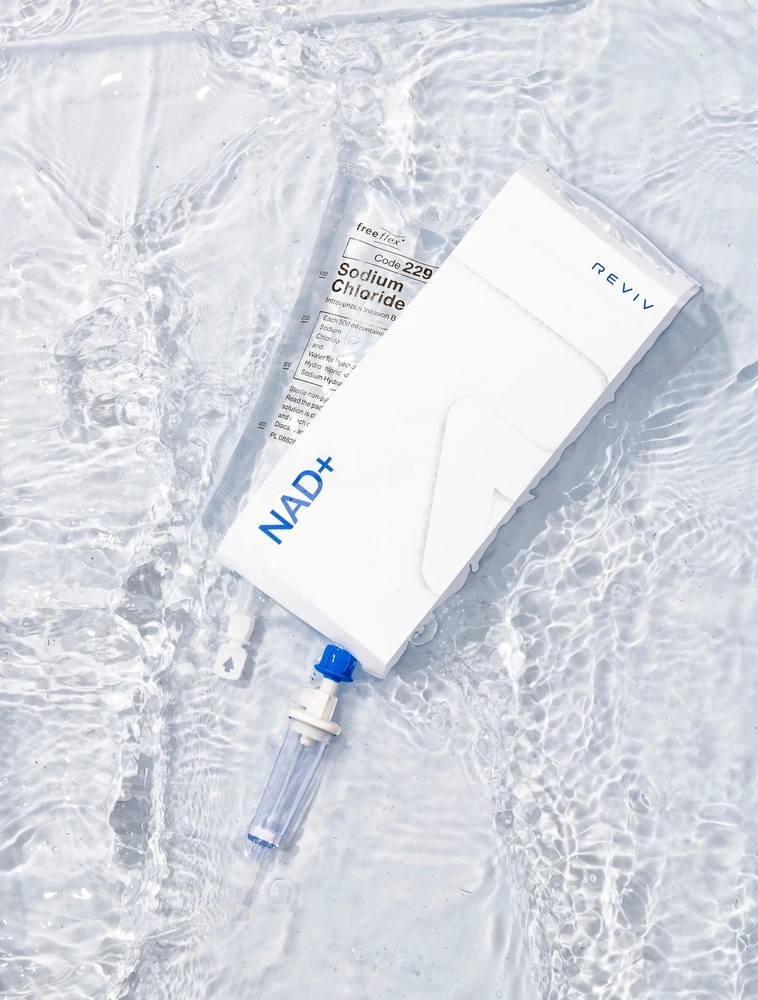
NAD+ drip is no longer just an IV on a clinic menu. It has become part of a larger culture built around longevity, performance, and the idea that health should be continuously optimized.
October 7, 2026
Advertisement

Advertisement



NAD+ drip has become one of the defining treatments of the modern longevity clinic. It appears alongside red-light therapy, peptide programs, advanced blood testing, recovery treatments, and full-body scans, often inside sleek wellness spaces designed for clients who already feel healthy and want to stay that way. The appeal comes from a simple idea: NAD+ is essential to cellular energy and repair, so delivering it directly through an IV sounds like a logical way to support the body. In 2026, that idea has turned NAD+ drip into a major wellness ritual.
The clearest sign of the trend is how widely NAD+ drip now appears on premium wellness menus. Longevity clinics increasingly package IV therapy alongside biomarker testing, supplements, hormone assessments, red-light therapy, peptide programs, nutrition planning, and fitness recovery.
The treatment has also become popular among clients who are already active, health-conscious, and highly engaged with preventive care. For this group, the appointment is often framed around energy, recovery, focus, and long-term health rather than treatment for a specific illness.
That shift has helped NAD+ drip move into a broader category of proactive wellness. The treatment becomes part of a recurring routine, much like personal training, sleep tracking, or regular skin treatments.
NAD+ stands for nicotinamide adenine dinucleotide. It is a coenzyme naturally present inside cells and plays an important role in basic cellular function.
Its best-known roles include helping cells produce energy, supporting DNA repair, participating in metabolism, and contributing to cellular stress responses.
This makes NAD+ especially attractive within longevity culture. The molecule already has a strong scientific identity before it ever enters a clinic menu.
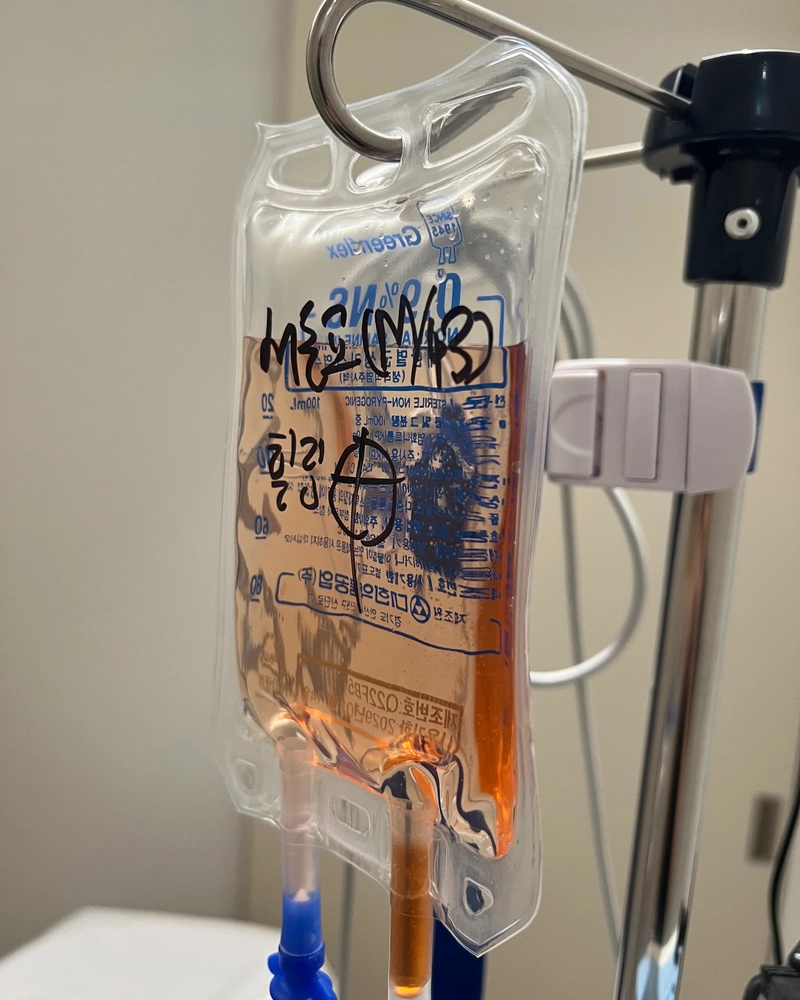
The messaging is easy for consumers to follow. Cells rely on NAD+ to function. Longevity clinics focus on maintaining healthy cellular function. NAD+ drip then becomes a service built around that relationship.
This is also why the treatment feels more sophisticated than a generic vitamin infusion. It connects directly to the language of mitochondria, metabolism, repair, and cellular aging, all of which have become familiar concepts in modern wellness.
One of the most important ideas behind NAD+ drip is prevention. A growing number of affluent wellness consumers are interested in intervening early, tracking health closely, and maintaining performance before any obvious decline appears.
This creates a very specific customer mindset. The goal is often to feel sharper, recover faster, maintain energy, support resilience, and stay engaged with long-term health. NAD+ drip fits this mindset because it is sold as a form of maintenance rather than a short-term solution.
That makes it part of the wider move toward health optimization. The consumer is paying for the feeling of staying ahead of fatigue, stress, aging, and reduced performance. The value comes partly from the treatment itself and partly from the idea that health can be managed proactively.
NAD+ drip is frequently offered as one part of a larger wellness program. A client may combine it with blood testing, hormone assessments, red-light therapy, supplements, peptide treatments, or fitness recovery.
This creates a full system around longevity. For clinics, the model also works commercially. A single infusion can lead into memberships, recurring appointments, testing programs, and broader preventive-health packages.

The treatment therefore fits perfectly into premium recurring wellness. Instead of booking one isolated service, clients can build an ongoing routine around energy, recovery, sleep, body composition, and cellular health.
That structure has helped NAD+ drip become more than a trend. It has become part of the business model of modern longevity clinics.
The polished clinic setting can make an NAD+ drip feel closer to a spa treatment than an intravenous procedure, but the delivery method still matters. IV therapy places substances directly into the bloodstream, which introduces practical risks such as bruising, vein irritation, infection, fluid-related complications, and reactions to the infused ingredients.
Some NAD+ infusions have also been associated with nausea, abdominal cramping, flushing, and chest discomfort during administration. The quality of the clinic therefore deserves as much attention as the treatment itself: trained medical staff, proper screening, sterile technique, transparent sourcing, and a clear plan for managing adverse reactions are basic requirements.
Another point is suitability. People with underlying medical conditions, pregnancy, kidney or liver concerns, cardiovascular issues, or complex medication routines should approach any elective IV treatment through a clinician who understands their health history.
Recent reviews show that NAD-related precursors such as NR and NMN can raise NAD-related biomarkers in humans. Research on intravenous NAD+ itself remains limited, especially for long-term outcomes involving energy, cognition, recovery, or healthy aging. This creates an important gap between biological plausibility and proven wellness outcomes.
Advertisement