




Could a little fat from the abdomen help aging skin look renewed? Nanofat is drawing dermatologists into a curious new chapter of regenerative beauty.

Nanofat Is Giving Body Fat a Second Life
Could a little fat from the abdomen help aging skin look renewed? Nanofat is drawing dermatologists into a curious new chapter of regenerative beauty.
November 20, 2026


A patient seeking smoother under-eye skin might be surprised when the appointment begins at her abdomen. A surgeon collects a small amount of fat, prepares it into a fine suspension, then introduces it into areas where skin has become thin or crepey. Known as nanofat, the procedure has become a compelling subject in regenerative aesthetics, where physicians are exploring ways to improve tissue quality using material already present in the body.
The intrigue extends beyond the treatment room. Dermatologists are sharing personal experiences, plastic surgeons are refining techniques, and clinics from New York to Dubai are finding an audience curious about biological rejuvenation. Nanofat remains an emerging medical procedure, however, with outcomes that vary and long-term evidence still developing.
How Body Fat Became a Beauty Treatment
In 2013, Belgian plastic surgeons Patrick Tonnard and Alexis Verpaele, working with colleagues in Ghent, published research that helped introduce nanofat grafting. Their insight came from a familiar surgical material: the patient's own fat.
Conventional fat transfer preserves fat cells so they can survive after transplantation and restore lost volume. Nanofat takes another route. Processing disrupts many mature fat cells, leaving a fine suspension containing other components of adipose tissue. The intended goal shifts toward improving skin texture and quality.
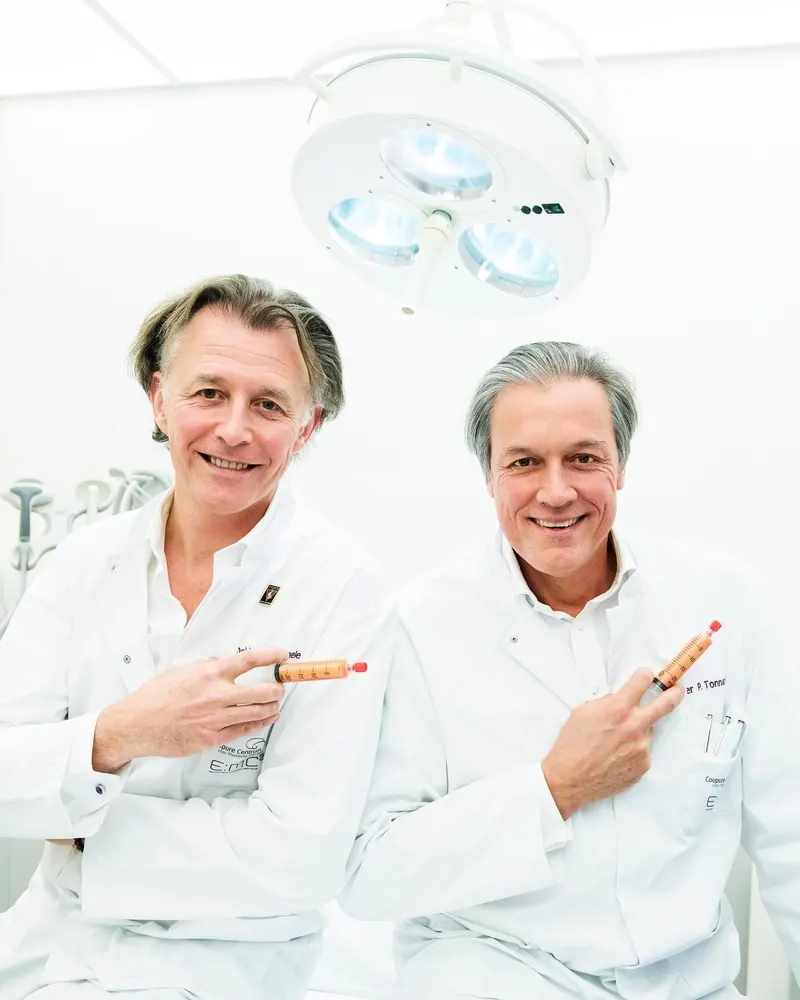
The preparation itself sounds almost improvised. First, a clinician harvests a small amount of fat from an area such as the abdomen or thighs through liposuction. Next, the tissue is washed and passed back and forth between connected syringes, a process called emulsification. Finally, the suspension is filtered and injected into selected treatment areas.
A 2025 expert consensus described approximately 20 to 30 syringe passes and filtration through openings measuring 300 to 500 micrometers. Those figures describe one recommended approach, not a universal recipe. Despite its futuristic name, nanofat is not literally made of nanoparticles.
The appealing paradox is obvious: fat removed from one location becomes a potential resource for another. Yet the treatment involves a donor site as well as injections, making it a medical intervention rather than a lunchtime skincare appointment.
Why Dermatologists Are Looking Beneath the Skin
New York dermatologist Shereene Idriss has an unusually personal connection to nanofat. The founder of Idriss Dermatology has discussed receiving the treatment herself and offering it to patients concerned about delicate, thinning or crepey skin, particularly around the eyes, neck and chest.
For patients, the promise is different from simply adding fullness. Nanofat is intended to influence skin quality gradually, an appealing prospect for someone troubled by fine lines or texture without seeking a dramatic change in facial shape.
A patient identified as Roxanne described undergoing nanofat with Idriss in a September 2026 account. Her concerns included dullness, under-eye bags and fine lines. The experience made clear that the procedure is a sequence of decisions, from identifying a suitable donor area to accepting that visible improvements may take months.

Idriss has also offered a glimpse of changing demand. She reported about a 10 percent increase in patients choosing regenerative treatments at her practice during the first six months of 2026. The number covers a broader category of procedures, not nanofat appointments alone, but it suggests a meaningful shift in the questions some patients are bringing to consultations.
Expectations matter. Patients may notice swelling or bruising before any hoped-for improvement becomes apparent. A consultation should address realistic outcomes, recovery, costs and whether another treatment better suits the concern.
The Beauty Science Hidden Inside Body Fat
Fat is often described as stored energy, yet it also contains blood vessels, connective tissue, stromal cells and signaling molecules. Some of these components are involved in the body's ordinary processes of maintenance and repair.
That biology helps explain nanofat's attraction. Clinicians are investigating whether processed fat can encourage changes in collagen organization, skin thickness or the appearance of scars. The theory is intriguing, but it does not mean that injecting nanofat reliably reverses aging or produces new tissue on demand.

The under-eye area provides a particularly delicate test. Fine wrinkles, pigment changes and thinning skin can coexist, and improving texture will not necessarily eliminate hollows or bags caused by underlying anatomy. Here, selecting the right patient matters as much as selecting the procedure.
Nanofat also has a history outside cosmetic rejuvenation. Surgeons have studied fat-derived treatments for scars, including those left by burns or operations. This link to reconstructive medicine adds depth to the beauty conversation: some techniques now discussed in anti-aging clinics grew from efforts to improve damaged tissue.
From New York to Dubai: The Nanofat Movement
Nanofat is being discussed in very different clinical settings. At AEON Clinic in Atlantis The Royal, Dubai, plastic surgeon Jaffer Khan has described its potential applications for skin quality and scalp concerns. The location places regenerative aesthetics within the striking setting of a luxury resort, although the actual procedure still requires medical assessment and surgical expertise.
In London, aesthetic doctor and maxillofacial surgeon Paris Acharya has characterized nanofat as a refined form of fat transfer. Her perspective makes an important distinction accessible: restoring facial volume and addressing skin quality are separate objectives, even when both techniques begin with a patient's own fat.

In Cannes, plastic surgeon Médard de Chardon describes nanofat as a day-surgery procedure. His practice illustrates the less glamorous logistics behind the name: harvesting, preparation, injection and recovery at two bodily sites.
These individual practices document professional interest, rather than a worldwide boom in bookings. Treatment costs can run into thousands of dollars, varying with location and the scope of care. Patients should ask about qualifications, infection prevention, expected recovery and complications. Bruising, swelling and donor-site discomfort are possible; infection and rare but serious vascular injuries deserve particular attention.
Nanofat and the Growing Fat Grafting Obsession
A curious reversal is taking place in aesthetic medicine. Fat, once primarily associated with removal, is becoming an increasingly desirable material for facial rejuvenation. New York plastic surgeon Dr. Melissa Doft has observed growing interest in fat transfer, including among younger patients seeking alternatives to injectable fillers.
Meanwhile, Beverly Hills facial plastic surgeon Dr. Babak Azizzadeh has reported a significant shift within his own practice, where fat grafting is increasingly replacing fillers for certain patients. The movement coincides with growing discussions around filler fatigue, particularly concerns about excessive facial volume and the swollen appearance sometimes associated with repeated injections.
Part of the appeal lies in the behavior of the material itself. As New York facial plastic surgeon Dr. Sean Alemi explains, hyaluronic acid fillers attract water, which can contribute to unwanted puffiness when excessive amounts are placed in unsuitable areas. Transferred fat behaves differently, offering a softer appearance and texture when appropriately placed.

Yet its biological nature introduces another consideration. Oculofacial plastic surgeon Dr. Robert Schwarcz notes that surviving fat cells retain the ability to expand during weight gain, while Dr. Melissa Doft explains that established fat grafts can persist long term, making conservative placement especially important. Unlike hyaluronic acid fillers, transferred fat cannot simply be dissolved.
The growing use of GLP-1 weight-loss medications adds another dimension to this conversation. Rapid or substantial weight loss can reduce facial fat, prompting some patients to seek volume restoration. Surgeons are also using fat grafting alongside facelifts, in aging hands and for selected body-contouring procedures. However, delicate areas such as the lips and under-eyes require particular caution because transferred fat can produce visible irregularities.
Nanofat occupies a distinct position within this broader fascination with fat. Conventional fat grafting preserves living fat cells to restore volume, while nanofat processing disrupts many of those cells, shifting its intended purpose toward skin-quality improvement. Their growing visibility reflects an intriguing change in how aesthetic medicine approaches the body's resources.