They sold their beauty empires for millions. Why are beauty founders already starting over, and what does their rush back reveal about ambition, control and ego?
Why Are Beauty Founders So Quick to Return?
They sold their beauty empires for millions. Why are beauty founders already starting over, and what does their rush back reveal about ambition, control and ego?
November 7, 2026


After spending years building companies attractive enough for multinational corporations to acquire, why are so many beauty founders rushing to do it all over again?
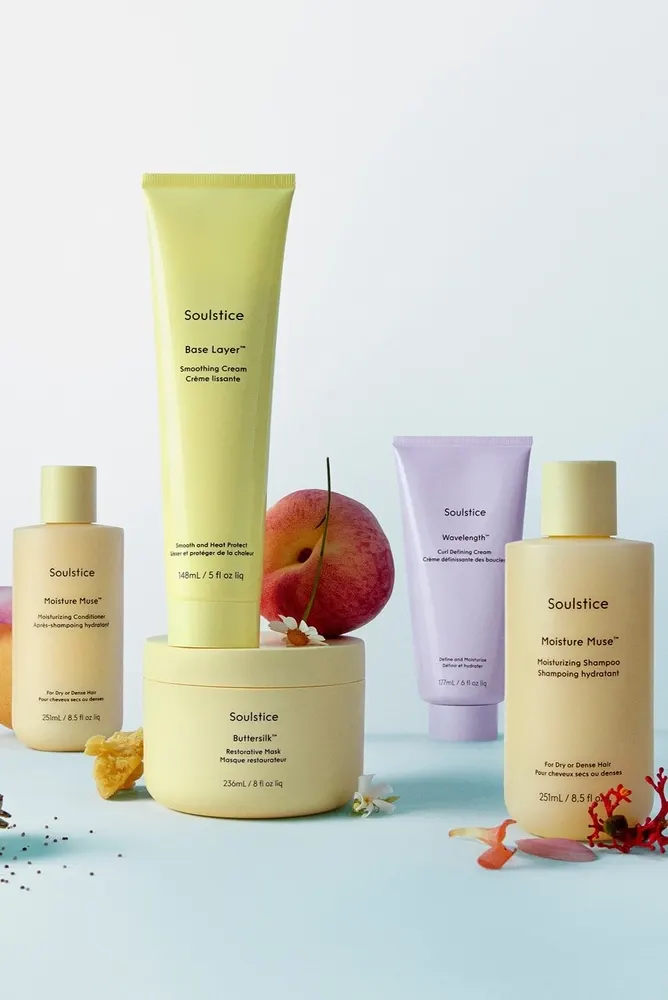
Four years after selling Briogeo to Wella Company for a nine-figure sum, Nancy Twine is back in the haircare business. Her new brand, Soulstice, launched in September 2026 with shampoos, conditioners and treatments priced between $18 and $26. Once again, she is navigating product development, distribution and the demanding routines of running a young company.
Twine could have spent this chapter enjoying the financial rewards of her first success. Instead, she chose another beginning. In an interview with Fashionista, she described the prospect of reaching a major milestone and simply relaxing as “super boring.” Her return raises an intriguing question about the psychology of modern beauty founders.
Beauty Founders Are Shortening Their Second Acts
For decades, selling a beauty business represented the ultimate entrepreneurial achievement. An acquisition by an industry conglomerate offered financial security, international distribution and the possibility of seeing a personal creation become a global institution.
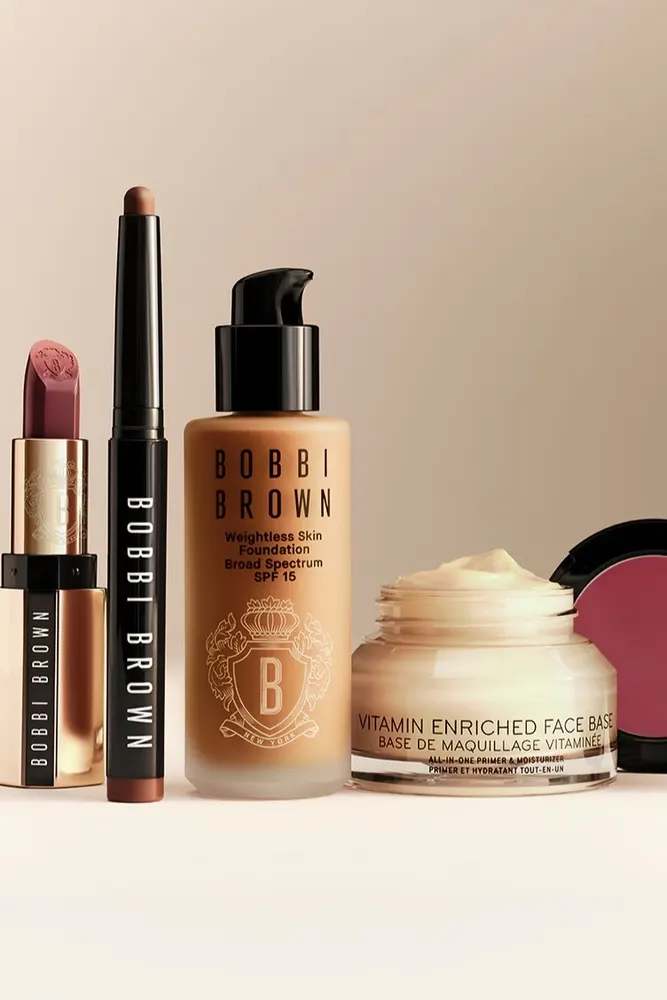
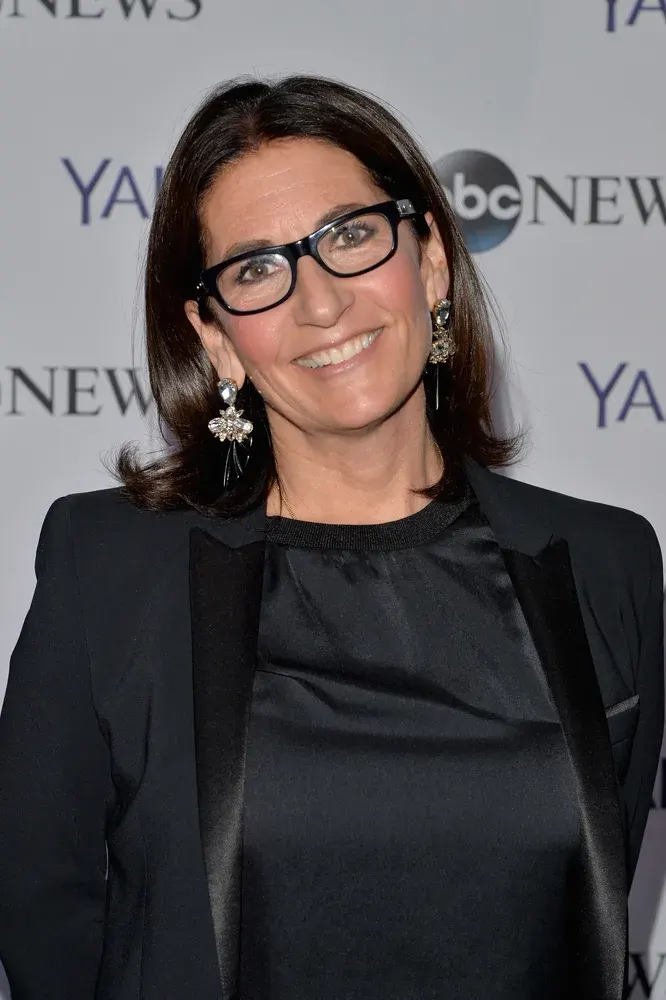
The next chapter often arrived considerably later. Bobbi Brown sold Bobbi Brown Cosmetics to Estée Lauder in 1995 and introduced Jones Road Beauty in 2020, leaving 25 years between the acquisition and her next venture.

A new generation of beauty founders is compressing that timeline into just a few years.
In September 2026, Hero Cosmetics cofounder Ju Rhyu introduced sunscreen brand Vize, four years after Church & Dwight acquired Hero for $630 million. Susan Yara, whose Naturium was purchased by E.l.f. Beauty for $355 million in 2023, launched haircare and body care brand Playa in April 2026.
Meanwhile, Joe Cloyes and Greg Gonzalez, who founded Youth to the People, returned through fragrance venture Lore approximately four years after L'Oréal acquired their skincare company in 2021.
An October 2026 investigation by The Business of Fashion identified a striking acceleration: some beauty founders are returning within approximately 18 months to four years of an exit.
The pattern reveals a changing attitude toward acquisition. Increasingly, selling a company represents a financial milestone within a continuing entrepreneurial career.
What Does It Mean to Sell Your Own Creation?
The transaction may be straightforward on paper. A conglomerate acquires a business, its products, intellectual property, customer relationships and commercial potential. The founder receives compensation and may remain involved for an agreed period.
The personal consequences are considerably harder to quantify.
Beauty founders frequently establish their businesses around deeply individual philosophies. Their names, experiences and convictions become part of the brand's identity. Over time, the company develops into something inseparable from their professional reputation.
An acquisition changes that relationship. Decisions concerning product launches, pricing, distribution and marketing may eventually pass through corporate management structures. The founder can remain the public face of the business while exercising a different degree of authority over its future.
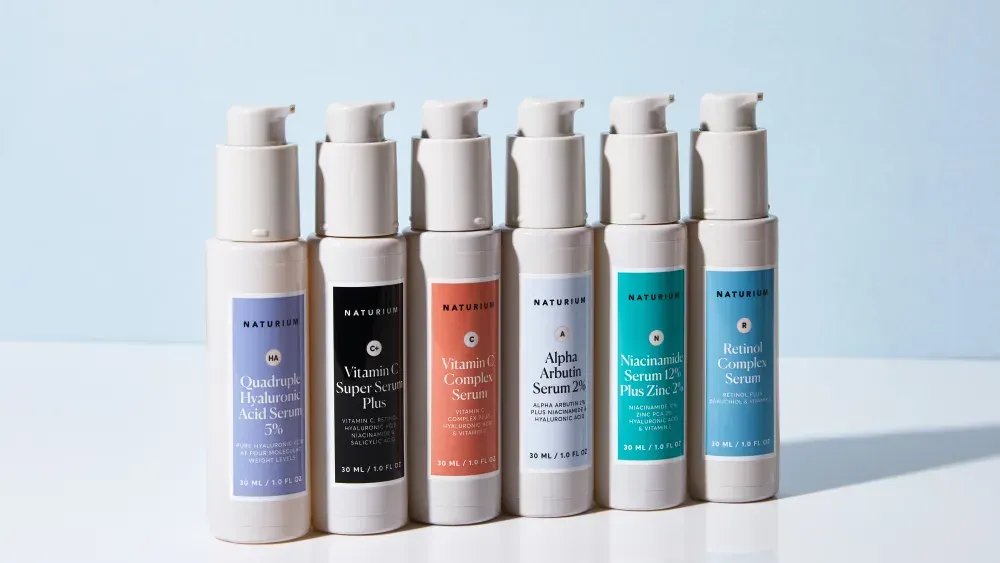


Some relationships evolve successfully. Yara continues her involvement with Naturium while developing Playa. Rhyu maintained her relationship with Church & Dwight beyond her original contractual commitment. Twine has described Briogeo as her first baby and remains available when the company needs her support.
Other acquisitions expose tensions. Too Faced cofounder Jerrod Blandino publicly criticized Estée Lauder's stewardship of the cosmetics brand in 2026, while Jo Malone's continuing trademark dispute with the same conglomerate demonstrates the complicated relationship between a founder's identity and the commercial ownership of a name.
These experiences reveal the emotional ambiguity of an exit. The founder may have chosen to sell, yet the company continues developing under somebody else's authority.
And when the original creation carries so much personal history, watching its evolution can become an unexpectedly intimate experience.
Passion, Ambition, or an Unfinished Ego?
What motivates successful beauty founders to return to an industry they have already conquered?
Twine provides one explanation. Speaking about her entrepreneurial ambitions, she told The Business of Fashion, “I'm going to be building companies until I die.”
Her statement suggests that the attraction lies in the activity of creation itself. Building a company involves recognizing unmet demand, developing products, assembling teams and watching an idea become commercially viable. For certain entrepreneurs, these processes provide the stimulation and sense of purpose that financial achievement alone cannot reproduce.

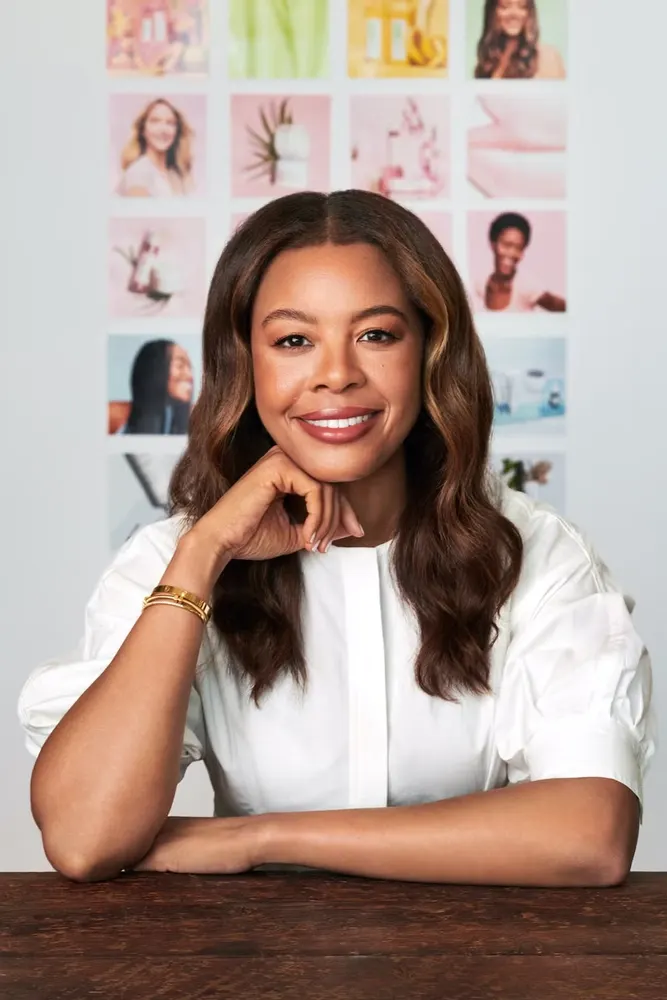
Rhyu presents another motivation. Her return through Vize allows her to remain engaged with an industry undergoing rapid digital transformation. She argued that firsthand experience with developments such as TikTok Shop would help her maintain the knowledge valuable to her former company.
Yet there is another possibility worth examining: the desire to prove oneself again.
The first successful business establishes a founder's reputation. Its acquisition may also invite an uncomfortable question. How much of that success belonged to the founder's vision, and how much depended on timing, investors, collaborators and the market itself?
A second business offers another opportunity to answer. For beauty founders whose identities are closely attached to entrepreneurial achievement, the attraction of another venture may involve personal validation. A second success could reinforce their reputation as exceptionally capable creators.
Ego, in this context, deserves a nuanced interpretation. It can encourage ambition, risk-taking and a willingness to pursue difficult ideas. It can also create pressure to repeat an achievement whose original circumstances may be impossible to reproduce.
The question remains speculative when applied to individual founders. Their publicly stated motivations offer a firmer basis for understanding their choices.
The Second Chance to Build on Their Own Terms
One advantage distinguishes returning beauty founders from newcomers: experience has already taught them which decisions carry the greatest consequences.
Twine's approach to Soulstice reflects this accumulated knowledge. Briogeo established itself in prestige haircare, while Soulstice targets an accessible price category with products priced between $18 and $26.
Interestingly, Twine first conceived the idea for Soulstice in 2020, while she was still involved with Briogeo. Her second venture therefore represents the development of an existing ambition, supported by the freedom and resources available after her first acquisition.
Other returning founders explore entirely different categories. Yara's Playa extends her experience into sensorial haircare, body care and fragrance, while the creators of Youth to the People have entered perfumery through Lore.
Such moves suggest a creative motivation alongside commercial opportunity. After establishing expertise in one category, founders may feel equipped to explore interests that once remained outside their original company's identity.
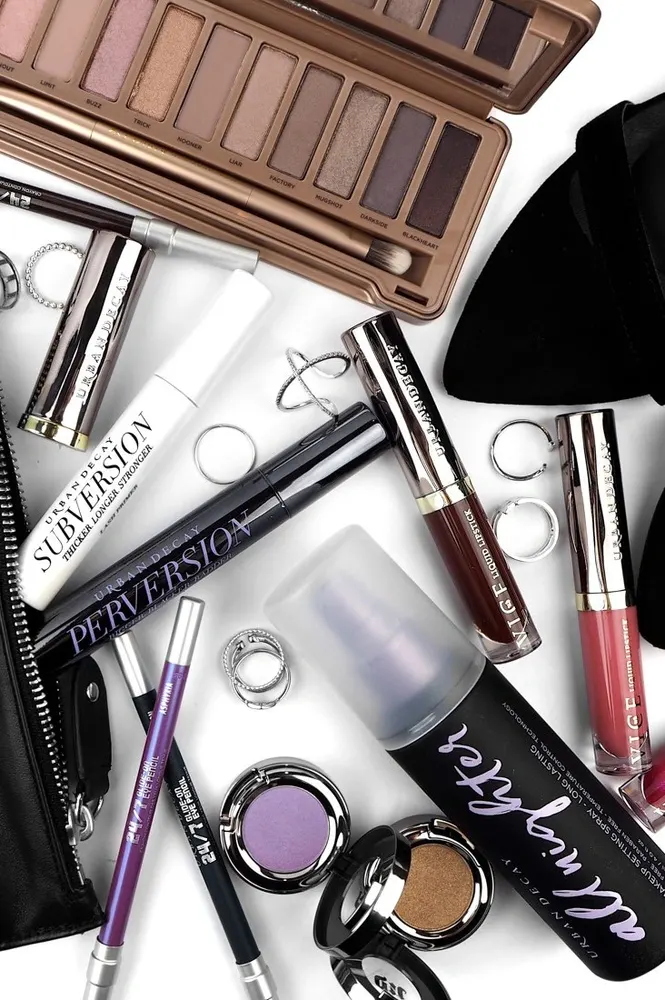

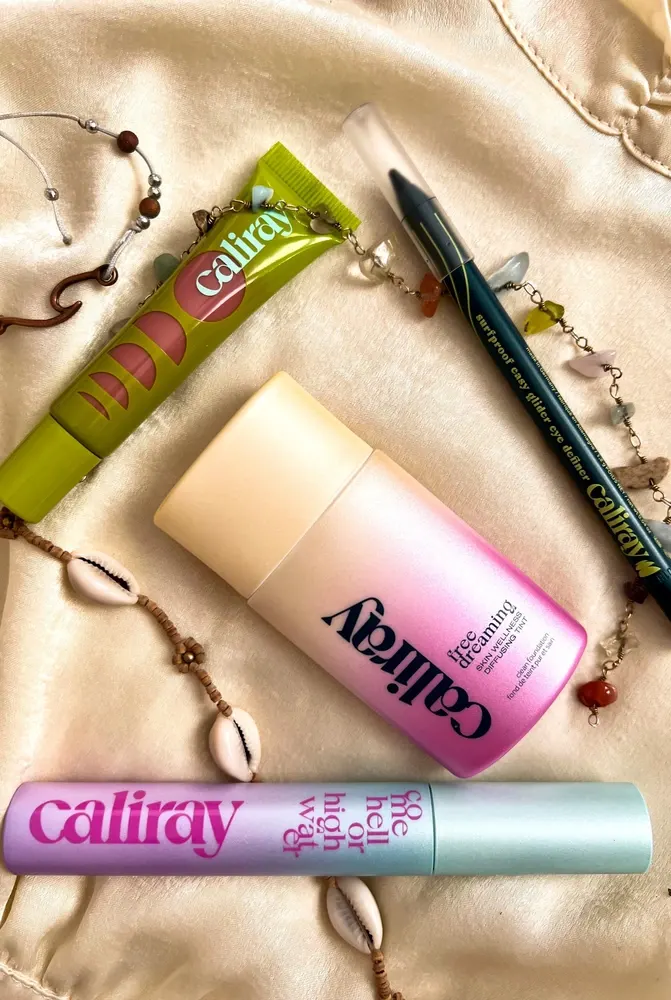
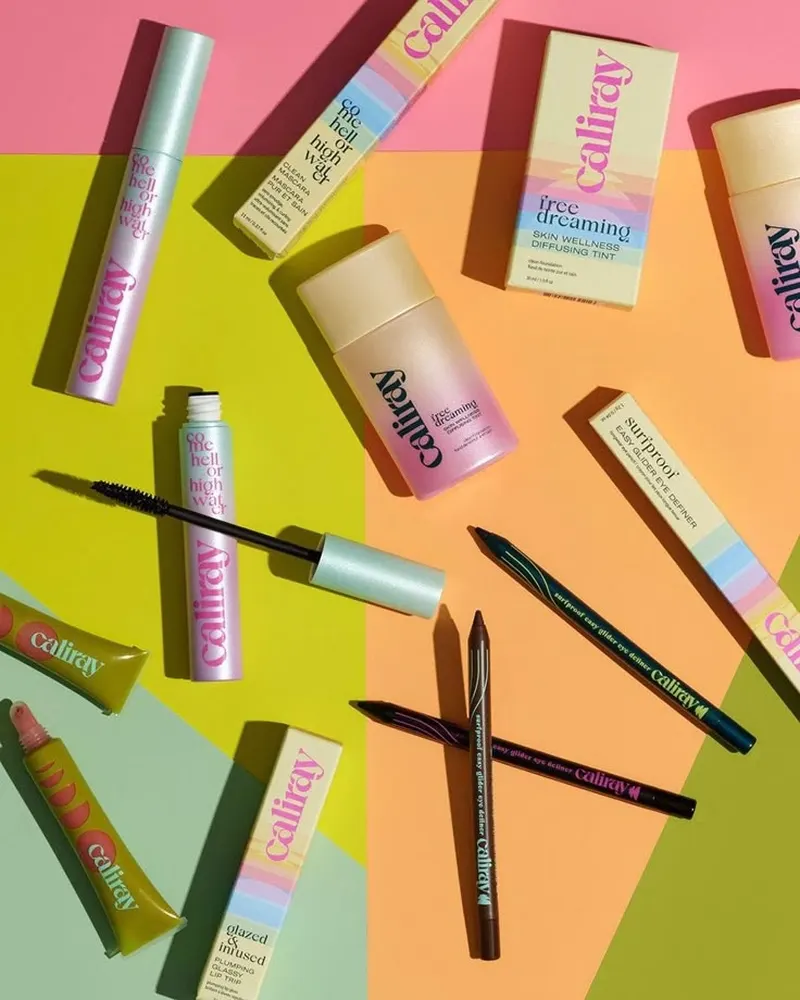
There is also a practical advantage. Relationships with manufacturers, retailers, investors and distributors survive beyond an acquisition. Wende Zomnir, who founded Urban Decay before launching Caliray, has acknowledged that established retail relationships made the second journey easier.
The second business consequently begins with accumulated credibility, valuable contacts and knowledge of the industry's operational realities.
It also raises a wider commercial question: whether repeated entrepreneurship gives experienced beauty founders a competitive advantage in an increasingly crowded marketplace.
Can Beauty Founders Really Walk Away So Easily?
Despite the growing speed of second launches, an exit can establish obligations that continue for years.
Acquisition agreements frequently include non-compete restrictions, confidentiality requirements, intellectual property protections and employment commitments. These provisions help buyers preserve the commercial value of the businesses they have purchased.
Historically, such restrictions could prevent founders from returning to beauty for decades. Contemporary agreements can provide greater flexibility, particularly when they define competition through specific product categories.
Rhyu's experience illustrates the arrangement. Her agreement with Church & Dwight still imposes restrictions on competing products, yet the company permitted her to develop Vize. She also presented renewed entrepreneurial experience as something that could benefit her ongoing relationship with Hero Cosmetics.
This reveals another change in corporate thinking. A founder's continued activity elsewhere can sometimes coexist with the interests of the acquiring business.
Nevertheless, the relationship requires careful negotiation. A new venture may compete for industry attention, retail access and customers while the founder remains publicly associated with the original company.
For beauty founders, the second act therefore involves balancing creative independence with obligations established during the first.
A Second Success Is Never Guaranteed
Experience can open doors. It cannot manufacture consumer demand.
The recent difficulties surrounding The Maker demonstrate the uncertainty facing even highly accomplished beauty founders.
Lev Glazman and Alina Roytberg, who established Fresh before its acquisition by LVMH in 2000, introduced The Maker fragrance collection in 2021. Inspired by their luxury hotel in Hudson, New York, the line developed a distinctive identity through atmospheric storytelling and sophisticated compositions.
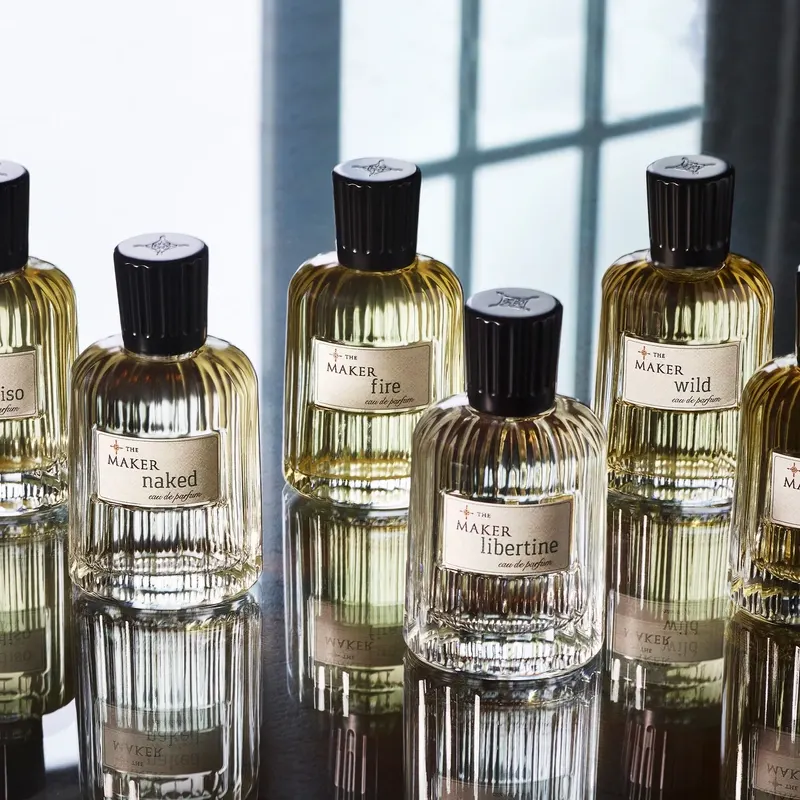
The Maker secured investment from True Beauty Ventures and distribution through Sephora, Bluemercury, Goop and other retailers.
Yet in November 2026, the company announced the closure of its ecommerce and wholesale operations, directing resources toward its hospitality business while leaving open the possibility of a future fragrance revival.
Its experience reveals a fundamental challenge of serial entrepreneurship. Relationships and reputation can accelerate a launch, while sustained performance depends on a new set of customers developing genuine attachment to the product.
A prestigious founder's name may persuade retailers to offer shelf space. Consumers ultimately determine whether the brand deserves to remain there.
For second-time beauty founders, the expectations can become particularly demanding. Their previous achievements establish a public standard against which every new decision is judged.
Perhaps the Exit Was Never the Ending
The increasingly rapid return of beauty founders exposes an interesting contradiction within an industry obsessed with acquisition. Corporate buyers treat successful independent brands as valuable assets to incorporate into larger portfolios. Their creators, meanwhile, may view the transaction as the beginning of another opportunity.
The beauty industry has spent decades celebrating the founder who builds, sells and achieves extraordinary financial success. Yet a growing number of these entrepreneurs appear increasingly interested in the freedom that follows the transaction.
Perhaps a successful exit changes the financial circumstances of beauty founders while leaving their appetite for creation remarkably intact. And perhaps the ultimate expression of entrepreneurial freedom is being able to walk away from an empire, only to discover that building another one is precisely how they want to spend their lives.