How intense can a perfume become? Extrait de parfum is pushing fragrance into an extravagant new era, where every drop promises a lingering obsession.
Can Extrait de Parfum Ever Be Strong Enough?
How intense can a perfume become? Extrait de parfum is pushing fragrance into an extravagant new era, where every drop promises a lingering obsession.
November 7, 2026


How much fragrance can a single bottle possibly contain? Apparently, the perfume industry is determined to find out. Concentrations are climbing, formulas are becoming increasingly elaborate, and bottles promising extraordinary longevity are occupying a prominent place in luxury beauty.
The renewed fascination with extrait de parfum signals an important development in contemporary perfumery. Once associated with traditional fragrance craftsmanship, this concentrated format is attracting established luxury houses, independent perfumers and beauty brands seeking a place in the fragrance market. Industry data suggests that the appetite for intensity has become a substantial commercial movement.
What Exactly Is Extrait de Parfum?
Extrait de parfum, sometimes called perfume extract, describes a fragrance containing a high proportion of aromatic concentrate. This concentrate combines natural materials, such as essential oils and botanical absolutes, with synthetic aroma molecules, blended into a carrier commonly containing alcohol.
Fragrance concentration determines how much aromatic concentrate is present in the finished formula. An eau de toilette commonly contains approximately 5–15%, while eau de parfum typically contains around 15–20%. Extrait de parfum generally begins around 20%, with some contemporary creations reaching an extraordinary 60%.
These percentages are industry conventions, allowing variation between fragrance houses.
The increased aromatic content can influence the richness, development and persistence of a composition. A concentrated formula may emphasize woods, resins, musks and other materials that unfold gradually on skin.
For perfumers, extrait de parfum also presents an opportunity to reinterpret familiar compositions, adjusting their proportions and introducing materials that develop beautifully at elevated concentrations.
Extrait de Parfum Launches Have Increased Sixfold
According to Mintel, fewer than 100 extrait de parfum products launched globally in 2020. By 2025, annual launches had exceeded 600, representing an increase of over sixfold within five years.
This expansion reflects a growing willingness among fragrance companies to experiment with concentrated formulations and introduce premium expressions of existing collections.
Consumer awareness provides another important indicator. Mintel found that 40% of adults aged 18–24 in its surveyed population were familiar with extraits, alongside 7% of adults aged 55 and above.
Carson Kitzmiller, Mintel's associate principal analyst for beauty and personal care, identifies younger fragrance consumers as an important audience for specialized products. Their interest in different scent formats and occasions creates opportunities for brands to develop concentrated fragrances with distinct identities.
Kitzmiller also considers lasting power an important purchasing factor in the American fragrance market, positioning extrait de parfum as a promising source of future growth.
Why Is Everyone Suddenly Obsessed With Longevity?
Fragrance conversations have become increasingly focused on performance. Enthusiasts discuss how long a perfume remains detectable, how its composition evolves and how far its scent travels.
Valeria Acevedo, managing director of fragrance publication Nez, identifies longevity and sillage as influential criteria in contemporary perfume culture.
Longevity refers to the duration a fragrance remains perceptible. Sillage describes the scented trail surrounding its wearer.
These characteristics have become recurring subjects across fragrance communities, where consumers exchange reviews, application experiences and observations about individual perfumes.
Acevedo also connects the extrait revival with niche perfumery and the influence of Middle Eastern fragrance traditions, where concentrated oils and richly developed compositions have longstanding cultural significance.
For brands, this growing attention creates an opportunity to communicate fragrance quality through technical details. Concentration percentages, maturation periods and the selection of precious aromatic materials now contribute to the storytelling surrounding a perfume launch.
The Fragrance Houses Turning Up the Concentration
Several launches in 2026 illustrate how extrait de parfum is expanding across luxury fragrance, niche perfumery and contemporary beauty.
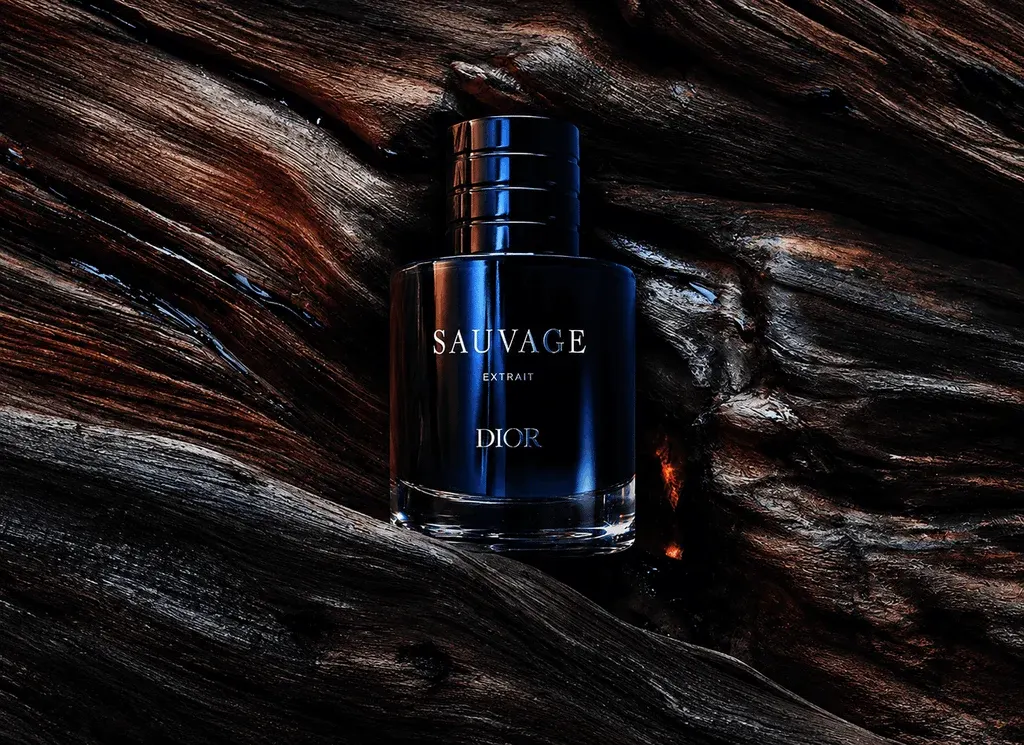
Dior Sauvage Extrait introduces a concentrated interpretation of the house's established masculine fragrance. Created under perfume creative director Francis Kurkdjian, the composition incorporates Vietnamese oud, Indonesian patchouli, Madagascan vetiver and Virginia cedarwood. Dior specifies a 42-day maturation and maceration process, emphasizing the craftsmanship involved in developing the fragrance's woody intensity.
Merit New Wave L'Extrait de Parfum, launched in October 2026, contains nearly 30% aromatic concentrate. Perfumers Dominique Ropion and Meabh McCurtin developed the composition over approximately two years, combining pink pepper, angelica, orange blossom, incense and warm woods.
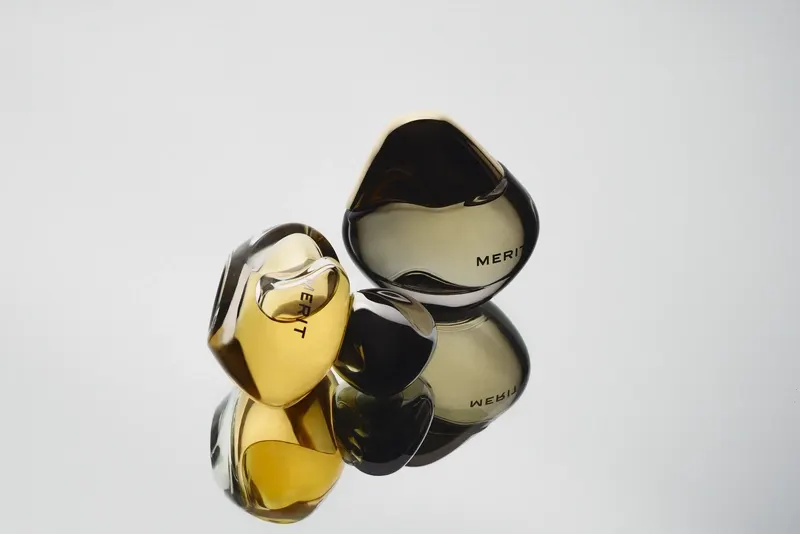
Merit chief executive Philippe Pinatel describes the extrait format as part of the brand's creative ambitions, emphasizing lasting power, skin development and premium positioning. Its $92 price for 30 ml also places concentrated perfumery within a contemporary makeup-led beauty business.
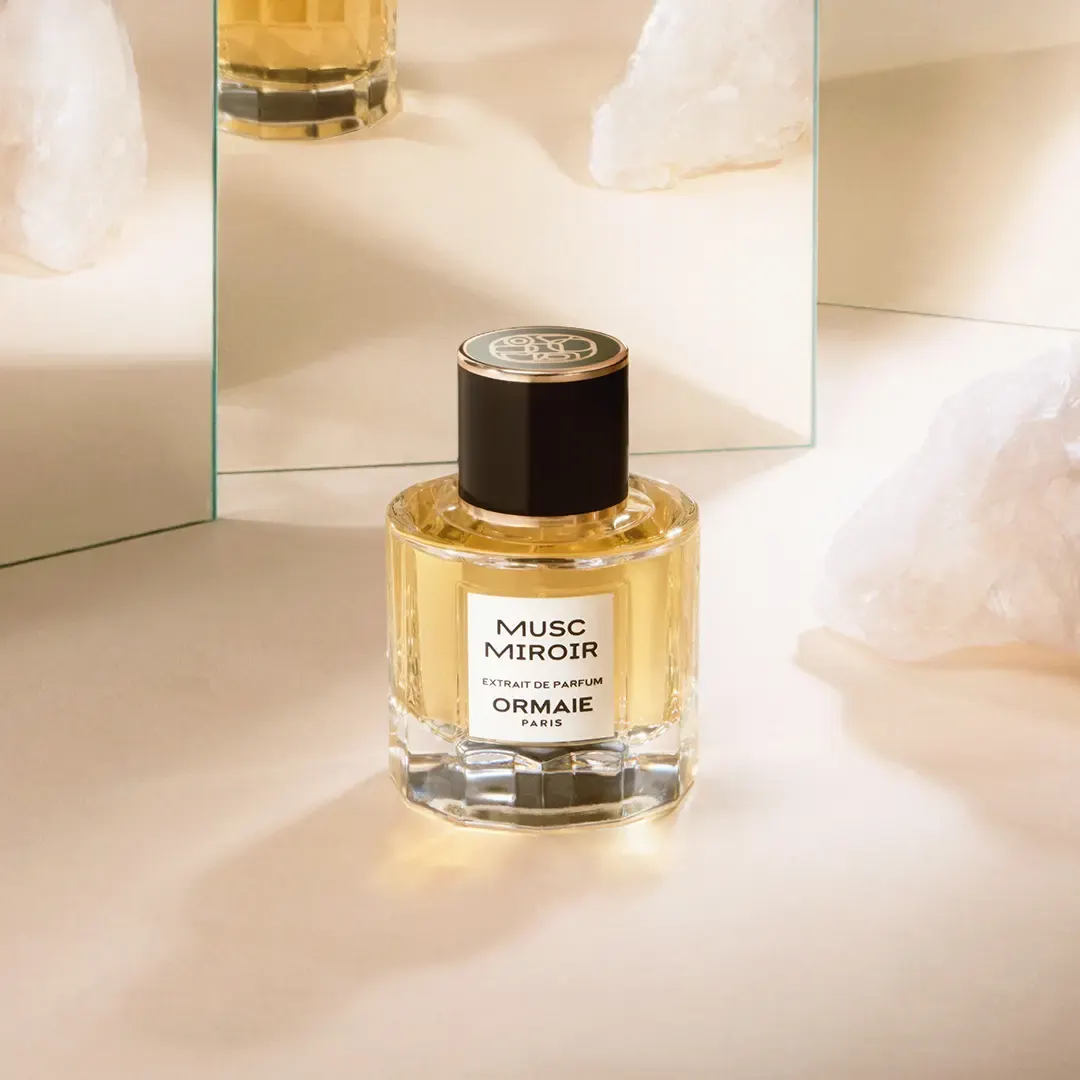
French niche house Ormaie has expanded its extrait collection through creations including Musc Miroir, developed by perfumer Dora Baghriche. The fragrance explores contrasting musk sensations through a milky accord, orange blossom, saffron, sandalwood and ambergris-inspired notes. Its faceted glass bottle and metallic cap reflect the house's dedication to artistic presentation and traditional perfumery craftsmanship.
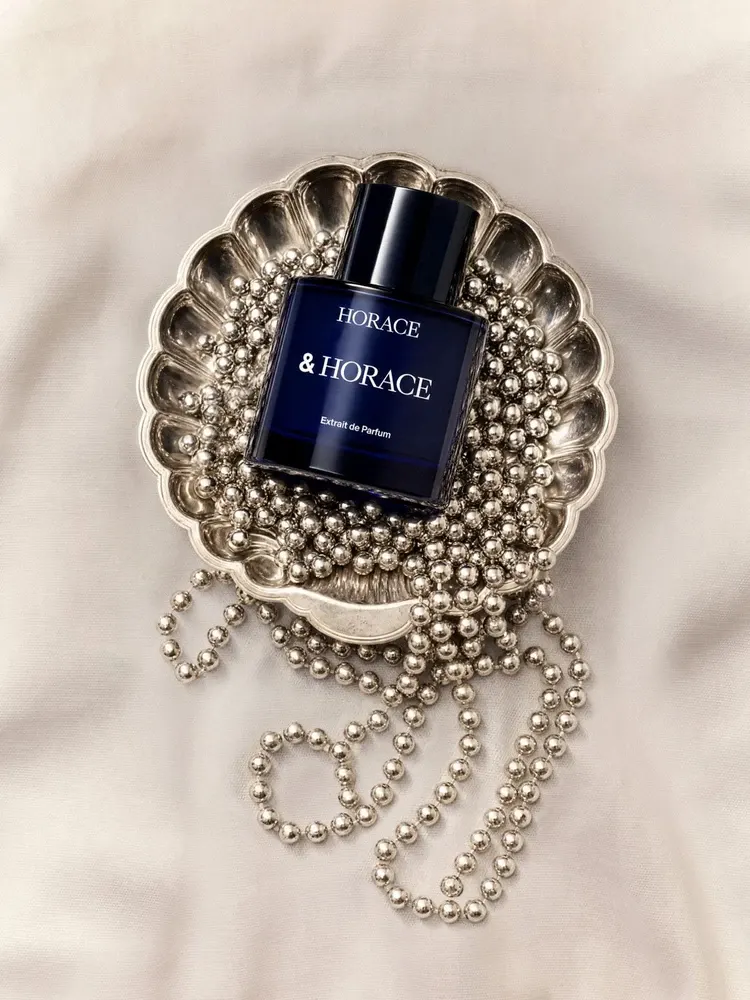
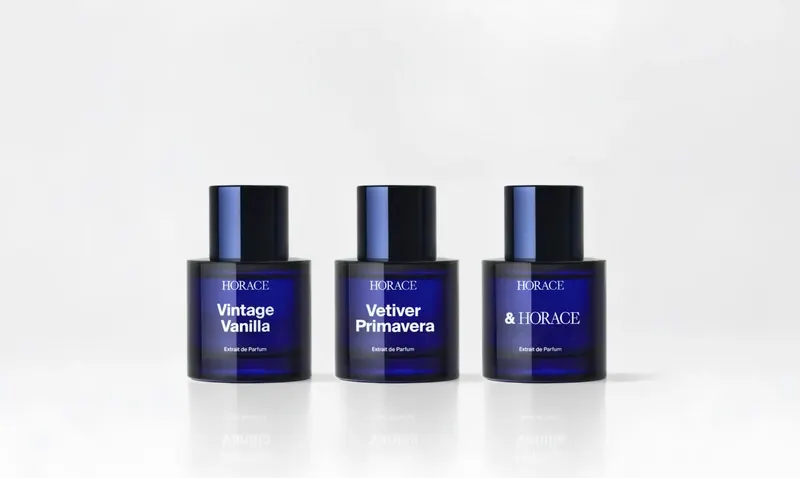
Parisian grooming brand Horace has entered the category with three extraits: &Horace, Vintage Vanilla and Vetiver Primavera.
Vintage Vanilla contains 33% aromatic concentrate, combining coconut, tobacco, vanilla and leather. Vetiver Primavera also reaches 33%, developing citrus and orange blossom around vetiver and tonka bean. Both are manufactured in Grasse, France.
Horace cofounder Marc Briant-Terlet explains that customer requests for increased intensity encouraged the brand to reformulate familiar scents, adjusting aromatic concentration and individual notes.
At the extreme end of luxury, Saujet Lumière d'Azur reaches 60% concentration. Founder Thomas Saujet has positioned this exceptionally concentrated creation around lasting power and exclusivity, with a price of $2,250 for 76 ml.
Does a Higher Concentration Guarantee Lasting Power?
The relationship between concentration and fragrance performance involves several factors.
Different aromatic molecules evaporate at different rates. Volatile citrus materials may create an immediate burst of freshness, while certain woody, musky and resinous ingredients remain perceptible over extended periods.
Increasing aromatic concentration can influence the duration and density of a fragrance, although its projection, development and character depend heavily on the composition itself.
Skin characteristics, temperature and application also affect the wearing experience.
An extrait de parfum may produce an intimate scent that remains close to the body, while another formula creates a pronounced trail. Individual raw materials and their proportions shape these effects.
For consumers, understanding concentration provides useful context when exploring fragrance performance and deciding which scents complement their preferences.
Is Extrait de Parfum Becoming Luxury's New Standard?
The growing popularity of extrait de parfum is also influencing how fragrance houses structure their collections and pricing.
Concentrated editions allow established brands to revisit recognizable scents through different olfactory interpretations. Independent houses can emphasize craftsmanship, complex formulas and distinctive artistic concepts.
Acevedo identifies the format as an opportunity for premium positioning and renewed consumer interest in successful fragrances. She also emphasizes the importance of delivering an experience that supports the product's elevated price.
As fragrance enthusiasts become increasingly knowledgeable about concentration and formulation, transparency may become an important element of luxury perfumery.
The rise of extrait de parfum ultimately reveals an industry fascinated by intensity as both a sensory experience and a commercial proposition. A growing number of consumers are seeking fragrances that develop gradually, remain memorable and accompany them throughout the day.