MENU
Close





One drop of patchouli once carried enough mythology to make an entire generation smell like escape.
One drop of patchouli once carried enough mythology to make an entire generation smell like escape.
August 29, 2026
Advertisement

Advertisement



Close your eyes and follow the bassline through wet grass. Somewhere between incense smoke, crushed leaves, sweat, cannabis haze and a bottle of patchouli scent passed from hand to hand, the late 1960s discovered a smell that felt almost capable of growing roots through skin.
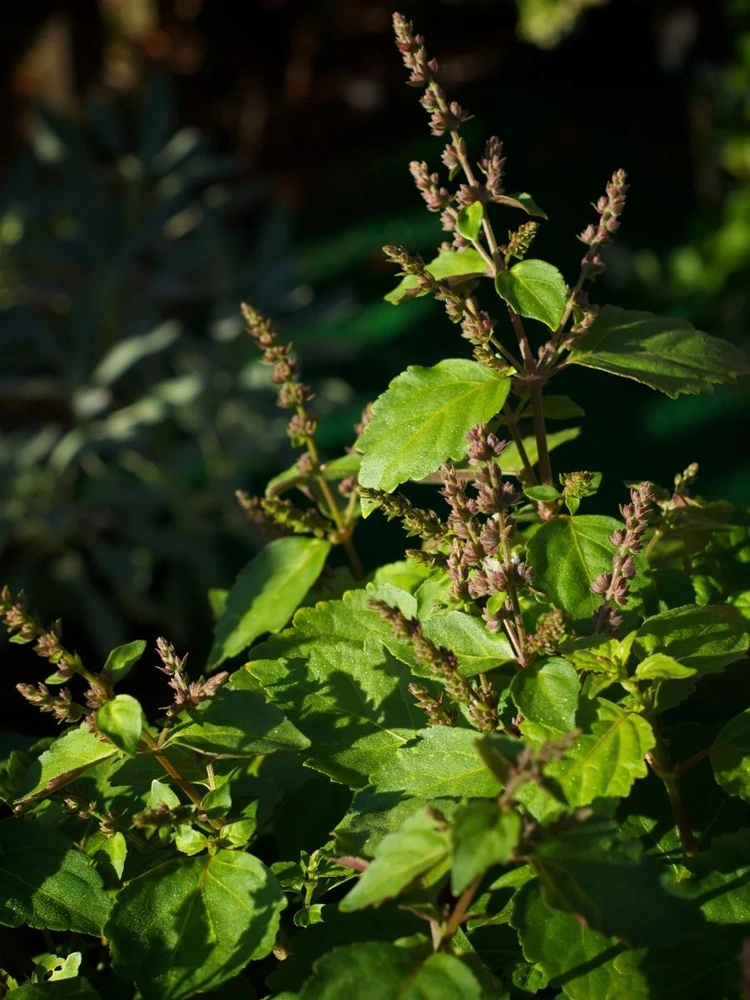
Patchouli arrived in Western culture with distance trapped inside its leaves. Pogostemon cablin grows across tropical Asia, where its deep aromatic character became entangled with textiles, trade and the long movement of objects across continents.
Kashmir shawls traveled with dried patchouli leaves tucked among their folds, protecting precious cloth from insects while leaving behind an invisible signature. By the Victorian era, Europeans could smell patchouli on imported fabrics and read the aroma almost like a passport: somewhere far away had touched this thing.
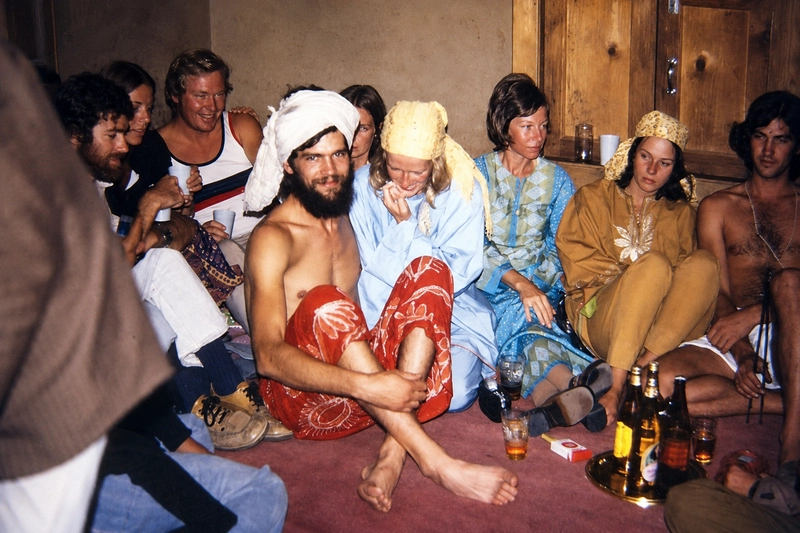
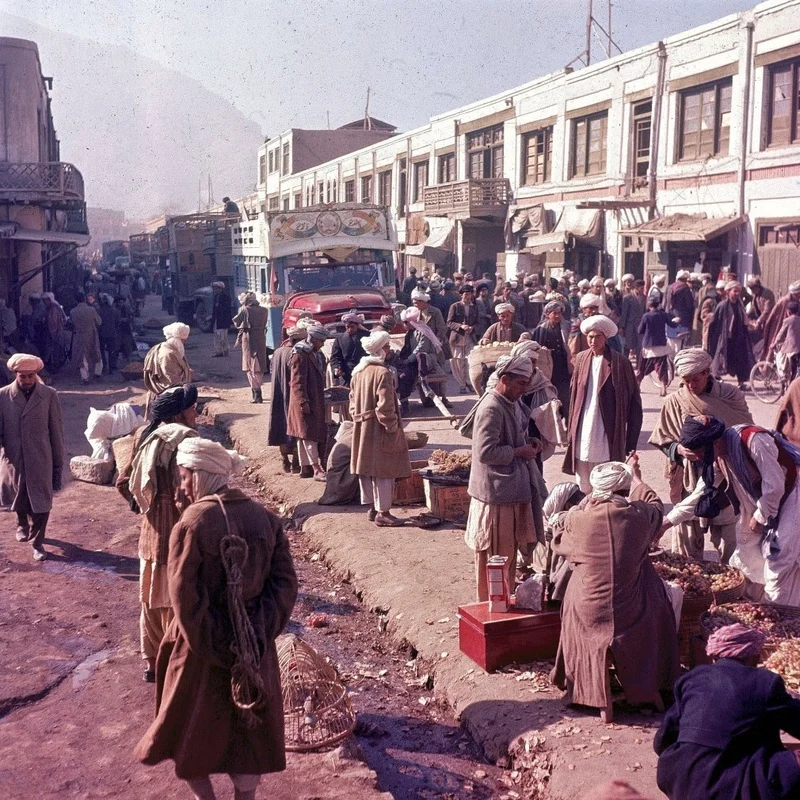
Then the 1960s opened the doors. Young Western travelers moved through Turkey, Iran, Afghanistan, Pakistan, Nepal, and India along what became known as the Hippie Trail. They encountered incense stalls, oils poured into tiny bottles, embroidered cloth, sandalwood, hashish smoke, temples, devotional music, and spiritual traditions that seemed to offer another rhythm of living.
India became especially powerful within the countercultural imagination: meditation, mysticism, communal life, handmade objects, bare feet, vegetarian food, sitars, marigolds, dust.
Patchouli was already waiting there, earthy enough to feel ancient and strange enough to feel like escape.
There are scarves across the lamps, beads scattered on the floor, an Afghan coat hanging from a chair, a sleeping body curled beneath a blanket. Outside, rain has started touching the pavement.
Then somebody opens a bottle of patchouli oil. One drop carries through everything.
French master perfumer, Jean-Claude Ellena, was twenty in 1968, and his memories of the period place patchouli beside musk and sandalwood as scents embraced by young people questioning bourgeois values, authority and consumer society. Their fragrance could come from bazaars and drugstores, where perfume belonged to wandering, discovery, and touch.
Flower power had found its smell.
Patchouli spoke the language already flowing through communes, music festivals and psychedelic culture: return to the earth, follow instinct, travel light, let the body breathe, search for something sacred beneath the machinery of modern life.
Its darkness made that dream physical. Patchouli could smell damp, woody, camphoraceous, mossy, medicinal, smoky. There is something almost subterranean inside it, the scent of turning over a stone after rainfall and finding the earth underneath still breathing.
By the summer of 1969, counterculture already had its own visual grammar. Long hair. Bare skin. Denim softened through years of wear. Crochet. Fringe. Indian cotton. Army surplus. Handmade jewelry. Flowers pushed behind ears. Clothes carried the geography of flea markets, road trips and secondhand shops.
Patchouli fit because it behaved with the same lack of restraint.
The essential oil has remarkable tenacity. Once it touches fabric or skin, its presence settles deep. The smell expands outward, then remains long after the first rush has softened.
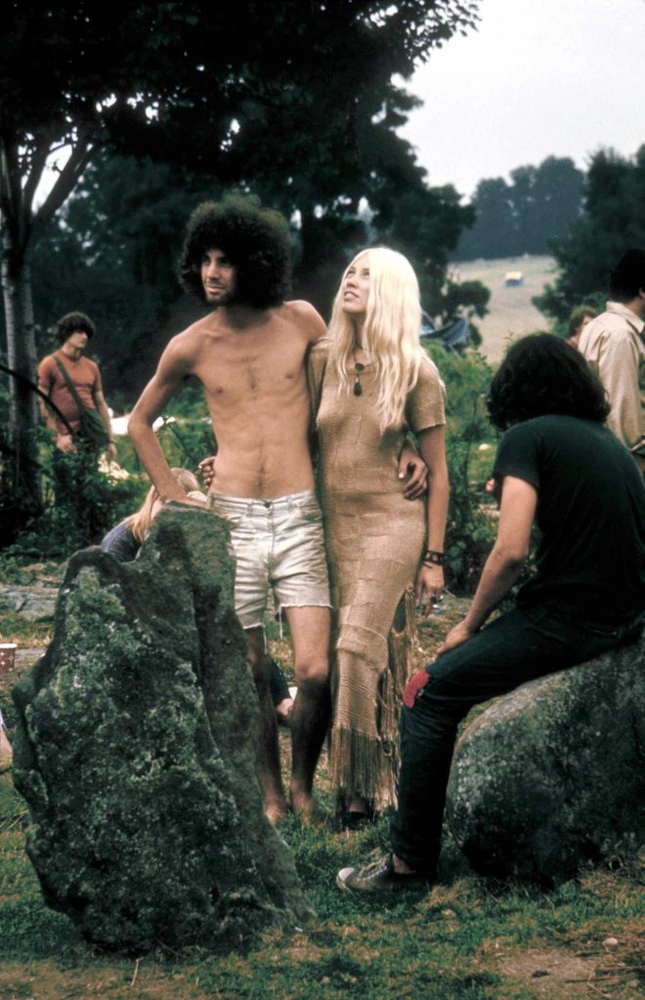
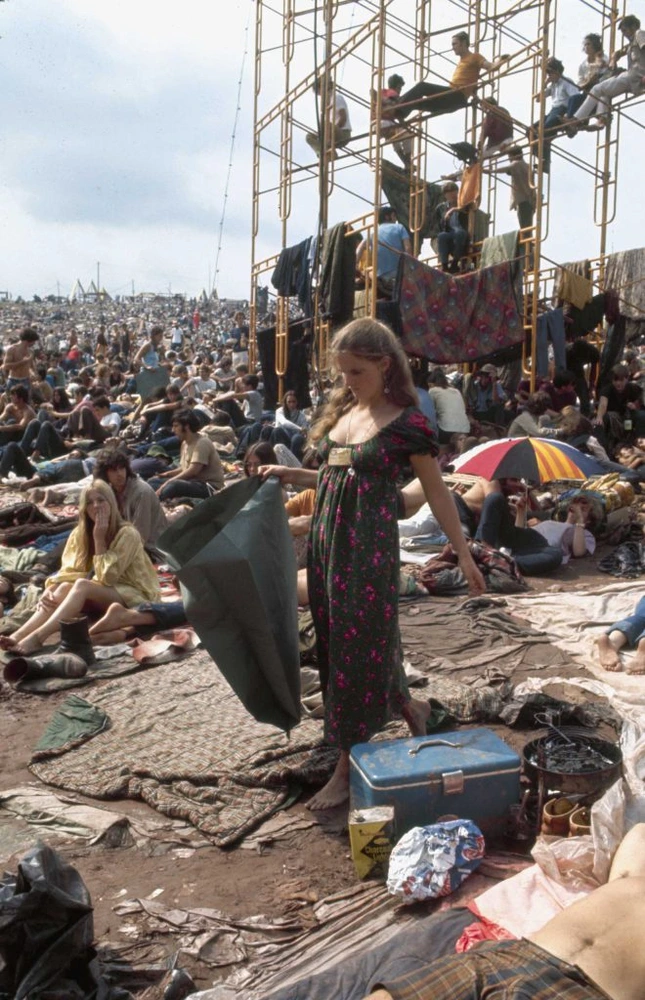
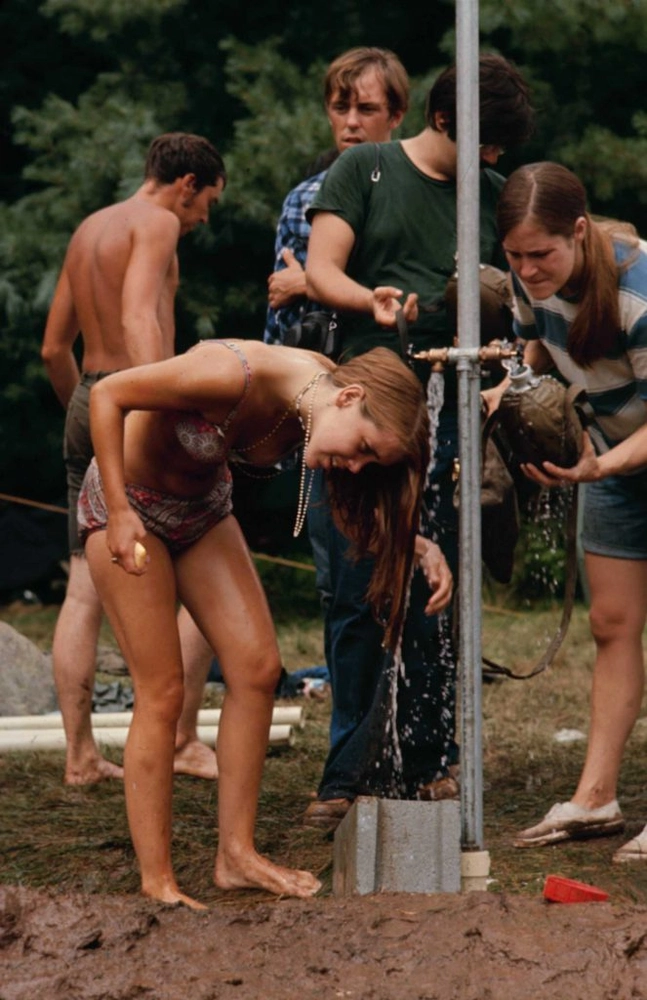
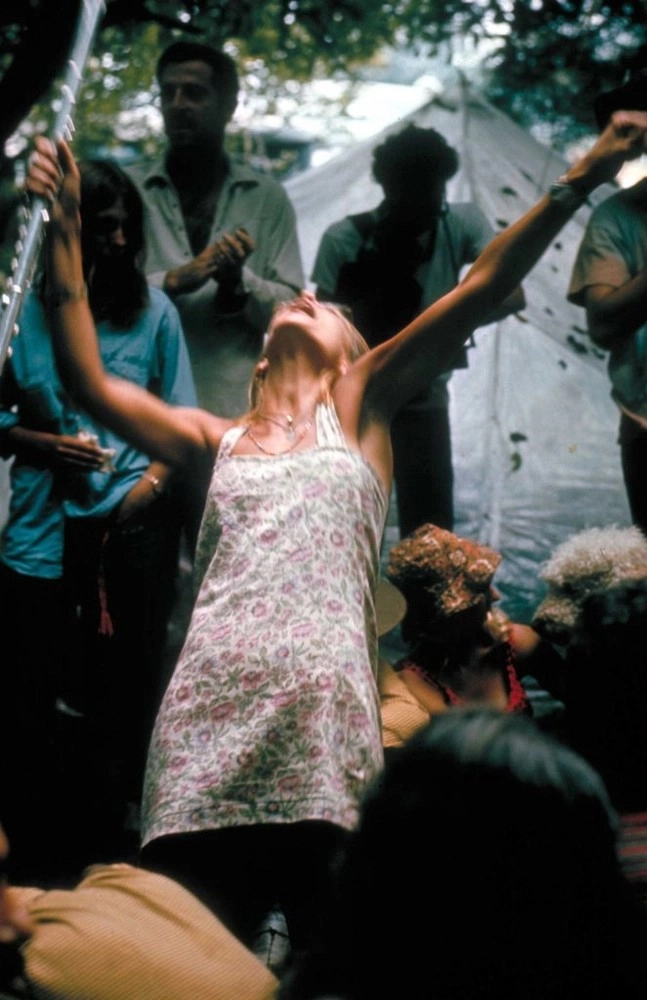
Imagine a festival field after rain. Mud between toes. A guitar screaming somewhere beyond the crowd. Bodies pressing shoulder to shoulder. Sweet smoke drifting through the air. The hippies dancing with their eyes closed, hair stuck against their cheeks, feeling the rhythm move through the ribs before the mind has time to name it.
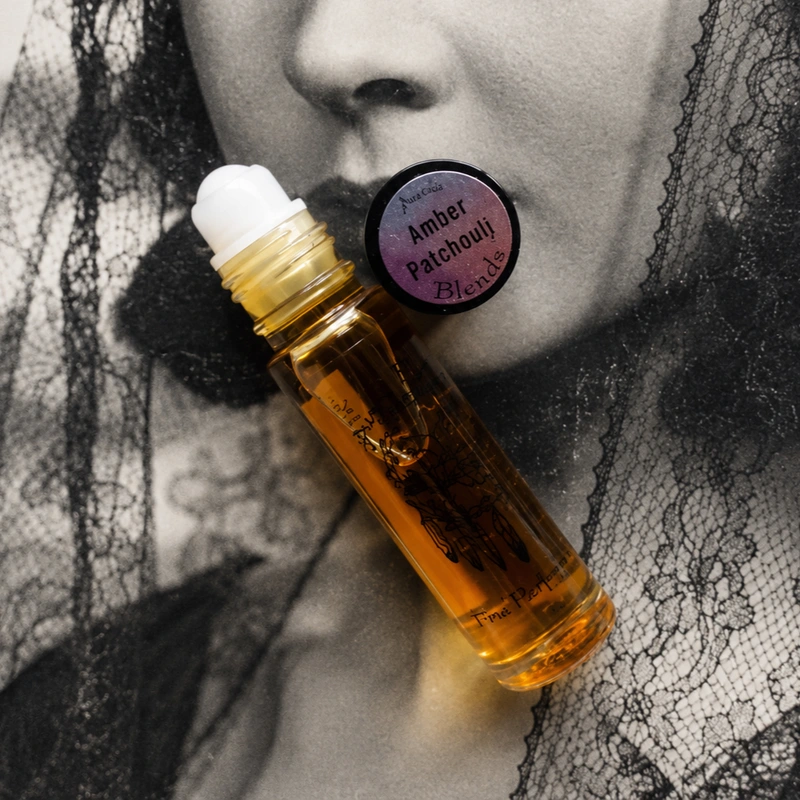
Patchouli survives inside that world because it seems built from the world itself.
A faint medicinal sharpness that keeps the sweetness from becoming comfortable.
The association between patchouli and cannabis grew inside this environment as well. Stories circulated about patchouli oil masking the scent of marijuana, strengthening the cultural bond between the ingredient and the hippie stereotype. Whether through practical use or collective memory, the two smells became intertwined inside the popular imagination: green smoke drifting upward, dark oil settling downward, both attached to a generation chasing altered consciousness.
Patchouli carried the high back into the skin.
Classic chypre architecture traditionally gathers bergamot, labdanum and oakmoss around a tension between brightness and shadow.
Patchouli deepens that shadow. Its woody, mossy gravity gives flowers somewhere to fall, extends the dry forest-floor effect and leaves a pulse on skin long after brighter materials have lifted away. As natural oakmoss use became increasingly restricted, patchouli gained even more importance in modern chypre construction, often working with contemporary mossy materials to preserve that sense of damp woodland depth.
Fresh patchouli leaves carry surprisingly little of the smell people instantly recognize. Their famous character develops through drying, then hours of steam distillation. Roughly 200 kilograms of fresh plant material can become around 50 kilograms of dried patchouli, yielding about one kilogram of essential oil.
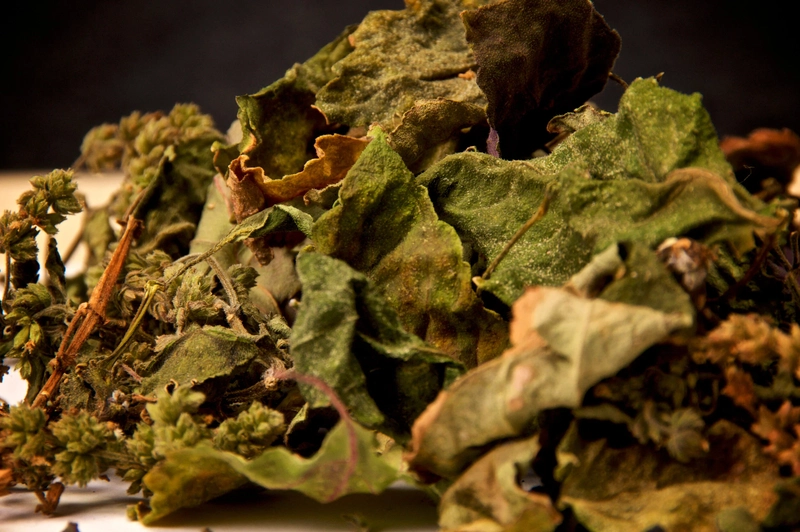
Inside that oil lives a dense molecular crowd, led by patchoulol alongside sesquiterpenes such as α-guaiene, α-bulnesene and seychellene. Tiny trace molecules can carry enormous olfactory power, giving the final oil its strange mixture of soil, camphor, wood, spice and humid darkness.
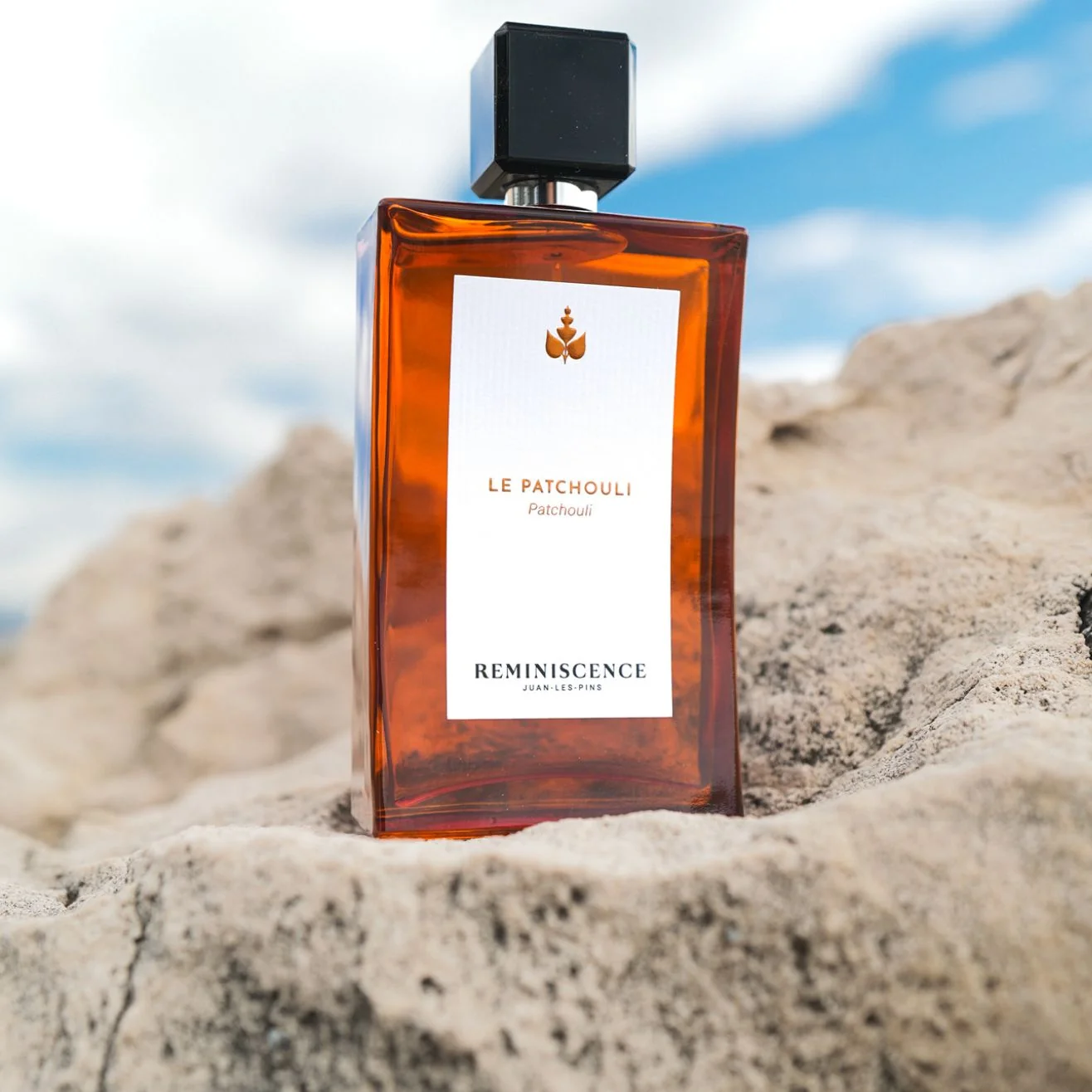
Réminiscence understood how seductive that darkness could be. Its Le Patchouli placed the note at the center of an early-1970sbohemian fantasy, surrounding it with cedarwood, sandalwood, vetiver, vanilla, tonka bean, labdanum and balsamic warmth. The fragrance still feels close to the oil bottle passed across a floor cushion, yet the composition gives that wildness architecture. The hippie has entered perfume without washing the forest from their skin.
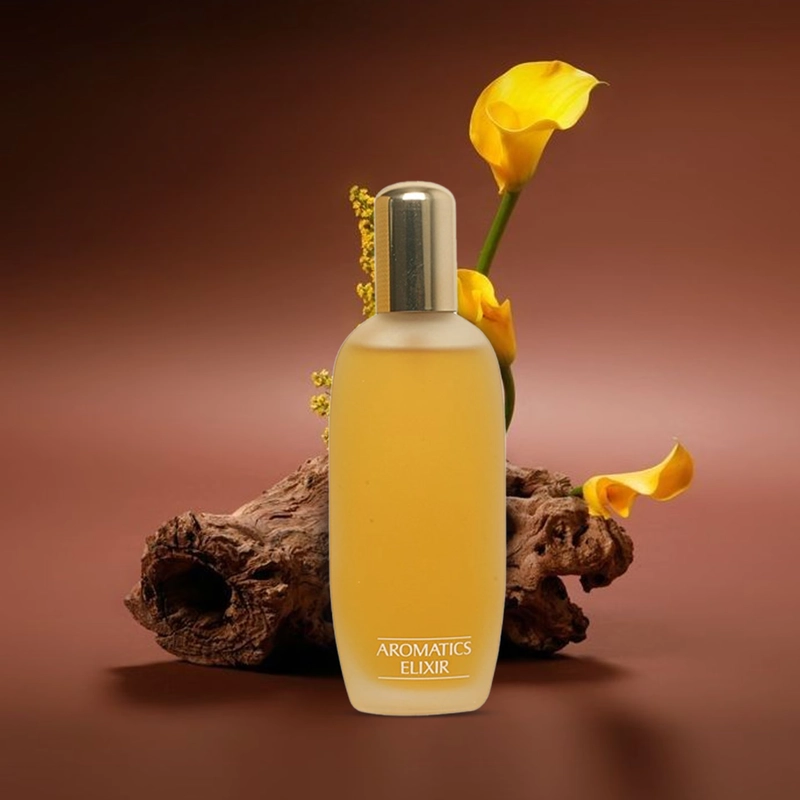
Clinique Aromatics Elixir, launched in 1971, takes the transformation deeper into chypre territory. Patchouli moves through herbs, flowers, mossy darkness and resinous depth, carrying an almost medicinal, witchy quality that feels wonderfully alive. Here the note becomes both memory and machinery: the smell of counterculture folded into a structure perfumers could build upon.
Then came Mugler Angel in 1992. Patchouli met praline, vanilla, caramelized sweetness and the futuristic excess of a blue star bottle. The encounter changed the emotional temperature of the ingredient.

The freedom once expressed through damp earth became another kind of abandon: sugar, projection, appetite, pleasure pushed toward delirium.
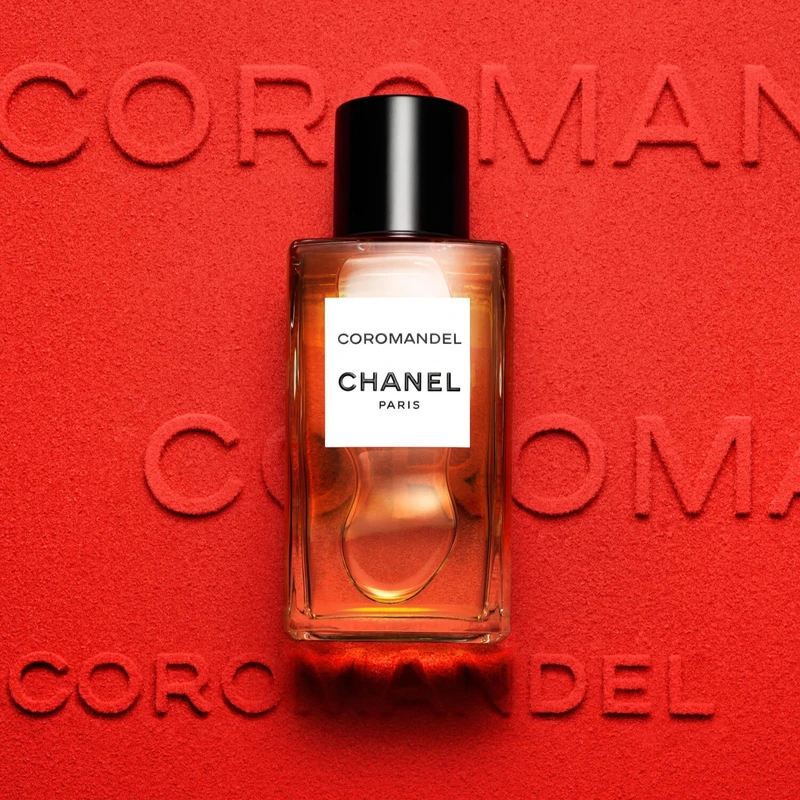
Chanel Coromandel sends that same instinct into yet another world. Patchouli folds into benzoin, vanilla and ambered warmth, inspired by Gabrielle Chanel's lacquered Coromandel screens. The earthy traveler enters a Parisian apartment filled with glossy surfaces and precious objects. Resin replaces festival mud. Lacquer catches the light. Somewhere underneath the polish, the soil continues breathing.
Modern perfumery has given those memories new textures. Patchouli now moves through amber, praline, vanilla, roses, leather, clean woods and biotech molecules with remarkable fluency.
Yet the ingredient still carries a primitive tug toward the ground. Perhaps that is why patchouli keeps returning whenever perfume begins to feel too polished. One breath can open a trapdoor beneath refinement and let the forest back in.
A modern patchouli scent may arrive dressed in couture, glazed in vanilla and glowing beneath a chandelier, yet somewhere inside that bottle the music is still playing, the grass is still wet, somebody has lit another stick of incense, and a barefoot hippie is dancing so hard that the earth seems to move with them.
Advertisement