MENU
Close





In the bakhoor ritual, fragrance begins without the perfume bottle ever appearing. Smoke moves through hair, settles into fabric, warms against skin, and turns scent into something that wears with the body for hours, sometimes until the next wash.
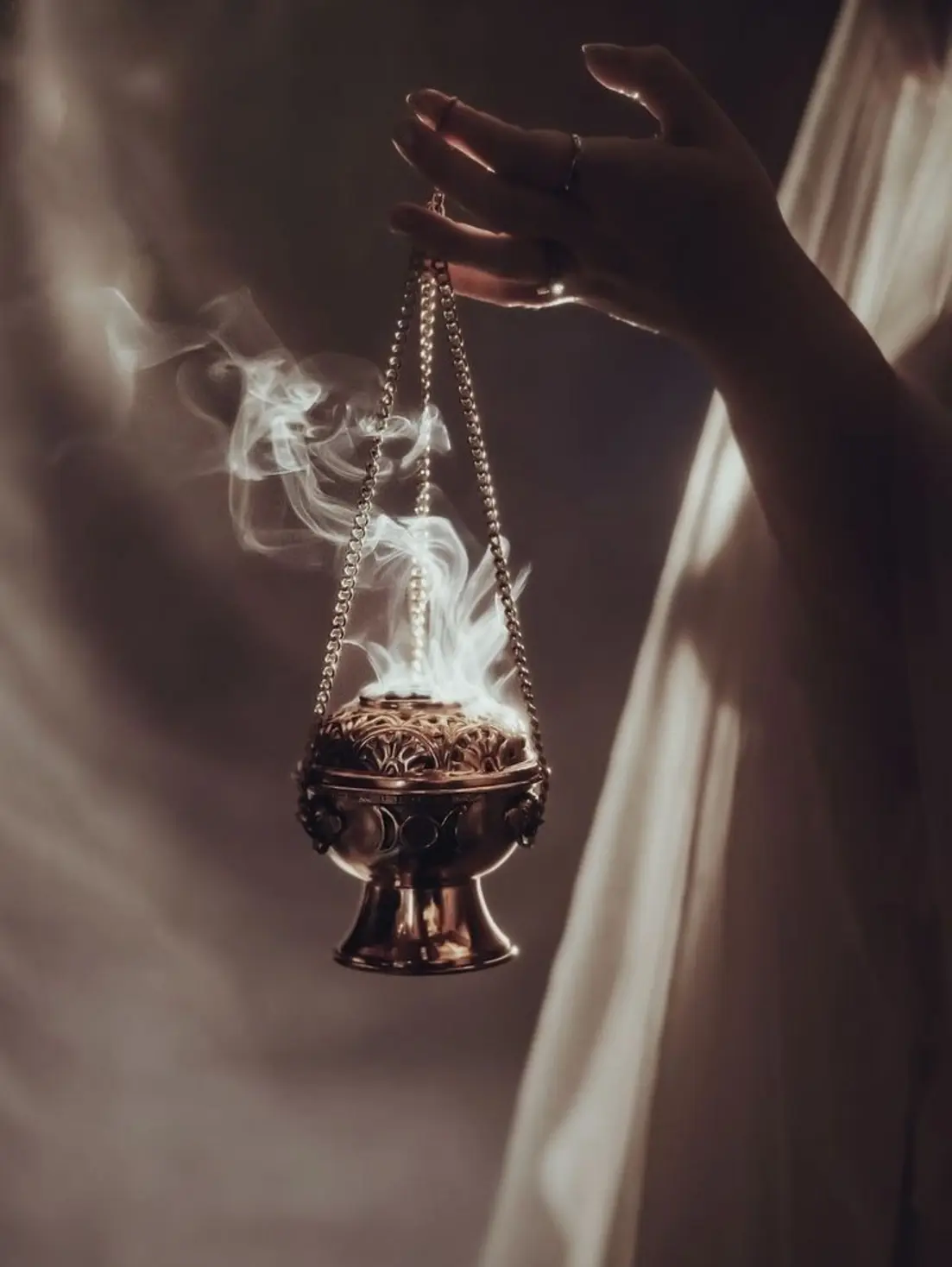
In the bakhoor ritual, fragrance begins without the perfume bottle ever appearing. Smoke moves through hair, settles into fabric, warms against skin, and turns scent into something that wears with the body for hours, sometimes until the next wash.
March 24, 2026
Advertisement

Advertisement



Come in. Leave the bright, hurried world at the door. Inside, the air moves differently. It carries sweetness with shadow, warmth with wood, rose with ember. Before tea is poured, before silk rustles across the room, before a single greeting lands, the bakhoor ritual has already entered the room, wrapping the home in oud that feels ceremonial. It has entered first, soft and certain, making the house feel inhabited in a deeper way, as though scent itself was part of the welcome.
In many Middle Eastern homes, perfume begins here: with smoke.
A mabkhara, sometimes small enough for the hand and sometimes ornate enough to feel like an heirloom, glows quietly in the room. Inside it, bakhoor burns slowly, releasing fragrant smoke from wood chips soaked in oils such as oud, amber, musk, rose, or sandalwood. The effect feels intimate and theatrical at once. Smoke curls through sleeves, settles into hems, lifts toward the hair, lingers in curtains, cushions, corridors. It scents the room, then the body, then the clothes, until the line between person and atmosphere grows beautifully thin.
This ritual holds a practical intelligence beneath its beauty. Anyone who has spent time near cigarette smoke knows how stubbornly it clings to hair and fabric. Middle Eastern scent culture transforms that same principle into something exquisite. When the smoke comes from bakhoor rather than tobacco, the result feels lush, warm, and addictive. The fragrance settles into garments and hair with a persistence that alcohol-based perfume rarely achieves on its own. A sprayed perfume can bloom brightly, then thin out as the alcohol lifts away through the day. Bakhoor works differently, the scent holds there and keeps unfolding. Hours later, when body heat rises or hair moves across the shoulders, it returns in small waves.. It catches in lengths of the hair, the scarf, the abaya, sometimes until everything is washed clean again.
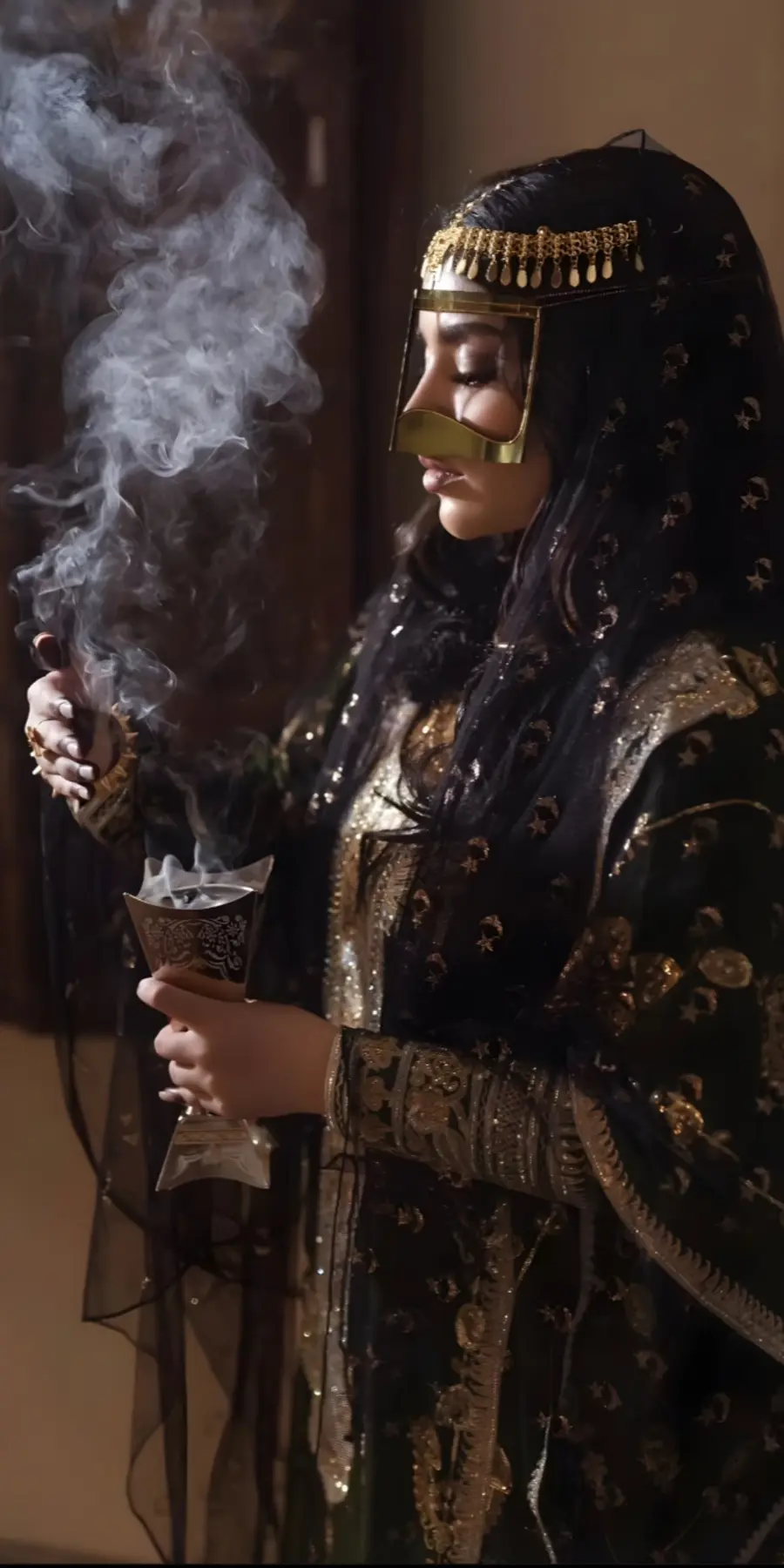
That is one reason women from the region so often seem to radiate fragrance rather than merely wear it. The scent feels fused with them. It rises when they move, it lingers when they leave. It gives the impression that their skin, clothes, and hair have somehow learned to breathe perfume in patience.
There is something beautiful in that sense of waiting and longing. Skin is warm and alive, which makes it beautiful for perfume, yet also fleeting. Hair and fabric, by contrast, hold scent like it's worthwhile like a friend. Bakhoor turns those surfaces into memory keepers. A woman passes her dress through smoke, letting it gather in the folds, under the sleeves, along the hem. She lifts her hair and allows the scented air to move through it so that the fragrance settles there and lives there, deepening with time instead of flashing and fading in one quick arc.
That slowness is part of its seduction.
Modern fragrance culture often lives by speed: a bottle, a mist, a polished burst before the door closes behind you. Bakhoor belongs to another rhythm. It asks for a pause. It turns preparation into atmosphere, into gesture, into a small ceremony. A woman stands over the smoke and lifts the edge of her abaya, or moves her hair so the scented air can pass through it, or lets the folds of a dress gather the fragrance as though collecting a secret. The act feels practical, sensual, and faintly sacred all at once.
If you were the guest watching closely, you would notice that the ritual begins with what lasts longest. The hair is lifted first or the garment is guided through the smoke before dressing is complete. There is instinct in that order. Hair carries fragrance with extraordinary loyalty. It moves, warms, and releases scent gradually across the day. Every turn of the head can become part of the perfume’s trail.
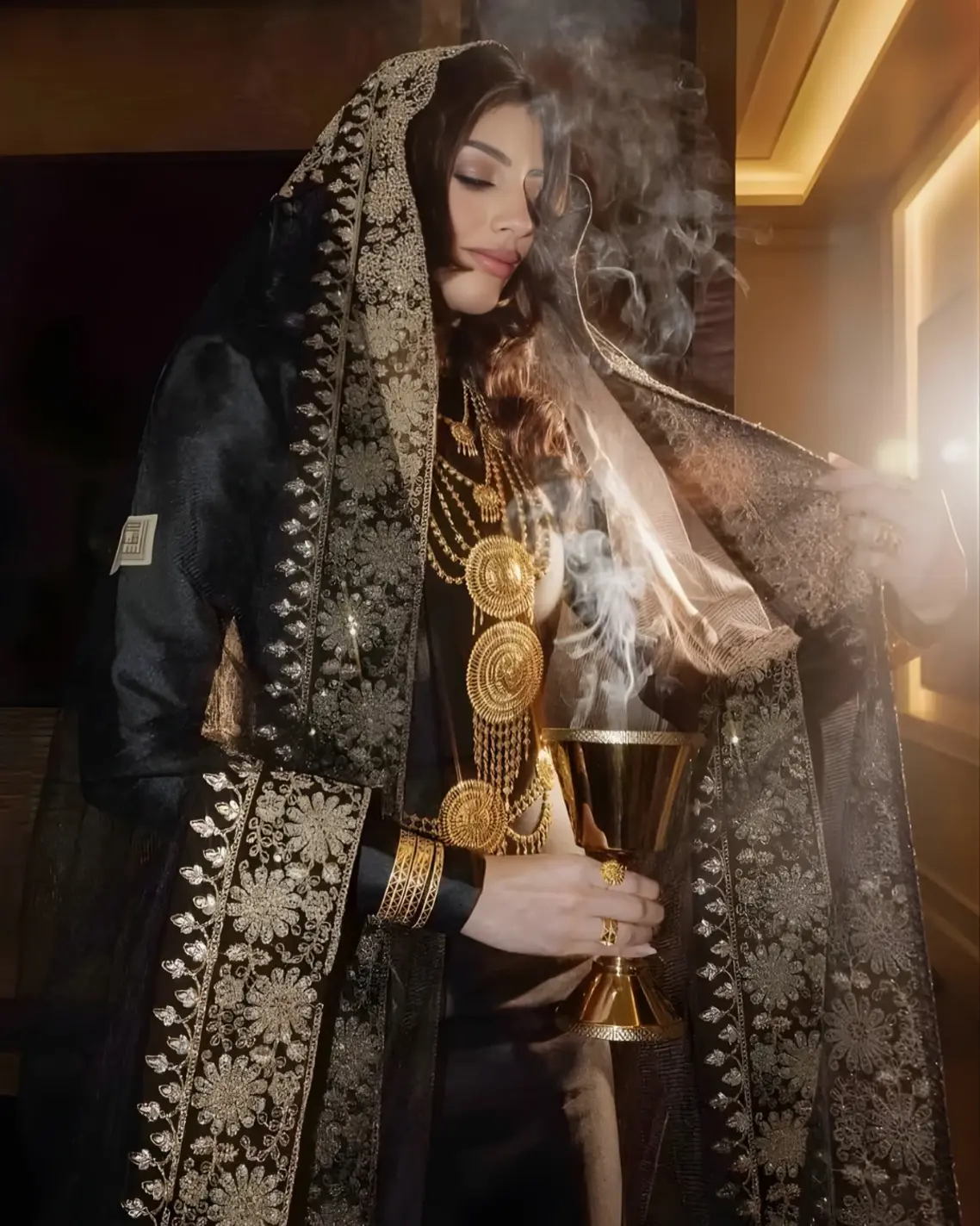
The smoke passes under the hair rather than swallowing it whole. That detail matters. Bakhoor works best when it veils the hair with warmth instead of saturating it. The result feels diffused and expensive, more aura than cloud. It is the difference between perfume that announces itself immediately and perfume that keeps being discovered. Fabric comes next, especially collars, sleeves, veils, shawls, and the inner folds of clothing where scent can settle close to body heat. As the day goes on, that fragrance warms gently against the skin. It creates a softer kind of projection, one that feels intimate up close and persistent from morning into night. This is why bakhoor can make someone seem naturally fragrant. The scent is woven through everything that moves with her.
Only after smoke has done its slower, deeper work does perfume touch the skin. A drop of attar at the wrists, behind the ears, at the throat. Here the ritual changes register. Smoke belongs to aura; oil belongs to pulse. Smoke creates the atmosphere around a woman, while attar lets fragrance become private, body-warmed, almost secret. And then, only at the end, comes the final veil: a mist on the clothes or in the hair, the note that will travel furthest when she steps outside. In this order, scent gains depth. Smoke stays close to fabric, oil blooms with heat, spray catches the air. Together they create a fragrance that feels lived in rather than simply applied.
Then comes layering, which gives the ritual its depth.
After the smoke has settled into cloth and hair, perfume begins closer to the skin. Attar, a concentrated oil perfume, touches the pulse points: wrists, throat, behind the ears, sometimes the inner arms. Here the scent warms with the body. Hair mist follows, adding softness and movement, and finally a perfume spray lands on clothing, providing lift and projection. Each stage serves a different purpose. Smoke forms the base, embedded in fabric and memory. Oil creates intimacy. Spray gives the scent its outward trail. Together, they build something far more dimensional than a single burst of perfume ever could.
This is where oud often becomes the star. Its presence, woody, resinous, slightly sweet, sometimes velvety, sometimes smoky, gives Middle Eastern fragrance much of its recognizable richness. Yet oud is only part of the story. What makes the scent feel so distinct is the architecture around it. Fragrance becomes layered like a room lit by several lamps rather than one. The order matters because each layer lives in a different place. Bakhoor settles into hair and fabric, where longevity begins. Attar rests on pulse points and melts into warmth. A final mist gives the fragrance air and reach. Together, these layers build a scent that has body, glow, and trail.
There is also a tactile beauty to the process. Oil leaves a sheen of fragrance close to the skin. Smoke wraps the garment in softness. The final spray catches the outer edge of the look, almost like the finishing light on makeup. Each part shapes the way perfume wears, projects, and lingers.
This is where oud often becomes the star. The most beautiful bakhoor rituals often rely on contrast and texture. Oud gives depth and shadow. Rose softens the wood with velvet and bloom. Amber adds warmth that feels golden on skin. White musk brings a clean, creamy intimacy, the kind of scent that clings beautifully to hair and scarves. Sandalwood smooths everything out and gives the blend a polished finish. Saffron introduces heat, a dry glowing richness that makes the whole fragrance feel dressed up.
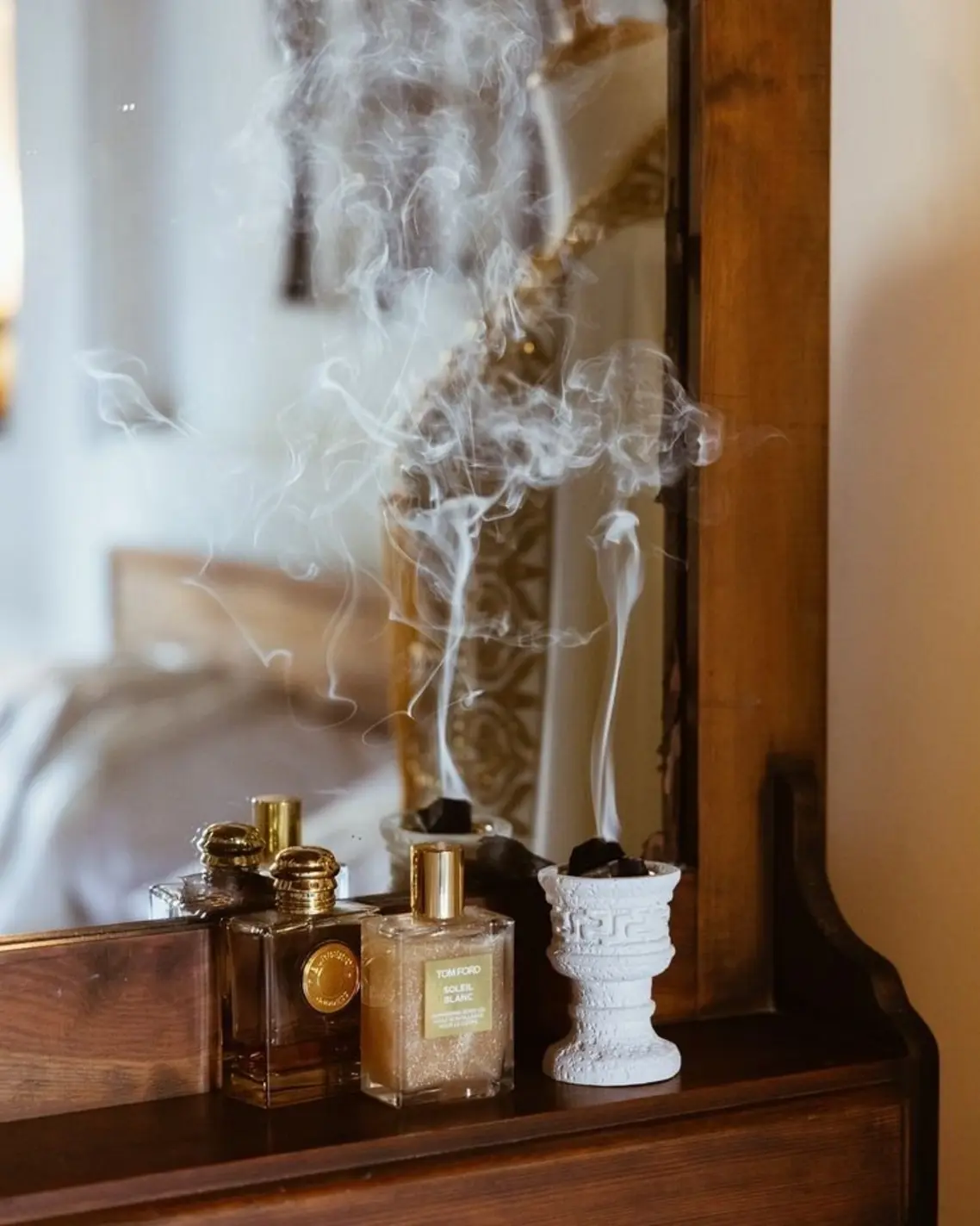
For hair, softer woods, white musk, rose, and amber create a trail that feels elegant and fluid. For clothing, oud, saffron, and deeper resins hold beautifully in the fibers and last for hours. For skin, attars with musk, rose, sandalwood, or amber give the fragrance a body-warming sensuality that grows more luminous with wear.
This is part of the artistry. A woman can choose the scent according to the effect she wants on the body. Something musky and creamy feels close, polished, and irresistible at an intimate distance. Oud with saffron or darker amber creates drama and leaves a more memorable wake. Rose threaded through smoke gives romance a darker edge, lush and grown-up, never too sweet.
And that, perhaps, explains why this scent culture feels so captivating to outsiders. It does announce itself in one sharp line. It surrounds. It trails behind silk. It rises when someone moves. It returns when a sleeve brushes past. You do not merely smell the perfume. You enter its weather.
There is also a social beauty to the ritual, one that says much about hospitality and care. In gatherings, the mabkhara may be passed among guests, especially in Gulf traditions, the smoke offered almost like a blessing. A host carries it carefully, sometimes suspended by chains that allow the burner to sway with ease and grace, and guests draw the smoke toward themselves, scenting their clothes as part of the evening’s rhythm. The gesture feels elegant, though elegance here comes with warmth rather than distance. To share scent is to share space, attention, welcome. Before conversation deepens, fragrance has already extended the hand.
From a beauty perspective, bakhoor changes the whole structure of projection. Instead of one strong top layer fading through the afternoon, the fragrance comes alive in stages. The hair releases one version. The scarf releases another. The skin gives something warmer and closer. Projection becomes more dimensional because the scent is living in several places at once.
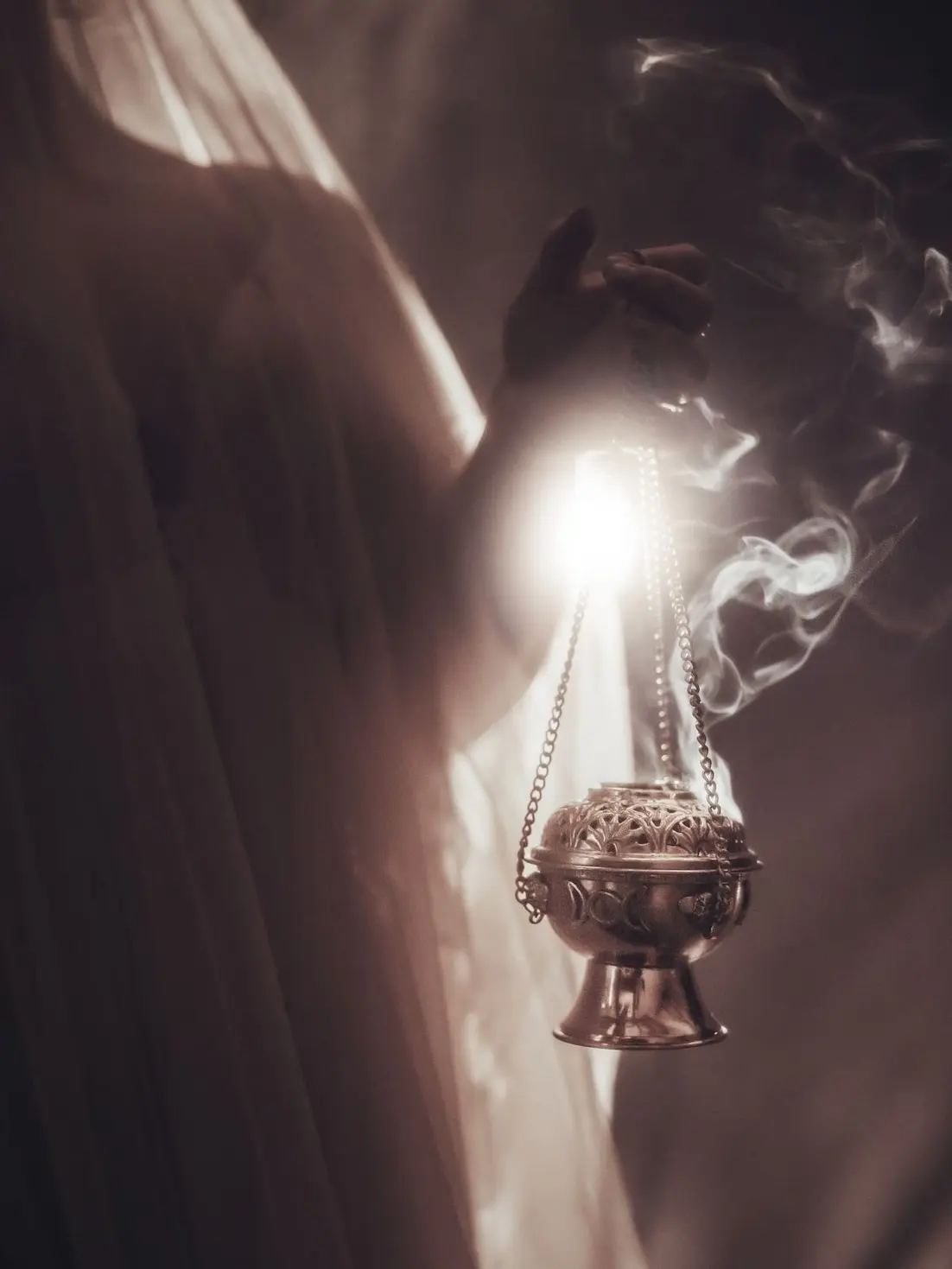
That multi-point wear also changes sillage, the trail left behind in motion. A sprayed perfume may sit mainly on the skin or on the surface of clothing. Bakhoor creates movement through the whole silhouette. Hair carries it when the head turns. Fabric breathes it out while walking. Pulse points give it warmth during close conversation. The scent follows the body in a more fluid, sensual way.
There is also a social beauty to the ritual, one that says much about hospitality and care. In gatherings, the mabkhara may be passed among guests, especially in Gulf traditions, the smoke offered almost like a blessing.
Even here, the ritual of passing the mabkhara among guests is a way of refreshing the hair, the garments, the outer layers of the scent wardrobe. It is fragrance touch up in a far more elegant form. No one reaches for a bottle and breaks the mood. The smoke simply moves through the room, and beauty is renewed in the air.
That is part of its symbolism too. Bakhoor suggests adornment that lives in rhythm with the body, with movement, with presence. It turns scent into something more immersive and more personal. You wear it in your hair. You wear it in the lining of your clothes. You wear it in the warmth of your wrists. Fragrance becomes less like an accessory and more like a second skin.
Luxury, in this world, takes on a different meaning. It does not rely on visibility alone. Its richness lives in experience, in the closeness required to understand it fully. The finest impression may be the one caught only when someone leans nearer, or when a scarf keeps the warmth of smoke hours later.
That is what makes bakhoor feel so aligned with beauty at its most intimate. The effect stays close to the body, though it never feels flat. It glows from the hair, blooms from the skin, and lingers in the fabric that frames both. The finish is rich, soft, and unmistakably sensual.
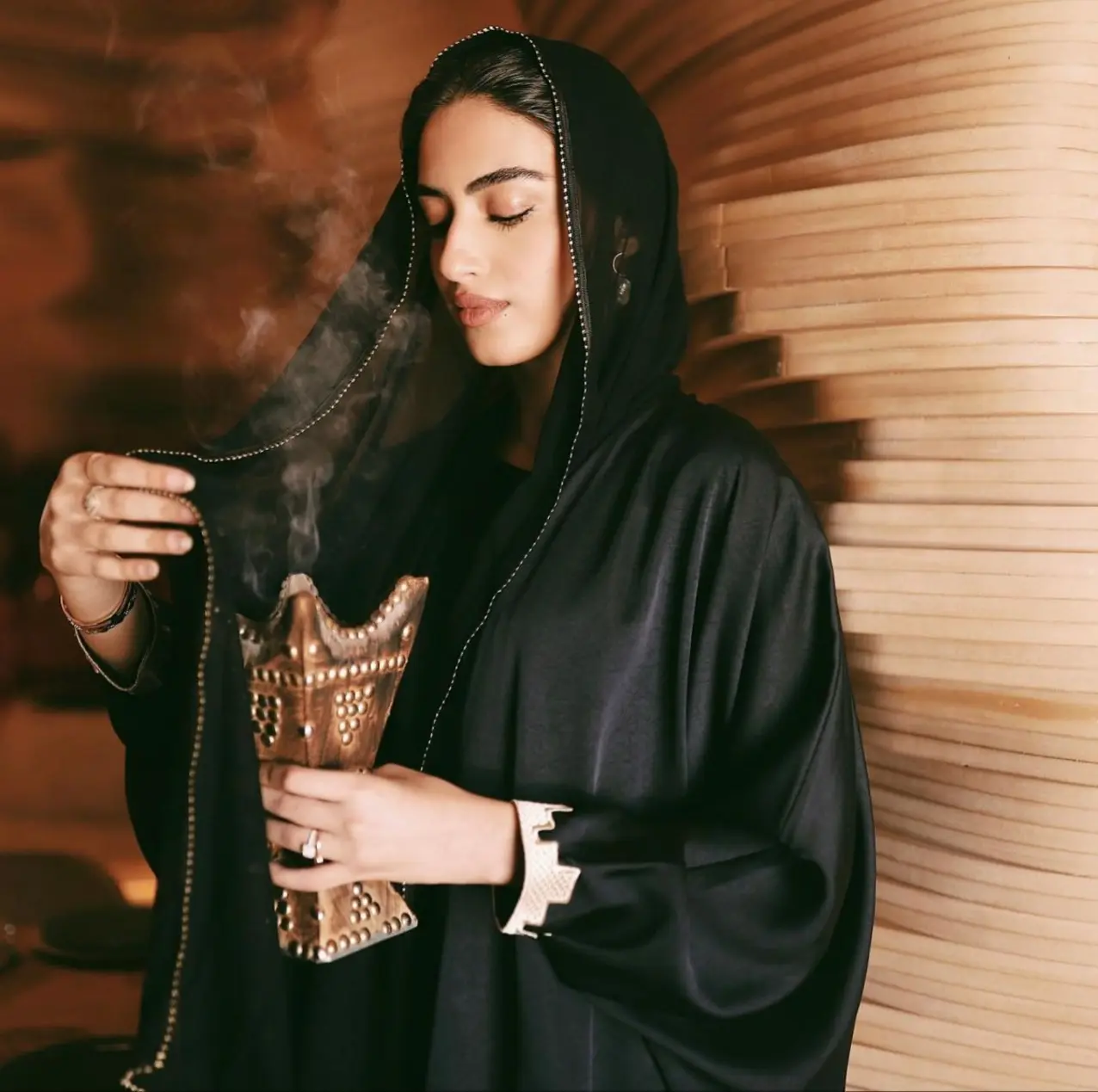
Even the object itself, the mabkhara, carries that duality of beauty and purpose. Some are simple. Some gleam with metalwork, stones, carved ornaments, or the jewel-like flourish of ceremonial design. And perhaps that is the deepest appeal of the ritual. It makes getting ready feel like becoming. The woman who passes through bakhoor does not simply finish dressing; she completes an atmosphere around herself. Her scent begins long before she arrives and stays after she leaves.
She leaves with perfume in her hairline, smoke in her sleeves, warmth at her pulse points, and a fragrance trail that keeps changing with every movement. That is the real seduction of the bakhoor ritual. It does not sit on the body. It moves with it.
So when a guest enters a home perfumed with bakhoor, she receives more than fragrance. She receives a softness, a signal that care has already been set into the air.
And when she leaves, she carries some of it with her.
A little smoke in the hem. A little oud in the hair. A little shadow warmed into silk.
By then, the beauty effect is complete. Hair holds the memory. Skin gives it heat. Fabric keeps the trail alive. Perfume has become something worn in layers, lived in for hours, and remembered as part of the bakhoor ritual itself.
Advertisement