MENU
Close





Walk into the museum of perfume naming and the first thing you realize is that bottles almost never begin with scent alone. They begin with language. A name arrives first, and with it a temperature, a room, a woman, a landscape, a private mood. In niche perfumery, especially, names rarely behave like labels. Instead, fragrance taxonomy operates more like little openings in the wall, each one asking you to peer through and imagine life on the other side.
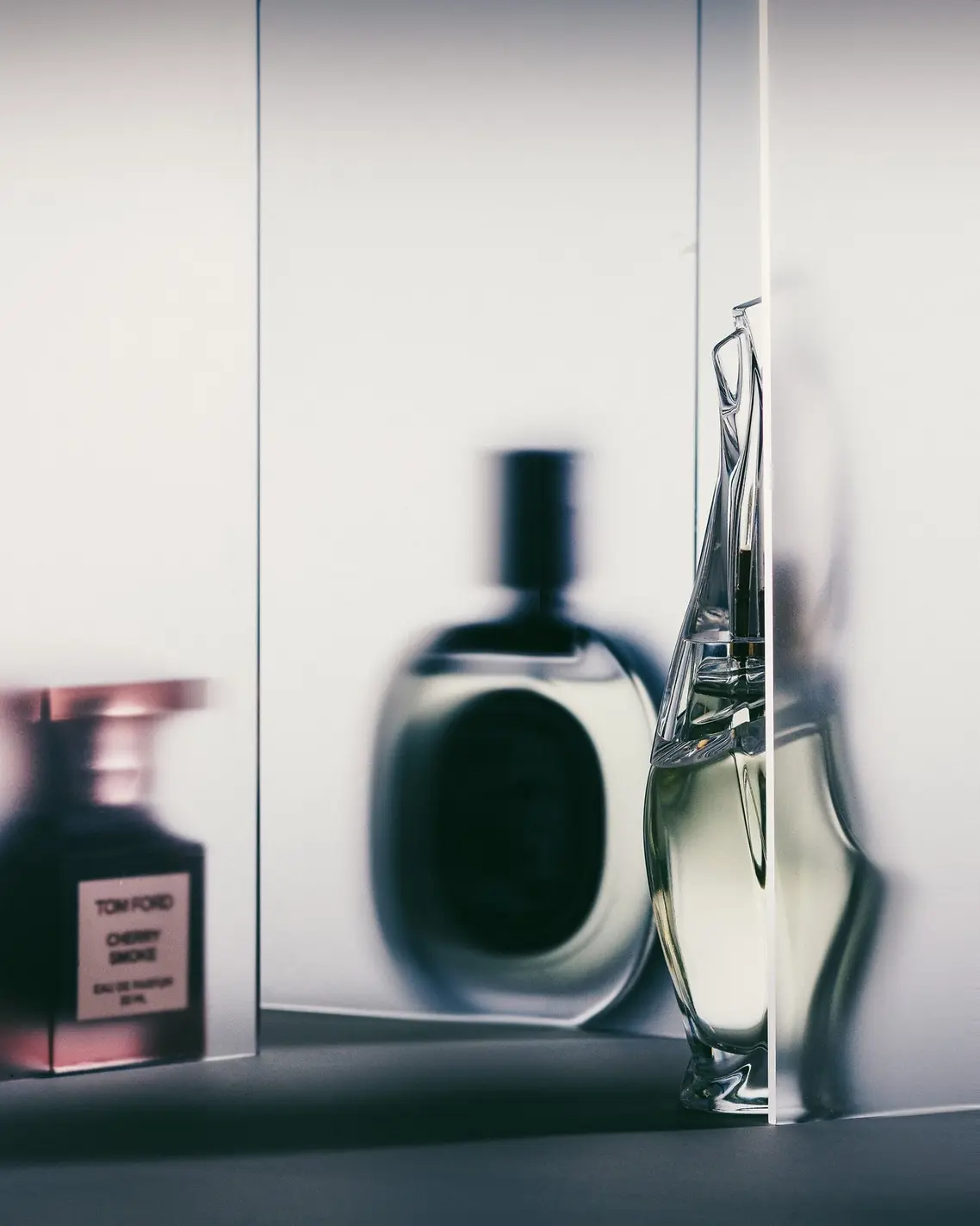
Walk into the museum of perfume naming and the first thing you realize is that bottles almost never begin with scent alone. They begin with language. A name arrives first, and with it a temperature, a room, a woman, a landscape, a private mood. In niche perfumery, especially, names rarely behave like labels. Instead, fragrance taxonomy operates more like little openings in the wall, each one asking you to peer through and imagine life on the other side.
March 23, 2026
Advertisement

Advertisement



This is why perfume naming deserves its own taxonomy. Some names tell you the air you are about to enter, some behave like portraits, some foreground the raw material with almost still-life precision. Some borrow the intimacy of dessert, some the charge of attitude, some the glow of aspiration, and some unfurl like a short story already in progress. The categories overlap, of course. The best perfume names often live at the border of two or three ideas at once. Still, if we move through the gallery slowly, certain rooms begin to form.
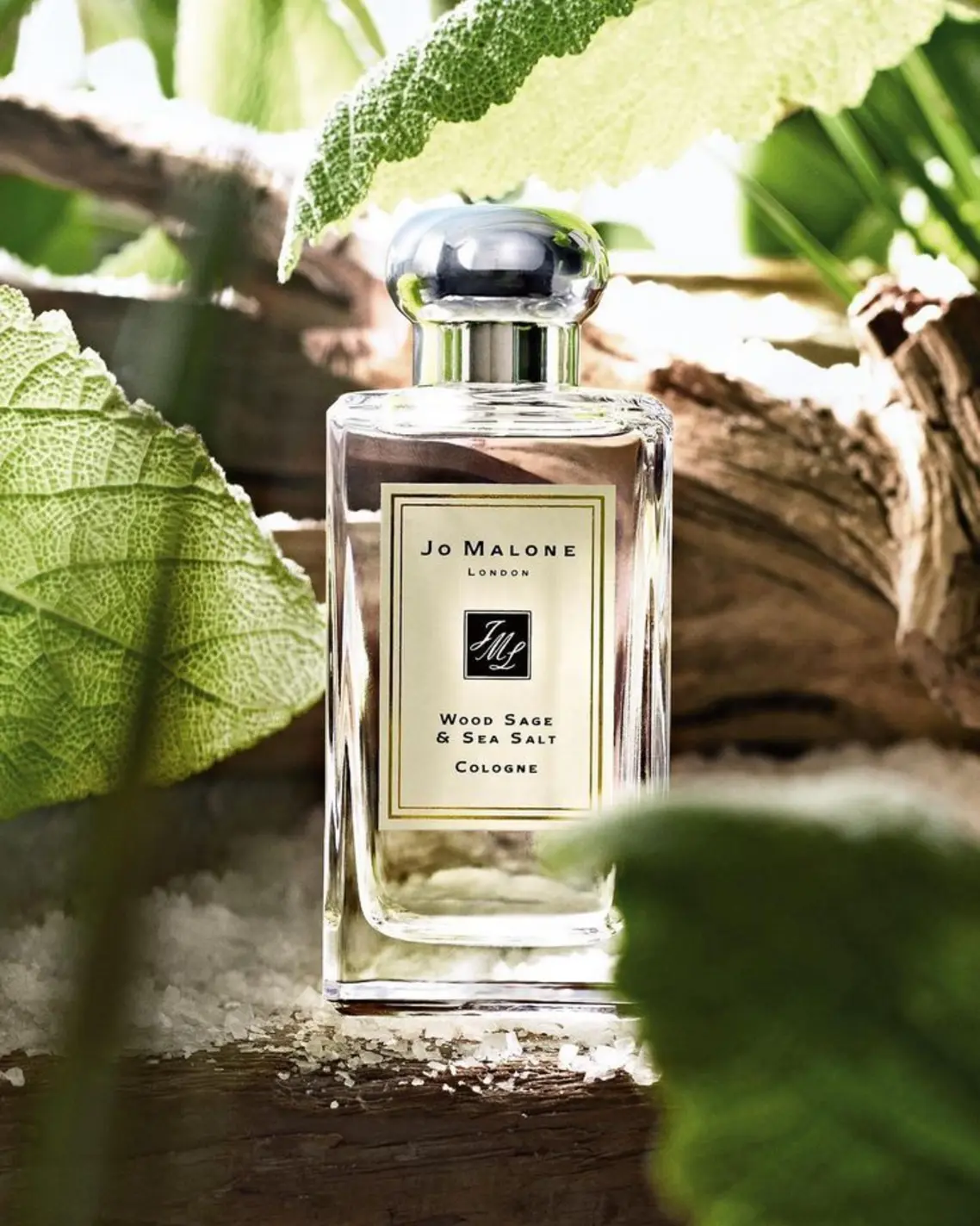
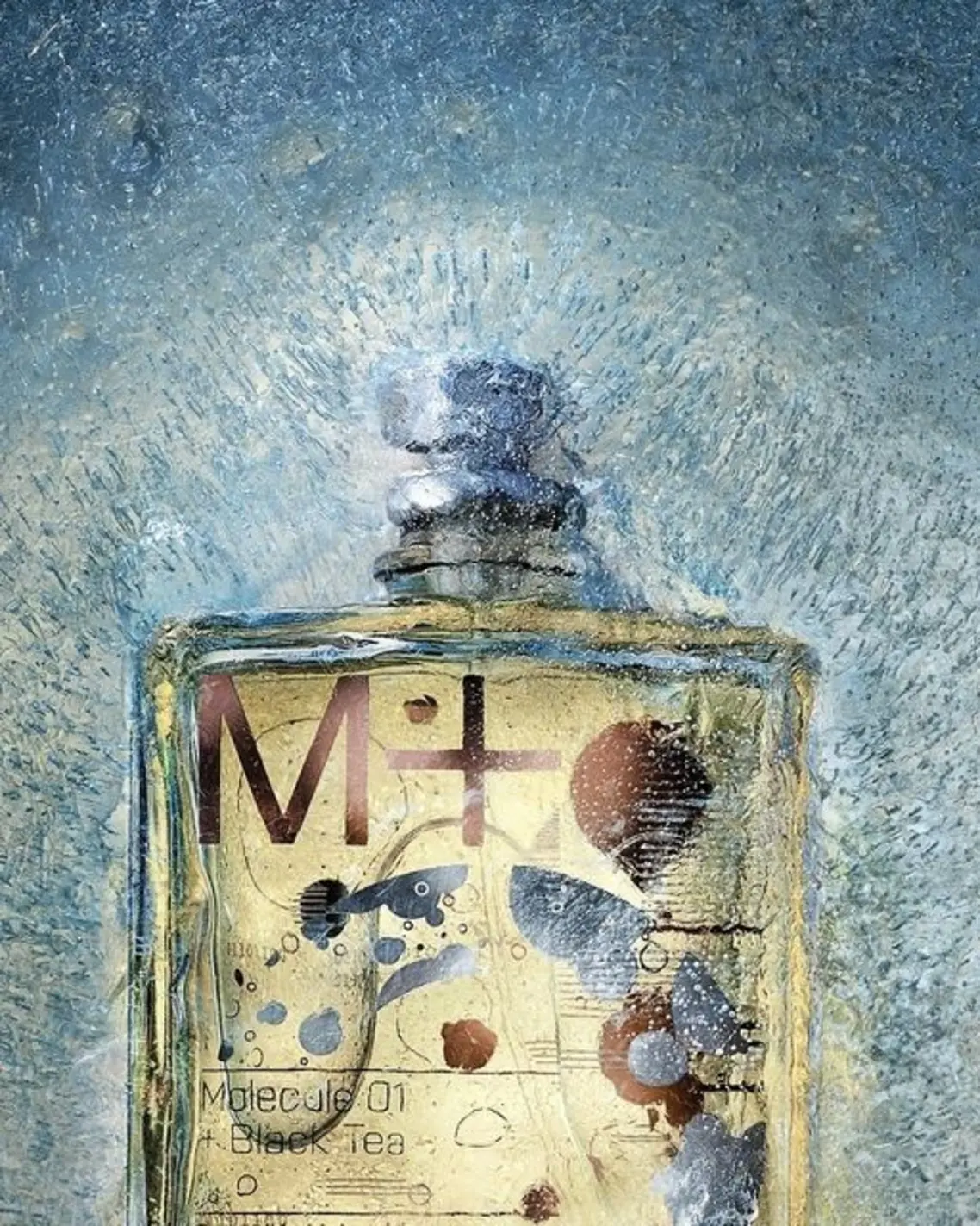
What matters first: the concept, or the inhale? Aroma names answer with the smell itself. They tell us what kind of air waits under the cap, what world rises the second the bottle opens. These names can be slightly metaphorical, yet they stop at the boundary of the recognizably real: coast, tea, paper, smoke, salt, skin. Jo Malone’s Wood Sage & Sea Salt gives you the British shore before you even spray it, with the brand explicitly tying it to windswept coast, mineral cliffs, and bracing sea air. Molecule 01 + Black Tea works with even more restraint, building its name from black tea and a single aroma-molecule, so the title feels less like poetry than a precise olfactory cue. In this category, the name does not invent a fantasy so much as sharpen your senses toward one.
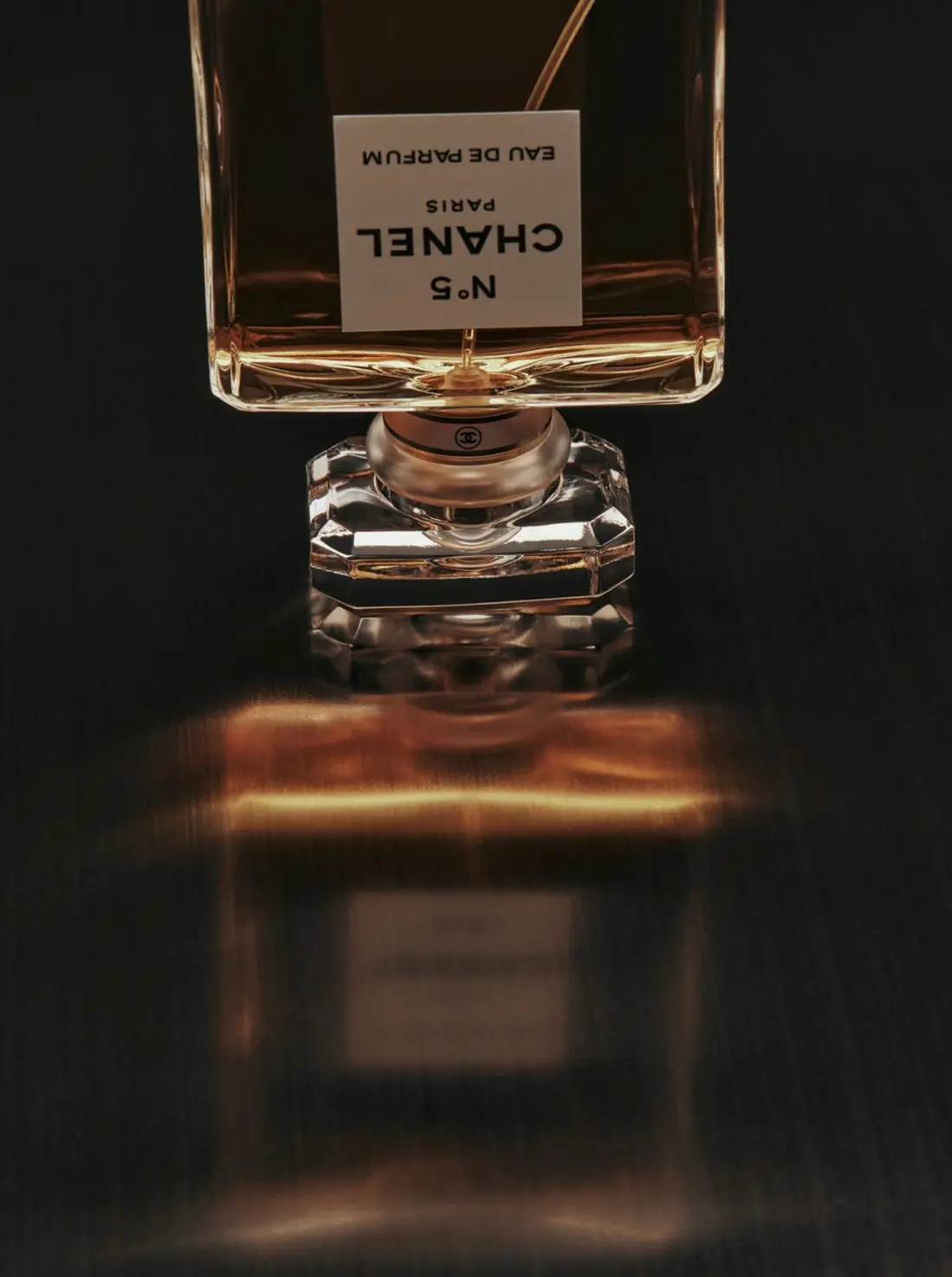
Eponymous naming works by leaning into the power already stored inside a name. Sometimes that name belongs to a fashion house with decades of history behind it, as with Chanel N°5, where the authority of Chanel gives even a spare, numerical title enormous weight. Sometimes the perfume does not need a story in words because the house itself is already the myth. Eponymous naming, or its more elegant cousin, the house-coded name, borrows authority from the brand’s own legend. Chanel’s numbered perfumes are the purest example. N°5 sounds simple, almost severe, yet its power comes from what the number carries: history, prestige, memory, the weight of Gabrielle Chanel’s name compressed into a code. These names are pleasing to the ear because they withhold just enough, letting the house do the describing.
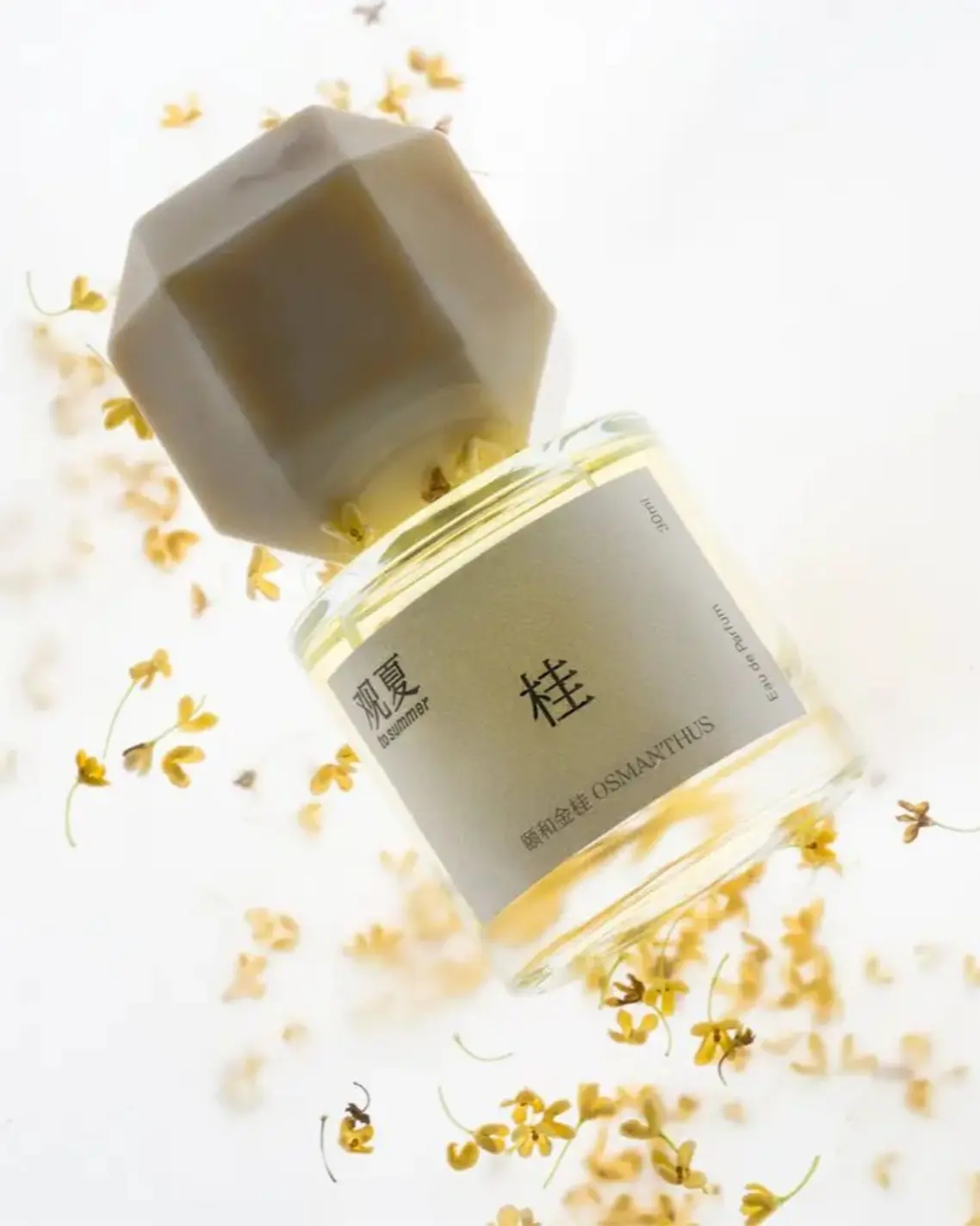
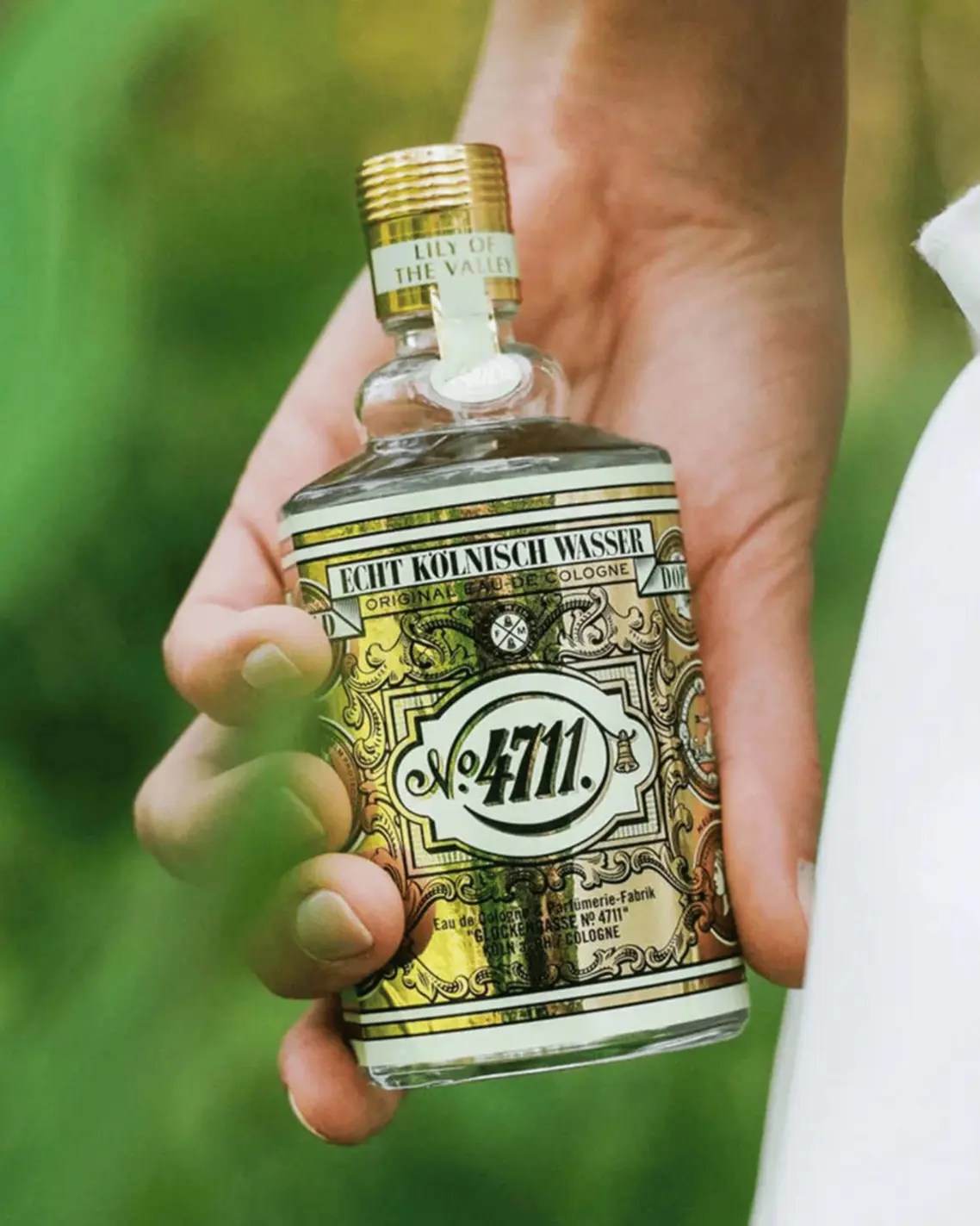
In the next room, perfumery turns almost editorial in its clarity. Ingredient names are more literal than aroma names. They do not circle the object; they call it by name. The strategy is beautifully direct when lily means lily, osmanthus means osmanthus. Yet the best examples prove that literalism does not cancel mystery. Osmanthus by To Summer feels especially lovely because the brand presents itself through the values of Eastern culture, art, and scent, which makes the flower read less like a raw material than a cultural mood. Lily of the Valley by 4711 is similarly plainspoken, but that plainness is the point if the name offers the flower whole, with no veil between object and impression. In this category, naming becomes a gesture of confidence. The ingredient is already evocative enough that the bottle does not need metaphor first.
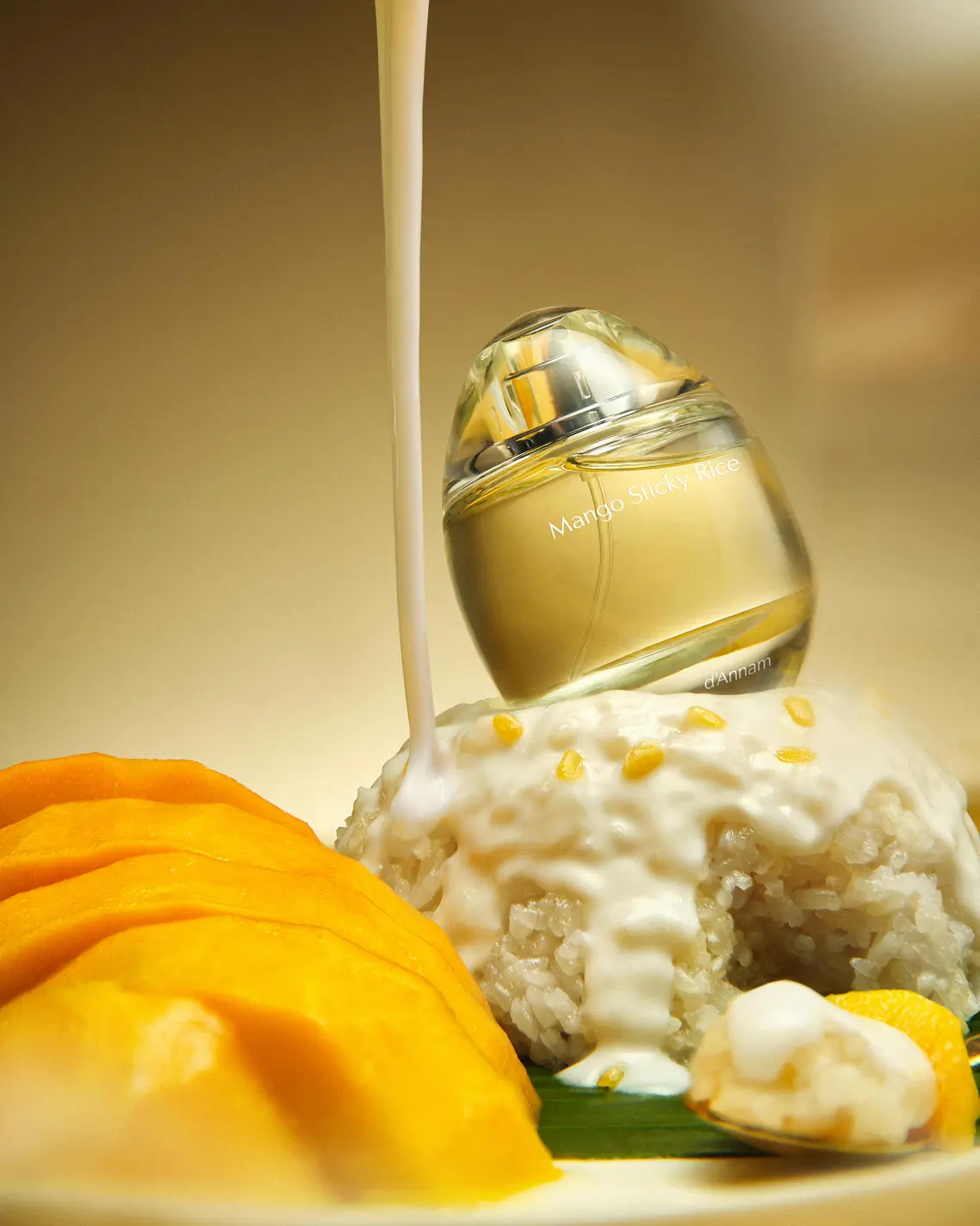
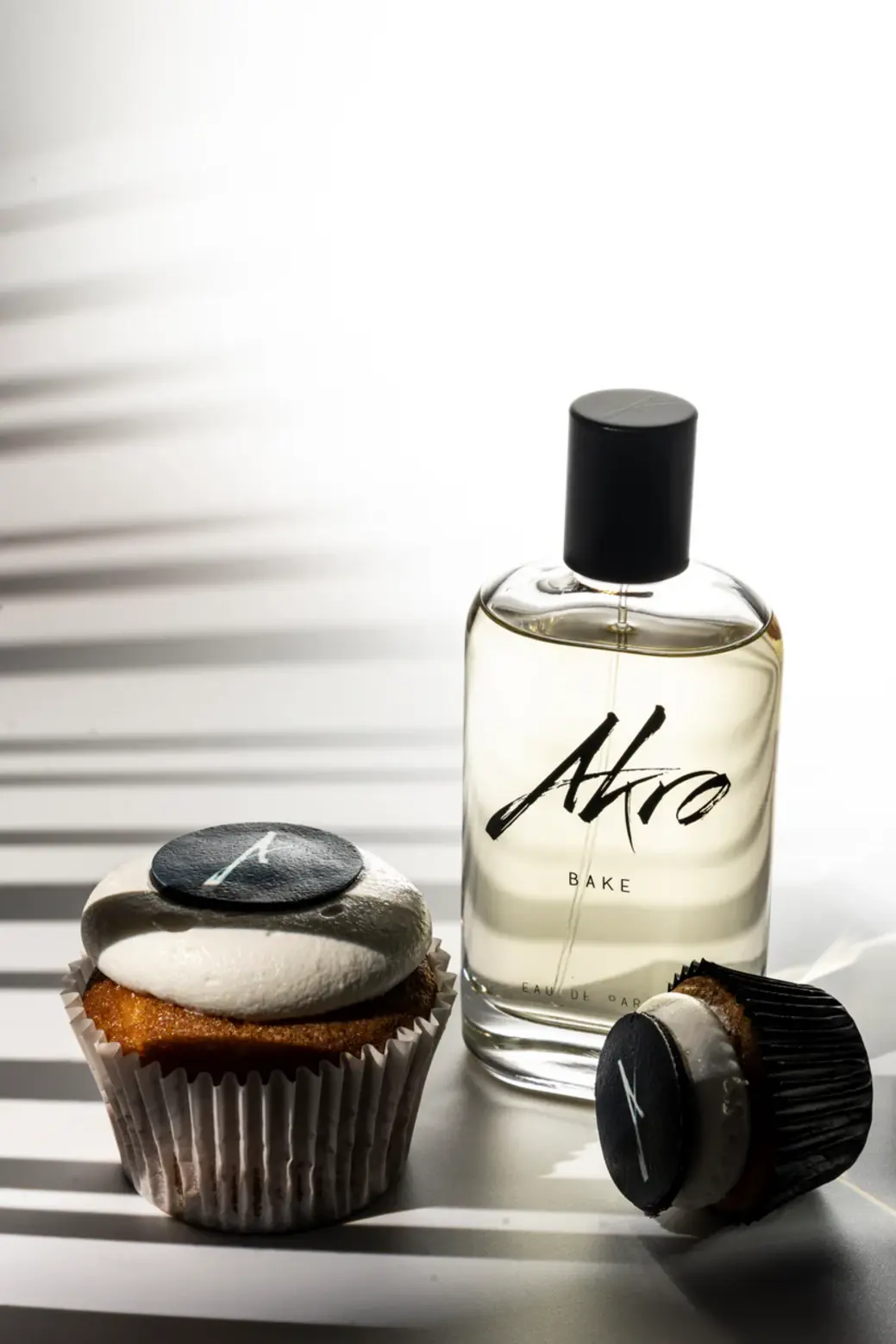
Gourmand naming is where perfume begins to taste memory. They enter perfumery through the language of gourmet, but what they really sell is the intimacy of craving. Mango Sticky Rice by d’Annam turns a beloved Thai dessert into perfume through ripe mango, sticky rice, and coconut milk, framing the fragrance as a tribute to temple fairs, family gatherings, and hospitality. Bake by Akro does something similar from another angle, naming itself after the bakery counter and building that promise through tart lemon, vanilla, and praline. The key here is literal edibility in the title. Not every sweet fragrance is gourmand, and not every fruity one qualifies. Gourmand names work because they smell delicious and familiar to the brain, like memory plated and served warm.
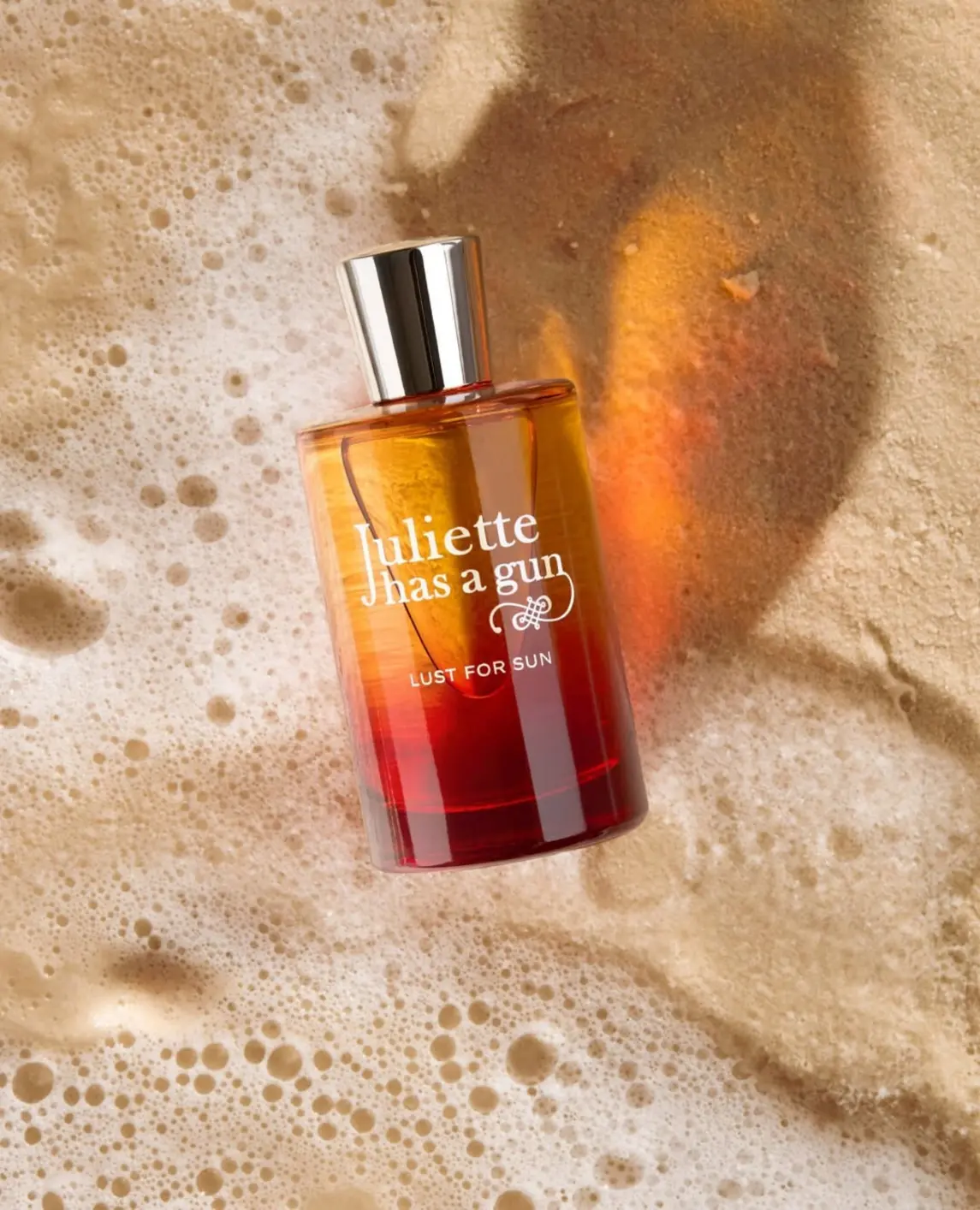
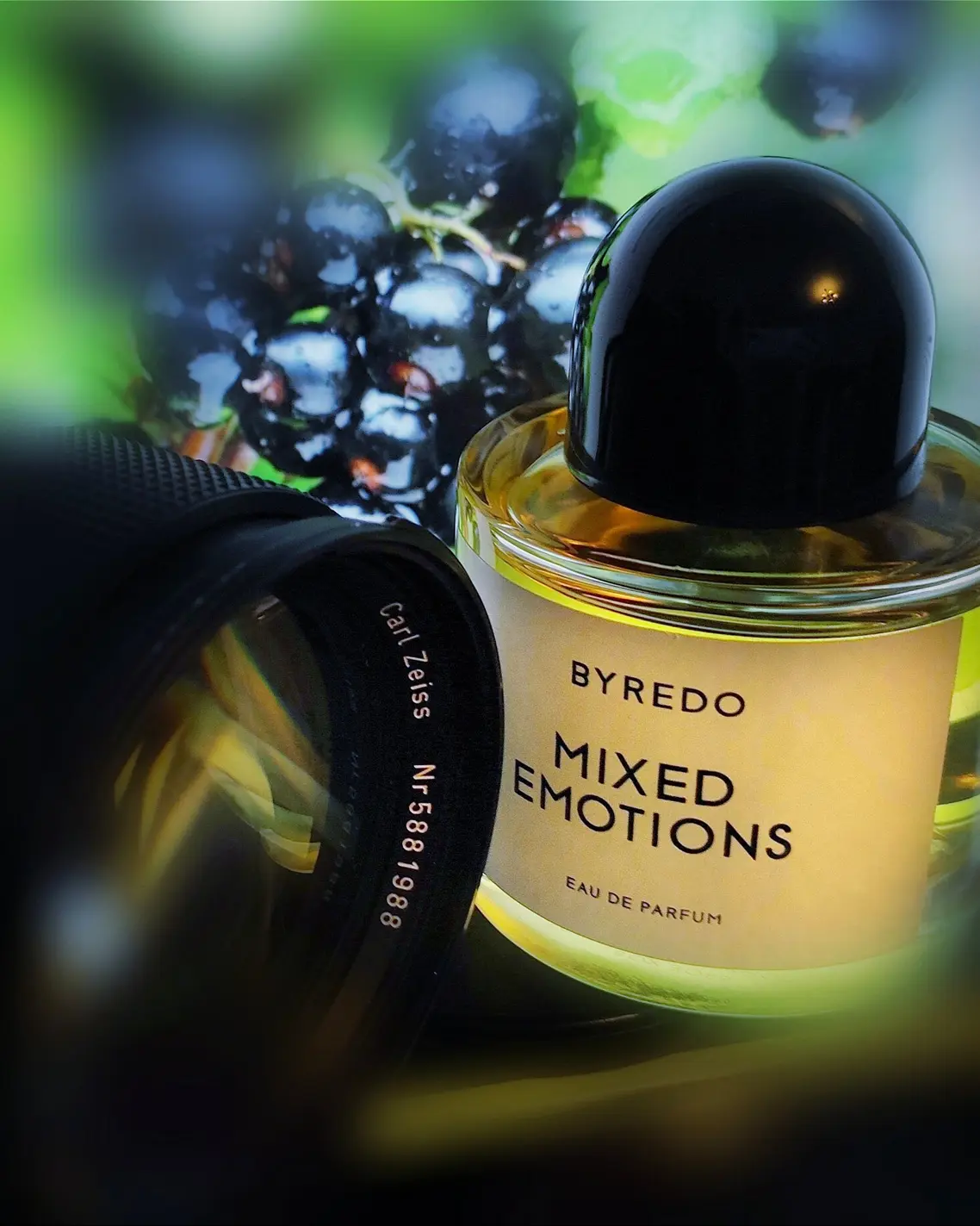
Some perfume names care less about place or material than about a way of being in the world. A state-of-being name is almost a spell: it suggests the mood the wearer steps into, or the atmosphere that gathers around them once the scent enters a room. Lust for Sun tells you exactly what it is chasing, a sensual, solar state of skin, warmth, and appetite. Mixed Emotions turns the name into a portrait of contemporary feeling, with Byredo explicitly framing it around complexity, contradiction, and the emotional texture of the times. These names often lean into fragrance’s sensual power, yet they also brush against identity. They ask: who are you when you wear this, and who do others think they have met?
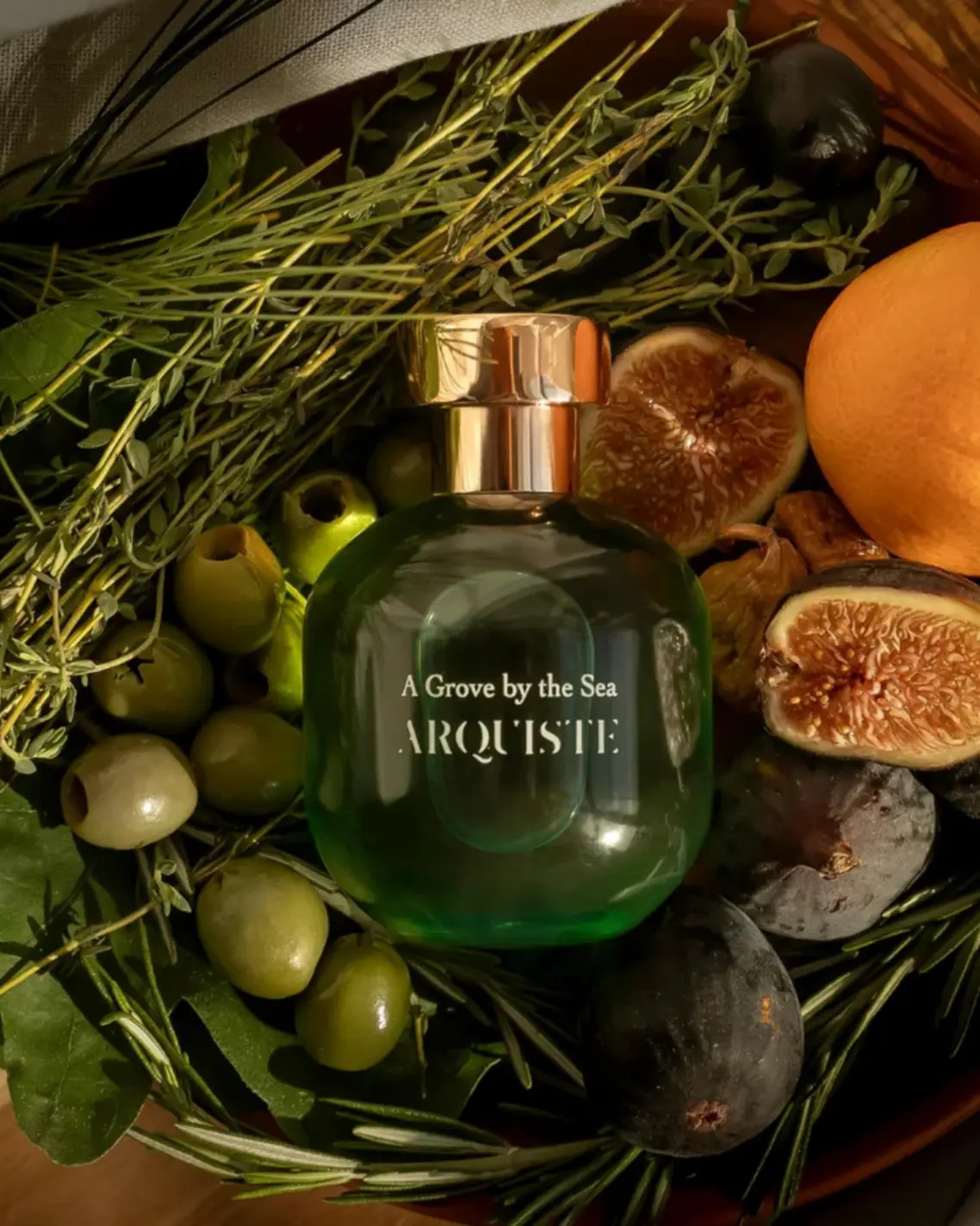
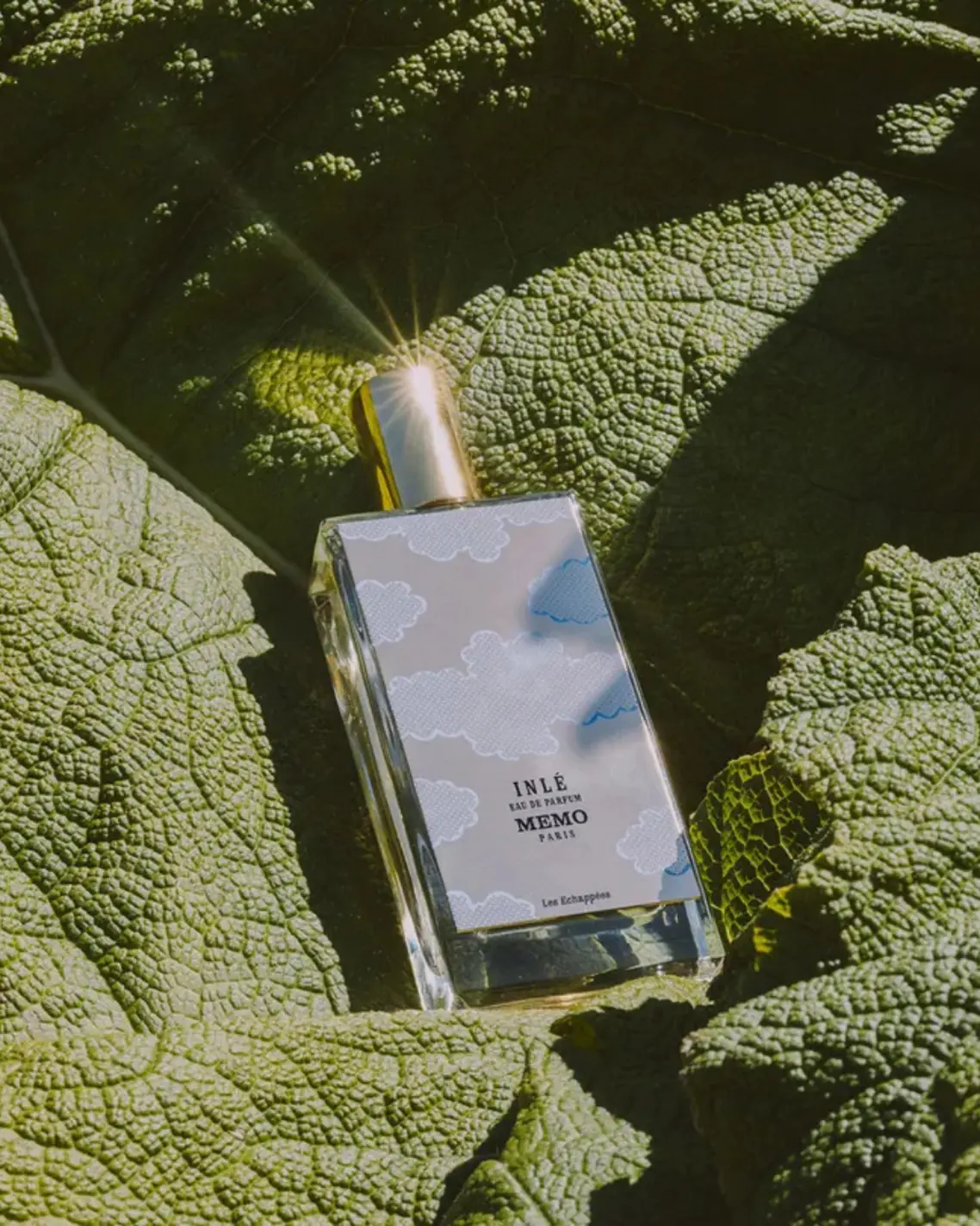
This may be the most cinematic room in the exhibition. This is where fragrance names become cinema, staging a scene so vivid you can almost step through it. Chasing Sunsets is not just a pretty phrase, because Maison Margiela REPLICA explicitly anchors it in Ipanema at sundown, all oranges, golds, tropical air, and the last ray of sun caught before night. A Grove by the Sea by Arquiste is equally visual, opening onto an Adriatic harbor lined with fig, olive, pine, cypress, and salt. These names are evocative because they behave like camera directions. Photorealistic names do not ask what the perfume is made of first. They ask where you are, what time it is, what the light looks like, and what the air is carrying toward you.. Memo Paris’s Inlé does something equally transportive in another register, turning Myanmar’s Inlé Lake into fragrant waters of jasmine, maté, and osmanthus, a dream of drifting between water and sky. These names ask you to inhabit a room, a district, a body of water, a specific vibration of light and atmosphere. In that sense, they behave less like fragrance names than like camera directions.
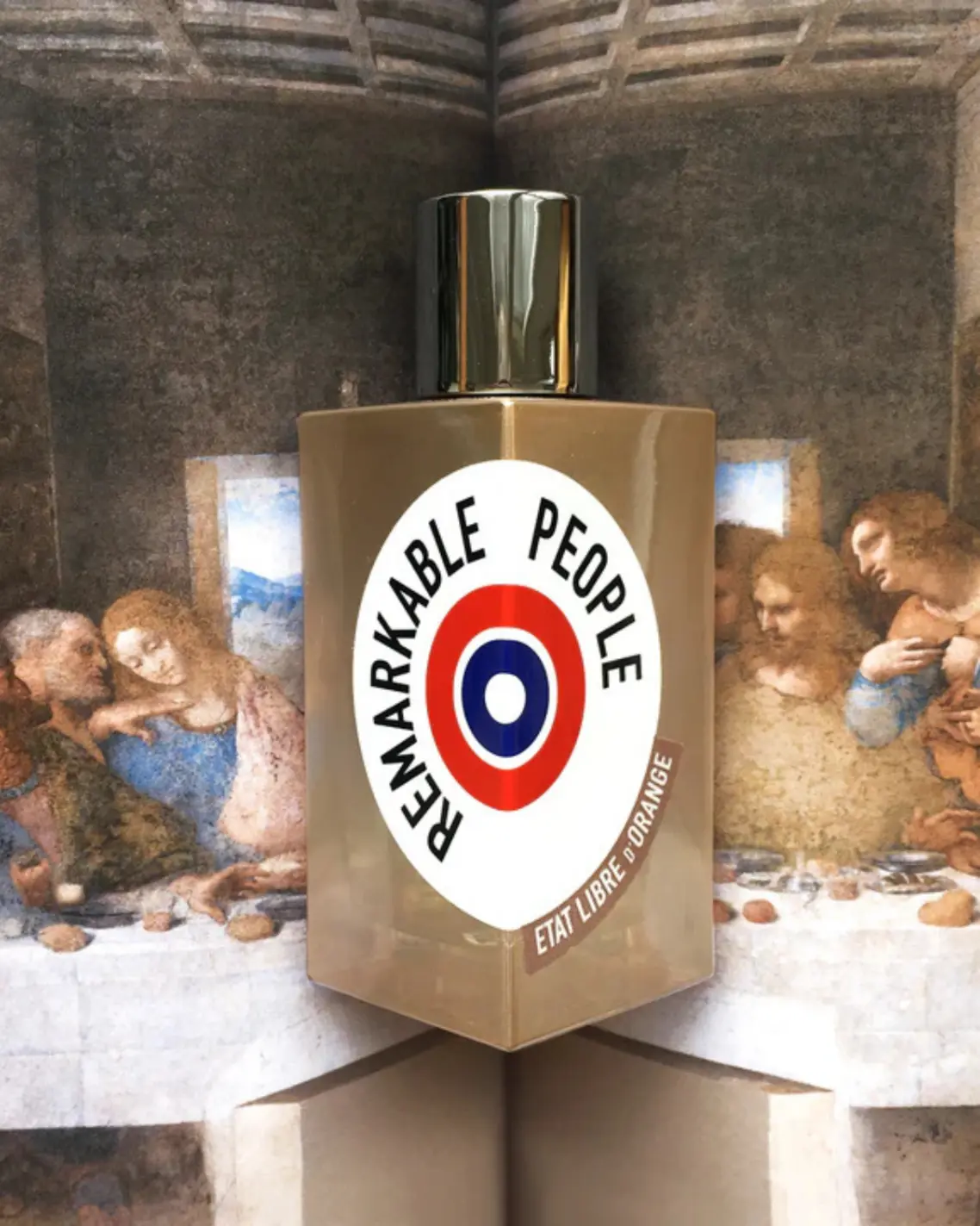
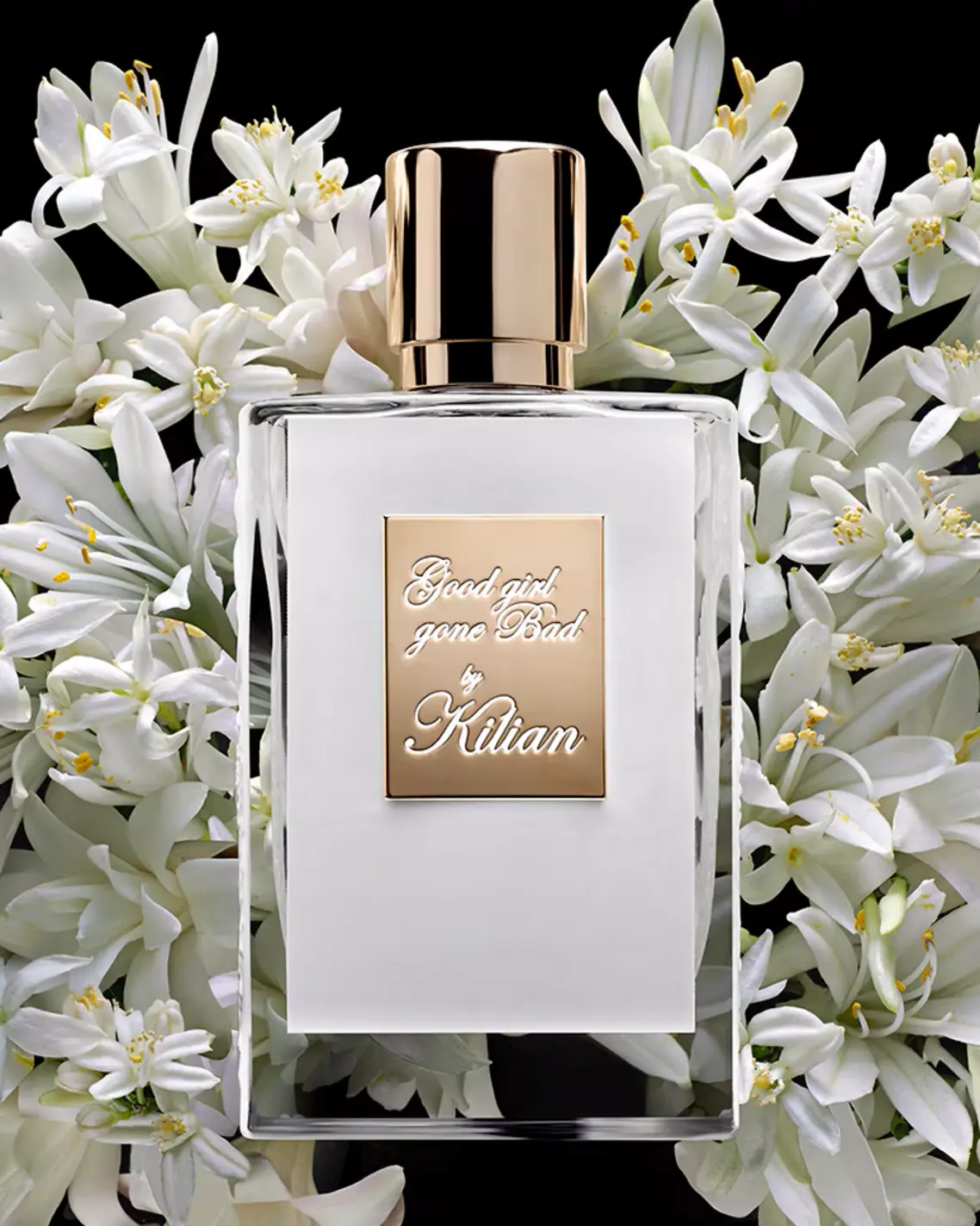
Aspirational names do not merely describe a fragrance. They carry the symbolism of a self you may already possess in fragments, or one you would like to summon at will. Remarkable People makes that promise almost openly, with Etat Libre d’Orange describing it as a perfume for people who feel exceptional, special, and uniquely able to contribute something to the world. Good Girl Gone Bad by Kilian offers a different fantasy: transformation through tension, innocence sharpened by danger, sweetness slipping into transgression. In this category, perfume names act like costumes for the psyche. They do not just scent the body; they dramatize one of its possible characters.
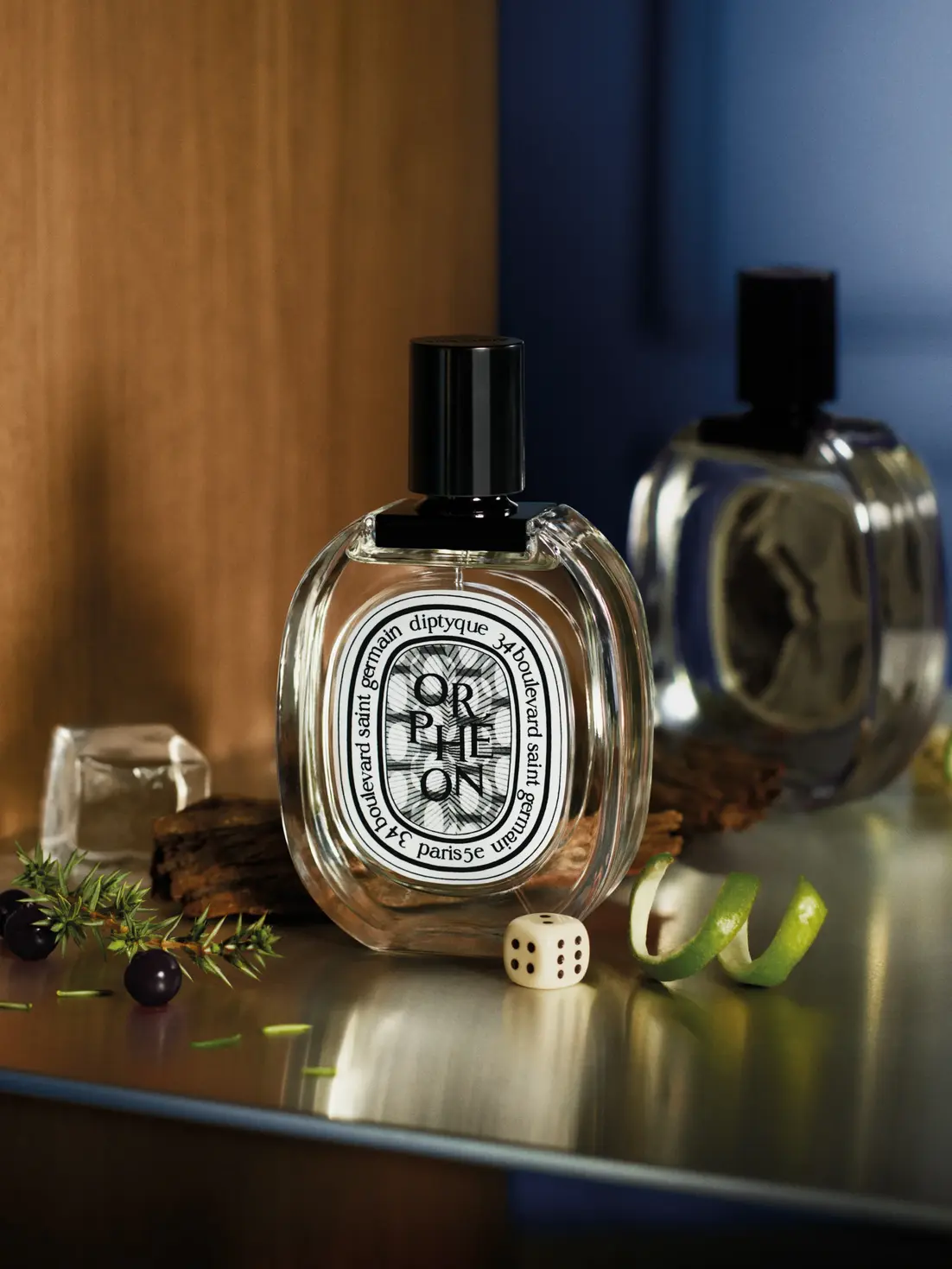
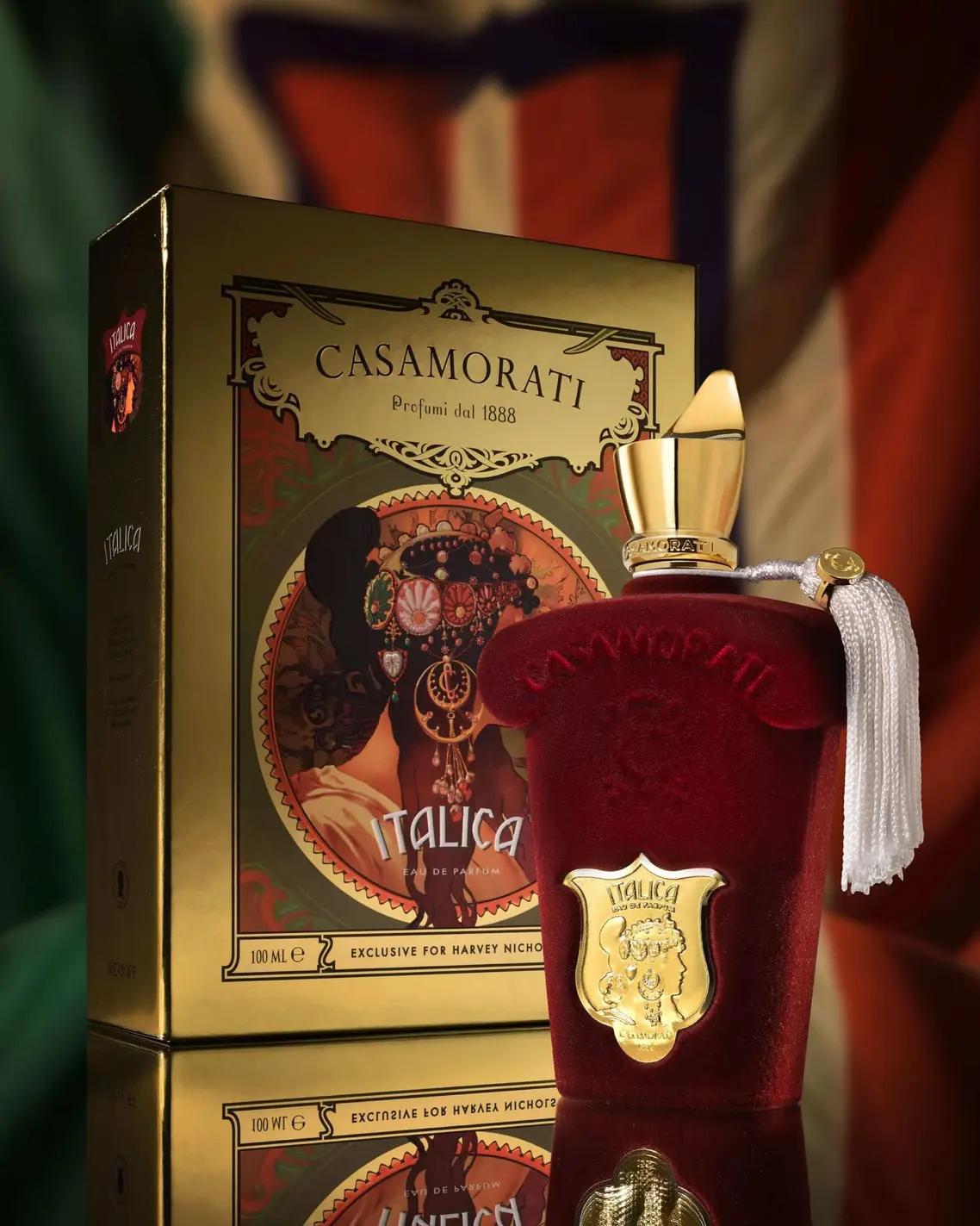
At the far end of the gallery are the names that refuse to behave like labels at all. The richest perfume names hint at a private history, a legacy, a room full of people long gone, a memory so specific it feels luxurious to be allowed near it. These are names that seem to whisper, if you know, you know. Italica by Casamorati sounds almost geographical, but the fragrance sits inside a collection revived by Xerjoff as a love letter to historic Italian perfumery and the elegance of the Art Nouveau era; even its almond, milk, vanilla, and toffee structure feels like nostalgia given edible form. Diptyque excels at this mode because the house repeatedly returns to that shared mythology in scent, with most scents' story connect personally to the three founders' own memories. Orphéon is explicitly an olfactory portrait of the founders’ favorite bar in Saint-Germain, while Do Son carries a tuberose memory borne on sea spray, tied to an imaginary journey toward the edge of Ha Long Bay. In Diptyque’s world, a perfume name is rarely just a title. It is often an address, a recollection, a friendship, a life once lived and made fragrant again.
Seen together, these naming styles show how much perfumery begins before smell. The name, in other words, is the perfume’s first accord. It is the first thing that touches the imagination, the first whisper of what the fragrance might become once it reaches skin.
And perhaps that is why perfume names matter so much. They do not simply classify a bottle on a shelf. They teach it how to dream in public.
Advertisement