MENU
Close





When did military style become a test of discipline, an uncompromising language of structure and restraint that asks whether the wearer is ready to endure pressure, command their own form, and stand upright in a world that rarely offers mercy?
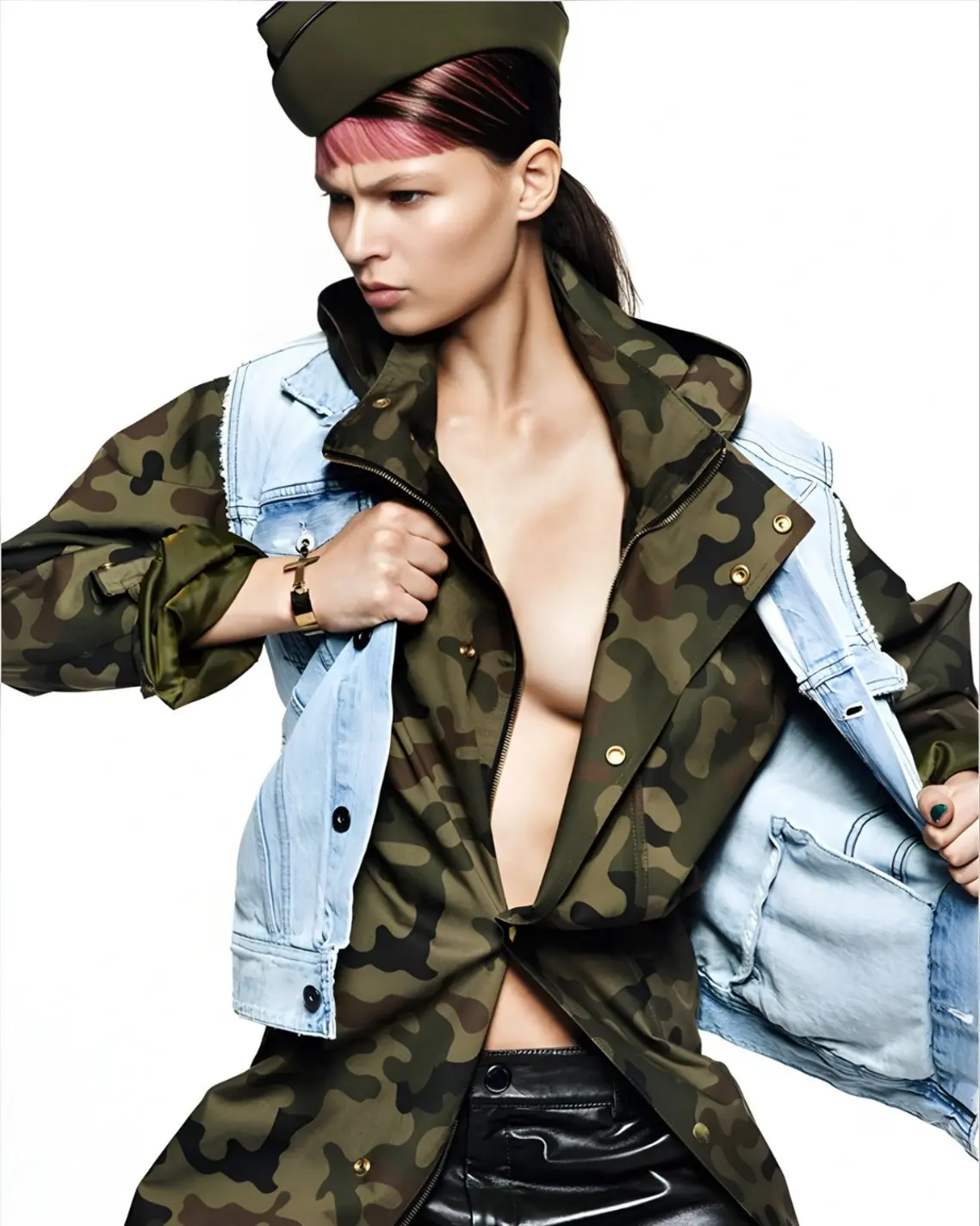
When did military style become a test of discipline, an uncompromising language of structure and restraint that asks whether the wearer is ready to endure pressure, command their own form, and stand upright in a world that rarely offers mercy?
April 10, 2026
Advertisement
Advertisement



Military style is best understood not as a trend but as a discipline of design, a rigor of construction, and a philosophy of readiness embedded in cloth. It emerges wherever purpose shapes form, where garments are stripped of ornament until only function remains, and where that function becomes, paradoxically, a new kind of beauty: severe yet elegant, restrained yet expressive, built for endurance but capable of stirring emotion. At its essence, military style is the architecture of survival translated into everyday clothing: the trench coat that resists storms, the field jacket that moves with the body, the bomber that protects against cold, the cargo trouser that carries the essentials of a restless life. And yet, through their unwavering logic and their refusal to indulge excess, they became emblems of timeless style.
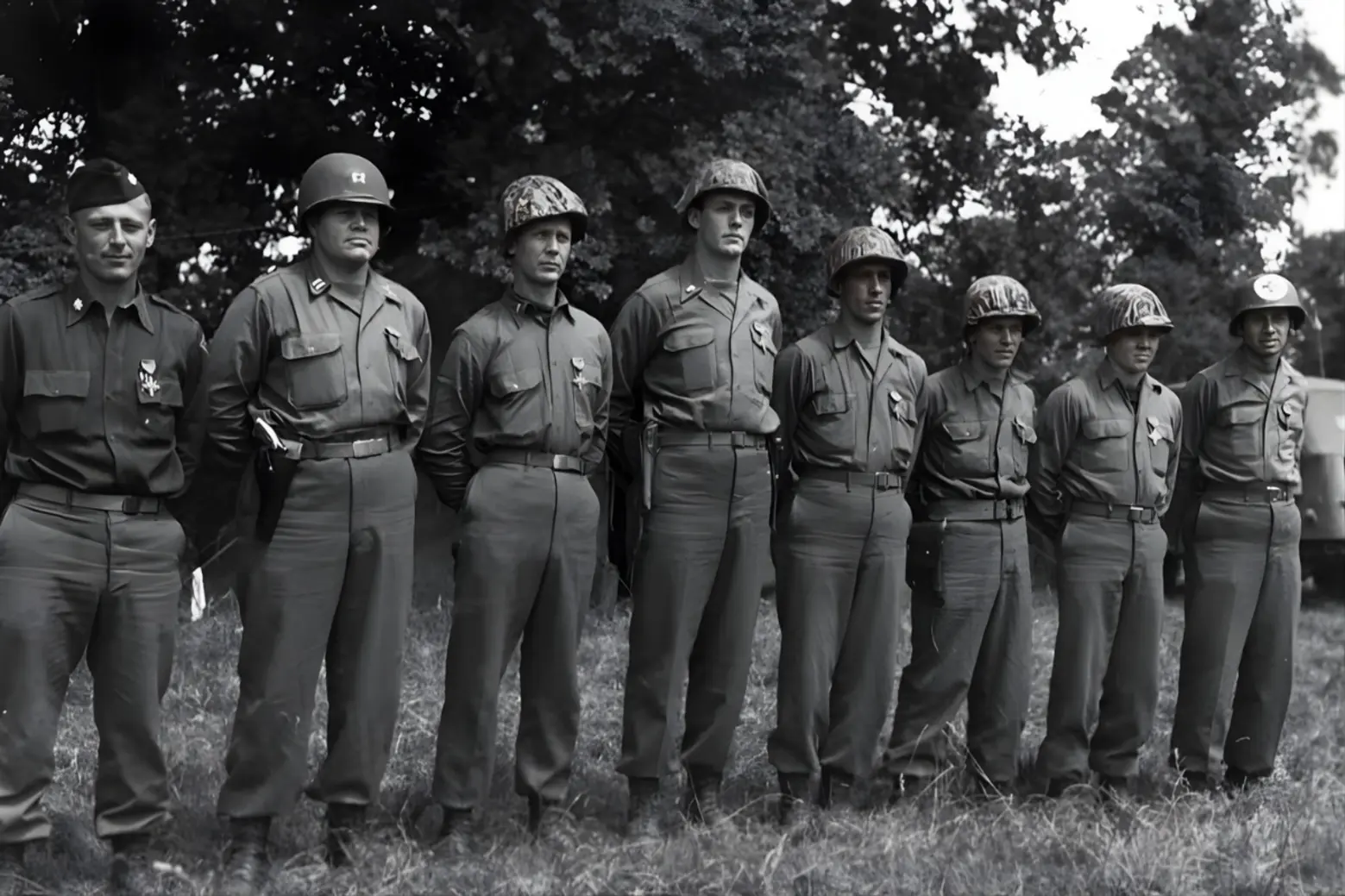
The aesthetic is defined by structure, symmetry, economy of detail, and a commitment to solving problems through silhouette. Each line has purpose, each pocket has logic, each fastening has intent. Color palettes gravitate toward the earth, olive drab, khaki, navy, charcoal that are not to evoke conflict but to signal neutrality, stability, and endurance. Fabrics prioritize durability, weather-resistance, mobility; construction favors reinforcement rather than ornamentation. What appears minimal is, in truth, meticulous. What appears simple is, in reality, engineered. Military style does not announce itself loudly; it stands with quiet authority.
The history of military style stretches across centuries, evolving as societies, technologies, and conflicts reshaped what clothing needed to accomplish. Across eras, necessity dictated silhouette: protection, identification, hierarchy, and mobility.
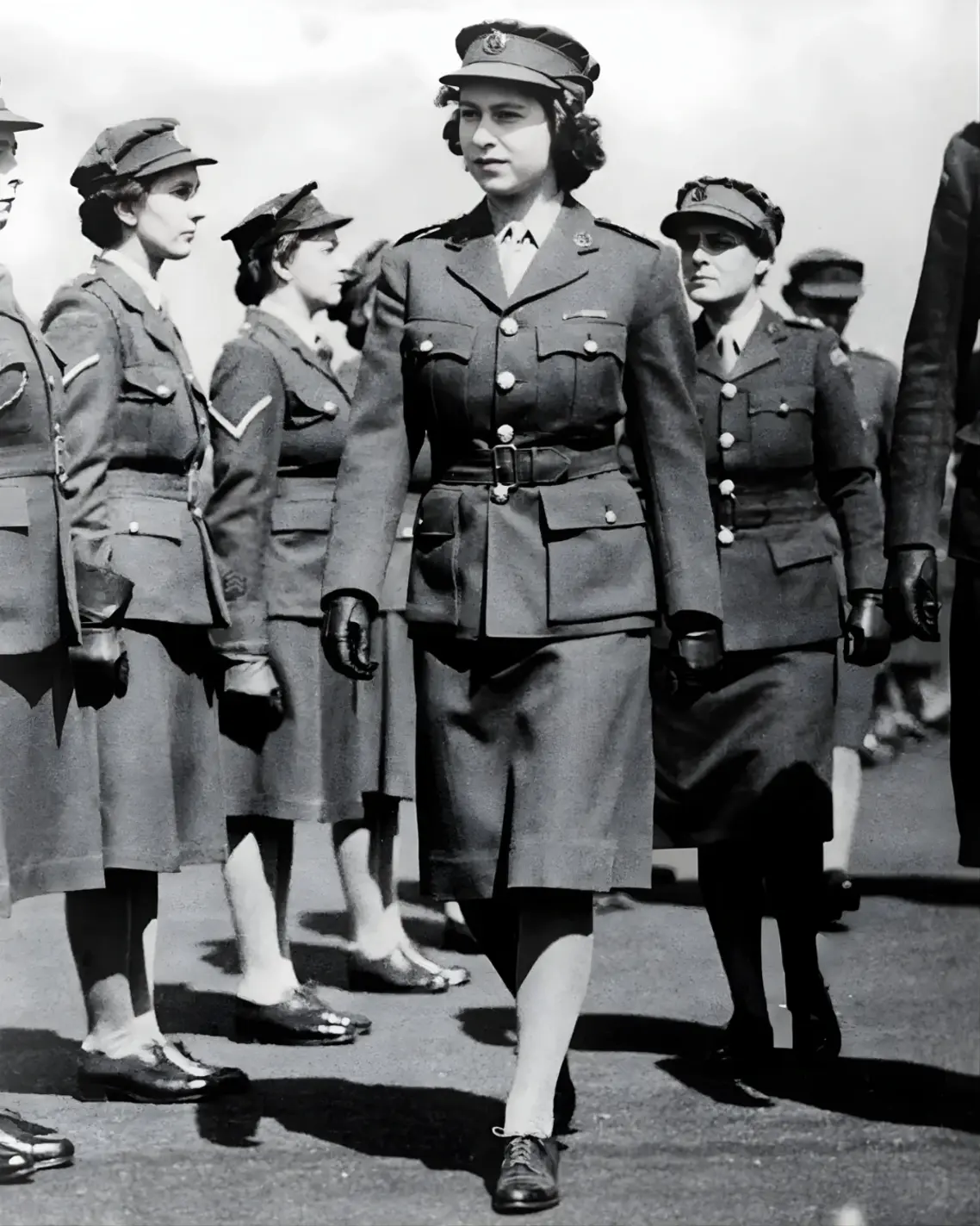
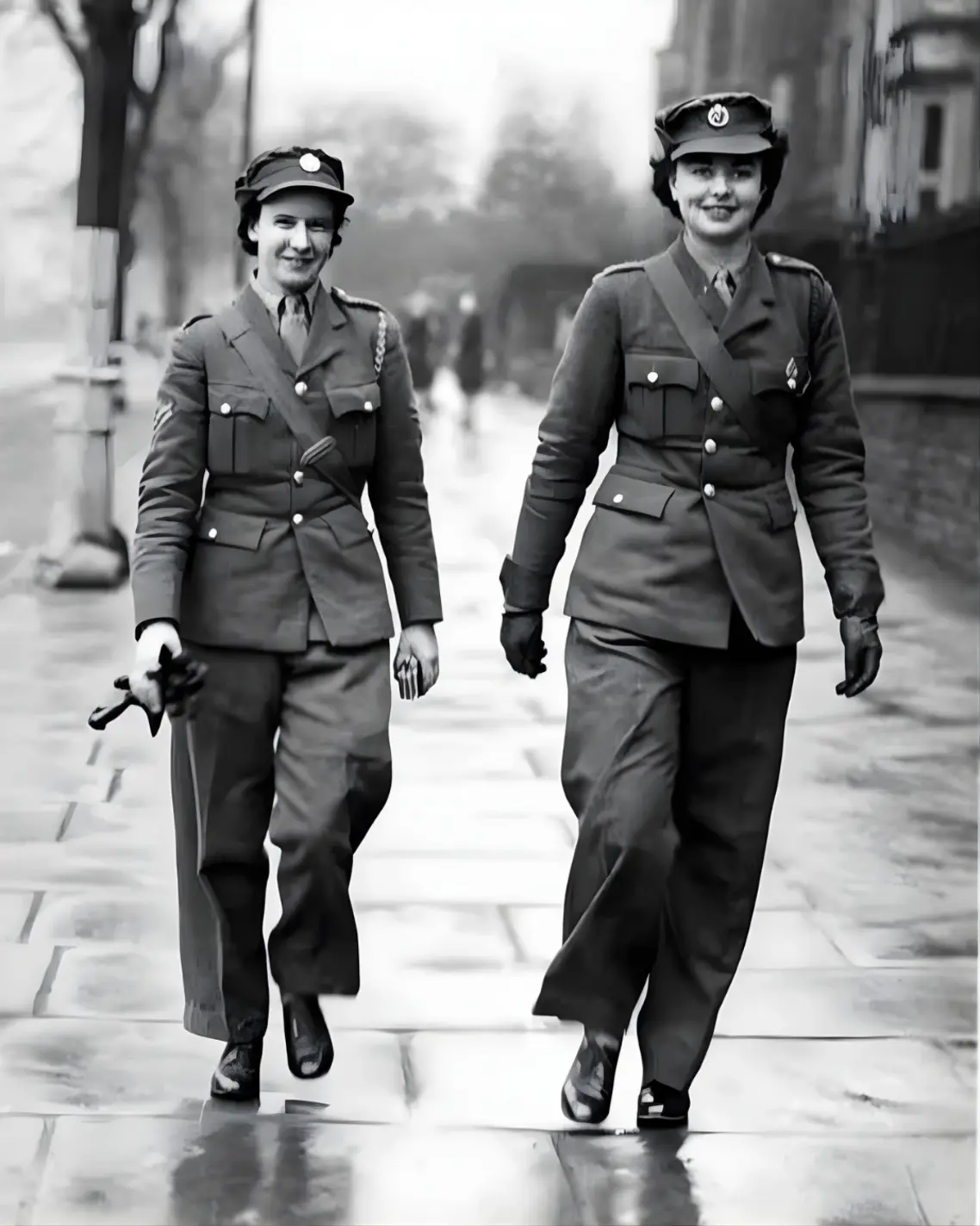
The earliest uniforms emerged in ancient civilizations, where attire conveyed allegiance and order. Roman legionaries wore armor that served as both shield and symbol, establishing the idea that clothing could project discipline and unity. Bright colors, tailored coats, and polished buttons served strategic and psychological functions, and their visual power inevitably influenced civilian fashion. The tricorne hat descended from military ranks into European society; high-collared frock coats echoed officer attire; silhouettes borrowed from cavalry and artillery regiments found their way into everyday menswear.
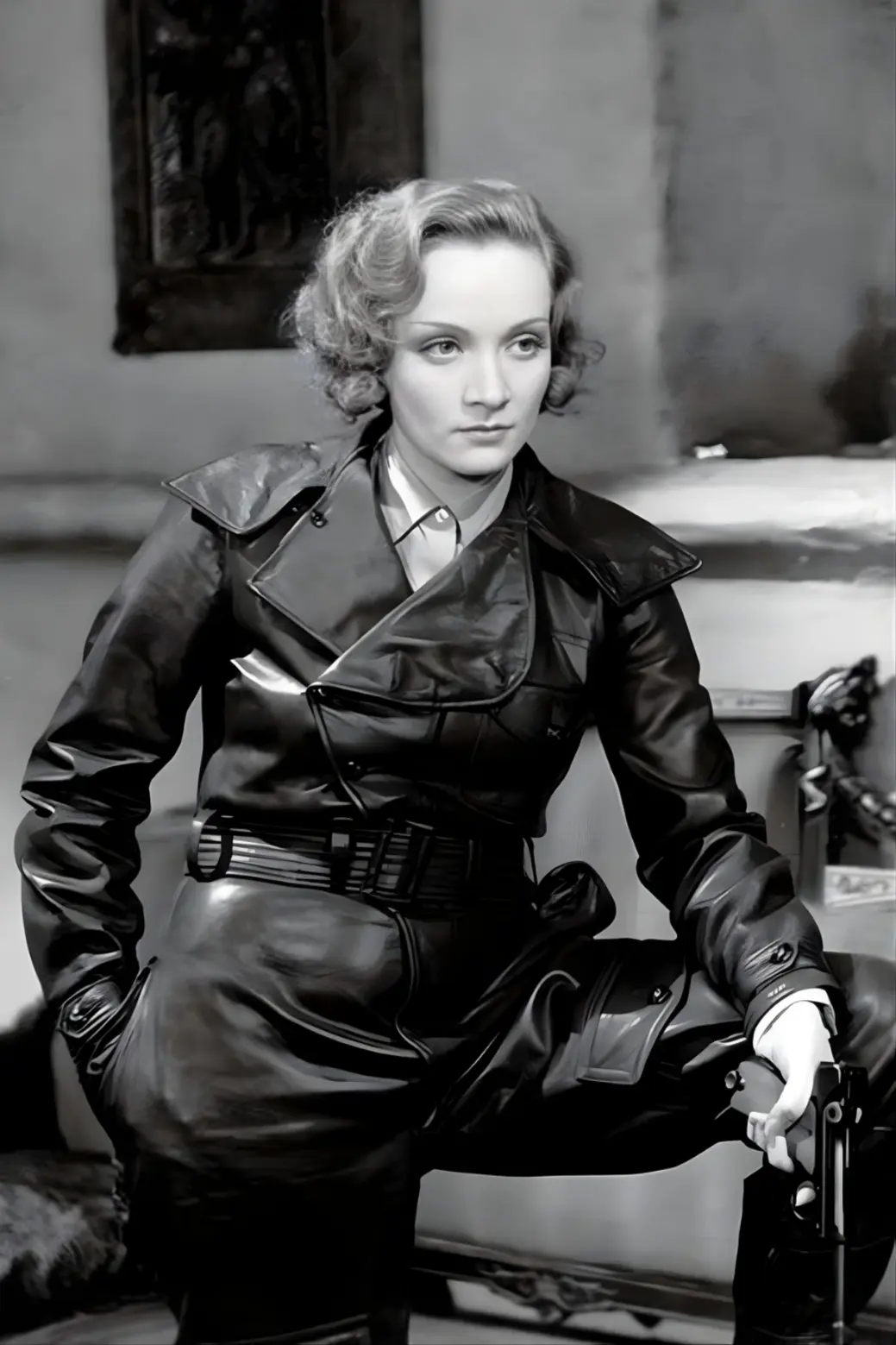
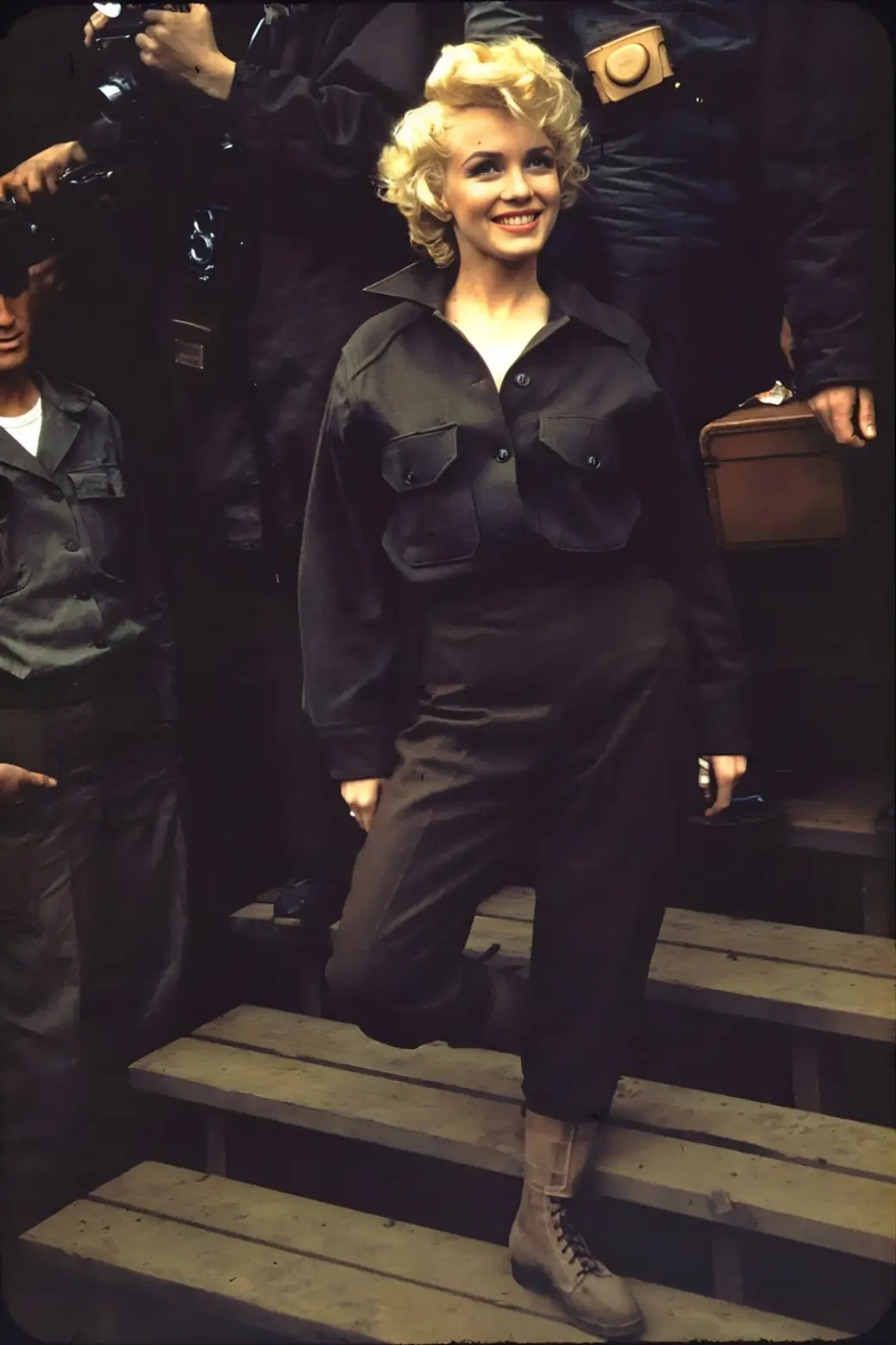
The Napoleonic era elevated the military uniform into a spectacle of tailoring. Structured Napoleon jackets, epaulettes, and sharply cut trousers combined function with a performance of heroism.
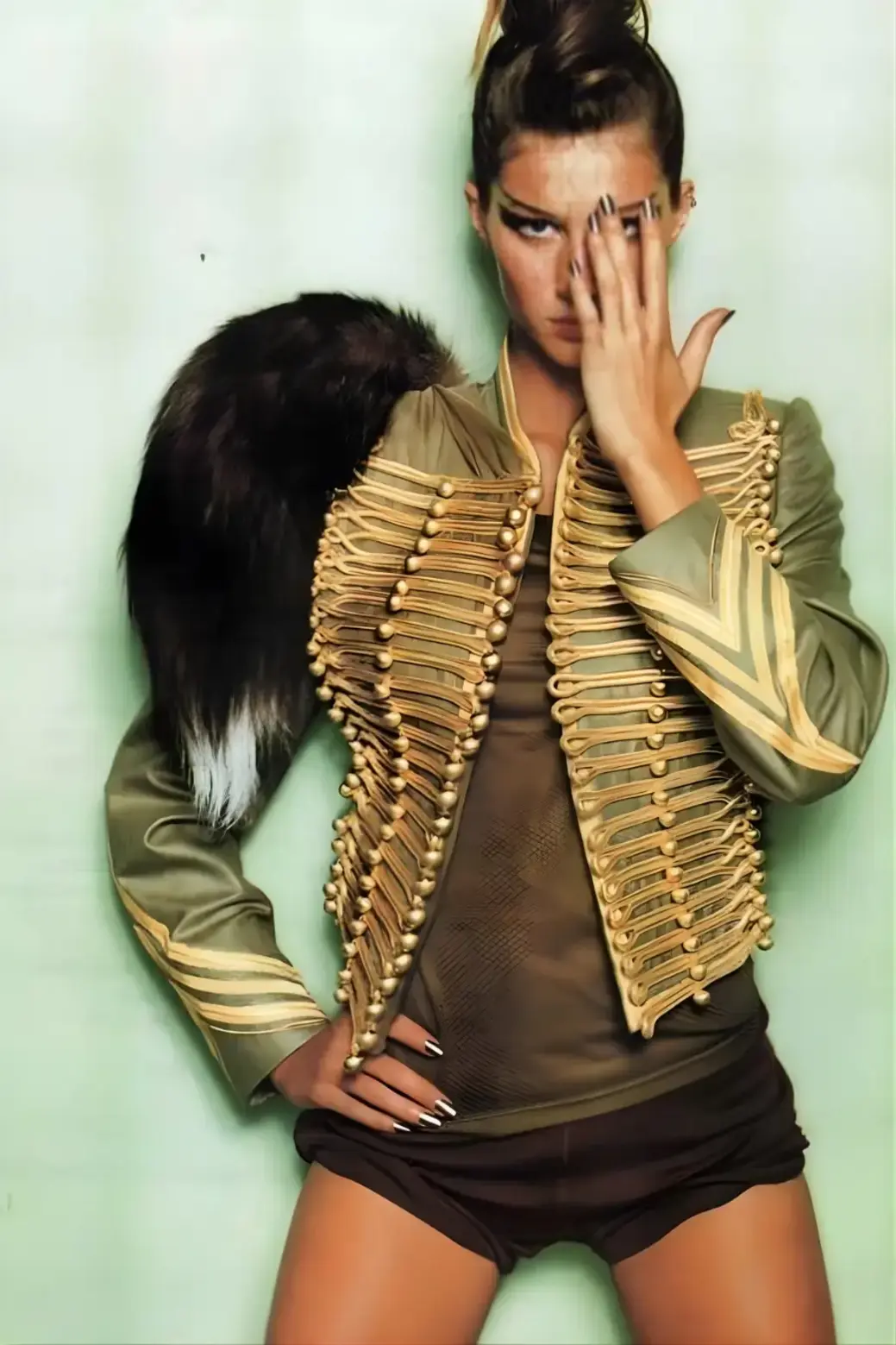
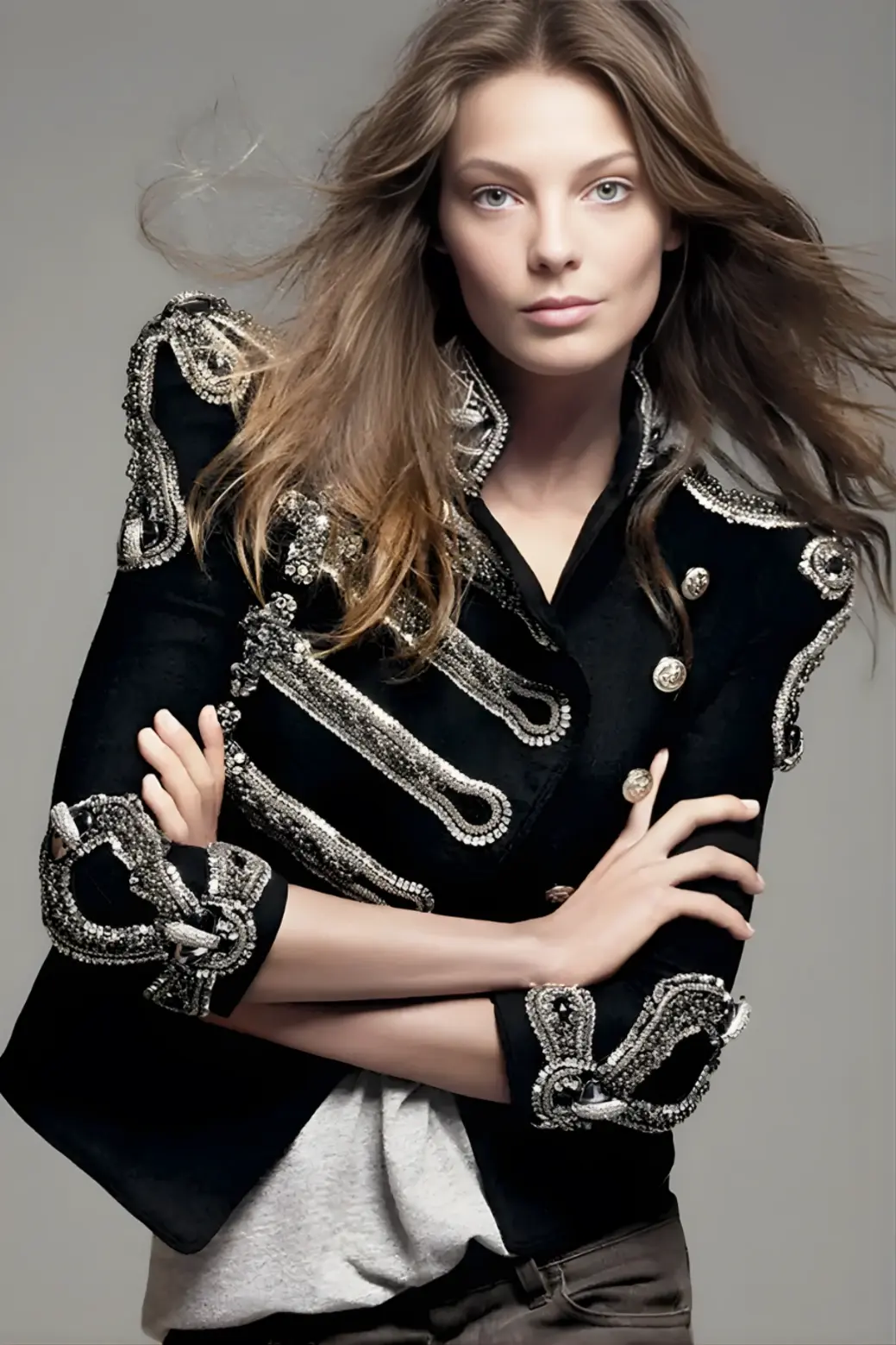
Civilians adopted these cues enthusiastically, demonstrating how military aesthetics could transcend battlefield context and become repositories of aspiration, elegance, and social identity.
Yet the nineteenth century brought a quieter, more technical evolution. The Industrial Revolution enabled precise tailoring and large-scale textile production, codifying silhouettes that remain standard today. Naval pea coats, with their dense wool and double-breasted closures, transitioned almost seamlessly into civilian wardrobes; officer-inspired suiting embedded sharp collars, venting systems, and reinforced seams into mainstream menswear. The era revealed a truth that would only grow stronger: military clothing shaped civilian dress not by force but by function.
The twentieth century marked a radical transformation. Two world wars demanded garments engineered for unprecedented conditions, accelerating innovations that would become fashion pillars. The trench coat, designed for officers in the mud and rain of WWI, combined ventilation systems, storm flaps, durable gabardine, and adjustable belts that features now considered hallmarks of timeless outerwear. The bomber jacket emerged from freezing aircraft cabins, its cropped shape allowing freedom of movement, its knitted cuffs trapping heat, its lining engineered for warmth; today it remains a global staple associated with youth culture, rebellion, and cinematic cool. Cargo trousers originated from the needs of paratroopers carrying tools and ammunition; their pockets, once tactical necessities, evolved into defining features of streetwear.
After WWII, an enormous surplus of military gear entered civilian markets, spreading these designs globally. What had been life-saving equipment became everyday clothing. Cultural meaning shifted as garments passed from one context to another: what once represented hierarchy now suggested equality; what was once issued became chosen.
Subcultures of the late twentieth century adopted military pieces as tools of expression. Anti-war protesters wore fatigues to critique the system that created them. Punks embraced combat boots for their hardness and defiance. Grunge musicians gravitated toward surplus layers for their rawness and anti-fashion stance. Meanwhile, high fashion began absorbing military codes with deliberate artistry.
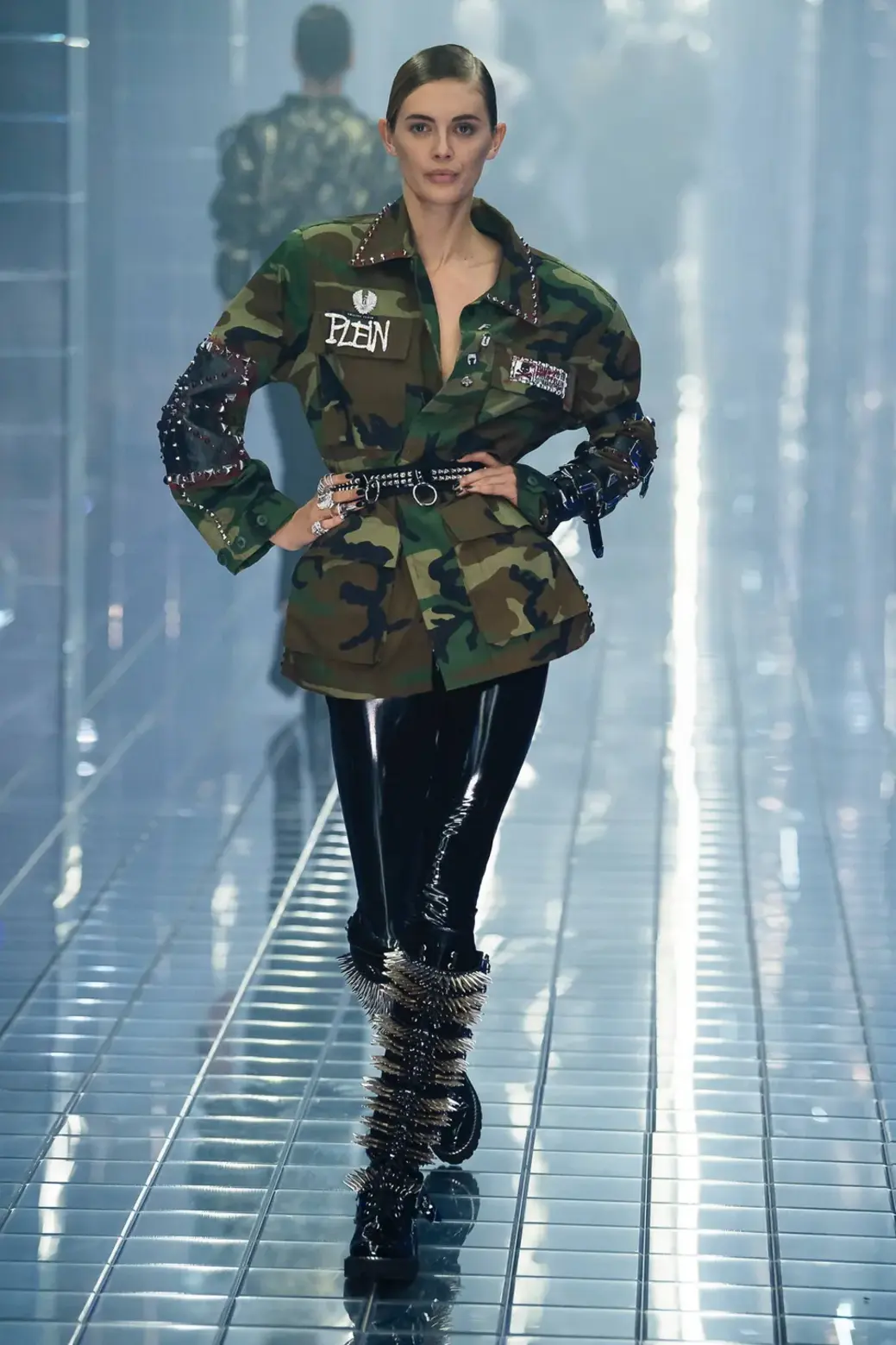
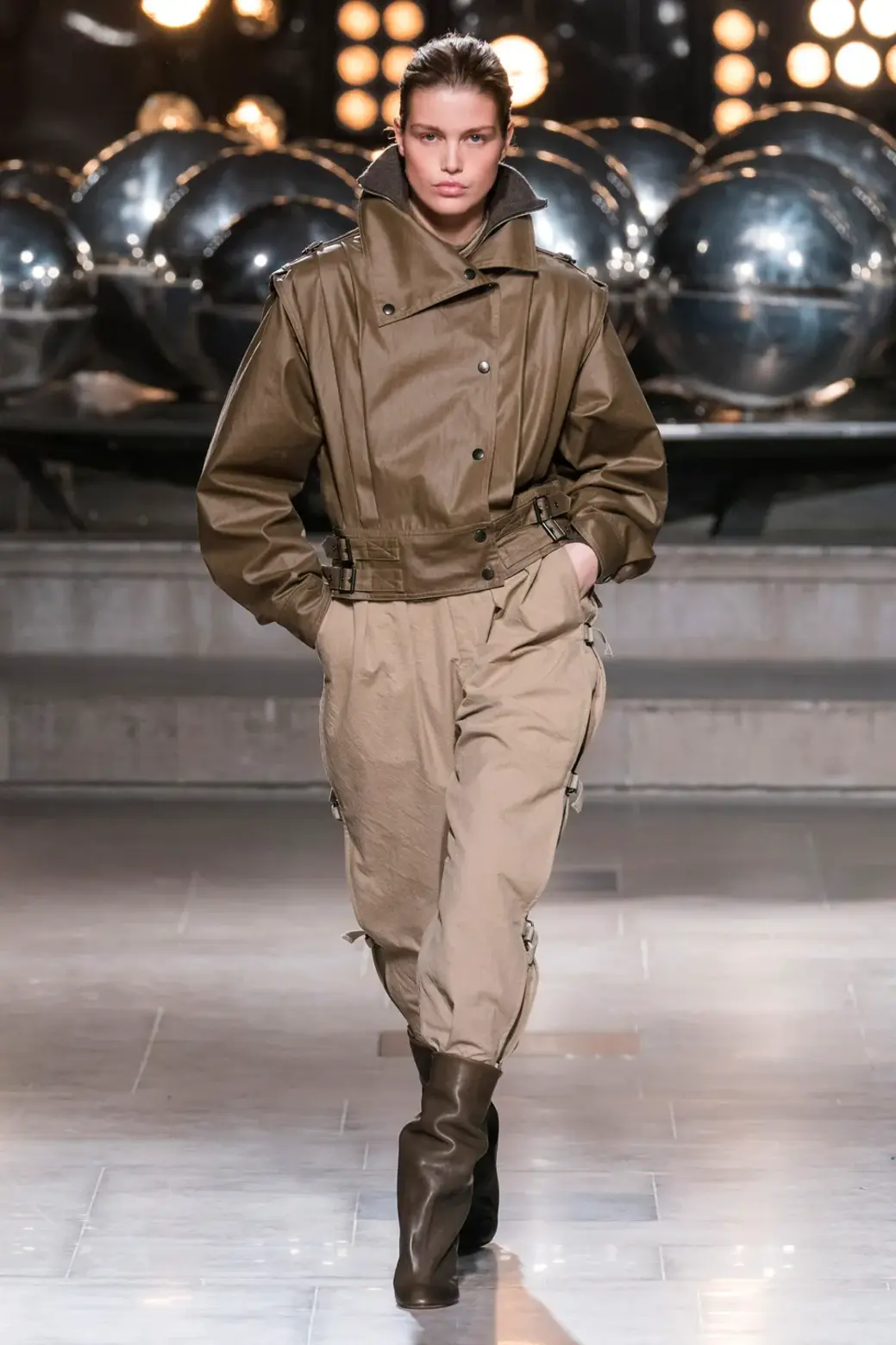
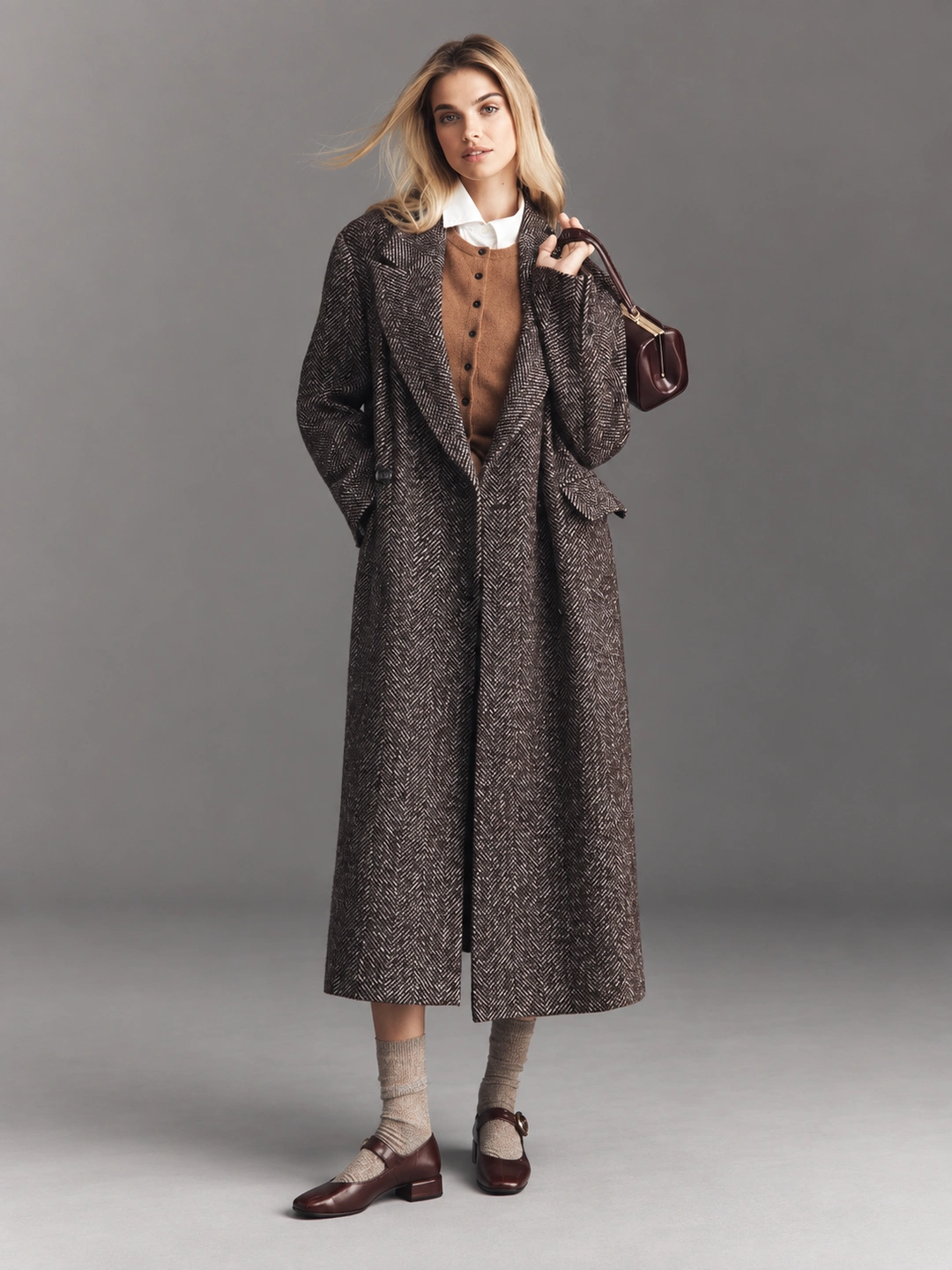
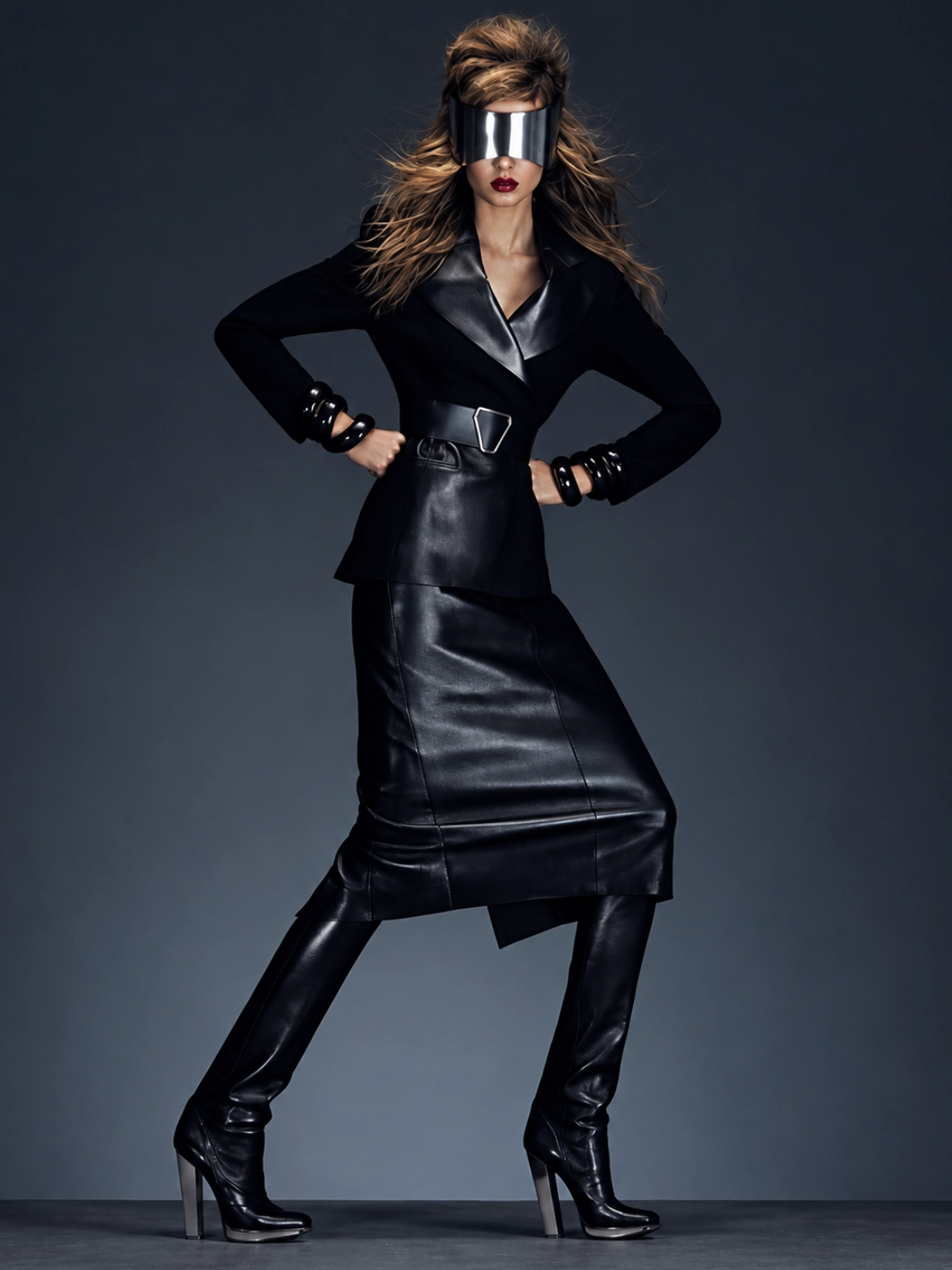
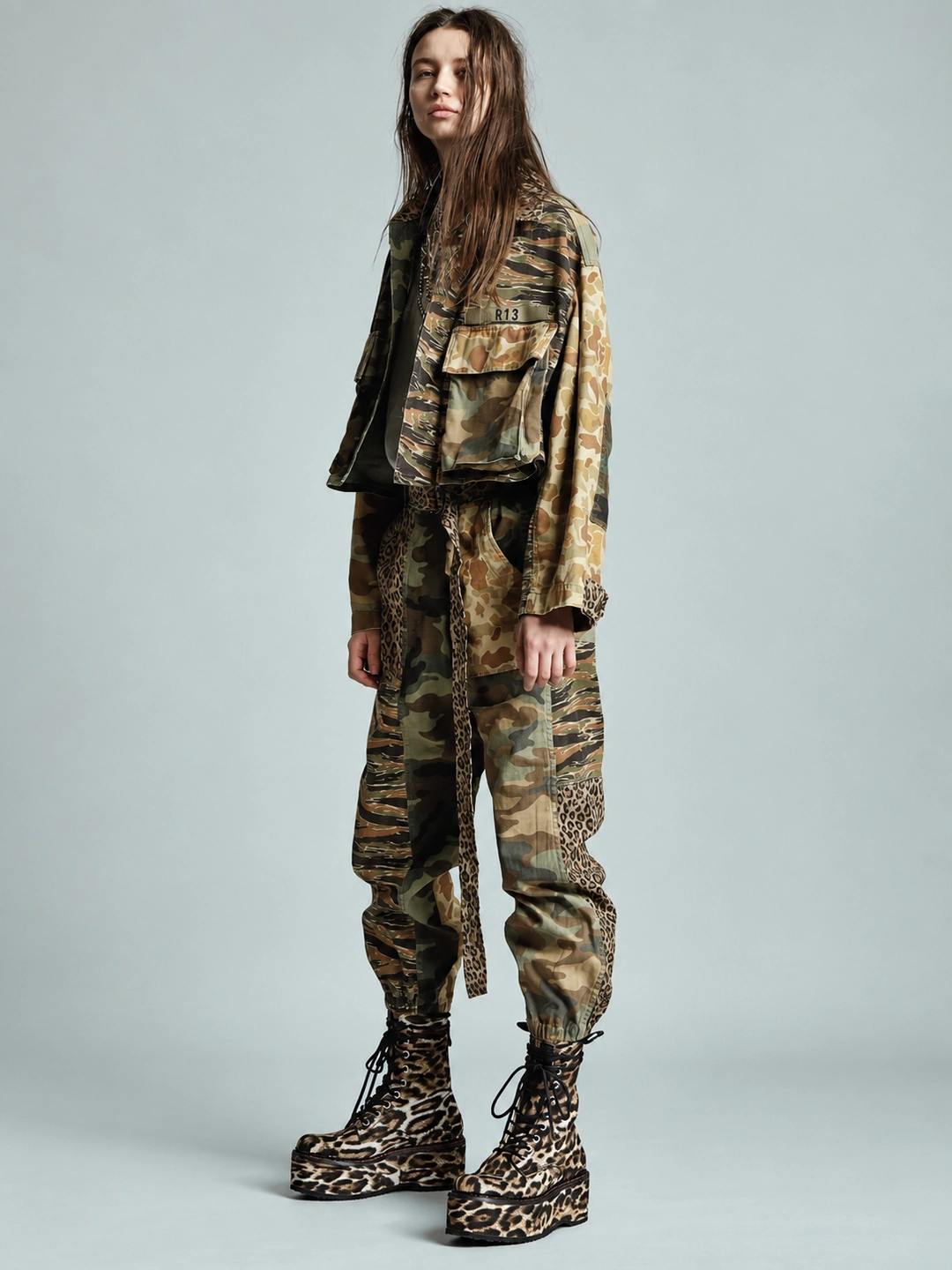
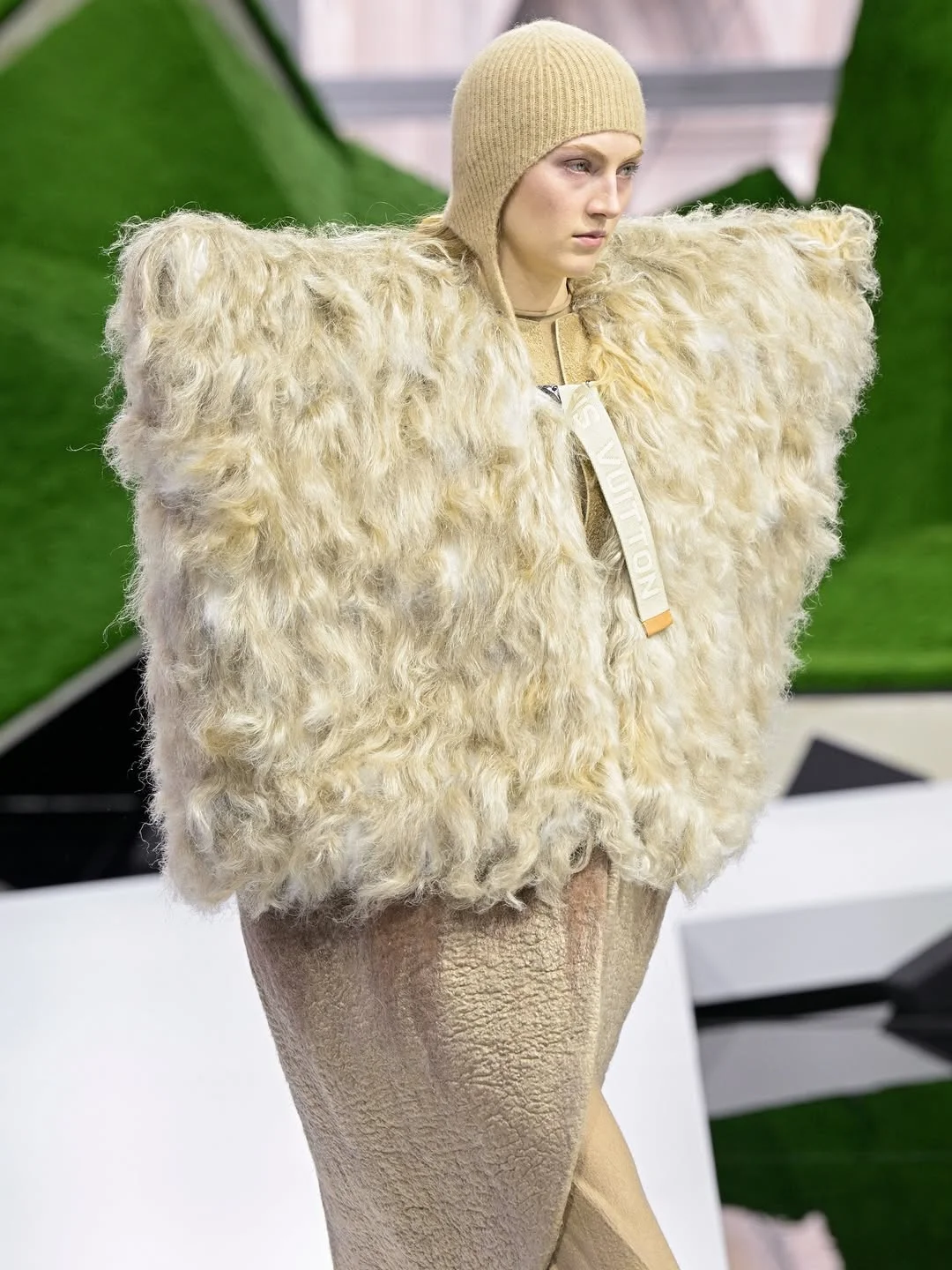
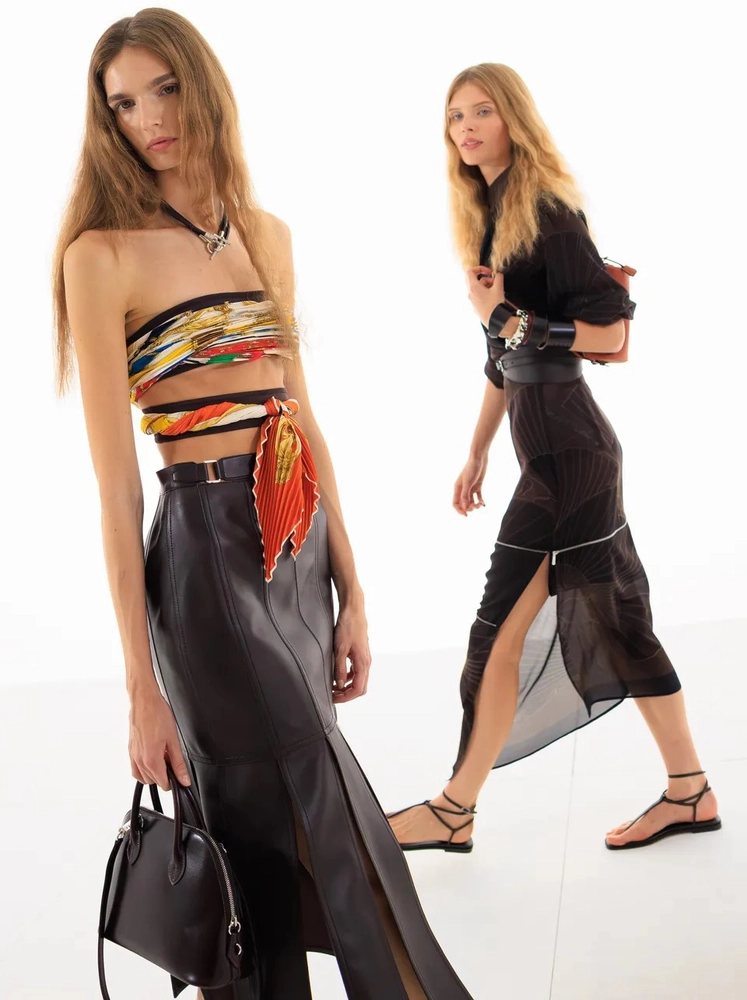
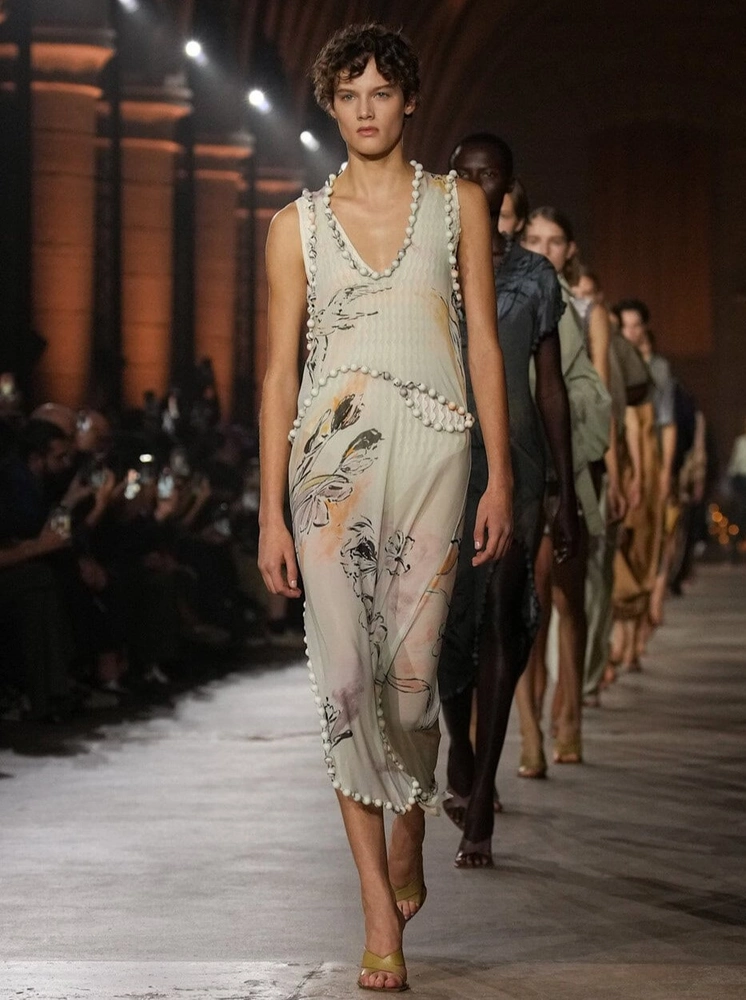
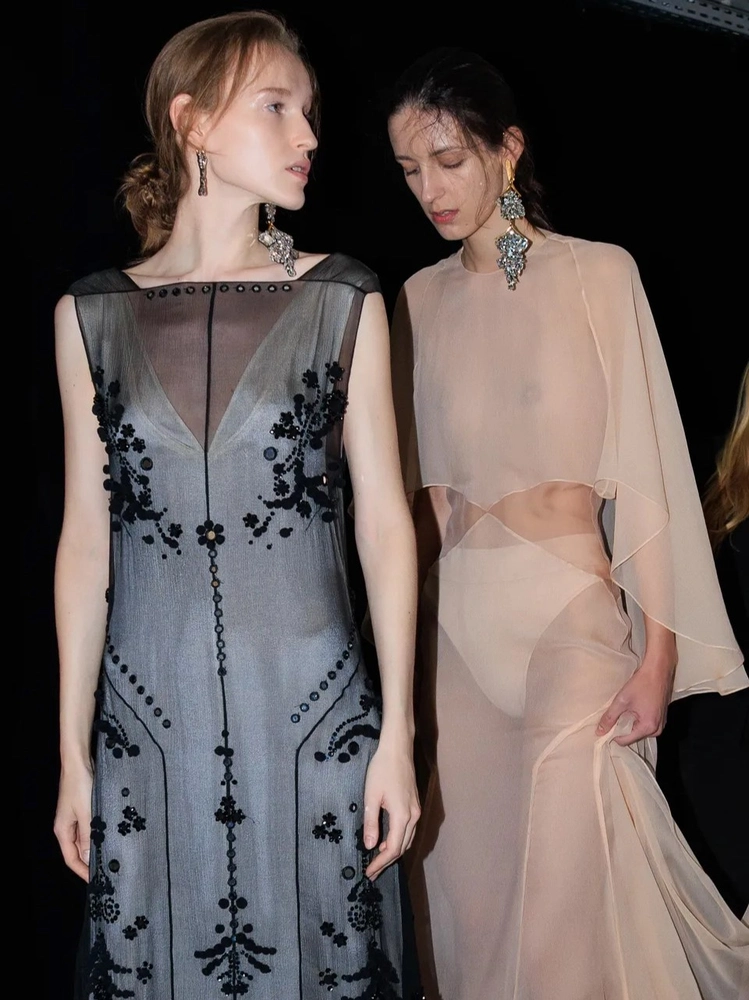
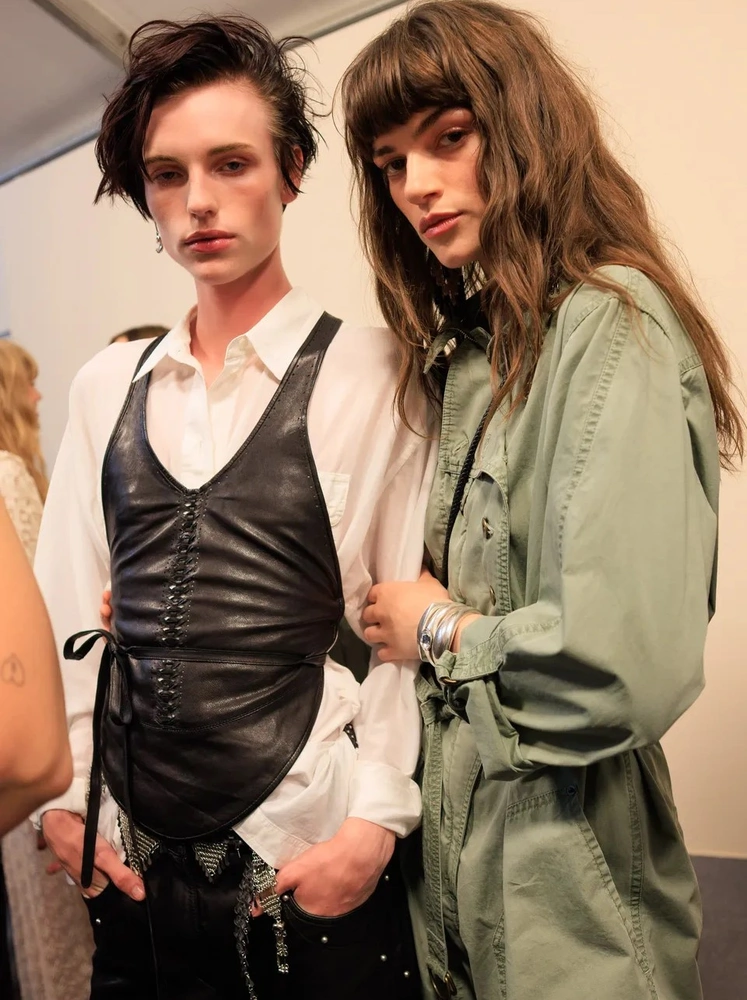
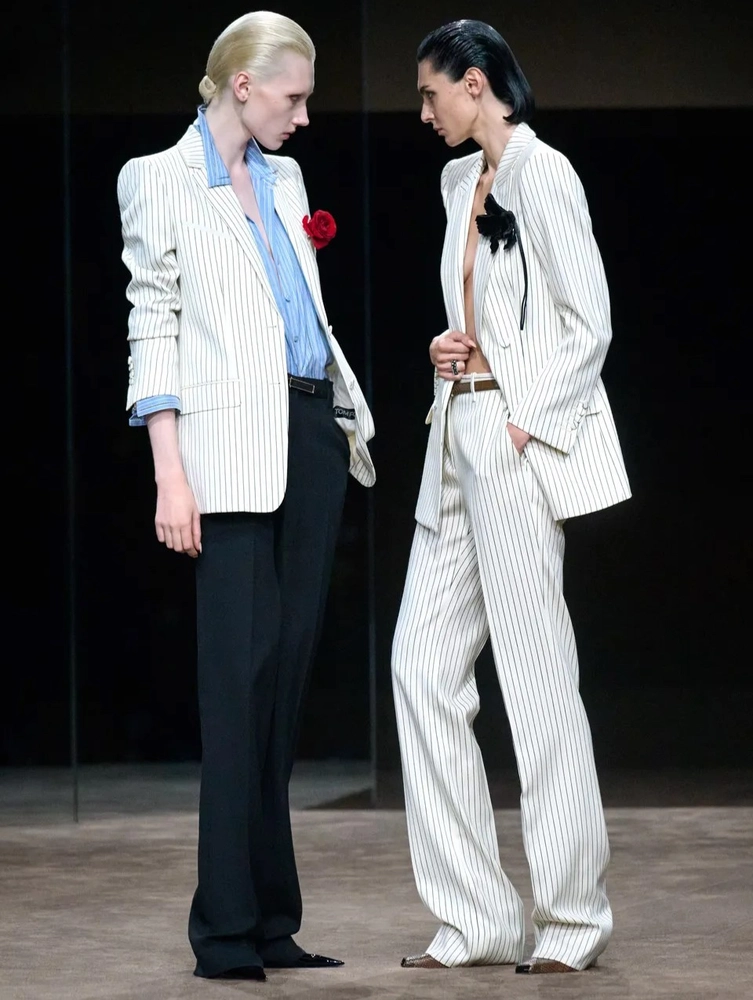
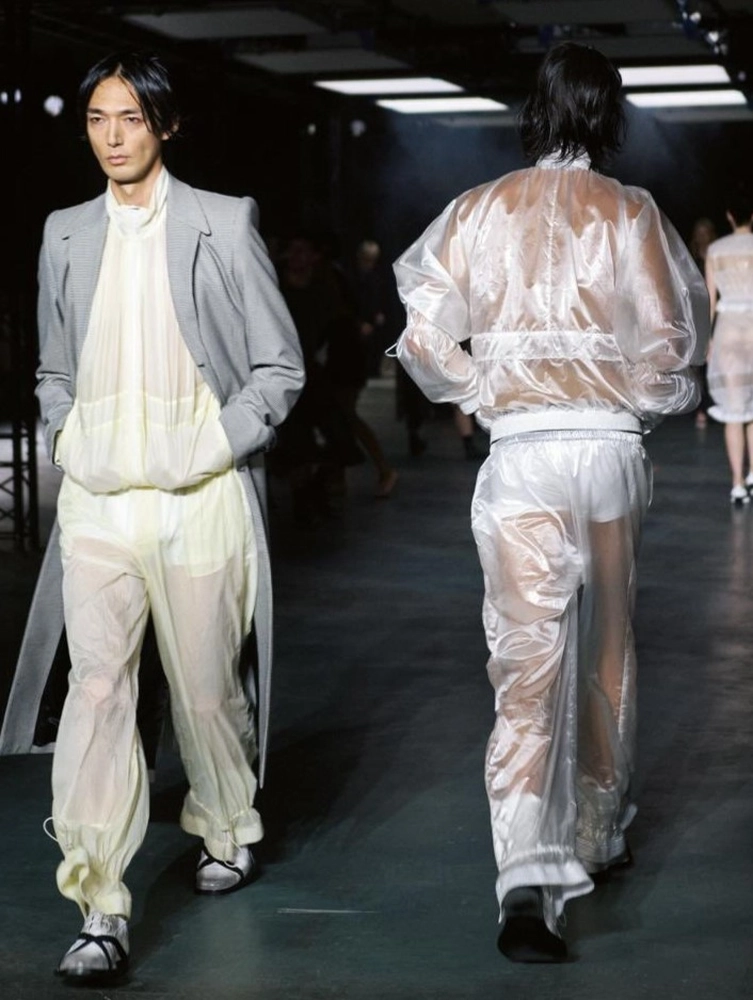
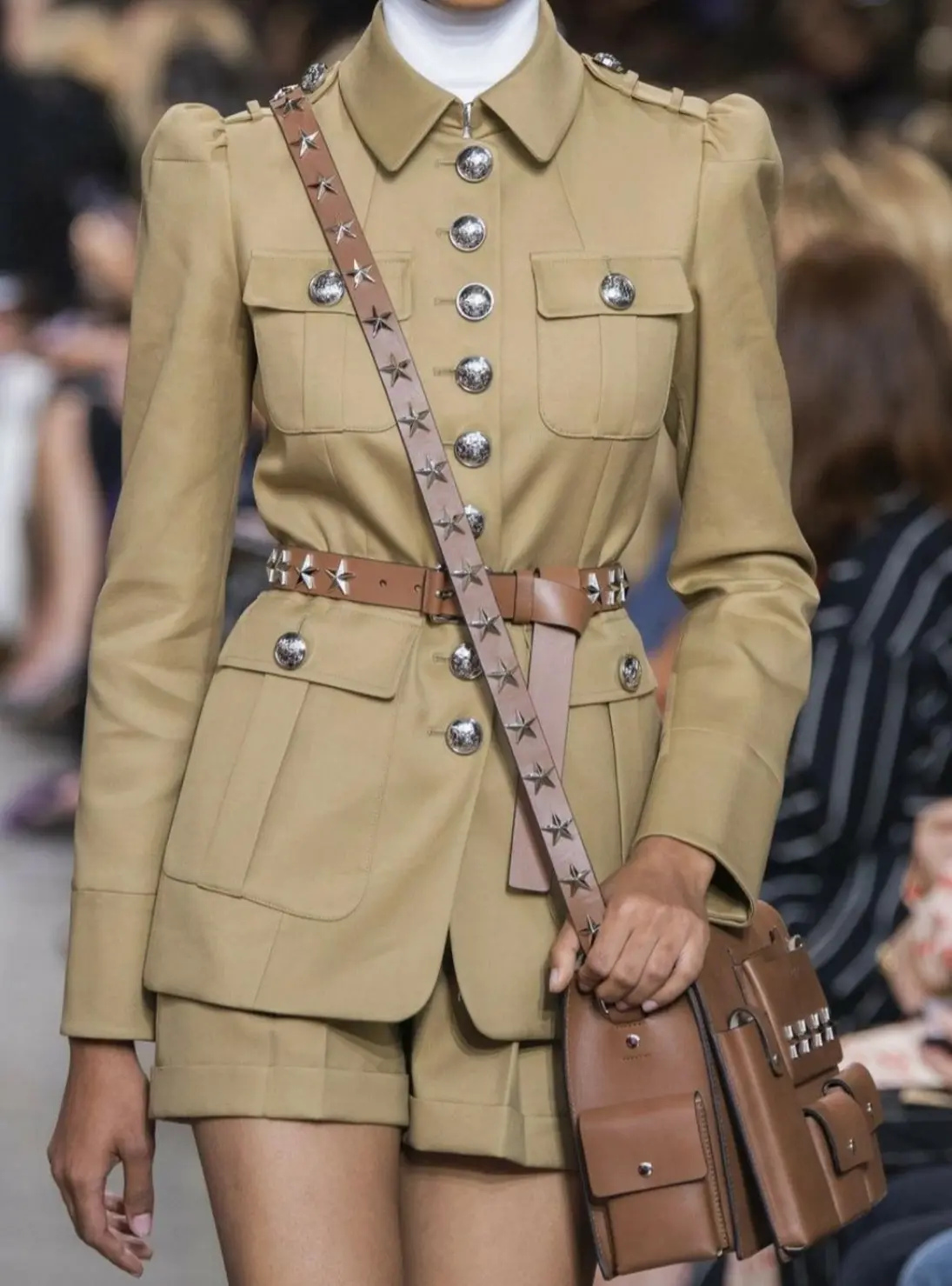
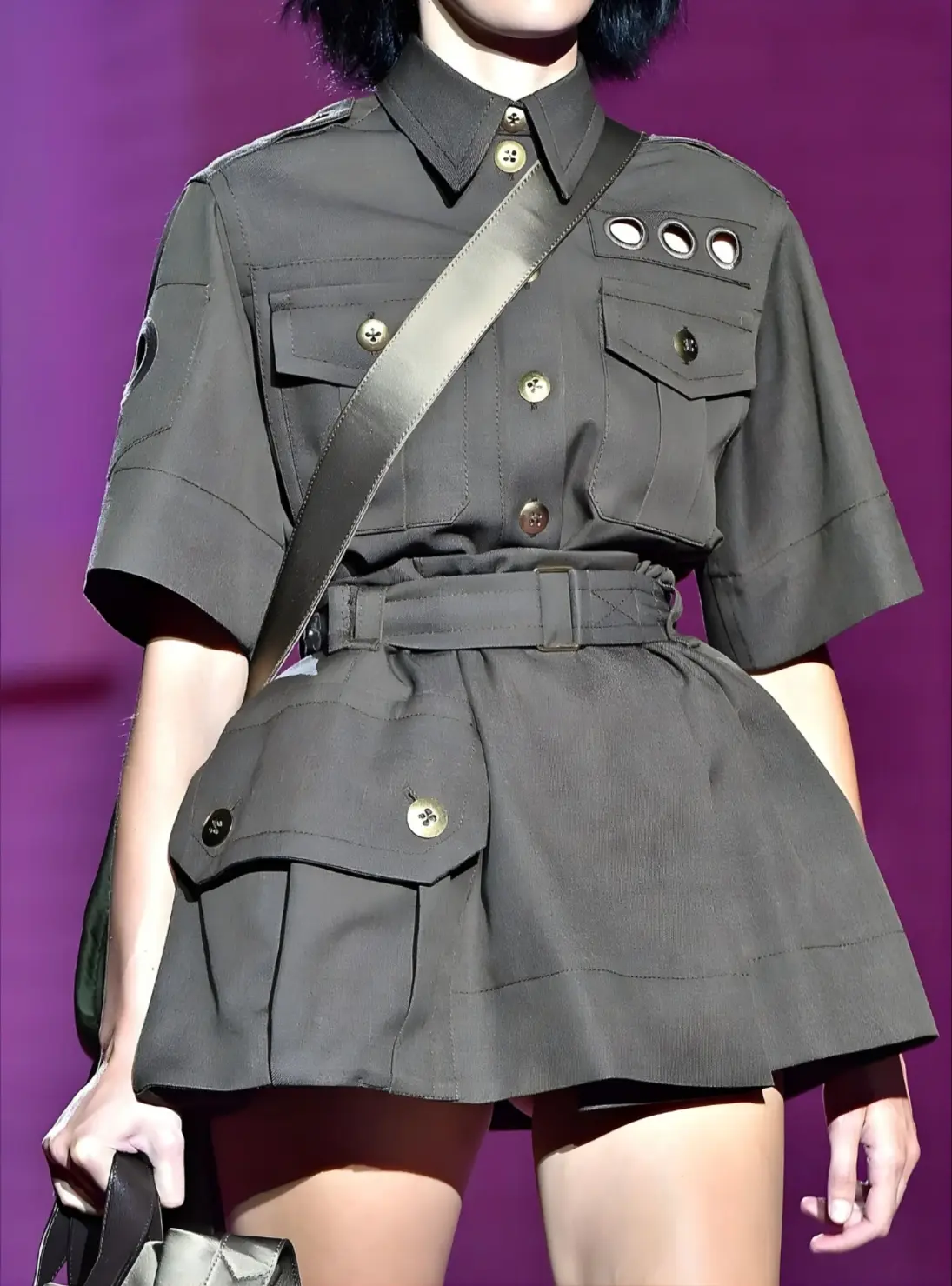
On today’s runways, military style is reborn through a disciplined blend of structure and luxury, where dense wool officer coats, silk gabardine trenches, ripstop nylon hybrids, and polished leather harnessing reinterpret battlefield pragmatism as modern elegance.
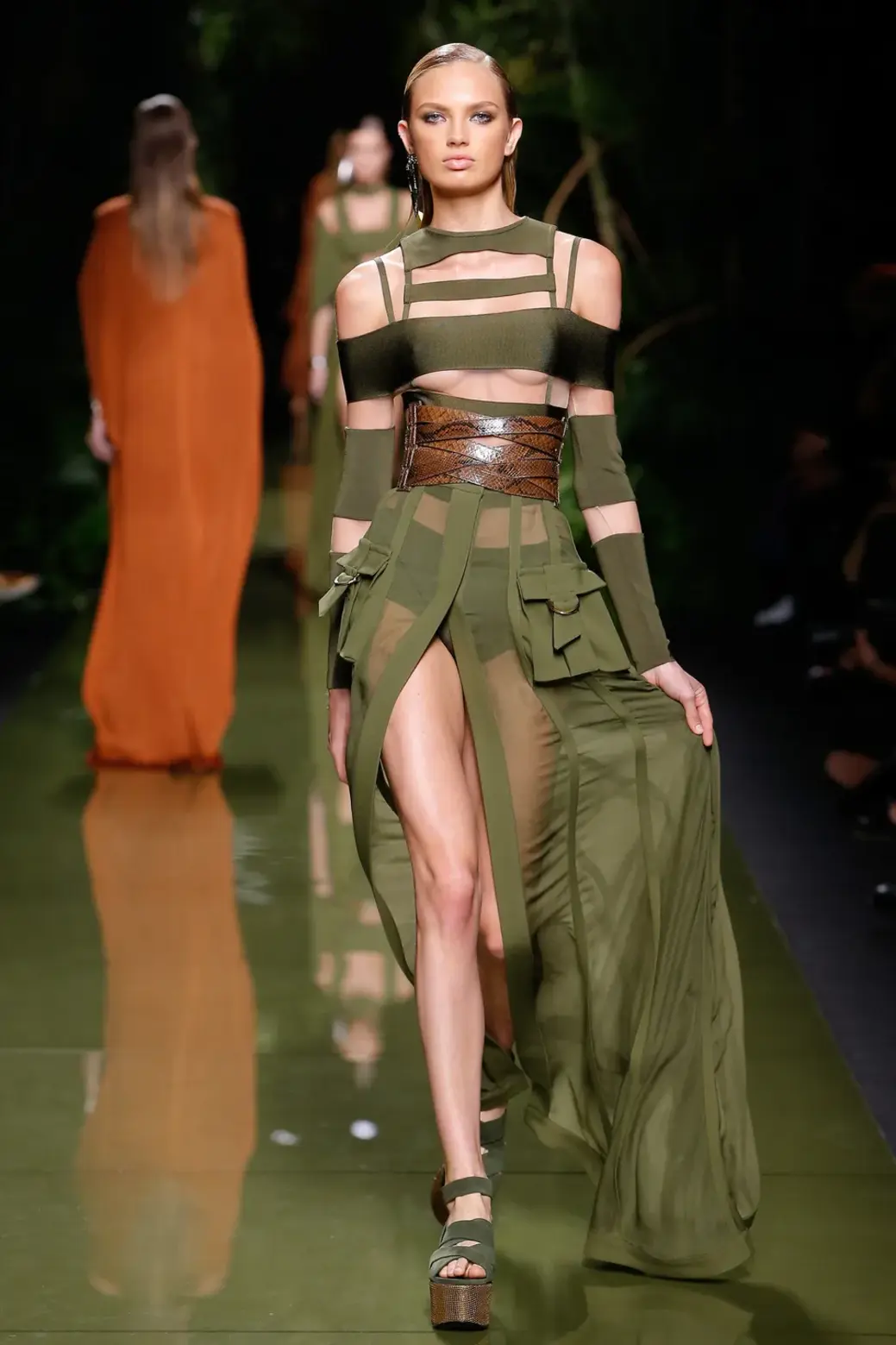
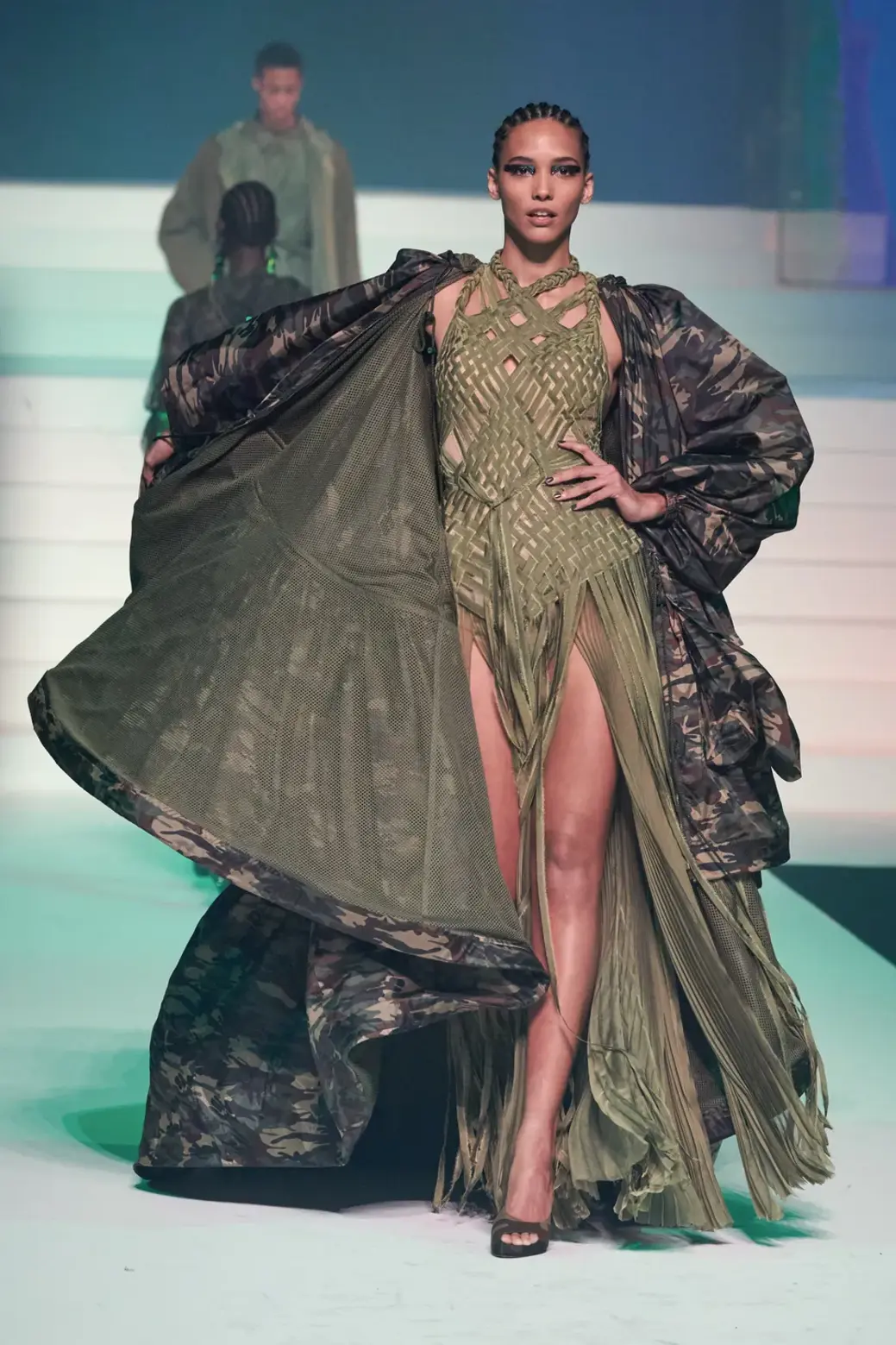
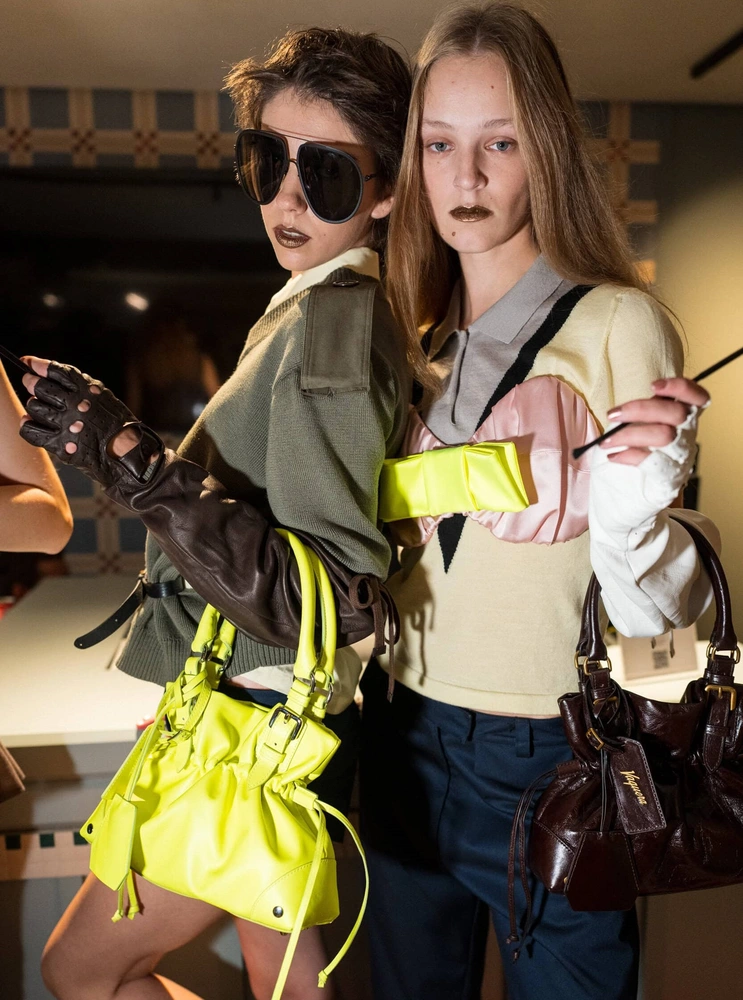
Designers draw from the classic palette of olive, khaki, navy, and charcoal while expanding it with brass golds, burgundies, and reimagined camouflages, then sculpt silhouettes into sharp-shouldered officer jackets, elongated trenches, cropped bombers, cargo trousers inflated into architectural shapes, and utility jumpsuits cut with precision.
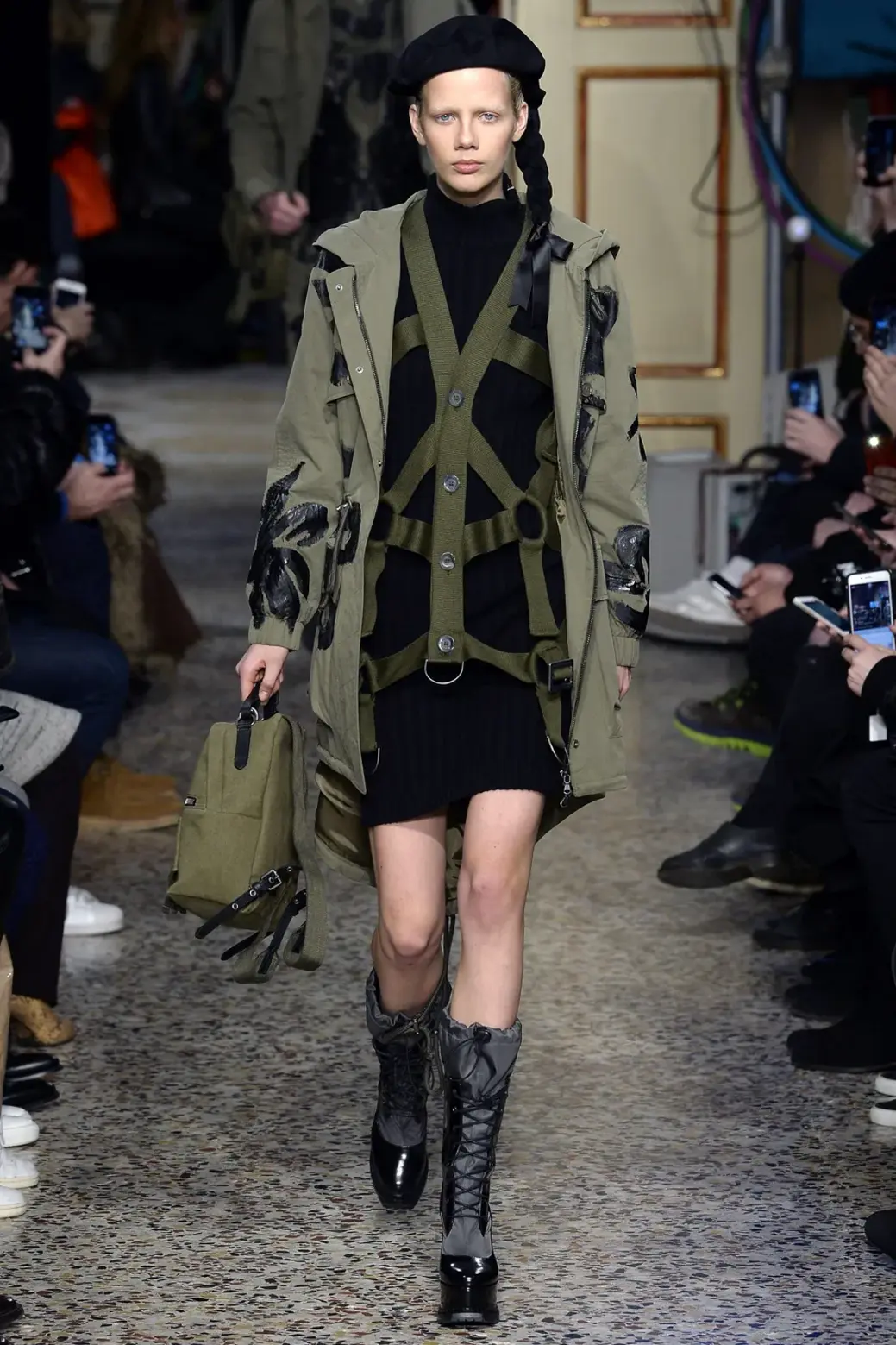
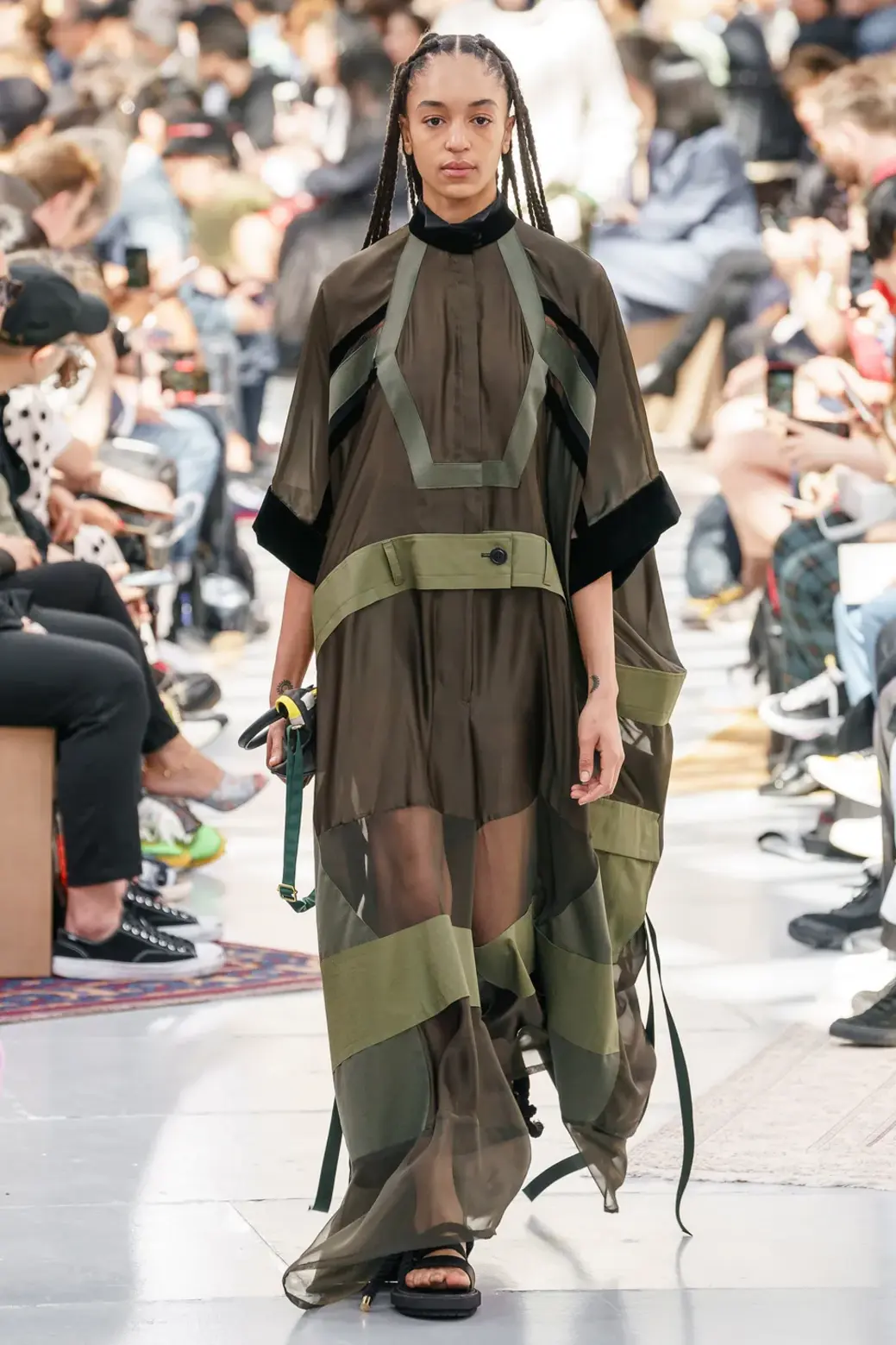
Moschino exaggerates medals, epaulettes, and camo into satirical couture; Sacai fuses MA-1 bombers with pleats and straps in hybrid forms; Kenzo channels youthful regimental energy; Balmain transforms military tailoring into gilded power dressing; and Jean Paul Gaultier sensualizes uniforms through corsetry, sailor codes, and trench-dress alchemy.
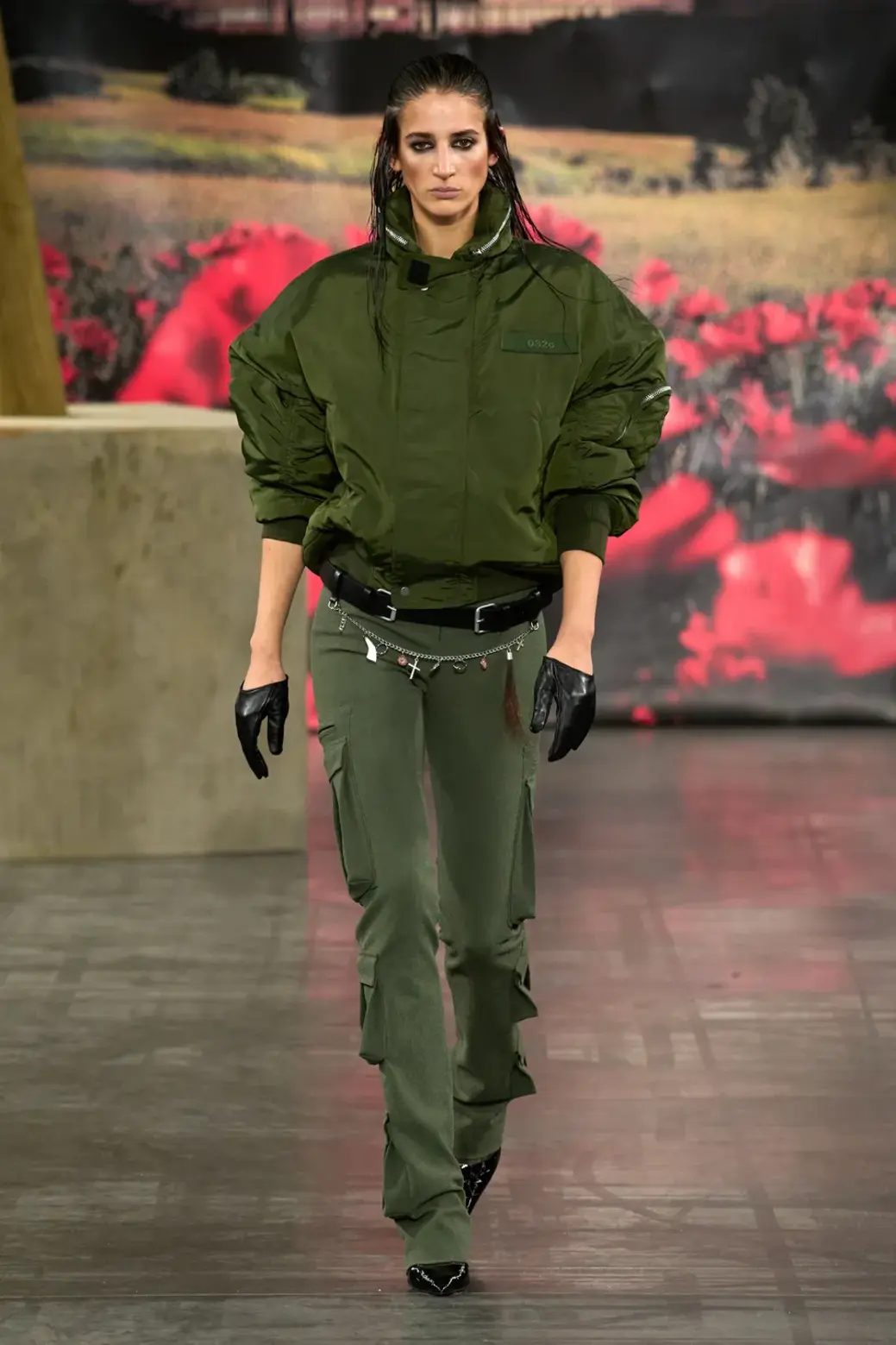
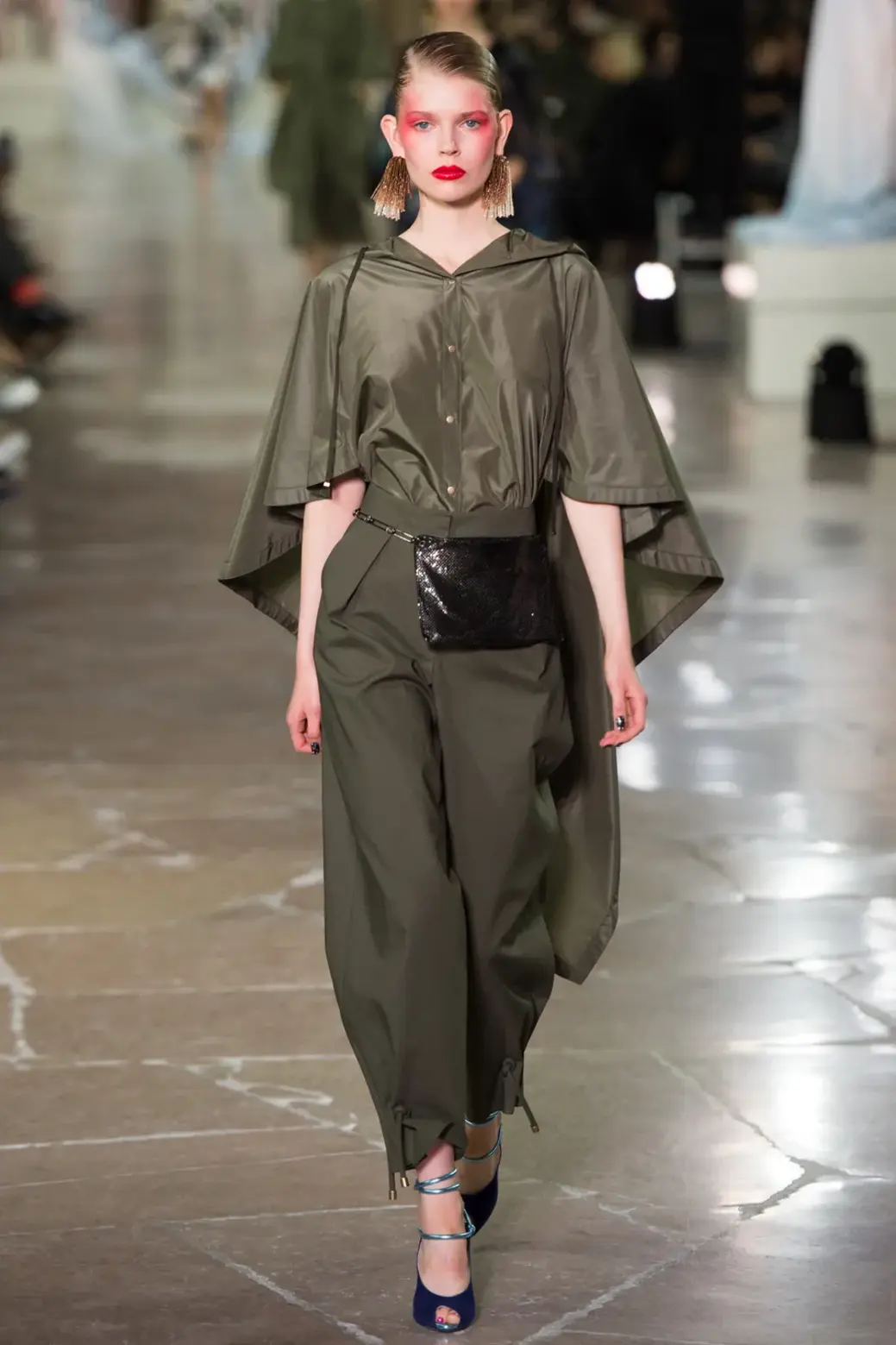
Across these houses, military style becomes not imitation but elevation, an aesthetic of readiness, clarity, and structured strength that continues to define contemporary fashion.
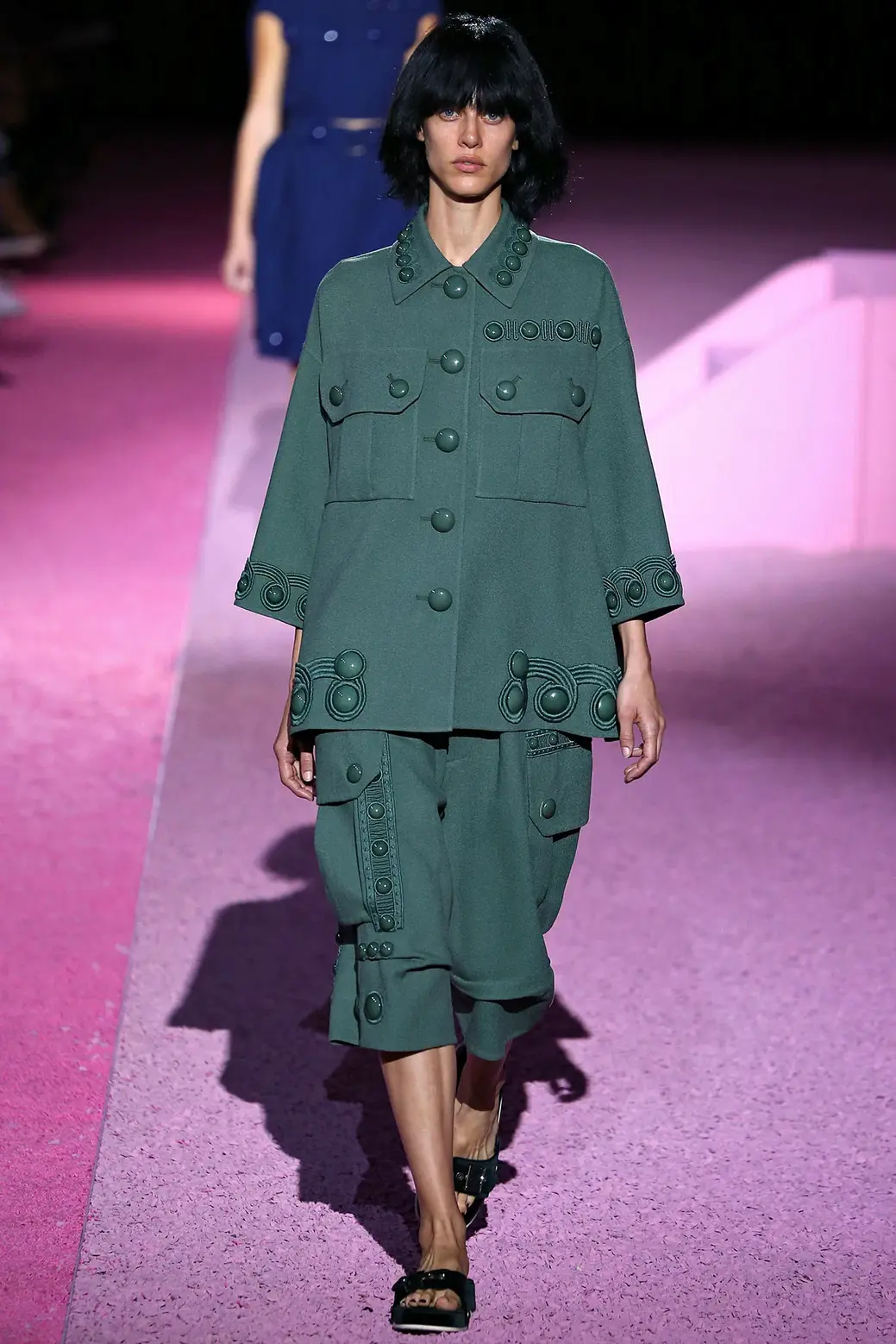
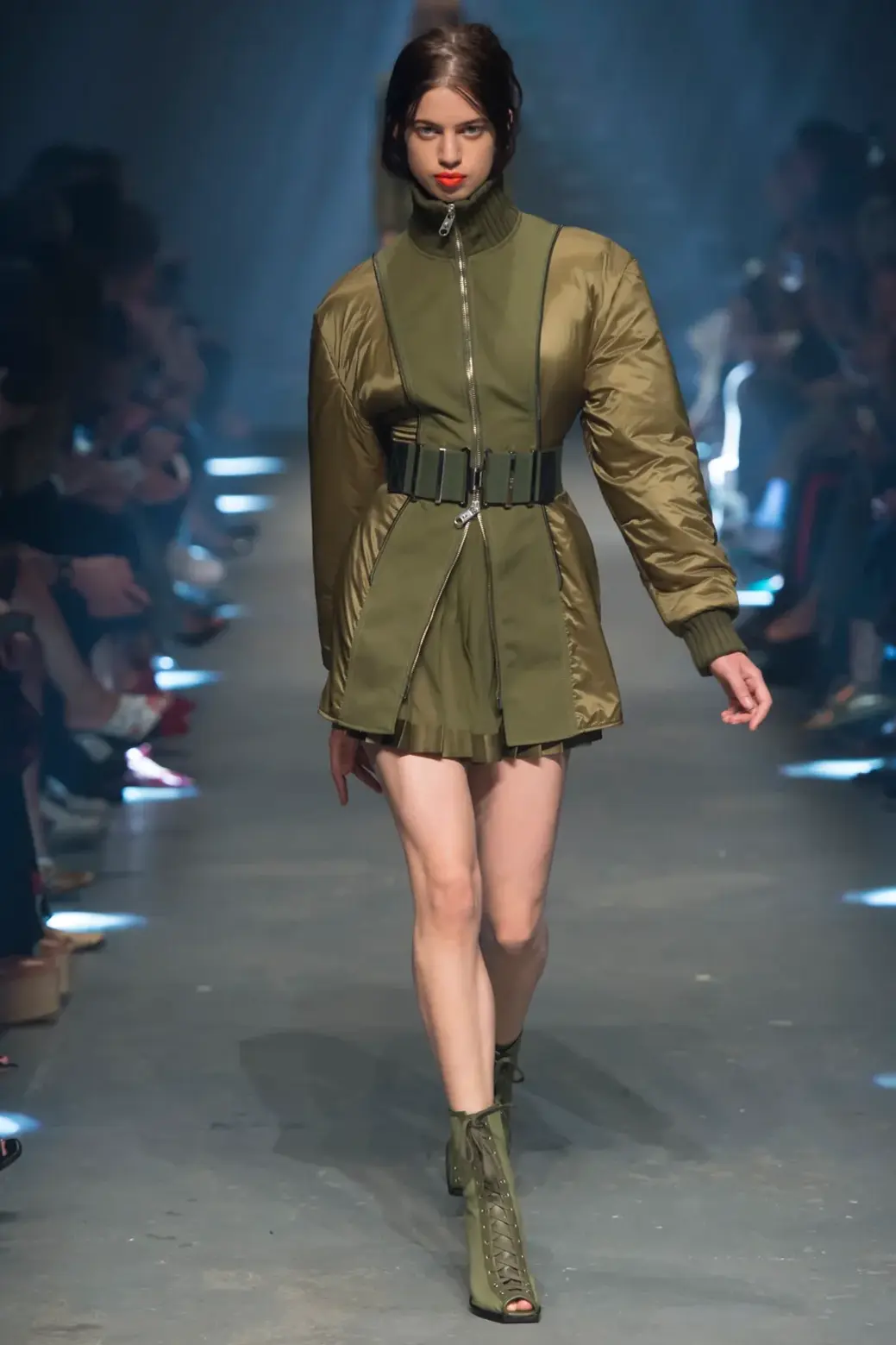
Across centuries, military style evolved from necessity to influence, from battlefield design to cultural language. Each era reshaped its meaning: aspiration, discipline, rebellion, durability; until it became inseparable from the history of fashion itself. The military uniform, once a tool of order, became the blueprint for modern dressing: standardized sizing, functional construction, reinforced stress points, strategic layering, and purposeful minimalism.
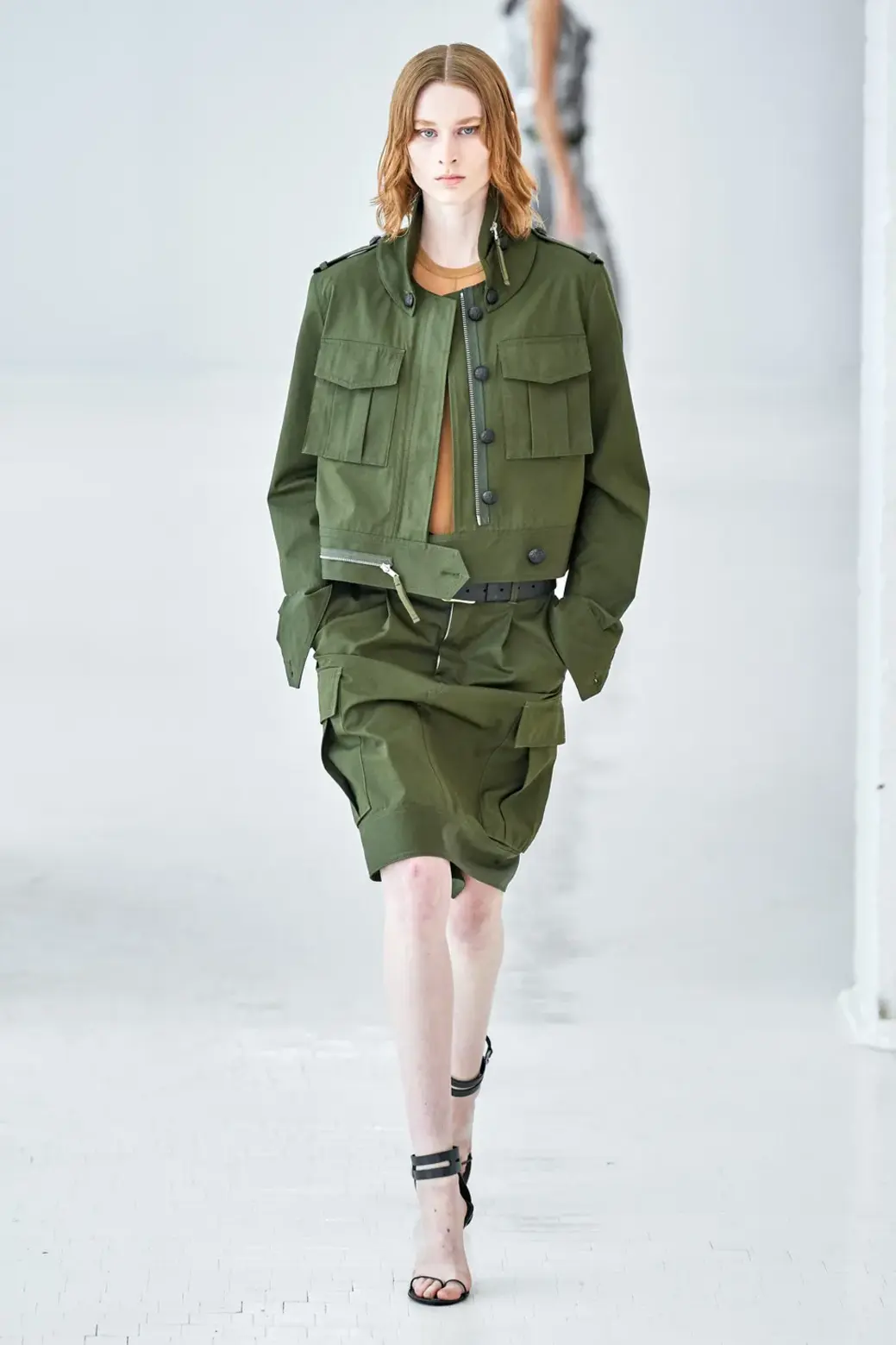
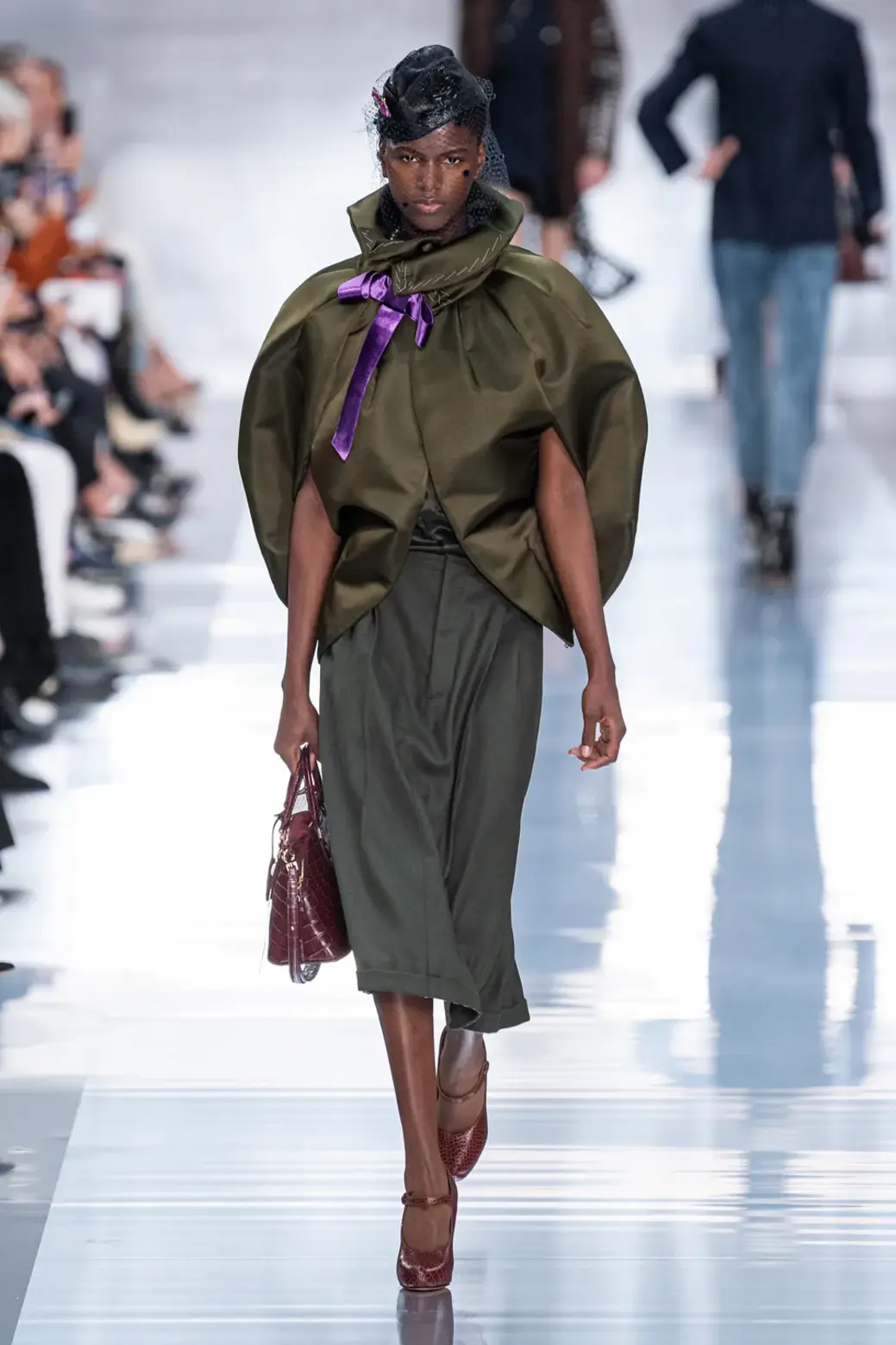
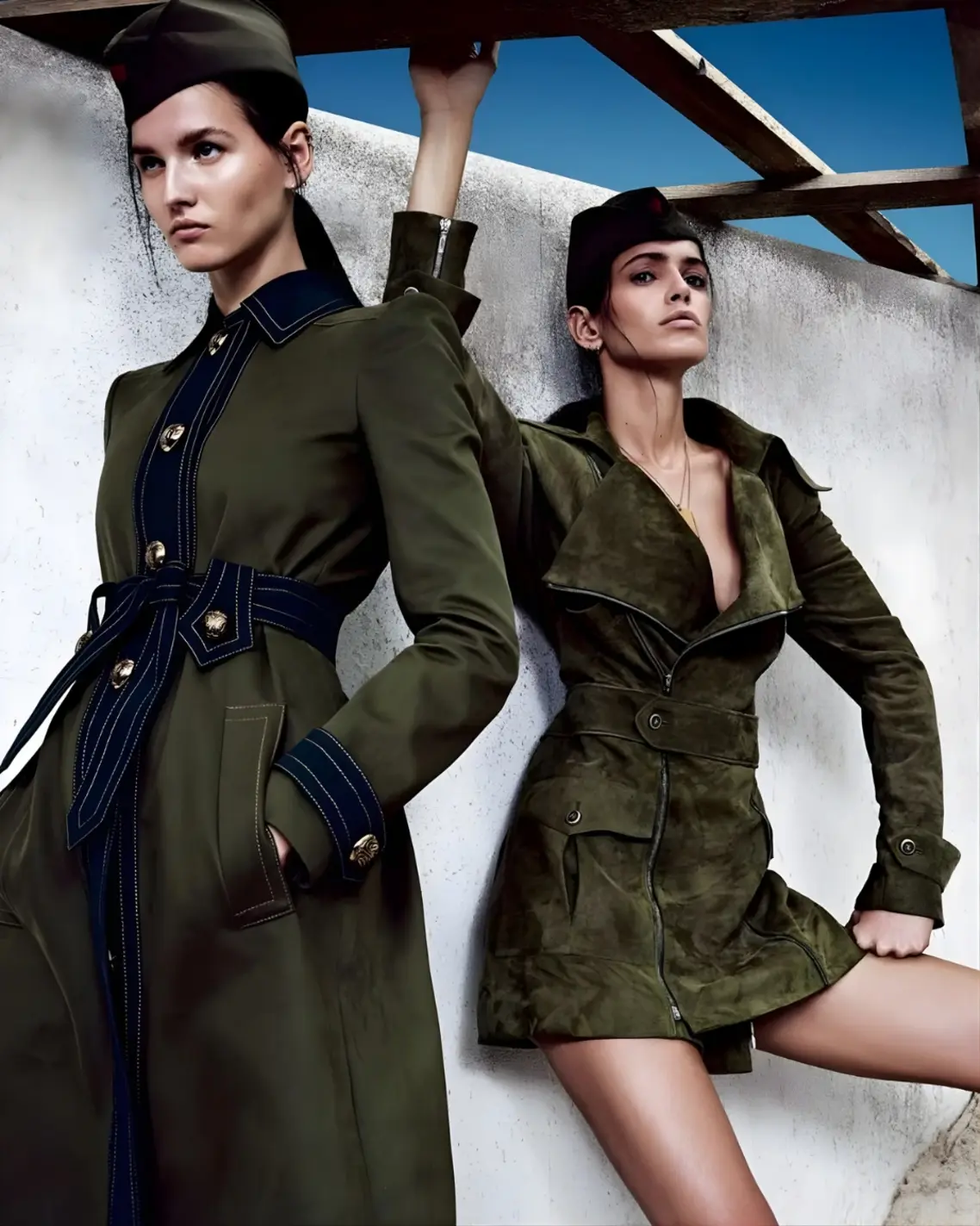
At its core, the military spirit symbolizes discipline, the internal discipline that strengthens a person’s foundation. In a world where chaos multiplies and distraction spreads like fog, military silhouettes carry the reminder that discipline is self-organization, the gathering of one’s scattered pieces into alignment.
The spirit also speaks of readiness. The wearer is not preparing for conflict, they are preparing for life, for its tests, for its sudden demands. Readiness becomes metaphorical: the readiness to speak up, to stand strong, to pivot when needed, to face one’s own internal obstacles with calm resolve.
There is also the spirit of endurance, woven into the thickness of fabrics and the reinforcement of seams, applied to clothing, becomes a philosophy for living. Endurance is not about hardness but about longevity, the ability to continue, to adapt, to recover.
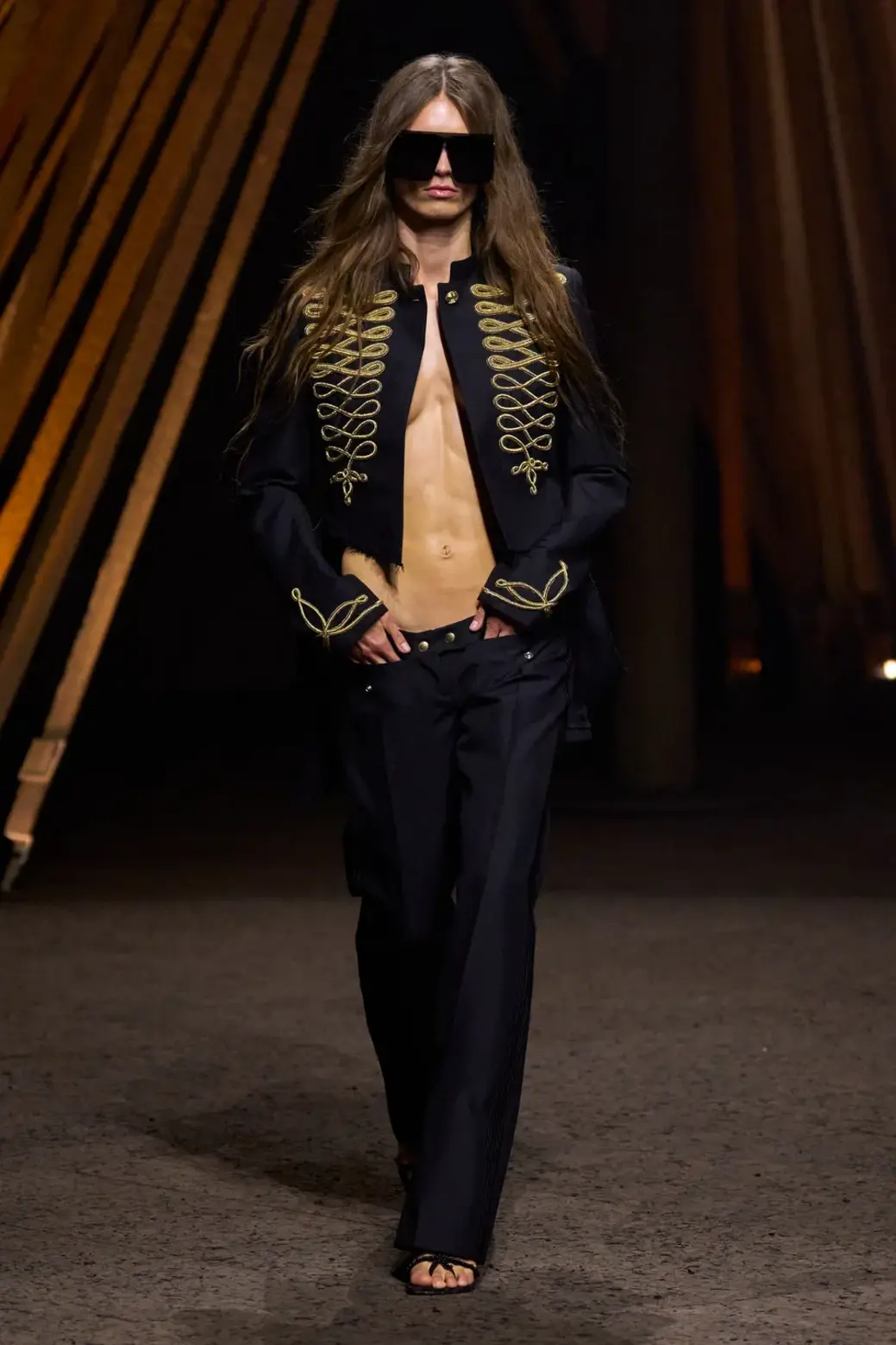
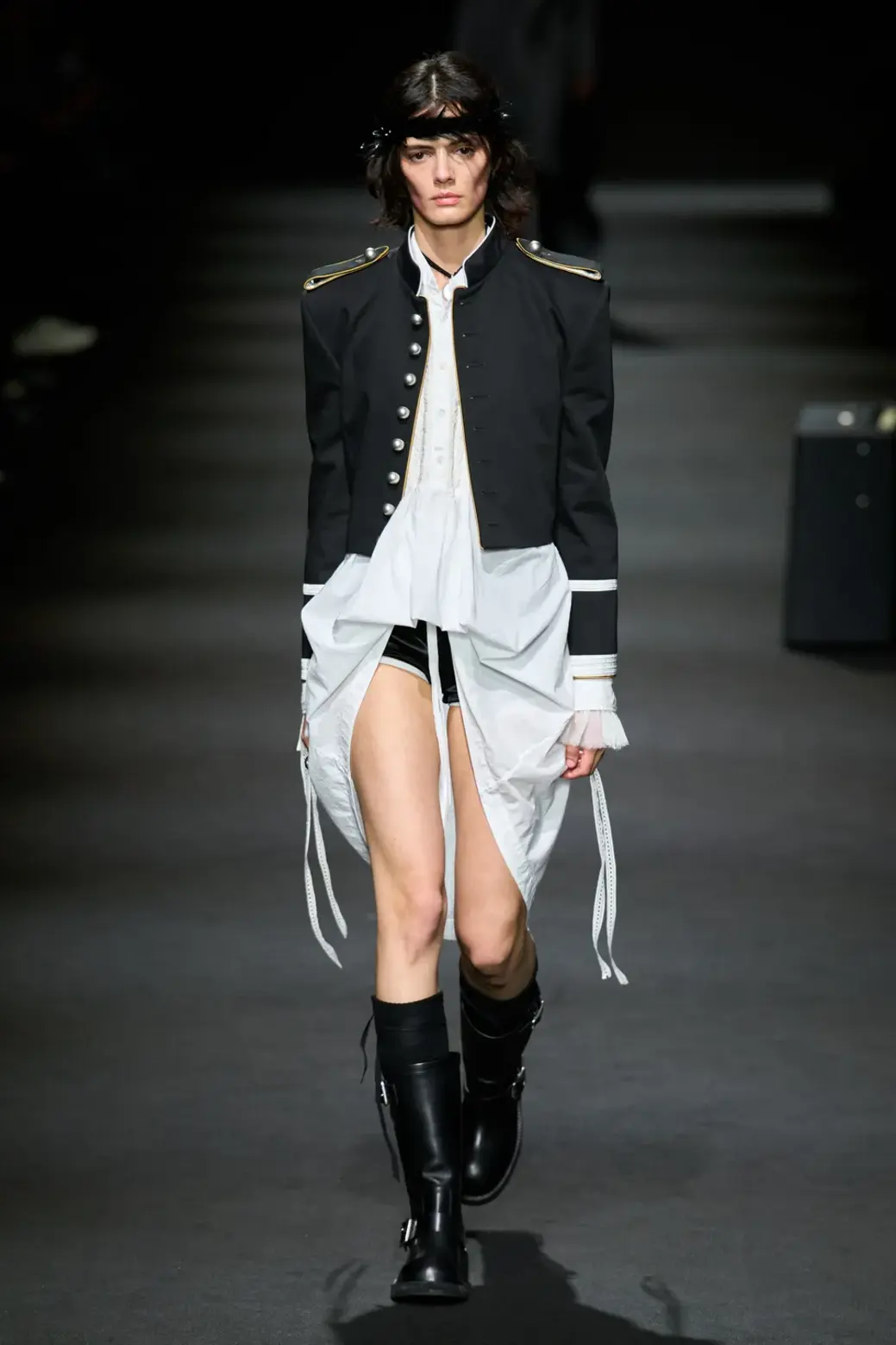
Yet perhaps the deepest meaning carried by military style is clarity. Before fashion softened it, military design demanded precision: every button placed for a reason, every fold engineered to function, every material chosen for its performance. This clarity of purpose translates into a clarity of expression. The garments speaks for them.
And finally, the military spirit symbolizes courage, not in a heroic or combative sense, but in the quiet courage of facing one’s internal battles. The courage to rise again after failure, to maintain integrity when tested, to approach challenges with steady breath. Clothing inspired by military design often carries an unspoken emotional weight.
In the contemporary world,it stems from the timelessness of what the style represents: functionality elevated into philosophy, structure transmuted into elegance, discipline softened into design.
The reason military style persists is its flexibility. Over time, it has held many meanings, duty, discipline, resistance, rebellion, capability, anonymity, identity, and continues to shift according to the needs of the moment. It can communicate strength without aggression, order without rigidity, effortlessness without carelessness. It embodies dualities: soft structure, quiet power, functional beauty.
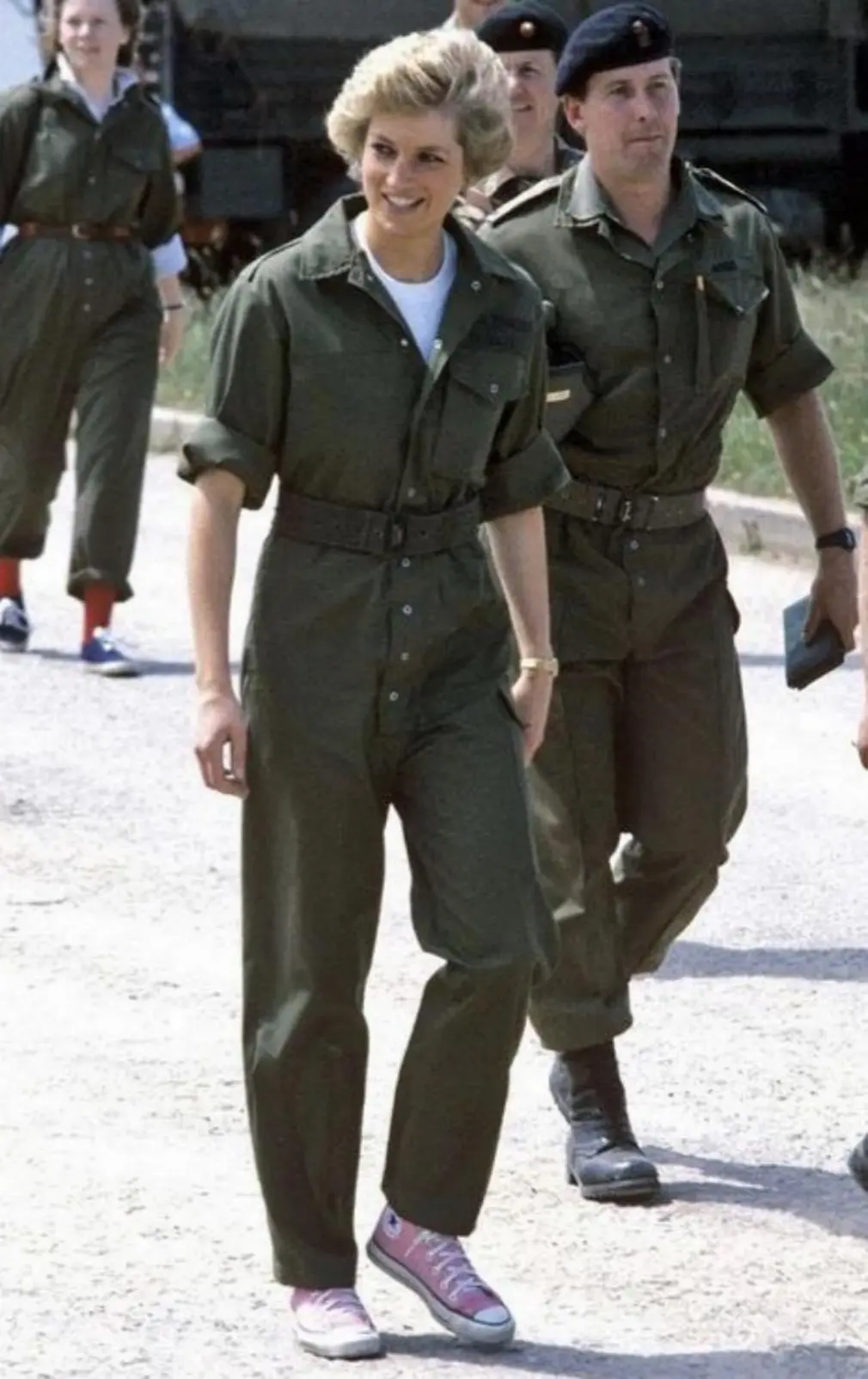
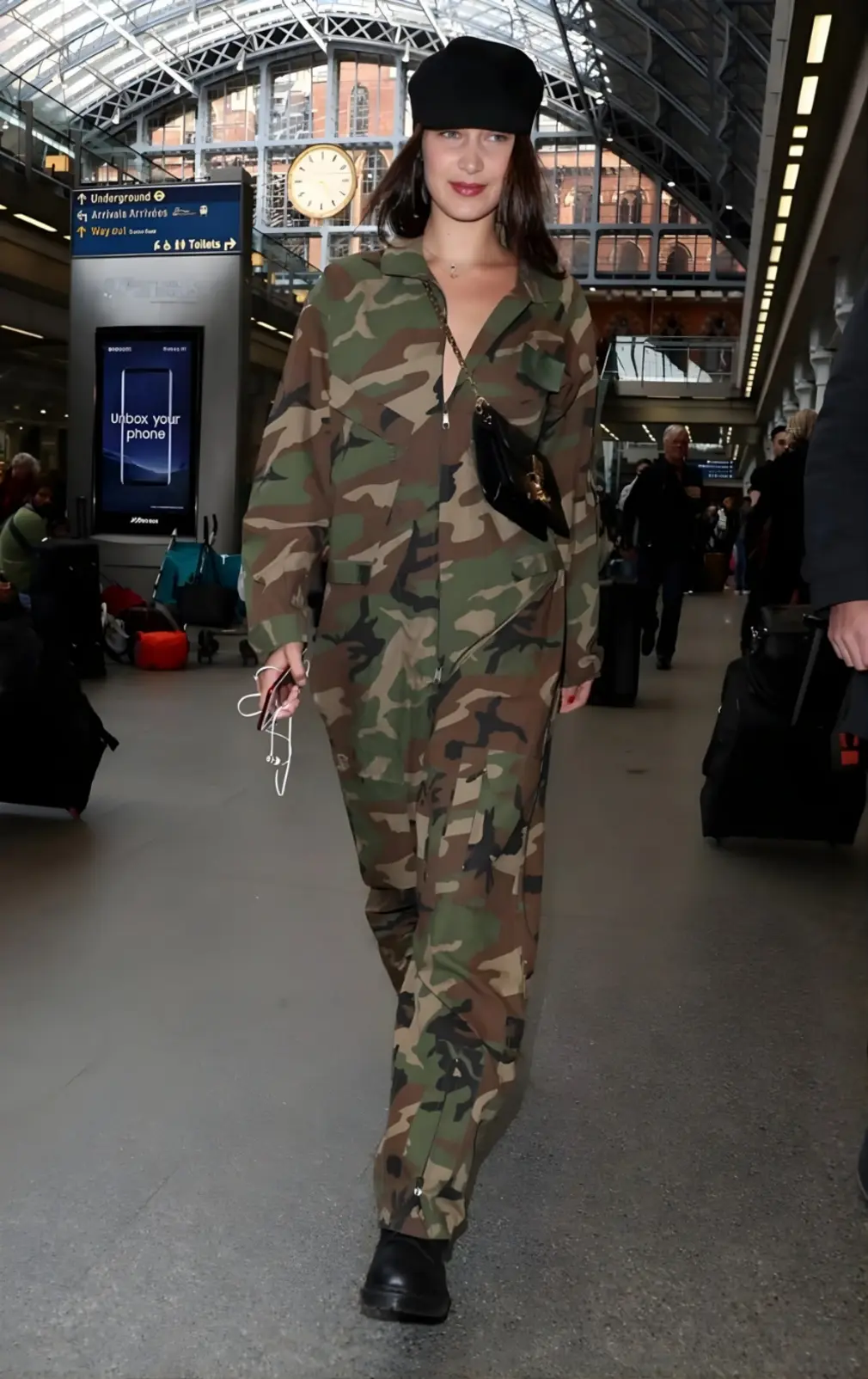
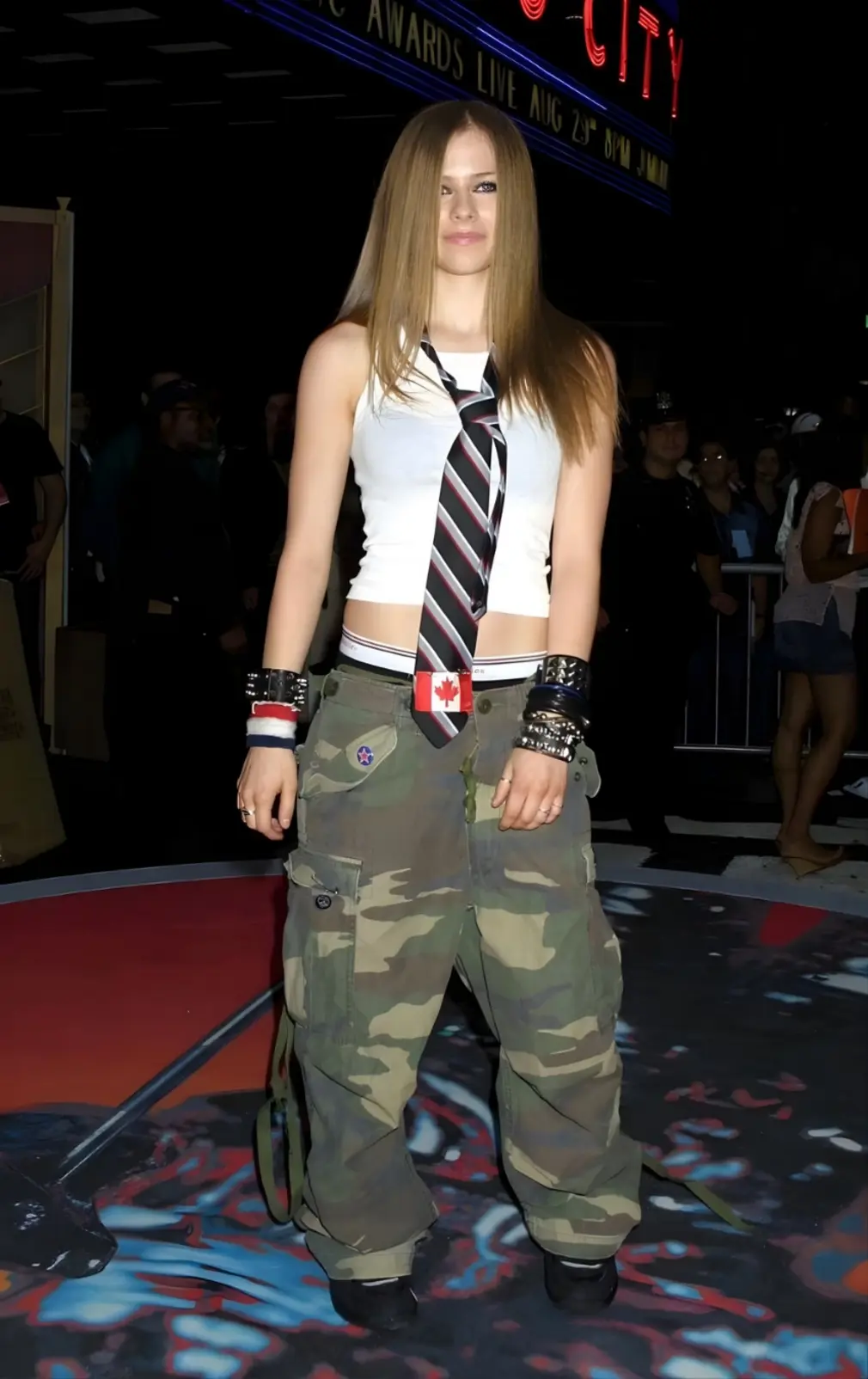
Designers continue to reinterpret military codes because they offer a stable vocabulary in an ever-changing world.
Most importantly, military style endures because it aligns with the psychological landscape of the modern individual. Life today often feels like a series of small battles: against overwhelm, against noise, against digital saturation, against uncertainty. Wearing clothing inspired by discipline and readiness is not an imitation of soldiers but a metaphor for navigating one’s internal terrain. The garments offer structure when the mind feels scattered, simplicity when the world feels excessive, and continuity when everything seems temporary. They speak to a longing for resilience, not physical combat but emotional endurance.
Thus, military style remains ageless not because it refuses change, but because it absorbs change. It evolves without abandoning its foundations. It adapts without losing its clarity. It persists because the values it embodiespurpose, structure, resilience, neutrality, intentionare values humans will always seek, especially in times of flux.
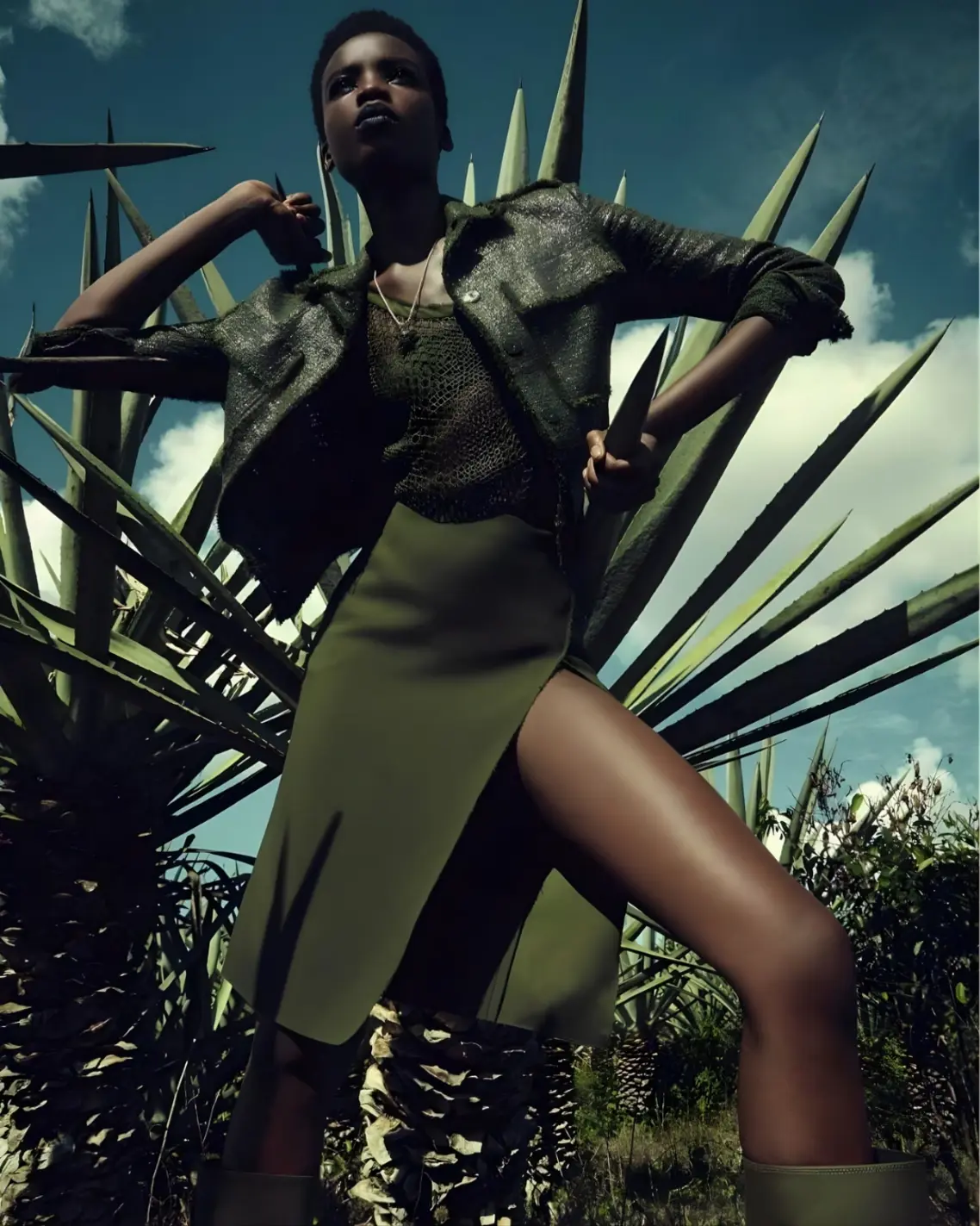
It will never go out of style because its core is not aesthetic but philosophical. Military style is a reminder, stitched quietly into pockets and seams, that design can be both beautiful and useful, that simplicity can be profound, that structure can be soft, and that clothing, when crafted with purpose, can steady the wearer in ways beyond the physical.
It will remain because the human desire for readiness will remain.
It will remain because the world will always need silhouettes that endure.
It will remain because clarity never loses relevance.
And so, military style standsunwavering, adaptable, eternal as an anchor in the ever-changing sea of fashion, and a testament to the enduring power of purpose-driven design.
Advertisement