MENU
Close





He could return with jewels, perfume or letters, yet a Kashmir shawl carried something even more lingering, the sensation of distance folded into cloth and devotion woven slowly enough to survive the journey home.
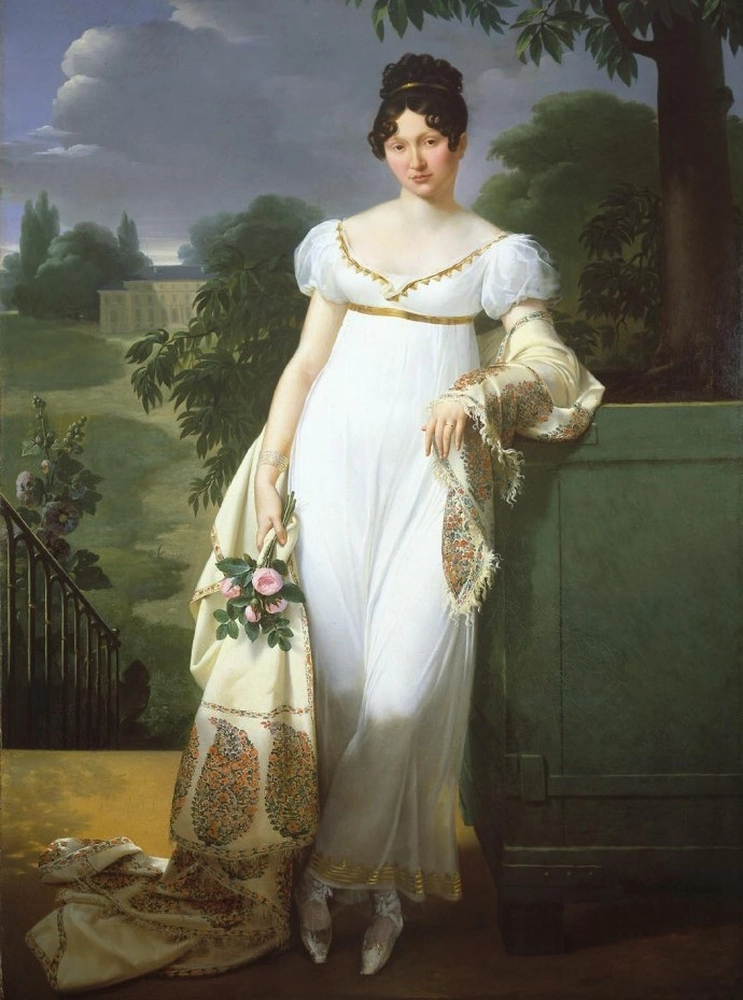
He could return with jewels, perfume or letters, yet a Kashmir shawl carried something even more lingering, the sensation of distance folded into cloth and devotion woven slowly enough to survive the journey home.
August 20, 2026
Advertisement

Advertisement



What could hold the warmth of a lover’s hands after a journey had carried him beyond the horizon? At the dawn of the nineteenth century, affection sometimes returned folded in pashmina, carrying gardens of curling boteh across its surface. A Kashmir shawl could embrace the shoulders and, with extraordinary eloquence, speak of devotion, fortune and distance.
The story had already lived for centuries before European salons fell under its spell.
Long before the Kashmir shawl became entwined with Regency romance, fine shawls formed part of sophisticated dress across Mughal India, Persia and neighboring courts. The Persian word shāl travelled with the textile itself.
At the Mughal court of Emperor Akbar during the sixteenth century, such pieces belonged to elite male dress, worn across the shoulders and body as signs of refinement and rank. From Kashmir, they circulated through Persia, China, Egypt and Russia, gathering associations with ceremony, prestige and gift-giving along the way.
Their seduction began with touch. The finest examples used pashmina, the exceptionally soft under-fleece of Himalayan goats, spun and worked into cloth of remarkable lightness. Traditional Kashmiri workshops created intricate designs through laborious twill-tapestry weaving.
Across the borders unfurled the boteh, a curving botanical form with roots in Persian and South Asian decorative traditions, evoking buds, leaves, cypress forms and the tree of life. Every inch contained time.
Then Europe fell in love.
By the late eighteenth century, men connected with European trading companies were carrying Indian and Persian shawls home from the subcontinent. An English reference to shawls imported from Kashmir appears as early as 1767, and within a few decades the textile had entered the highest circles of European women's fashion.
Its arrival coincided beautifully with a transformation in dress.
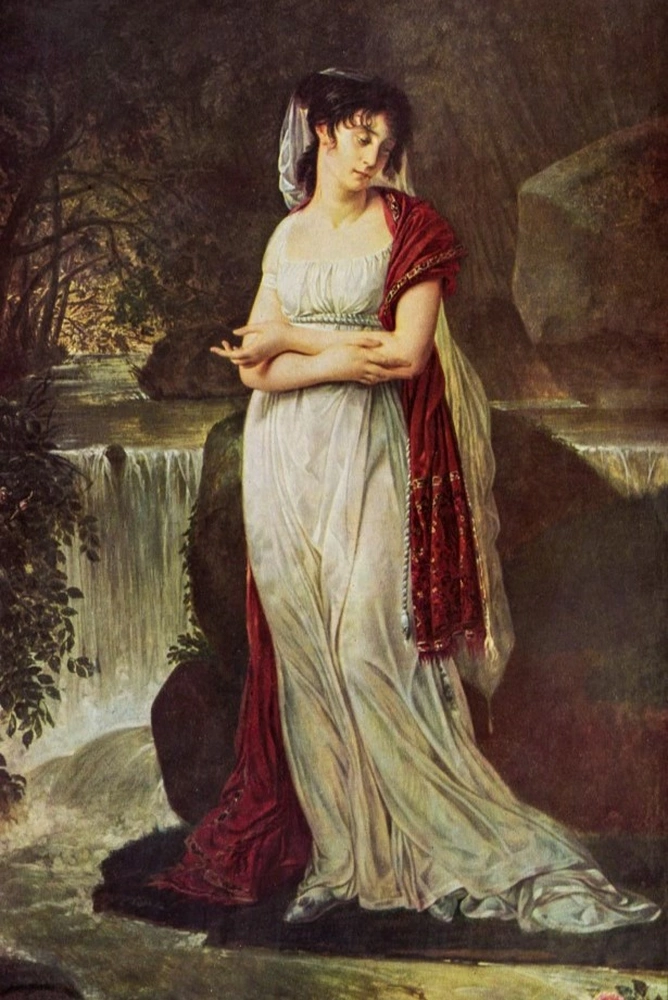
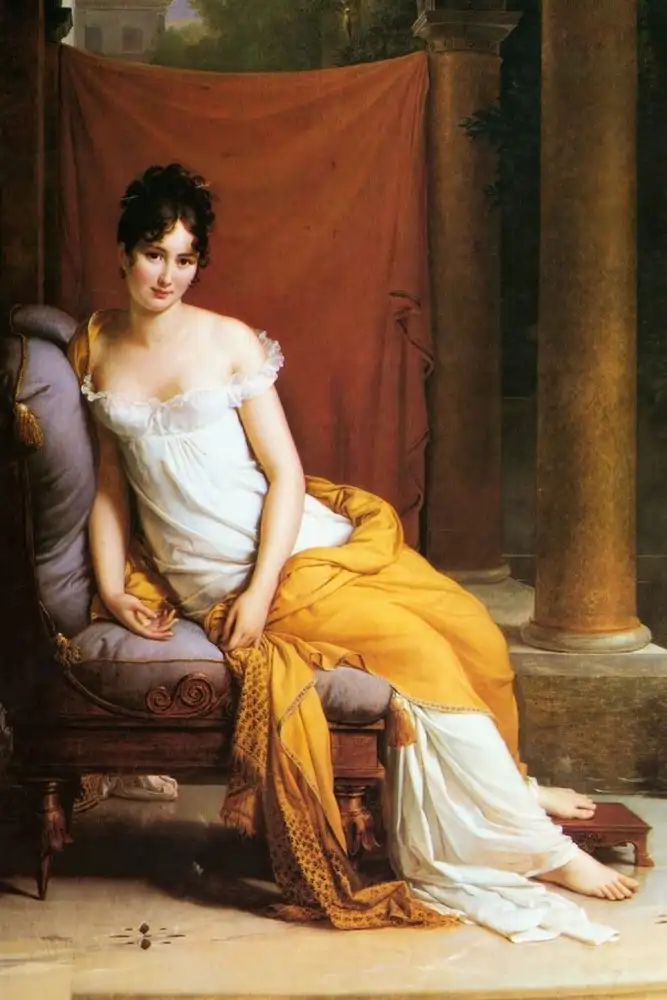
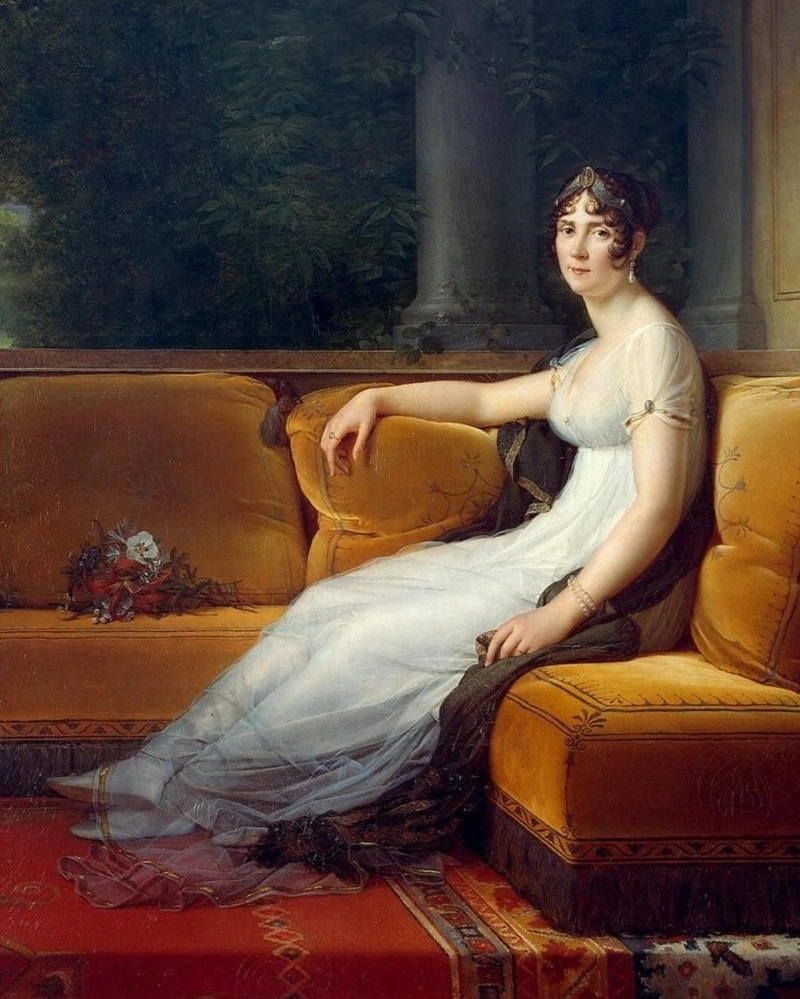
Around 1800, the elaborate structures of the previous century gave way to the long, light lines associated with the French Consulate and Empire and Britain's Regency period. Muslin and fine cotton floated close to the body. Empire line rose beneath the bust. The season's delicacy created a natural role for a generous wool shawl, whose softness supplied warmth while its color and pattern brought richness to the pale neoclassical wardrobe. The Kashmir shawl became one of the defining accessories of the age.
Joséphine de Beauharnais became one of its great European devotees. Historical accounts credit the French empress with owning a substantial collection, often cited at over fifty imported examples, and her influence helped establish the shawl within elite French fashion around the turn of the century. Emma Hamilton became another prominent British collector.
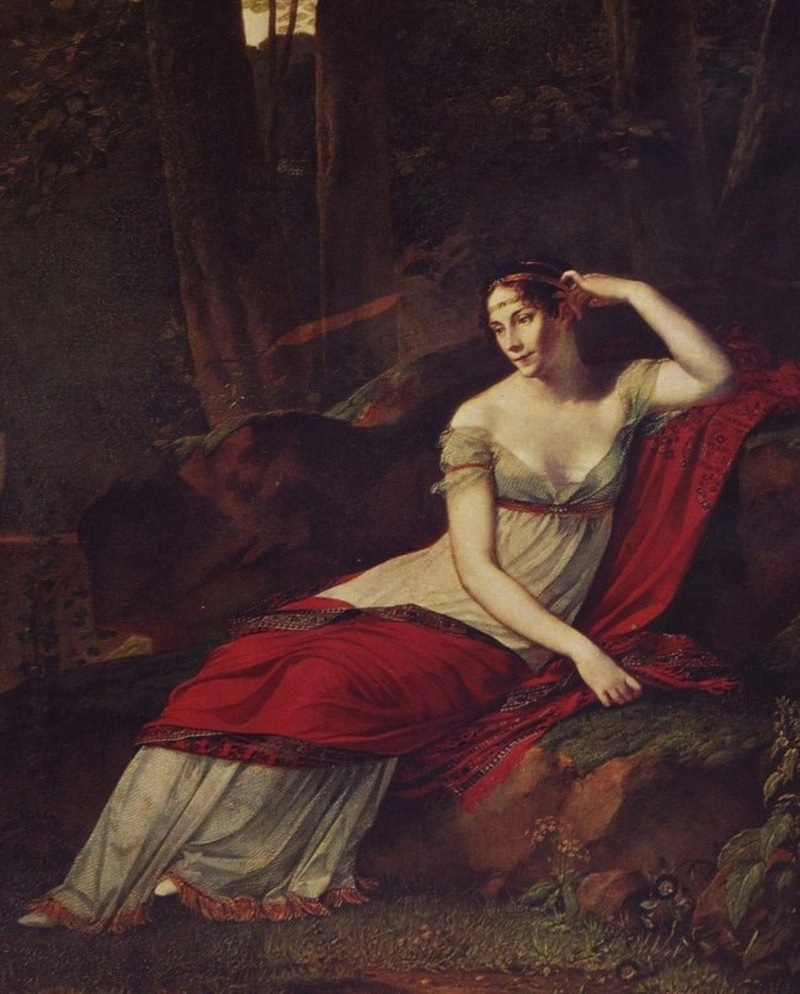
The shawl entered romance because its value could carry emotion so beautifully.
A genuine Kashmiri piece embodied months of skilled labor, costly pashmina and a journey spanning thousands of miles. Presented between lovers or spouses, it transformed affection into an object that could remain close to the body. European literature and surviving family histories also place Indian shawls within gift culture, marriage and inheritance.
In Walter Scott's 1823 novel St. Ronan's Well, an Indian shawl worth fifty guineas becomes an object that every woman nearby longs to inspect, capturing the aura of authenticity surrounding such possessions.
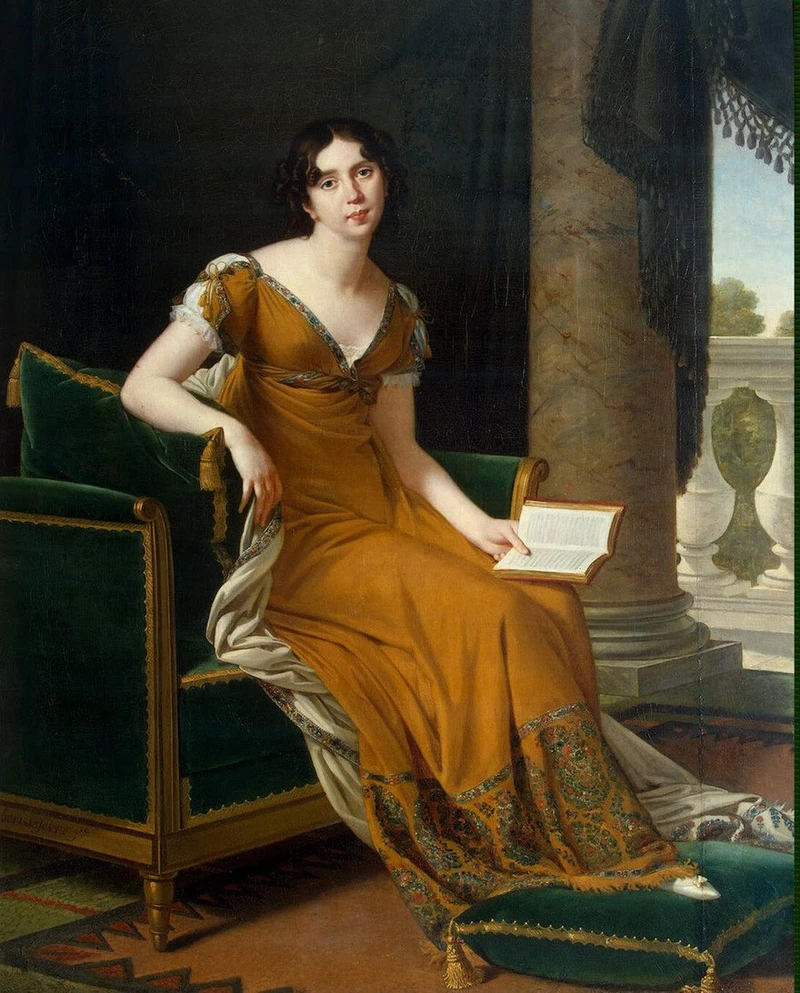
Among European aristocratic circles, that affection carried a public language too. A Kashmir shawl announced access to international trade, knowledge of fashion and considerable purchasing power. The textile could travel from courtship into marriage, then from a mother's wardrobe into the hands of a daughter. What began as a precious gift acquired family memory through touch.
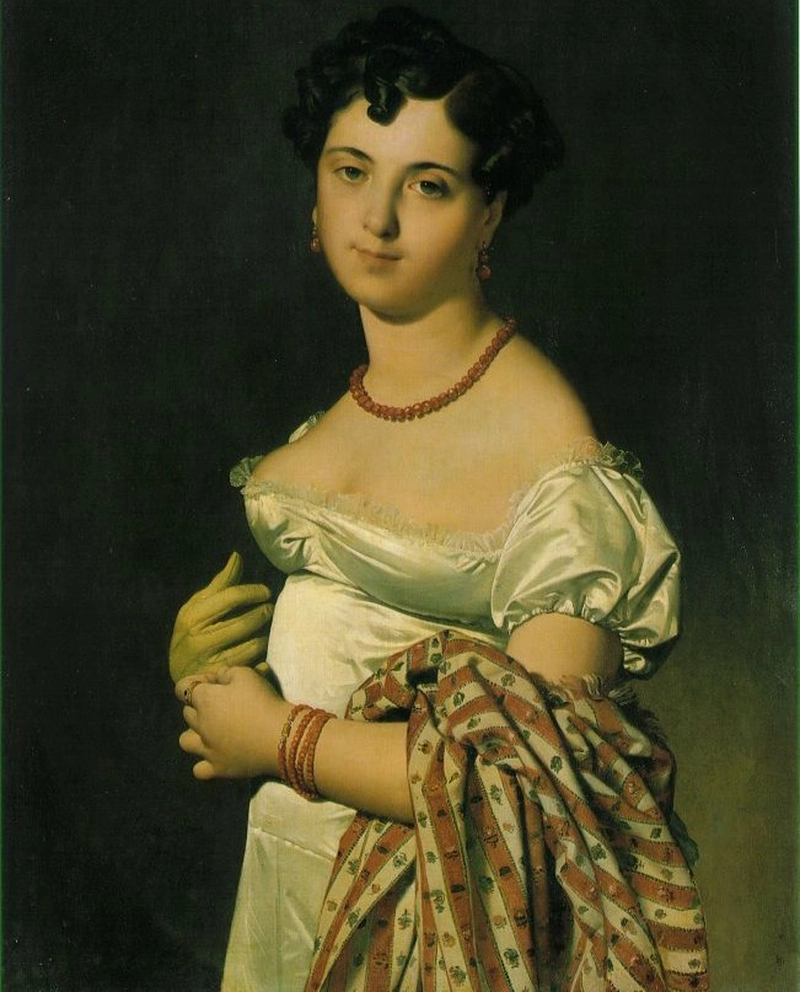
Its romance existed within the vast machinery of empire. British colonial presence in India helped intensify the movement of shawls toward Europe, while European demand reshaped production in Kashmir itself. Fashion desire, commerce and imperial power became knotted together inside the same exquisite threads. The beauty of the object and the political world carrying it westward belonged to the same history.
By the 1810s, European desire had grown powerful enough to create another chapter entirely.
Weavers in Edinburgh, Norwich, London and Paisley began developing shawls inspired by Kashmiri examples. British workshops experimented with wool, silk and blended fibers to capture the softness and elaborate appearance European customers desired. Spitalfields silk weavers were already producing their own responses between about 1805 and 1820.
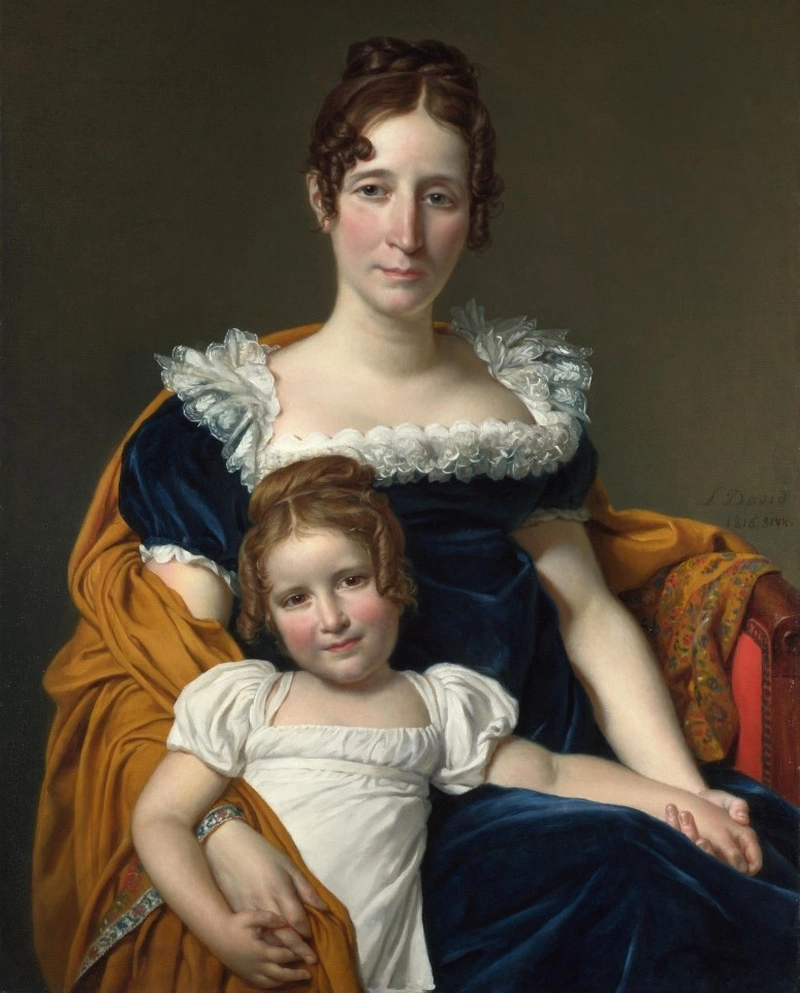
Scottish producers adopted increasingly sophisticated technology, and Jacquard looms entered Paisley production during the 1820s. The system allowed complex patterns to be woven with greater speed and expanded the market for shawls carrying the familiar curling boteh. Paisley's output grew so culturally dominant that European consumers gradually attached the town's name to the motif itself.
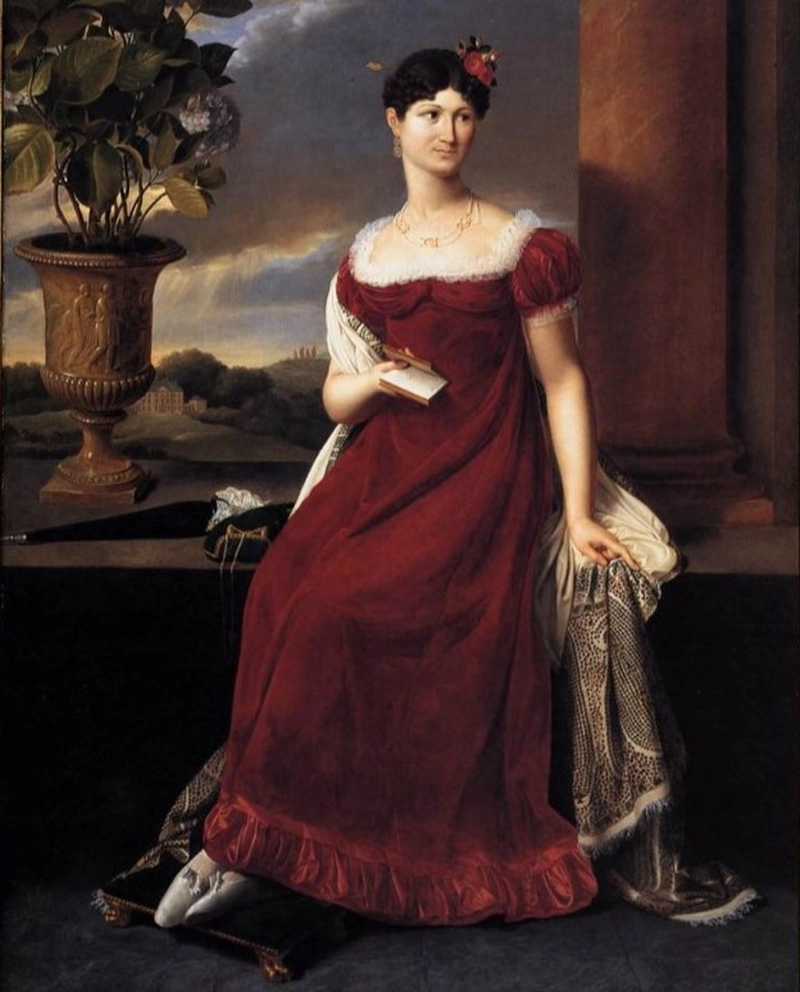
Inside that change lived an extraordinary act of fashion translation. A motif rooted across Persian and South Asian visual cultures acquired a Scottish identity in European speech. The word travelled freely, even as the original Kashmir tradition remained the source of the fever that had inspired the industry.
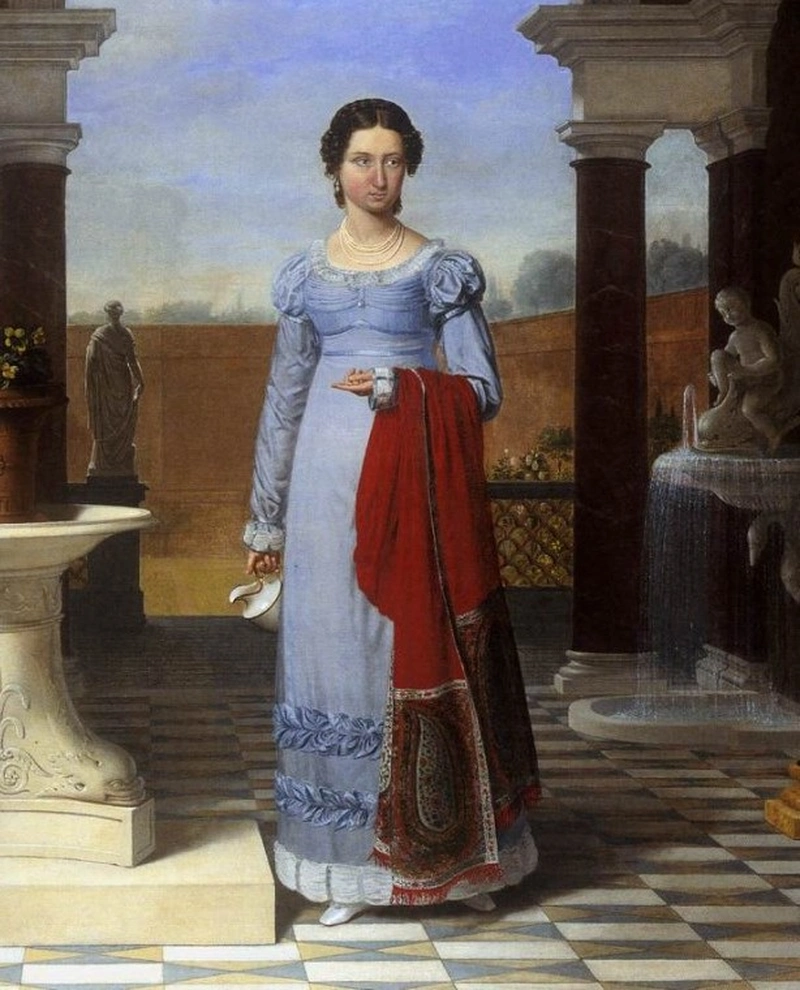
The shawl's social life expanded with production. Prosperous middle-class women could participate in a fashion once closely associated with courts and extraordinary fortunes. Genuine Kashmiri pieces retained tremendous prestige, while British, French and Scottish versions entered trousseaux, family wardrobes and respectable domestic life. The V&A describes the high-quality shawl across this century-long fashion as a statement of wealth, fashion and propriety.
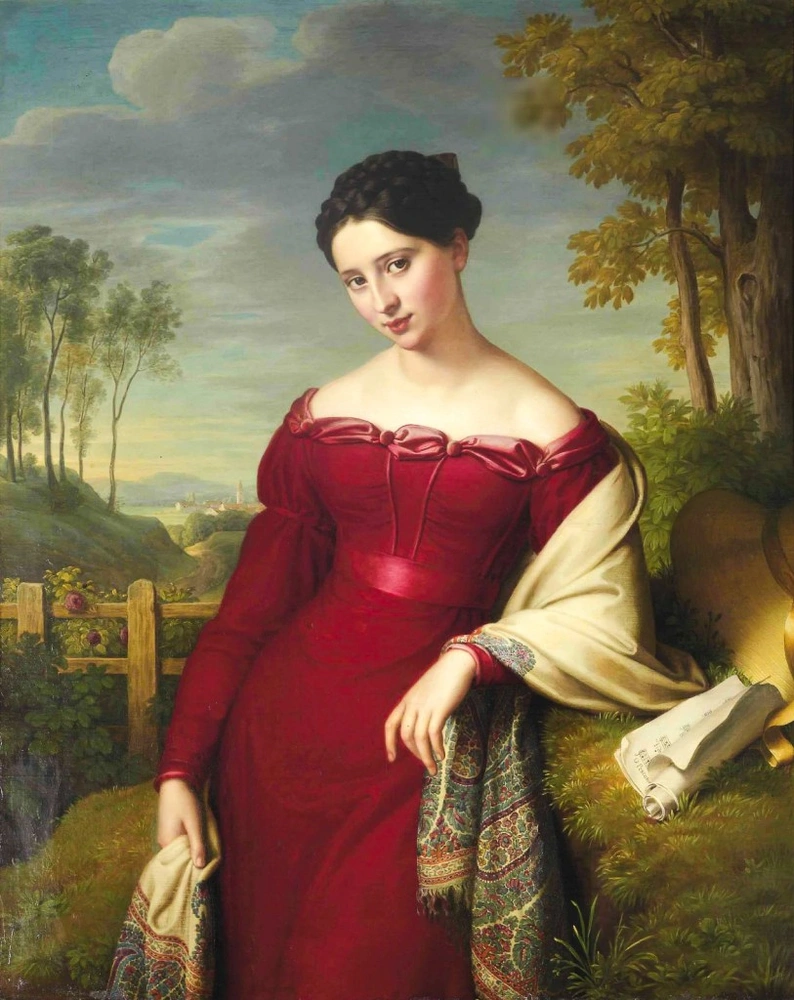
Fashion architecture encouraged the shawl to grow with the century. By the middle decades, Victorian crinolines created sweeping volumes beneath women's skirts. Shawls expanded accordingly. A French example from around 1860 preserved by The Metropolitan Museum of Art stretches beyond eleven feet, its scale designed to fall across the magnificent breadth of a crinoline. Designs also became denser, borders richer, and the elongated boteh increasingly elaborate in response to European taste.
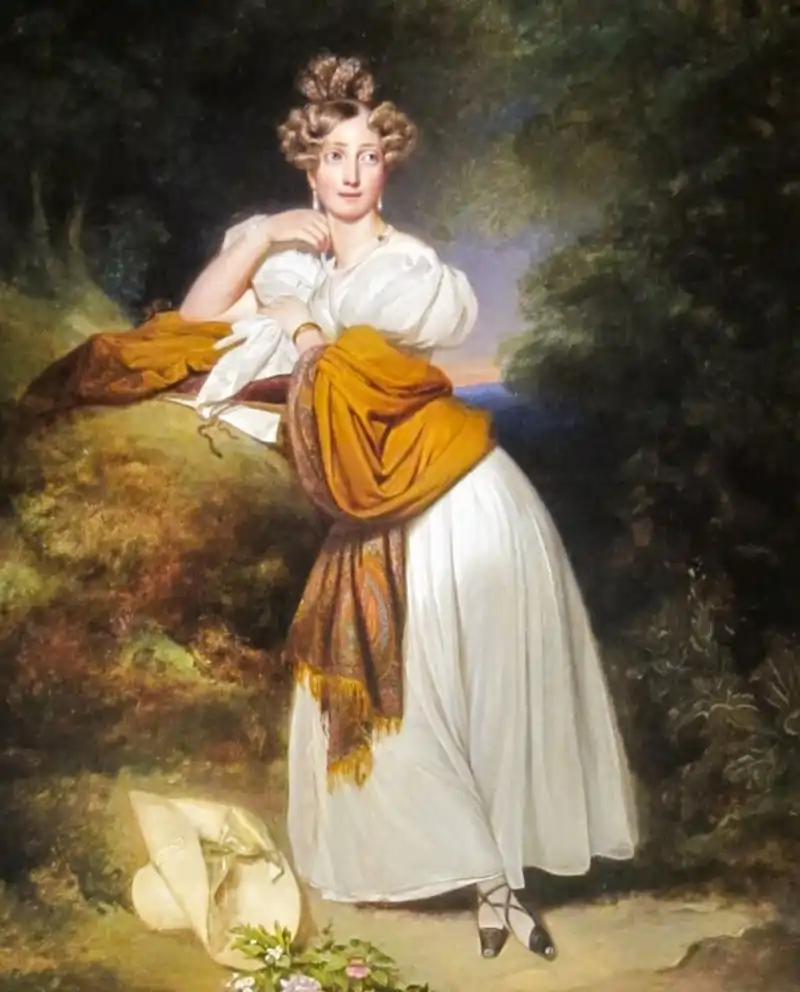
The Kashmir shawl had travelled remarkably far by this point. It had moved through Mughal court dress, diplomatic exchange, Regency romance, Victorian marriage culture, and industrial reproduction. Its imagery had entered European factories, while treasured originals continued moving through families as heirlooms. Over time, Kashmir gave rise to the word cashmere, a name that travelled beyond the shawl itself to describe the precious soft fiber, the fabrics woven from it, and eventually an entire language of tactile luxury.
Advertisement