Victoria Beckham once made headlines for what she wore. Then she decided to make the clothes herself, discovering that fashion demanded a lot more than fame.

Victoria Beckham Has Always Had a Fashion Agenda
Victoria Beckham once made headlines for what she wore. Then she decided to make the clothes herself, discovering that fashion demanded a lot more than fame.
November 12, 2026


In 1996, a little black dress, a sleek bob and a famously composed expression were enough to distinguish Victoria Beckham from the other four members of the Spice Girls. While the group embraced an exuberant mix of personalities, Posh Spice cultivated a wardrobe of fitted silhouettes and immaculate styling that would soon become recognizable worldwide.
1996–2000: The Making of Posh Spice
When the Spice Girls released Wannabe in 1996, each member possessed a distinctive identity that audiences could recognize almost instantly. Victoria Beckham's contribution was sophistication, expressed through fitted sheath black dresses, narrow silhouettes, pointed heels and a sleek, angular bob. Her comparatively restrained wardrobe stood alongside the group's exuberant personalities, making Posh Spice an exercise in visual consistency.

The little black dress became especially significant. Often short and body-conscious, it communicated the polished sexuality associated with late-1990s fashion while establishing Beckham's enduring preference for streamlined silhouettes. Her appearance increasingly became recognizable beyond the group's performances, suggesting an intuitive grasp of how clothing could sustain a public identity.
As the Spice Girls achieved international success, Victoria Beckham became a reference point for young women seeking a similar interpretation of glamour.
Her influence extended beyond concert costumes into the wider celebrity fashion landscape, where public appearances, magazine photographs and carefully chosen outfits could generate considerable attention.
2000–2007: When Celebrity Became Fashion Capital
The early millennium brought an exuberant transformation. Following her marriage to footballer David Beckham in 1999, Victoria Beckham became a fixture of British tabloid culture, with her wardrobe attracting extraordinary attention.
Oversized sunglasses, Roberto Cavalli dresses, designer denim, towering heels and Hermès handbags defined a period of conspicuous luxury. Her dramatically bronzed complexion, changing hairstyles and coordinated appearances with David became widely discussed elements of celebrity fashion.


During the 2006 World Cup, fascination surrounding footballers' wives and girlfriends intensified, placing Beckham at the center of the WAG - “Wives and Girlfriends”, a British media term referring to the wives and girlfriends of professional footballers phenomenon.
This visibility demonstrated her considerable influence over consumer taste. Paparazzi photographs circulated outfit details across newspapers and magazines, turning ordinary public appearances into informal fashion campaigns. Her wardrobe could generate commercial attention for the brands she wore, illustrating the increasingly valuable relationship between celebrity exposure and luxury consumption.
Victoria Beckham began exploring that potential through designer collaborations, particularly denim and eyewear. Her dVb label, introduced in 2006, expanded her relationship with fashion from wearing desirable products to participating in their development.
2008–2011: Victoria Beckham Enters Fashion Design
In September 2008, Victoria Beckham presented her first ready-to-wear collection during New York Fashion Week. The debut comprised just ten dresses, introduced personally to editors and buyers in an intimate suite at the Waldorf hotel.
The presentation concentrated attention on construction. Structured bodices, carefully positioned seams, fitted waists and sculpted hourglass silhouettes demonstrated an interest in how garments could shape the body. Beckham explained individual designs and their technical details, emphasizing the workmanship behind the collection.


Her aesthetic remained closely connected to the body-conscious dresses she had popularized as a celebrity. Yet the focus on fabric, cut and fit gave Victoria Beckham a tangible design proposition beyond her famous name. The dresses expressed her belief in clothing that could create confidence through precise proportions and a flattering silhouette.
The early collections gained distribution through selected luxury retailers, allowing the label to develop gradually. By 2011, the business had expanded into a recognizable womenswear operation, with Beckham presenting full runway collections and introducing Victoria, Victoria Beckham, a contemporary line offering a different expression of her design vocabulary.

That year, Victoria Beckham received the Designer Brand award at the British Fashion Awards, a significant milestone for a founder whose entrance into the industry had initially attracted considerable skepticism.
The recognition reflected a shift in her relationship with the fashion industry. Editors and buyers could now evaluate the label through the quality, construction and commercial appeal of its collections, while the designer continued developing her technical understanding of the business.
2012–2017: Becoming a Recognized Fashion House
As Victoria Beckham's business matured, the collections gradually expanded beyond the fitted dresses associated with its debut. Relaxed tailoring, wide-leg trousers, fluid skirts and sophisticated separates introduced a broader interpretation of contemporary femininity.
The evolution also reflected changes in Beckham's personal wardrobe. Structured jackets, oversized shirts, restrained colors and elongated proportions increasingly replaced the conspicuous glamour of her earlier celebrity years. Her design language became associated with clothing that balanced control, comfort and polish.

Commercial expansion followed. In 2014, Victoria Beckham opened her first flagship at 36 Dover Street in London, designed in collaboration with architect Farshid Moussavi. The store provided a dedicated environment for presenting the collections and developing direct relationships with customers.
The same year, the brand received another Designer Brand award at the British Fashion Awards. A Hong Kong flagship followed in 2016, extending its physical retail presence into Asia.
Beauty also emerged as a promising avenue. Her 2016 makeup collaboration with Estée Lauder translated signature elements of Beckham's appearance into cosmetics, anticipating the independent beauty venture that would follow.

In 2017, Victoria Beckham was appointed an Officer of the Order of the British Empire for her services to the fashion industry, receiving the honour from Prince William at Buckingham Palace.
2018–2021: The Expensive Reality of Building a Brand
Victoria Beckham celebrated her label's tenth anniversary in 2018 with a London Fashion Week presentation, returning to the city where her creative and commercial operations were based.
Behind the runway recognition, however, the economics of luxury fashion remained challenging. Developing seasonal collections, maintaining international distribution and operating retail spaces required substantial investment. The company continued recording financial losses despite its established reputation and celebrity founder.

Investment from NEO Investment Partners supported the business's development, while management increasingly focused on building a sustainable commercial structure. Expanding a luxury label required more than creative recognition, particularly as production costs, distribution agreements and inventory management placed pressure on profitability.
In 2019, Victoria Beckham launched Victoria Beckham Beauty, expanding her creative identity into cosmetics and skincare. Products such as Satin Kajal eyeliners translated her recognizable makeup preferences into items suitable for repeat purchases.
Beauty introduced different commercial possibilities from luxury clothing, with replenishable products, direct customer relationships and a wider potential audience. The expansion would eventually become central to the group's financial recovery, demonstrating how Beckham's personal aesthetic could support a business beyond seasonal fashion collections.
2022–2026: Paris, Profit and a Mature Identity
September 2022 marked another turning point when Victoria Beckham staged her first Paris Fashion Week presentation. The move positioned her collections within fashion's most internationally prominent womenswear calendar.

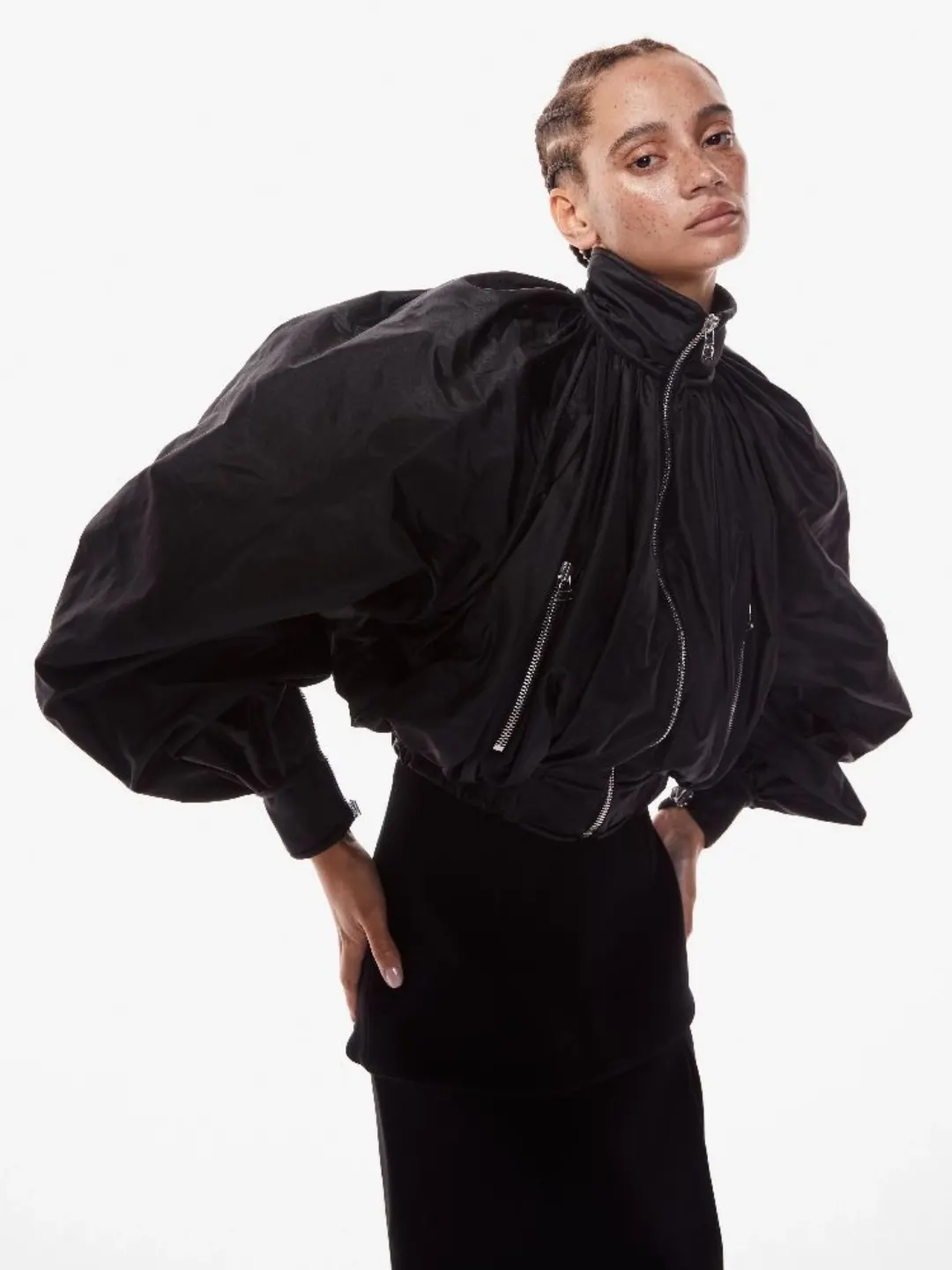
Her subsequent designs demonstrated growing confidence through fluid draping, asymmetrical construction, expressive tailoring and controlled sensuality. The Spring/Summer 2027 collection continued that direction, emphasizing movement, comfort and garments shaped around women's everyday experiences. The restrained precision of her early dresses had developed into a more expansive wardrobe, with greater attention to the relationship between the body and clothing.
Recognition followed in January 2026, when Victoria Beckham was appointed Chevalier de l'Ordre des Arts et des Lettres by France's Ministry of Culture.
Then came the long-awaited financial milestone. In August 2026, Victoria Beckham Holdings announced that its 2025 revenue had reached £129.8 million, representing approximately 15% annual growth. Operating profit stood at £7.3 million, reversing a £1.6 million loss in 2024. It was the group's first annual operating profit since its establishment in 2008.

Beauty had become the larger revenue contributor, accounting for roughly two-thirds of group sales, while the fashion division continued developing its tailoring, occasionwear and elevated everyday clothing.
For Victoria Beckham, the achievement marked a significant stage in the company's commercial development. Her original fashion identity had generated extraordinary cultural visibility; eighteen years of company building had finally produced an operating profit. The next challenge concerns sustaining that progress while expanding the creative ambitions of a label whose international reputation was established long before its financial turnaround.