What if the secret to a beautiful perfume were hidden underground for years? Orris reveals a curious world where time itself becomes an ingredient of luxury.
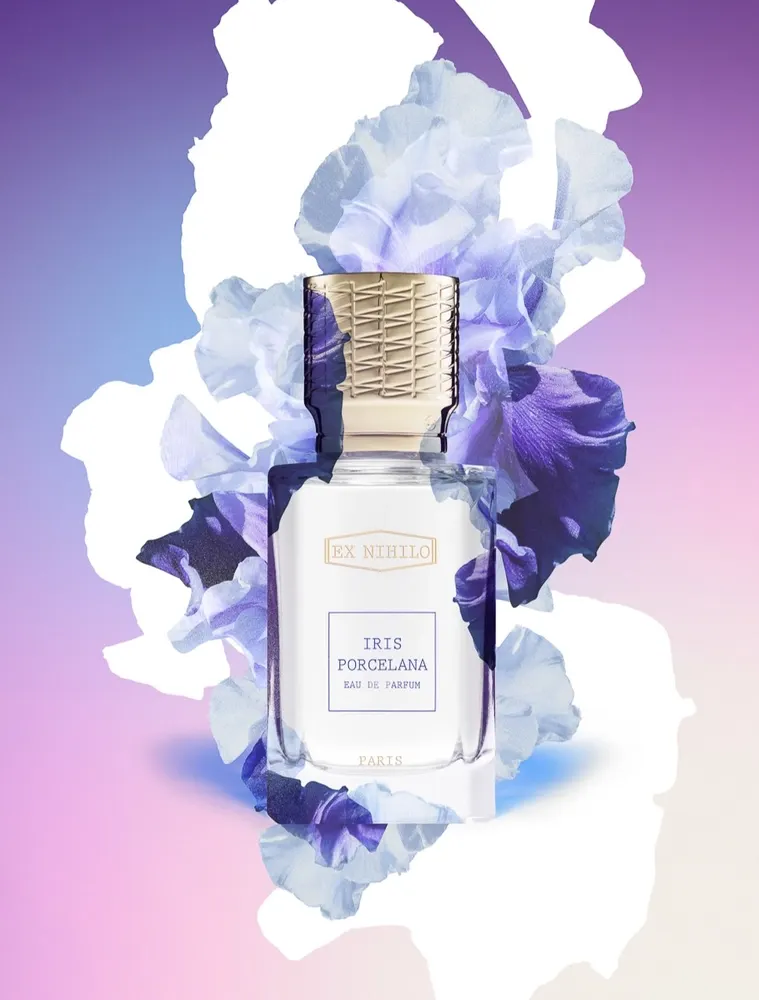
Orris: The Root That Gets Better With Age
What if the secret to a beautiful perfume were hidden underground for years? Orris reveals a curious world where time itself becomes an ingredient of luxury.
November 9, 2026


Somewhere in the Italian countryside, an unassuming piece of dried rhizome is slowly becoming one of the world's most precious perfume ingredients. Its transformation happens quietly, over several years, until an extraordinary fragrance emerges from what once appeared to be an ordinary underground stem.
This is orris, a material whose powdery elegance has captivated perfumers for centuries. Behind its delicate aroma lies a fascinating story of botanical patience, Renaissance beauty rituals and an industry where time itself becomes part of the creative process.
Orris, the Flower Whose Secret Lies Underground
With its sculptural petals and delicate colors, the iris has long fascinated gardeners, artists and perfumers. Yet the prized fragrance associated with orris originates from a remarkably different part of the plant.
Orris is obtained from the underground rhizomes of certain iris species, particularly Iris pallida and Iris germanica. Although commonly called orris root, a rhizome is technically a modified underground stem responsible for storing nutrients and supporting new growth.
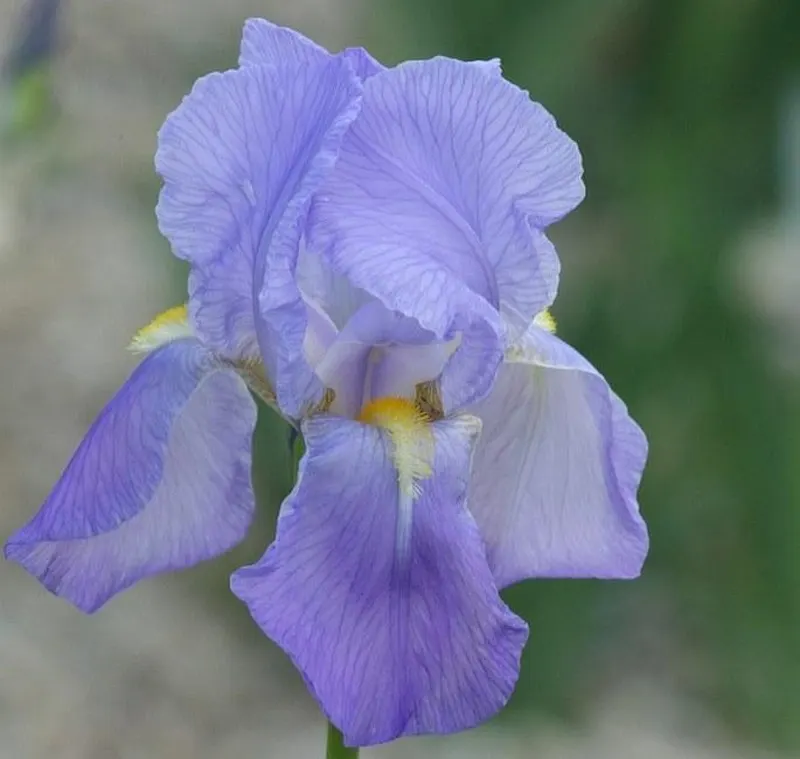
The distinction reveals the first peculiarity of this luxury ingredient. The beautiful iris flower serves as its visual identity, while the aromatic treasure develops beneath the soil.
Natural orris possesses an unusually sophisticated fragrance, combining violet-like sweetness with soft powder, buttery warmth and delicate woody undertones. Some extracts suggest suede, cool earth and the familiar scent of vintage cosmetic powders.
Its character makes orris particularly valuable in floral, woody and powdery compositions, where it contributes softness, texture and persistence.
The material also demonstrates how differently perfumers can interpret a single botanical source. Depending on its concentration and surrounding ingredients, orris can evoke the elegance of freshly powdered skin or the austere atmosphere of cold, damp roots.
Why Orris Takes Six Years to Smell Beautiful
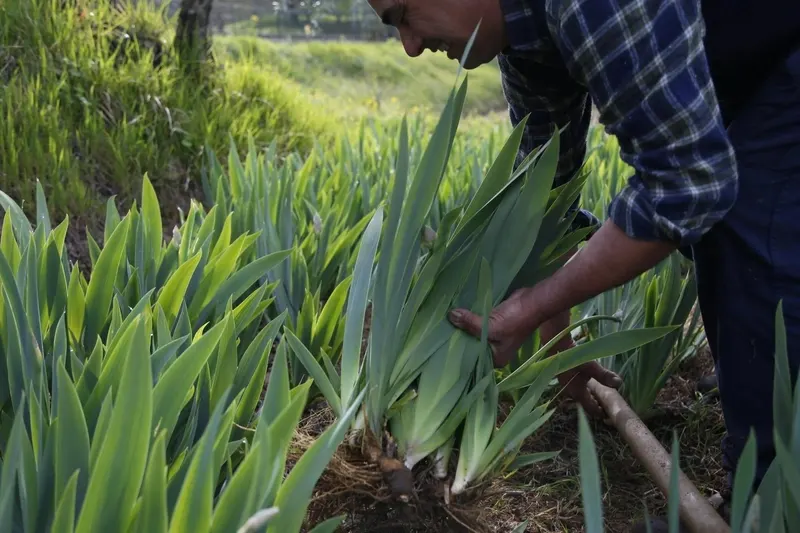
Iris plants generally spend two to three years growing before their rhizomes are harvested. Farmers carefully remove the underground stems, clean away soil and prepare them for drying. The material then enters a prolonged maturation period that traditionally lasts around three additional years.
During these years, something remarkable happens. The harvested rhizomes gradually develop the distinctive fragrance that makes orris so valuable.
Fresh iris rhizomes possess relatively little of the characteristic violet-like aroma. Their prized olfactory identity emerges through chemical changes occurring during drying and aging.
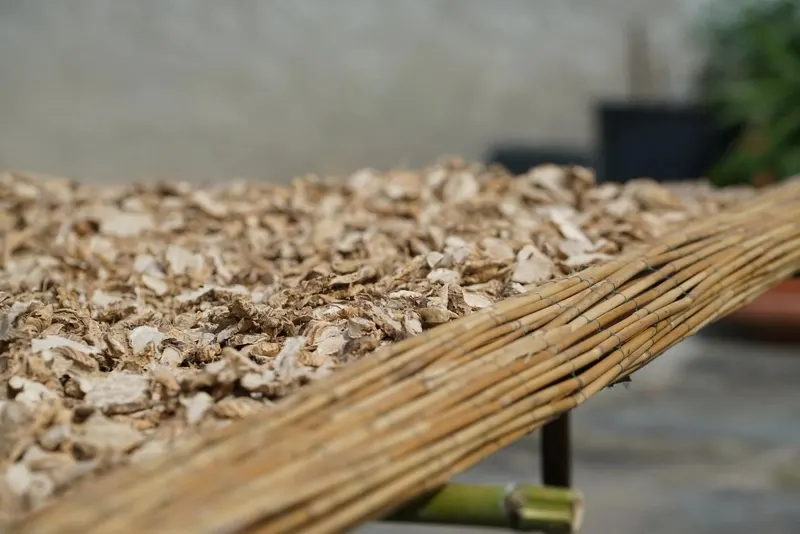
Naturally occurring compounds called iridals undergo oxidative transformations that produce irones, the aromatic molecules responsible for much of orris's powdery, floral character.
In other words, the fragrance continues developing long after the plant has been removed from the ground.
A traditional production cycle can therefore extend to approximately six years, combining cultivation with the long maturation process.
Once sufficiently aged, the dried rhizomes are ground and steam-distilled to obtain a fragrant material commonly called orris butter or orris concrete.
Despite its name, orris butter contains no dairy ingredients. Its pale, waxy consistency comes partly from naturally occurring fatty substances, particularly myristic acid. Further processing produces more concentrated aromatic fractions suitable for fine fragrance creation.
The quantities involved are equally astonishing. Depending on production conditions, approximately 500 kilograms of dried iris rhizomes may be required to produce one kilogram of orris butter.
Another chemical curiosity lies in the irones themselves. Different iris species can produce varying proportions of alpha-irone and gamma-irone, influencing the resulting fragrance profile.
Orris, the Scent of Renaissance Luxury
Long before orris became synonymous with contemporary niche perfumery, its fragrance occupied an important place in European beauty traditions.
Ancient Greek and Roman societies used iris materials in aromatic preparations, while later European traditions incorporated dried orris into scented powders, fragrant sachets and personal grooming products.
By the Renaissance, Florence had developed a particularly close relationship with iris cultivation and the processing of aromatic rhizomes.
The city's famous floral emblem, the giglio, also carries a fascinating botanical ambiguity. Although traditionally described as a stylized lily, its appearance and historical interpretations have frequently prompted associations with the iris.
In Italian fragrance traditions, dried orris powder became a valued material for scenting linens, wardrobes and cosmetic preparations.
Its delicate powdery aroma complemented the elaborate grooming practices of European aristocratic society, when fragrant clothing and perfumed personal objects formed an important part of sophisticated presentation.
The Florentine perfume tradition also became associated with Catherine de' Medici, whose arrival in France in the sixteenth century is frequently linked to the circulation of Italian fragrance customs at the French court.
Specific anecdotes concerning her personal use of orris remain difficult to establish, although the wider cultural relationship between Florence, aromatic powders and European luxury is well documented.
What makes this history especially interesting is the persistence of orris's cosmetic identity. Centuries before modern beauty consumers began describing perfumes as powdery or skin-like, dried iris materials were already contributing fragrance to cosmetics and clothing.
How Orris Became Perfume's Powdery Obsession
Modern perfumery transformed orris into an extraordinarily versatile artistic material, with influential perfumers discovering new personalities within its delicate fragrance.
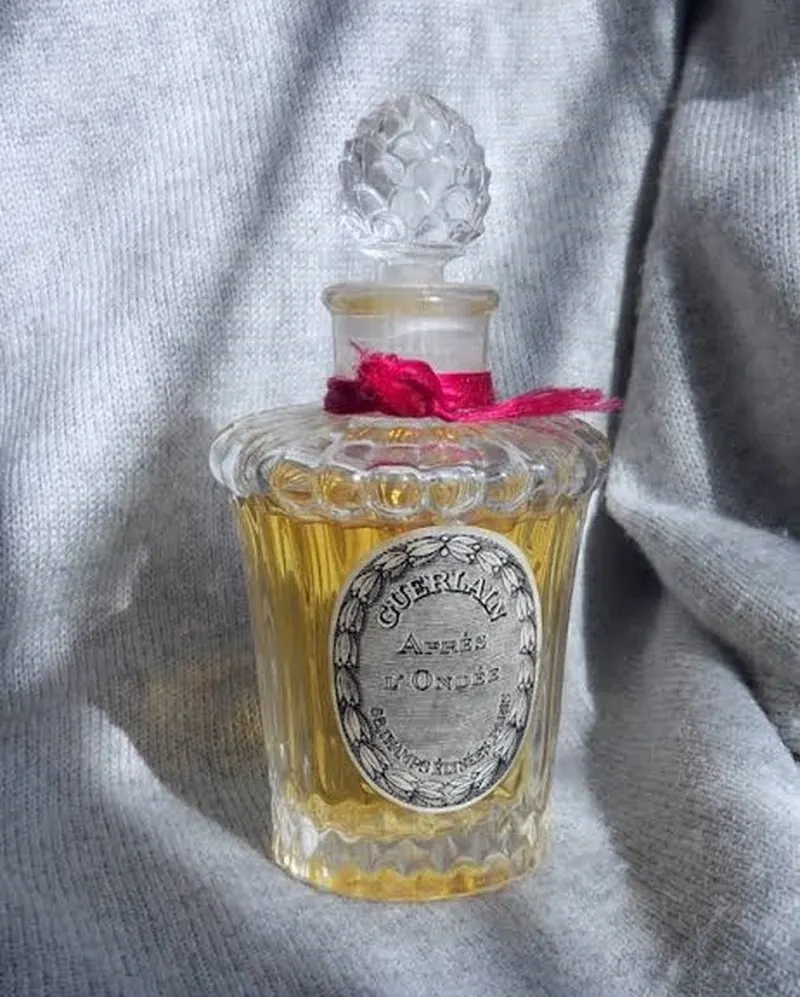
One of its early landmarks arrived in 1906 with Guerlain Après l'Ondée, created by Jacques Guerlain. The fragrance combines iris with violet, anise and soft vanilla nuances, evoking the atmosphere of a garden following rainfall. Its delicate character helped establish the enduring relationship between iris and poetic, powdery floral compositions.
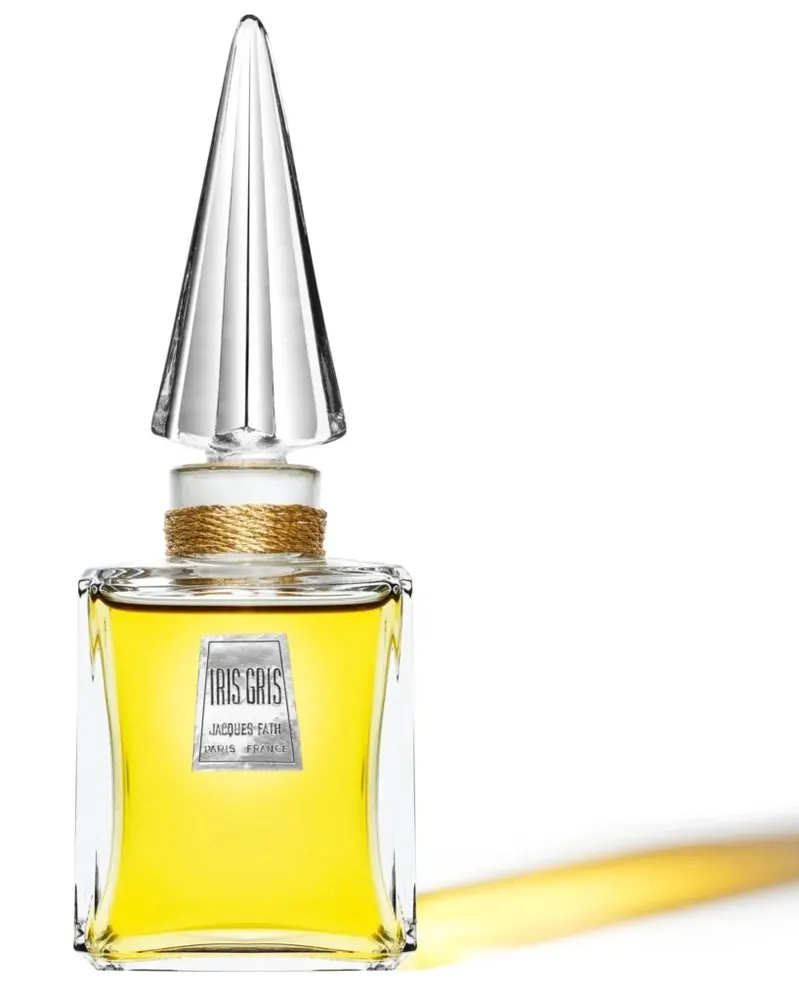
In 1947, perfumer Vincent Roubert created Jacques Fath Iris Gris, a celebrated fragrance that paired iris with the soft fruitiness of peach. The composition became particularly admired among perfume collectors, eventually acquiring an almost legendary reputation after disappearing from commercial production. Decades later, the house organized a creative competition to reconstruct the fragrance, resulting in L'Iris de Fath, composed by Patrice Revillard.
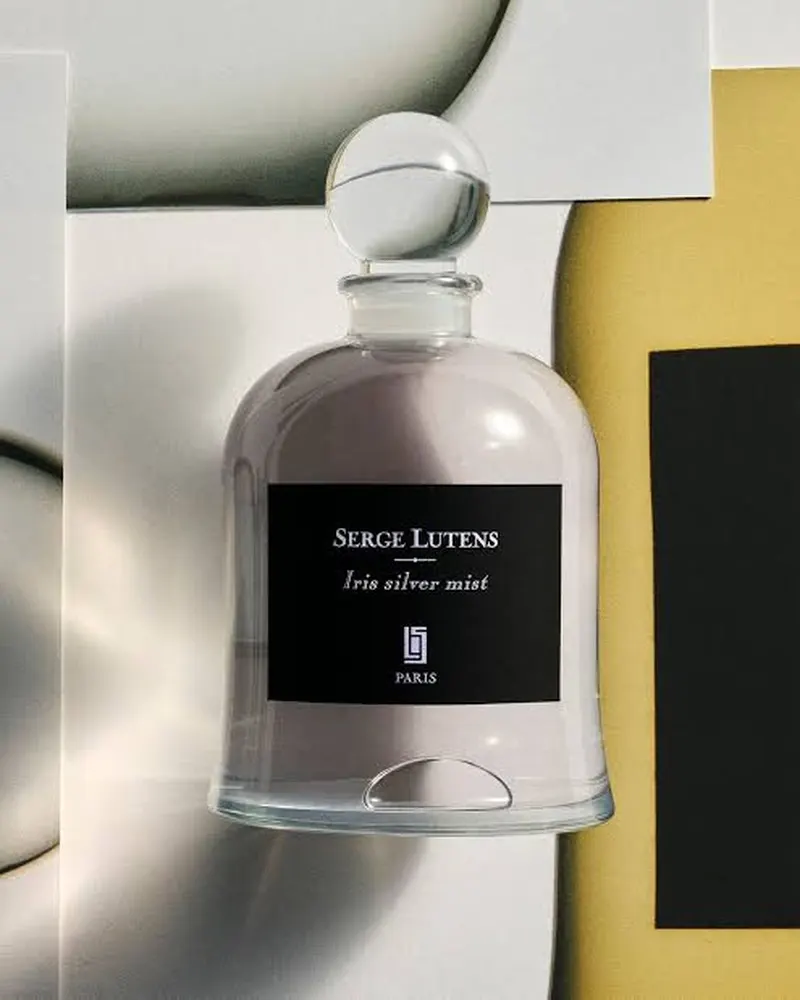
Another interpretation arrived in 1994 with Serge Lutens Iris Silver Mist, created by perfumer Maurice Roucel. Its earthy, root-like character revealed a fascinating dimension of orris. The fragrance explored cool, mineral and slightly austere qualities, allowing the ingredient's underground origins to become part of its olfactory personality.
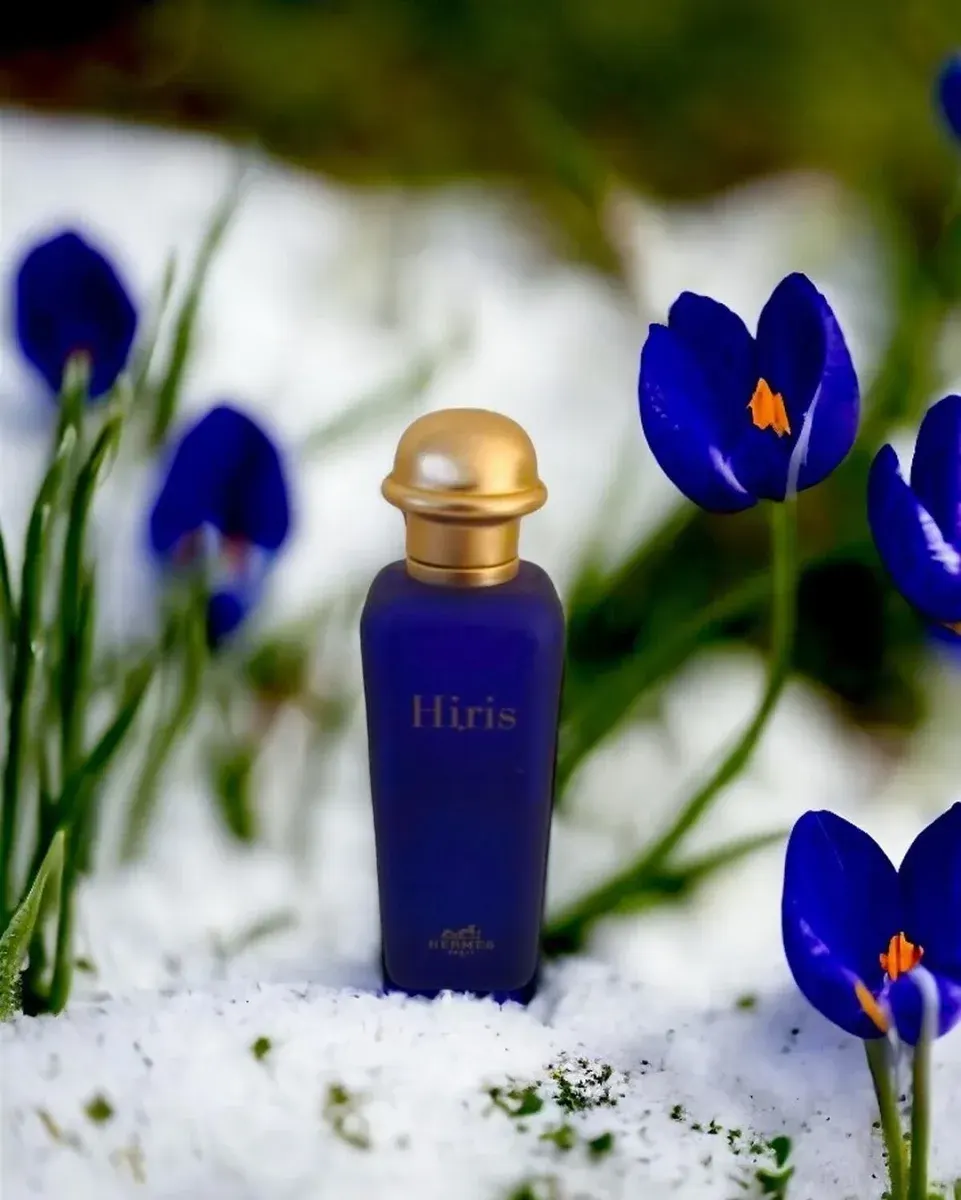
Five years later, Olivia Giacobetti composed Hermès Hiris, introduced in 1999. The fragrance emphasized the delicate vegetal and powdery dimensions of iris, creating a restrained interpretation of the flower's aromatic identity. The name itself combines the Hermès initial with iris, connecting the fragrance to the house while recalling Iris, the rainbow goddess of Greek mythology.
In 2000, Pierre Bourdon created Frédéric Malle Iris Poudre, one of the original fragrances launched by the house. Its composition blends powdery iris with aldehydes, rose, violet, tonka bean and musk, recalling the elegance of luxurious cosmetic powders.
The ingredient subsequently entered another important chapter through Prada Infusion d'Iris (2007), composed by Daniela Andrier. Its transparent, softly soapy character brought iris into a contemporary vocabulary of understated elegance.
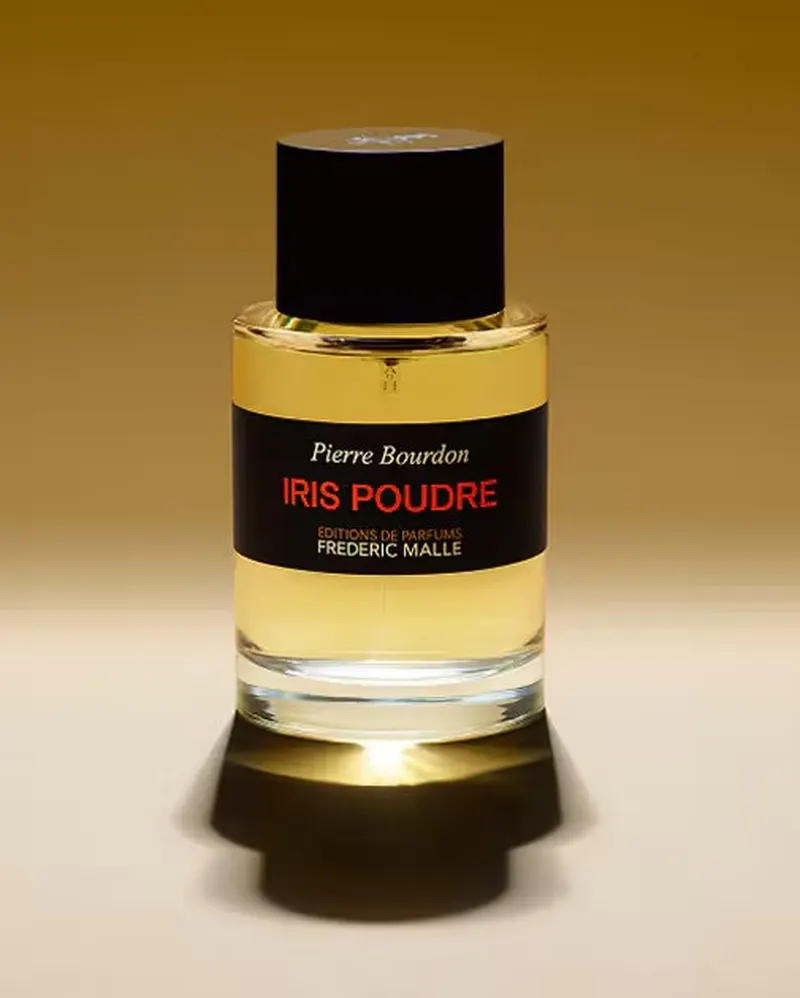
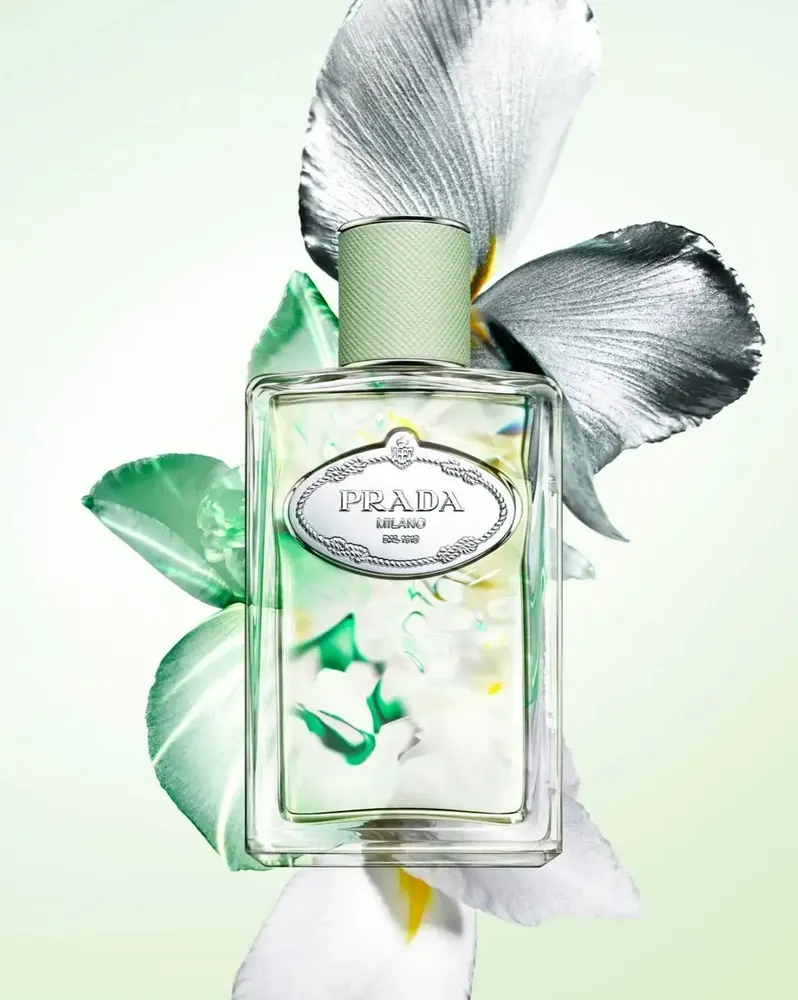
The presence of iris among a perfume's advertised notes, however, does not necessarily establish the quantity of natural orris used. Perfumers can combine precious natural extracts with synthetic ionones, irones and complementary aromatic materials to achieve particular effects.
The People Behind Perfumery's Precious Orris
The extraordinary value of orris extends far beyond the laboratories of luxury fragrance houses.
In Tuscany, iris cultivation remains connected to generations of agricultural expertise. Producing high-quality rhizomes requires considerable care, particularly because farmers must commit land and resources years before the aromatic material becomes commercially valuable.
Founded in 1978, Cooperativa Toscana Giaggiolo brings together iris producers dedicated to cultivating and processing the fragrant rhizomes.
Traditionally, growers supplied dried material to specialist manufacturers responsible for extraction. Developing local processing capabilities offers opportunities for producers to participate in additional stages of the ingredient's commercial value chain.
This relationship reveals an important dimension of luxury perfumery. The price of orris reflects agricultural labor, specialized knowledge, long storage periods and the technical expertise required to transform rhizomes into precious aromatic extracts.
Growing demand for natural ingredients also makes the preservation of cultivation skills increasingly significant.
For the farmers responsible for orris, time represents an extended commitment to a crop whose ultimate value depends on processes unfolding years after the initial planting.