




How did a wood become sacred, inspire perfume obsession, and even pay a kingdom's debts? Sandalwood hides a stranger history beneath its creamy scent.
Sandalwood: When a Tree Became Currency
How did a wood become sacred, inspire perfume obsession, and even pay a kingdom's debts? Sandalwood hides a stranger history beneath its creamy scent.
November 9, 2026


The tree responsible for sandalwood depends on neighboring plants for survival, while its fragrant heartwood has inspired religious devotion, international trade and an enduring fascination among fragrance chemists. Few perfume ingredients have traveled so extensively between the sacred, the commercial and the intimate.
Sandalwood, the Tree With a Secret Dependency
Deep within the forests of southern India grows Santalum album, the evergreen tree responsible for some of the world's most prized sandalwood essential oil. Its modest appearance conceals an unusual biological characteristic: sandalwood is a hemiparasitic plant.
Although capable of producing energy through photosynthesis, the tree also obtains water and mineral nutrients from neighboring plants. Its roots develop specialized structures called haustoria, which connect to the roots of compatible host species.
This remarkable dependency influences commercial cultivation. Sandalwood plantations often incorporate carefully selected companion plants that support the trees throughout their development. The choice of host species can affect growth, making sandalwood farming an intricate botanical partnership.
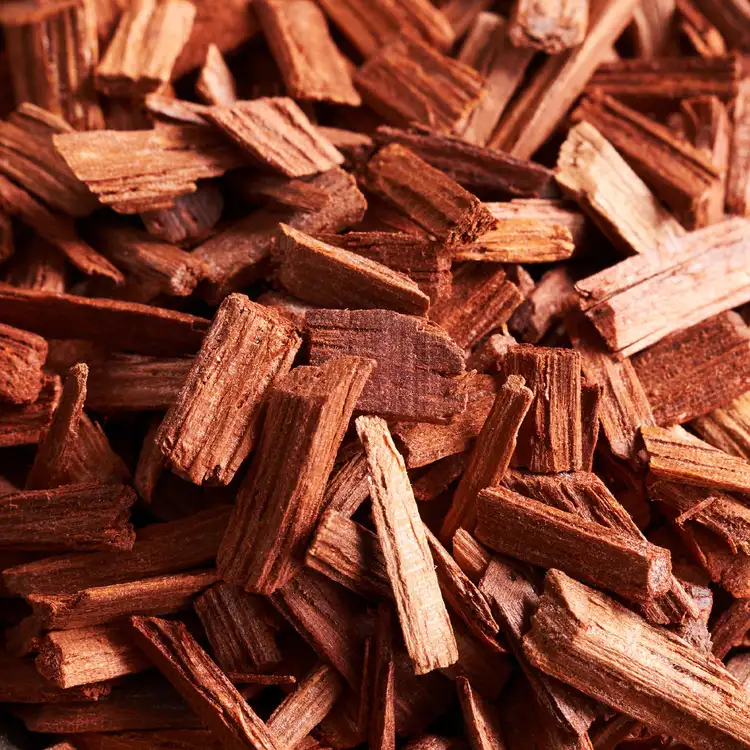
The fragrance itself develops primarily inside the heartwood, the dense inner portion of the trunk, and within the root wood. Heartwood formation begins gradually, while commercially valuable quantities require many years of growth. Some trees are cultivated for decades before reaching harvest.
Once harvested, the aromatic wood is chipped or ground before undergoing steam distillation. Heat and water vapor release fragrant molecules from the wood, producing a richly scented essential oil.
The lengthy cultivation cycle helps explain sandalwood's considerable value. Every harvest represents years of growth, careful agricultural management and the gradual accumulation of aromatic compounds beneath the bark.
Why Sandalwood Smells Like Cream and Warm Skin
The scent of sandalwood occupies a distinctive place in perfumery. Creamy, softly sweet and woody, its fragrance often suggests warm milk, polished wood, powder and delicate spices. High-quality Indian sandalwood oil can also reveal subtle balsamic and earthy nuances.
Behind this characteristic softness lies a complex mixture of aromatic compounds, particularly alpha-santalol and beta-santalol. These molecules belong to a family of substances known as sesquiterpene alcohols and contribute significantly to sandalwood's recognizable smell.
The three-dimensional arrangement of atoms can affect how certain sandalwood-related molecules interact with human olfactory receptors. Closely related molecular forms may consequently produce noticeably different scent impressions.
This sensitivity helps explain the precision involved in developing synthetic sandalwood materials, where small molecular changes can produce significant differences in fragrance.
Perfumers traditionally value sandalwood for its role as a base note, contributing warmth, persistence and smoothness to a composition. Its creamy character complements jasmine, rose, vanilla, amber and musk, while its woody dimensions can soften the intensity of spices and resins.
The familiar milky impression comes entirely from aromatic chemistry, giving sandalwood its remarkable ability to evoke warmth and intimacy through the scent of wood.
When Sandalwood Was Sacred
For centuries, sandalwood has held an important position in religious and cultural traditions across Asia. In Hindu devotional practices, sandalwood is ground with water to produce chandan, a fragrant paste applied during ceremonies and religious observances. The material also appears in incense, carved sacred objects and offerings, where its persistent aroma contributes to the atmosphere of ritual spaces.
Buddhist traditions similarly incorporate sandalwood into incense and religious objects, associating its fragrance with contemplative environments.
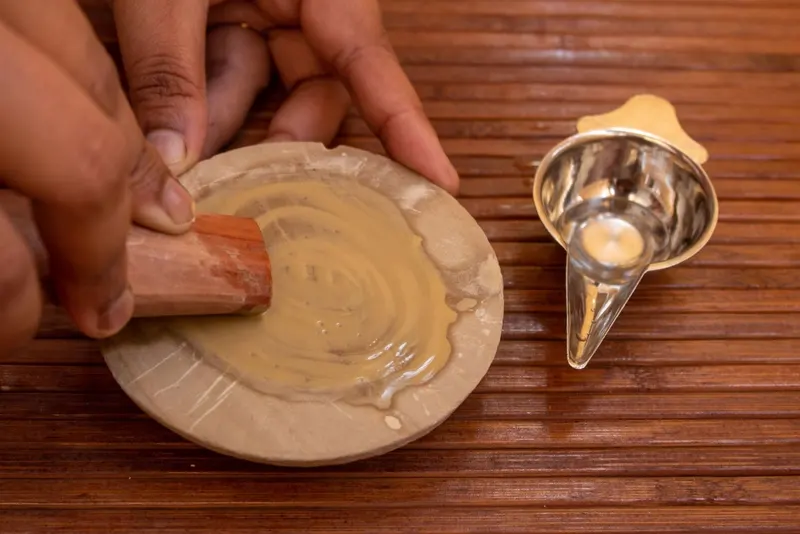
The wood's influence extends into India's historic perfume-making traditions, particularly in Kannauj, a city celebrated for its production of attar.
Traditional attar distillation uses copper equipment known as deg-bhapka. Flowers, botanical materials or other aromatic substances are heated with water inside a copper vessel. Their fragrant vapor travels through a connecting pipe before condensing inside a receiving vessel.
In classic sandalwood-based attars, sandalwood oil serves as the receiving medium, absorbing the aromatic distillate while contributing its own woody fragrance.
One especially intriguing creation is mitti attar, developed to capture the earthy smell associated with rainfall on dry soil. Traditional perfumers distill specially prepared clay, allowing its aroma to mingle with sandalwood oil. The result is an extraordinary idea in fragrance making: capturing the sensation of rain-soaked earth and preserving it within a precious botanical oil.
The Sandalwood That Once Paid for Luxury
During the early nineteenth century, sandalwood acquired another unexpected identity in the Hawaiian Kingdom: a commodity capable of settling financial obligations.
Hawaiian sandalwood species, collectively known as ʻiliahi, became highly desirable exports, particularly for Chinese markets where fragrant wood was valued for incense and other aromatic uses.
Trade with American merchants generated significant revenue for Hawaiian rulers, who acquired imported textiles, furniture, luxury goods and ships. Growing demand encouraged intensive harvesting across the islands.
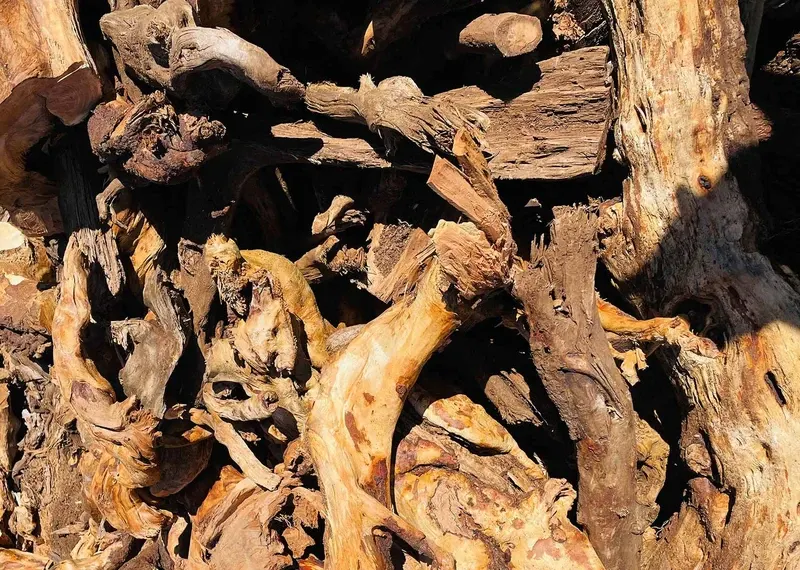
The economic consequences became especially apparent in 1826, when Hawaiʻi enacted its first written tax law. Adult men were required to contribute half a picul of sandalwood, approximately 30 kilograms, or pay four Spanish dollars or goods of equivalent value.
The obligation reflected mounting debts associated with the sandalwood trade. Harvesting intensified, drawing workers away from agricultural responsibilities while accessible forests became increasingly depleted.
By the late 1830s, restrictions were introduced to protect remaining sandalwood resources. This remarkable chapter reveals how a fragrant material could influence commerce, taxation and the management of natural landscapes. Hawaiian ʻiliahi species differ from Indian Santalum album, although their shared aromatic value connected them to an expanding international trade in precious woods.
How Sandalwood Became a Perfume Icon
The history of sandalwood in modern luxury perfumery includes several influential creations, each reflecting a different interpretation of its distinctive aroma.
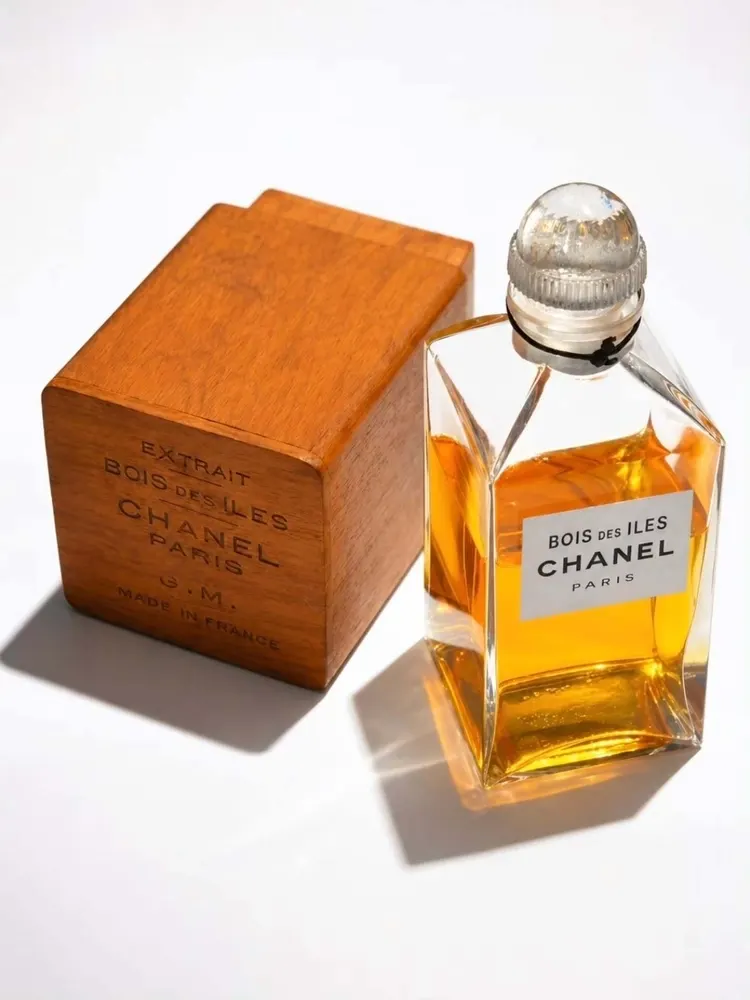
In 1926, perfumer Ernest Beaux, already celebrated for Chanel No. 5, created Chanel Bois des Îles. The composition combined sandalwood with aldehydes, ylang-ylang and warm floral materials, giving the wood a sophisticated, softly powdery identity. Associated with the lively artistic atmosphere of 1920s Paris, Bois des Îles helped establish sandalwood as an important element of elegant woody fragrances for women.
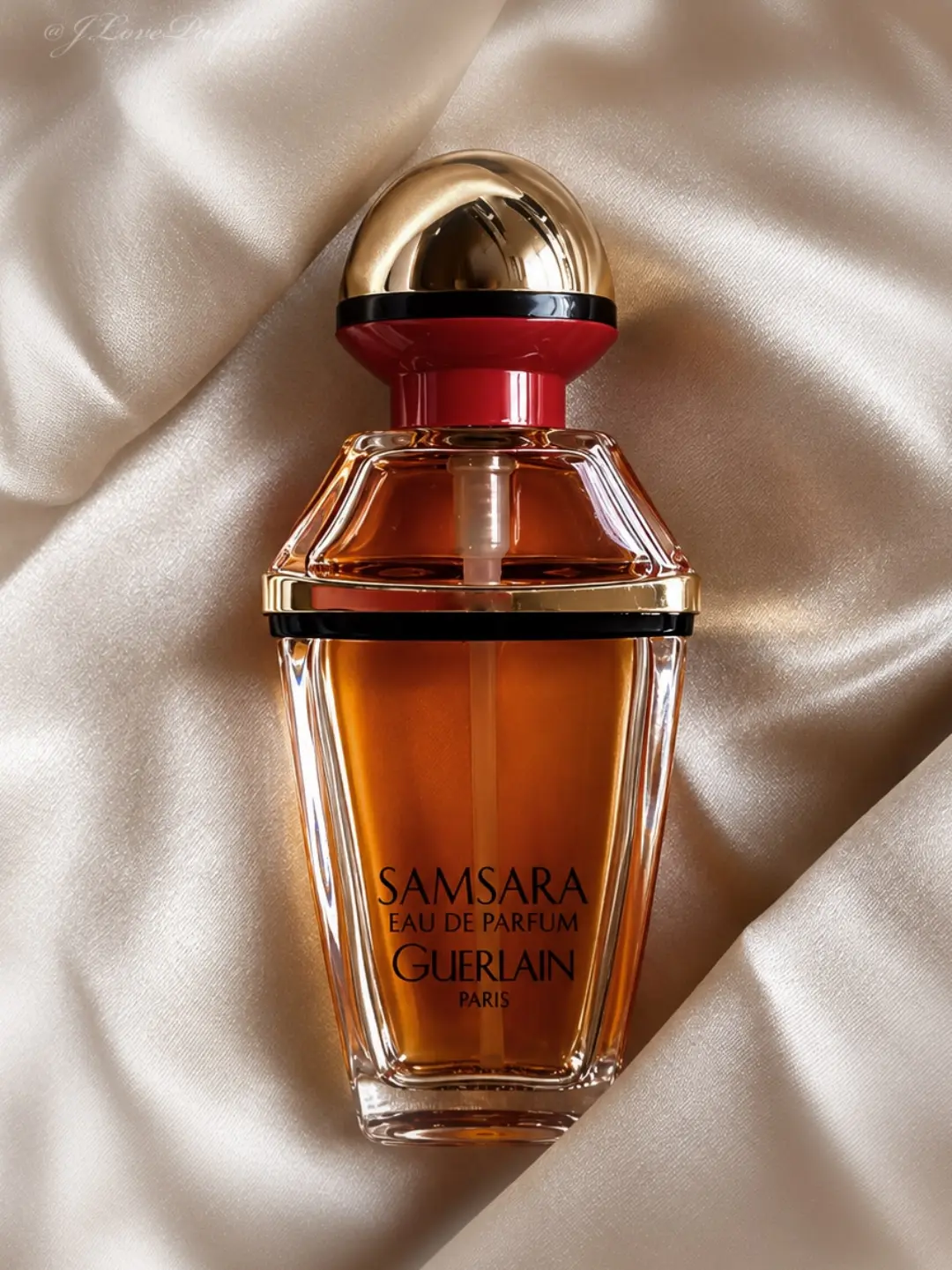
A particularly influential chapter arrived in 1989 with Guerlain Samsara, composed by Jean-Paul Guerlain. Developed around a rich sandalwood accord complemented by jasmine and ylang-ylang, Samsara presented the wood in an opulent, enveloping composition. Guerlain has described the fragrance as an expression of love, drawing inspiration from the aromatic atmosphere of Indian temples.
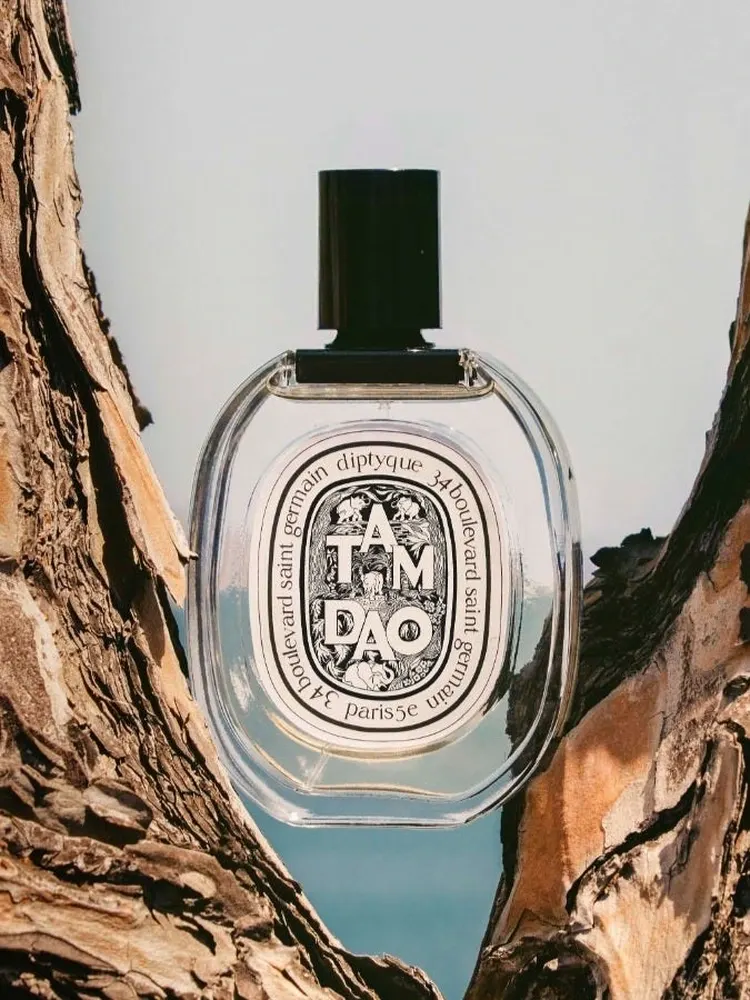
In 2003, Diptyque Tam Dao introduced another interpretation, inspired by co-founder Yves Coueslant's childhood memories of Vietnam. Its creamy sandalwood character unfolds alongside cedarwood, cypress and other aromatic materials, recalling the atmosphere of temples and incense. The fragrance evokes the warmth and tranquility associated with sacred woods.
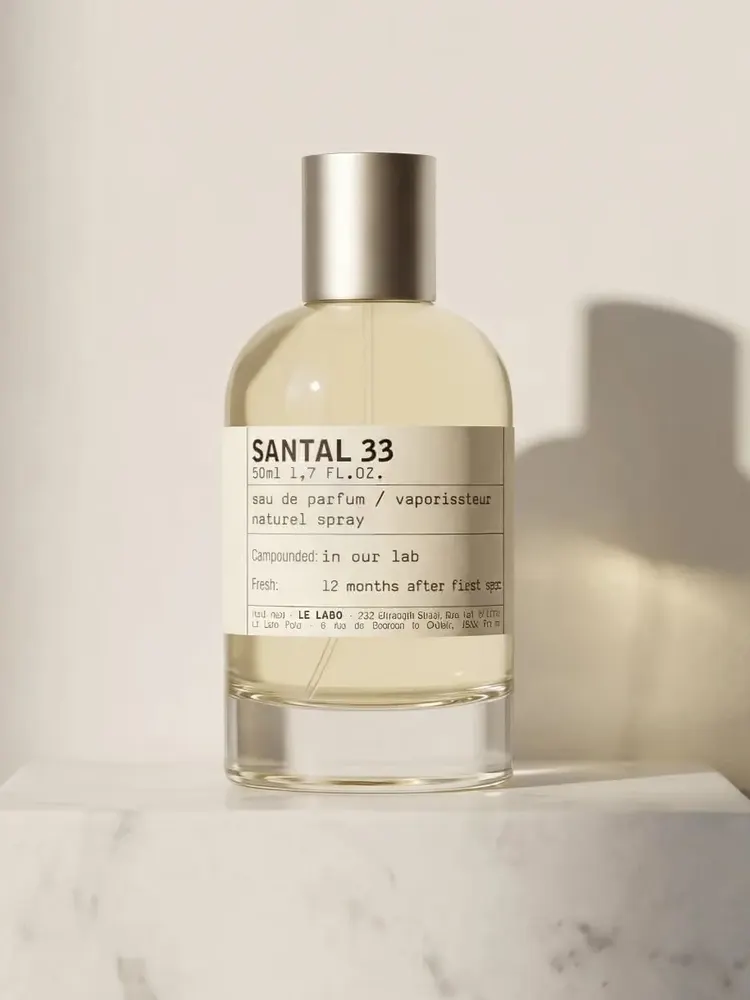
A contemporary transformation followed in 2011 with Le Labo Santal 33, created by perfumer Frank Voelkl. Developed from the house's Santal 26 candle concept, Santal 33 combined sandalwood with cardamom, iris, violet, leather and woody materials. Its dry, smoky character introduced a new expression of sandalwood, drawing inspiration from the rugged landscapes and independent spirit of the American West.
When Chemists Had to Recreate Sandalwood
Historical overharvesting, illegal logging and pressure on Indian sandalwood populations made reliable sourcing increasingly challenging. Perfume manufacturers consequently developed synthetic materials capable of recreating selected aspects of sandalwood's creamy, woody fragrance.
Givaudan's Sandela, developed in the mid-twentieth century, became an important early example. Later innovations included Sandalore, Polysantol and Javanol, each offering distinctive interpretations of sandalwood's aromatic character.
These molecules allow perfumers to emphasize particular qualities, from soft creaminess to intense woody radiance, while achieving greater consistency in fragrance formulation.
Commercial plantations, including Indian sandalwood cultivation in Australia, have also expanded the industry's sourcing possibilities. Responsible cultivation, traceability and forest conservation remain important considerations in maintaining natural sandalwood supplies.