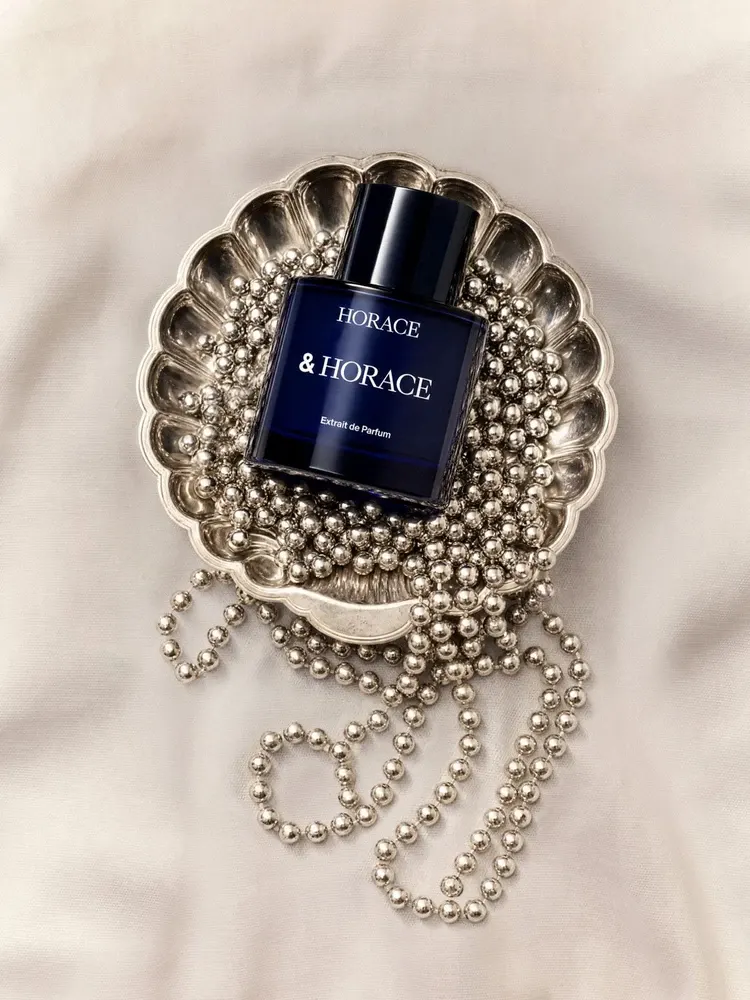





Imagine a forest floor hiding inside your favorite perfume. Oakmoss gave classics their dark allure, then landed at the center of a chemical controversy.
Oakmoss: A Classic With a Criminal Record
Imagine a forest floor hiding inside your favorite perfume. Oakmoss gave classics their dark allure, then landed at the center of a chemical controversy.
November 9, 2026


A familiar perfume can hold an entire world of memories. Beneath its floral sweetness and citrus brightness, a damp, earthy aroma evokes the forest floor after rainfall, with traces of aged leather and bitter greenery. For generations, this mysterious depth came from oakmoss, an ingredient that helped define some of perfumery's most celebrated compositions.
Yet the same material eventually became the subject of scientific scrutiny, forcing fragrance houses to reconsider the formulas behind their classics. The challenge raised an extraordinary question: how can a perfume preserve its identity when the chemistry behind its fragrance must change?
Oakmoss, the Forest Floor Inside a Perfume Bottle
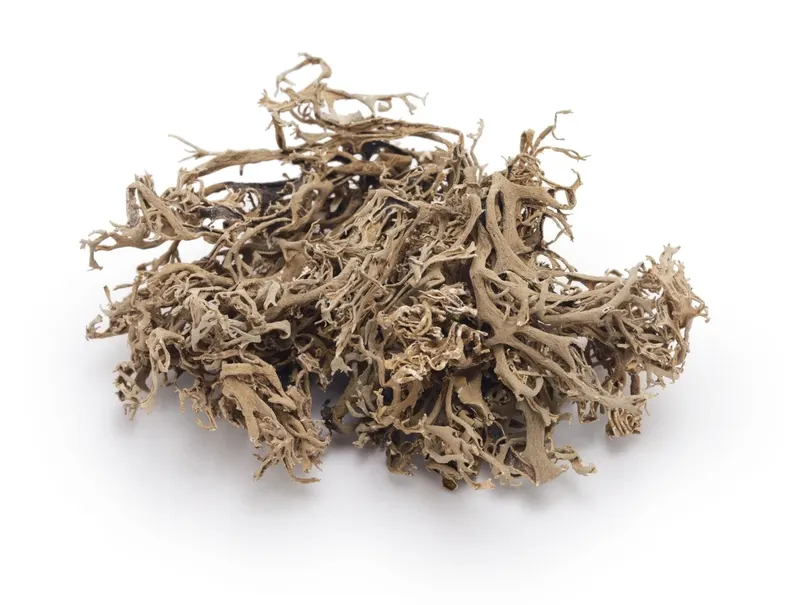
Growing quietly along tree bark, oakmoss carries a surprisingly complex biological identity. Known scientifically as Evernia prunastri, it is a lichen, an organism formed through a close partnership between a fungus and a photosynthetic companion, typically a green alga. The fungus provides structure, while the alga produces nutrients through photosynthesis.
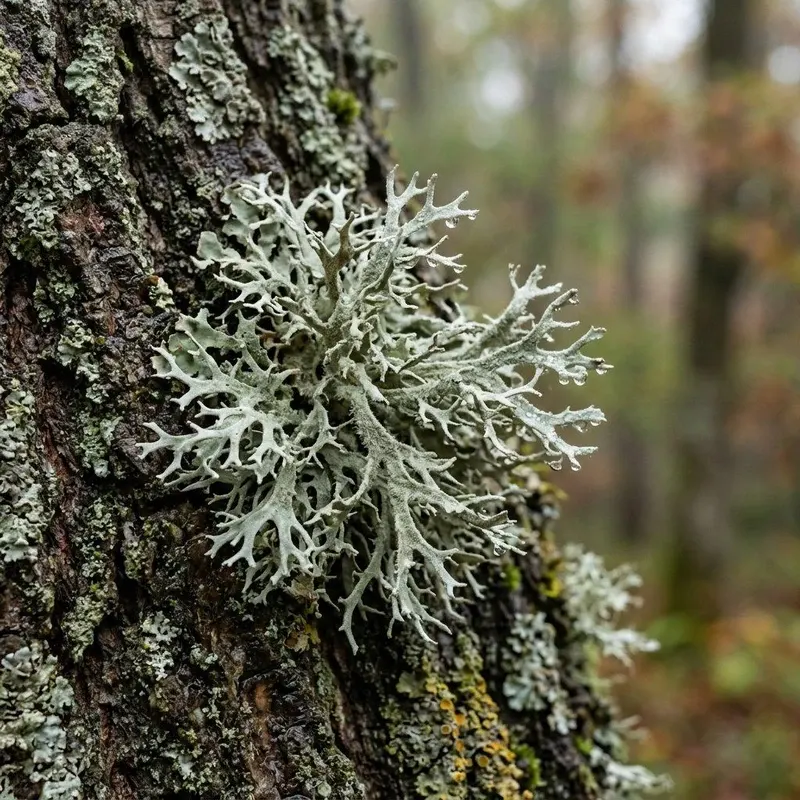
Despite its name, oakmoss is neither a conventional moss nor exclusive to oak trees. Its pale, grey-green branches also appear on other trees across temperate regions, particularly in Europe. Interestingly, this delicate organism has even been studied as a biological indicator of air pollution, responding to environmental conditions through measurable physiological changes.
For perfumery, harvested oakmoss is dried and processed using solvents to produce oakmoss absolute, a concentrated aromatic extract. Its scent combines damp earth, wet wood, dry bitterness and subtle leathery nuances, sometimes accompanied by fungal or mineral impressions.
Traditionally employed in the base of fragrance compositions, oakmoss contributes depth, persistence and a distinctive mossy character. Its aromatic properties give perfumers the impression of a living forest captured inside a glass bottle.
How Oakmoss Created Two Perfume Families
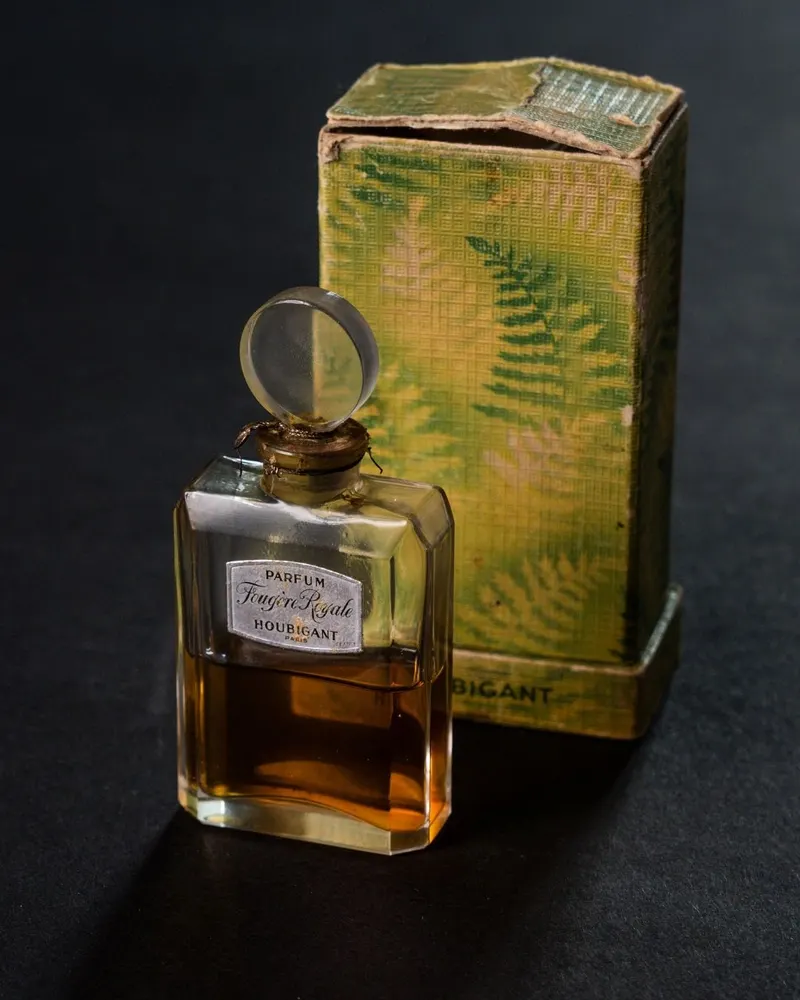
In 1882, French perfumer Paul Parquet introduced Houbigant Fougère Royale, a fragrance that helped establish one of the most influential structures in modern perfumery. Lavender provided aromatic freshness, coumarin introduced a sweet hay-like character, and oakmoss contributed a deep, earthy foundation.
The name itself contains a delightful contradiction. Fougère means fern in French, although ferns are generally appreciated for their appearance rather than a distinctive perfume extract. Parquet effectively created an imaginary fragrant landscape, translating the atmosphere of greenery into an elegant composition.
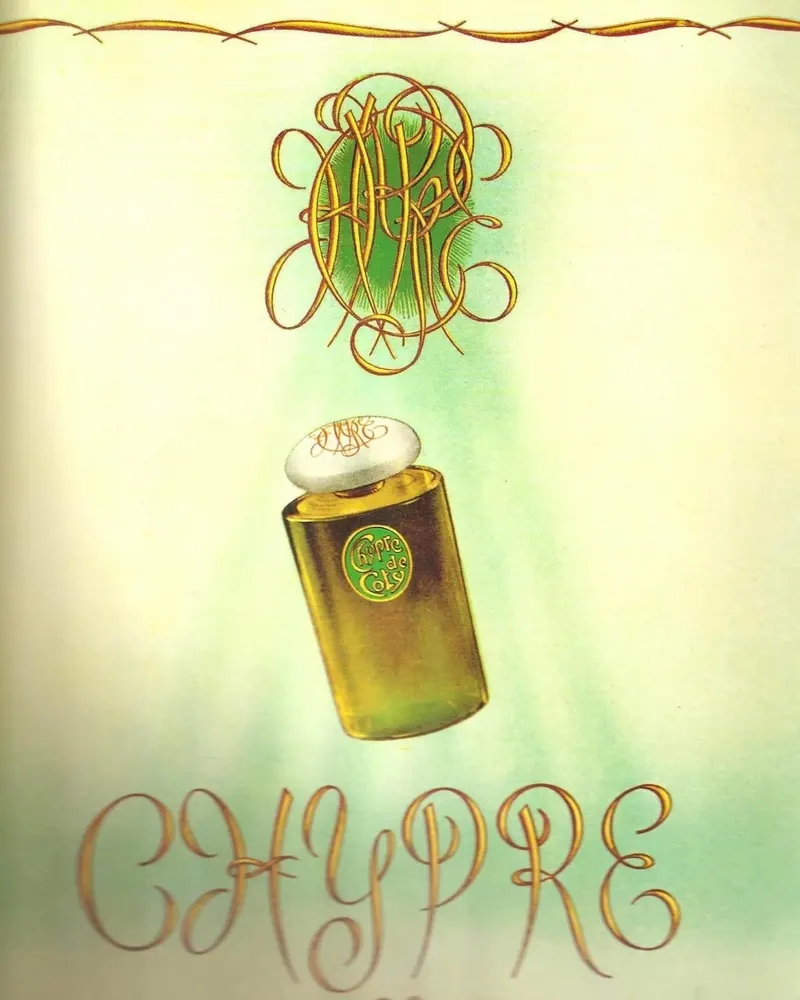
Another defining moment arrived in 1917, when François Coty launched Chypre. Its structure combined sparkling bergamot, warm labdanum resin and oakmoss, producing an intriguing interplay between citrus brightness and earthy darkness.
The fragrance gave renewed prominence to the chypre family, named after the French word for Cyprus, the Mediterranean island associated with historical aromatic traditions.
Together, these compositions demonstrated how oakmoss could shape an entire fragrance structure. Its role extended beyond contributing an individual scent, influencing how contrasting ingredients interacted and developed on the skin.
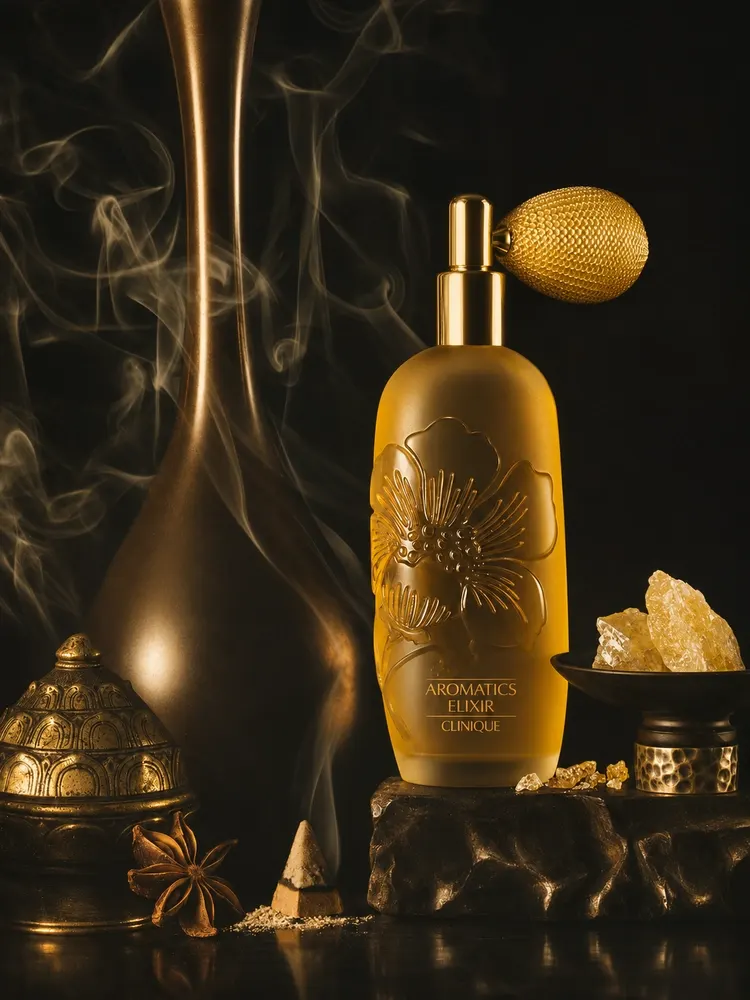
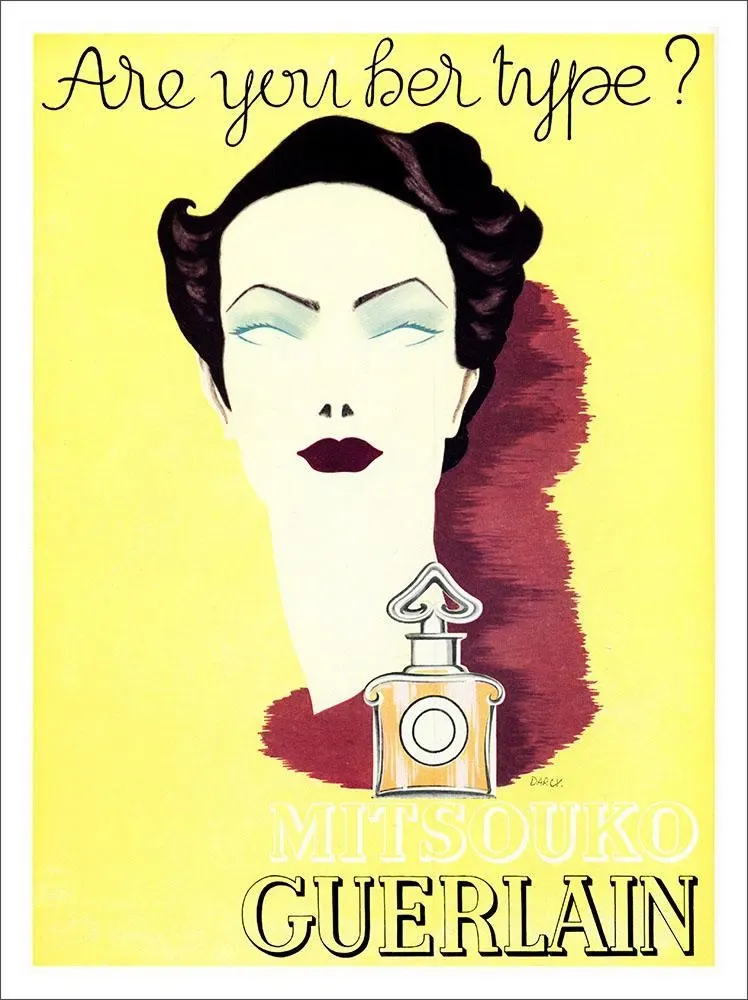
Guerlain Mitsouko, introduced in 1919, explored this architecture through a sophisticated fruity chypre composition. Decades later, Clinique Aromatics Elixir, launched in 1971, carried the tradition into an intensely aromatic, mossy expression.
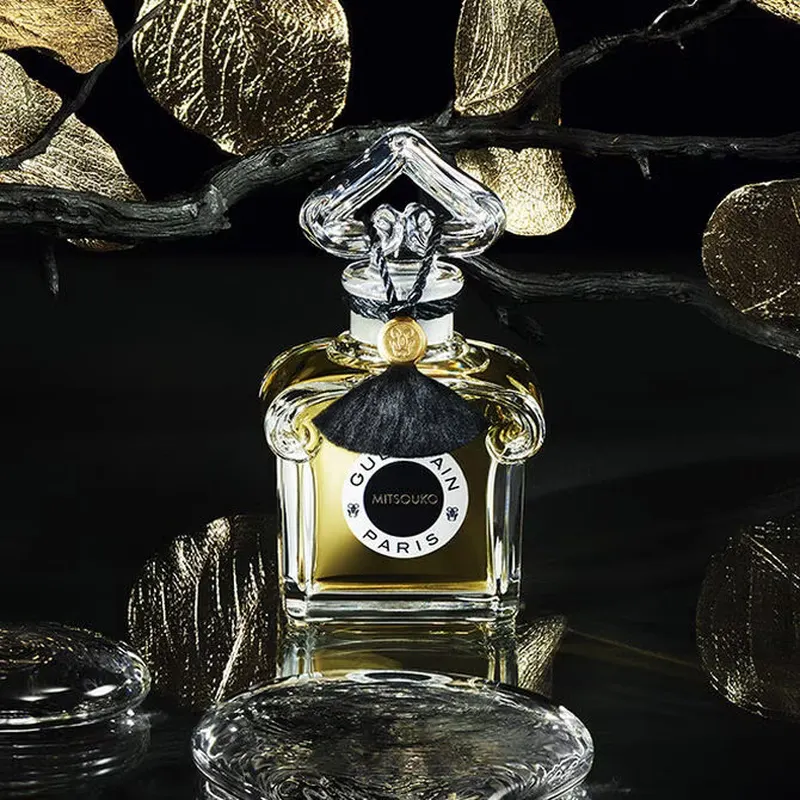
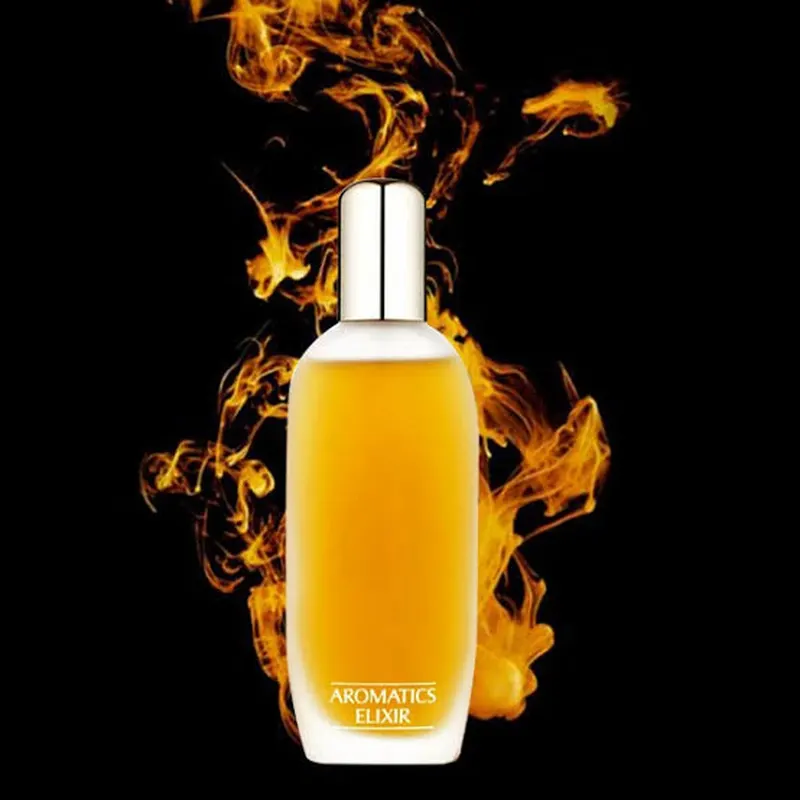
For much of the twentieth century, oakmoss became deeply associated with the elegance, complexity and unmistakable character of classical perfume.
When Oakmoss Became a Scientific Problem
The chemical complexity that made oakmoss so valuable eventually presented an unexpected challenge. As dermatological research advanced, scientists identified two naturally occurring substances in traditional oakmoss extracts that raised concerns about skin allergies: atranol and chloroatranol.
Both compounds are potent skin sensitizers. In susceptible individuals, exposure can trigger allergic contact dermatitis, an immune response that may cause redness, itching and inflammation. Once sensitization develops, subsequent contact with the responsible substance can provoke further reactions.
Scientific assessments prompted increasingly stringent fragrance safety standards. In 2017, the European Union adopted Regulation 2017/1410, prohibiting atranol and chloroatranol in cosmetic products, with transitional deadlines extending to August 2021.

Oakmoss itself remains an available perfumery material, provided its extracts satisfy applicable safety requirements, including strict limits on problematic constituents. The International Fragrance Association, commonly known as IFRA, also establishes standards governing the use of oakmoss materials.
These developments transformed an established ingredient into a demanding technical challenge. Traditional extracts could contain substances requiring removal, while their aromatic character remained essential to numerous historical fragrances.
For perfume houses with longstanding collections, the new standards introduced an artistic dilemma. Preserving the familiar personality of a celebrated fragrance required a profound understanding of the materials responsible for its original composition.
The Oakmoss Perfume That Had to Be Rebuilt
Guerlain Mitsouko offers an extraordinary example of how modern fragrance chemistry can become an exercise in historical preservation.
Launched in 1919, the perfume became renowned for its distinctive fruity chypre character, combining the richness of peach with floral, spicy and mossy elements. Its oakmoss foundation contributed the dry, earthy depth that gave the fragrance its recognizable structure.
Nearly a century later, Guerlain perfumer Thierry Wasser faced the challenge of adapting Mitsouko to evolving safety standards while maintaining its established identity.
Reducing problematic constituents in oakmoss extracts altered the aromatic balance, creating subtle gaps within the composition. Wasser explored additional materials capable of restoring the fragrance's characteristic complexity.
Among them was lentiscus, also known as mastic, an aromatic plant material with green, resinous qualities. Its incorporation helped recreate aspects of the mossy character affected by the changes.
The work demanded considerable precision. In a complex perfume, adjusting one ingredient can influence the perception of several others, changing the relationship between sweetness, freshness, depth and longevity.
Mitsouko's reformulation therefore became an exercise in olfactory restoration. Like an art conservator preserving the appearance of an aging painting, Wasser worked to maintain a recognizable sensory experience through carefully reconsidered materials.
The case illustrates how perfume heritage can continue through technical adaptation, allowing historical fragrances to remain part of contemporary beauty culture.
How the Laboratory Recreated the Forest
Modern fragrance chemistry has introduced sophisticated solutions for preserving the characteristic aroma of oakmoss.
One approach involves refining natural oakmoss extracts to reduce sensitizing constituents while retaining valuable fragrant compounds. Selective processing techniques allow manufacturers to improve the suitability of these materials for regulated cosmetic applications.
In 2018, researchers explored an enzyme-based treatment capable of transforming atranol and chloroatranol into water-soluble derivatives that could subsequently be separated from oakmoss absolute. The research demonstrated how biochemical techniques might help preserve desirable aromatic characteristics while addressing safety concerns.
Another approach relies on synthetic fragrance materials. Evernyl, chemically known as methyl atrarate, offers powdery, woody and moss-like qualities, making it useful for constructing modern mossy accords.
Perfumers can combine Evernyl with botanical extracts, woods, resins and other aromatic molecules to recreate the depth associated with traditional oakmoss compositions.
These developments have expanded the creative possibilities of mossy fragrances. Carefully treated natural extracts and synthetic aroma materials offer different tools for achieving specific olfactory effects.
The laboratory has effectively become another place where the familiar atmosphere of a damp forest can be interpreted, refined and preserved.
Does Oakmoss Need Its Original Formula?
A perfume exists as both a chemical composition and a sensory memory. Its ingredients determine its physical character, while years of personal experience give that character emotional significance.
The story of oakmoss reveals an intriguing possibility: preserving artistic identity may require a willingness to reconsider the materials that created it. A fragrance can evolve through scientific innovation while continuing to evoke the atmosphere, elegance and memories that made it beloved.