A pale tree conceals a dark secret. From sacred incense to luxury perfume, oud reveals how nature turns injury into one of the world's most coveted aromas.
Oud: The Tree That Bleeds Luxury
A pale tree conceals a dark secret. From sacred incense to luxury perfume, oud reveals how nature turns injury into one of the world's most coveted aromas.
November 9, 2026


A sliver of dark wood rests above glowing charcoal. As it warms, smoke unfurls with the scent of damp earth, aged leather and something unexpectedly sweet. For centuries, this aroma has accompanied ceremonies, traveled along trade routes and perfumed the clothing of people who could afford its rarity.
Today oud appears on fragrance counters around the world, often inside bottles commanding extraordinary prices. Its source, however, begins in a tropical forest, with a tree defending itself.
The Tree That Makes Fragrance From Injury
Oud, also known as agarwood, comes principally from trees in the Aquilaria and Gyrinops genera. These trees grow in parts of South and Southeast Asia. Their ordinary wood is generally pale, light and relatively faint smelling. The dark aromatic material prized by perfumers develops only under particular conditions.
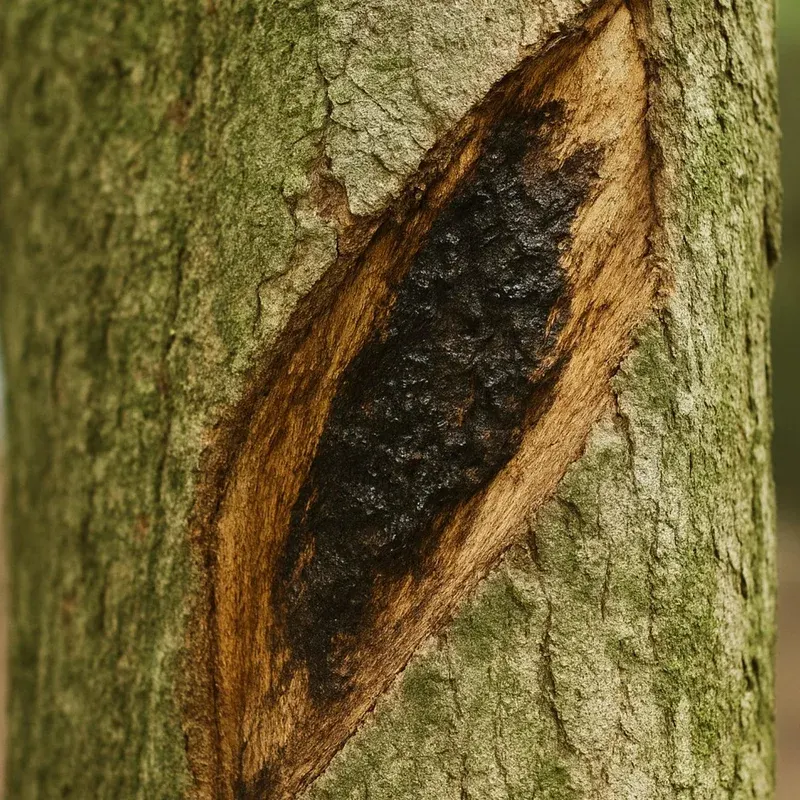
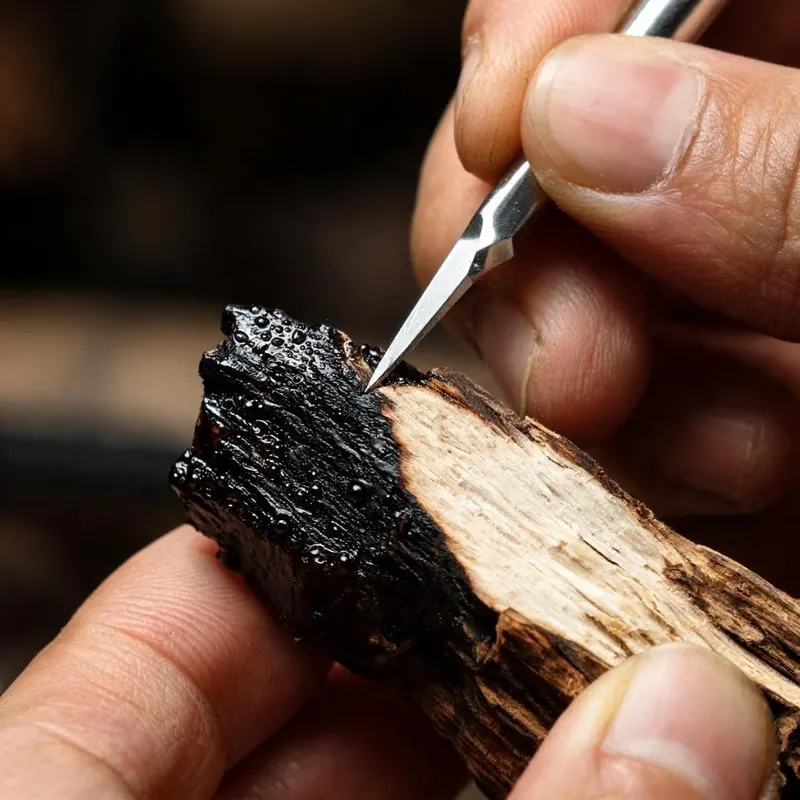
When a tree suffers physical damage, encounters microorganisms or experiences other stresses, it may activate chemical defenses. Resin accumulates within sections of its wood, sometimes transforming pale tissue into dense, dark streaks. This resin enriched wood is agarwood.
The process varies between species and environments, and fungal activity is one possible influence among several. A wounded tree therefore offers the conditions for oud, although every wound has its own outcome.
Its characteristic scent is equally variable. One piece may smell of burning wood and medicinal herbs; another suggests honey, leather, fruit or moist soil. Sesquiterpenes, a family of aromatic compounds, contribute significantly to the smell of distilled oud oil.
Other substances, including chromones, help distinguish the chemistry of resinous agarwood. These technical names describe a remarkably physical experience: wood whose aroma changes as it heats, settles and meets the skin.
The result is an ingredient with many faces, shaped first by biology and later by the hands that harvest and prepare it.
When Smoke Became Sacred
Long before the modern perfume bottle, agarwood moved across Asia as incense, medicine and a valuable trading commodity. References to fragrant woods appear in ancient South Asian literature, although identifying every historical name with a modern botanical species requires care.
Traders carried prized material between producing forests and markets in India, China, Japan and the Arabian Peninsula. Demand followed belief, ceremony and an appetite for aromas associated with distinguished spaces.
One Japanese account gives this history an unusually vivid scene. According to the Nihon Shoki, fragrant wood washed ashore on Awaji Island in 595 CE. Villagers discovered its remarkable smell when they burned it and presented the material to the imperial court. The episode belongs to a historical chronicle, yet it captures the wonder that agarwood inspired.
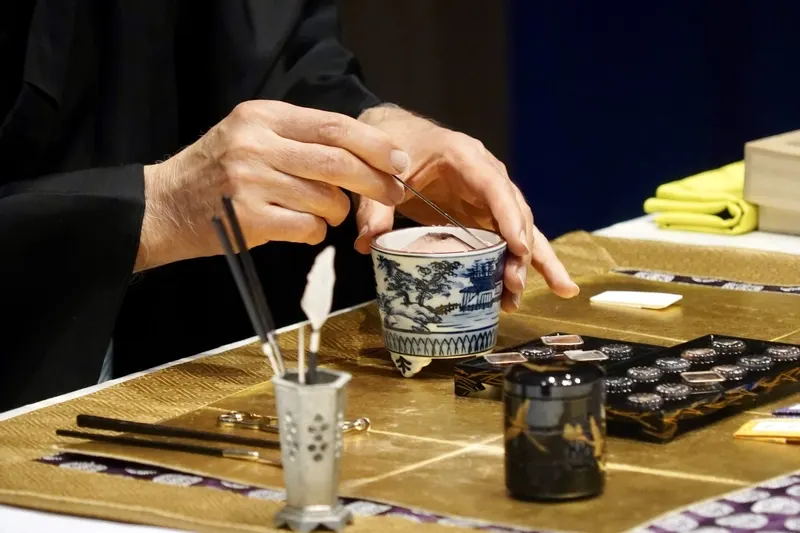
Japanese appreciation eventually developed into kōdō, the Way of Incense, in which participants attend closely to the nuances of aromatic woods. The celebrated piece called Ranjatai, preserved in Nara's Shōsōin repository, symbolizes that longstanding fascination.
Across the Middle East, oud entered a different vocabulary of hospitality and personal fragrance. Fragrant chips, often called bakhoor when prepared for burning, scent rooms, gatherings and garments. Concentrated oil, known as dehn al oud, is dabbed onto skin. Medieval Arabic perfume literature, including writings associated with ninth century scholar al Kindi, documents sophisticated recipes using fragrant woods and other aromatic materials.
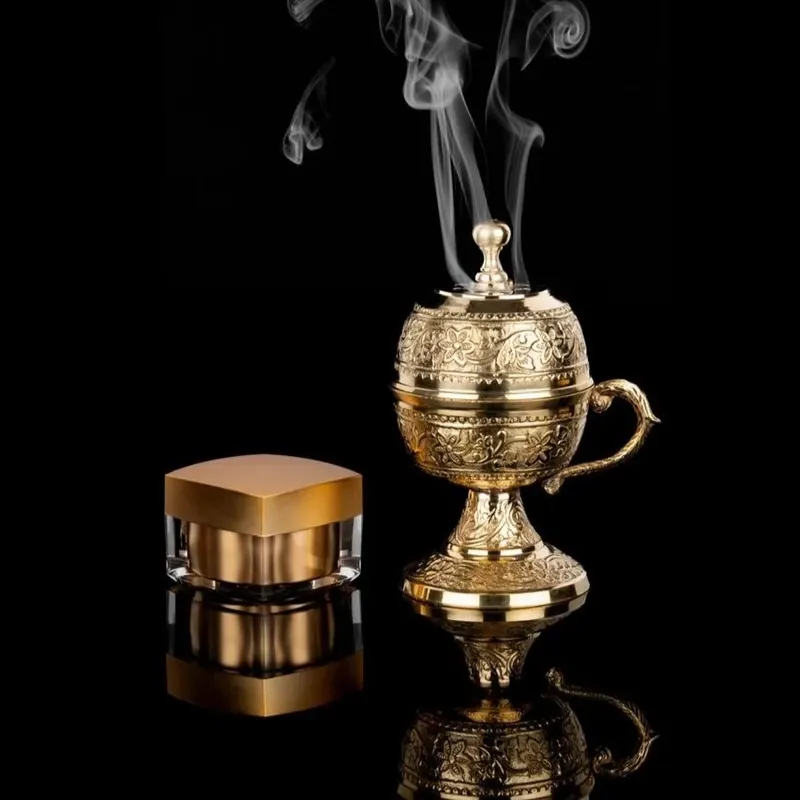
These traditions followed distinct practices, yet both invested scent with social meaning. Oud could announce welcome, mark devotion, express taste or turn an ordinary room into a ceremonial space. Its status as a precious fragrance was established centuries before European luxury houses adopted the note.
From Resinous Wood to Liquid Gold
Producing natural oud oil begins with careful selection. Harvesters examine the resin enriched portions of agarwood, separating fragrant sections from lighter material. A dark appearance may suggest heavy resin deposits, yet visual density alone cannot guarantee the character of the eventual oil. Species, growing conditions and the specific resin profile all affect quality.
Selected wood is cut into chips or smaller fragments. Depending on local practice, producers may soak it in water or allow controlled fermentation before distillation. In hydrodistillation, the wood is heated with water; steam carries volatile aromatic molecules into a cooling system. Condensed liquid is collected, and the fragrant oil is separated. Some makers then rest the oil and evaluate how its aroma develops.
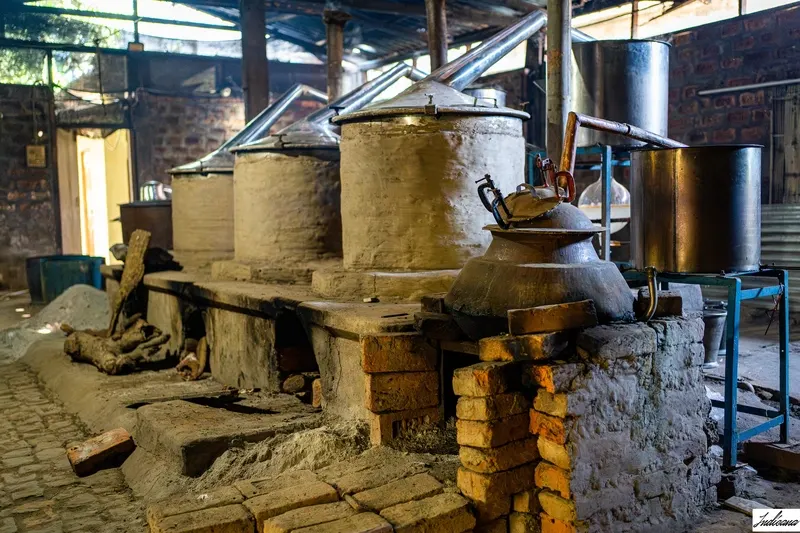
Every decision influences the finished scent. Soaking can encourage earthy or animalic nuances, while different distillation conditions emphasize particular woody, balsamic or smoky facets. Yield varies considerably, and processing resinous wood requires time, expertise and significant quantities of raw material. Exceptional natural oils can command prices reaching tens of thousands of dollars per liter, although the market spans many origins, grades and price levels.
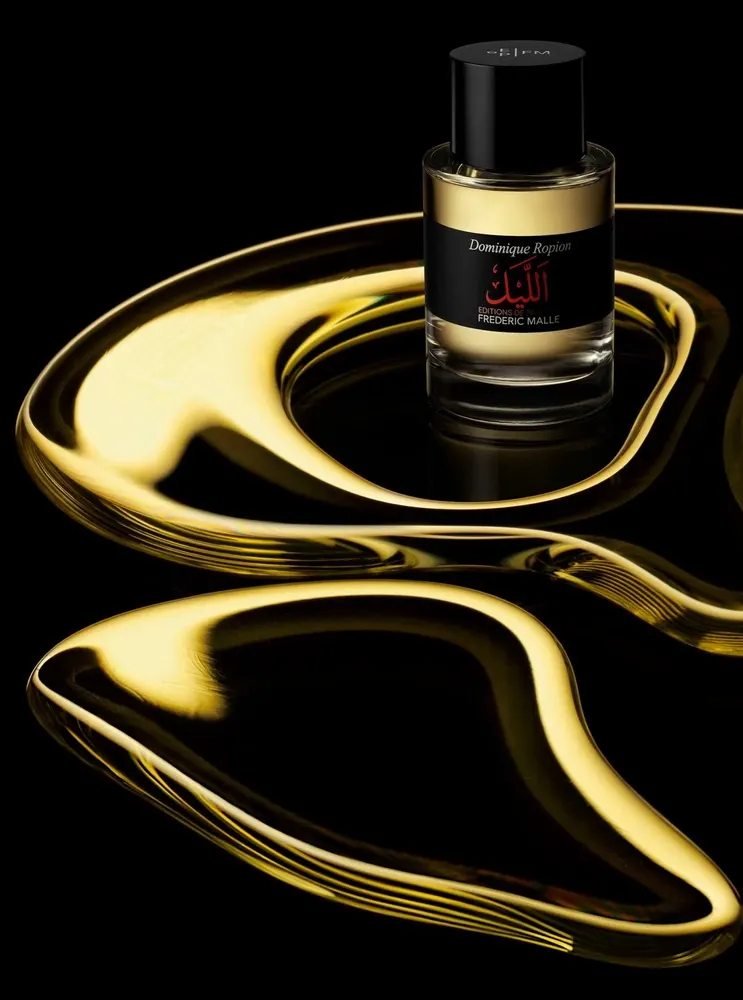
A further distinction helps make sense of the perfume counter. Fragrant agarwood chips, pure distilled oil and a finished eau de parfum are separate products. A bottle marketed around oud may contain a measured quantity of natural oil, a constructed aromatic accord or both. The price of the bottle therefore tells only part of the story of its materials.
How Perfumers Gave the Note New Lives
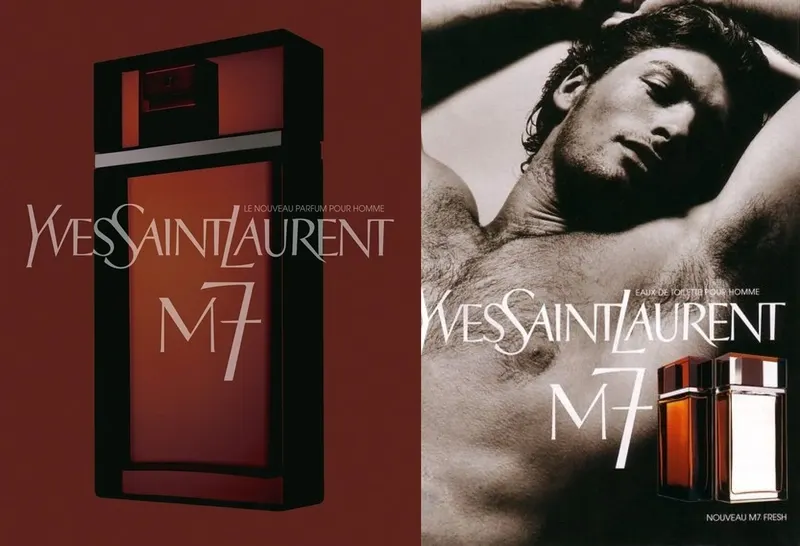
During the early twenty first century, Western fragrance houses increasingly brought oud into internationally distributed collections. Yves Saint Laurent's M7, launched in 2002 and developed by Jacques Cavallier and Alberto Morillas, became an important early example. Its warm, woody profile introduced many customers to a note already deeply familiar in other perfume cultures.
Tom Ford's Oud Wood followed in 2007, dressing the idea of oud in polished woods, cardamom, sandalwood and amber. Dior's Oud Ispahan, introduced in 2012 by François Demachy, explored the lush relationship between oud and rose. Maison Francis Kurkdjian's Oud Satin Mood, released in 2015, placed rose, violet, benzoin and vanilla around an oud theme, suggesting the enveloping softness of satin.
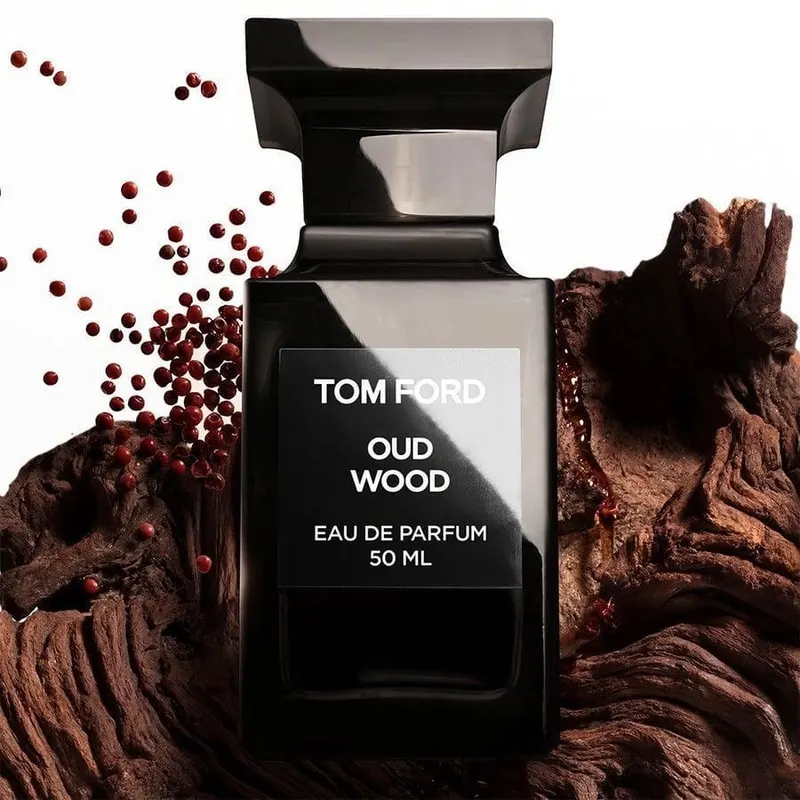
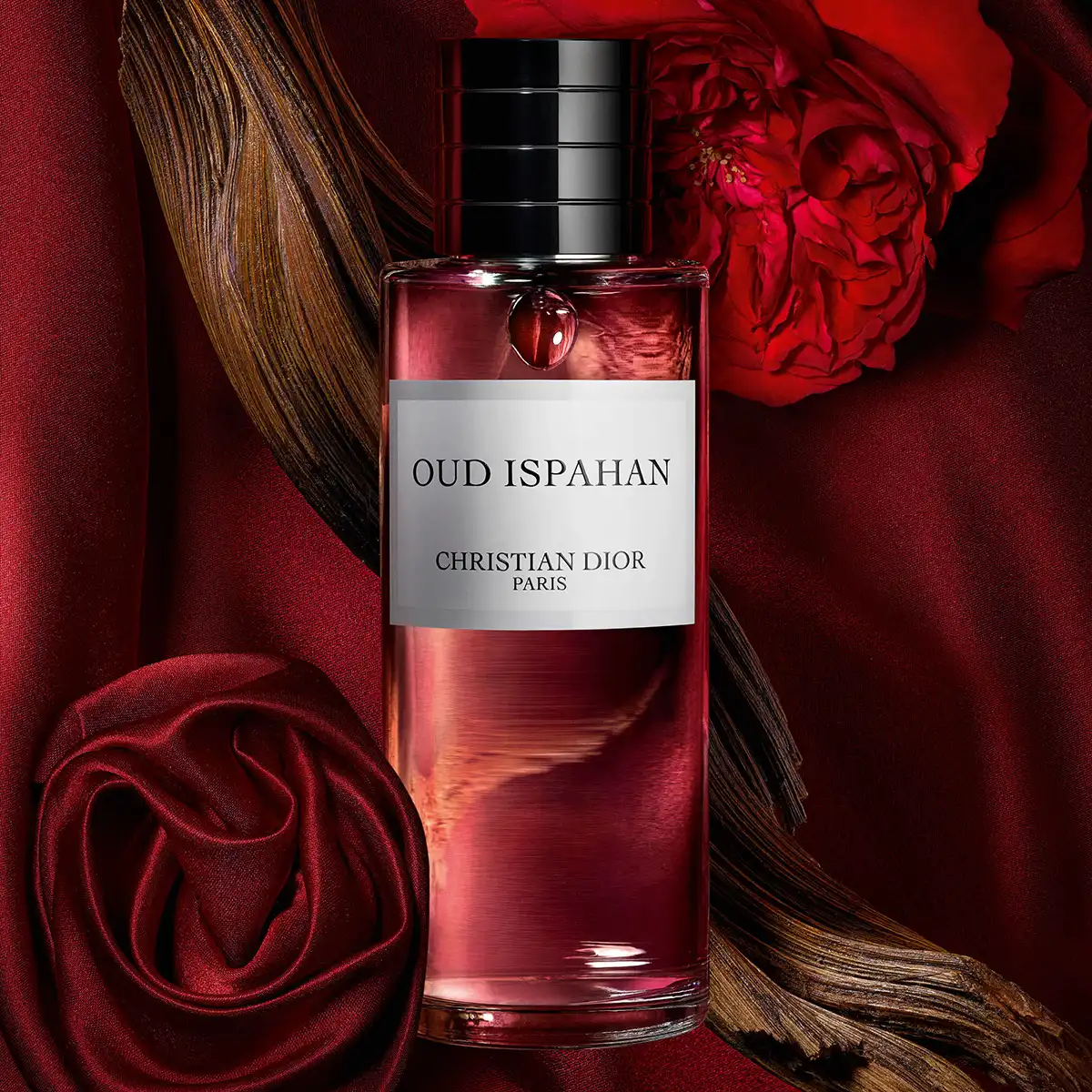
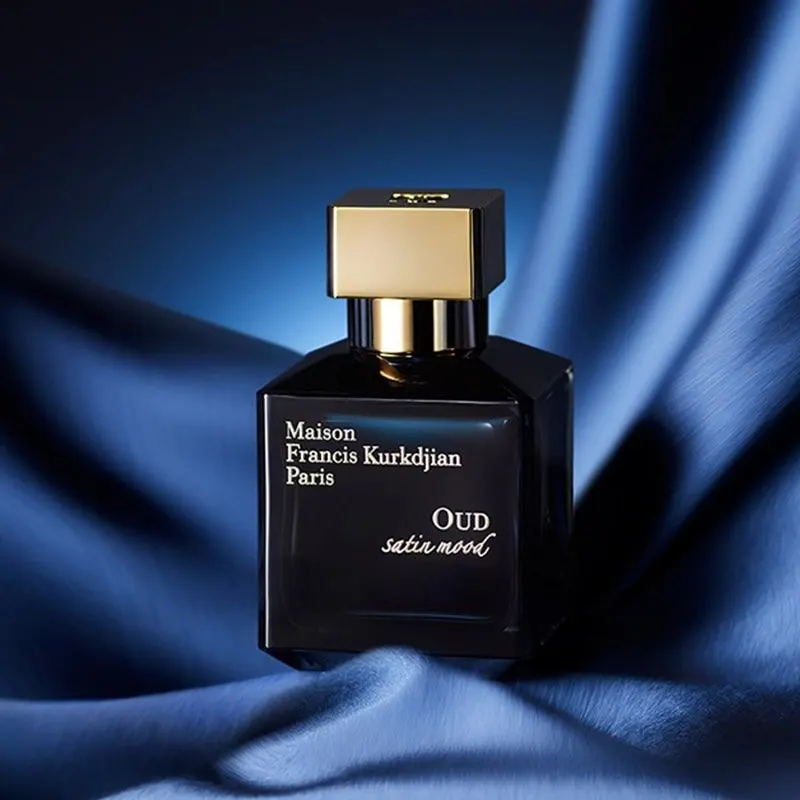
The sequence reveals how one aromatic idea can support different creative identities. Oud may act as a smoky backbone, a leathery shadow beneath flowers or a warm counterweight to sweetness. In contemporary perfumery, its distinctive character can also be assembled from aroma molecules and other ingredients. Such accords offer control over consistency and intensity, while natural agarwood oil introduces the variable complexity of a biological material.
An ingredient list or note pyramid rarely discloses the entire formula. A perfume described as oud scented therefore calls for curiosity about the perfumer's interpretation, alongside any sourcing details the brand chooses to share. Its most interesting modern evolution lies in this freedom to imagine new textures while drawing on a long cultural history.