MENU
Close





Chanel gave freedom. Yves Saint Laurent gave power. Black became their armor; 'Le Smoking' tuxedos, their revolution.
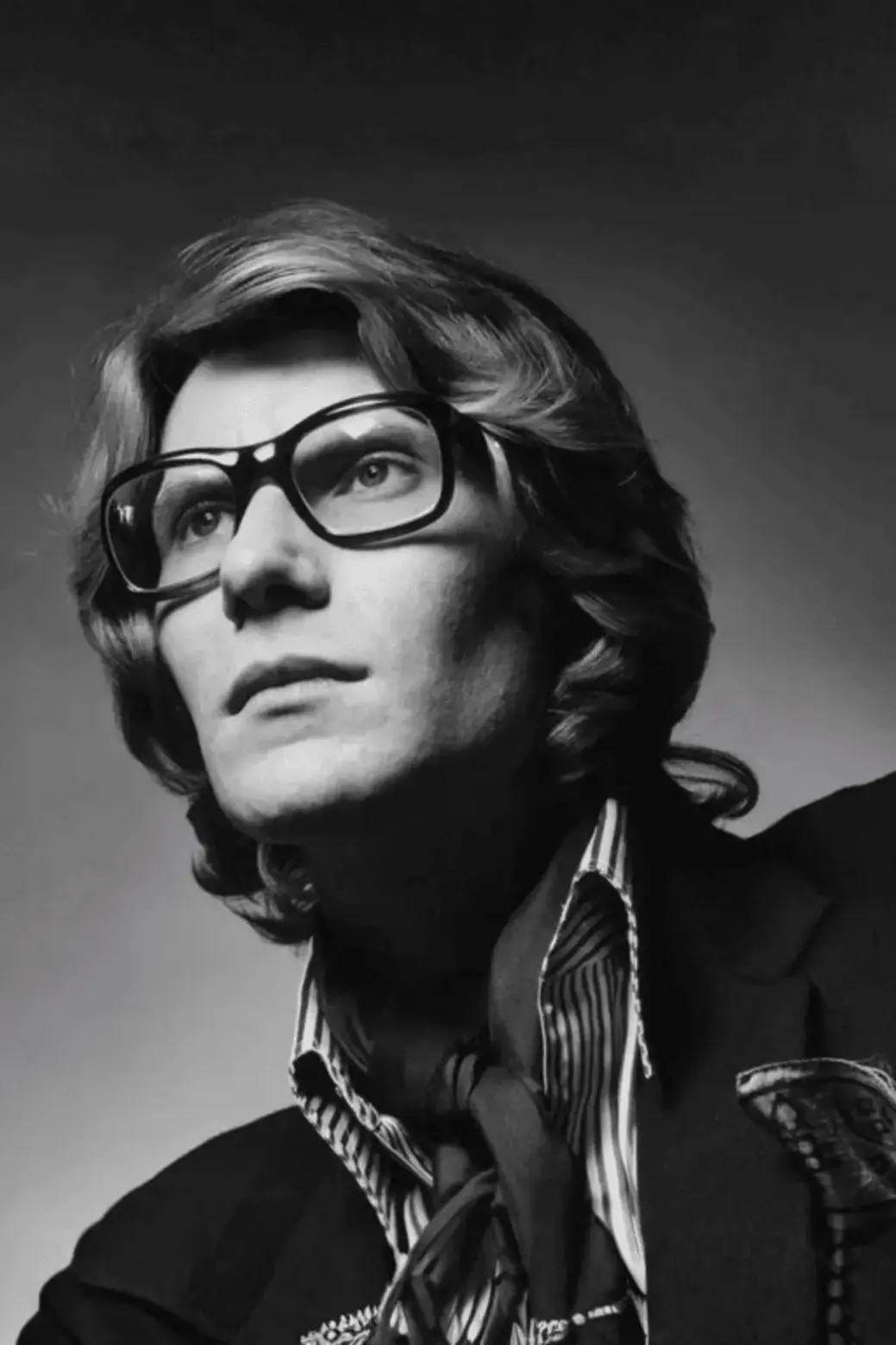
Chanel gave freedom. Yves Saint Laurent gave power. Black became their armor; 'Le Smoking' tuxedos, their revolution.
November 3, 2025
Advertisement

Advertisement



Yves Saint Laurent was basically the fairy godfather of women’s wardrobes. In the 20th century (and honestly, still today), he reshaped how women dressed by raiding the men’s closet and claiming the best pieces: tuxedos, trousers, pea coats, and trench coats. He took menswear, added a dash of glamour, and handed women a new kind of power dressing.
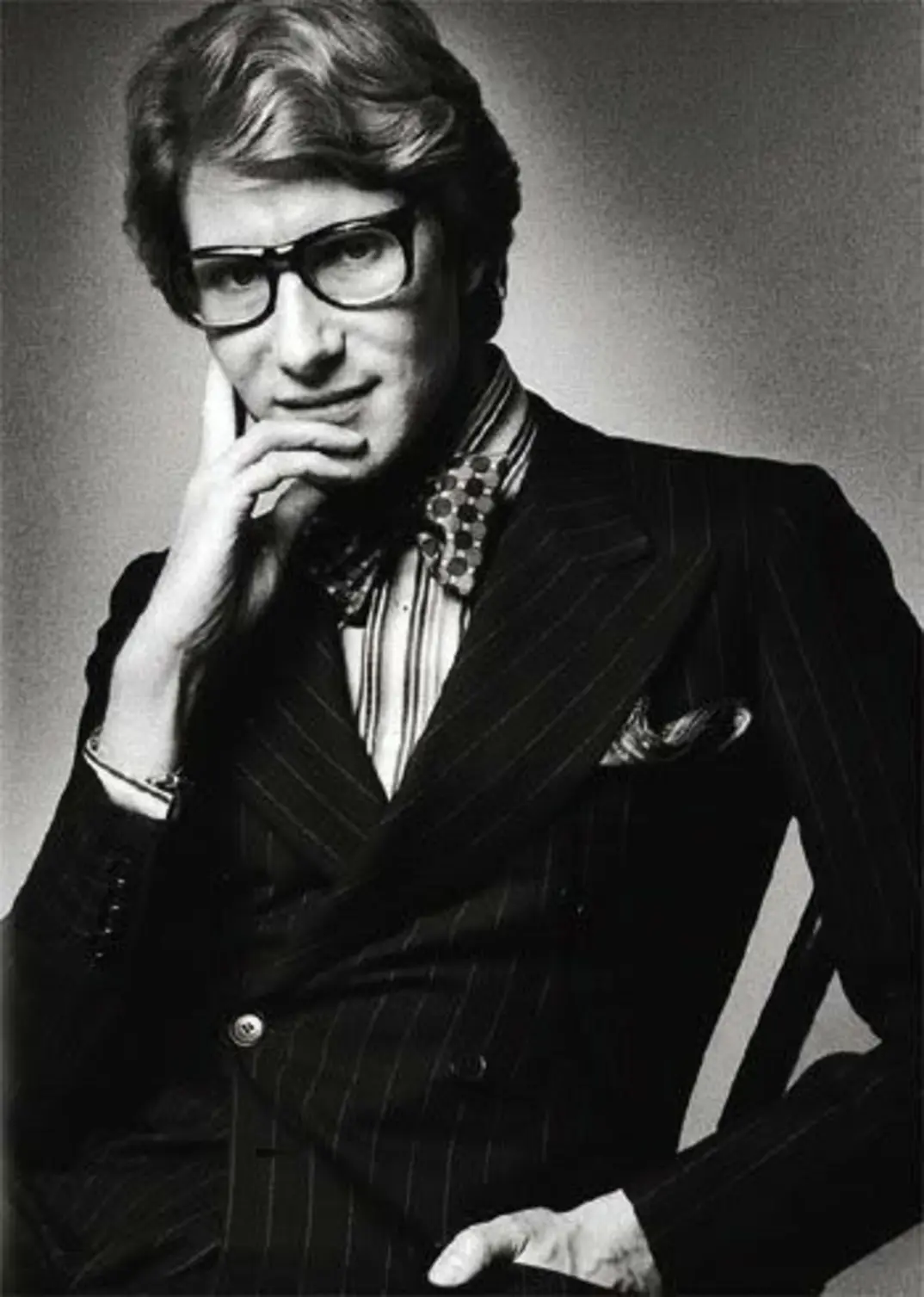
“Saint Laurent’s clothes give women two lives. By day, they stride through the world in his sharp tailoring, untouchable. By night, the same designs somehow make them irresistible.” - Catherine Deneuve, one of his muse and best friends of Yves Saint Laurent
Born in 1936 in Oran, Algeria, to an insurance director and a rather aristocratic family, young Yves was sketching dresses before most kids learned long division. That passion landed him a job as Christian Dior’s assistant, known as the father of haute couture fashion. And the rest, well, became fashion history.
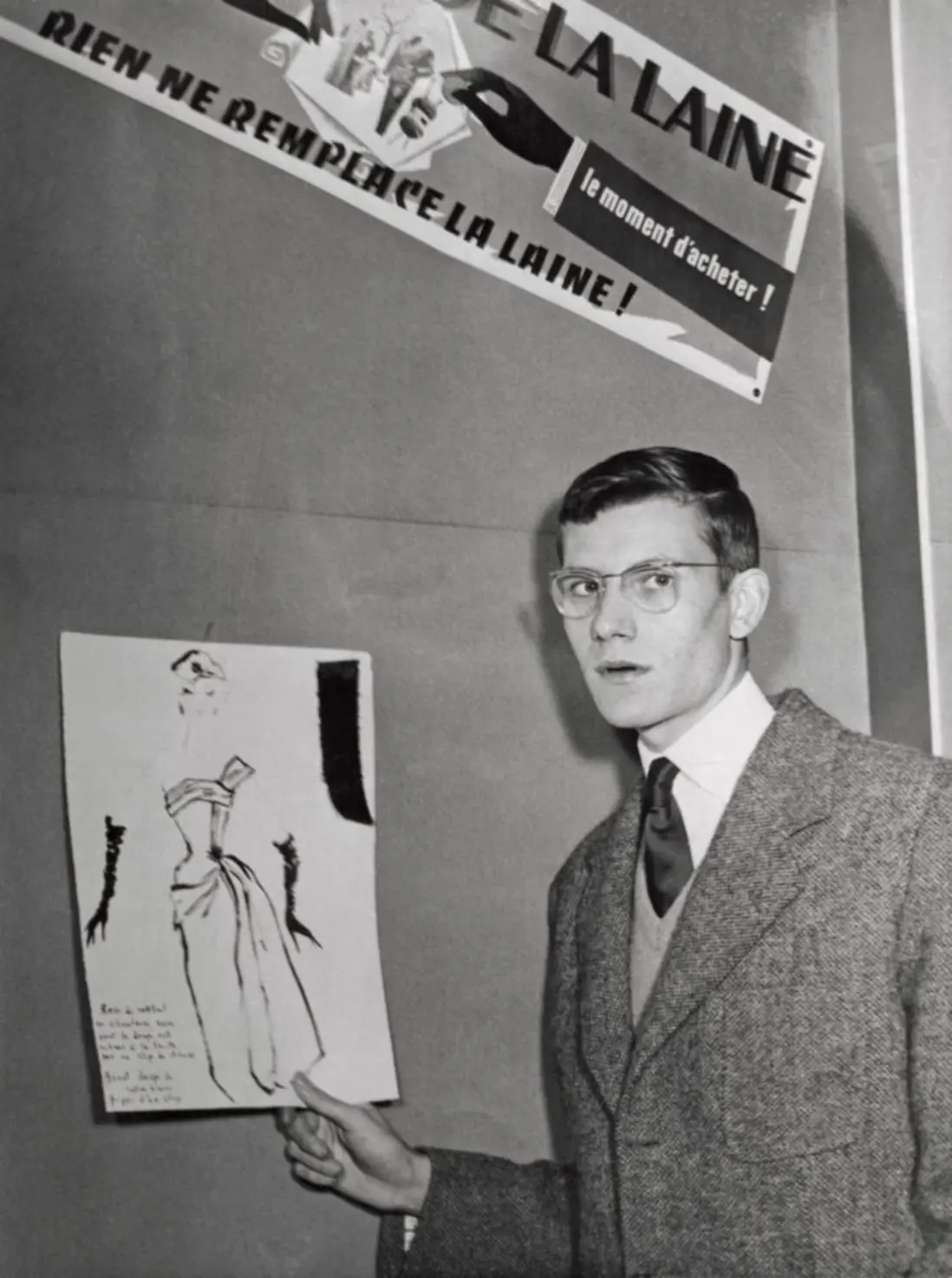
Yves Saint Laurent would spend two years working alongside Christian Dior, learning the secrets of haute couture from the master himself. Collections comprised of some two hundred designs would emerge from sketches, toiles, and fittings. Saint Laurent was first entrusted with decorating the boutiques. He also helped make a number haute couture dresses.
"Yves Saint Laurent is young, but he is an immense talent. In my last collection, I consider him to be the father of thirty-four out of the 180 designs. I think the time has come to reveal it to the press. My prestige won’t suffer from it" -Christian Dior to Jacques Rouet, July 1957
Quickly earning Dior’s trust, he was given more and more responsibilities. “He taught me the essential,” Saint Laurent wrote in 1986.
“Then came other influences that, because he had taught me the essential, blended into this essential and found it to be a wonderful and prolific terrain, the necessary seeds that would allow me to assert myself, grow strong, blossom, and finally exude my own universe.”
In 1957, Christian Dior died at 52 and a 21-year-old Yves Saint Laurent was suddenly handed the keys to the fashion kingdom, becoming the youngest haute couture designer in the world.
While the world mourned, Saint Laurent had mere months to whip up Dior’s Spring-Summer 1958 collection. So, Yves locked himself in a room, and turned into a sketching machine. We are talking 800 drawings, then, in one legendary all-nighter, another 1,000. From that mountain of sketches, he crafted his debut Dior collection, unveiled in January 1958.
The result? While the press dubbed him “the little prince of fashion,” fans cried tears of joy, and Saint Laurent rewrote fashion history.
"Everybody was crying. It was the emotional fashion binge of all time." - The International Herald Tribune's correspondent reported
"The most beautiful collection since Chanel." - Life Magazine, April 9, 1962.

"He came back at the beginning of December. In that first suitcase, there was everything. Rigor. Shape. Transparency. An outline." - Anne-Marie Muñoz, head of the French edition of Harper’s Bazaar at that time
For three years in Dior, Yves Saint Laurent single-handedly created six collections annually: three spring-summer, three fall-winter. Dior was not just big; it was the fashion empire, driving half of French haute couture exports, spanning five continents, 1,400 employees, and raking in two billion francs when Yves took charge.
After serving two years in the military (and promptly deciding army green was not his color), Yves Saint Laurent teamed up with Pierre Bergé to launch the Yves Saint Laurent fashion house in 1961 at 30 bis rue Spontini, Paris. By 1963, Cassandre gifted the world that now-iconic YSL logo - basically fashion’s version of a heroine emblem.
Since Dior, Saint Laurent had already been playing fast and loose with tradition, creating the “trapeze dress” and ditching those suffocating cinched waists for breezy, modern lines. With his own label, he went further, tailoring tuxedos for women, crafting effortlessly chic suits, and proving that structure and comfort could actually get along. Yves did not just design clothes, he rewrote the dress code.
The magic "Black" - signature color of the brand
After Chanel’s “Revolution 1.0,” which turned black from the color of funerals into the Little Black Dress of effortless chic, Yves Saint Laurent launched “Revolution 2.0.” His mission? Upgrade black from “elegant” to “powerful and dangerously sexy.”
For Saint Laurent, black was not just a shade, it was a whole manifesto. He called it his favorite color, praising its elegance, depth, and that delicious whiff of rebellion. To him, black was slimming, seasonless, and the ultimate "passe-partout" of fashion, basically the VIP all-access pass for the wardrobe.
By wrapping women in black tuxedos, dresses, and trenches, he transformed the color into a weapon of confidence. Saint Laurent summed it up perfectly:
“I love the color black because it affirms, designs, and styles. A woman in a black dress is a pencil stroke.
Before the barricades of May 1968 were even a blueprint, fashion had been quietly working on its own version of women’s liberation. Paul Poiret kicked things off by ditching the corset—because breathing is nice. Coco Chanel followed, tossing out the frilly Victorian wardrobe and handing women jersey jackets and little black dresses, which were basically a stylish way of saying like “You can move now.”
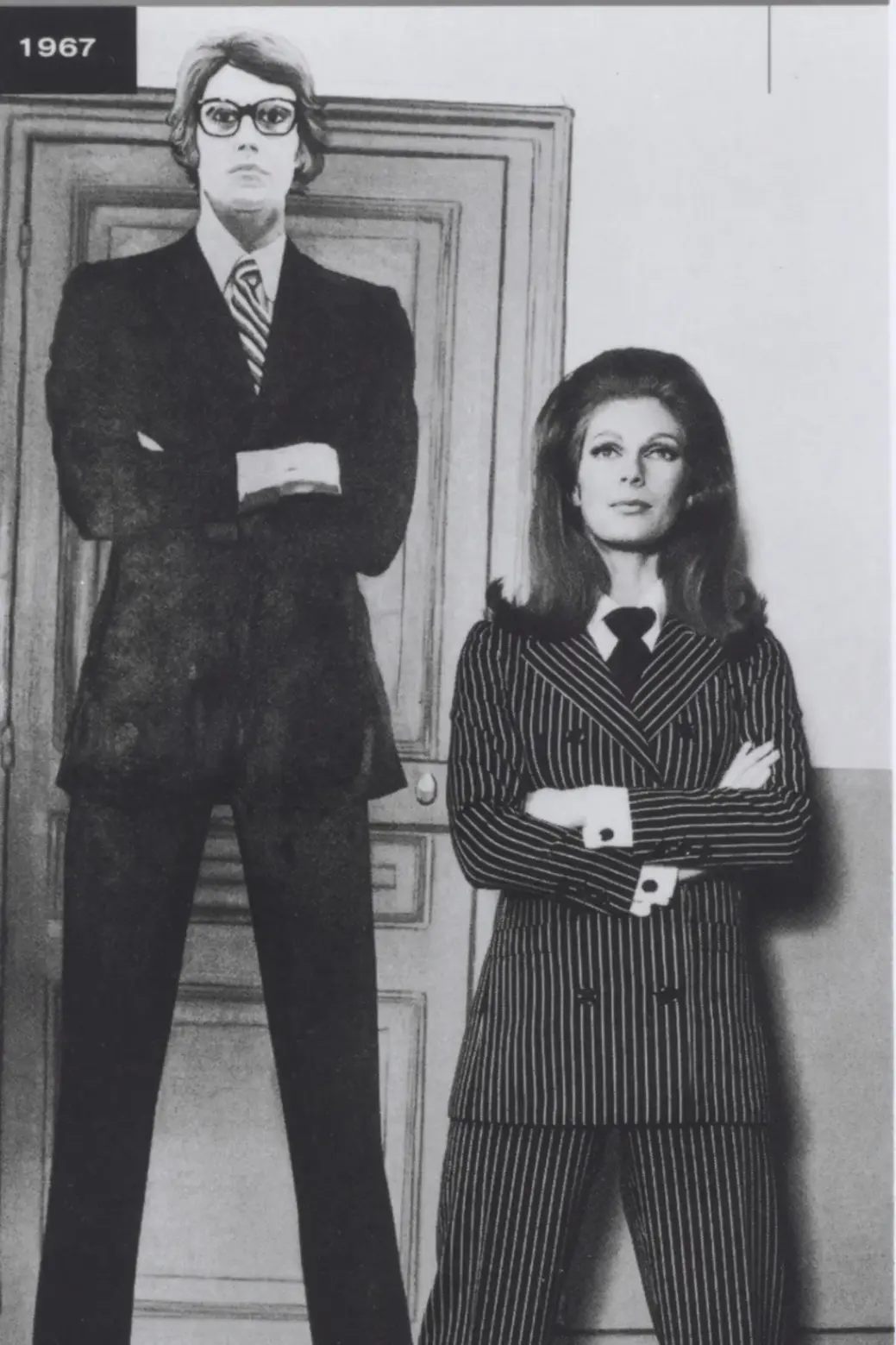
Then Yves Saint Laurent showed up in 1966 and said, “Hold my sketchbook.” He dropped Le Smoking, the first high-fashion tuxedo for women, in his Fall-Winter Pop Art collection. A tux. For women. It was not about lace, sequins, or the usual “feminine” fuss. It was a three-piece suit that looked suspiciously like it had walked out of a men’s closet. And that was the point
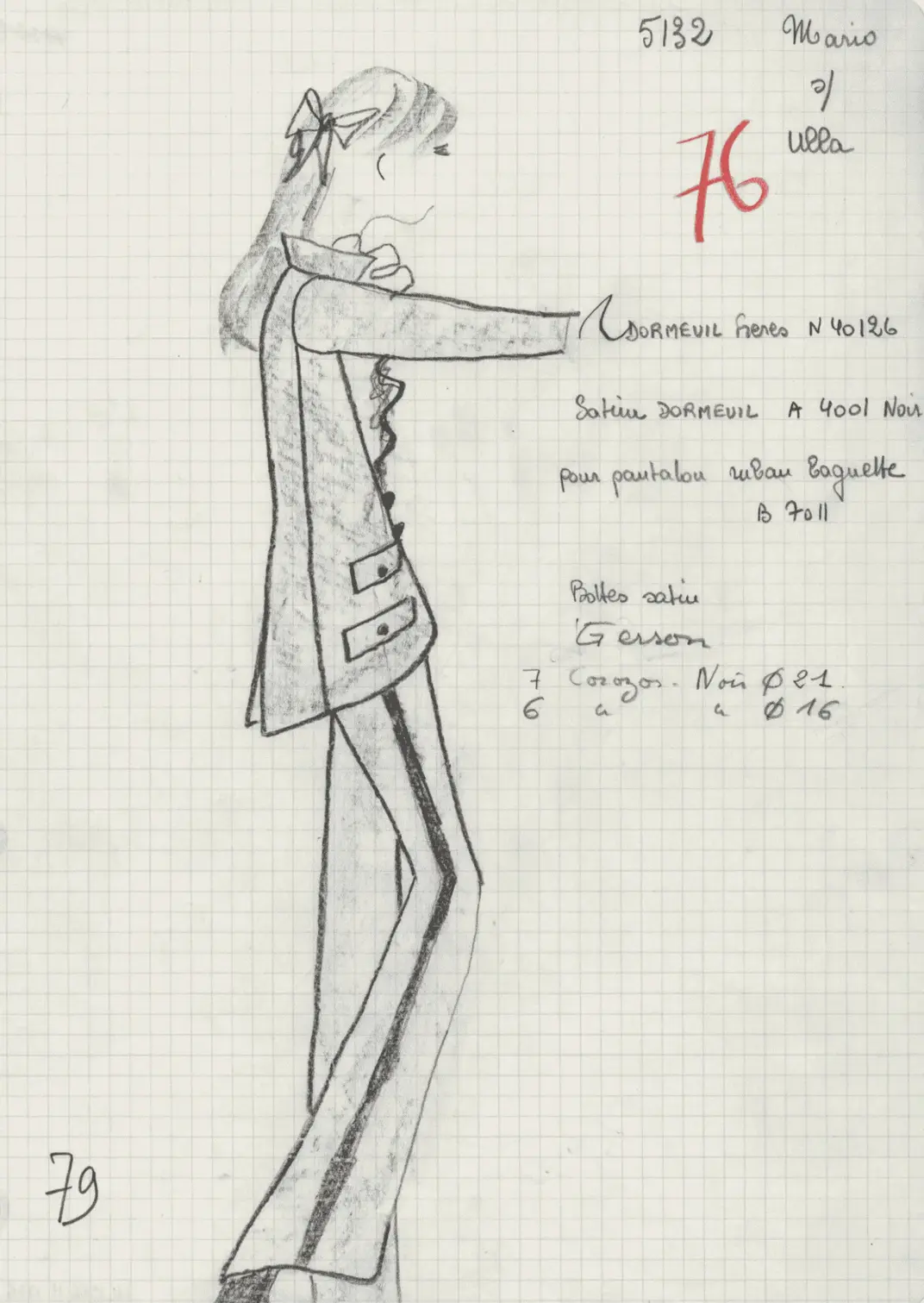
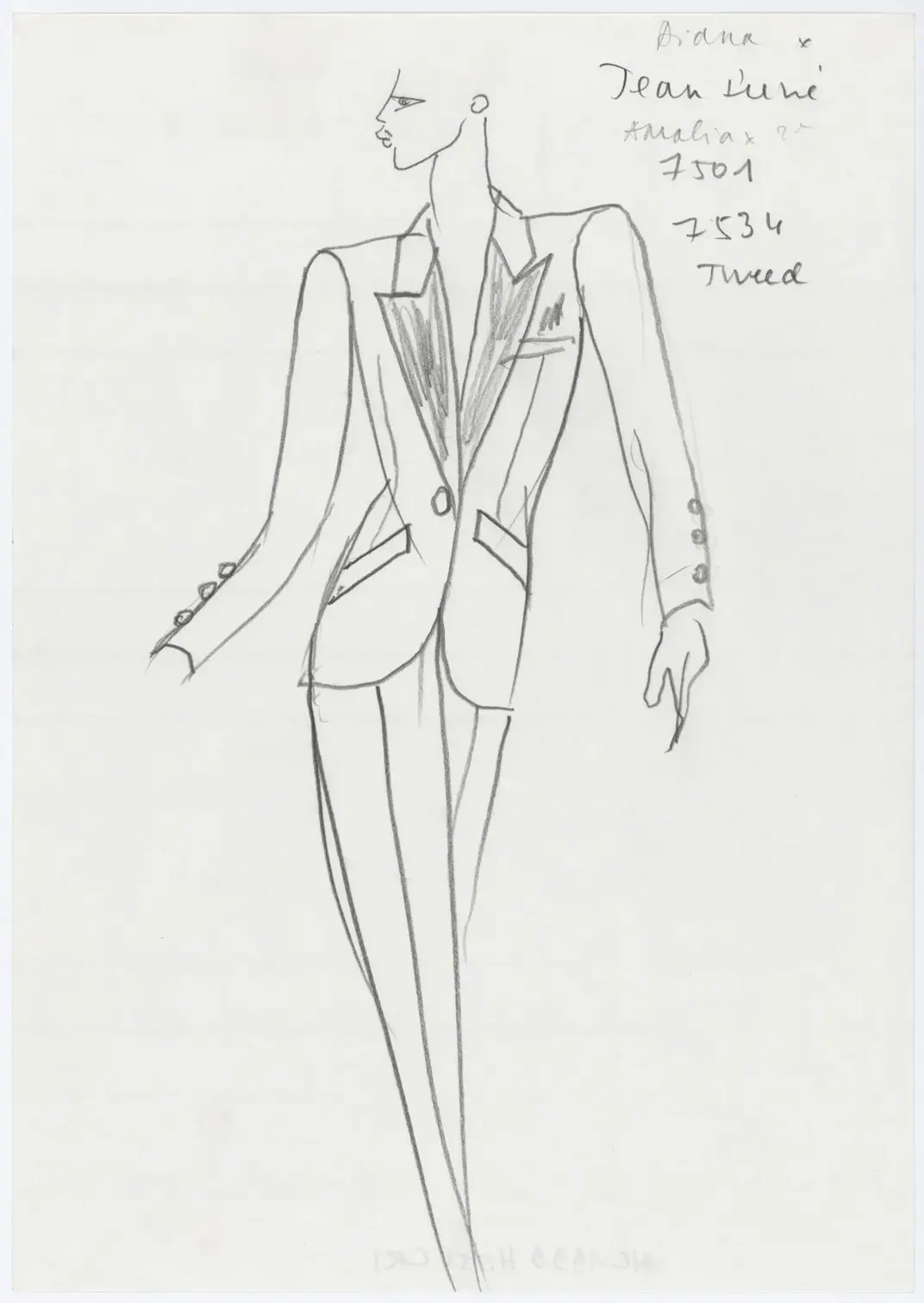
Le Smoking was sharp, tailored, and just a little intimidating in the best way. It did not scream for attention with ruffles or cut-outs. Instead, it borrowed the structure three layers of menswear and somehow made it even more flattering. Chanel’s jackets had given women freedom; Saint Laurent’s tux gave them authority.
Fast forward to now: every celebrity pantsuit on a red carpet is basically Le Smoking’s great-grandchild. What started as a “scandalous” tuxedo became a uniform for women who wanted to look powerful without losing an ounce of style.
"Since 1966, when the first 'smoking' appeared in my collection, the idea of a woman wearing a man’s suit has just kept expanding, has become more rooted, to the point of taking hold as the very symbol of the modern woman. I think that if you were to represent a day in the life of a woman of the ’70s, it would have to be a woman wearing pants." - Yves Saint Laurent
Poiret let women breathe, Chanel let them move, but Saint Laurent? He gave them the tux and, with it, the right to stand toe-to-toe with anyone in the room.
“Chanel freed women, and I empowered them.” - Yves Saint Laurent
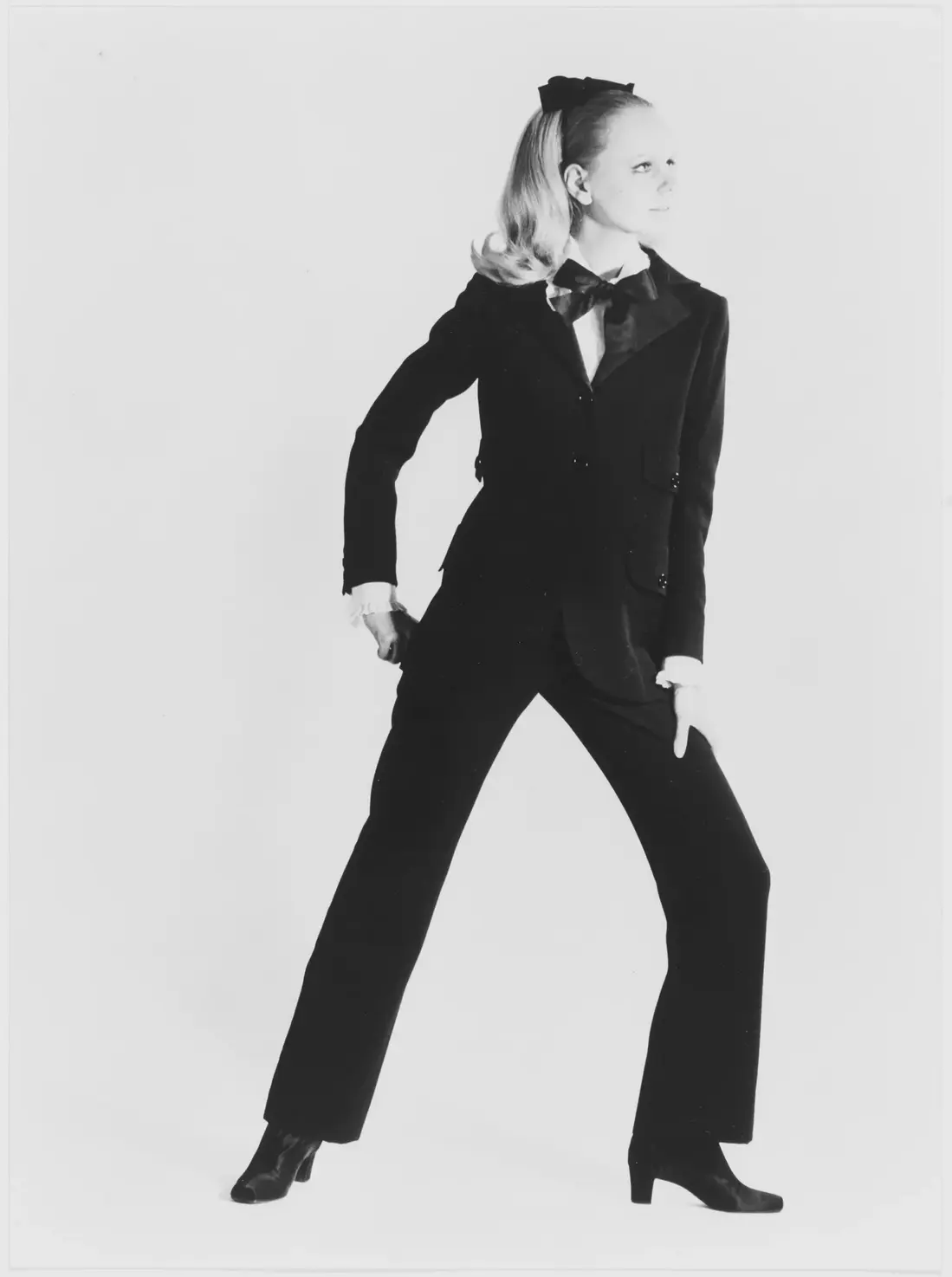
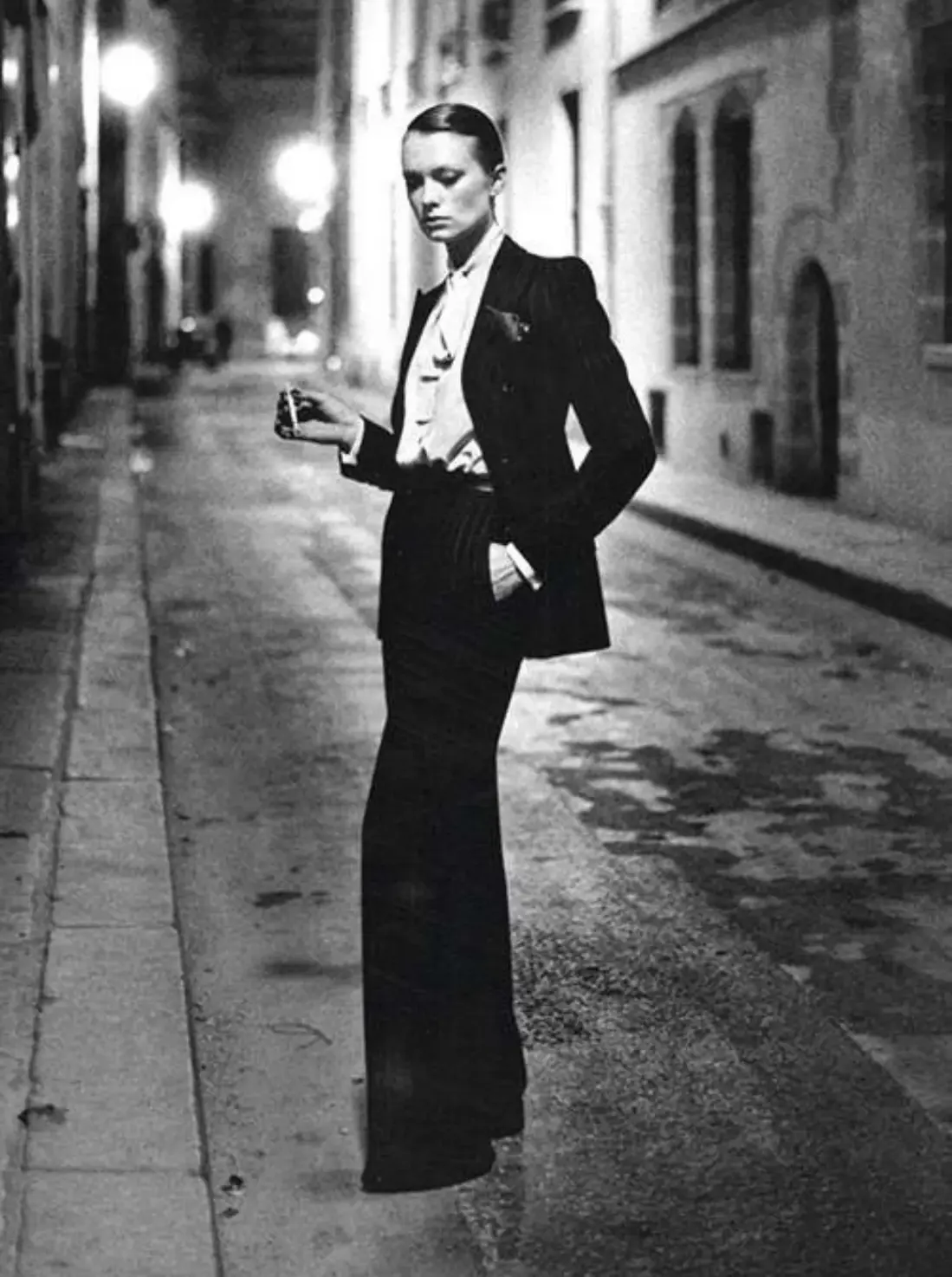
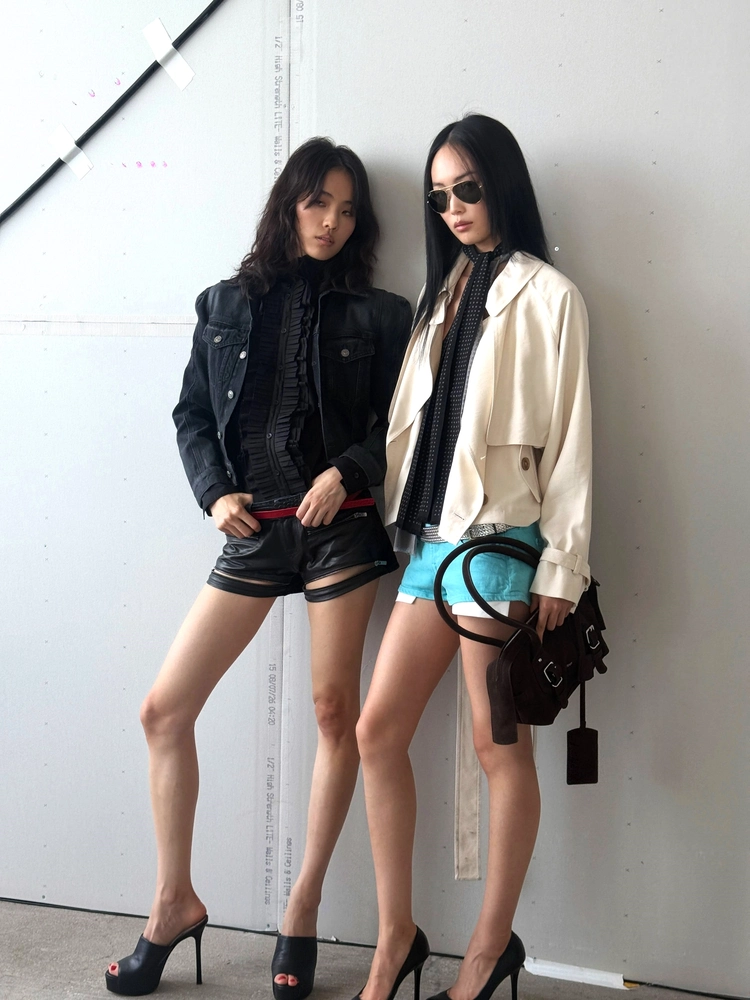
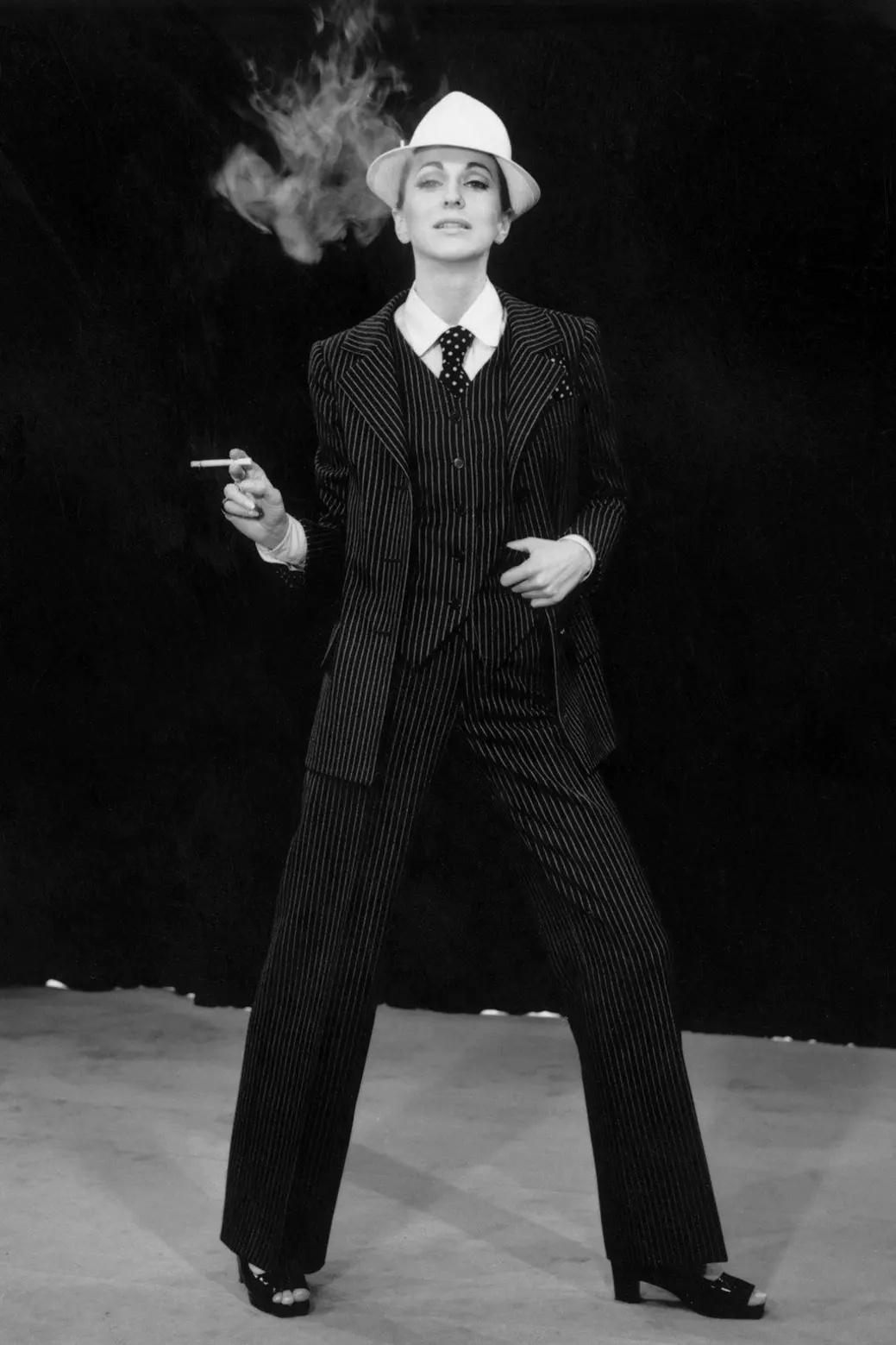
After shaking the fashion world with Le Smoking in 1966, Yves Saint Laurent had not done. In his Spring-Summer 1967 haute couture collection, he unveiled his first women’s pantsuit and it was a game changer. Until then, women’s suits almost always came with skirts. Saint Laurent swapped them for trousers, but not just any trousers: wide-leg, leg-lengthening ones, paired with fitted sleeves and a belted waist that celebrated the female form rather than hiding it.
He styled the look with heels and jewelry but threw in neckties and felt hats, mixing masculine tailoring with feminine elegance like no one else had dared. Inspired partly by film noir gangsters, the pantsuit made women look powerful and glamorous.

Women’s Wear Daily declared on January 31, 1967:
"American women are going to want to burn all the clothes they have… Saint Laurent’s new suits are the sensation of the Paris season.”
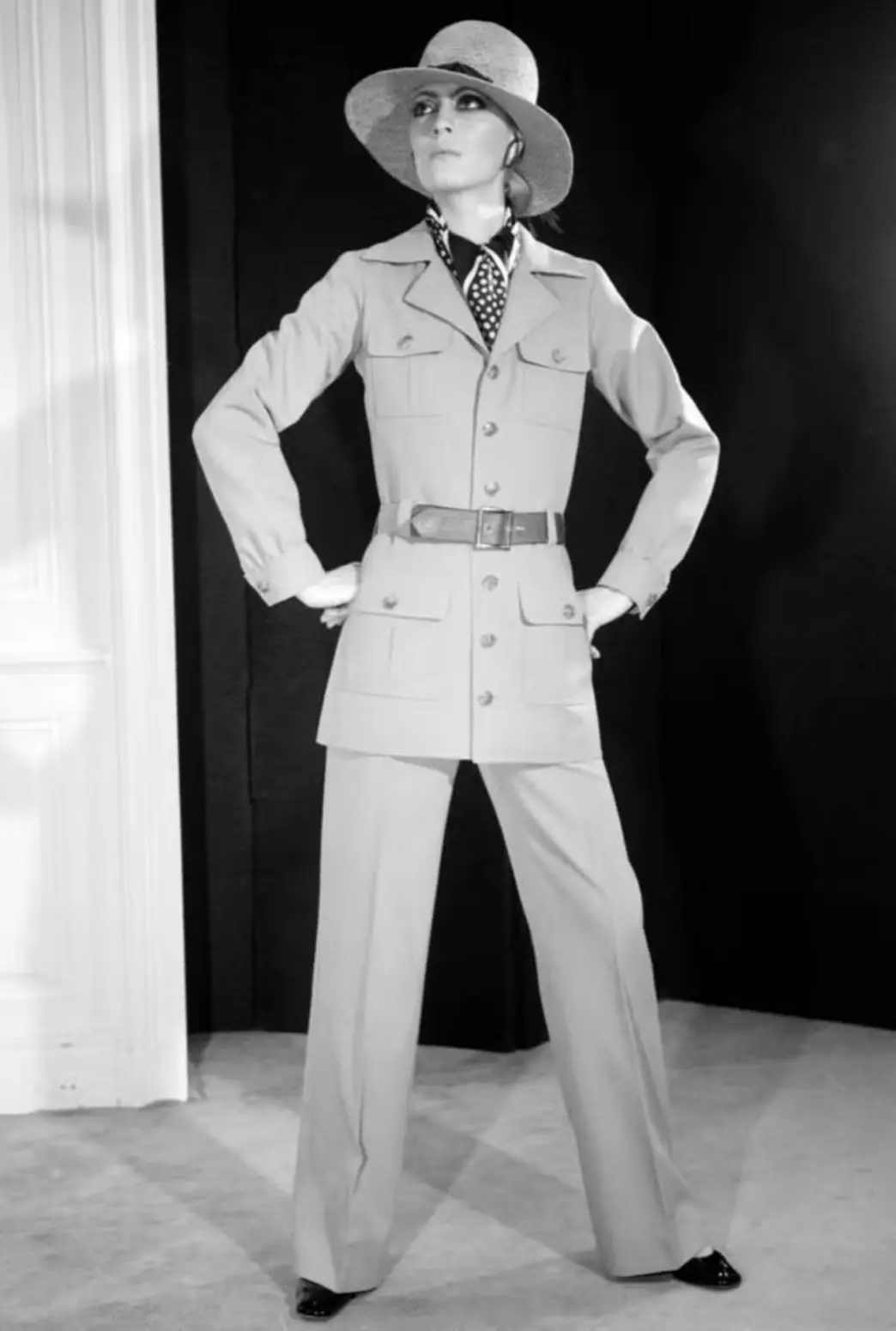
Yves Saint Laurent sent his first safari jacket down the runway in 1967, but it was a Vogue Paris photo-essay in 1968 that turned the piece into an icon. Suddenly, what began as a single design became a must-have, and a symbol of Saint Laurent’s knack for rewriting the rules.
Borrowing from menswear yet again, Saint Laurent took cues from military uniforms and the rugged attire of Western men in Africa, then transformed them into something unapologetically feminine. Made from breathable cotton gabardine, the safari jacket was practical for heat yet tailored to flatter, cinching at the waist while still looking effortless. By 1969, it hit the Saint Laurent Rive Gauche racks, and women snapped it up.
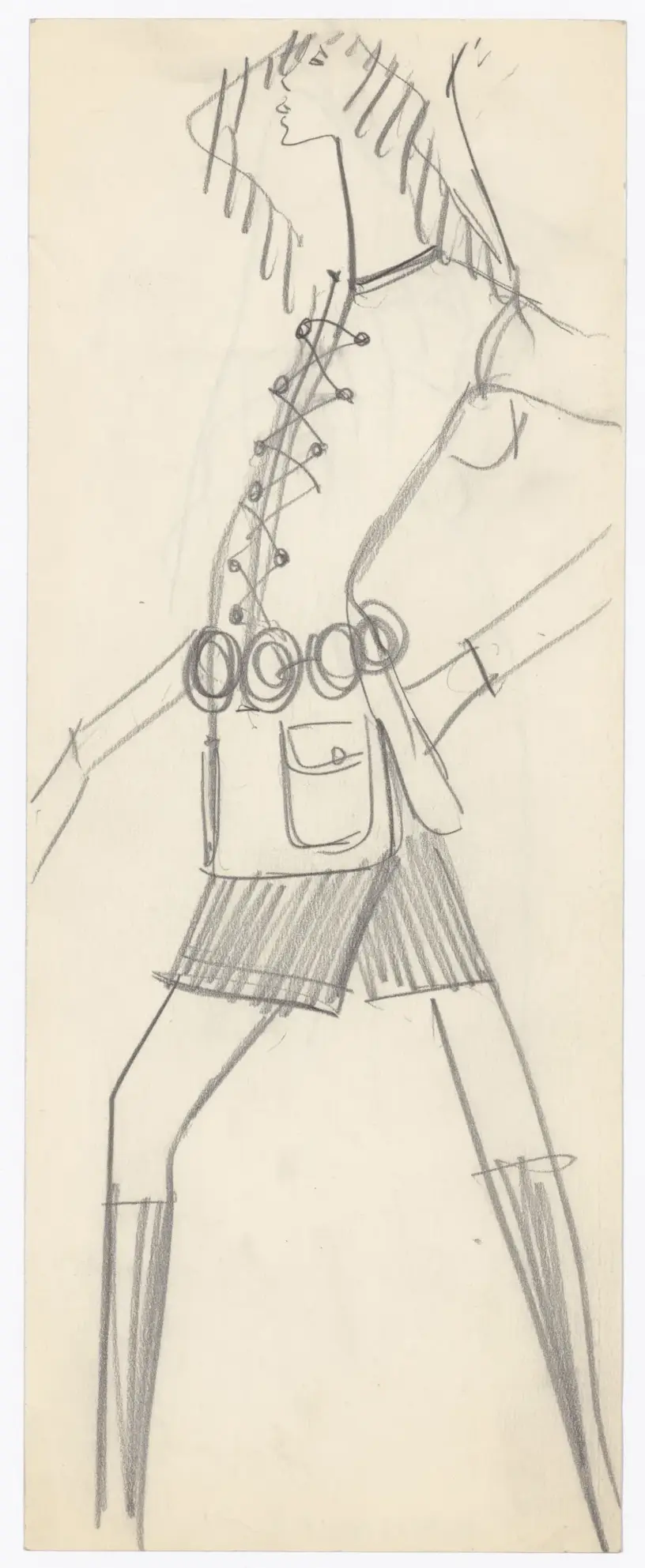

The message was clear: the safari jacket was a ticket to effortlessly cool, and women everywhere wanted in.
In Spring-Summer 1968, Yves Saint Laurent turned another utilitarian idea into high fashion: the jumpsuit. Once a bulky uniform for aviators designed to hide the male body. It was not exactly a garment screaming “feminine.” But Saint Laurent, with his usual eye for subversion, reimagined it to do the opposite.
His version cinched, skimmed, and celebrated the female form, turning a shapeless flight suit into an elegant silhouette, especially on tall, lean frames. Paired with his signature mix of masculine and feminine touches, the jumpsuit became something new: functional and sensual. The jumpsuit was empowerment stitched in one piece.
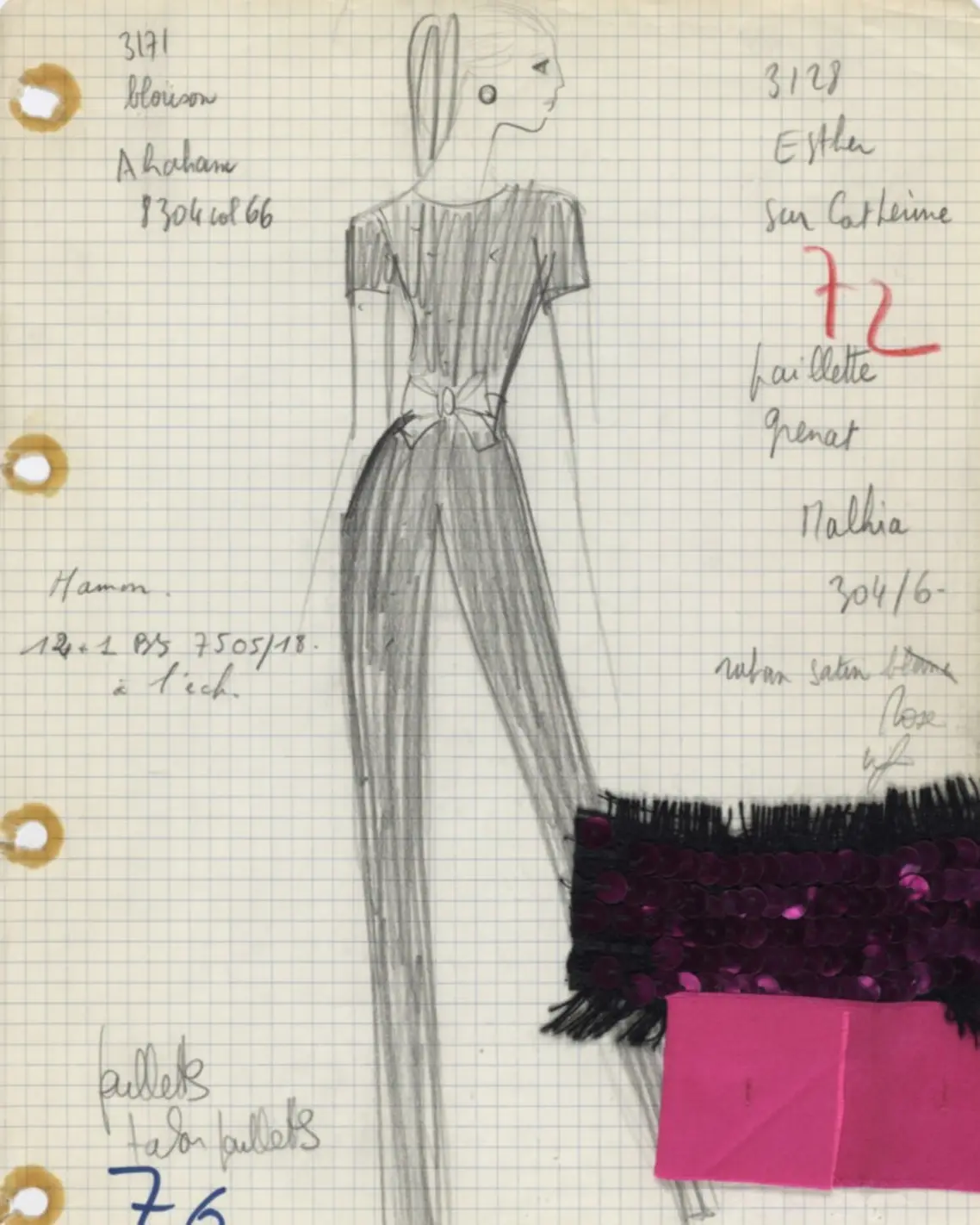

Saint Laurent himself explained his mission best:
“My style is androgynous. Since I noticed that men had much more confidence in themselves and in their clothes and that women were not so confident in themselves, I sought to give them confidence and a figure.”
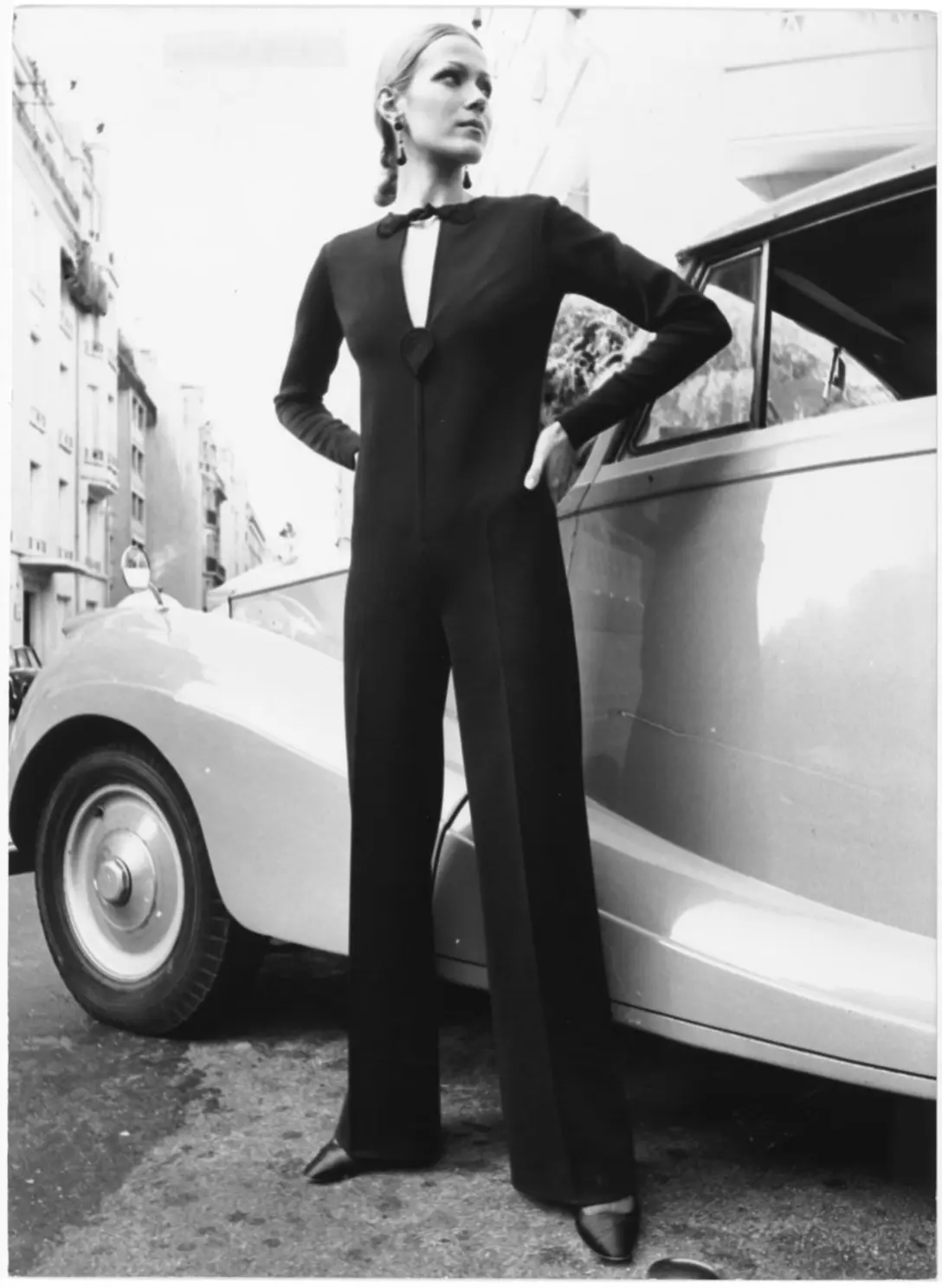
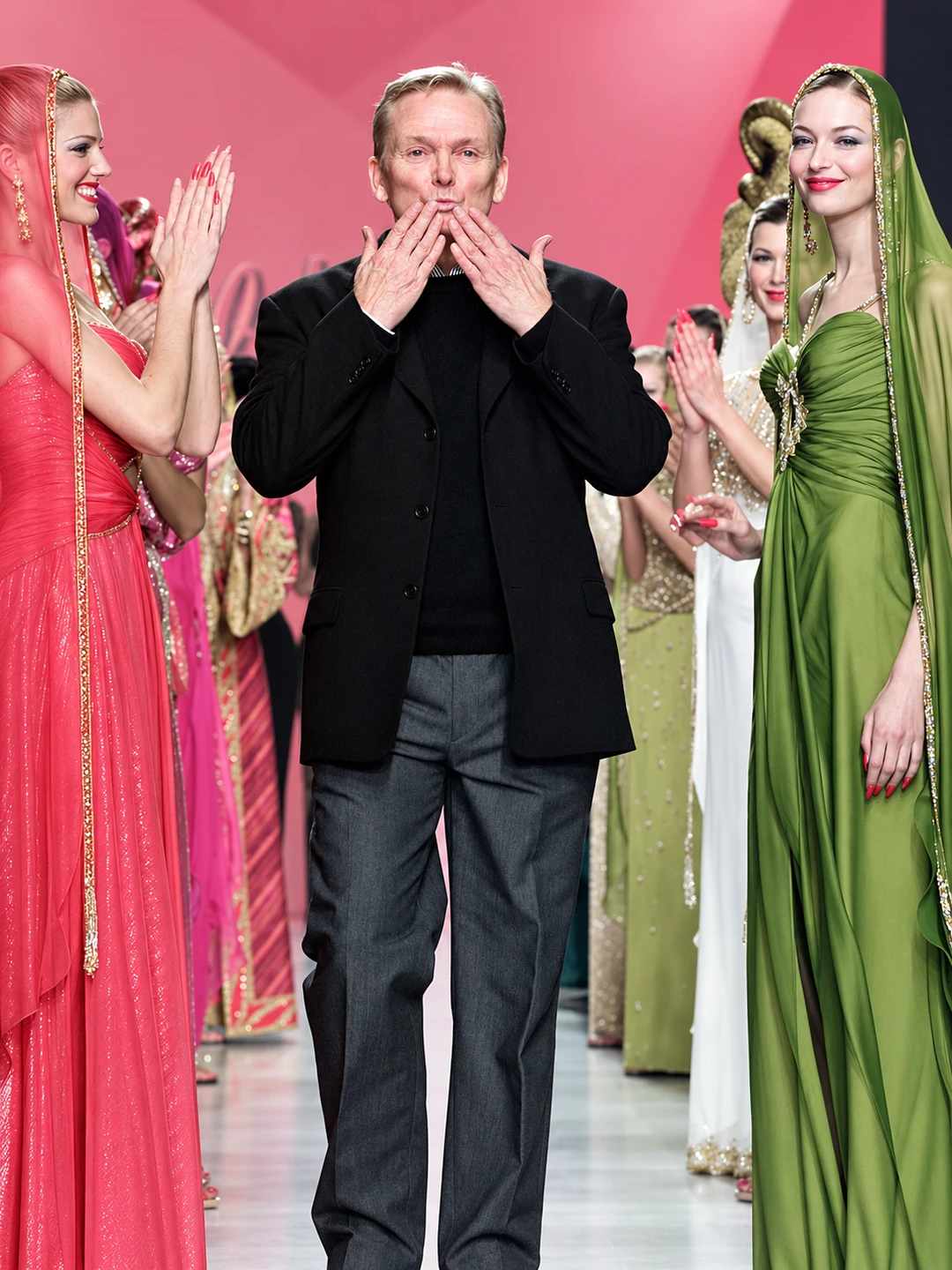
In 2002, after decades of rewriting the rules of fashion (and wardrobes everywhere), Yves Saint Laurent finally hung up his sketchbook. His entire career had been about one thing: women. From muses to models, he dedicated his life to empowering them, one tuxedo, pantsuit, and trench coat at a time.
“I am proud that women all over the world wear pantsuits, tuxedoes, pea coats, and trench coats. I tell myself that I have created the contemporary woman’s wardrobe, that I have contributed to changing my era.”
Then, in true YSL style, he thanked everyone, from the famous faces to everyday fans for wearing his clothes and giving him joy. His sign-off? A graceful goodbye to the career he adored, leaving behind not just fashion, but a legacy stitched into every confident woman’s closet.
Advertisement