MENU
Close





A Saudi household may own 12 to 14 fragrances, while Europe is only now embracing fragrance wardrobes and layering. As Middle Eastern perfumery moves into mainstream retail, who is actually learning from whom?
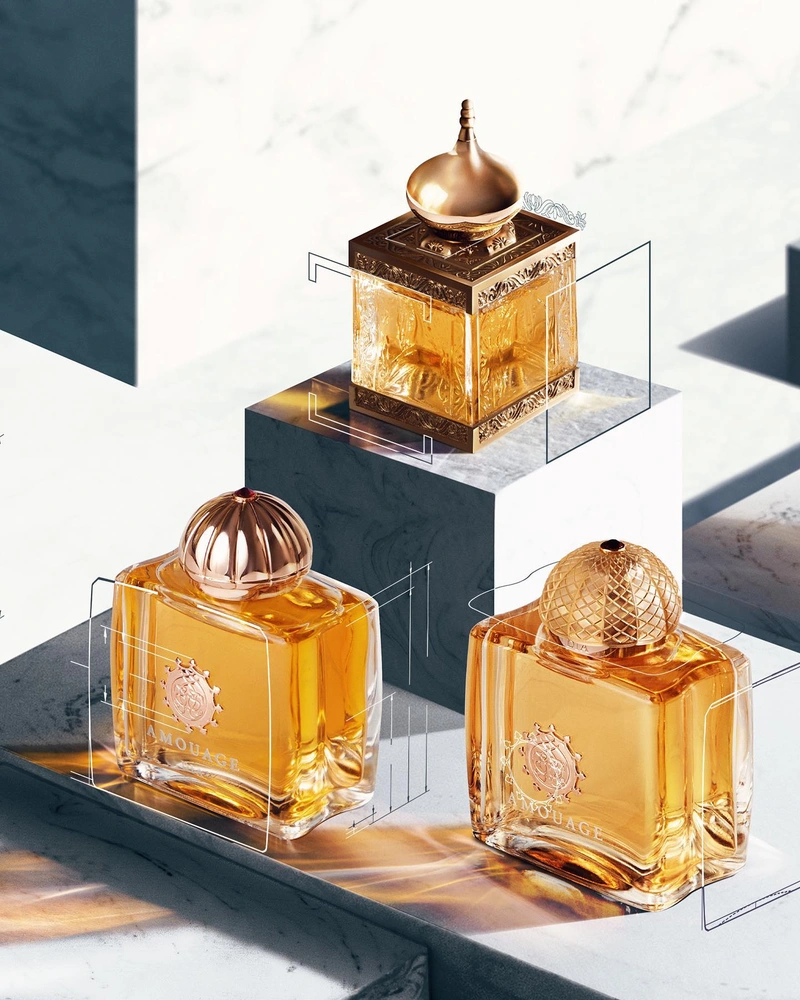
A Saudi household may own 12 to 14 fragrances, while Europe is only now embracing fragrance wardrobes and layering. As Middle Eastern perfumery moves into mainstream retail, who is actually learning from whom?
August 31, 2026
Advertisement
Advertisement



Europe’s current fragrance appetite is often described through newness: layering, fragrance wardrobes, stronger concentrations, oud, saffron, incense, oils. Yet many of these habits belong to a much older perfume culture. In 2026, Middle Eastern perfumery is entering Europe through a deeper shift in how scent is worn, purchased and understood.
Across Gulf fragrance culture, scent can begin with the space around the body. Bakhoor moves through rooms and settles into fabric. Concentrated oils sit close to the skin. An extrait or eau de parfum adds another layer, while hair, clothing and home can participate in the same olfactory composition. The result is a fragrance practice built around accumulation, proximity and duration, where scent occupies several distances from the wearer at once.
That framework gives Middle Eastern perfumery a very different relationship with abundance. A senior Givaudan executive has estimated that Saudi households may own 12 to 14 fragrances, while consumers in Europe and North America tend to keep far fewer. He also suggested that fragrance consumption in Saudi Arabia can run at roughly four times the level seen in Europe or the United States.
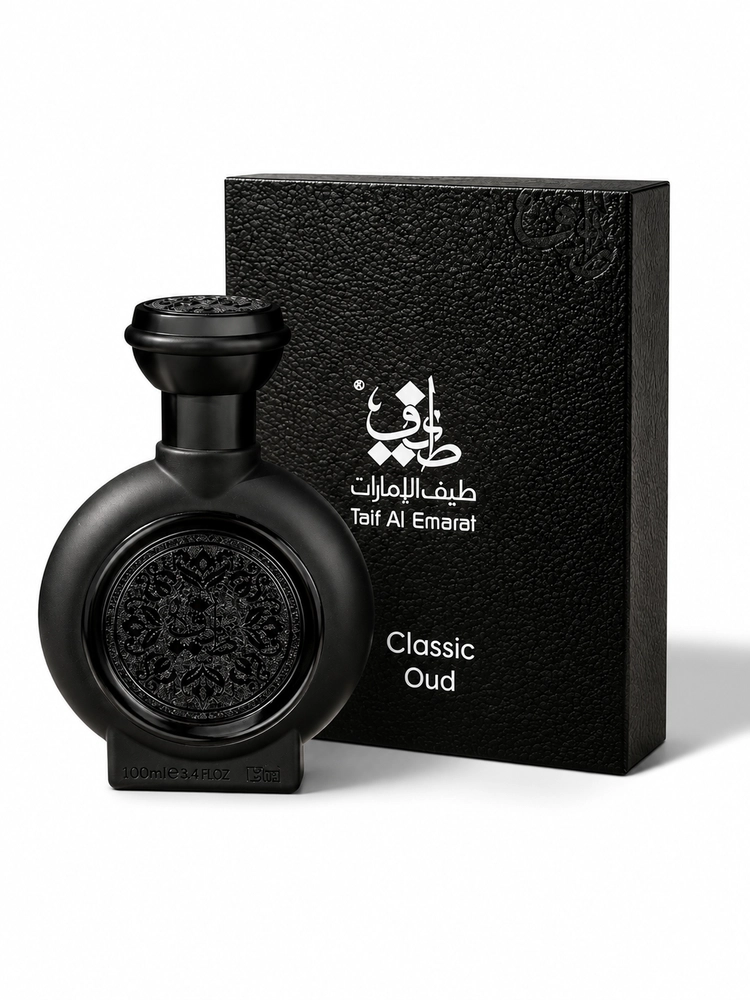
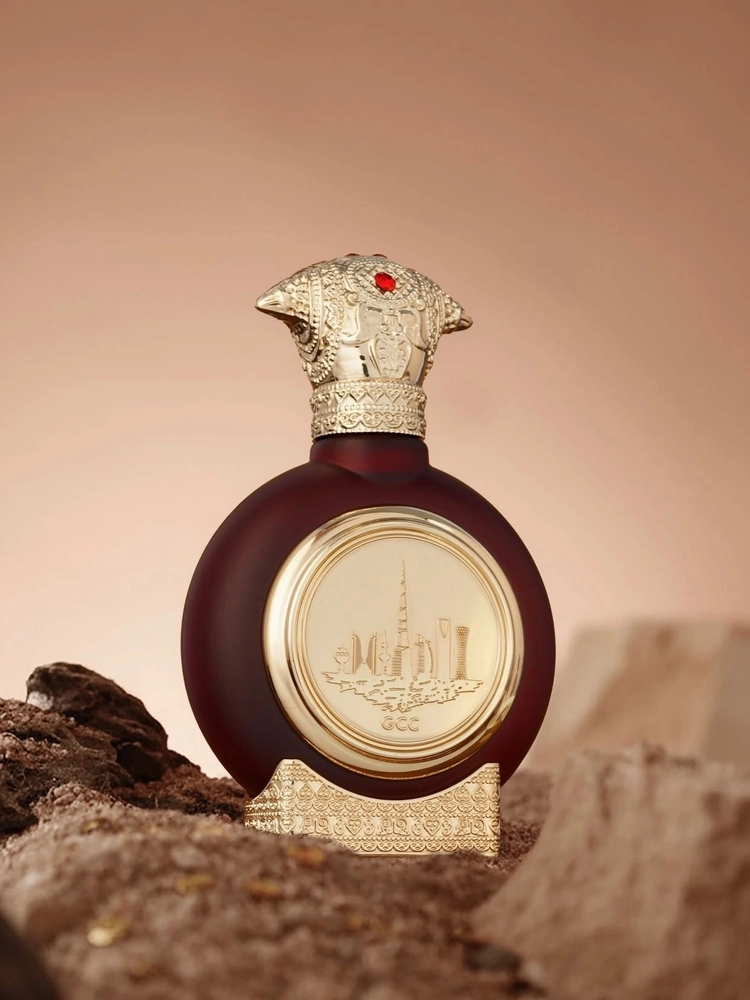
Those numbers matter because one of the most fashionable phrases in European perfumery right now is “fragrance wardrobe.” The language presents multiple bottles, layering and mood-based scent selection as a sophisticated contemporary behavior. In Gulf markets, a broader rotation of perfumes has long formed part of ordinary fragrance life.
That does not make every perfume layering trend a direct continuation of Arabian tradition. It does, however, expose how Western beauty marketing can present an established cultural practice as a newly discovered consumer behavior once it enters another retail system.
Oud receives enormous attention because it carries rarity, power and cultural association. Rose, musk, amber, saffron and vanilla also move constantly through contemporary launches. Yet ingredients alone reveal only part of the exchange. A European fragrance can contain oud and still belong entirely to a European wearing ritual. The deeper transformation begins when customers start thinking in terms of layering, concentrations, scent wardrobes, oils, atmosphere, and longevity.
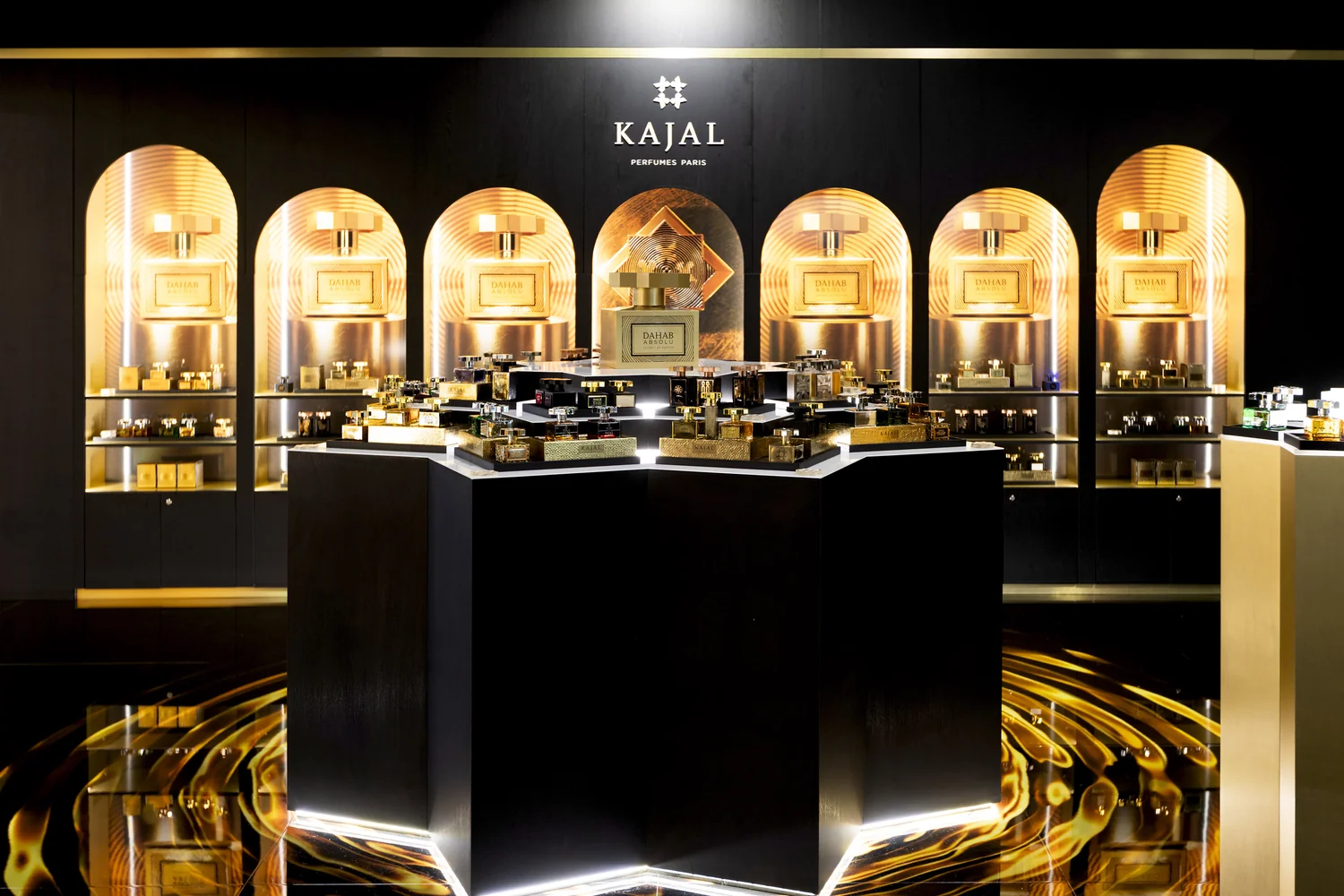
The 2026 Fragrance Futures Index identified rising interest in fragrance wardrobes, layering, and ingredient literacy around materials such as oud, saffron, and amber. Prestige beauty sales associated with the wider fragrance market reached approximately $24.1 billion, up 4 percent. At Esxence in Milan, more than 20,000 visitors moved through over 400 fragrance brands from 40 countries across roughly 20,000 square metres of exhibition space.
That environment creates fertile ground for Middle Eastern perfumery, because its appeal extends beyond decorative exoticism. It offers a mature language for many of the behaviors European consumers are currently learning to value: intensity, ritual, personalization, and olfactory presence. The risk appears when that language gets reduced to visual shorthand.
Amouage provides one of the clearest examples. The Omani fragrance house reported around $190 million in retail sales during the first quarter of 2026, representing growth of approximately 90 percent year-on-year. Its international expansion was especially significant: the Americas grew 135 percent, Asia-Pacific rose 124 percent, the United Kingdom increased 308 percent and Italy approximately doubled.
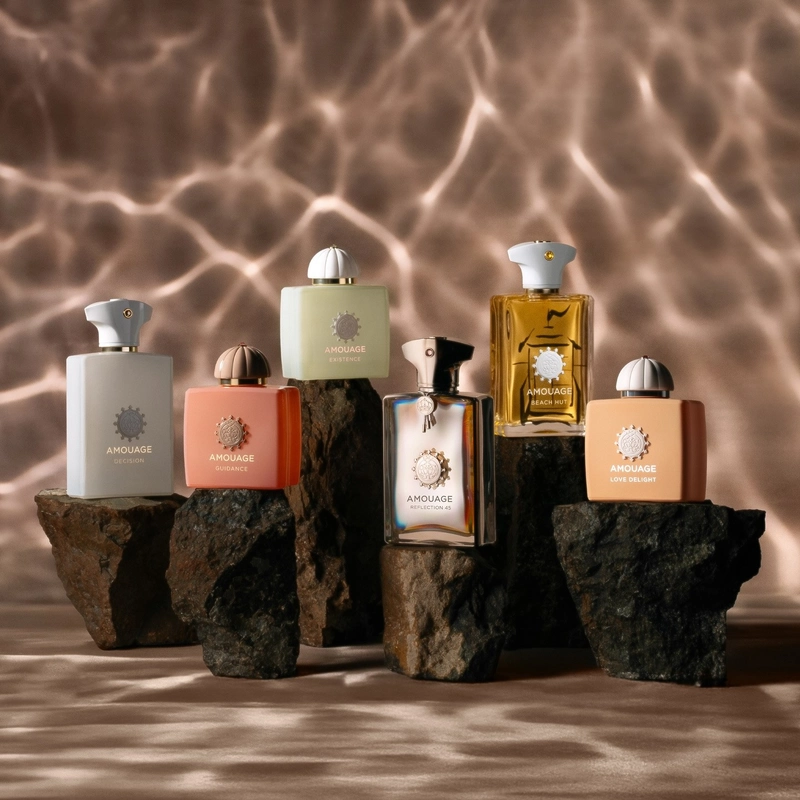
Those numbers place Middle Eastern perfumery firmly inside the global luxury conversation.
For years, many European prestige fragrances were built around refinement, recognizability, and controlled diffusion. The current appetite is expanding toward stronger concentrations and fragrances that announce themselves with greater authority.
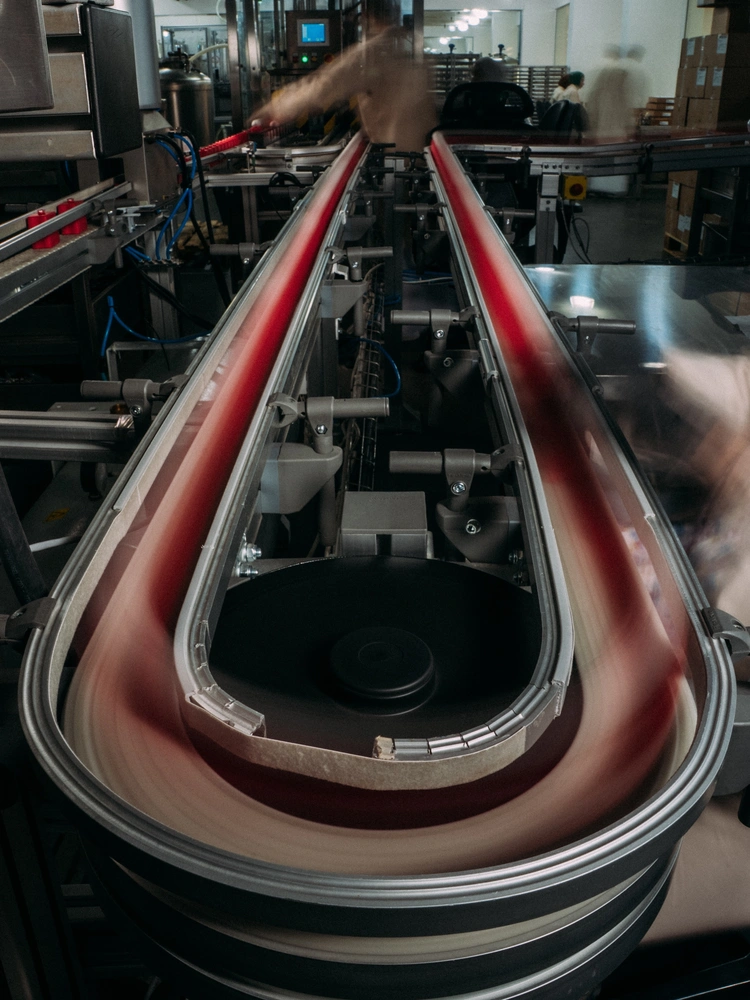
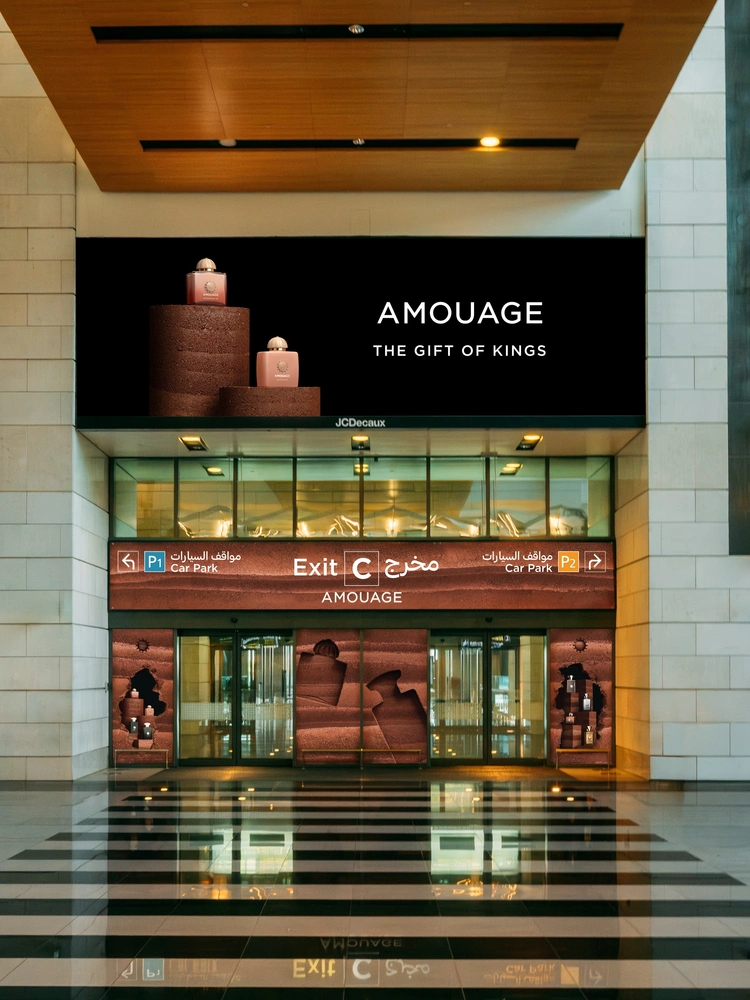
Douglas launched Alqémi across 22 markets through Douglas and Nocibé in 2026, developing the brand around Arabian-inspired perfumery while adapting its proposition for European customers. The project used European consumer insight to shape the expression of oud and other traditionally associated materials into a format designed for broader retail accessibility.
The commercial translation of Middle Eastern perfumery becomes much easier to see when the discussion moves from abstract ideas such as “approachability” into actual bottles.
The brand was developed by Nirvana Brands through collaboration between its Dubai team, which brought experience in Middle Eastern perfumery, and its European team together with Douglas, which contributed consumer and market insight. Founder Dilesh Mehta describes the concept as a scent rotation designed to evolve throughout the day, while Douglas positions the range around a deliberately “subtle” oud signature.
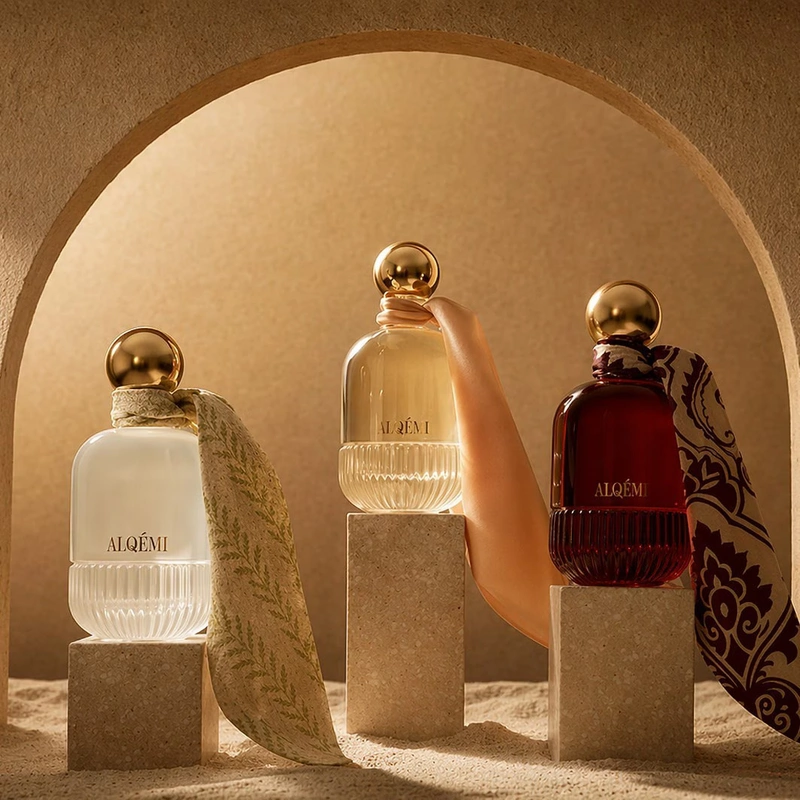
The launch contains three eau de parfums: Linen Naseem pairs lemon, jasmine and white rose with oud; Vanilla Noor places oud beneath vanilla and coconut praline; Berry Layl combines raspberry, bergamot and praline with oud in the base. Layering is built into the merchandising, with Linen Naseem proposed as the fresher base, Vanilla Noor as the warmer layer and Berry Layl as the richer option.
Oud remains the common thread, yet it is placed inside citrus, gourmand and berry structures familiar to contemporary European fragrance customers, packaged as three accessible eau de parfums and distributed through Douglas and Nocibé across 22 markets.
That distinction matters because concentration is one of the places where Middle Eastern perfumery can be discussed with considerably greater precision. Amouage publishes exactly how far it pushes its formulas.
Guidance, created by perfumer Quentin Bisch under the creative direction of Renaud Salmon, is an eau de parfum containing 25% perfume oil and aged for four weeks, divided into one week of maceration and three weeks of maturation. Guidance 46 takes the same olfactory lineage to 46% perfume oil, an increase of 21 percentage points, or 84% relative to the original concentration.
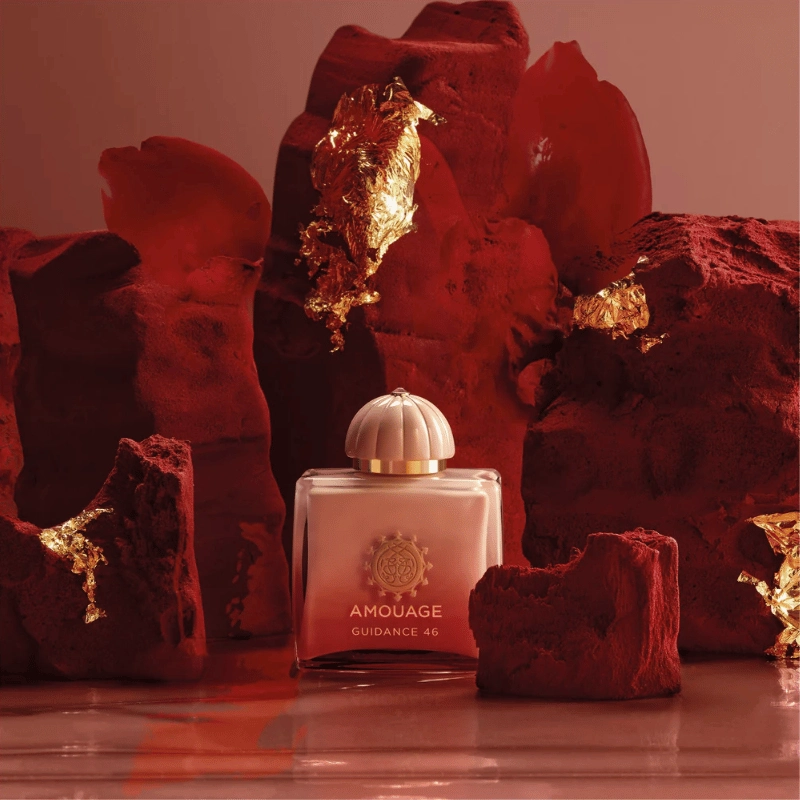
Its four-week ageing process is also rebalanced into two weeks of maceration and two weeks of maturation. The formula itself is reworked: the original pear, frankincense and hazelnut opening gains rose water, pink pepper and bitter almond, while the base expands with materials including Georgywood and cypriol.
Purpose 50 pushes the exercise further at 50% perfume oil, again with four weeks of ageing split evenly between maceration and maturation. Amouage explicitly explains that raising concentration involves restructuring the composition, because simply doubling aromatic material would alter balance and performance unpredictably. In other words, “stronger” perfume is a formulation problem, not a marketing adjective.
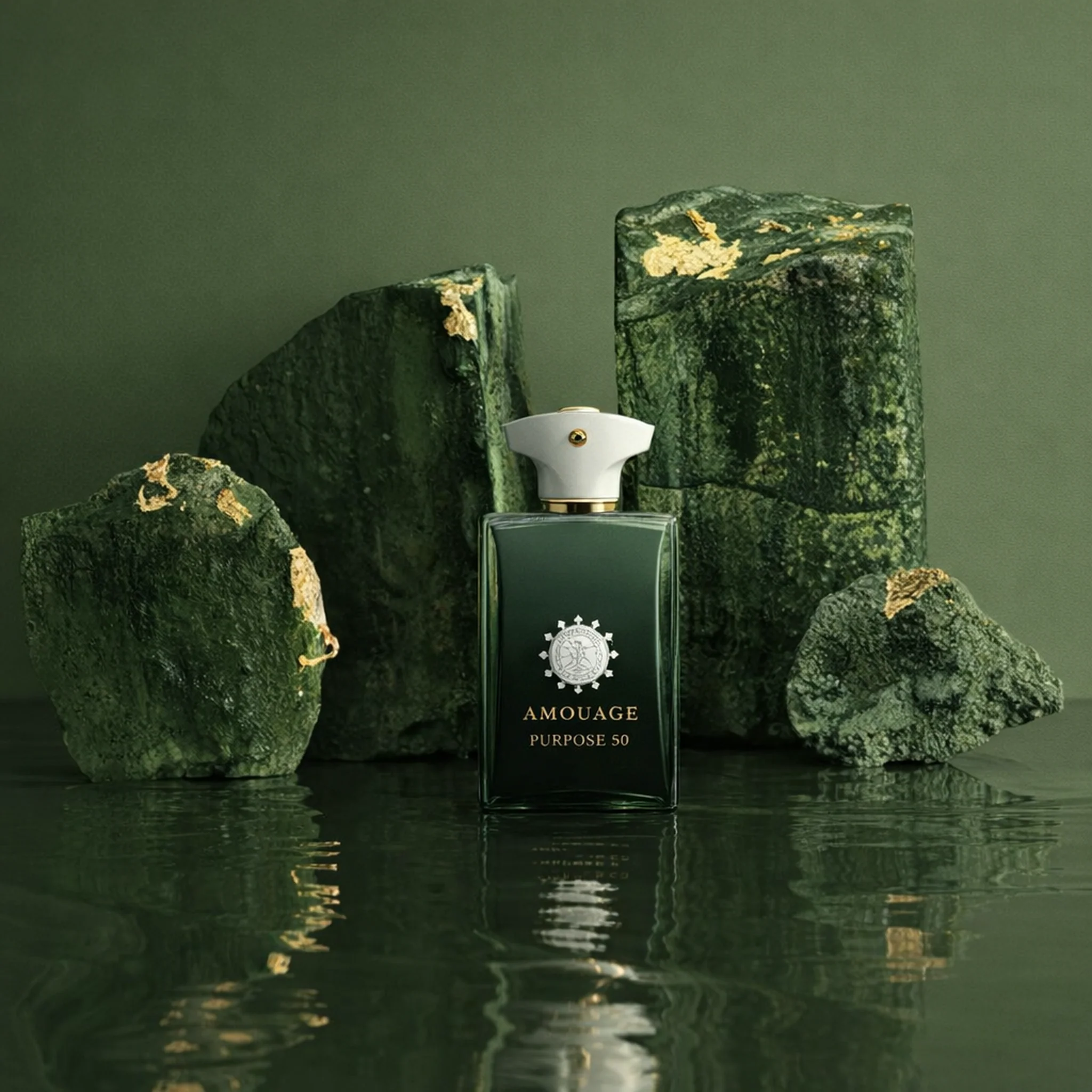
During the first quarter of 2026, Amouage’s Exceptional Extraits became its most demanded product category and generated 28% of the house’s business, led by Guidance 46 and Purpose 50. The Guidance franchise alone accounted for roughly 25% of total business, doubled year-on-year and approached 1,000 bottles sold per day.
In Europe, Amouage’s UK revenue rose 308% year-on-year, while Italy roughly doubled. The success therefore comes from an Omani house taking highly concentrated perfumery outward while international customers are actively buying the intensity.
The industry infrastructure is moving in the same direction. Givaudan has operated in the GCC for close to three decades, yet the scale of recent growth explains why the region now occupies a different strategic position inside the company. Danielle Hokayem, Givaudan’s Director of Fine Fragrance for South Asia, the Middle East and Africa, told investors in April 2026 that the region had generated 48% average fine-fragrance growth over the previous five years and had become Givaudan’s second-largest fine-fragrance market globally in 2025.
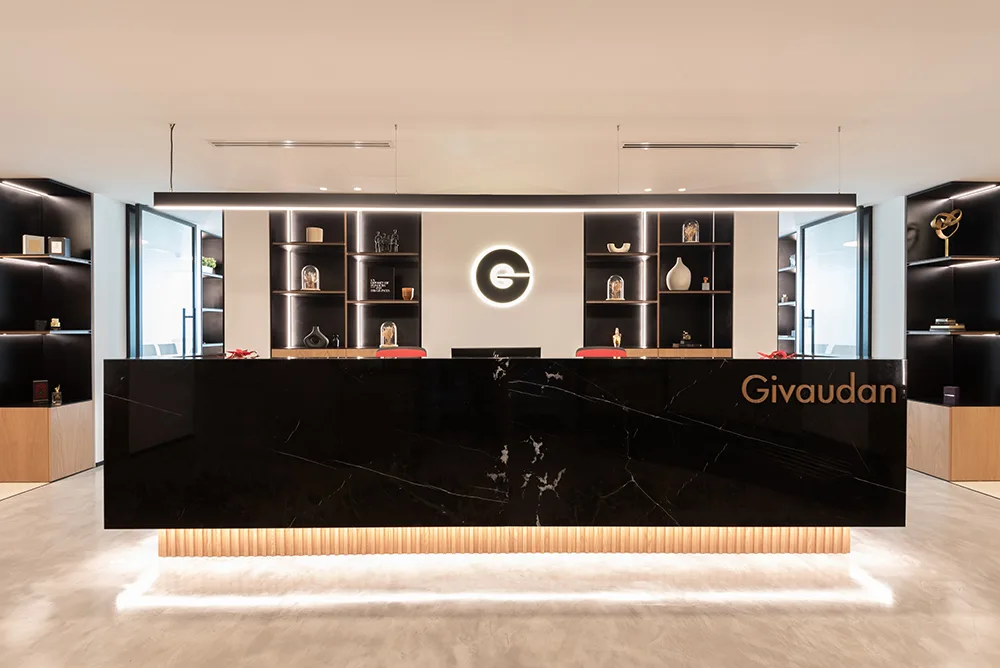
Givaudan’s Dubai Fine Fragrance Center now employs close to 50 people dedicated to fine fragrance, working on projects that can move from Dubai into Singapore, São Paulo and other markets while Paris teams simultaneously develop work for Gulf clients.
Givaudan has said it has been “seriously investing” in the GCC during those five years, although the company has not disclosed a stand-alone Gulf capital-expenditure figure. The 48% average growth rate is therefore the more defensible number to use.
Xavier Renard, Givaudan’s Global Head of Fine Fragrances, also puts the consumption opportunity into perspective: Saudi Arabia has roughly 35 million people, yet he estimates consumers there use around four times the fragrance volume of consumers in Europe or the United States. In consumption terms, he argues, that makes the market behave more like one serving 140 million average Western fragrance users.
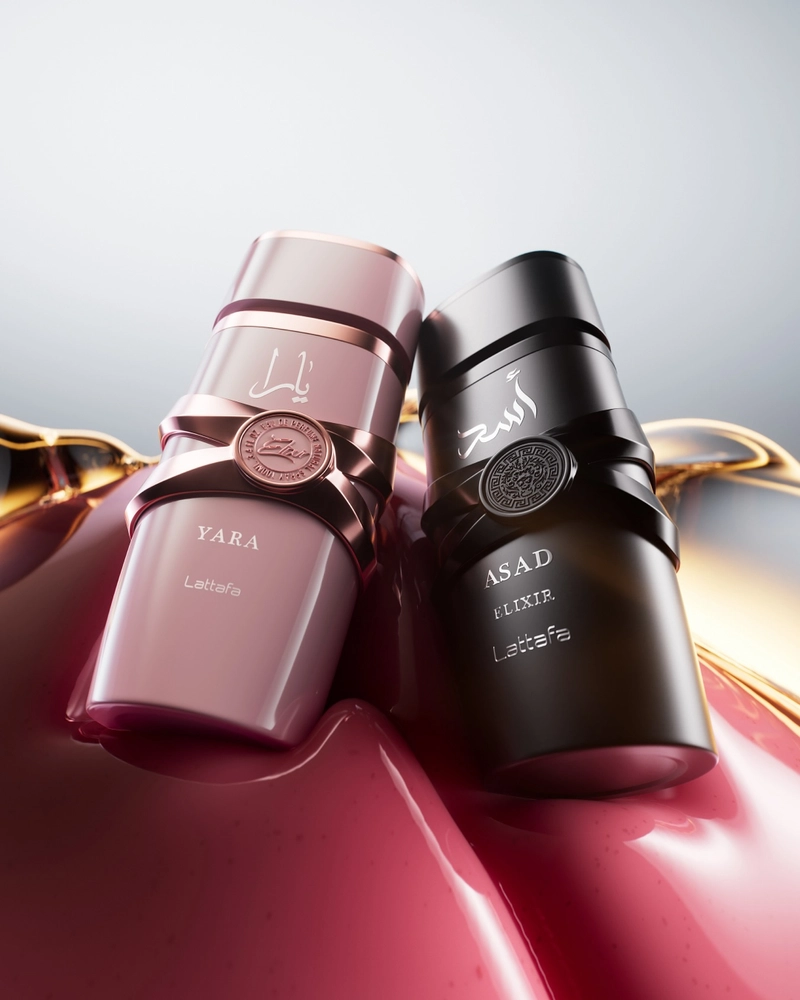
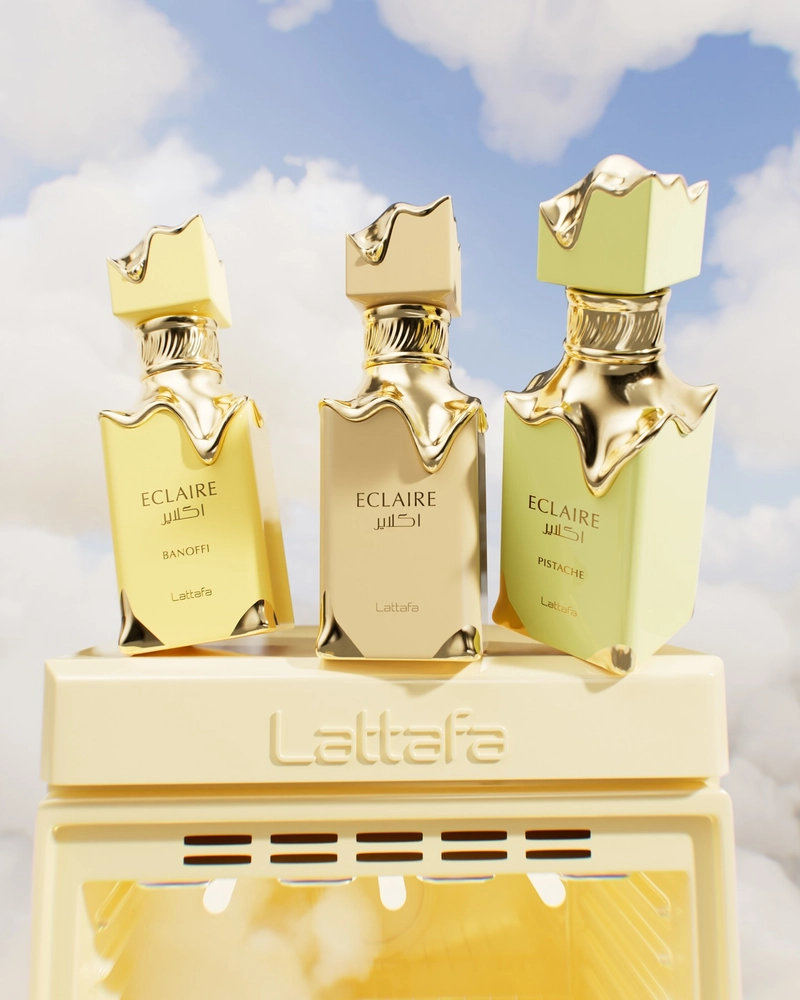
Renard says UAE-born Lattafa and Armaf already ship into roughly 100 to 150 countries, while Lattafa has reached the number-one fragrance position on Amazon in the United States. European premium retail now openly merchandises an “Arabian perfumes” category containing Lattafa, Swiss Arabian, Armaf, Amouage, Attar Collection and Al Haramain.
At the luxury end, Selfridges currently carries Amouage not only through eau de parfums and extraits but through 12 ml perfume oils such as Oud Ulya and Luban Al Akhdar, allowing an attar-style format to sit inside one of London’s major luxury department stores.
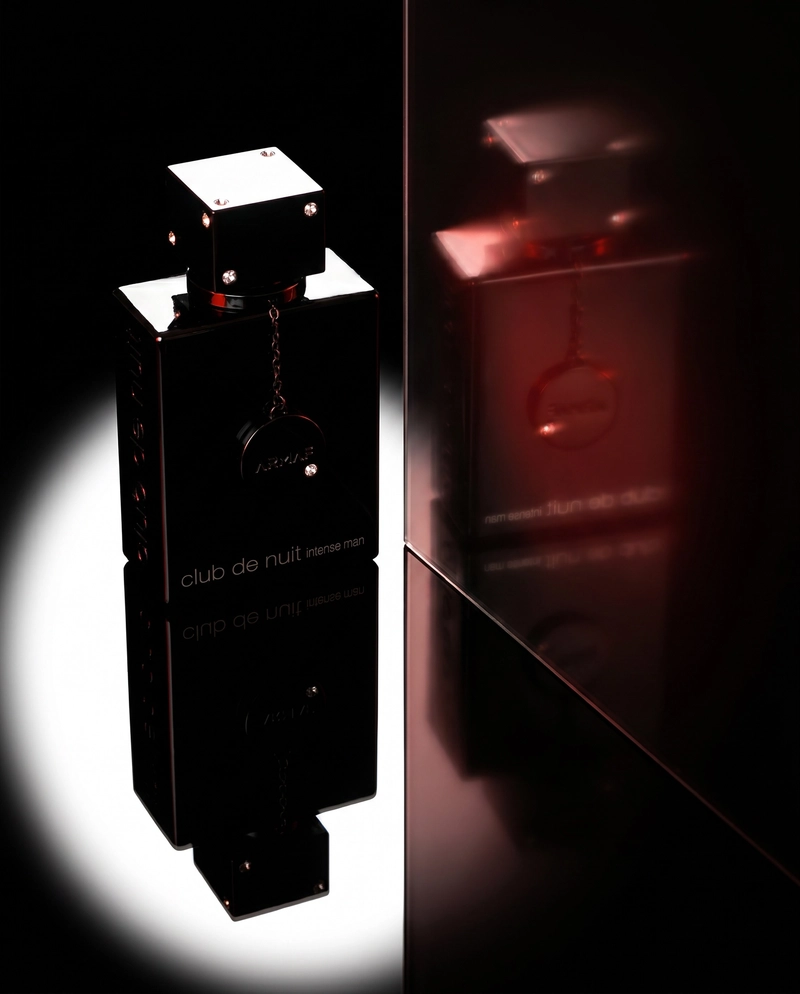
By 2026, the United States and United Kingdom had entered Beautyworld Dubai’s top-ten visitor markets. Buyers from the Americas attending the show carried average annual purchasing budgets of approximately $704,000, while European buyers averaged around $538,000. The UAE now ranks among the world’s top-ten perfume exporters by value, with fragrance exports having expanded close to sevenfold over the past decade according to UN trade data.
Those figures change the geography of Middle Eastern perfumery in a measurable way. The exchange now happens inside formulation, capital, manufacturing, distribution and retail strategy. That is a much more consequential story than Europe simply developing a taste for oud.
Advertisement