MENU
Close





When MySpace discovered black eyeliner and Tumblr fell for pastel hair, goth makeup became a seductive language of artificial beauty and digital rebellion.
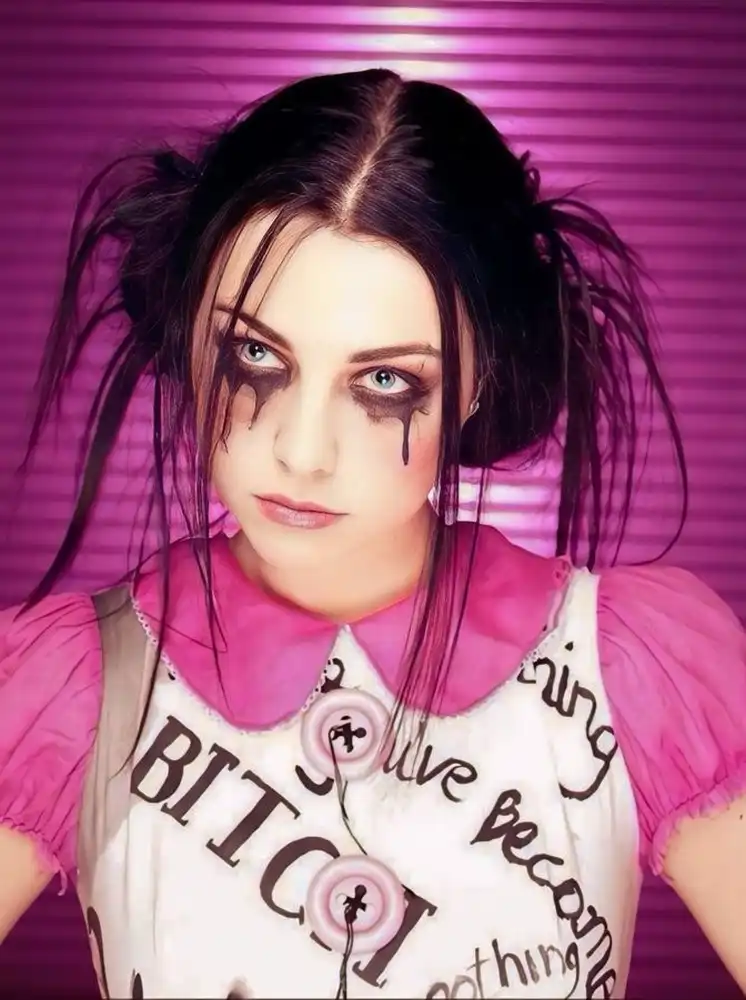
When MySpace discovered black eyeliner and Tumblr fell for pastel hair, goth makeup became a seductive language of artificial beauty and digital rebellion.
October 13, 2026
Advertisement

Advertisement



The early 2000s transformed how alternative beauty circulated. Music television brought shadowed eyes into suburban bedrooms, shopping malls introduced young consumers to dark cosmetics, and internet communities connected people experimenting with elaborate makeup.
Photographs, tutorials, and online shopping encouraged enthusiasts to recreate distinctive looks while contributing their own interpretations. Goth makeup became an increasingly accessible form of this subcultural expression.
American alternative rock played an important role in popularizing goth-inspired beauty during the early 2000s. Evanescence's debut album Fallen (2003) introduced vocalist Amy Lee to an international audience, establishing her as a recognizable figure in dark romantic styling.
In music videos such as Bring Me to Life and Going Under, Lee appeared with heavily shadowed eyes, pale-looking skin, and dark hair framing her face. Charcoal eyeshadow concentrated around the eyelids created a dramatic effect, while softly defined lips reinforced the melancholy associated with the band's music.
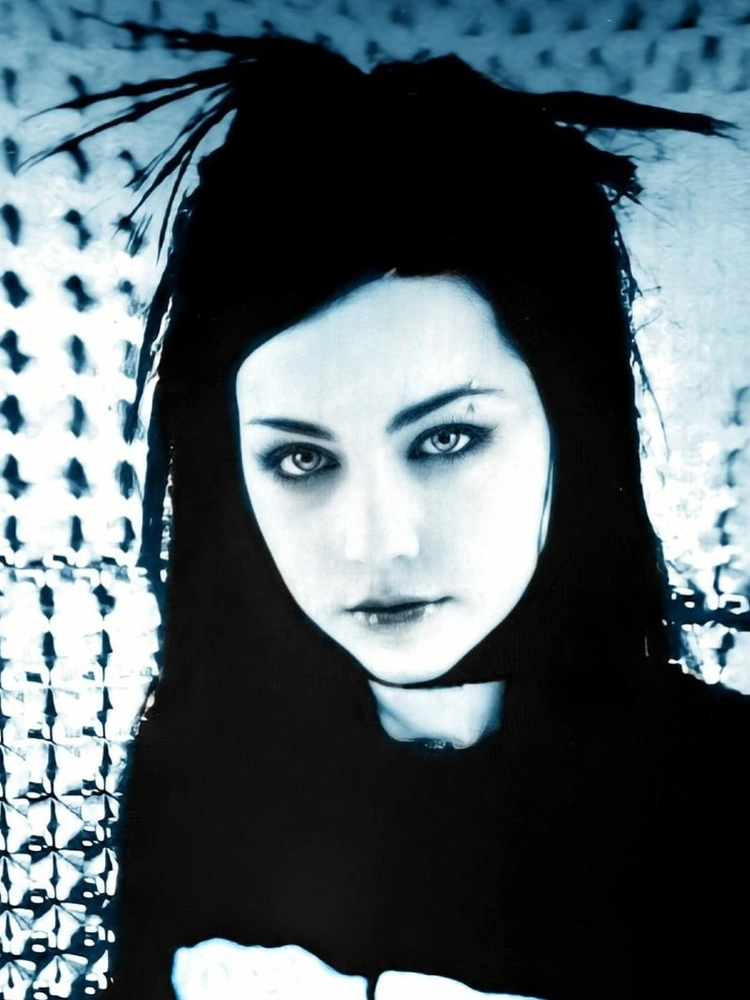
Her appearance also drew upon Victorian-inspired clothing and theatrical femininity, connecting alternative rock with gothic romance.
Retailers including Hot Topic helped commercialize this aesthetic. Their presence in American shopping malls introduced alternative fashion and associated beauty products to young consumers.
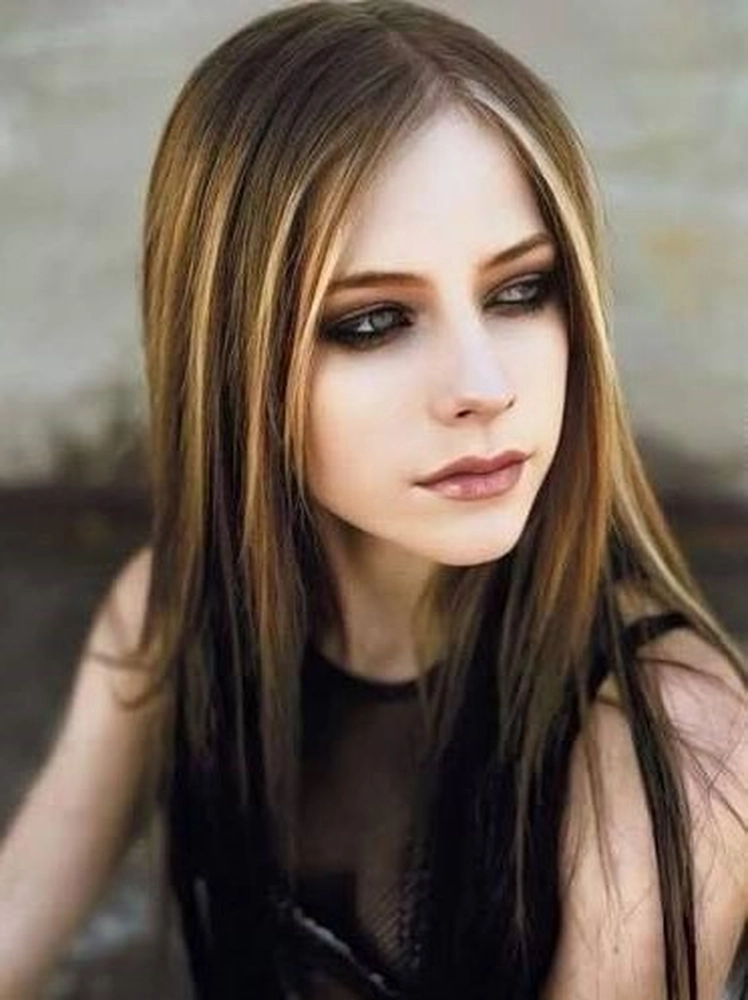
Meanwhile, Avril Lavigne's Under My Skin era in 2004 popularized dark eyeliner and punk-inspired styling within mainstream pop music, reflecting the growing visibility of alternative beauty.
Industrial dance and electronic music communities developed a futuristic interpretation of gothic beauty during the 2000s. Known as cybergoth, the aesthetic combined industrial imagery with fluorescent colors, synthetic materials, and technological influences.
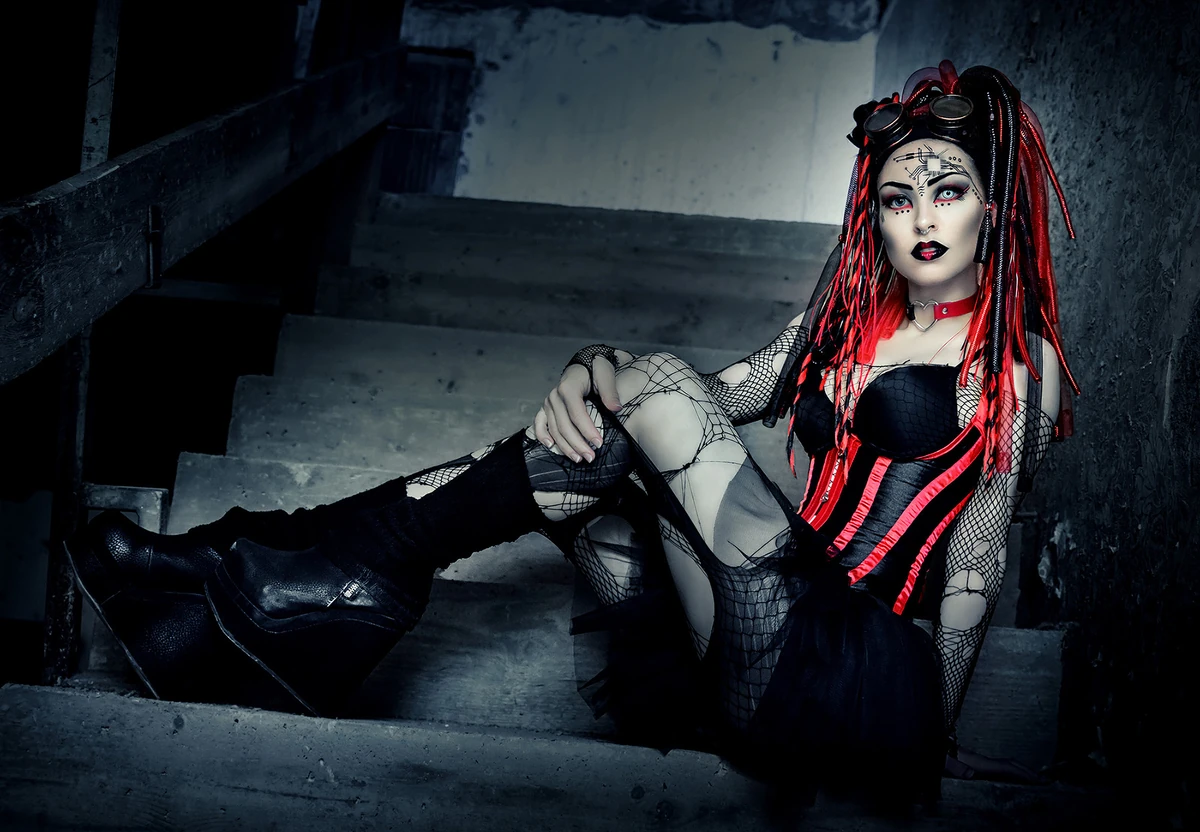
London's Slimelight provided an important gathering place for gothic and industrial music enthusiasts. Meanwhile, Cyberdog, founded in 1994, developed fluorescent clubwear designed to react under ultraviolet lighting. Cofounder Terry Davy drew inspiration from nightclub environments, establishing a direct relationship between artificial illumination and fashion design.
Cybergoth makeup incorporated fluorescent green, electric blue, and vivid pink pigments alongside black eyeliner and graphic facial markings. Ultraviolet-reactive products created striking effects under nightclub lighting, allowing painted features to glow during performances.
Synthetic hair falls, goggles, colored contact lenses, and industrial-inspired accessories completed the appearance.
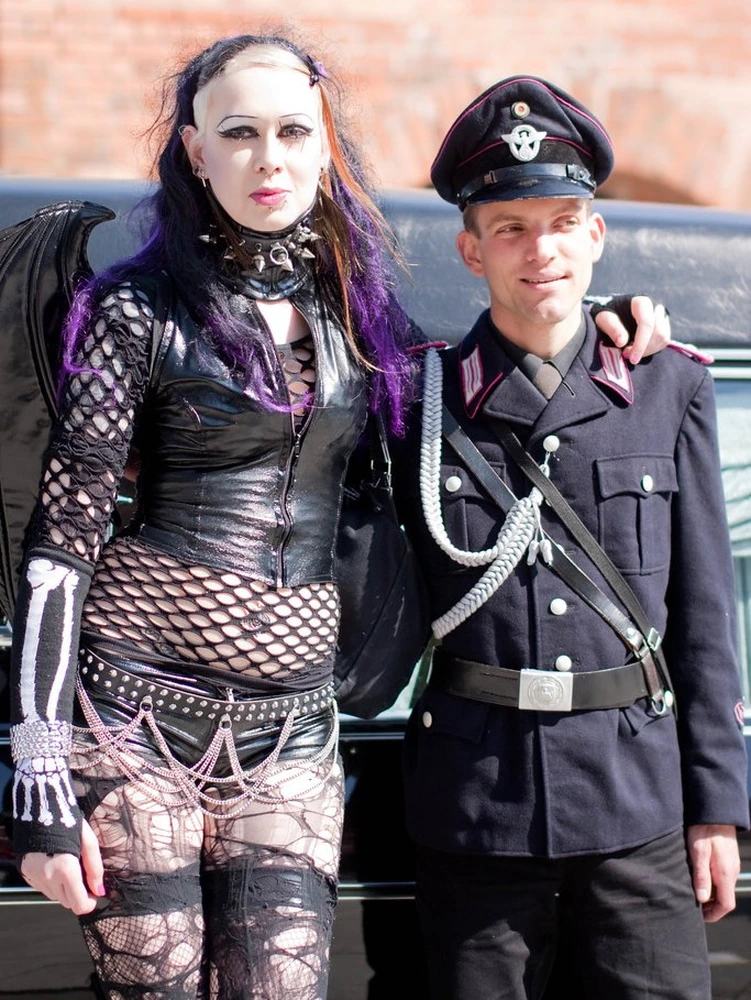
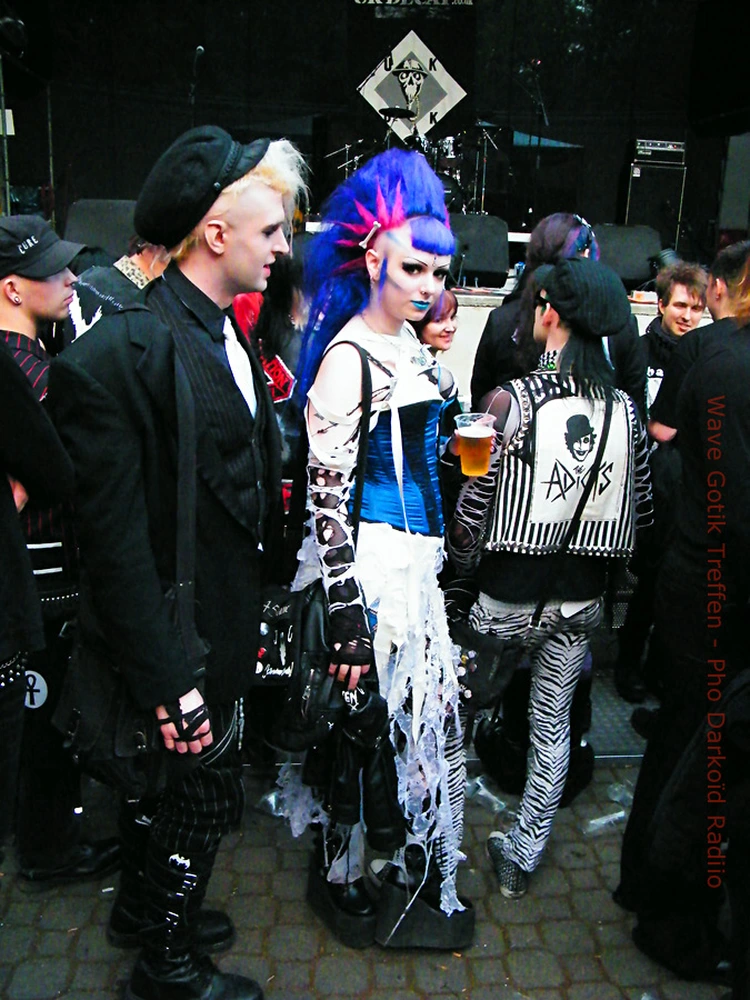
Festivals such as Wave-Gotik-Treffen in Leipzig also provided opportunities for international communities to gather and circulate these elaborate styles.
The expansion of MySpace, launched in 2003, transformed alternative beauty into a digitally shared visual culture. Musicians and fans circulated photographs emphasizing dramatic eyeliner, expressive hairstyles, and individualized makeup.
Gerard Way, frontman of My Chemical Romance, developed theatrical makeup during the band's Three Cheers for Sweet Revenge era (2004). Reddish pigment surrounding his eyes reinforced the emotional intensity of the band's music.
Pete Wentz of Fall Out Boy popularized the recognizable guyliner aesthetic, applying black eyeliner around the waterline and lower lashes. Ryan Ross of Panic! at the Disco also experimented with painted facial designs and dramatic eyeshadow during the band's early performances. These musicians contributed to the visibility of cosmetics across gender identities within alternative rock.
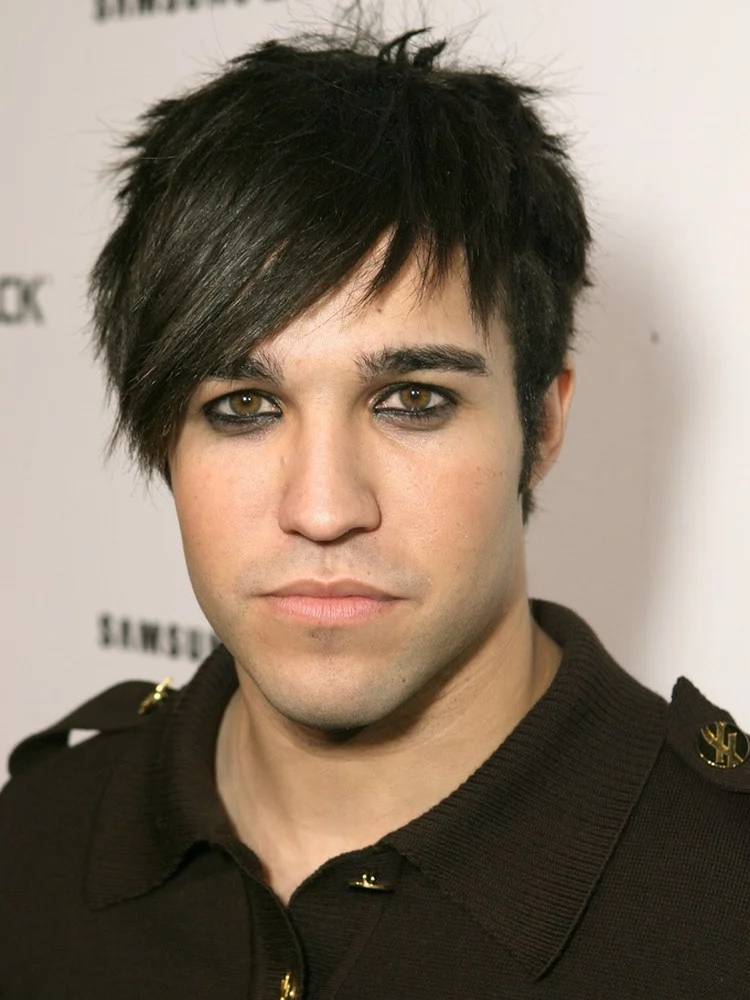
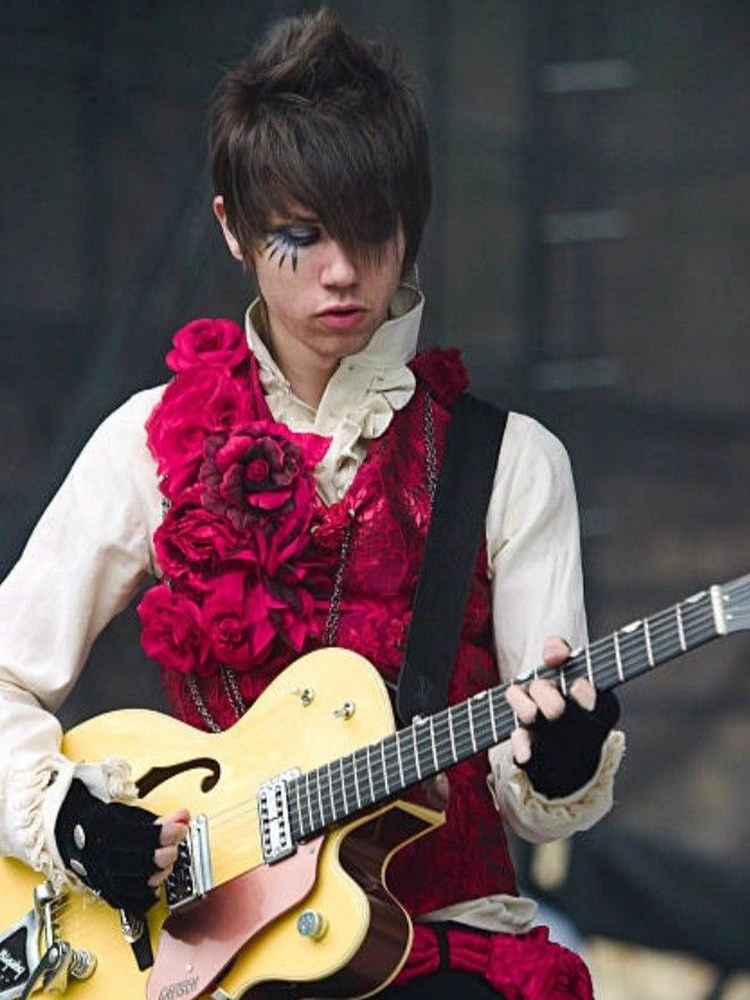
Emo and scene maintained distinct cultural identities while sharing techniques with gothic beauty. Darkened eyes and expressive application circulated through connected youth communities. Jeffree Star, whose vivid pink hair, dramatic eyeliner, and androgynous makeup had established him as a MySpace icon during the late 2000s, became an influential visual reference for the alternative beauty culture surrounding pastel goth.
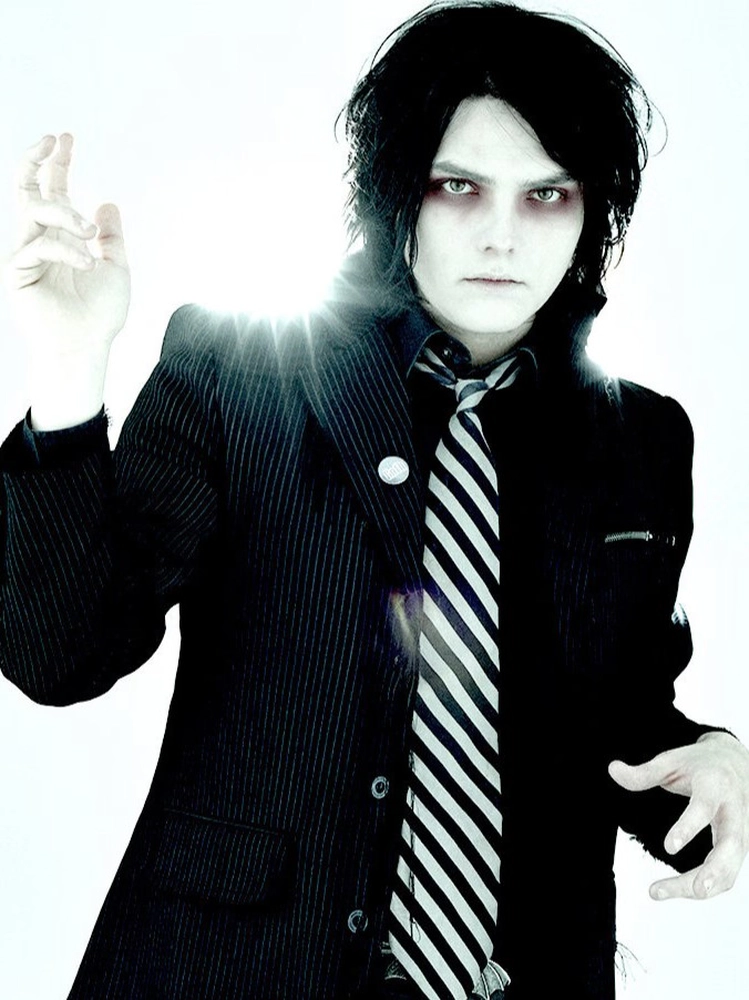
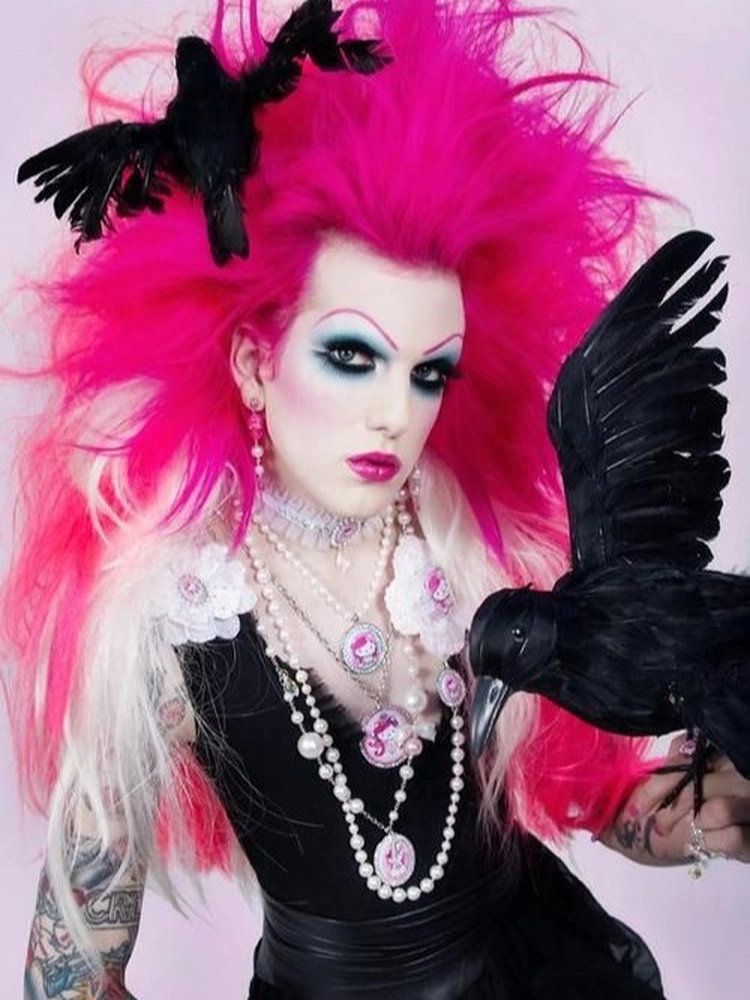
MySpace profile photography became an important medium for displaying these looks, allowing teenagers to participate in alternative beauty through self-produced imagery.
Japan's Gothic Lolita movement developed an international presence during the 2000s, combining European historical influences with theatrical femininity and meticulous personal styling.
Mana, guitarist of Malice Mizer and founder of Moi-même-Moitié in 1999, remained influential through his interpretation of Elegant Gothic Lolita.
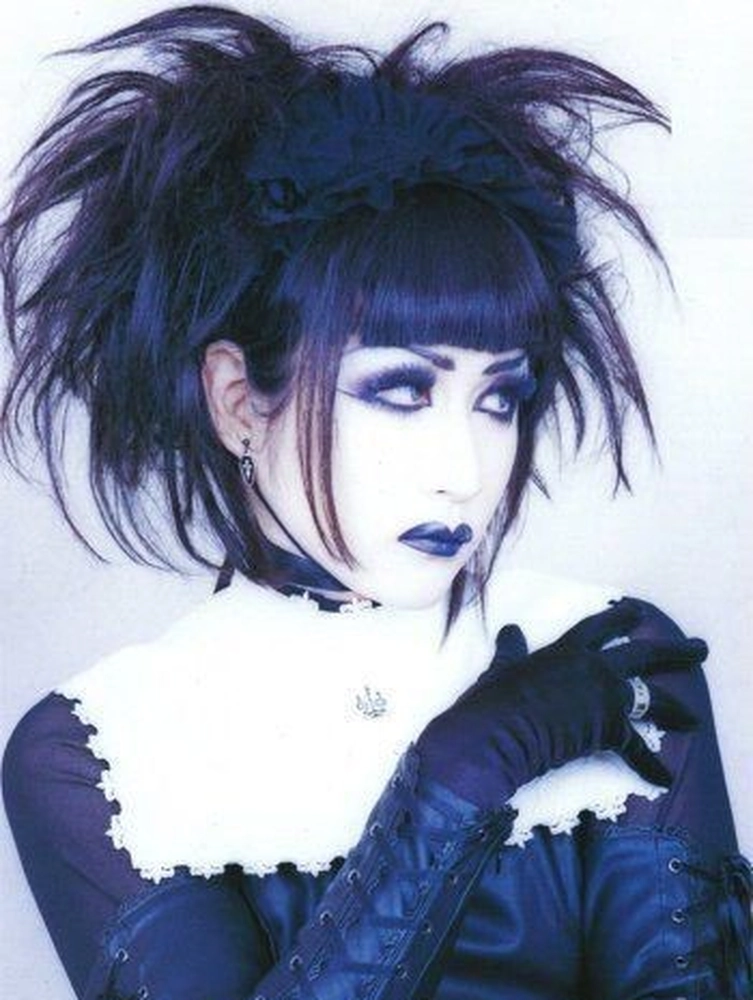
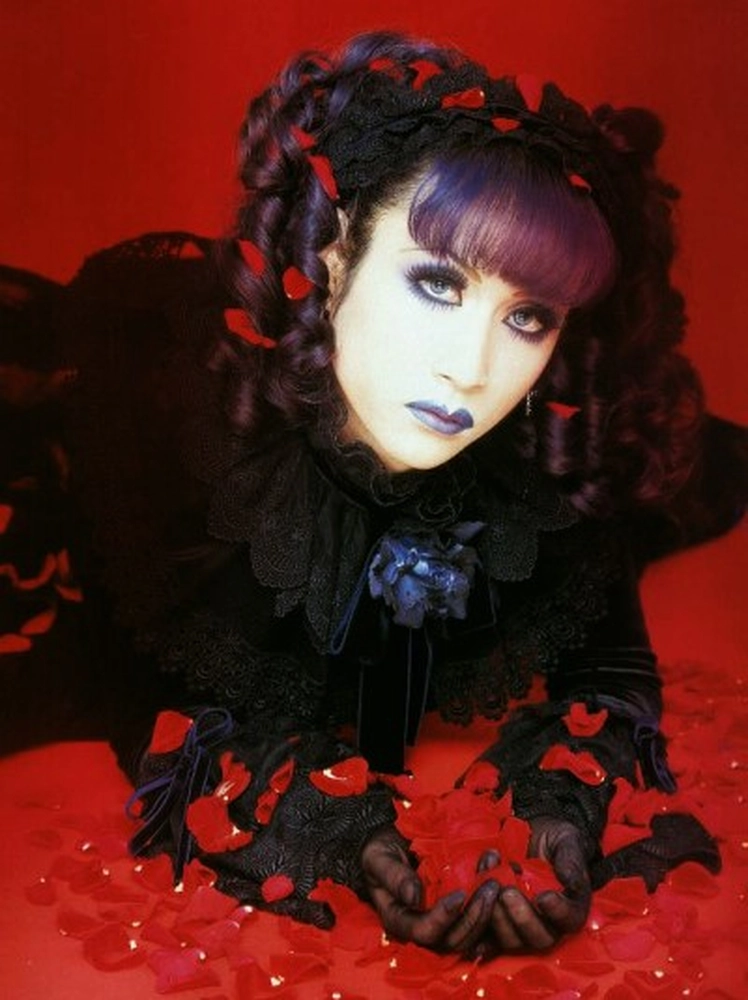
His signature makeup incorporated porcelain-looking foundation, sharply defined eyes, arranged lashes, and delicately painted lips. These elements contributed to a doll-like appearance complemented by historical silhouettes, lace, and elaborate hairstyles.
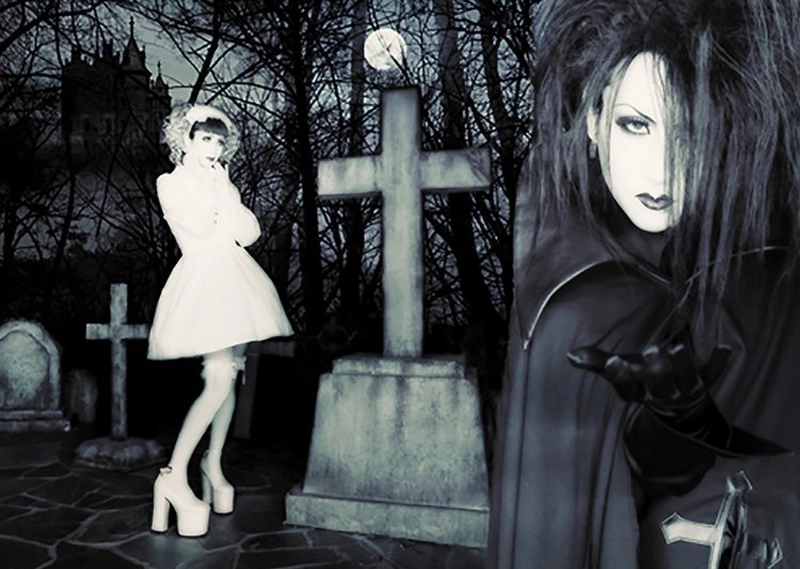
The launch of Gothic & Lolita Bible in 2001 provided an important publishing platform. The magazine featured fashion photography, interviews, beauty tutorials, and brand introductions, helping establish practical methods for recreating Gothic Lolita styling.
Illustrator Mitsukazu Mihara also contributed through her depictions of melancholic, doll-like characters. The aesthetic drew upon Victorian and Rococo references, while Japanese fashion culture encouraged careful coordination between makeup, clothing, and accessories.
The rise of Tumblr during the early 2010s encouraged the development of pastel goth, an internet-born aesthetic combining gothic imagery with soft colors and Japanese kawaii influences.
Online communities circulated photographs featuring lavender hair, mint-green eyeshadow, black lipstick, and pale complexions. Crosses, bats, and skulls appeared alongside playful accessories, reflecting the aesthetic's fusion of cultural references.
The Tumblr community Fuck Yeah Pastel Goth, established in 2012, became an early platform for collecting and circulating images associated with the style.
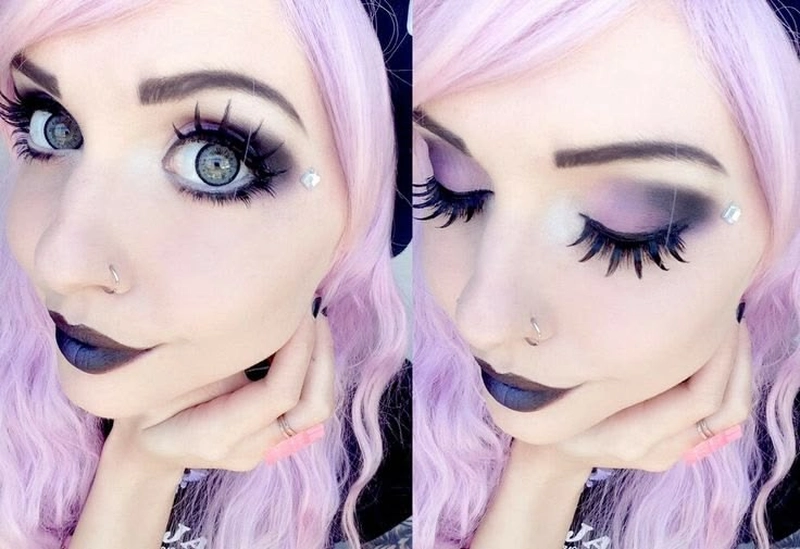
Beauty creators subsequently introduced its techniques to YouTube audiences. Alexa Poletti published a pastel goth makeup tutorial in 2014, demonstrating dark eye definition, colored cosmetics, and coordinated styling. TiffyQuake also produced a tutorial that year.
Makeup frequently incorporated saturated pastel shadows, exaggerated eyeliner, colored eyebrows, and dark lips. Tumblr encouraged international image sharing, while YouTube supplied practical demonstrations for enthusiasts recreating these looks.
In 2008, tattoo artist and television personality Kat Von D launched her makeup collection through Sephora, introducing tattoo-inspired packaging, dramatic eyeshadow, and richly pigmented lip products to a major beauty retailer.
The collection incorporated black eyeshadow and deep burgundy lipstick, connecting rock music and tattoo culture with commercial cosmetics.
During the 2010s, matte liquid lipsticks, highly pigmented eyeshadows, and precision eyeliners became prominent within alternative beauty tutorials. Independent creators demonstrated elaborate applications, while online communities contributed product recommendations and styling techniques.
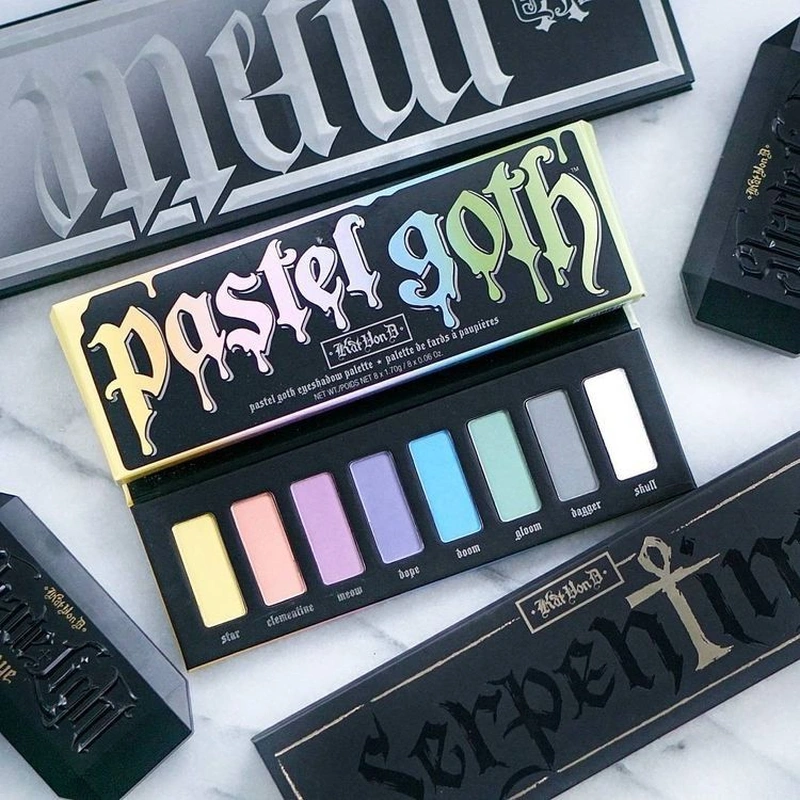
By the late 2010s, goth makeup circulated through music, retail, tutorials, and personal photography, allowing enthusiasts to develop distinctive identities while engaging with dark beauty's established traditions.
Digital platforms also gave individual creators cultural influence. Their experiments could travel internationally, inspire new interpretations, and connect people through shared visual interests. The enduring significance of this period lies in how personal creativity helped shape goth beauty's evolving identity, establishing the foundations for its subsequent transformation through social media and contemporary beauty culture.
Advertisement