MENU
Close





Controversy keeps hijacking the beauty launch, sometimes before the product gets a chance to speak.
Controversy keeps hijacking the beauty launch, sometimes before the product gets a chance to speak.
October 12, 2026


A beauty launch once competed through formula, shade range, packaging, price, or a strong campaign image. In 2026, conflict has become another valuable asset.
The pressure behind this behavior is real. U.S. prestige beauty sales reached $17.1 billion in the first half of 2026, up 7%, while mass beauty reached $39.2 billion, also up 7%. TikTok Shop already represents 10% of U.S. beauty e-commerce, and beauty and personal care captured 20% of its first-quarter spending. A launch now enters a marketplace where products, creators, trends, and claims appear at extraordinary speed. Attention has become expensive, while drama remains remarkably easy to distribute.
Controversy gives a launch instant narrative structure. Someone claims ownership, another brand responds, creators take positions, meme accounts translate the argument, and consumers receive a reason to participate. Ordinary product communication suddenly has characters and stakes.
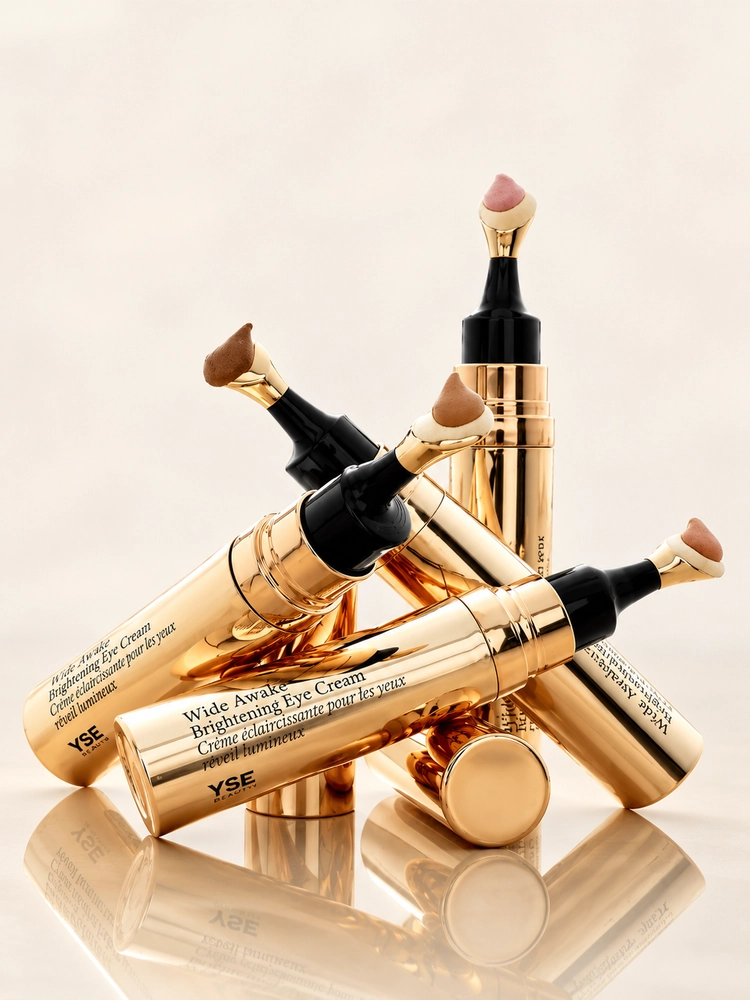
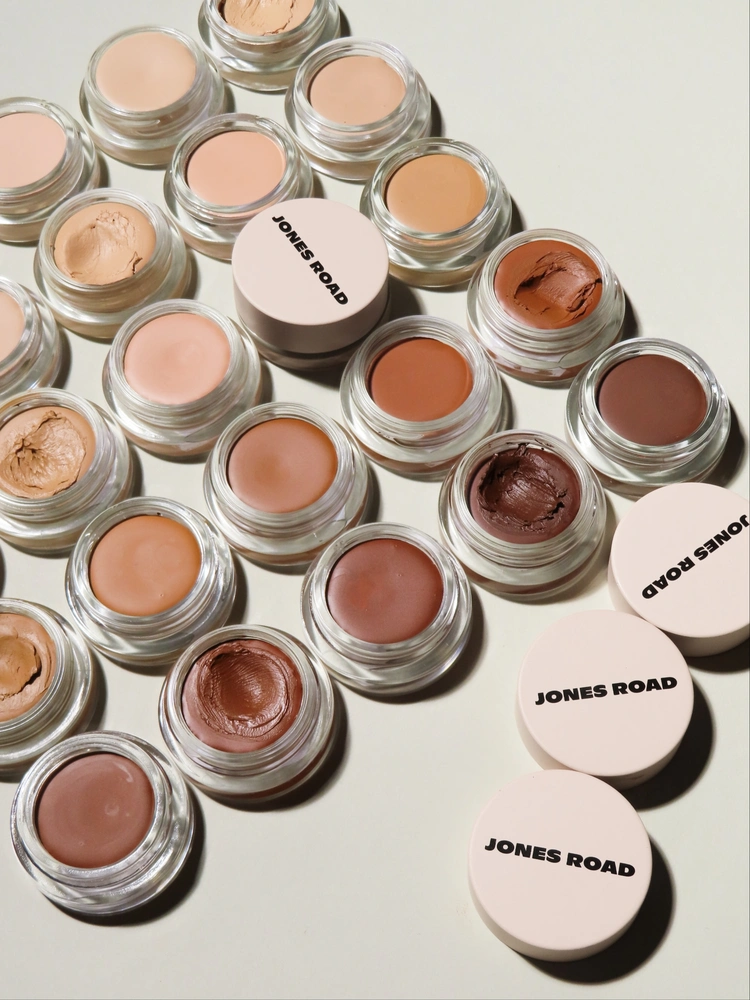
YISE founder Molly Sims created that effect when she publicly expressed distress over Jones Road using “Wide Awake” for new complexion products, a phrase already attached to YISE’s eye cream. Jones Road eventually agreed to change the names, and the dispute introduced the brand to a fresh audience.
The PR weakness appears further down the funnel. A beauty launch has several jobs: establish recognition, explain the product, create a distinctive association, build credibility, and generate purchase desire. Virality can complete recognition within hours, leaving limited space for everything that turns attention into brand value.
The YISE episode also demonstrated reciprocal scrutiny. Once originality became the central accusation, social users examined YISE’s own visual identity, its previous YSE name, and an earlier trademark objection from YSL Beauty. Public accusation widens the frame. Founder behavior, old campaigns, suppliers, naming, and brand aesthetics all become available for inspection.
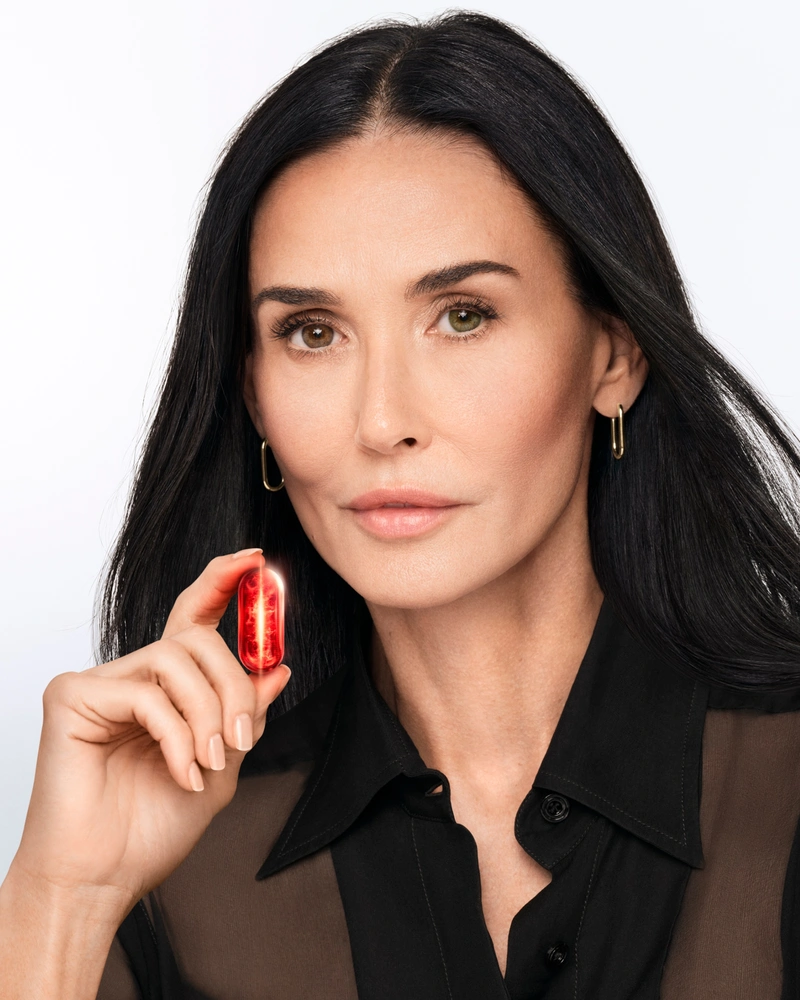
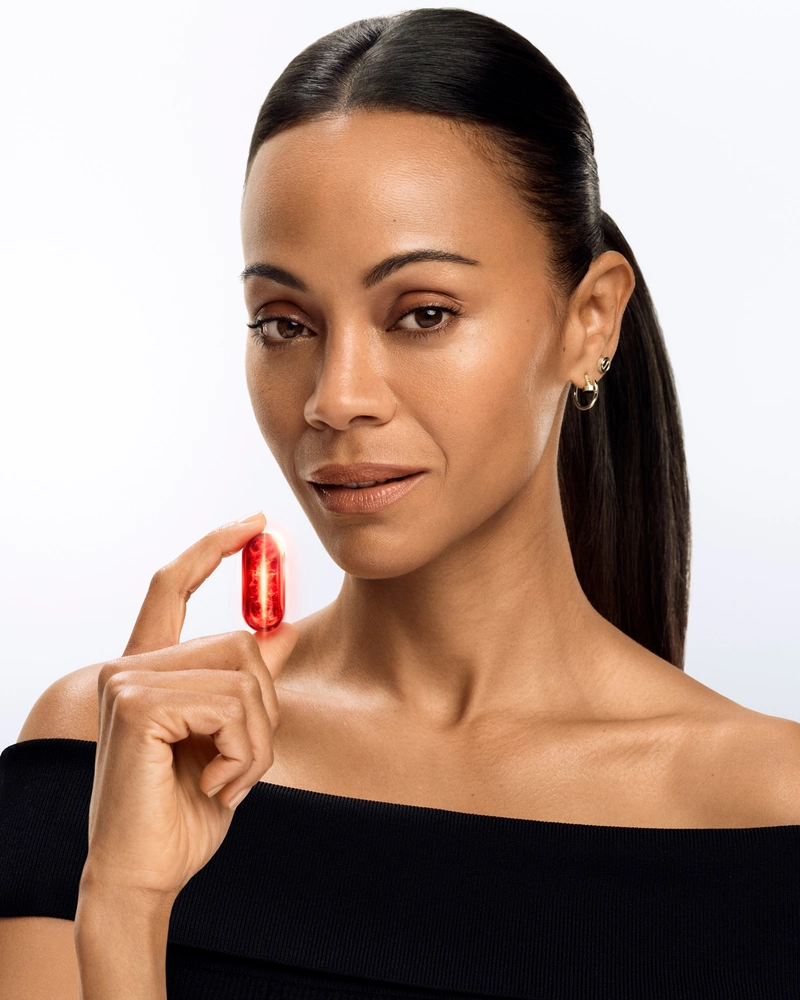
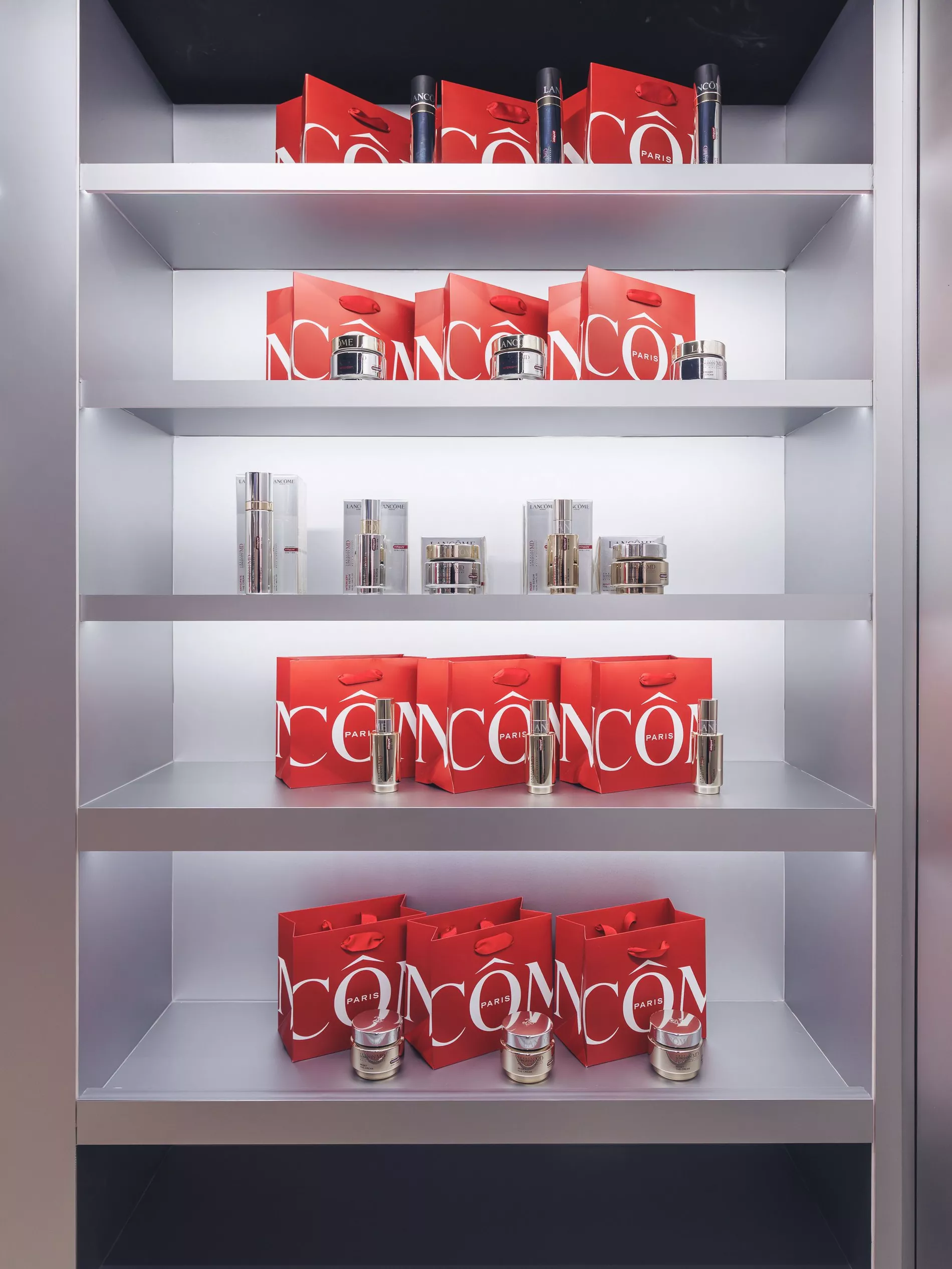
Lancôme pushed that logic further with the Absolue Longevity MD launch, sending more than 1,000 PR packages addressed to Demi Moore or Zoe Saldaña to other creators, editors, doctors, and celebrities. The apparent shipping mistake was intentional, prompting recipients to film their confusion before the celebrity connection was revealed. It was a smart attention device, but it also showed the risk clearly: audiences could remember the “Demi Moore and Zoe Saldaña box mix-up” more easily than the skincare proposition itself.
The eye-patch collision became especially revealing because the drama came directly from beauty’s manufacturing system.
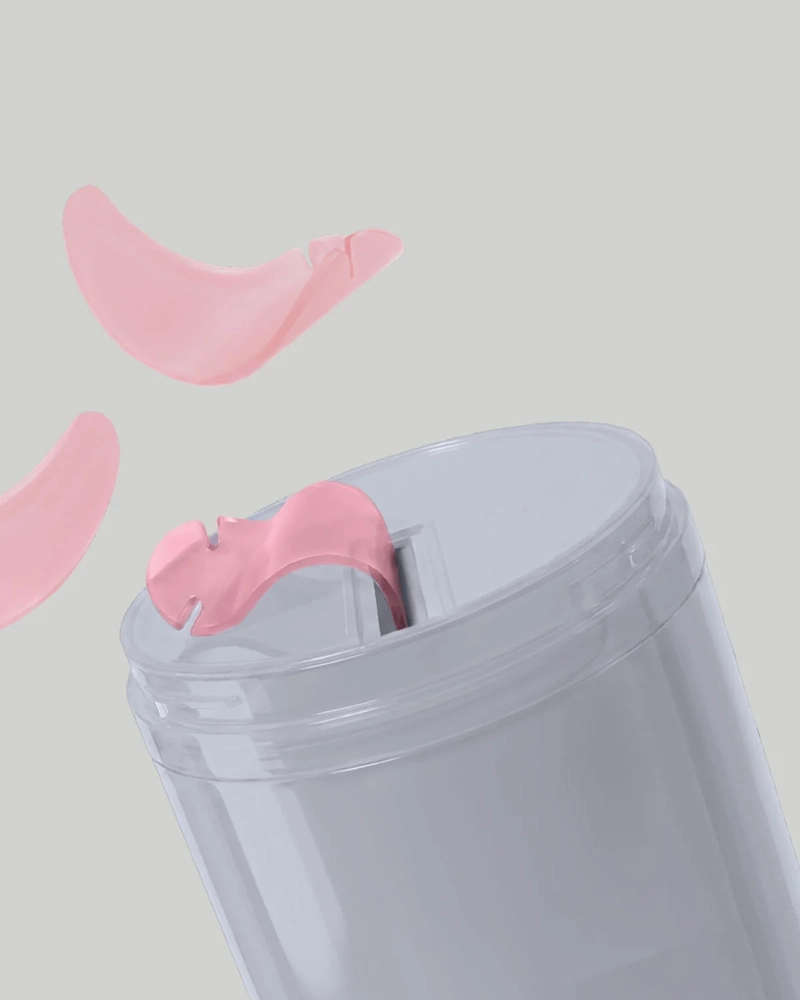
Fenty Skin teased hydrogel patches dispensed through grinder-style packaging and positioned the component as a new solution to familiar eye-mask frustrations. Within days, Glow Recipe, Huda Beauty, and Vitamasques appeared with strikingly similar systems. BeautyMatter traced an earlier use of the format to Korean brand Wonder Bath, which had released grinder-style patches in July.
The real story sat behind the packaging. Beauty brands routinely work with contract manufacturers and specialist suppliers, and the same stock component can reach several clients when exclusivity sits outside the agreement. Glow Recipe co-founder Christine Chang explained that several brands could simply become excited by the same packaging innovation. Huda Kattan later said her brand would drop its planned version.
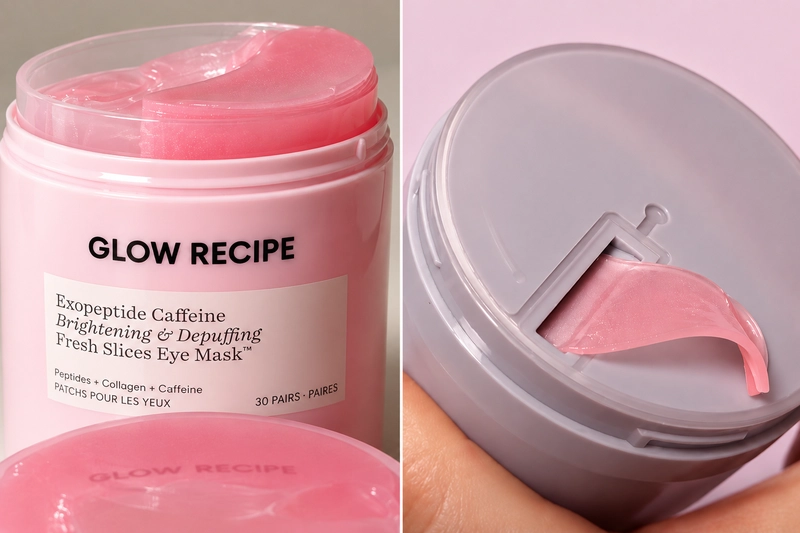
Consumers often read packaging, applicators, textures, and claims as evidence of proprietary creativity. Eyepatchgate briefly pulled back the curtain on an industry shaped by shared suppliers, trend intelligence, and parallel development.
It also showed how quickly novelty loses cultural value. Fenty’s component generated excitement, then repetition converted surprise into familiarity within days. A compelling beauty launch now needs distinction across formulation, design, intellectual property, storytelling, timing, and brand identity.
Tarte offers the clearest commercial evidence.
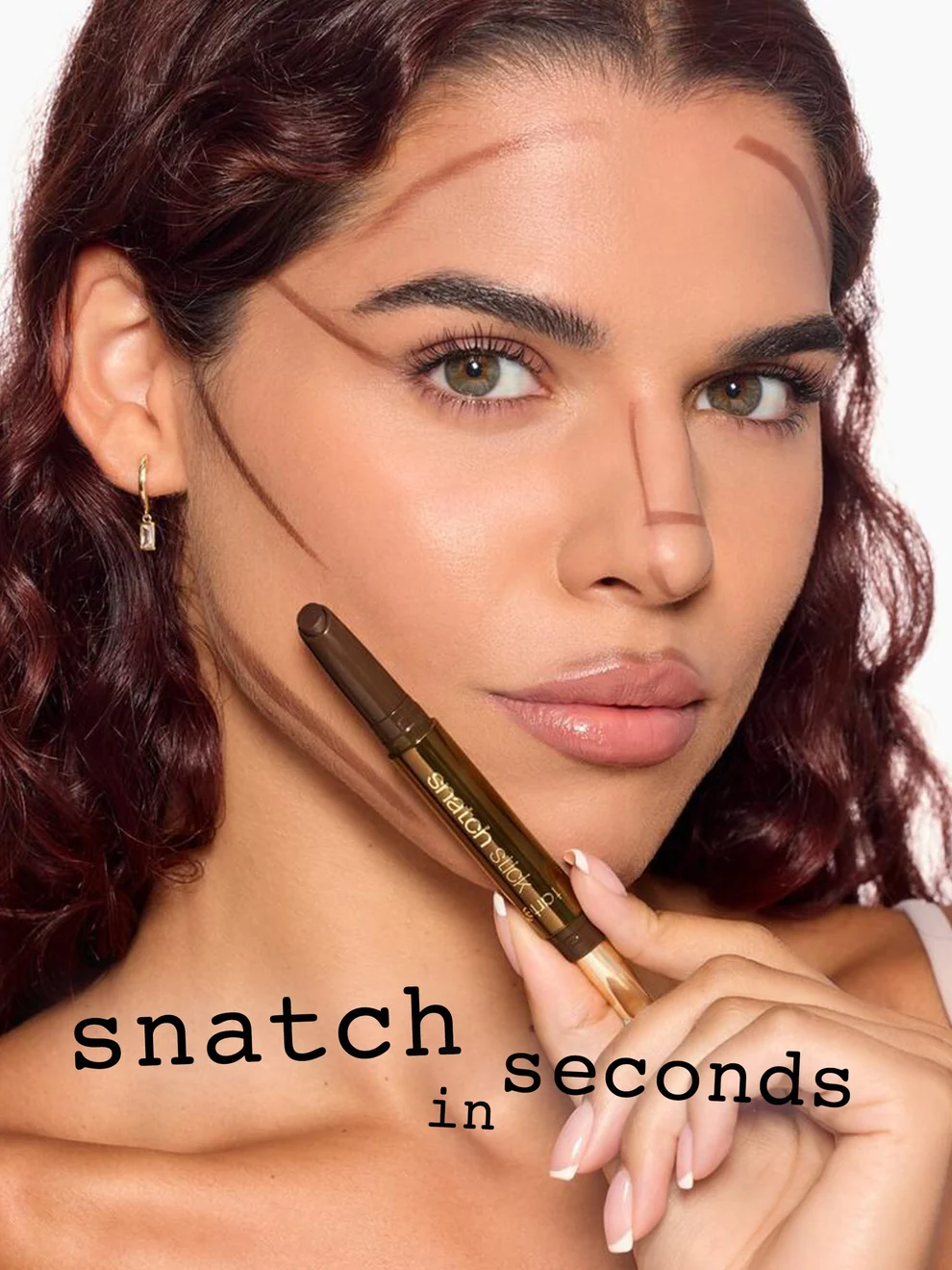
Its Snatch Stick campaign sent creators PR boxes featuring their faces marked with cosmetic-procedure-style lines and deployed a “glambulance” staffed by makeup artists in scrubs. The concept drew criticism around beauty standards, cosmetic-surgery imagery, and the use of emergency-service aesthetics. Crisis communications professional Andy Barr described the rollout as rage-bait marketing.
The sales figures explain the attraction. Tarte reported first-week Snatch Stick sales at 2.4 times forecast, 65% of initial inventory sold within seven days, over five million social views, and 42% of purchasers new to the brand. The controversy generated measurable commercial movement.
This is where criticism needs precision. Provocation can sell.
The deeper issue concerns what behavior those numbers encourage. Rage bait optimizes immediate reaction. Brand building depends on memory, meaning, repeat purchase, recommendation, and a stable emotional relationship. A successful launch can deliver a sales spike while also teaching audiences that outrage belongs to the brand’s communication vocabulary.
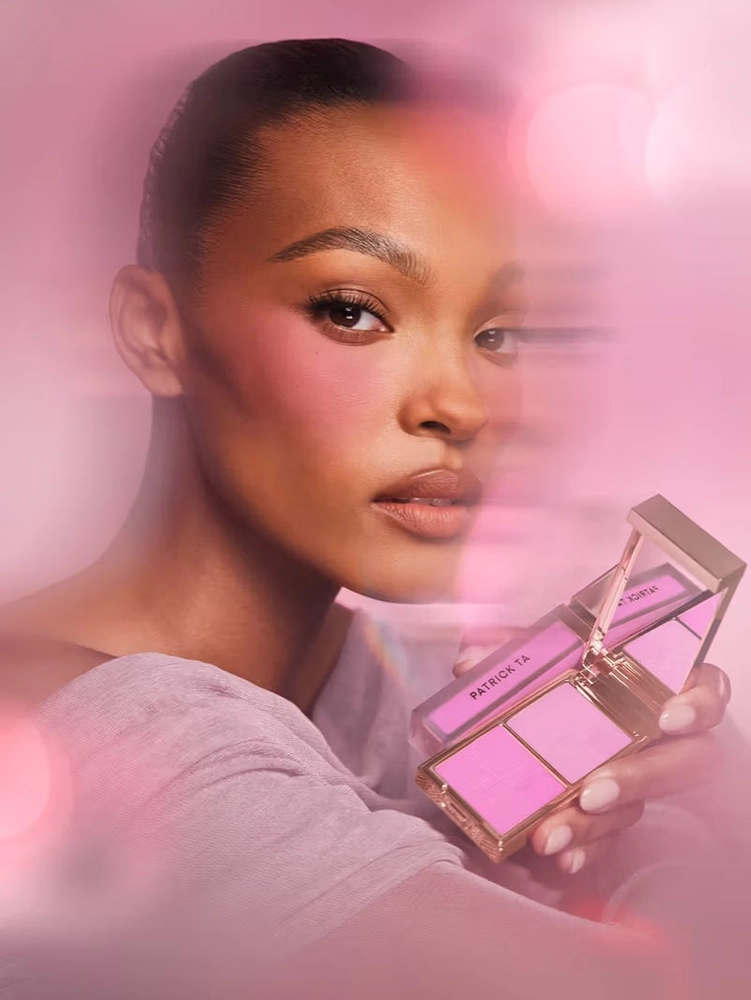
Patrick Ta Transition Blush dispute exposed another pressure point: credit. Makeup artist Ngozi “Esther” Edeme helped popularize the transition-blush technique, especially on deeper skin tones, before Patrick Ta commercialized a product using the same language. The debate quickly expanded into questions of recognition, creator influence, and who receives economic value when an aesthetic travels from social media into retail.
The bigger risk goes deeper than controversy fatigue. Beauty has started discovering that conflict can manufacture differentiation when the product itself struggles to do so. That matters in a category increasingly shaped by shared manufacturers, recurring ingredient stories, similar formats, and rapid trend replication.
Once physical differentiation becomes harder, controversy starts doing a job that innovation once handled. A dispute gives the launch an identity. Rage bait supplies personality. A copying accusation establishes ownership. A public apology extends the media cycle. The brand has effectively created scarcity at the level of attention, even when the product category itself is crowded.
That creates a dangerous incentive structure. Marketing teams are judged through launch velocity, earned media, engagement, customer acquisition, and sell-through. A controversial campaign can make several dashboards look excellent simultaneously. The costs are softer and slower: credibility, brand meaning, consumer goodwill, creator trust, and the expectation that every future campaign may contain another calculated provocation. Those losses rarely arrive neatly inside a seven-day sales report.
Here sits the deeper criticism: the industry may be learning to optimize launches for the platform instead of the customer.
A platform wants velocity. A consumer relationship needs accumulated meaning. Those objectives can coexist, yet they produce very different creative decisions. Rage bait asks what will make someone stop, comment, screenshot, or send a post to a friend. Brand building asks what the consumer should believe about the company six months later.
The current wave of controversy also risks creating a form of moral inflation inside beauty discourse. A shared packaging component, an unresolved naming dispute, creator credit, racial representation, potentially harmful beauty messaging, and misleading scientific claims can all occupy the same social-media vocabulary: scandal, backlash, callout, cancellation. When every launch enters the same outrage architecture, the industry gradually destroys its ability to communicate degrees of seriousness.