MENU
Close





Why did Patrick Ta’s new blush collection turn into beauty’s loudest fight? The transition blush controversy reveals how fragile the line between inspiration and extraction can be.
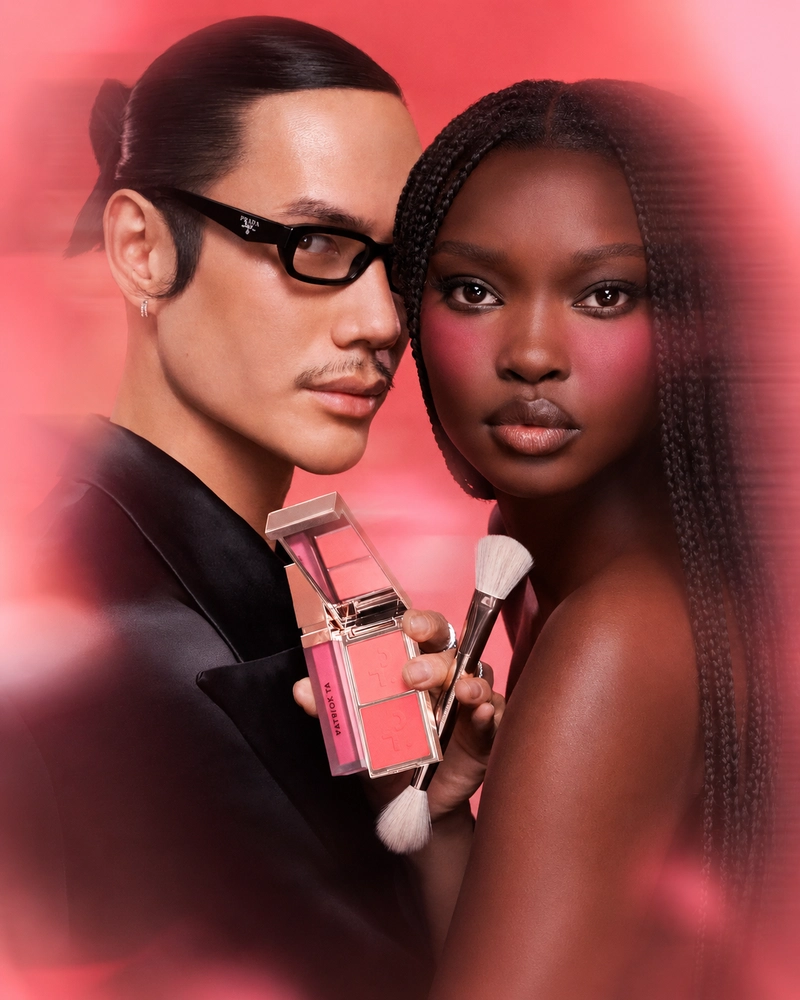
Why did Patrick Ta’s new blush collection turn into beauty’s loudest fight? The transition blush controversy reveals how fragile the line between inspiration and extraction can be.
June 24, 2026
Advertisement

Advertisement



In the ever-evolving, hyper-fast ecosystem of the modern beauty industry, trends are the ultimate currency. Over the past few weeks, a vibrant and deeply necessary conversation has dominated the social media feeds of makeup lovers, centering on a seemingly innocuous product launch that unexpectedly peeled back the layers of a much deeper industry issue.
Patrick Ta, a celebrated celebrity makeup artist whose eponymous brand has achieved cult-like status for its beloved blush duos, recently introduced his "Transition Blush" collection. It was marketed as a triumphant expansion of his core product line. Instead, it became a lightning rod for a vital discourse regarding viral influence, proper attribution, and the persistent, systemic erasure of Black creators in the beauty sphere, the very heart of the transition blush controversy.
At the center of this transition blush controversy is Ngozi Esther Edeme, widely known across platforms as Painted by Esther. Edeme is a remarkably talented makeup artist who boasts a high-profile clientele including Naomi Campbell, Viola Davis, Anok Yai, and Kelly Rowland. More recently, she became synonymous with the "transition blush" technique, a striking, doll-like ombré glam that she frequently utilizes on darker skin tones, most notably on Love Island breakout star Olandria Carthen.
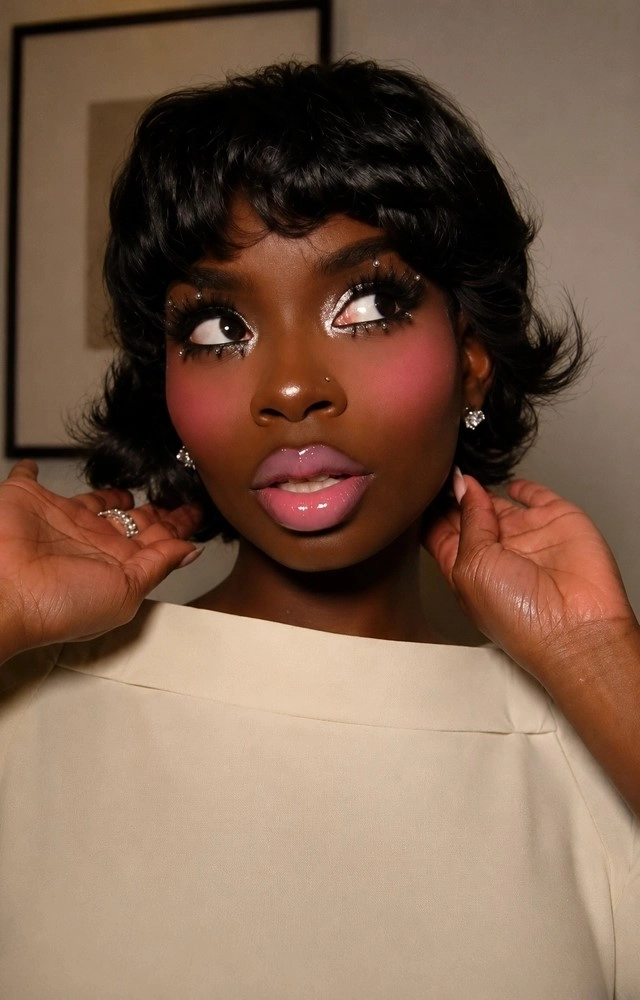
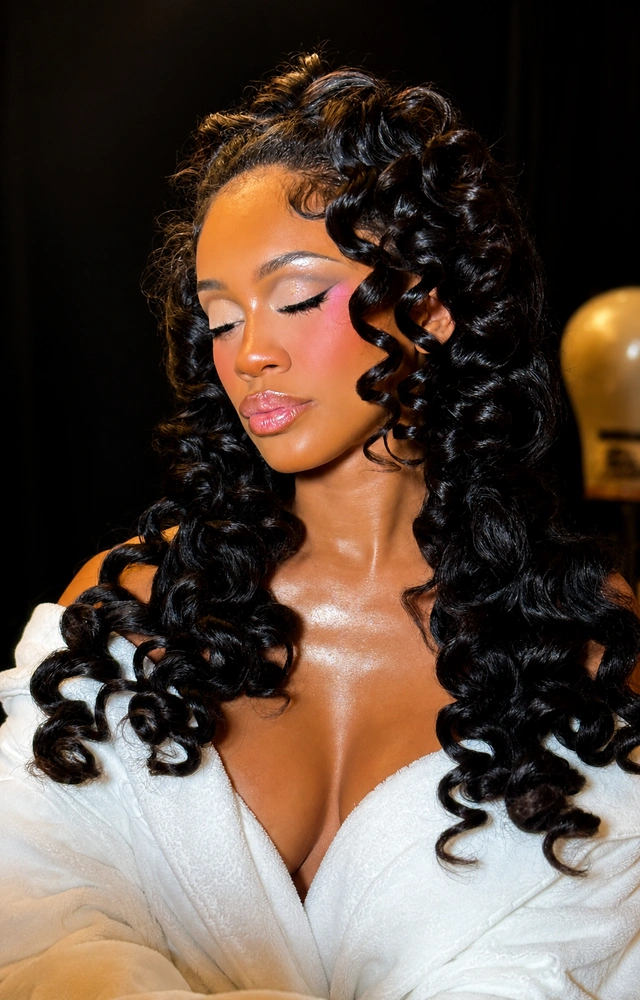
When Ta launched his products with a marketing campaign heavily leaning on the exact aesthetic Edeme popularized for a new generation of consumers, the beauty community was quick to point out the glaring omission of her name. As an observer of this industry, it is fascinating, and often frustrating, to watch how the line between drawing natural inspiration and capitalizing on someone else's cultural footprint can blur so quickly and completely.
To fully grasp the weight of this transition blush controversy, we must first examine the technique itself and the history behind it. Ta’s new collection, which includes a liquid brightening blush, a blurring blush duo, and a dual-ended brush, is meant to synthesize a complex, multi-step artist process into a consumer-friendly package. Transition blush is a meticulous method of creating a seamless color gradient that bridges the brightened under-eye area and the flushed apple of the cheek. By strategically layering under-eye brightening concealers, color correctors, and a soft pink setting powder, the harsh lines of traditional makeup application melt away. The result is an airbrushed, lifted complexion that feels both highly editorial and undeniably romantic.
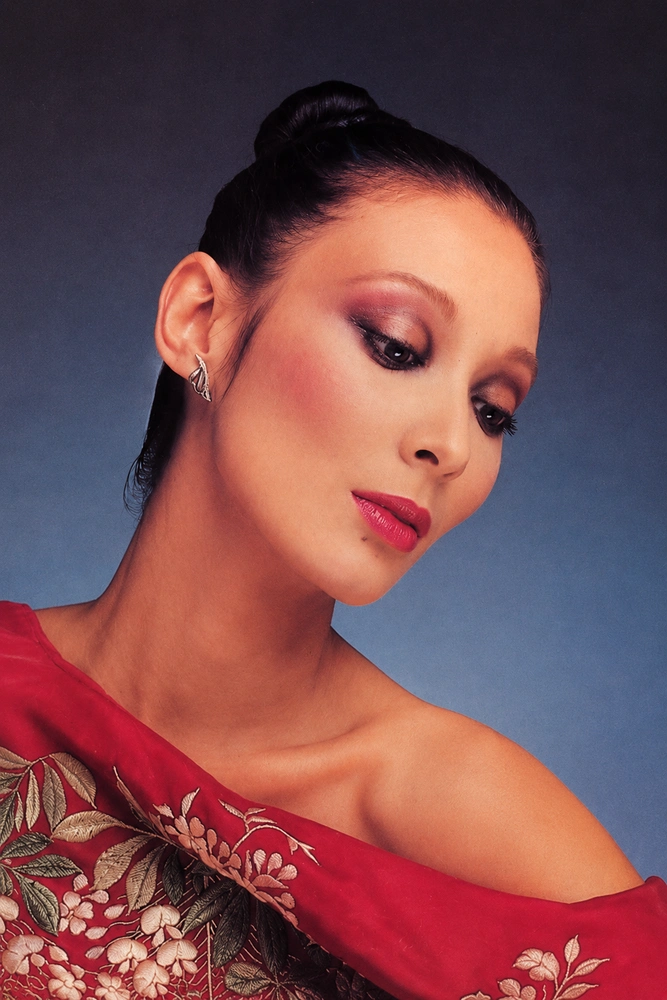
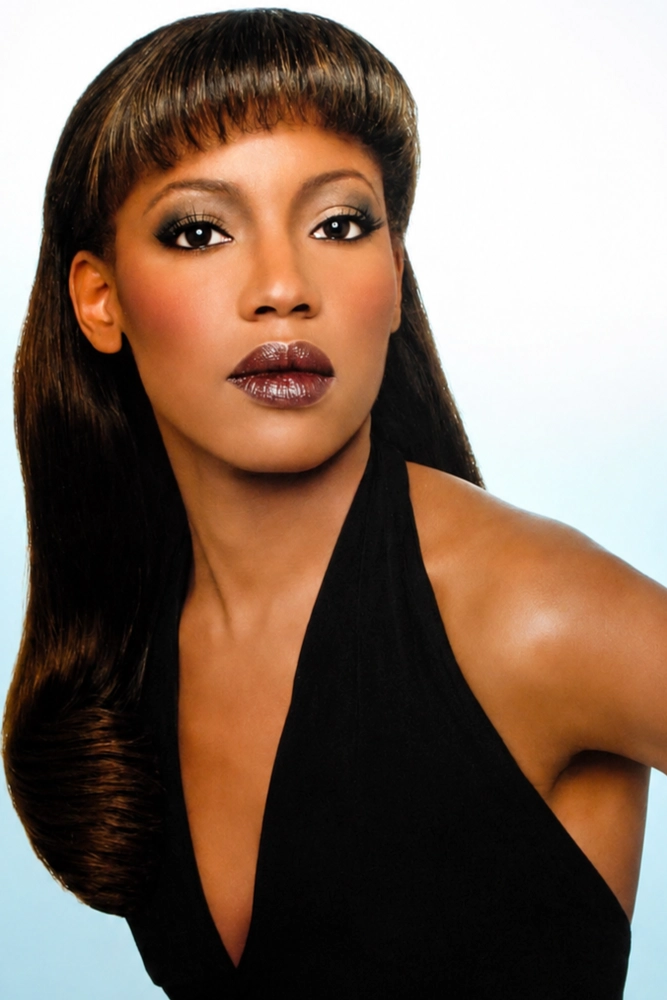
It is crucial to note, and Edeme herself has been the very first to assert this, that she did not invent the concept. The methodology has deep historical roots in Asian beauty practices, specifically within Korean and Japanese makeup artistry, where a youthful, high-placed, diffused flush has long been favored. In the Western hemisphere, the legendary makeup artist Way Bandy introduced a similar concept called "blush draping" in the 1970s. Decades later, the late, great Kevyn Aucoin further refined and documented the technique, cementing it in the makeup artist lexicon.
However, identifying the historical origins of a technique does not negate the power of its modern revival. Edeme took a legacy technique and translated it for the contemporary digital age, purposefully centering Black women and deeper complexions in her artistry. By doing so, she ignited a widespread, viral obsession with the ombré under-eye among modern beauty enthusiasts. Influence is rarely about sheer invention from scratch; it is about who holds the cultural megaphone that makes the world stop, look, and attempt to replicate. In this specific era of TikTok beauty, that megaphone was firmly in Edeme's hands, making her the undeniable architect of the trend's current relevance and the cultural figure at the center of the transition blush controversy.
The friction ignited when Ta began posting tutorials promoting his new blurring blush, utilizing the very ombré technique Edeme had pushed to virality. Comment sections quickly transformed into digital courtrooms. Fans pointed out the uncanny resemblance to Edeme's signature look, particularly noting Ta's reference to a powder-puff tool as a "holy grail" secret ingredient, a specific tip Edeme had heavily emphasized in her own widely circulated tutorials prior to his launch. As one commenter pointedly summarized, "So Painted by Esther, but make it expensive and unnecessary. Got it."
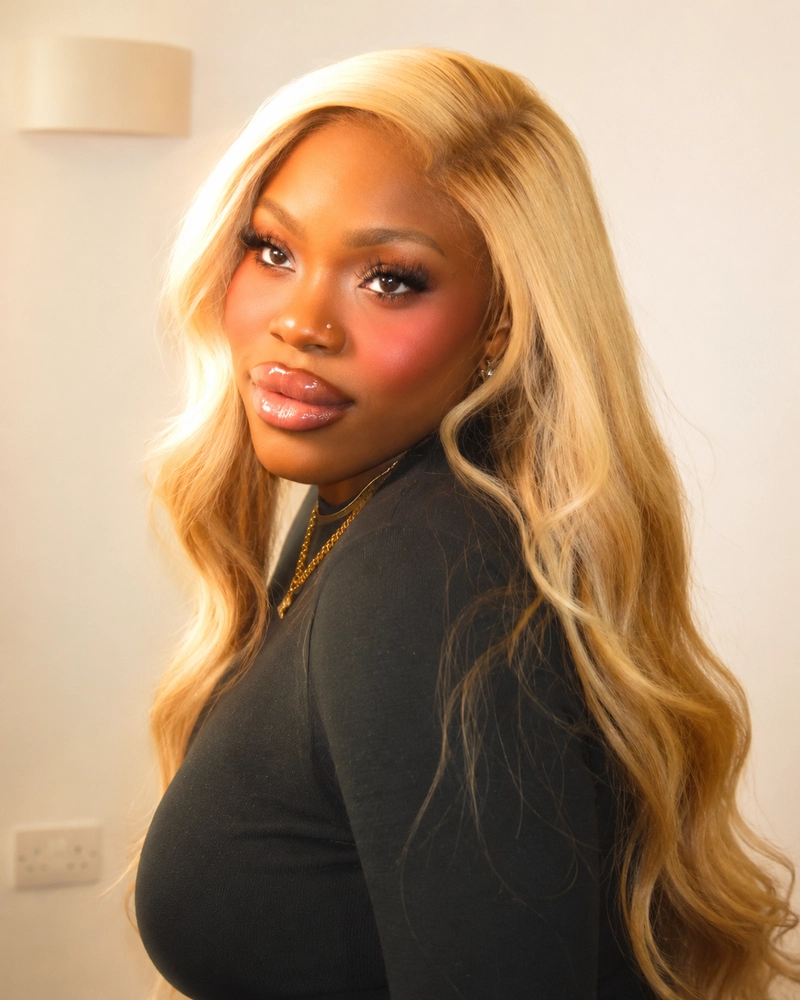
Edeme responded with a candid, grounded video, validating the mounting frustrations of her supporters. She shared her broader experiences navigating the beauty space as a Black woman, noting the exhaustive reality of having to fight twice as hard for fundamental recognition. "I never said I’m the inventor or creator," she noted with striking clarity. "But what you will not belittle is my influence." Adding a complex layer to the transition blush controversy, she alleged a "really weird" past interaction where a member of Ta's team attempted to book her for a "glam and go" session, explicitly asking to record her process. Edeme declined and canceled, finding the request deeply uncomfortable given her proprietary, signature workflow.
This incident strikes at the heart of what many Black creators face: the quiet extraction of their techniques and aesthetics by larger, better-funded entities who then package those very aesthetics for mass-market profit. When an artist spends years perfecting a technique on complexions that the industry has historically ignored, only for a major brand to swoop in and commercialize that exact aesthetic without credit, the sting of erasure is profound. It transforms a moment of potential celebration into a glaring reminder of who is allowed to profit off of viral culture.
Ta, to his credit, did not retreat into a corporate, PR-managed silence. He stepped forward to offer his perspective, appearing on Emma Grede’s podcast, *Aspire*, to directly address the mounting backlash surrounding the transition blush controversy. He explained that his formulation process had been underway for over a year and that he, too, had been practicing a variation of the ombré blush look on clients since 2021. Regarding the booking incident, Ta clarified it as a miscommunication involving his business partner, who allegedly sought to hire Edeme for an Easter brunch makeup session for her own social media content, a booking that ultimately fell through over standard rate negotiations.
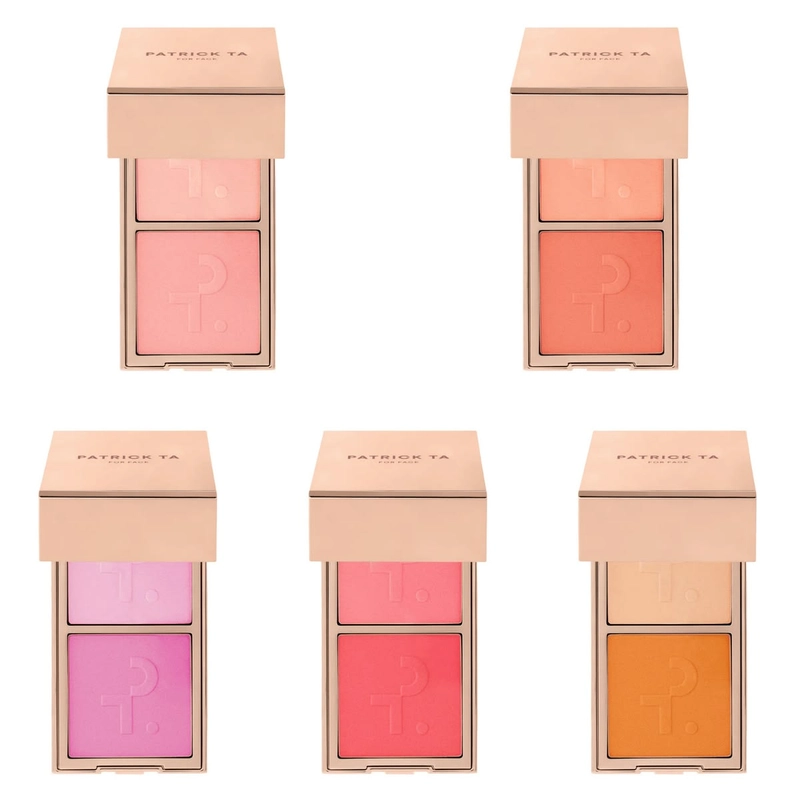
During the podcast, Grede perceptively guided Ta toward the core of the issue, acting as a crucial mirror for his blind spots. She articulated that launching this particular product without a mention of Edeme’s influence felt like an erasure, regardless of who first painted a blush gradient in the 1970s. Ta exhibited genuine remorse, acknowledging the critical gap between his intent and his impact. "The intent of this launch was never to take ownership over this technique," Ta stated. "It was to create a product to simplify this artist technique... I am genuinely sorry for the hurt and the frustration that I have caused."
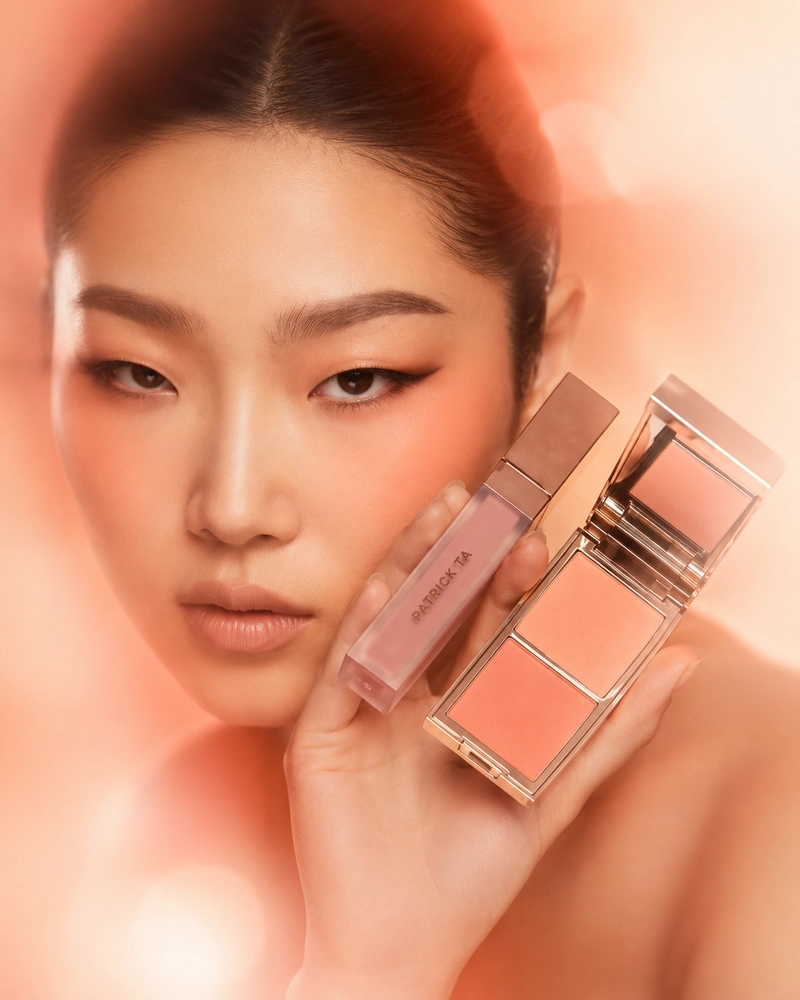
Ta later followed up with a written statement on his Instagram, noting that the reaction was about something much bigger than a blush palette. He acknowledged that Black creators have an enormous influence on beauty culture that often goes "unattributed and unrewarded." This specific phrasing is important; it moves past a defensive posture and lands squarely in accountability. It is a rare, necessary moment of a brand founder pausing the hype machine to acknowledge the systemic inequities that fuel the very industry they dominate.
The transition blush controversy surrounding Patrick Ta and Painted by Esther is vastly more significant than fleeting social media drama; it serves as a potent microcosm of a much larger, systemic issue within the hyper-capitalist beauty economy. Capitalism thrives on transforming viral techniques into purchasable commodities. But when brands scale these cultural moments for mass consumption, the independent creators who birthed the viral moment are frequently left uncredited, uncompensated, and pushed to the margins of their own narratives.
This situation presents a clear, actionable lesson for the beauty industry at large. It challenges brands to look beyond the mechanics of formulating the perfect powder and to focus equally on formulating equitable business practices. Acknowledgement is the absolute baseline, but true progress requires structural change. It requires integration, fair compensation, and a genuine, collaborative respect for the diverse artists who breathe life into the trends we all love to wear.
Moving forward from the transition blush controversy, the blueprint for beauty brands must involve bringing these creators to the table for paid partnerships and creative consultations long before a product hits the shelves. If a brand seeks to monetize a trend popularized by a specific artist, that artist deserves a seat in the boardroom, not just a fleeting shoutout in an Instagram caption after public pressure mounts. As consumers and observers, our power lies in our awareness and our willingness to hold these entities accountable. We can choose to celebrate the beautiful, seamless gradients on our faces while simultaneously demanding a more transparent, equitable, and respectful industry behind the scenes. True beauty, after all, should never require the erasure of the artist who painted it.
Advertisement