MENU
Close





Somewhere between a cloud, a violet, and a very good daydream, lilac has slipped into the makeup bag wearing nude as its cleverest disguise.
Somewhere between a cloud, a violet, and a very good daydream, lilac has slipped into the makeup bag wearing nude as its cleverest disguise.
August 11, 2026
Advertisement
Advertisement


For years, nude makeup meant beige, taupe, dusty rose, and every shade designed to merge quietly into the face. In 2026, lilac is entering that territory. It appears across eyelids in translucent washes, brightens cheeks, softens the under-eye area, and travels through beauty packaging with the familiarity of a colour consumers already know how to wear.
The shift has reached enough corners of beauty to carry weight. Recent industry reporting has described lilac as beauty’s “new nude,” while runway artists, celebrity makeup artists, and brands increasingly treat lavender as an everyday tool. Its importance comes from this change in behaviour. Purple once announced itself. Lilac now knows how to whisper.
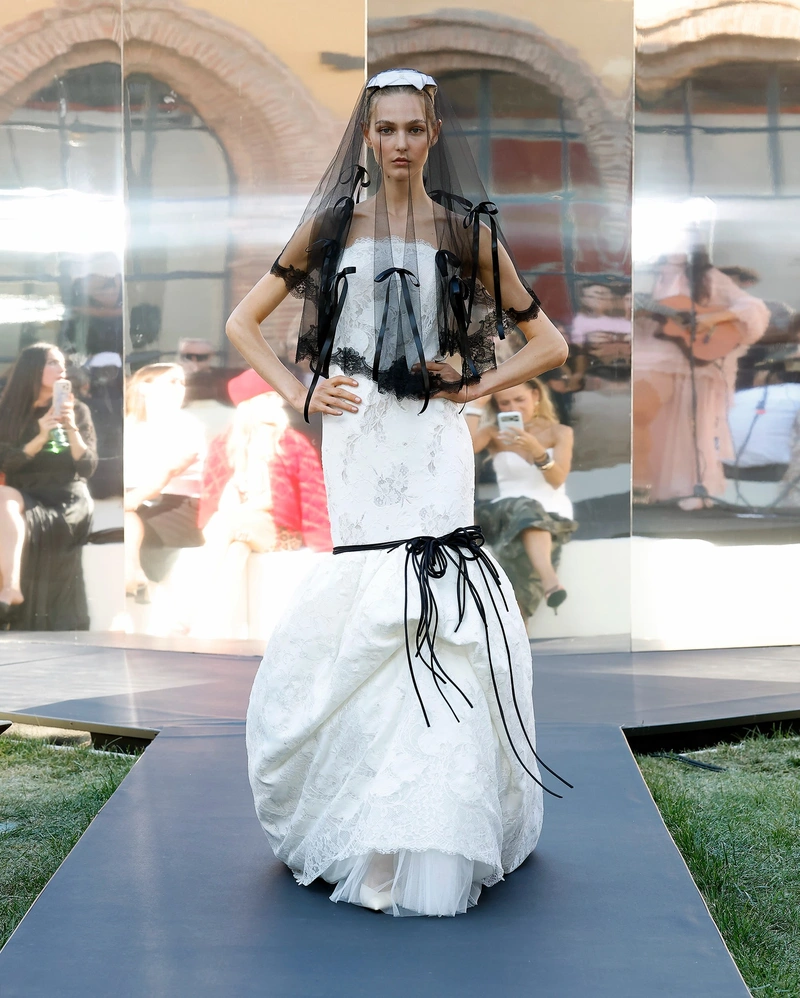
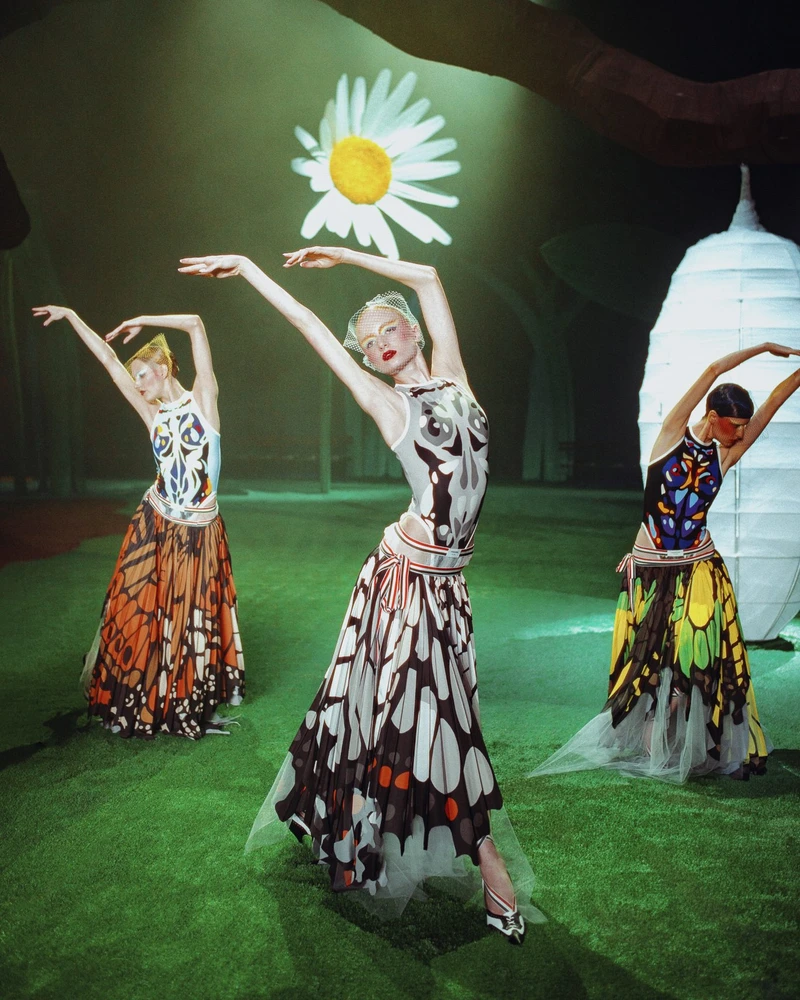
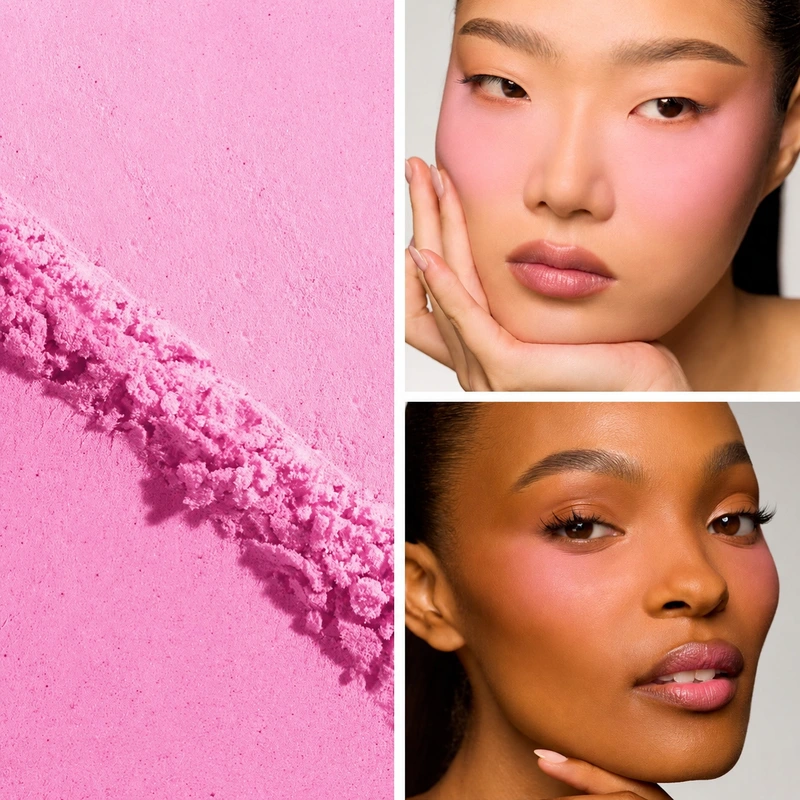
The clearest evidence sits in how makeup artists are applying the colour. At Schiaparelli Fall 2026 Couture, Pat McGrath echoed the collection’s butter yellow, mint, and lilac surfaces through ethereal pastel highlights across the models’ faces. Lavender occupied territory traditionally reserved for pink blush or champagne highlighter, allowing an unconventional hue to behave like part of the complexion itself.
Celebrity makeup artist Pooja Rohira Fernandes points to colour theory as the reason the idea travels further than cool skin tones. Lilac can interact beautifully with olive and warmer complexions, especially when its saturation, depth, and placement are adjusted. That professional perspective changes the conversation. The shade becomes a tool for balancing and illuminating the face, with practical value alongside visual novelty.
Dior Couture offered another persuasive example earlier in the year. Peter Philips paired luminous skin with a sheer lilac flush and restrained eye makeup. The colour worked because its application language already belonged to familiar beauty: translucent pigment, diffused edges, and skin still visible beneath. A purple cheek can therefore feel as intuitive as pink once the intensity falls and the texture becomes seamless.
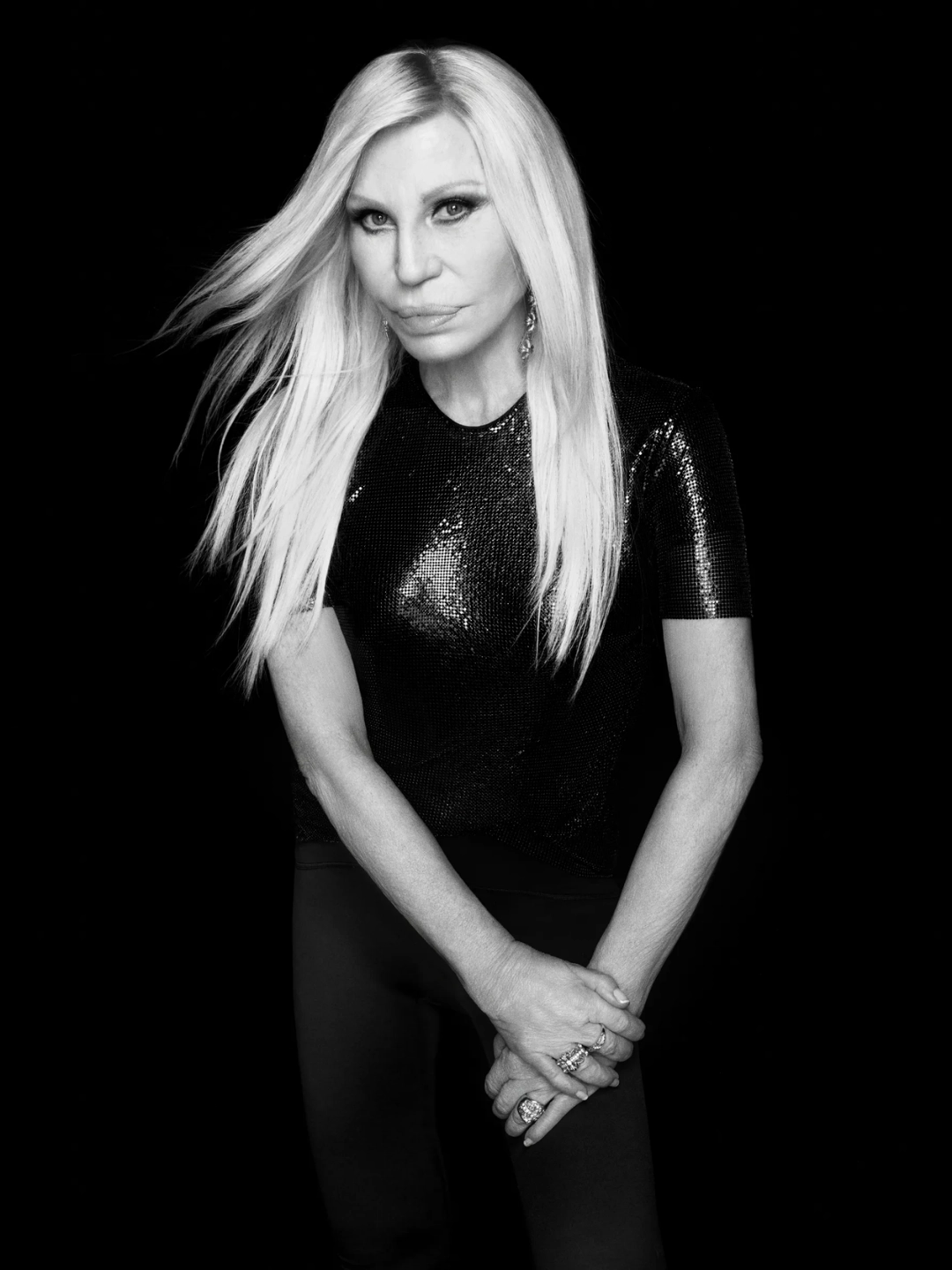
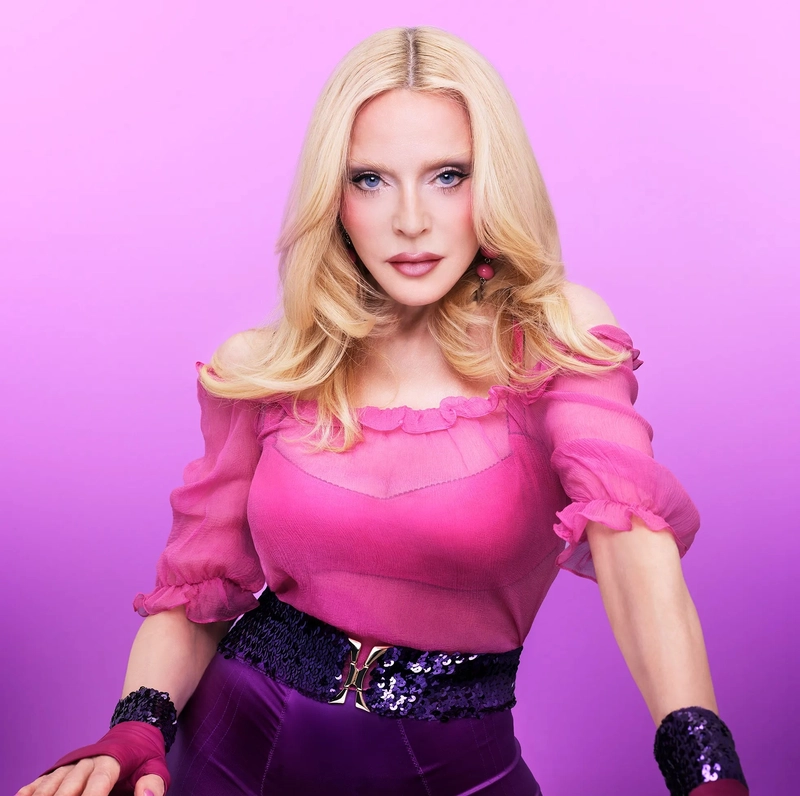
Madonna gives lilac a different kind of cultural authority. In June 2026, she became KIKO Milano’s first global brand ambassador, fronting The KIKO Show under the makeup direction of Marcelo Gutierrez. Their wider beauty language has repeatedly folded lilac into smoky eyes alongside taupe, cool blue, pearl, and reflective finishes, while Gutierrez has even distilled the look into a deceptively simple formula: blush, lilac around the eyes, mascara, and sparkle. On a woman whose beauty image has survived four decades of reinvention, the shade escapes its fairy-pastel associations and acquires something far more persuasive: longevity.
A beauty colour becomes culturally significant when it migrates between categories. Lilac has already travelled from eyeshadow into blush, liner, nails, fashion, packaging, and fragrance imagery. That movement gives the trend commercial depth.
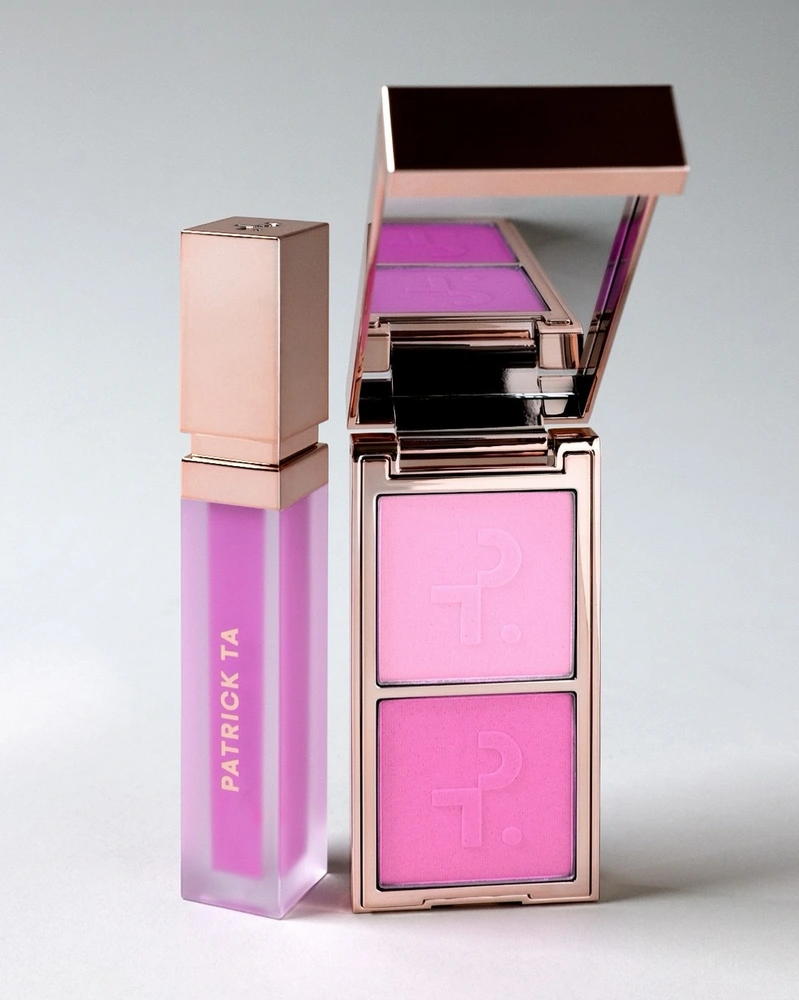
Patrick Ta Liquid Transition Brightening Blush in Between Us demonstrates the shift particularly well. The sheer lilac liquid is designed to brighten beneath the eyes and connect concealer with cheek colour. Here, purple performs a structural job inside the complexion routine. It can sit beneath another blush, shape a gradient, and create luminosity before the final colour arrives. A hue that once functioned as decoration now participates in complexion engineering.
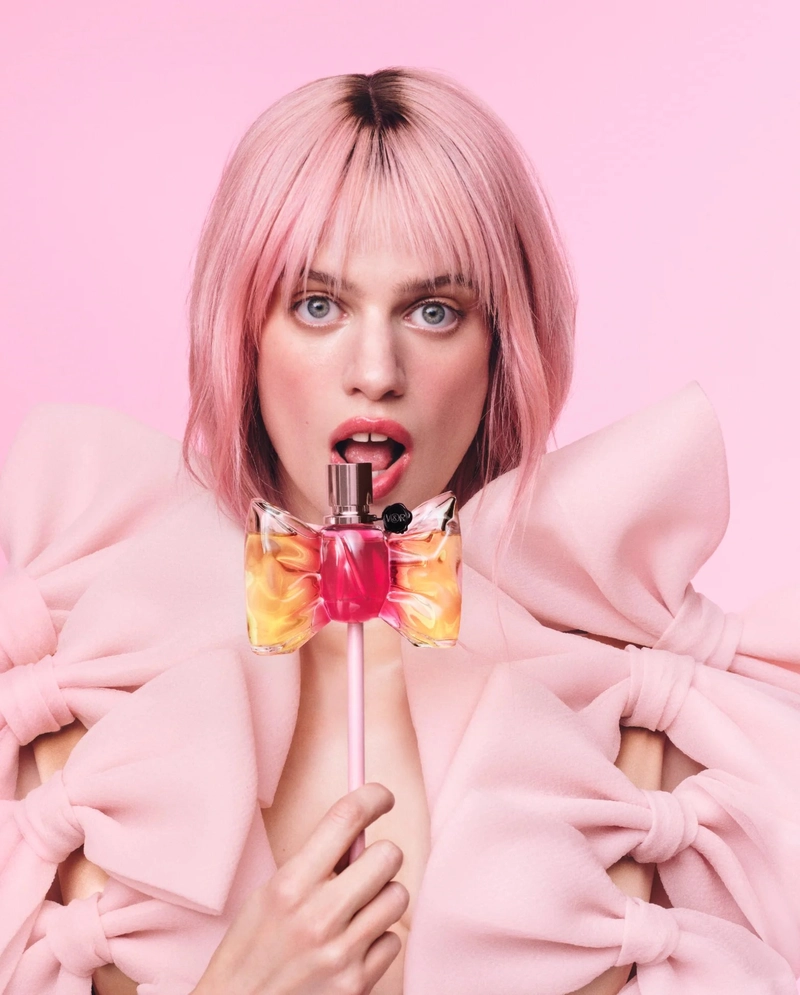
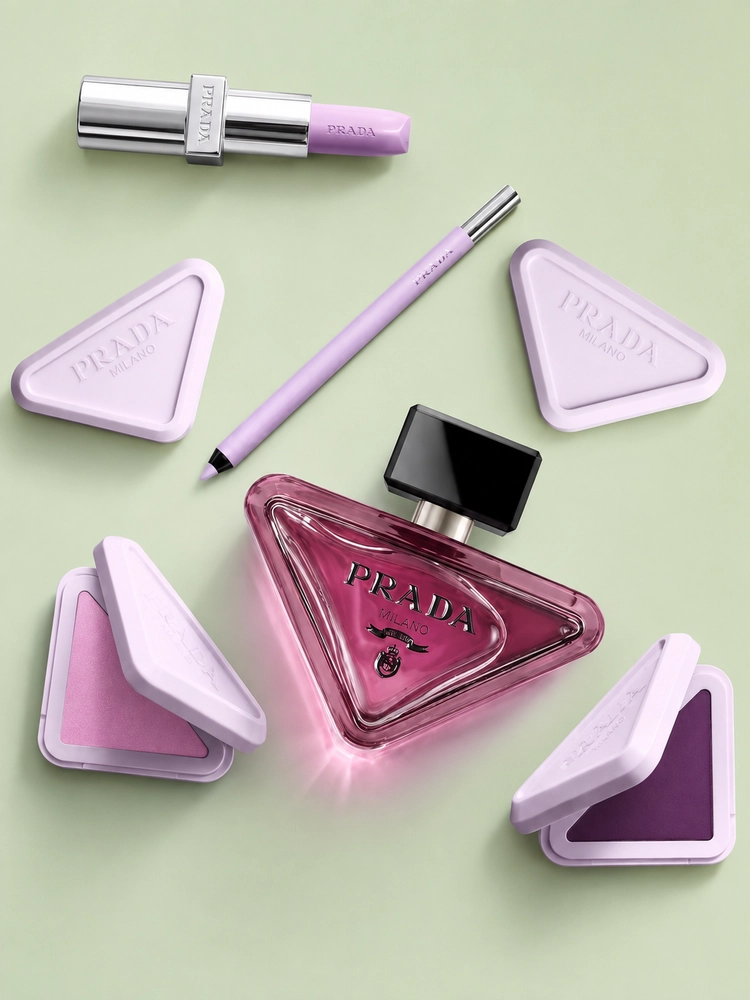
Prada pushes the idea into a wider beauty universe. The house has introduced Glycine, a violet Pradalines eye pencil, while its Wisteria beauty story extends purple through new blush and lip shades. Around the same moment, Paradoxe Sweet Chemistry enters the fragrance conversation with blackcurrant syrup, orange blossom, and creamy neroli milk wrapped in a purple-coded visual identity. The scent contains its own composition, while the surrounding colour language shows how lilac can organize an entire beauty mood beyond makeup alone.
The phrase “new nude” therefore says something larger about the changing definition of neutrality. Nude once described proximity to skin. In 2026, it increasingly describes familiarity, versatility, and emotional ease. Lilac has kept its strangeness while becoming comfortable enough to reach for on an ordinary morning.
Advertisement