




Seven minutes of bidding transformed a geometric mirror mosaic into an $844,800 masterpiece. At Christie's inaugural Abu Dhabi fine art auction, the appetite for objects worth collecting revealed an increasingly ambitious generation of buyers, alongside a remarkable reassessment of Middle Eastern artistic heritage.
Objects Worth Collecting At Christie's Abu Dhabi Debut
Seven minutes of bidding transformed a geometric mirror mosaic into an $844,800 masterpiece. At Christie's inaugural Abu Dhabi fine art auction, the appetite for objects worth collecting revealed an increasingly ambitious generation of buyers, alongside a remarkable reassessment of Middle Eastern artistic heritage.
November 1, 2026


On November 1, 2026, The Abu Dhabi EDITION hosted MAWASIM: 20 Years of Modern and Contemporary Middle Eastern Art, marking two decades since Christie's first fine art auction in the United Arab Emirates.
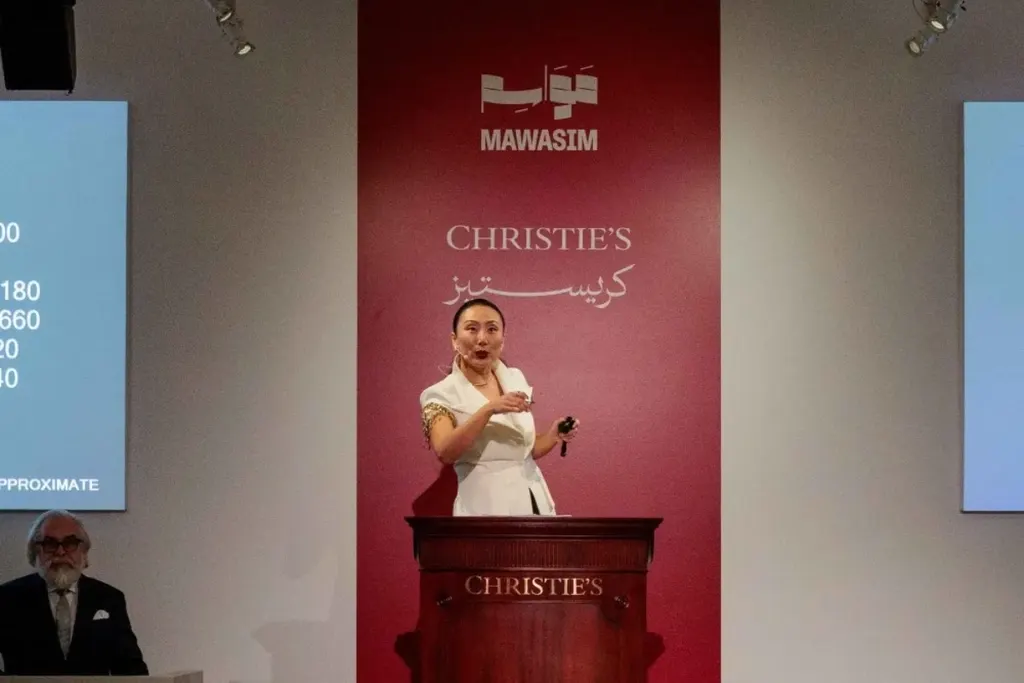
The evening generated $8.94 million, the auction house's highest total for a Modern and Contemporary Middle Eastern Art Evening Sale in more than a decade. Nine artist auction records were established, reinforcing growing international recognition of the region's artistic heritage. More than 30% of registered bidders belonged to the Millennial and Gen Z generations, while 37% were newcomers to Christie's. The audience reveals the inevitable transition to the new Gen Z art market.
Beyond the impressive figures, these demographics suggest an evolving understanding of objects worth collecting, shaped by younger buyers seeking cultural significance alongside artistic distinction.
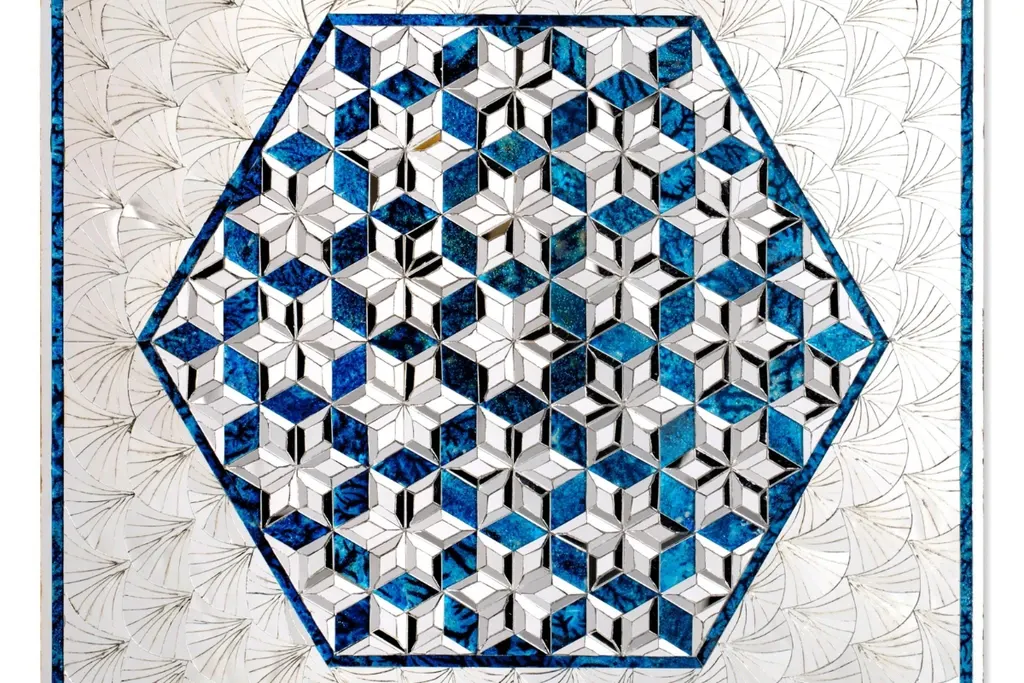
Iranian artist Monir Shahroudy Farmanfarmaian dominated the evening with Variations on the Hexagon (2006). Combining intricate mirror mosaics with reverse-glass painting, the composition transforms traditional Persian geometric principles into a dazzling optical structure. Estimated at $150,000–$250,000, it achieved $844,800 after nearly seven minutes of competitive bidding.
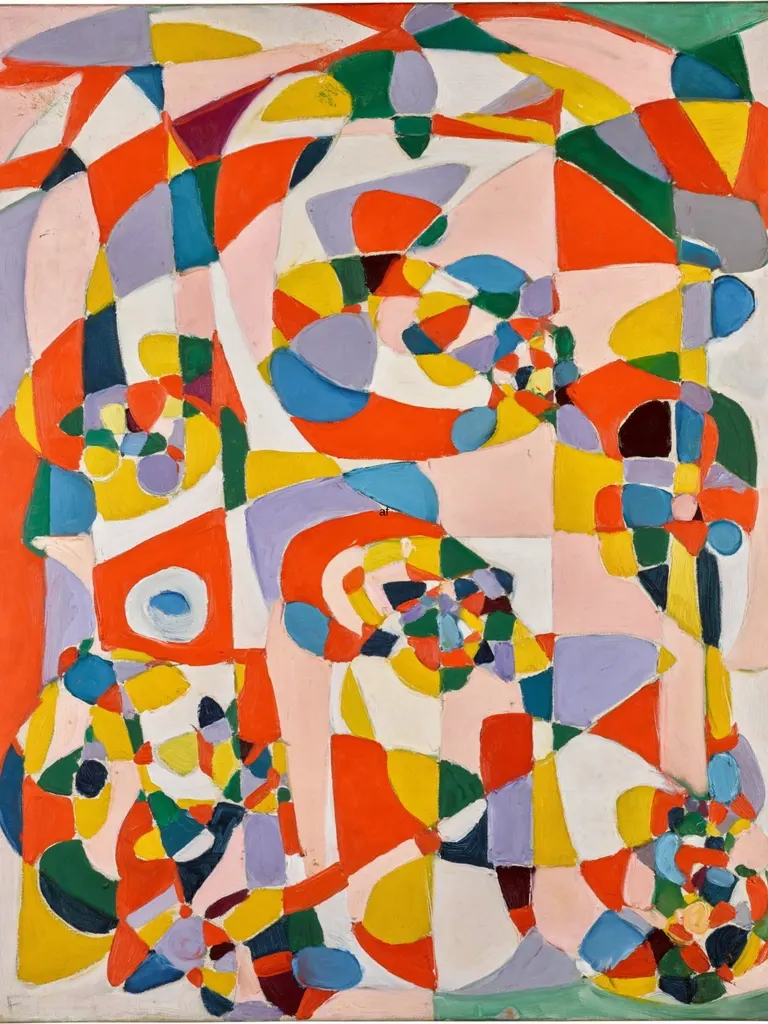
Female modernists attracted considerable attention. Turkish-Jordanian painter Fahrelnissa Zeid's Composition (1948–1949) reached $524,800, while her later portrait Endless Thoughts achieved $486,400.
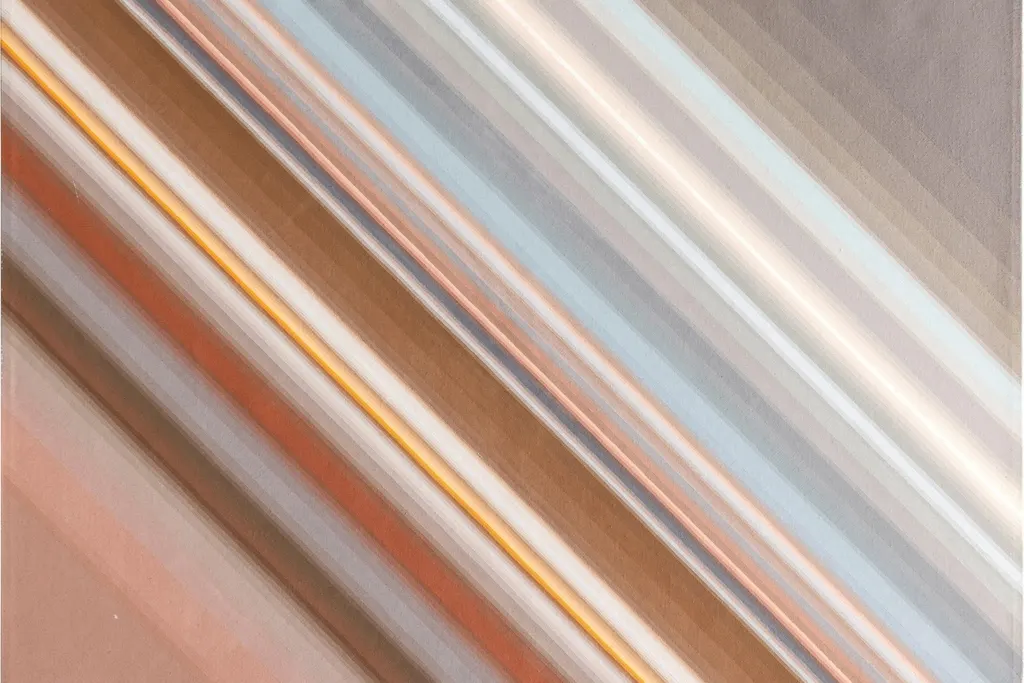
Palestinian-American abstractionist Samia Halaby's Yesterday (1978) sold for $358,400, exceeding expectations. Works by women accounted for approximately $3.32 million of the sale's total.
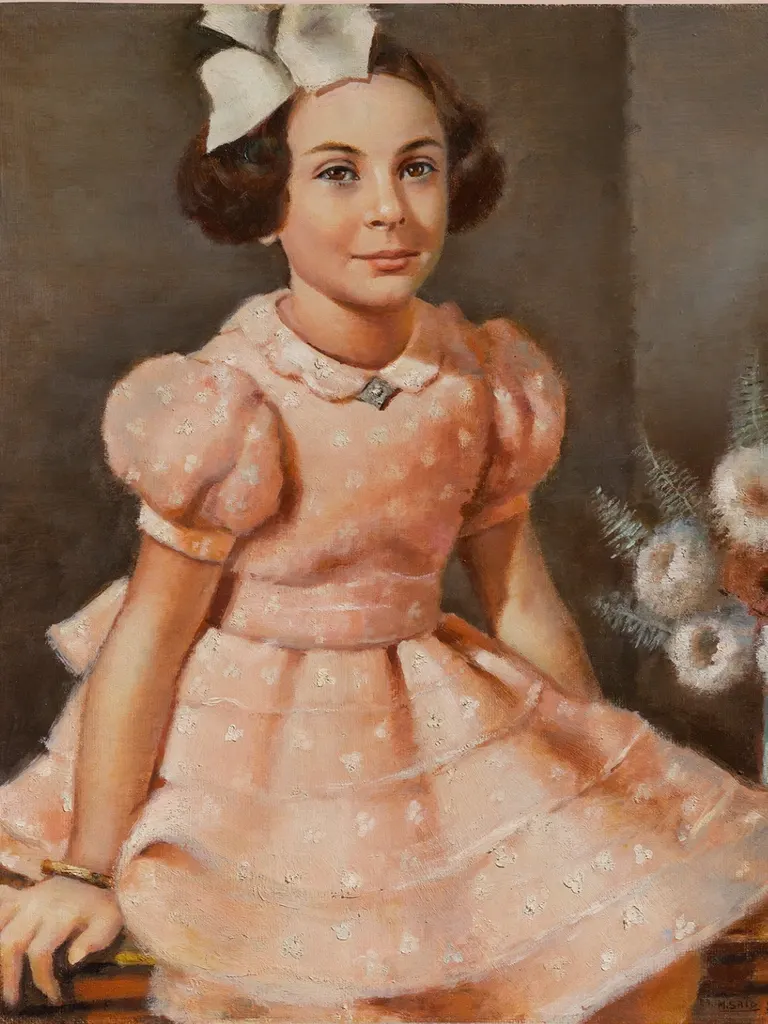
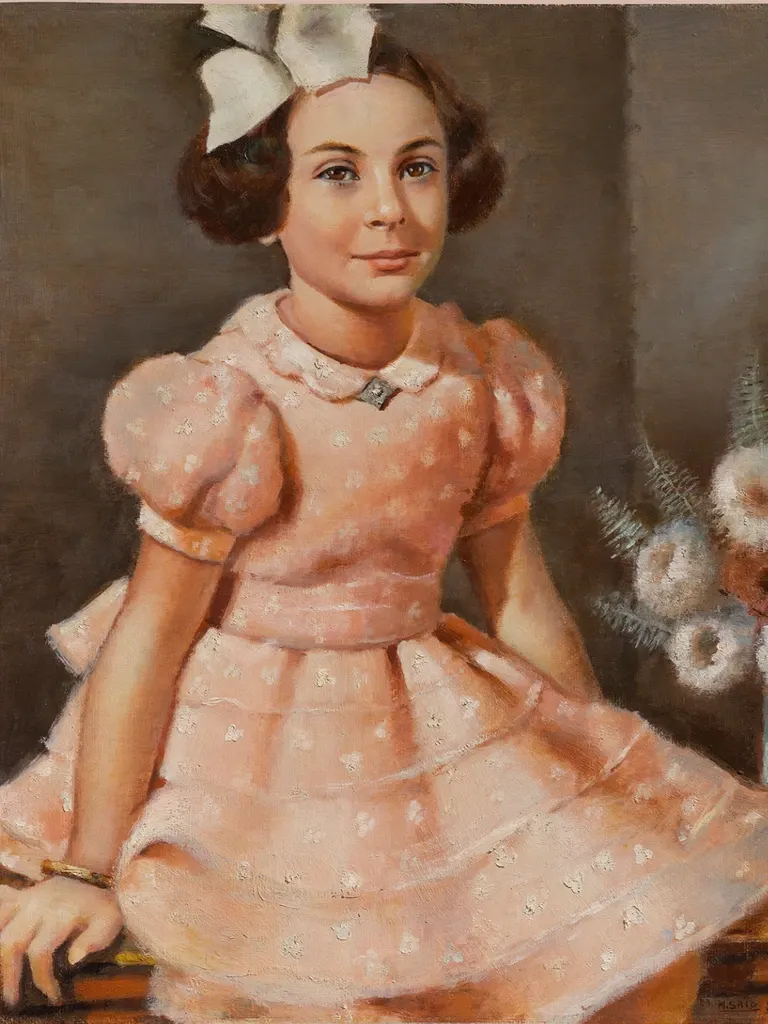
Historical provenance also commanded attention. Egyptian modernist Mahmoud Saïd's Portrait de Princesse Fadia (1952), originating from Queen Farida's collection, achieved $486,400. Painted shortly before Egypt's monarchy ended, the portrait carries historical significance extending beyond its artistic qualities.
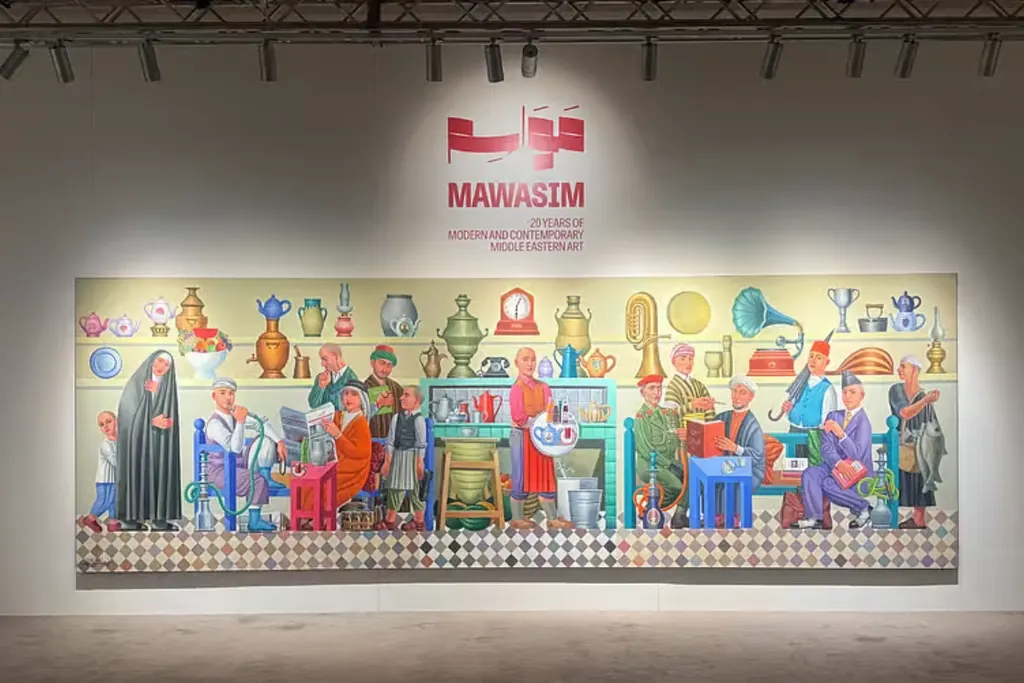
Meanwhile, Faisel Laibi Sahi's six-metre Baghdad Café (The Coffee Shop) (2016) realized $512,000, demonstrating collectors' interest in monumental narratives of regional identity.
For decades, Dubai served as the Gulf's principal commercial art marketplace. Abu Dhabi's expanding institutional landscape, particularly the cultural development of Saadiyat Island, now offers a complementary environment for serious collecting.
Christie's debut illustrates a potentially consequential development: Middle Eastern modernism is attracting renewed attention within its own region.
The most compelling objects worth collecting carry histories that cannot be replicated. As Abu Dhabi strengthens its position within the international art market, cultural provenance may become just as influential as rarity in determining which masterpieces future generations choose to preserve.