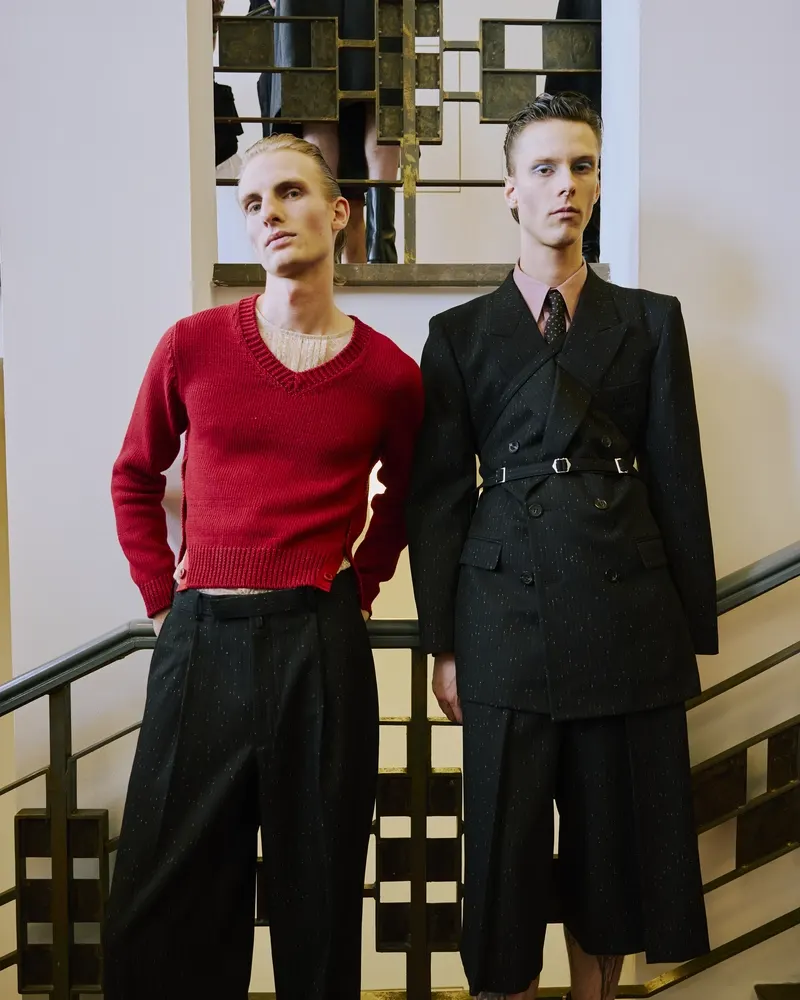
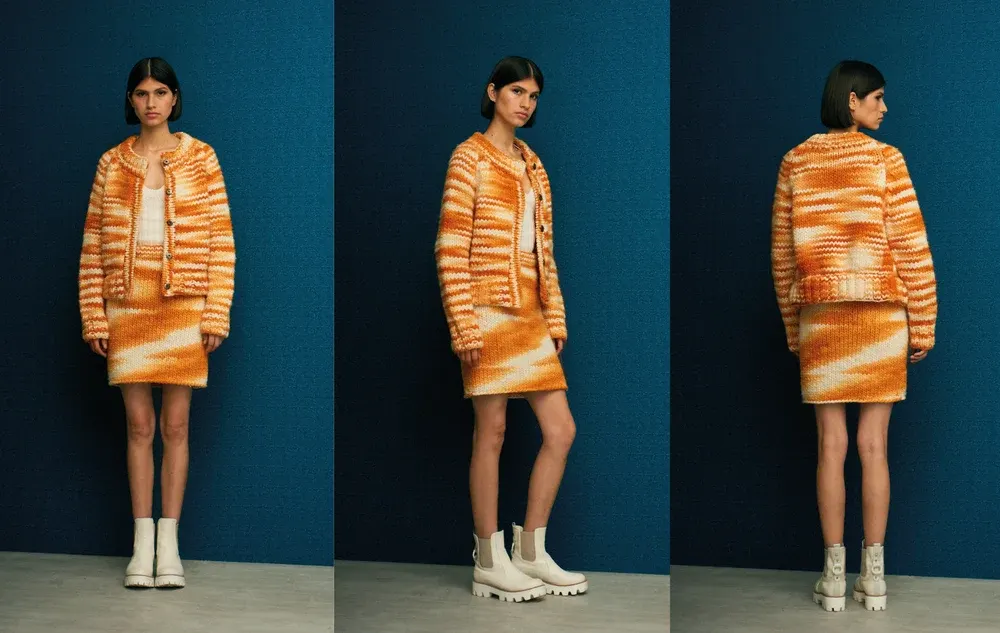
Wool is finding fresh expression in the hands of six designers, whose sculptural knits, vibrant patterns, and artisanal techniques reveal beauty in every stitch.
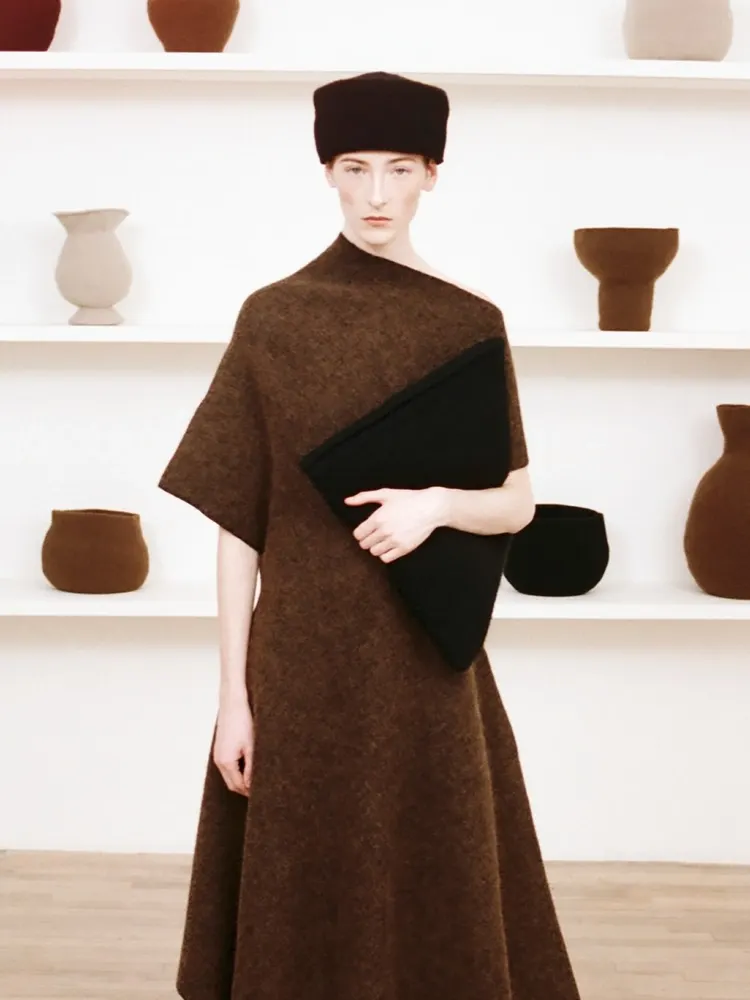
Wool, Softly Spoken and Beautifully Made
Wool is finding fresh expression in the hands of six designers, whose sculptural knits, vibrant patterns, and artisanal techniques reveal beauty in every stitch.
October 29, 2026


Wool has an extraordinary memory. It remembers the tension of a stitch, the movement of a knitting needle, and the gestures of the hands that give it shape. Run your fingers across a thick ribbed sweater and its texture reveals the rhythm of construction. Slip into a loosely knitted cardigan and the fabric gradually settles around the body, developing its own silhouette through movement and gravity.
Behind this tactile experience lies a remarkably versatile natural material. The crimped structure of wool fibers contributes elasticity and loft, while variations in yarn thickness, twisting, and knitting techniques create different densities and textures. These properties have given generations of designers opportunities to experiment with volume, warmth, and construction.
Today, wool is attracting renewed creative attention from designers whose approaches extend across traditional craftsmanship, textile innovation, and contemporary cultural expression. Across six distinct fashion labels, the material becomes an opportunity to explore the enduring relationship between clothing, creativity, and the people who make it.
Lauren Manoogian: The Quiet Poetry of Wool
For New York-based designer Lauren Manoogian, the beauty of knitwear begins with an intimate understanding of natural fibers. Since establishing her namesake label in 2008, Manoogian has developed a distinctive visual language through sculptural silhouettes, organic textures, and an intuitive approach to garment construction.
Her creative practice maintains a close relationship with Peru, where much of the brand's knitwear is produced through collaborations with specialist artisans. Alpaca, wool, and other natural fibers become the foundation for generously proportioned sweaters, draped cardigans, and softly structured dresses.
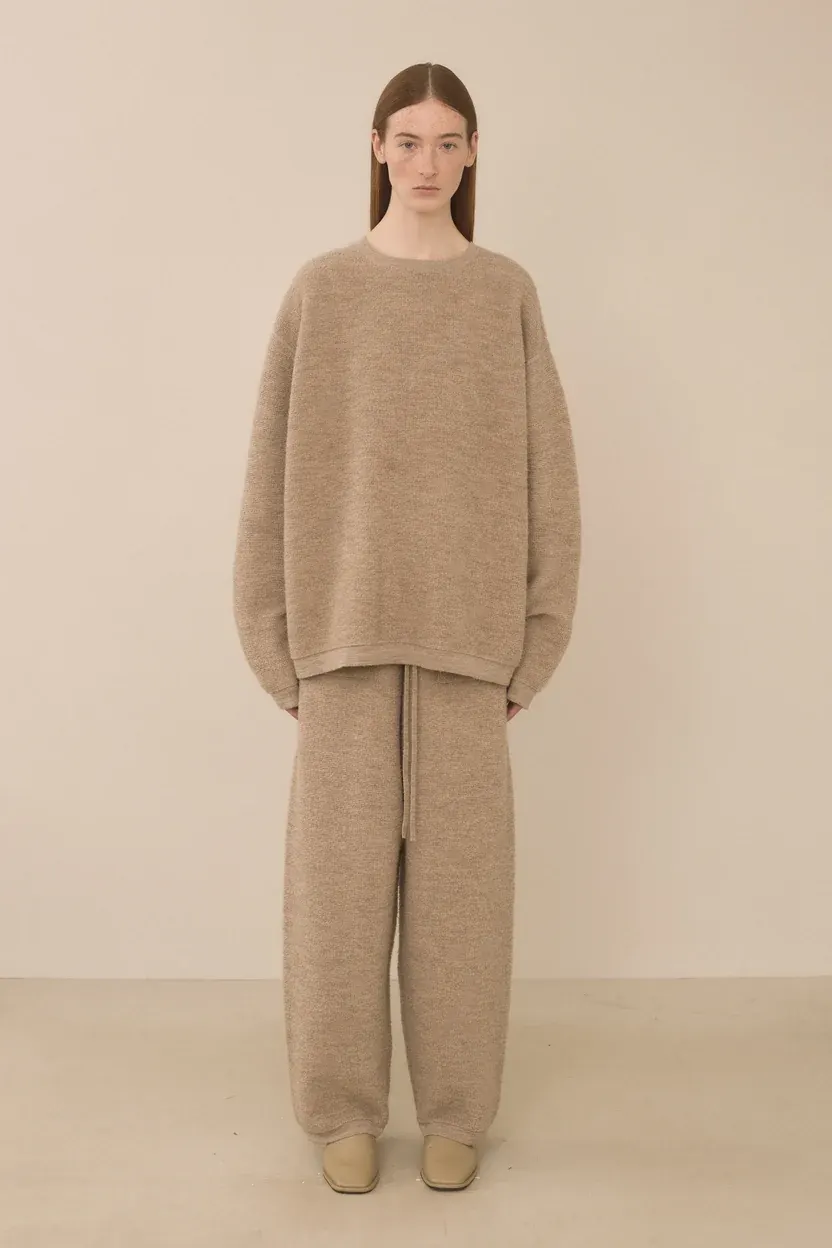
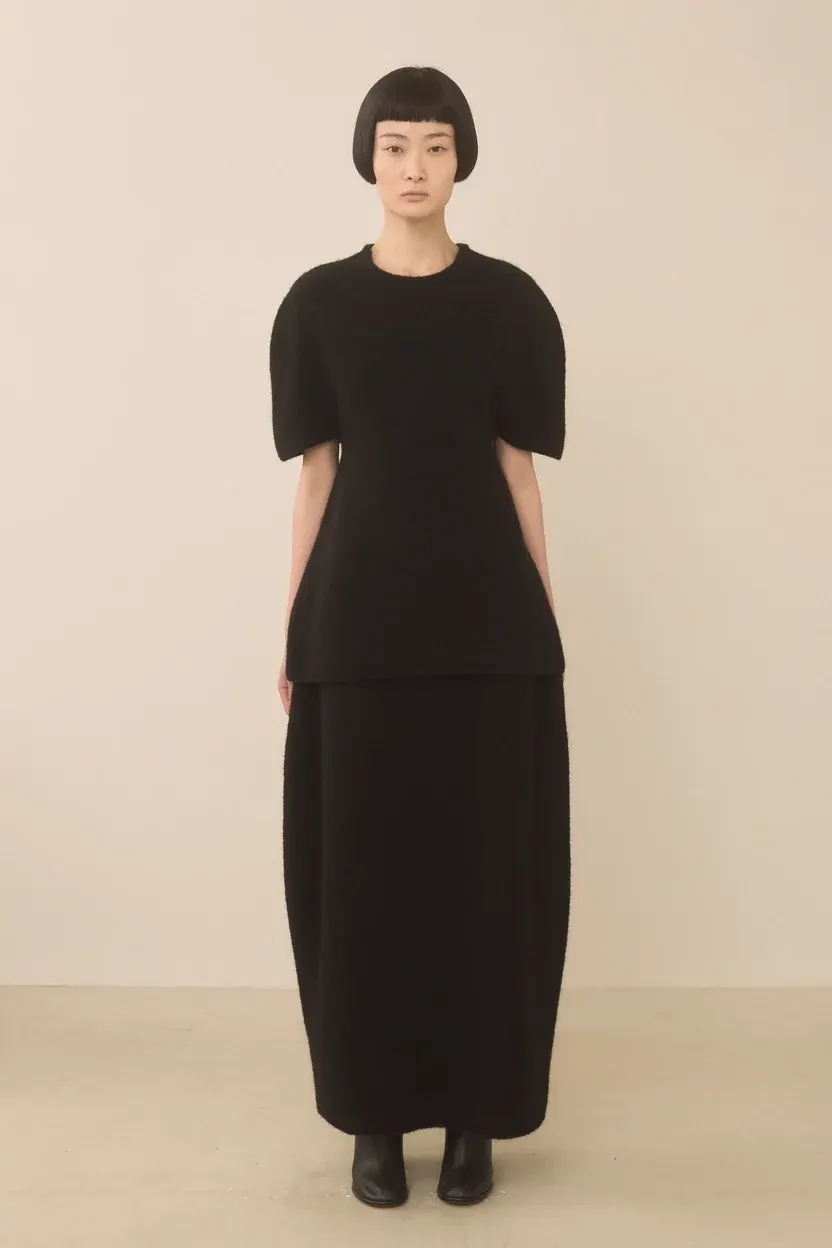
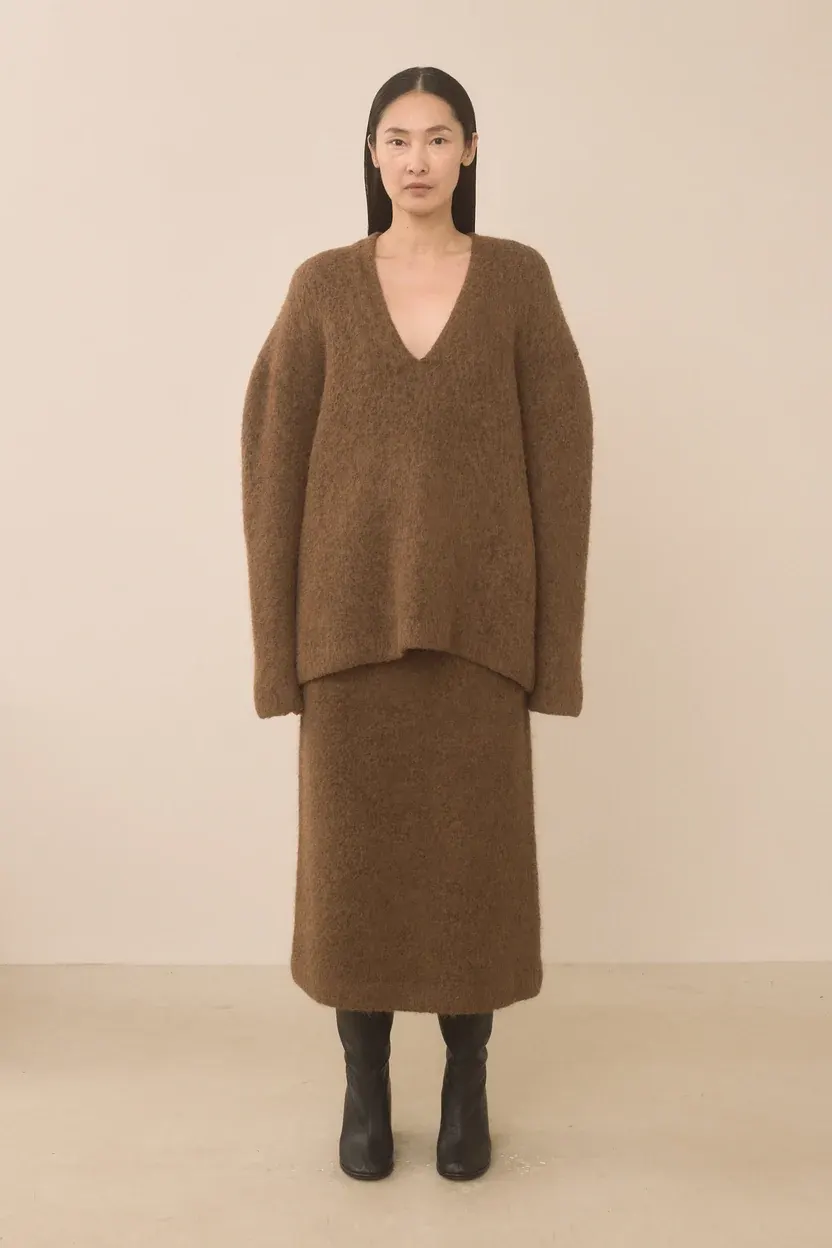
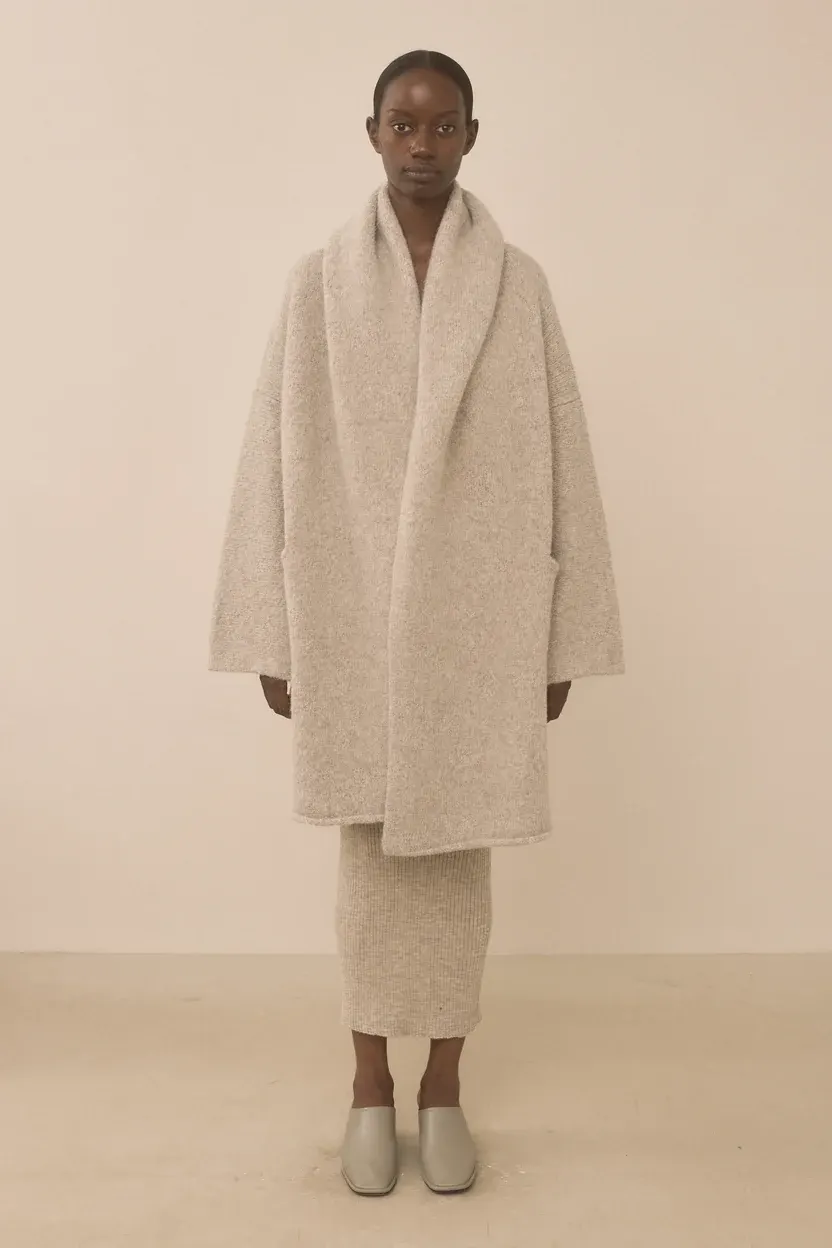
The label's exploration of draped shapes illustrates this sensibility through enveloping volumes and quietly architectural proportions. Its restrained palette of earthy browns, creams, and muted neutrals encourages attention to the surface of each garment, revealing the subtle irregularities that distinguish natural fibers and artisanal production.
Manoogian's approach celebrates the expressive potential of material itself. The resulting garments possess a sculptural presence shaped through weight, texture, and the designer's understanding of how knitted fabric responds to the body.
Andersen-Andersen: Wool with a Sailor's Soul
A sailor's sweater carries generations of practical knowledge within its construction. Danish knitwear label Andersen-Andersen has built its identity around this heritage, translating the technical intelligence of maritime clothing into contemporary garments.
Founded in 2009 by Cathrine Lundgren-Andersen and Peter Kjær-Andersen, the family-owned brand specializes in substantial wool knitwear inspired by traditional workwear worn at sea.
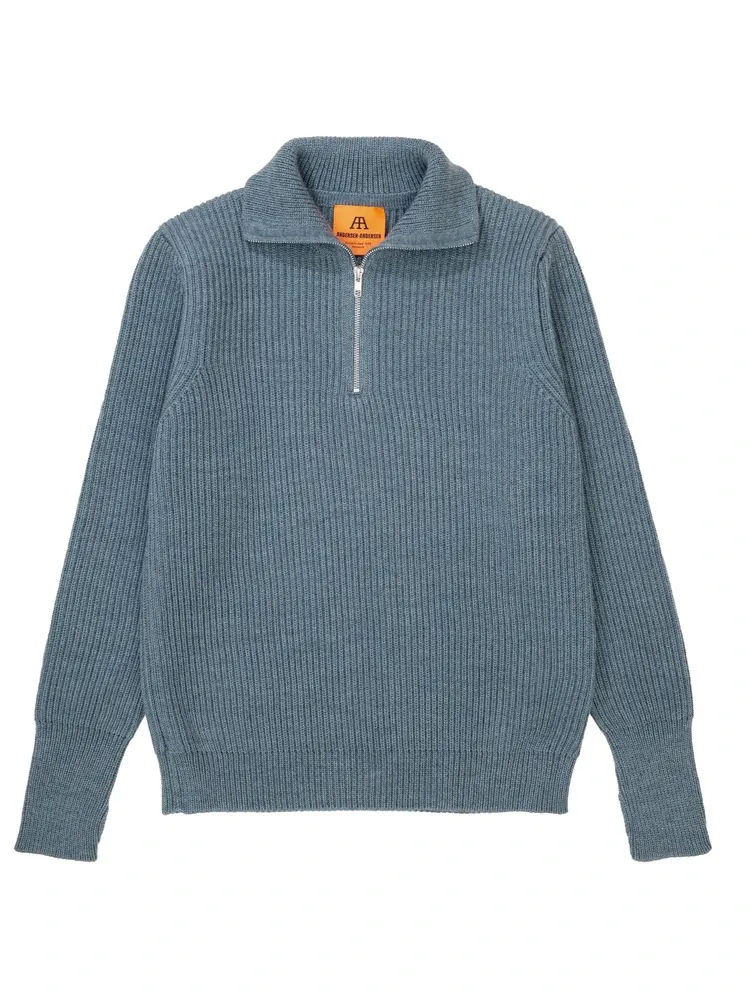
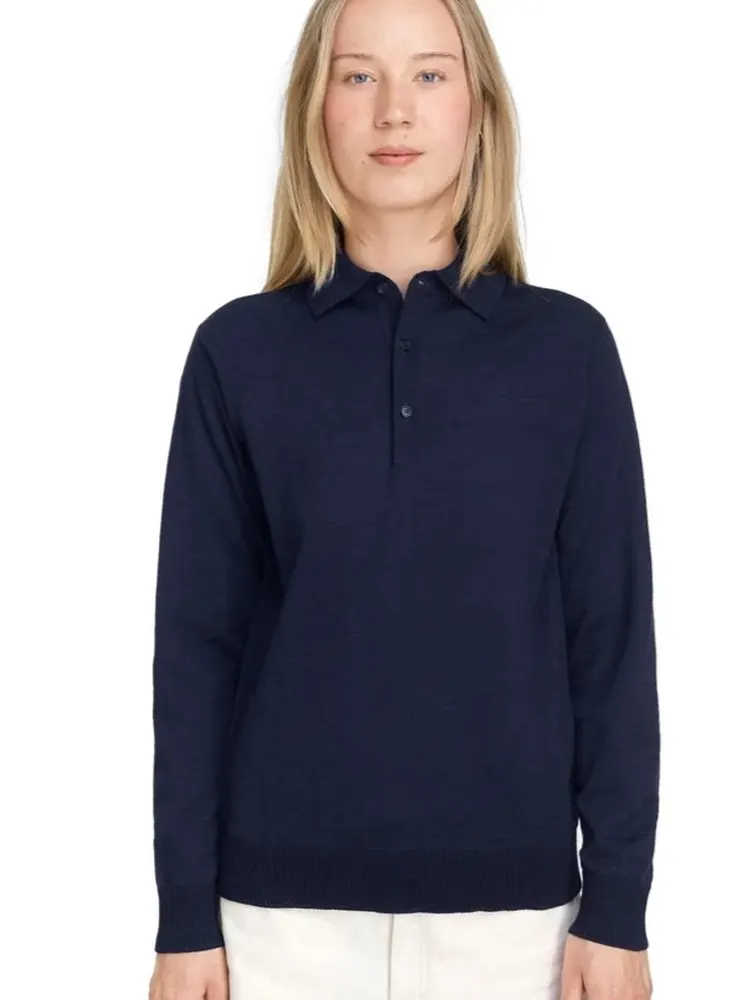
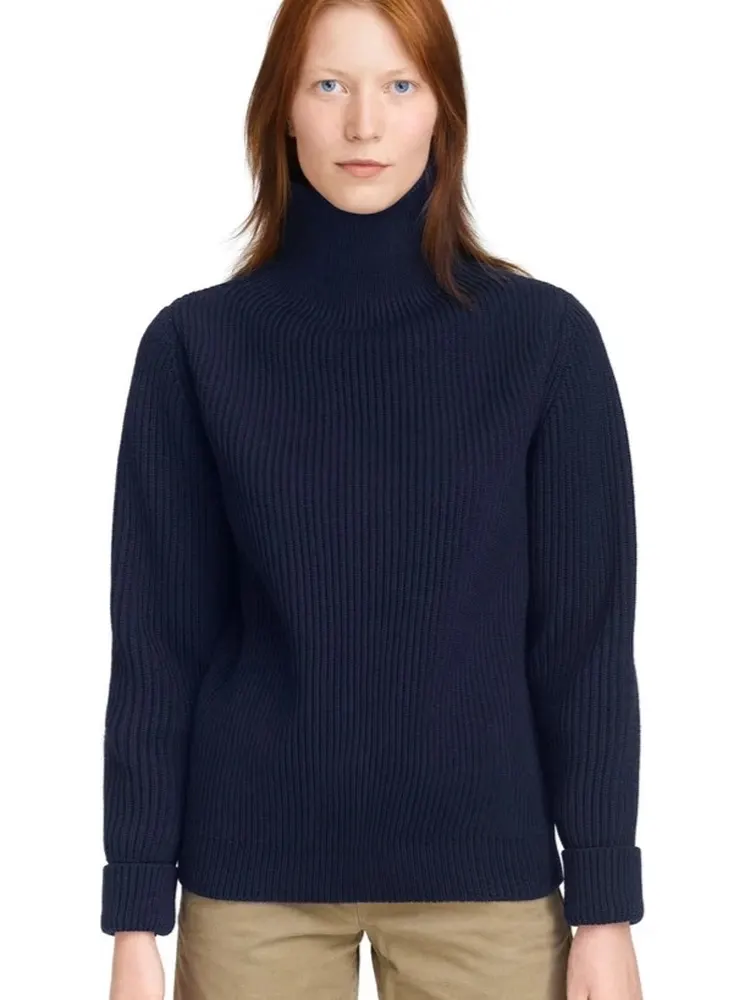
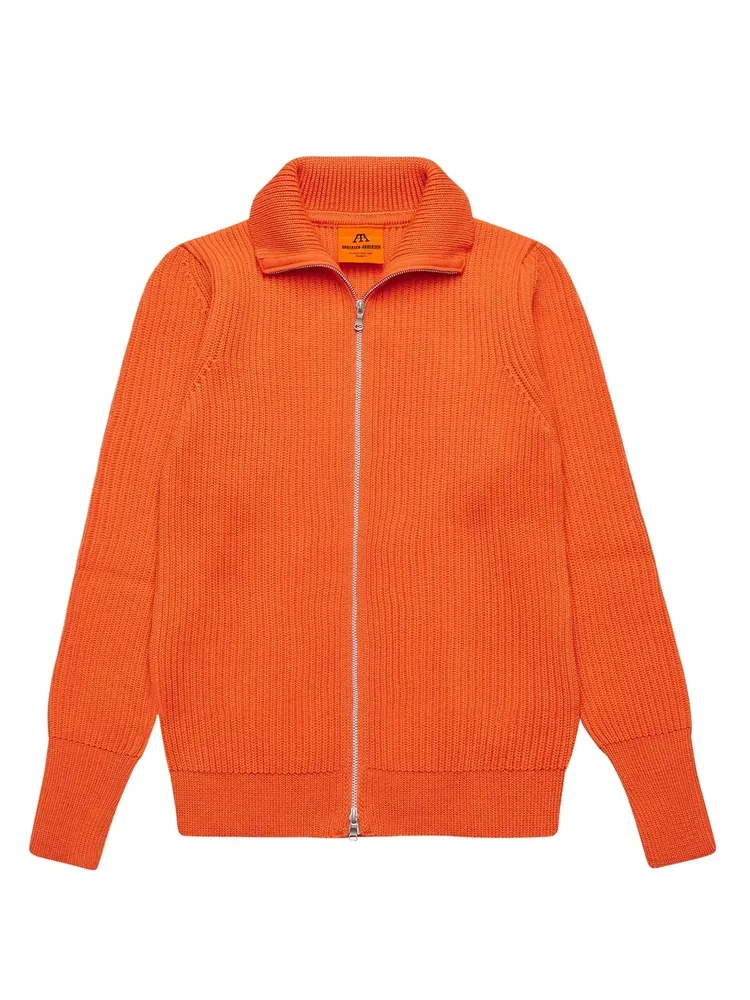
Its signature Sailor Sweater demonstrates the consideration behind seemingly familiar silhouettes. Crafted from tightly spun wool yarn, the garment employs a half-cardigan stitch, creating a dense ribbed texture with impressive structure. Symmetrical construction allows the sweater to be worn with either side facing forward, while integrated thumbholes contribute additional coverage around the hands.
These details reflect a design philosophy grounded in durability and purposeful construction. The brand's sweaters retain the visual character of traditional maritime knitwear through substantial collars, carefully finished seams, and understated colors.
Within contemporary fashion, Andersen-Andersen offers a compelling example of how wool's structural properties can preserve functional design knowledge while supporting an enduring aesthetic.
pillings: The Beautiful Imperfection of Hand-Knitted Wool
Japanese designer Ryota Murakami approaches knitwear with an extraordinary appreciation for irregularity. At pillings, founded under its current identity in 2020, knitted garments become expressive sculptures shaped by the individuality of their makers.
The label collaborates with Japanese hand-knitting artisans, embracing the variations in tension and texture that emerge through manual construction. Its designs often feature distorted proportions, displaced seams, and unusual surfaces that give familiar garments unexpected personalities.
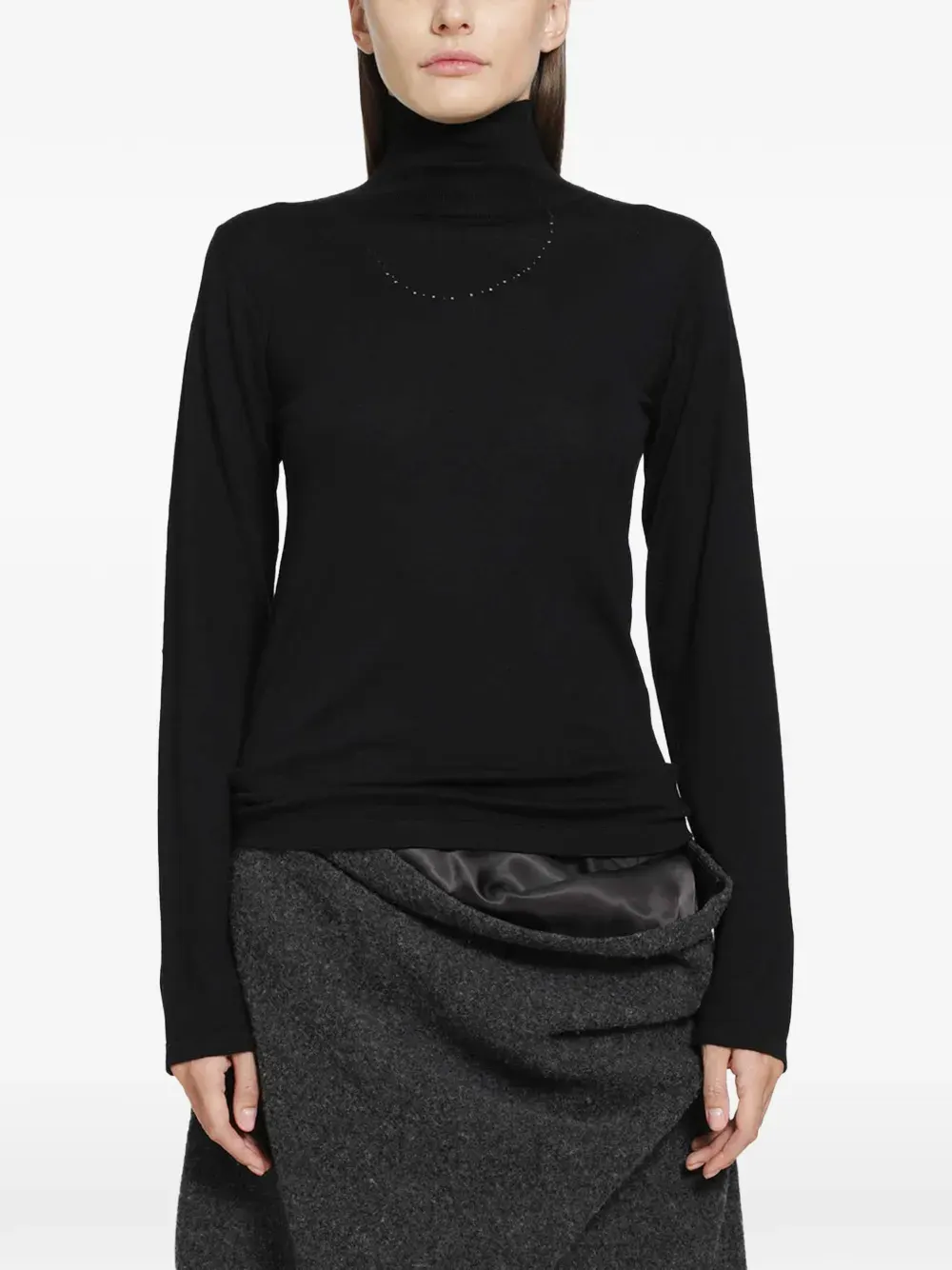
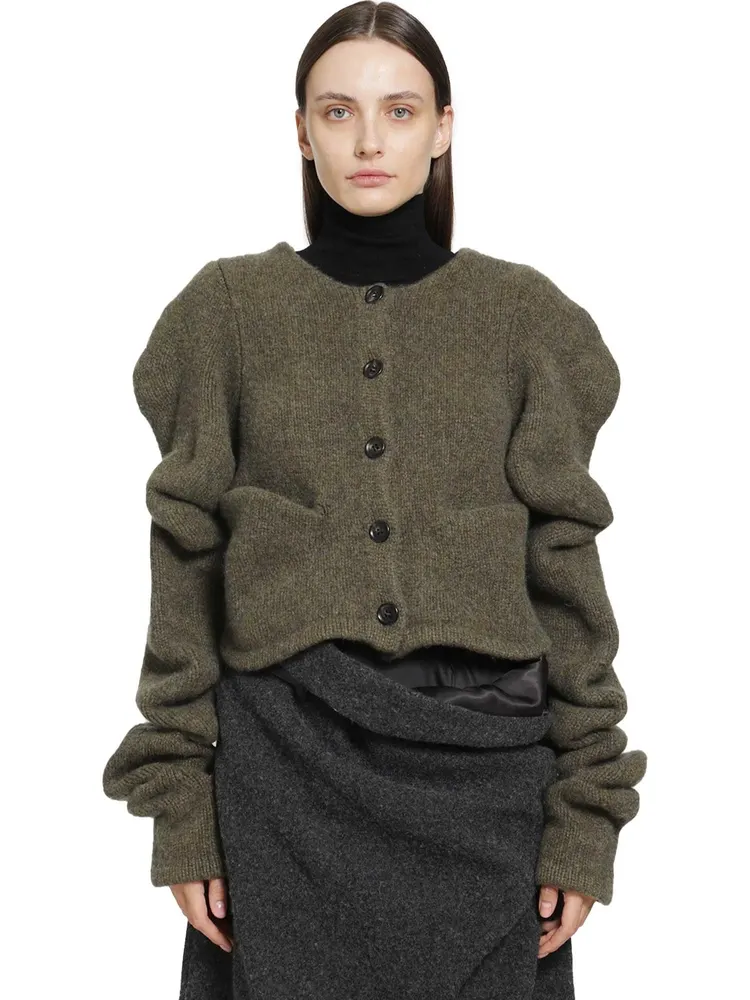
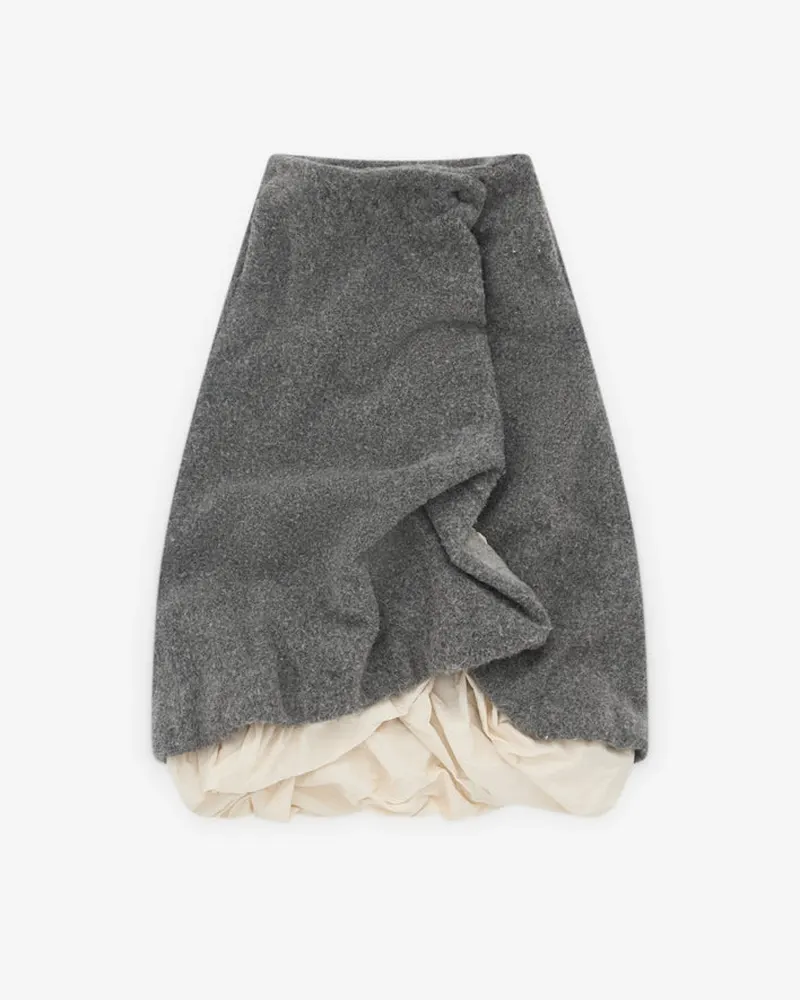
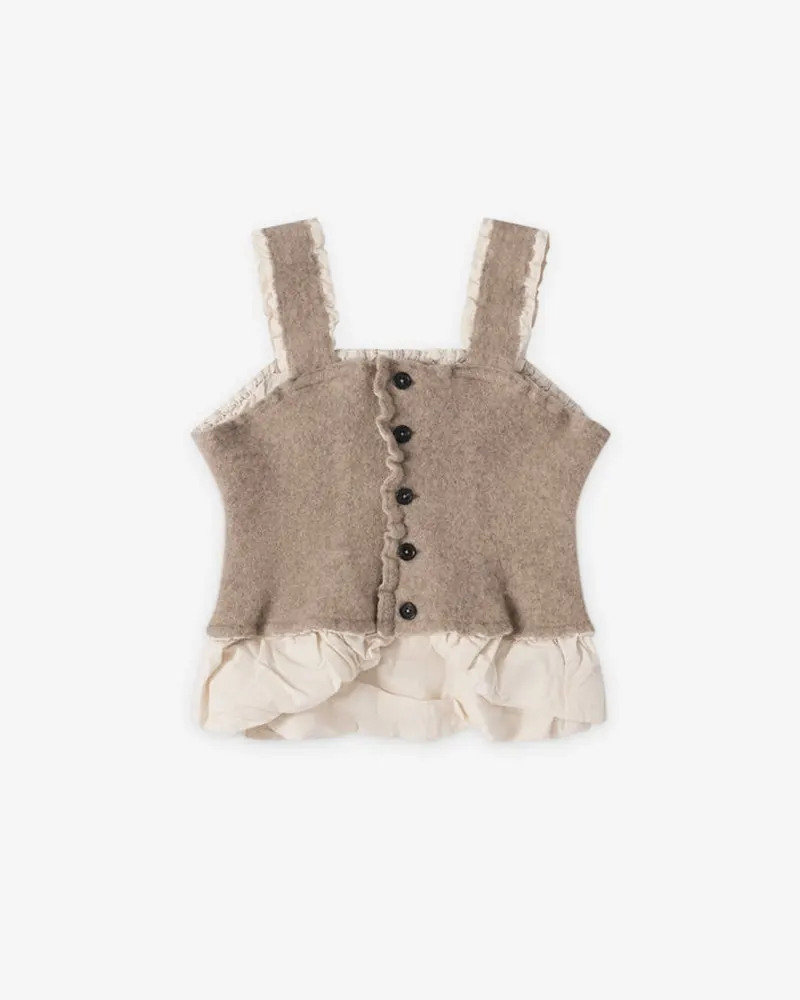
Murakami explored these possibilities through exaggerated knitted dresses, asymmetric buttoned cardigans, and sculptural wool garments. Knits stretched over crinolines created dramatic volumes, while carefully manipulated surfaces introduced deliberate folds and disruptions.
The brand's name references pilling, the small clusters of fibers that develop on knitted surfaces through wear. This association gives the label an intriguing philosophical dimension, drawing attention to the intimate relationship between garments, time, and human experience.
Through pillings, wool becomes a medium for exploring the expressive potential of handcraft, where the individuality of each stitch contributes to the garment's character.
Skall Studio: The Future of Danish Wool
On the Danish island of Funen, Hjelholt Uldspinderi has been spinning wool since 1878. Its continued operation provides an important foundation for Skall Studio, the Copenhagen fashion label founded by sisters Julie and Marie Skall in 2014.
The sisters have developed a close relationship with the historic spinning mill, working to strengthen a domestic supply chain connecting sheep farming, yarn production, and knitwear manufacturing.
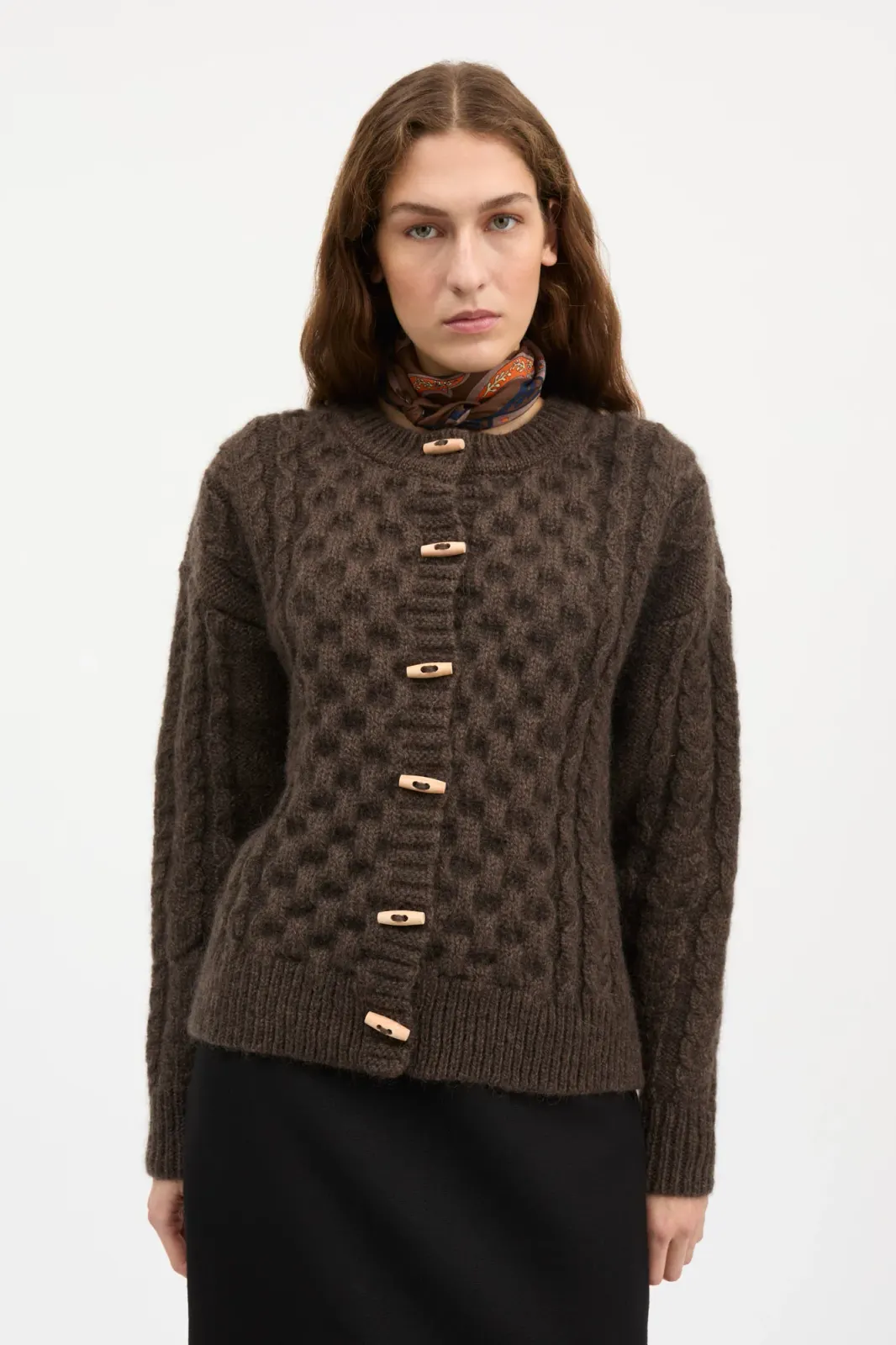
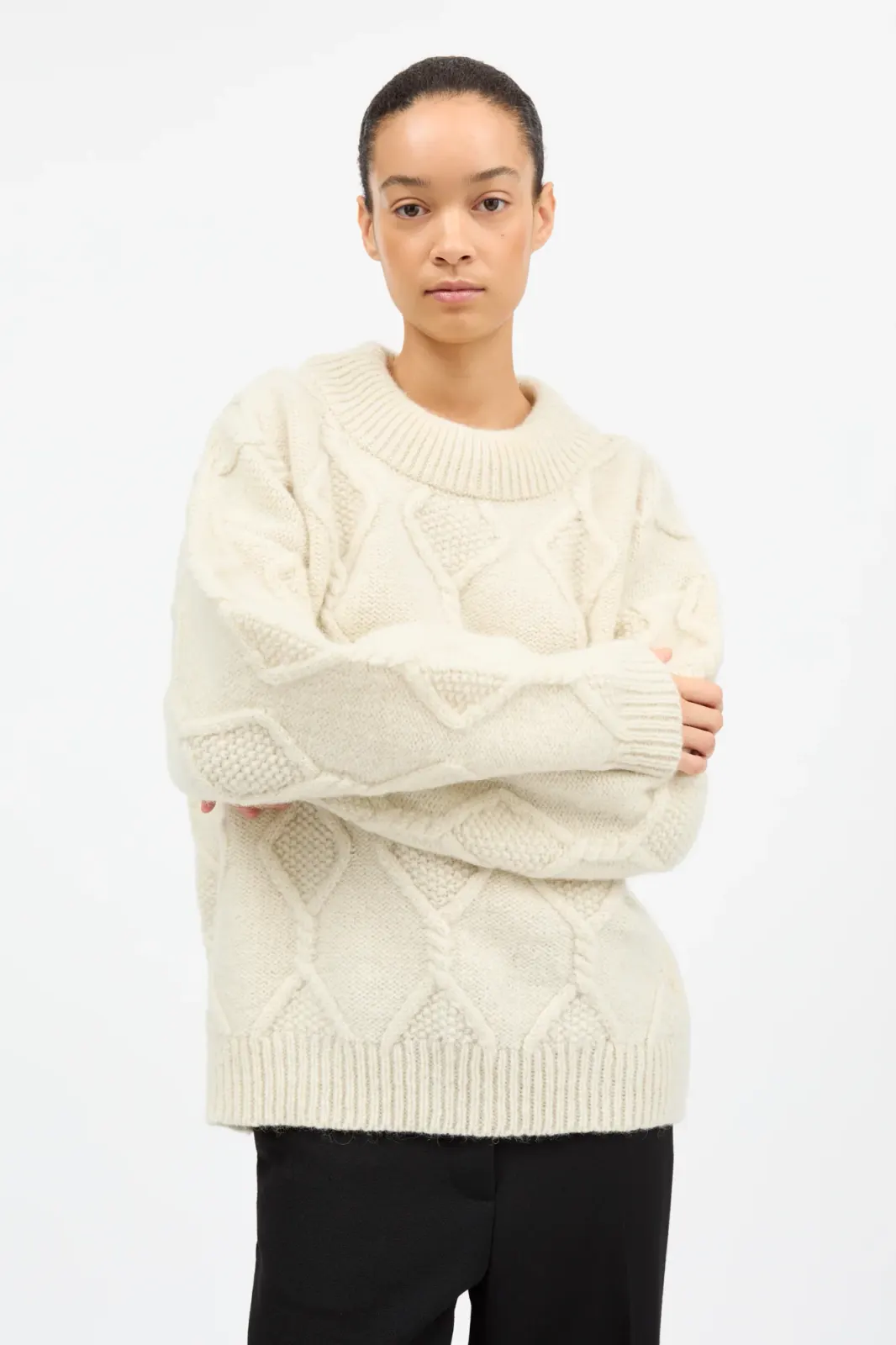
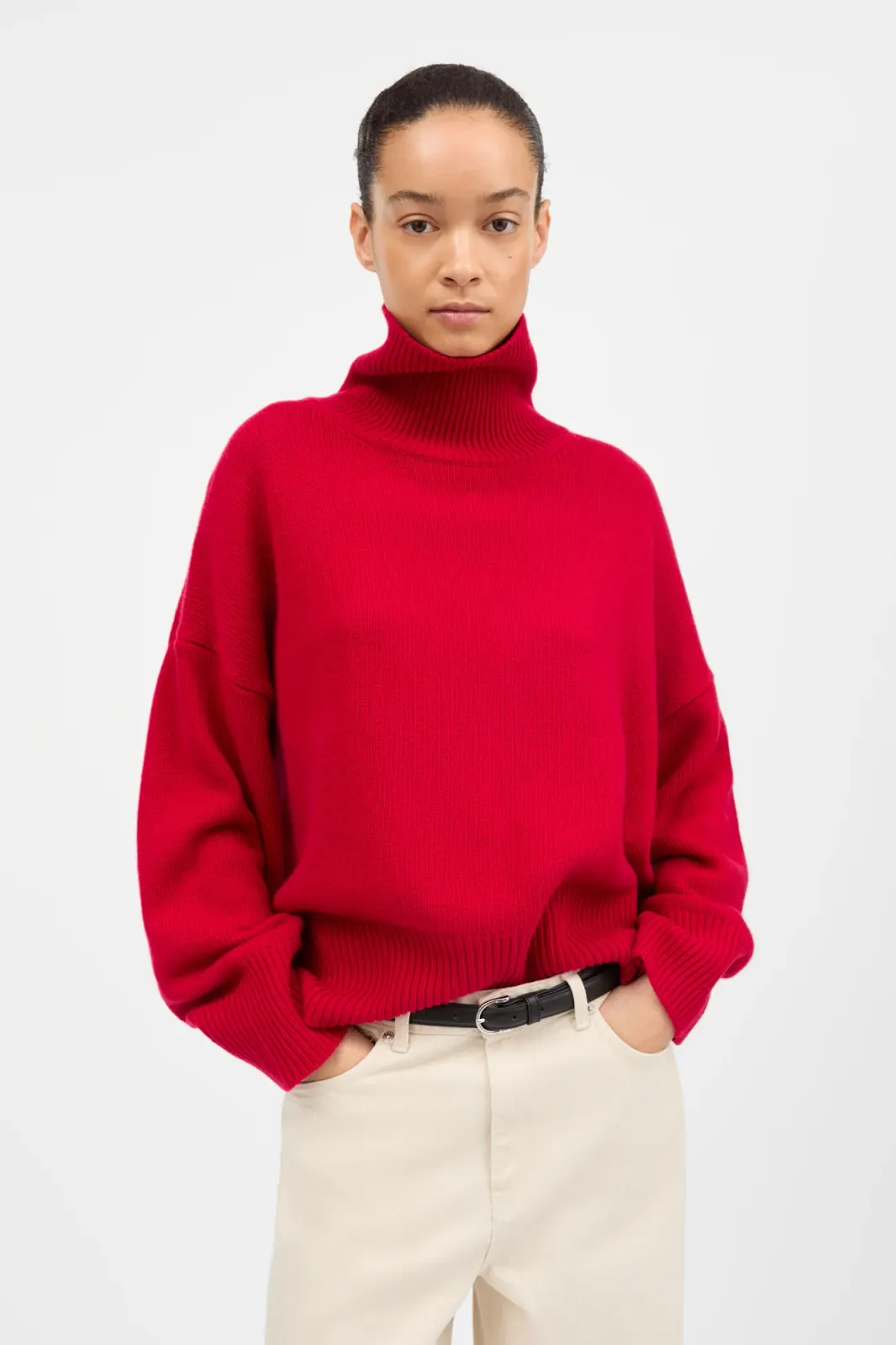
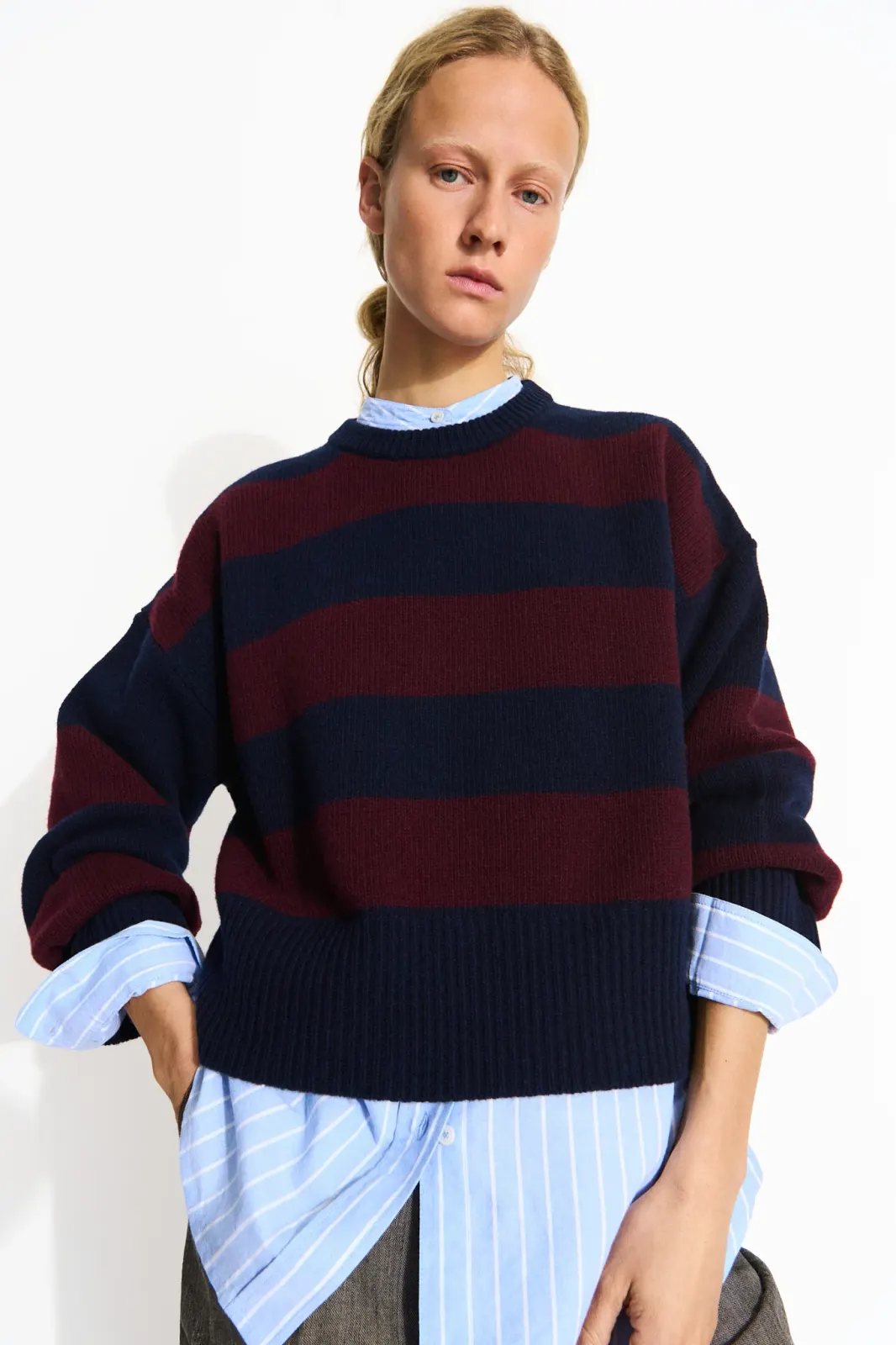
Their Danish wool collections celebrate the material's substantial texture through traditional cable patterns, ribbed constructions, and generous sweaters. Local wool's relatively coarse fibers produce a distinctive density, lending particular definition to raised stitches and elaborate knitted surfaces. Selected yarns incorporate certified merino wool to achieve specific softness and performance qualities.
The collaboration also reveals the complexity of preserving regional textile production. Limited manufacturing capacity and specialized machinery influence the possibilities of garment construction, encouraging designers to work closely with the technical knowledge of local producers.
For Skall Studio, wool provides a tangible connection between contemporary fashion and Danish textile heritage, with craftsmanship embedded throughout the journey from raw fleece to finished garment.
Fringe Mod: Peru's Wool Heritage Goes Bohemian
A distinctly artistic sensibility animates the knitwear of Fringe Mod, founded in 2019 by Peruvian designer Lucy Barandiaran. Inspired by the relaxed glamour of the 1970s, the label combines expressive silhouettes with Peru's extensive expertise in natural-fiber textiles.
Its collections explore alpaca, merino wool, sheep's wool, and Pima cotton through contemporary knitted separates, textured sweaters, and colorful designs. Each material contributes different properties, from the soft drape associated with fine alpaca yarns to the elasticity of merino wool.
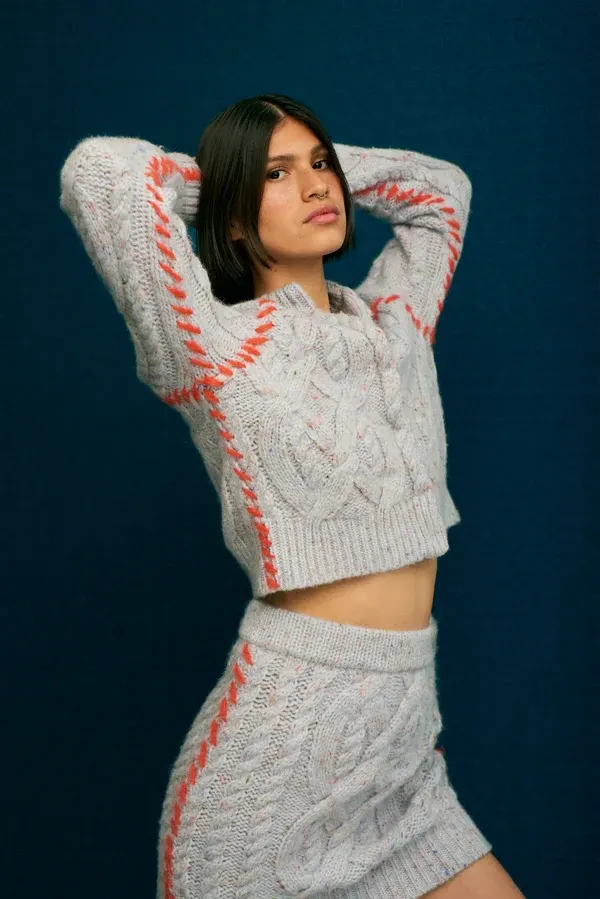
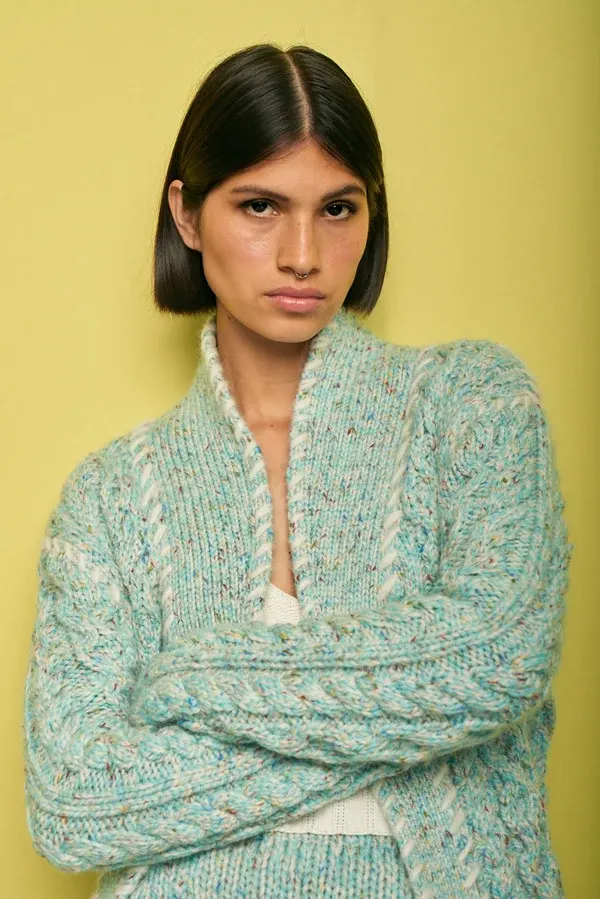
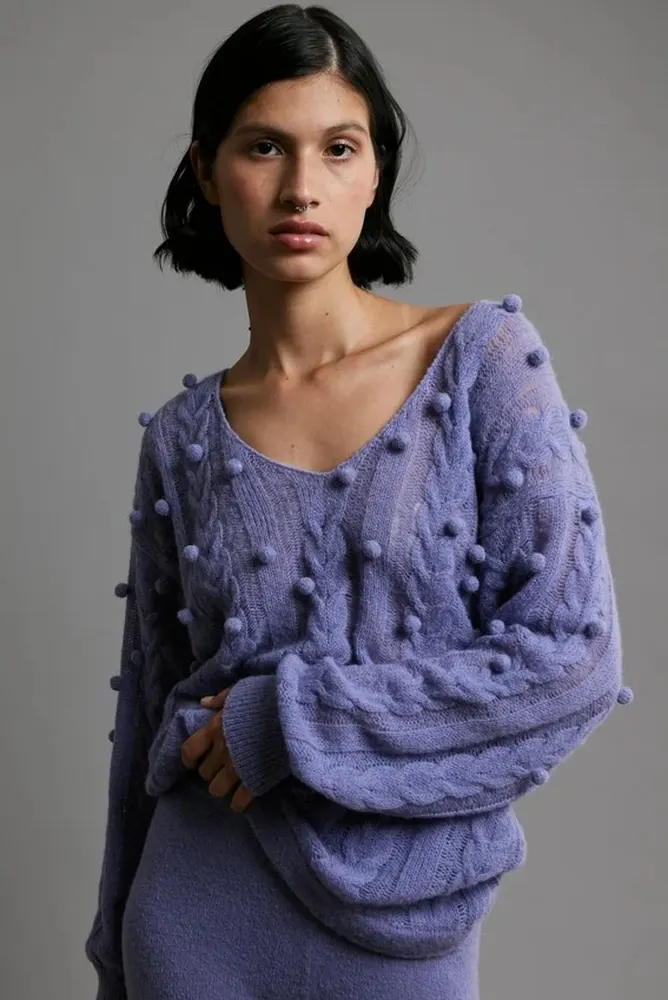
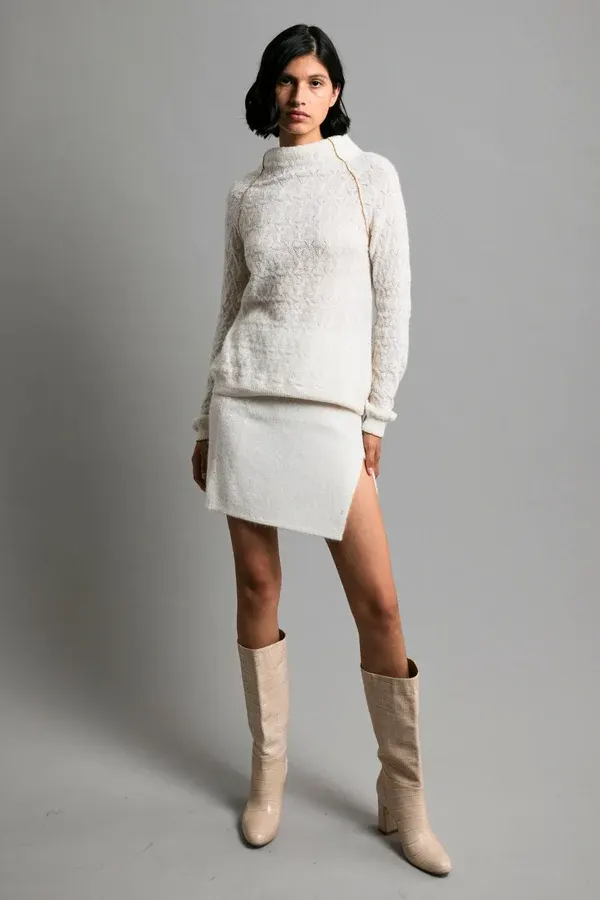
Barandiaran's experience in international knitwear design informs her approach to shape and construction. Working through the specialist manufacturing expertise of Knit Couture, the brand explores artisanal techniques alongside contemporary knitting technology.
Color plays an important role in this creative identity, particularly through the rich surfaces and varied textures of Peruvian fibers. The designer's interest in experimentation encourages unexpected combinations of proportion, stitch, and material.
Fringe Mod celebrates the possibilities of contemporary Peruvian knitwear through garments that bring together technical craftsmanship and a confident bohemian spirit.
YanYan: Wool with a Playful Hong Kong Accent
At YanYan, knitwear becomes a joyful expression of cultural identity. Founded in Hong Kong in 2019 by Phyllis Chan and Suzzie Chung, the label combines traditional Chinese references with playful silhouettes, decorative details, and vibrant textile compositions.
Chan's experience as knitwear director at rag & bone contributes technical expertise, while Chung brings a background in fashion design and visual storytelling. Their creative partnership explores the relationship between personal memories, cultural references, and contemporary dressing.
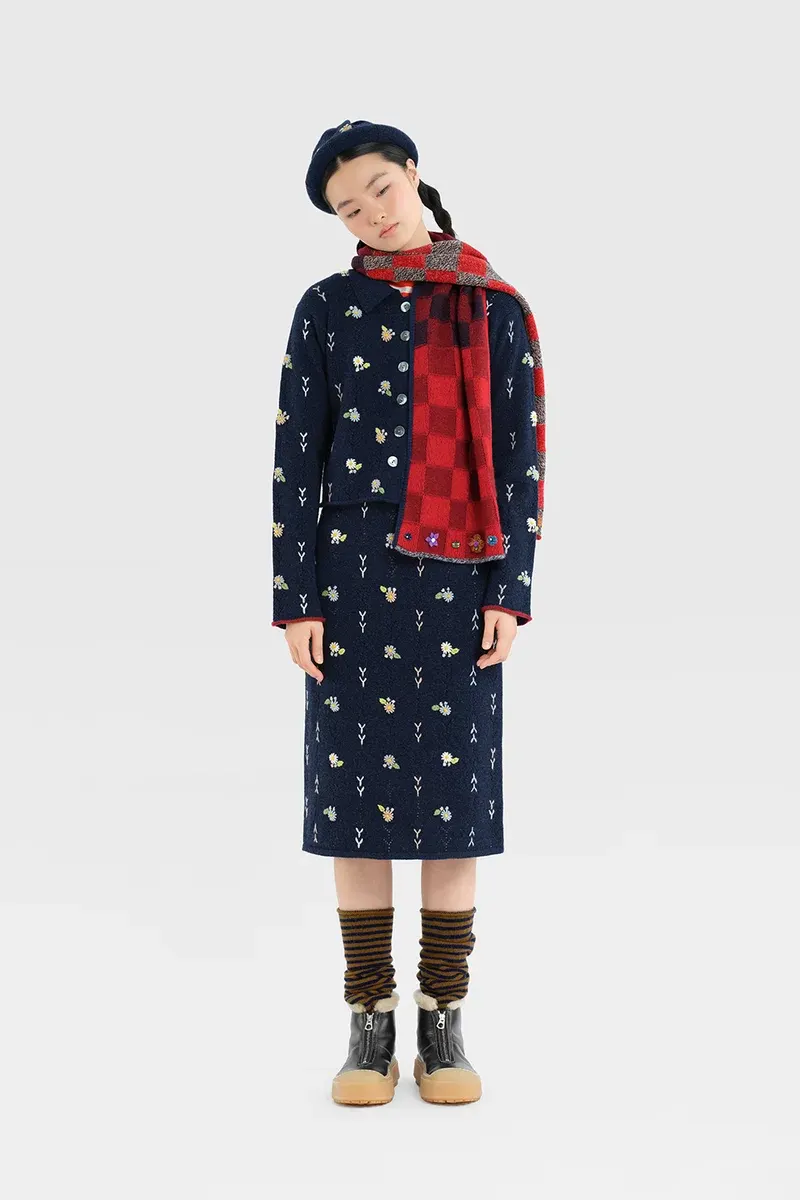
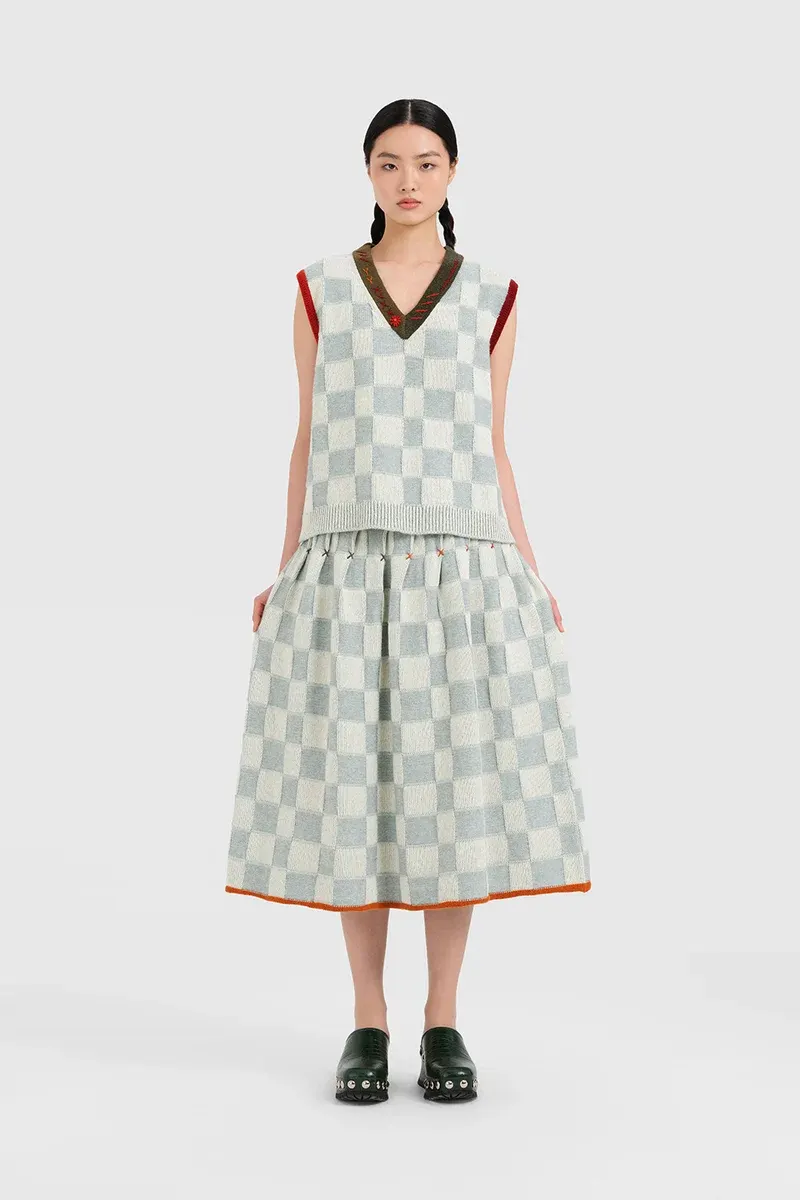
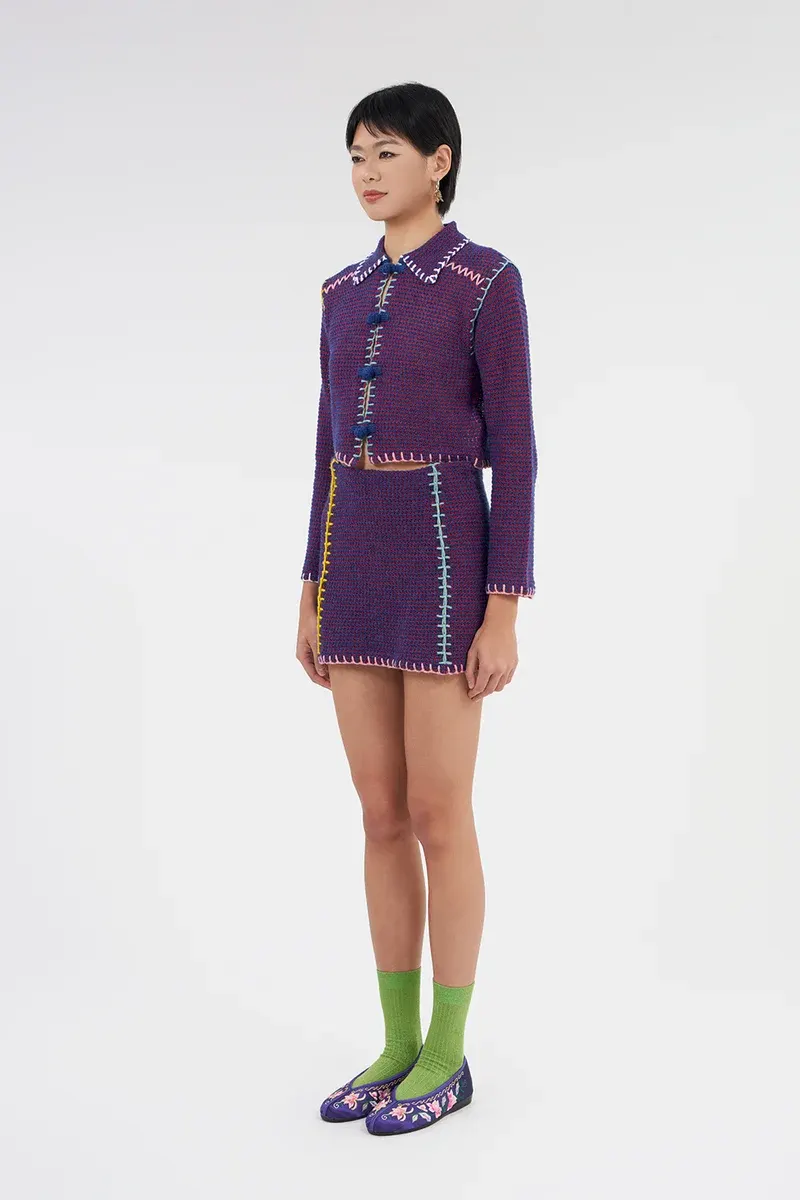
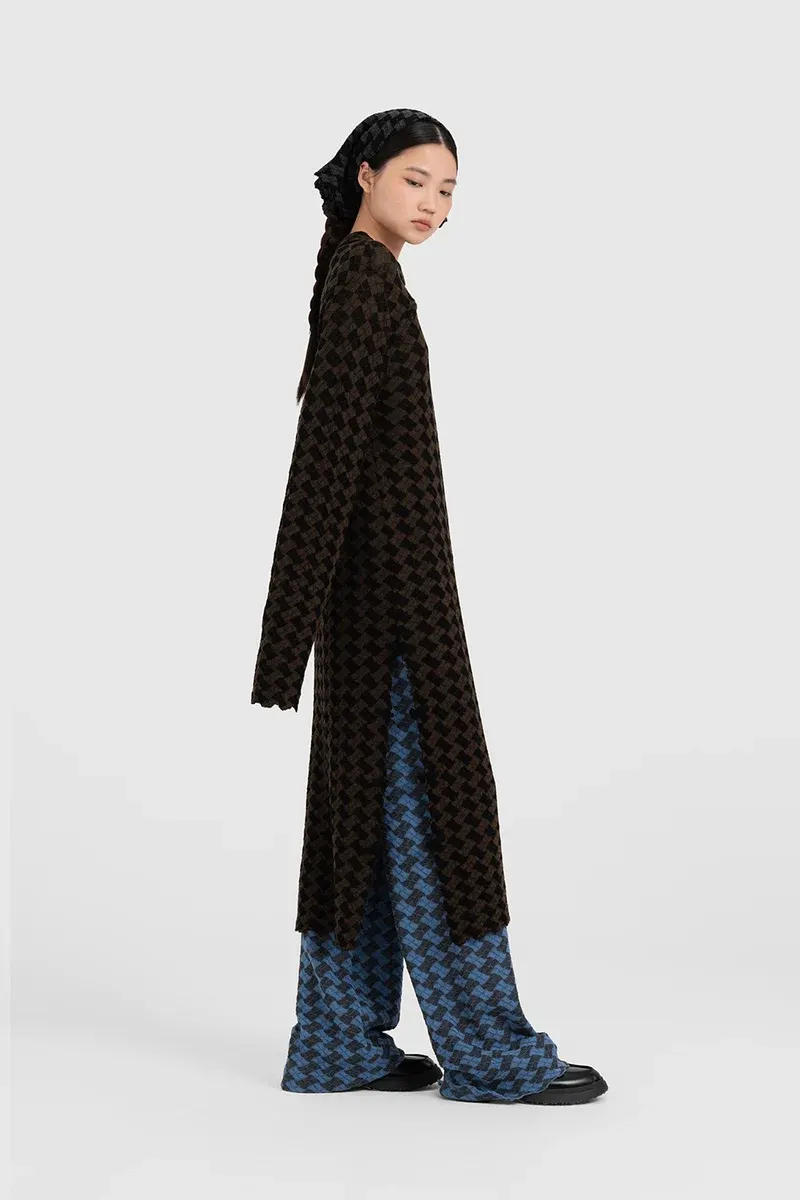
The label's wool-containing knitwear incorporates colorful jacquard patterns, textured stitches, and unexpected yarn combinations. Decorative knots and proportions inspired by traditional Chinese clothing introduce recognizable elements of the designers' heritage.
YanYan's earliest collections also incorporated surplus yarn sourced from manufacturers, allowing available materials to influence the development of individual designs. This process introduces an inventive dimension to textile selection, encouraging the designers to experiment with color and construction.
Through its spirited approach, YanYan celebrates the expressive personality of knitwear, allowing cultural storytelling to develop naturally through the language of stitches.
The Future of Wool Is in the Hands of Its Makers
The creative possibilities of wool extend far into the relationships that sustain its production. Every knitted garment depends on knowledge accumulated through spinning, dyeing, construction, and finishing, with designers increasingly recognizing these processes as integral elements of their creative practice.
As contemporary fashion explores regional manufacturing, specialized textile development, and artisanal techniques, wool presents opportunities for meaningful collaboration between designers and craftspeople. Its versatility accommodates approaches ranging from advanced knitting technology to meticulous handwork, inviting experimentation with the structural possibilities of yarn.
The next chapter of wool may emerge from these exchanges, where inherited knowledge encounters fresh creative imagination. In every stitch, there remains the possibility of another story waiting to take shape.