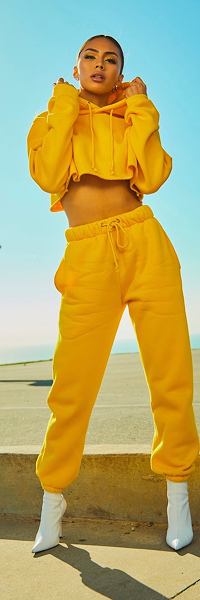
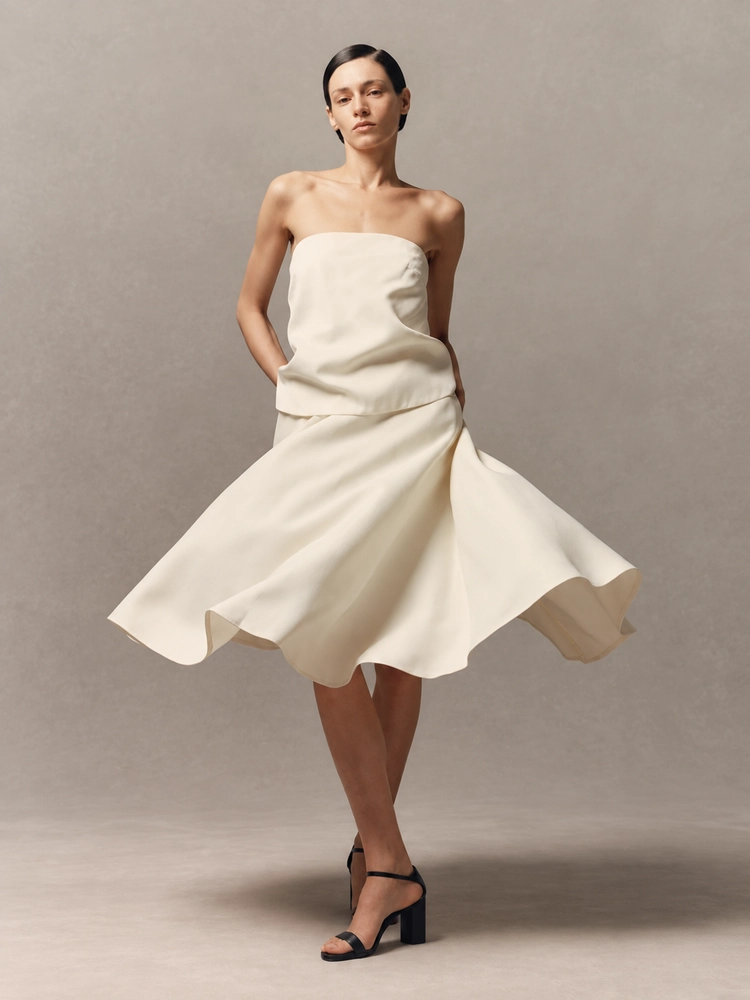
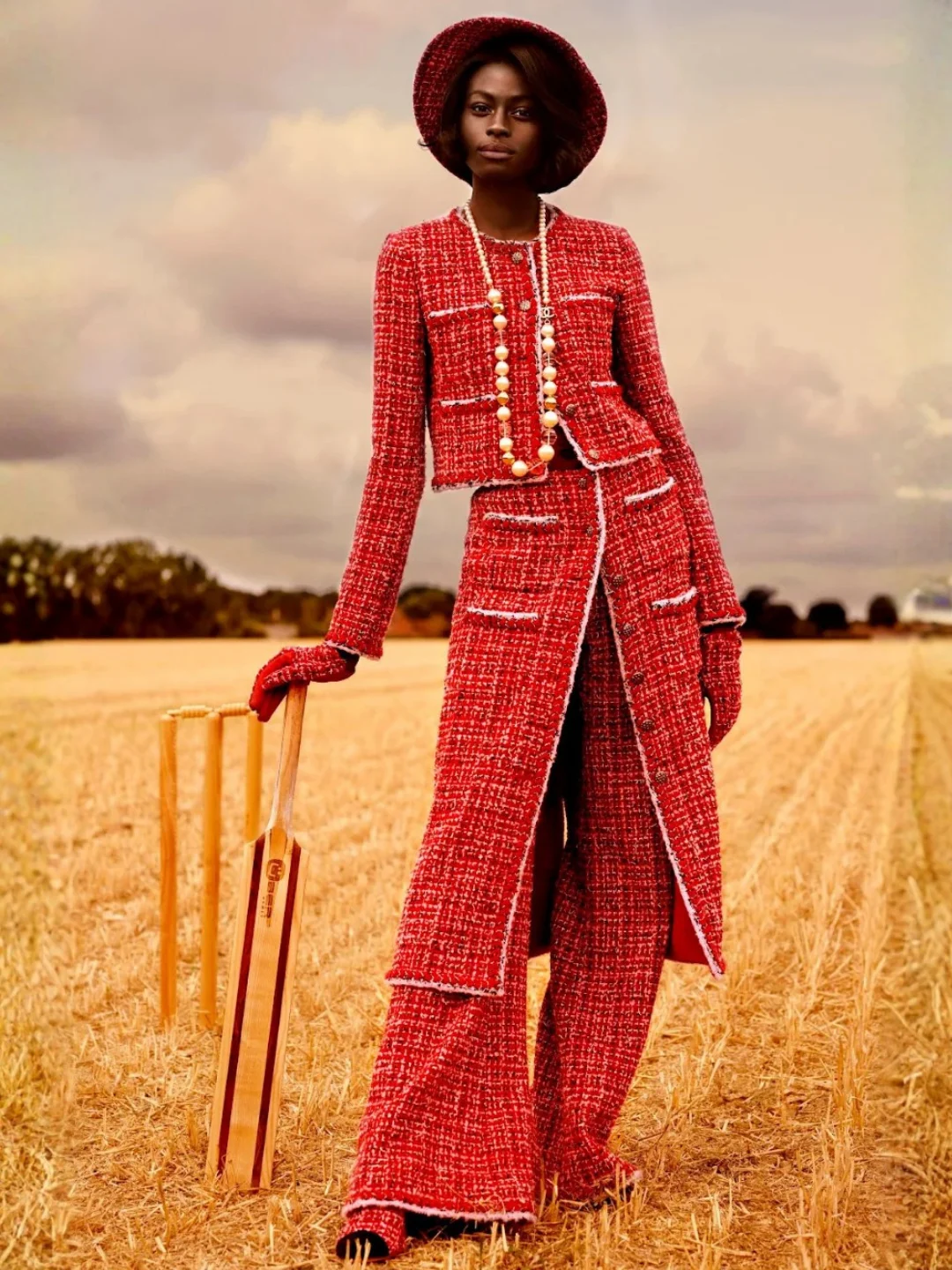
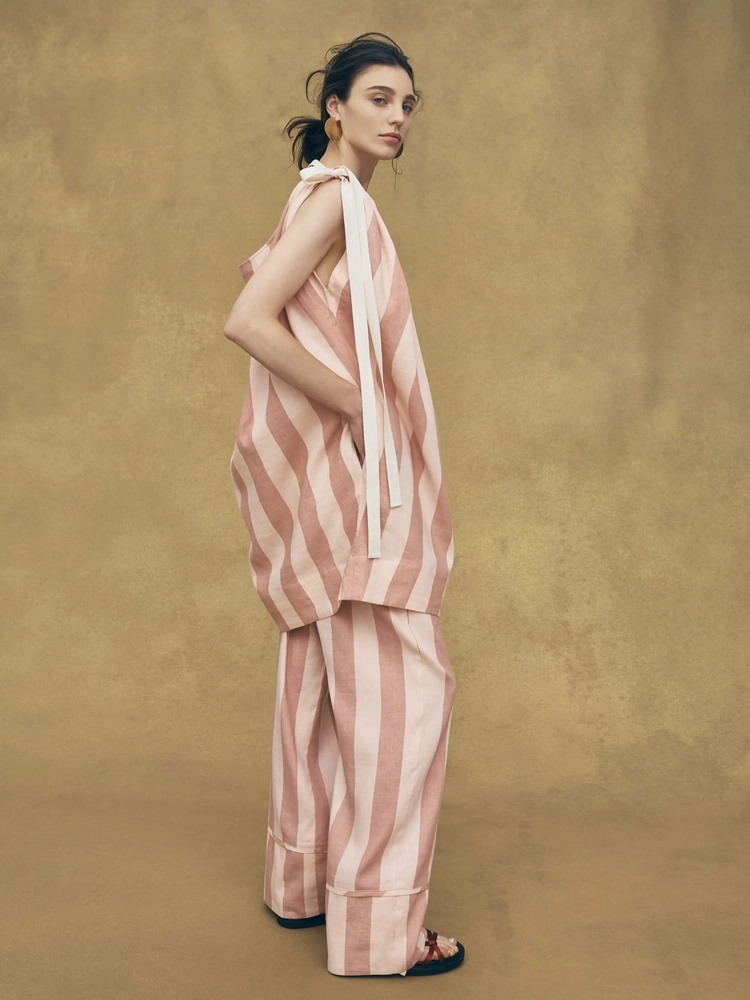
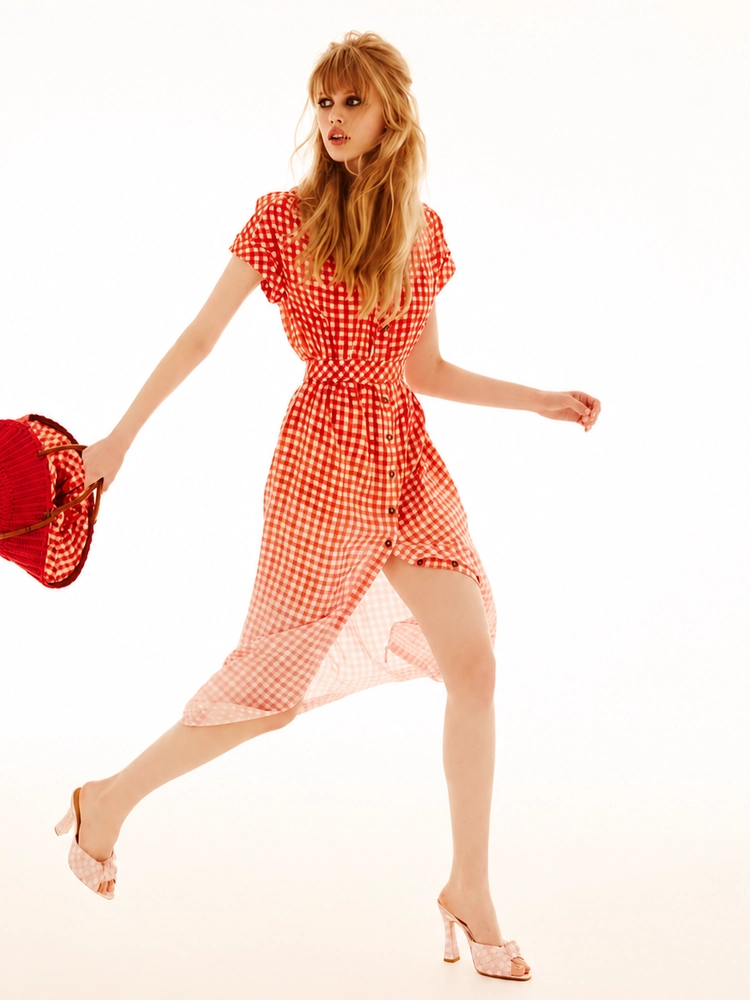
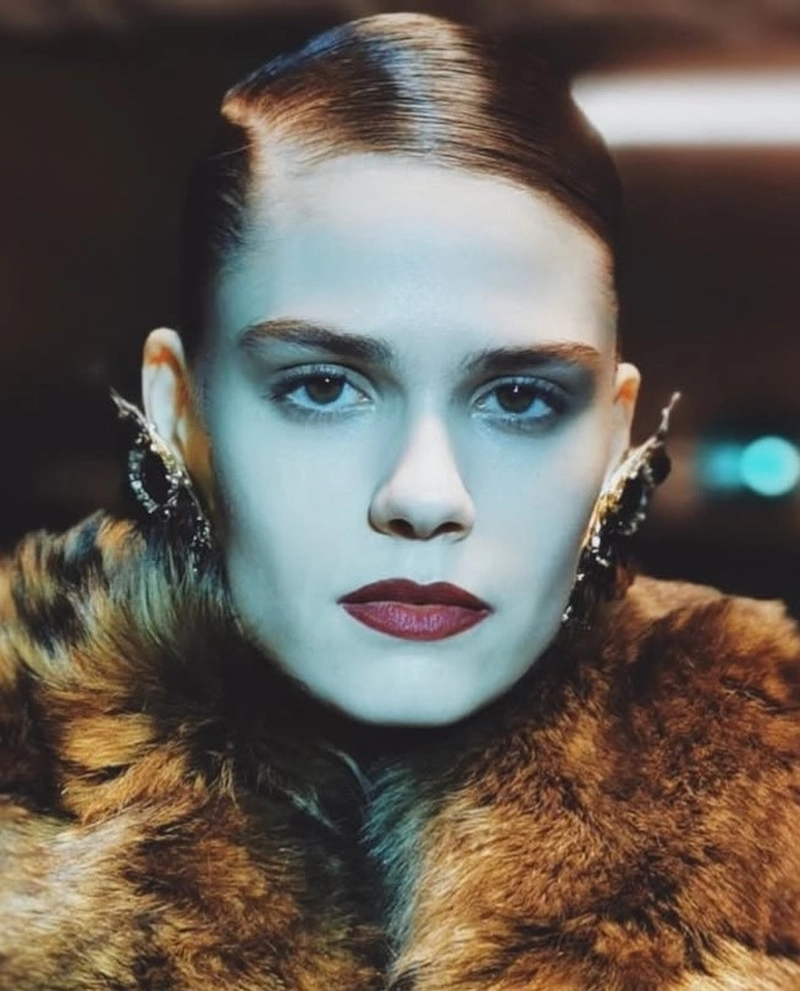
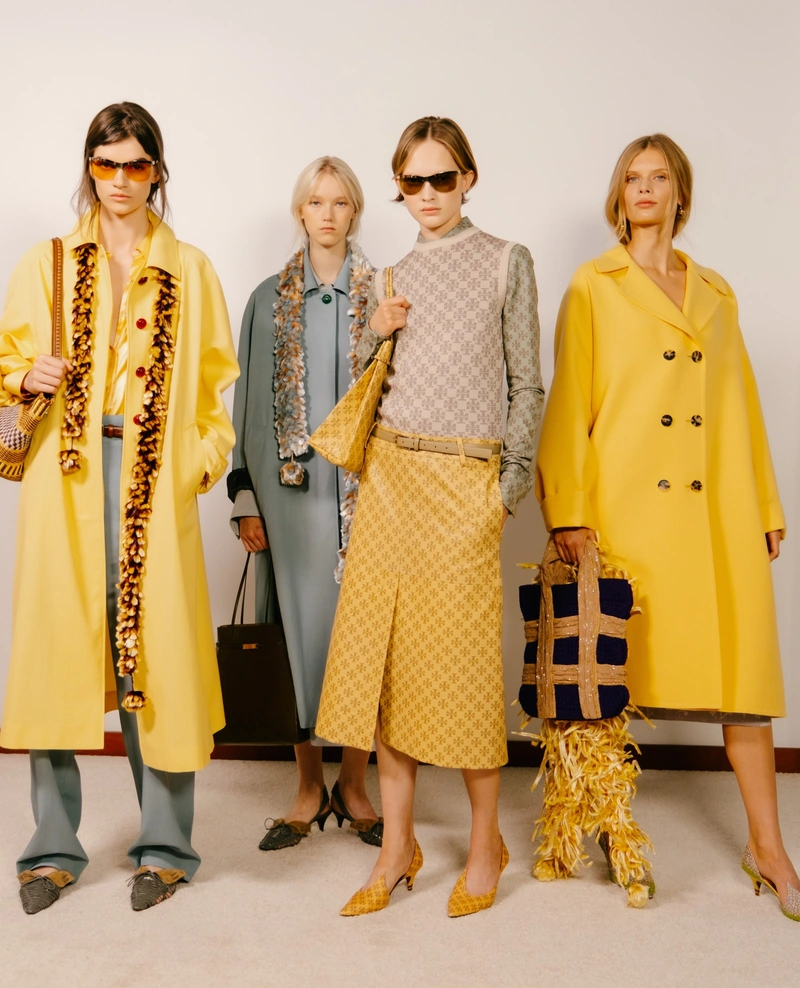
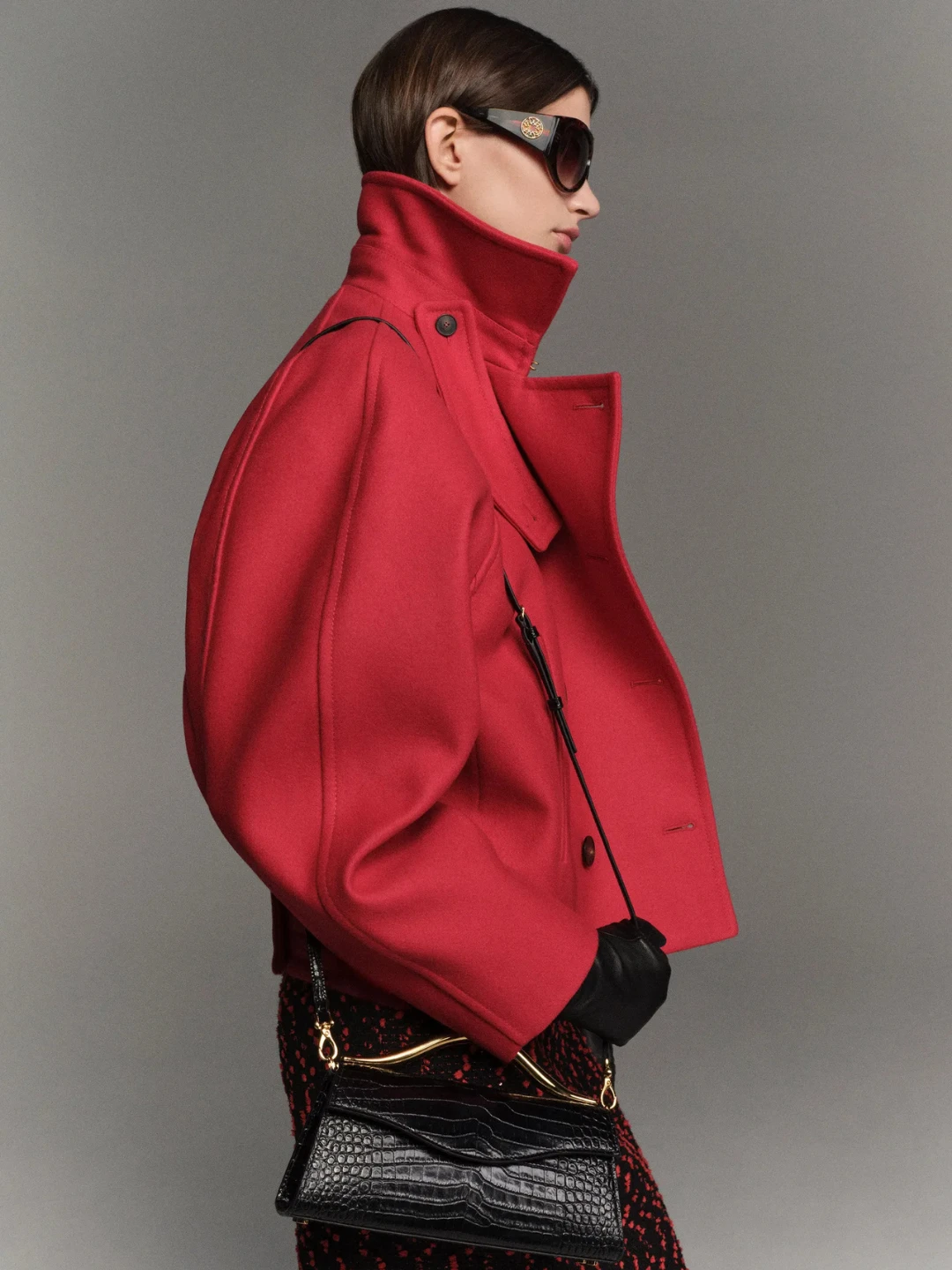
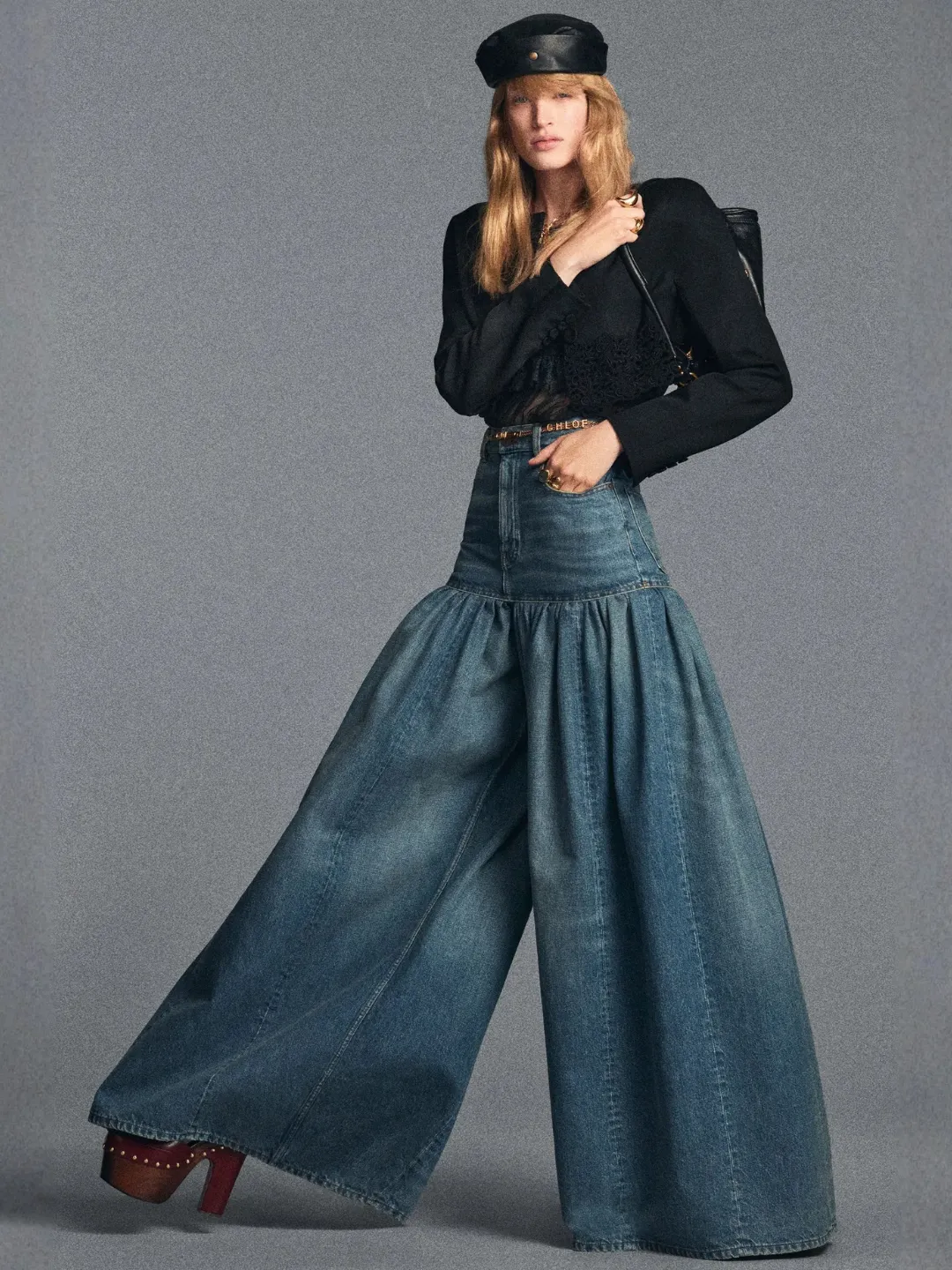
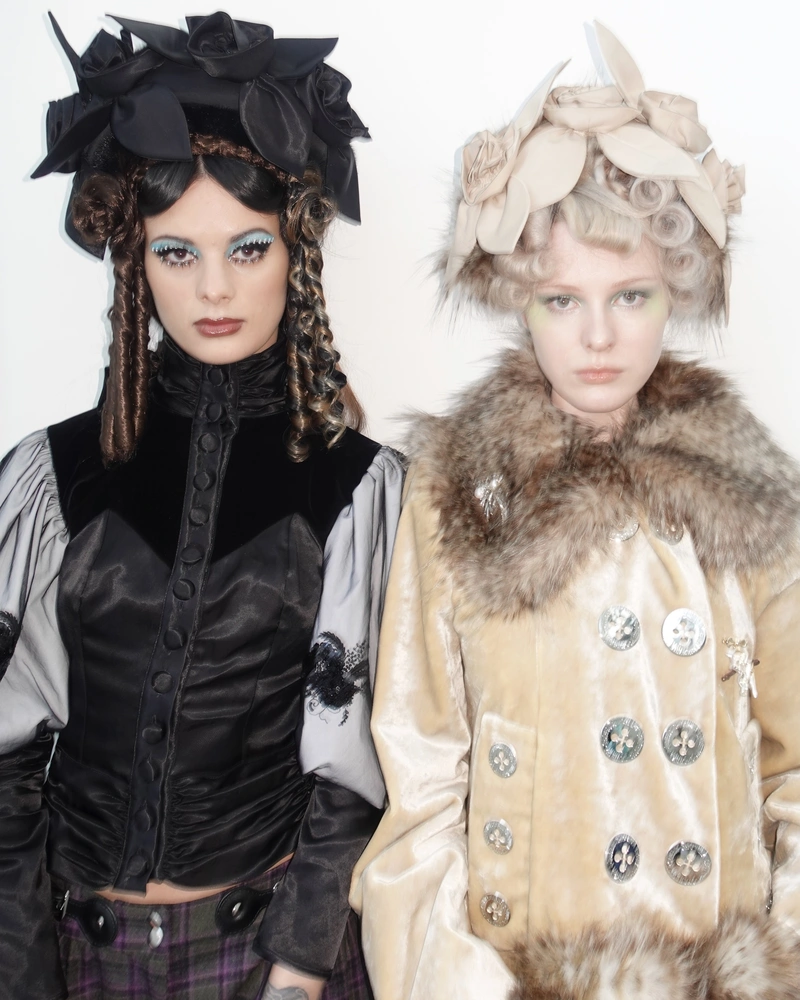
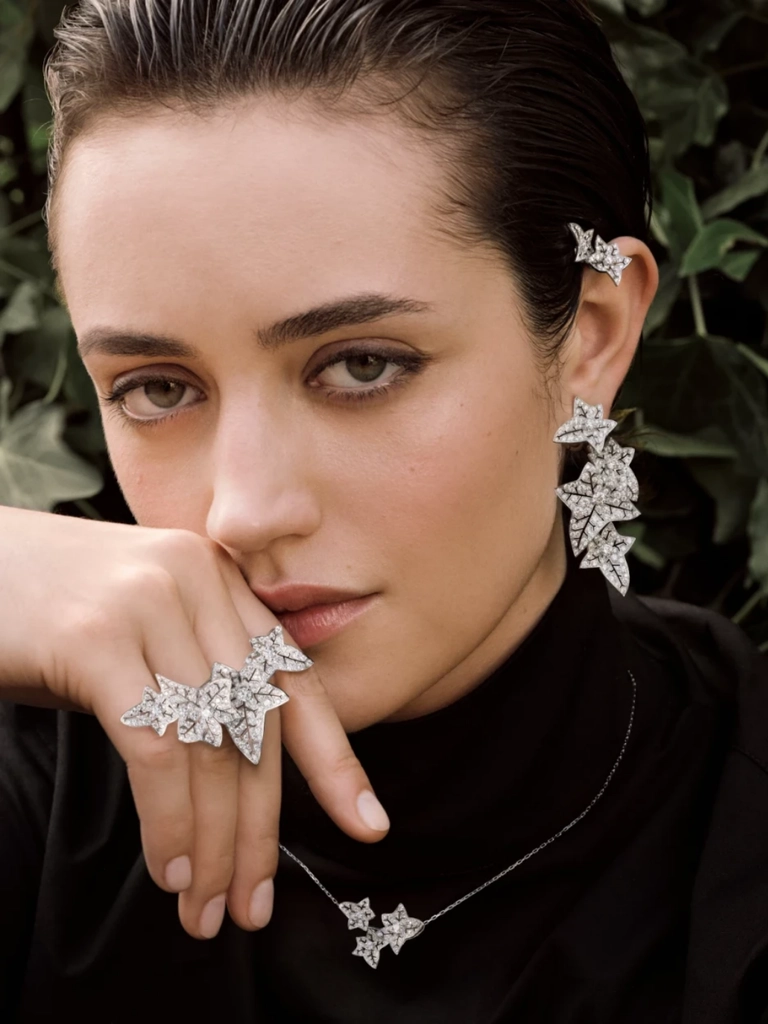
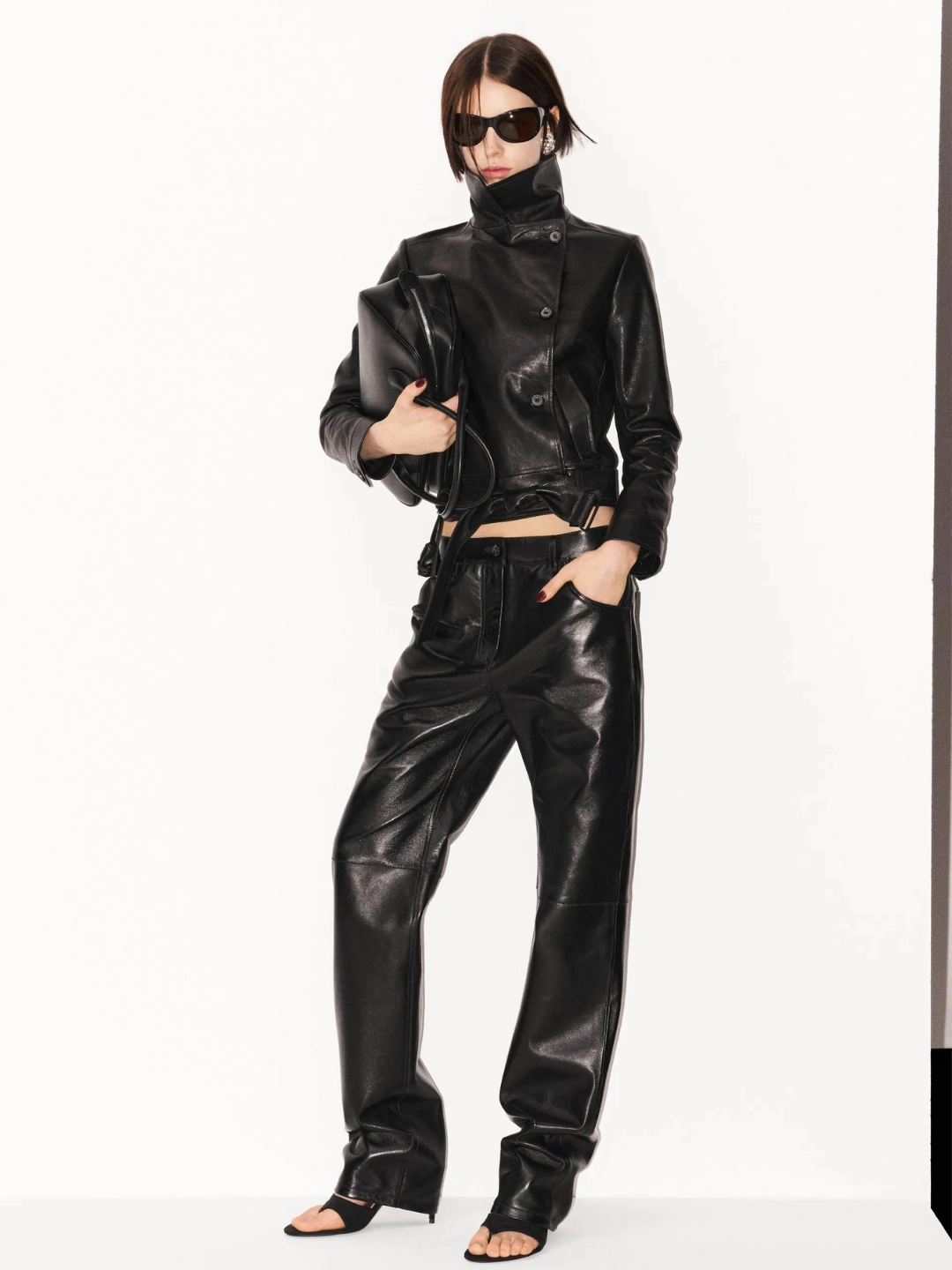
The night seems to stretch beneath a pair of platform heels. Fabric catches the light, a trouser leg sweeps across the floor, and somewhere between the mirror and the music, 70s style turns dressing into the possibility of becoming someone else before dawn.

The night seems to stretch beneath a pair of platform heels. Fabric catches the light, a trouser leg sweeps across the floor, and somewhere between the mirror and the music, 70s style turns dressing into the possibility of becoming someone else before dawn.
July 22, 2026
Advertisement

Advertisement



70s style never belonged to a single room. By day, it moved through suede jackets, worn denim and soft layers that still carried the dust of the late 1960s. After dark, the same decade tightened itself into jersey, slipped into satin and let metallic surfaces answer every flash of light. The mood could shift within hours, from earthy intimacy to polished spectacle, while the person inside the clothes discovered how easily an image could be rewritten.
That restlessness gave the decade its particular charge. The romance of counterculture lingered, but urban life sharpened it into something more private, polished and self-conscious. Dressing became a way to move between themselves, allowing one identity to loosen as another stepped forward under a different light.
The 1970s treated identity as something fluid enough to change with music. A woman might borrow the authority of tailoring in the afternoon and step into a sliver of liquid fabric at night, while glam rock blurred the old borders around gender and disco turned the moving body into its own source of light. Clothes became less concerned with preserving a fixed self than with testing every version waiting beneath it.
Perhaps that is magnetism still held in the 70s style: remember a time when transformation felt close enough to touch, when a mirror, a song and the right outfit could open a door into another life.
The 1970s inherited a dream already showing its fractures. The promises of communal freedom and permanent cultural revolution still hovered over the decade, yet political exhaustion, economic uncertainty and the long shadow of war gave everyday life a harder edge. Youth culture had changed the language of dress, but the optimism that once held its many experiments together was becoming more private, more unstable and increasingly open to contradiction.

70s style carried that tension into the wardrobe. The romance of counterculture remained visible, though its symbols were gradually absorbed by boutiques, department stores, and a rapidly expanding ready-to-wear industry. Handcrafted surfaces could appear beside synthetic fabrics, while the free-spirited image once associated with life outside conventional society became a commercial language available far beyond its original communities. Fashion grew more democratic through circulation, even as the marketplace learned how quickly rebellion could be repackaged.
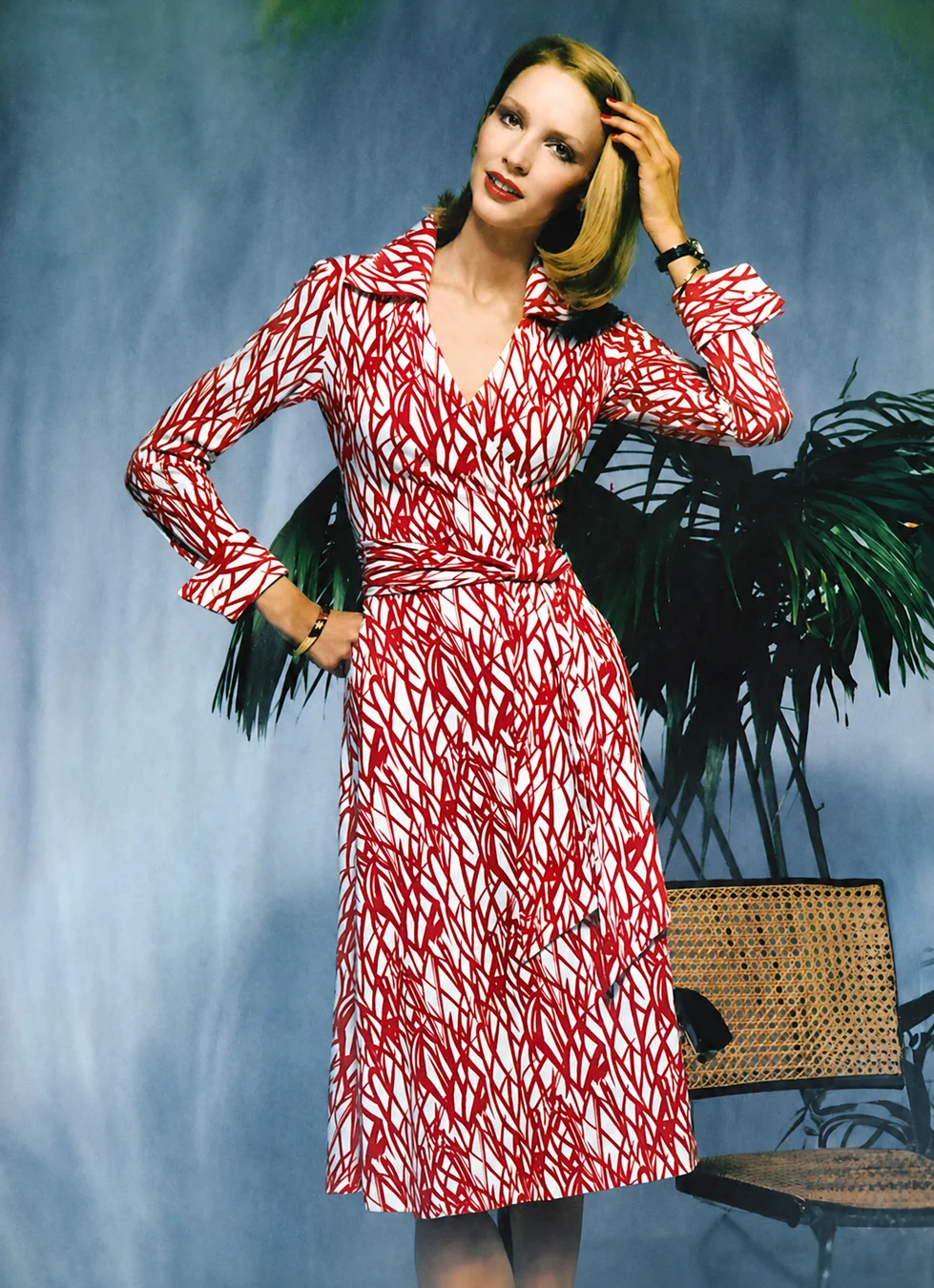
Women were also renegotiating their relationship with public life. The feminist movement sharpened conversations around work, autonomy and bodily freedom, creating space for clothing that could move between professional authority and sensual self-possession. Diane von Furstenberg’s wrap dress entered that landscape with ease, while Halston shaped an urbane minimalism that followed the body without imprisoning it. Yves Saint Laurent continued opening womenswear toward tailoring, safari references and a broader cultural vocabulary, allowing modern femininity to appear composed without becoming fixed.
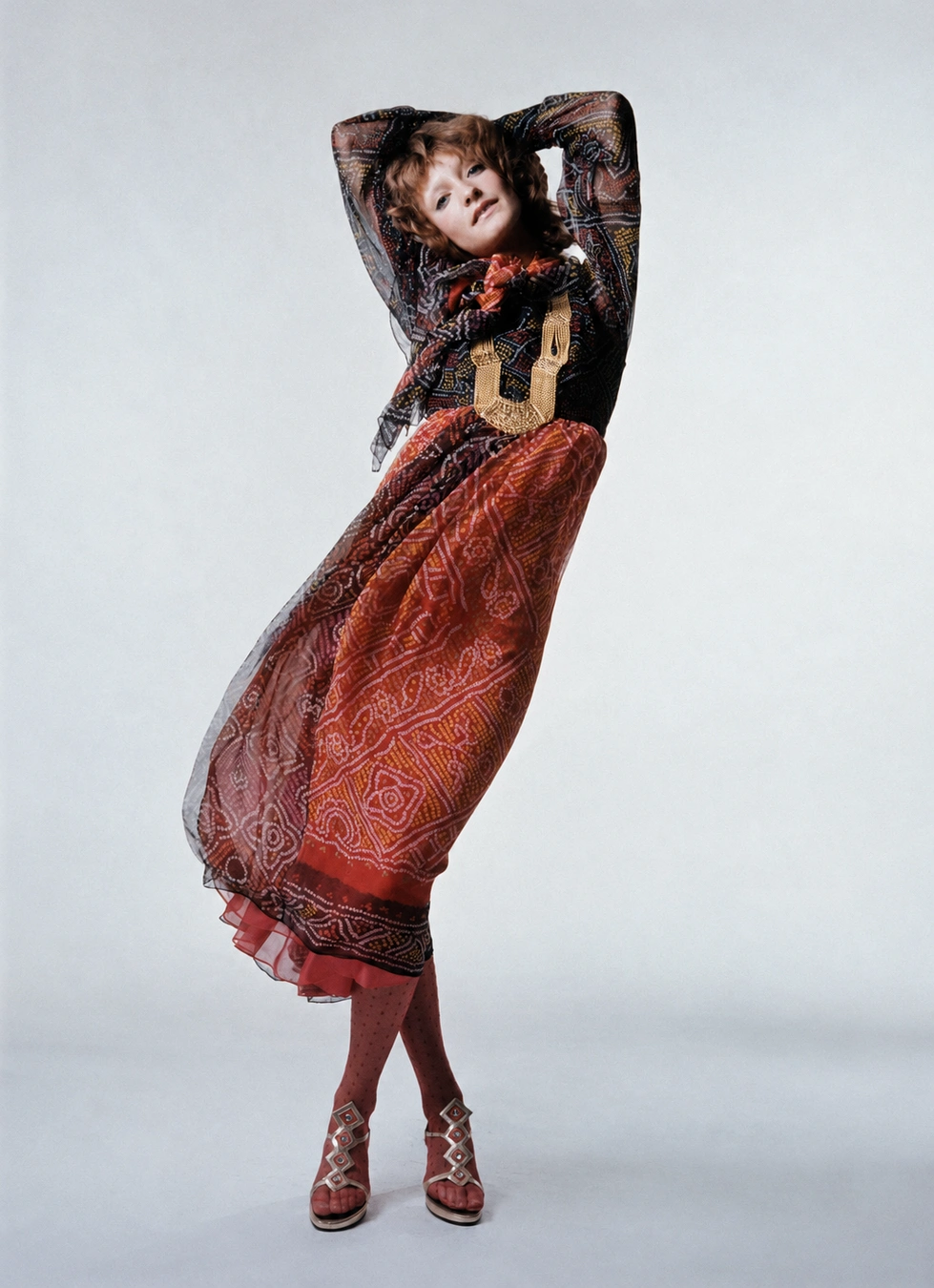
Elsewhere, Thea Porter and Ossie Clark preserved the dreamier current of the decade through flowing forms and romantic excess, while Zandra Rhodes pushed colour and decoration toward theatrical fantasy. By the middle of the decade, nightlife was becoming another cultural engine, and the polished surface of disco began to replace the field and festival as fashion’s most charged setting. Toward its end, punk tore through that shine with safety pins, ripped fabric and contempt for refinement.
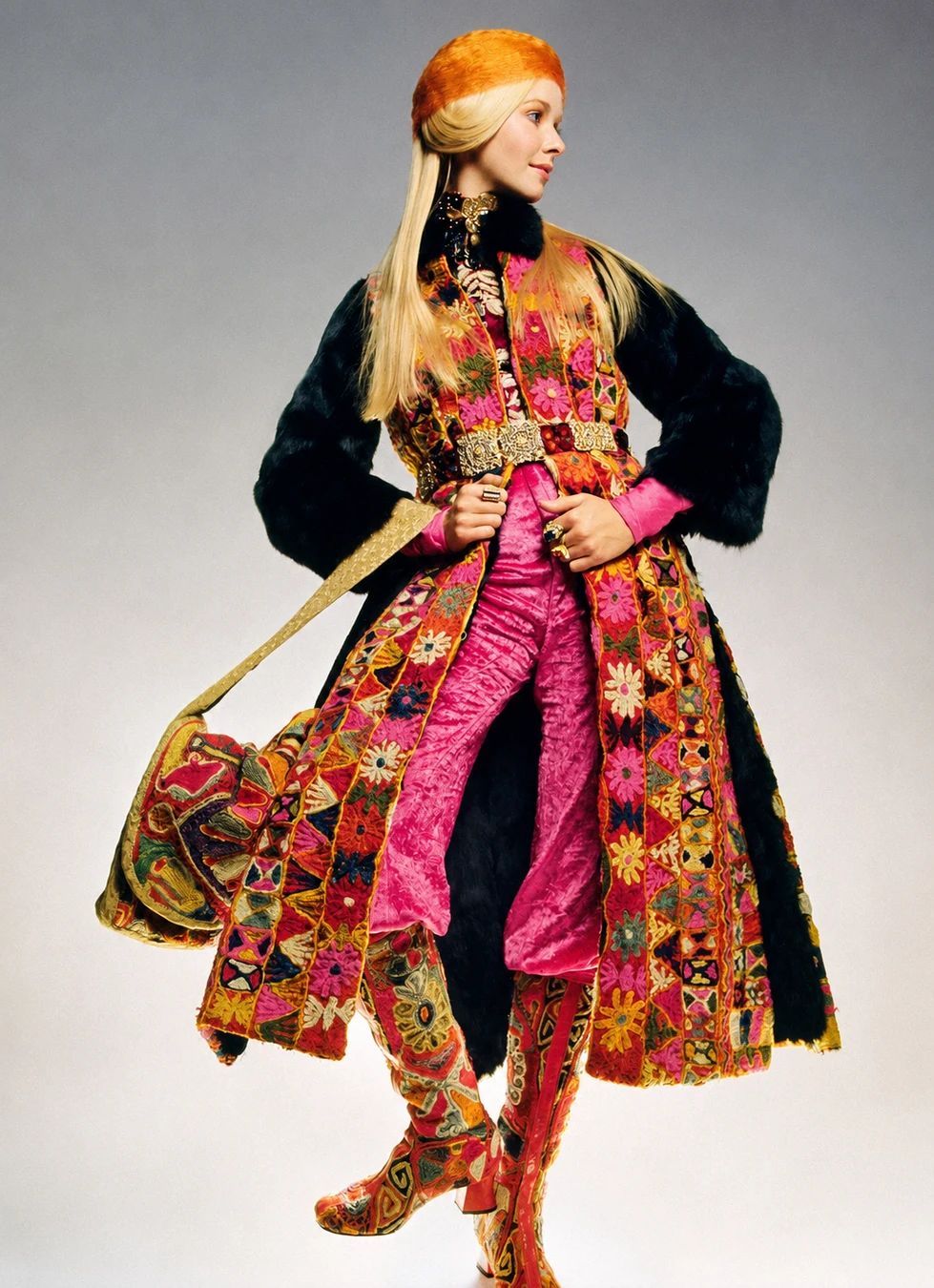
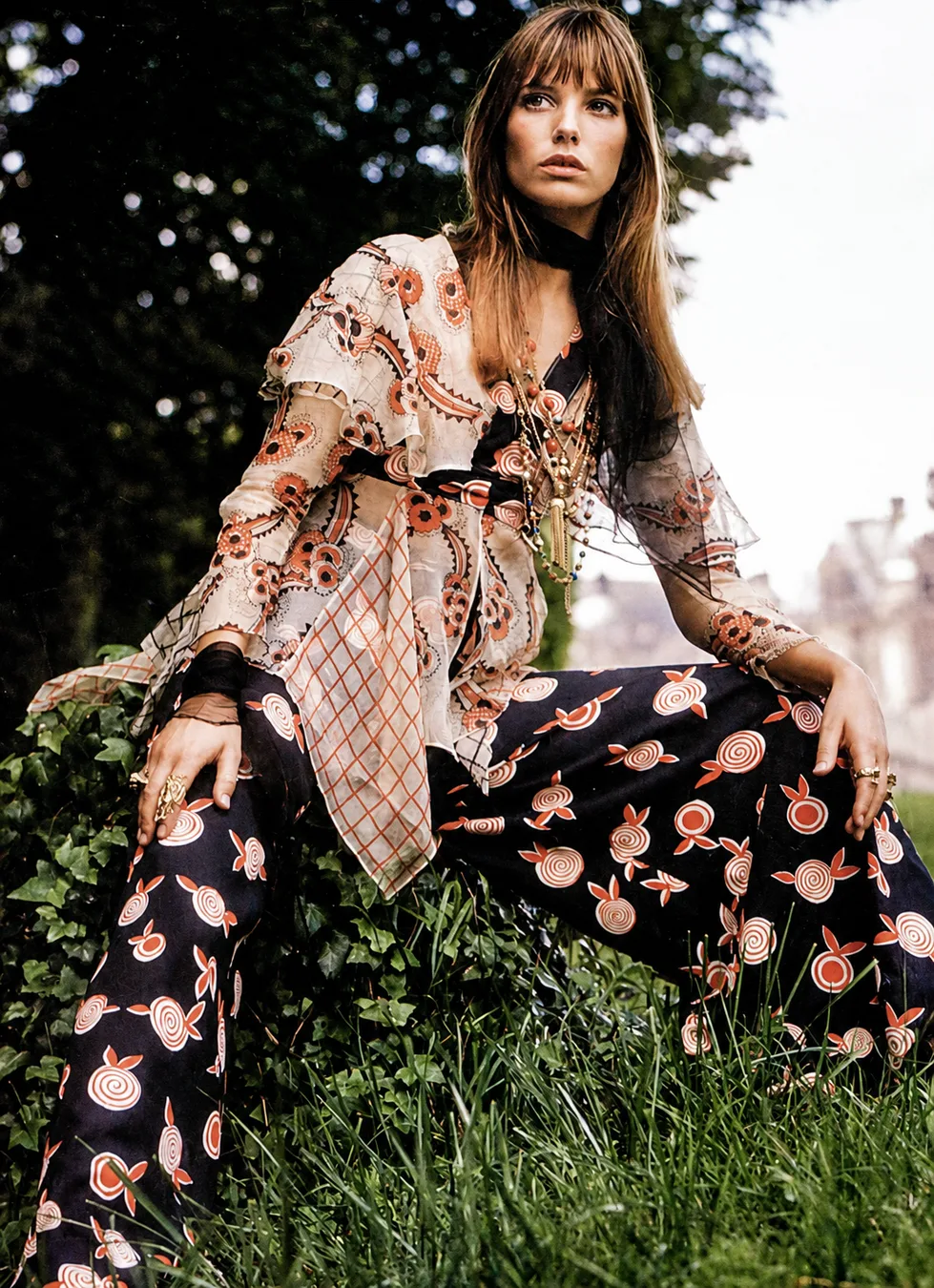
The decade never settled into a single image because its people were learning to live with instability. What emerged was a fashion landscape shaped by reinvention, where every new surface carried traces of the world that had just broken underneath it.
70s style altered the body by extending its movement instead of containing it within one ideal. Trousers widened toward the floor, platforms lifted the step, and long skirts carried fabric behind the wearer with a rhythm that seemed to continue after she had passed. Even more fitted pieces followed motion closely, allowing the body to shift through cloth, not just merely to stand beneath a rigid construction.
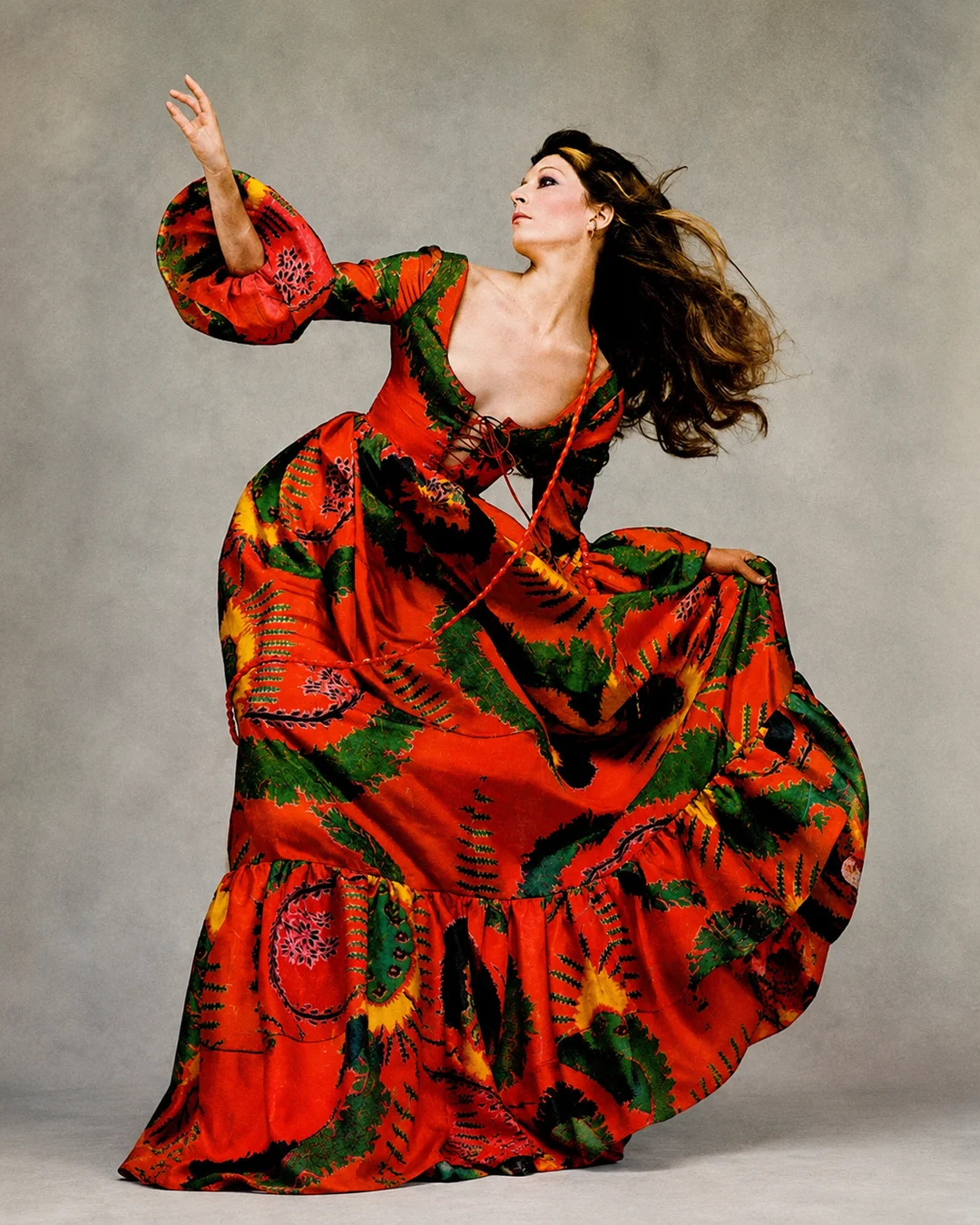
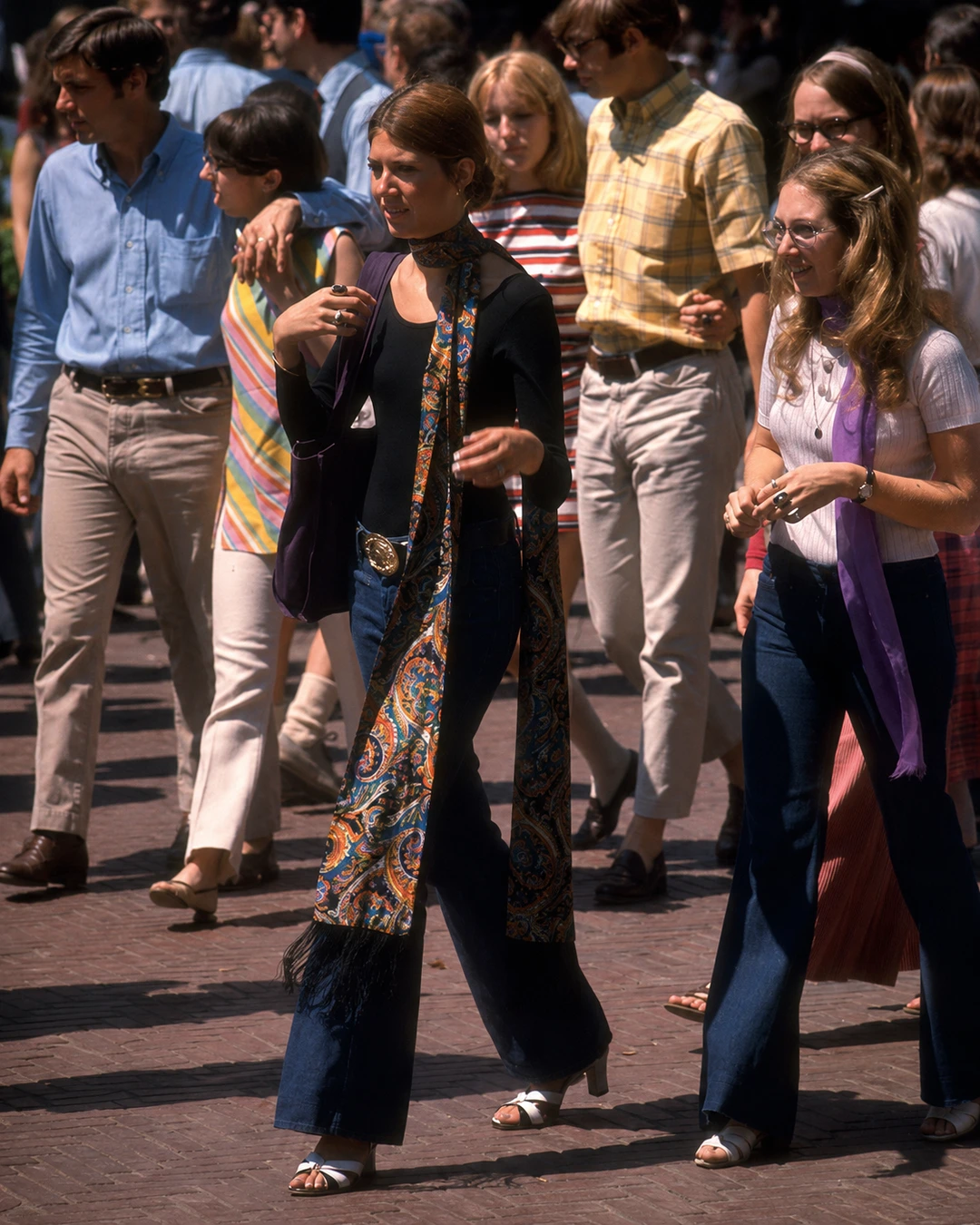
The decade’s proportions changed with the setting. Bell-bottoms pulled attention downward and turned walking into a sweeping gesture, while jumpsuits drew the figure into one uninterrupted line that could appear practical in daylight and theatrical beneath club lights. The wrap dress moved with equal adaptability, crossing the body through softness and tension instead of heavy internal structure, while caftans and maxi dresses offered another kind of presence through volume that floated.
Texture gave each version of the decade its own atmosphere. Suede and denim carried the warmth of clothes lived in over time, while crochet and embroidery preserved the intimacy of handwork as fashion moved deeper into mass production. Jersey and satin answered the body more closely, tracing movement with a fluid surface, while polyester and lurex absorbed the new fascination with artificial light and reflected it back in flashes.
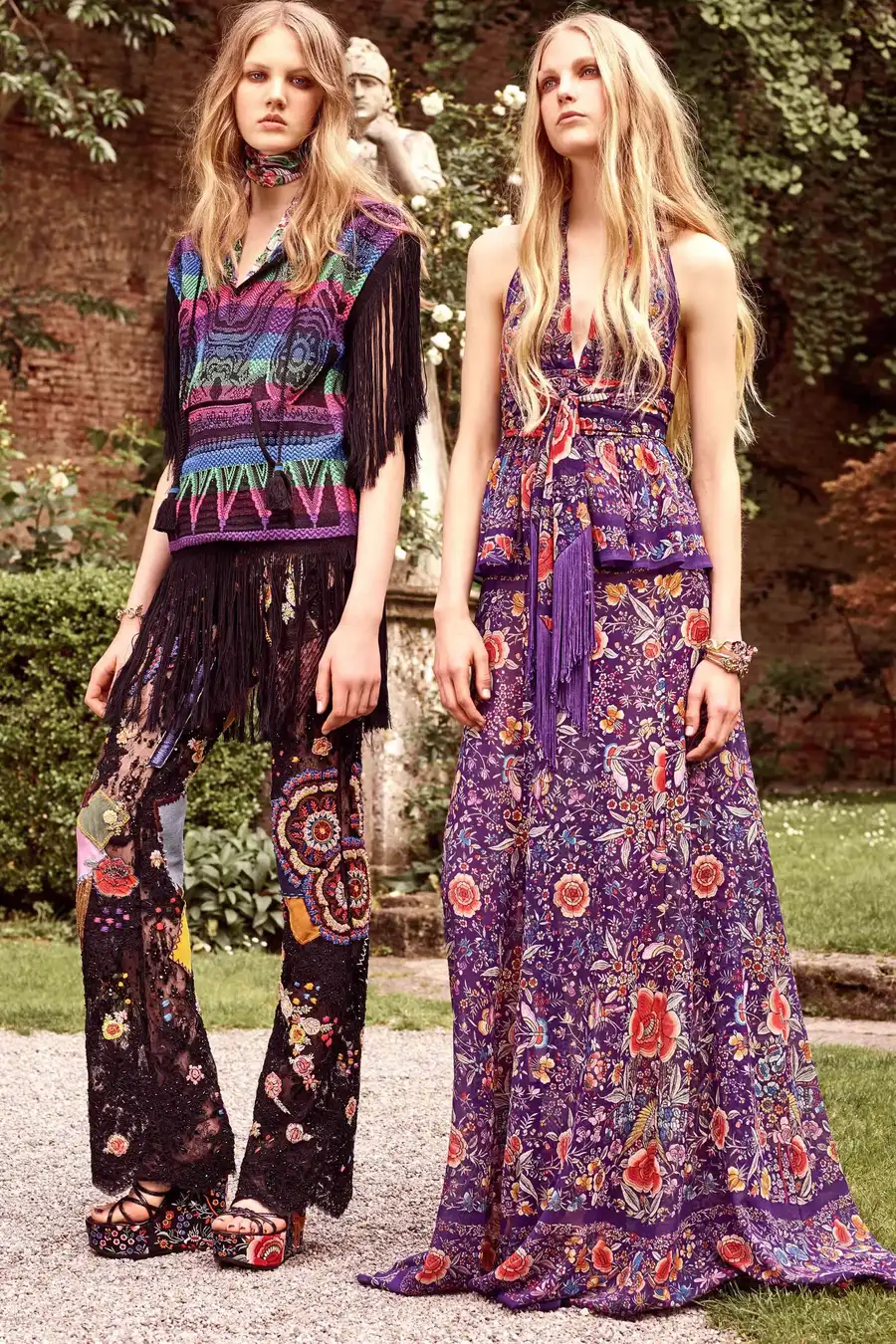

That shift between earth and electricity shaped the decade’s visual language. Bohemian dressing retained the looseness of the counterculture, yet its romantic surfaces gradually entered boutiques and urban wardrobes. Glam rock sharpened the same appetite for transformation through glitter, tailoring and gender ambiguity, while disco turned clothing toward the nightclub, where shine became visible only when the body moved. By the late 1970s, punk disrupted the polished image with torn cloth, exposed seams and a deliberate roughness that brought tension back to the surface.
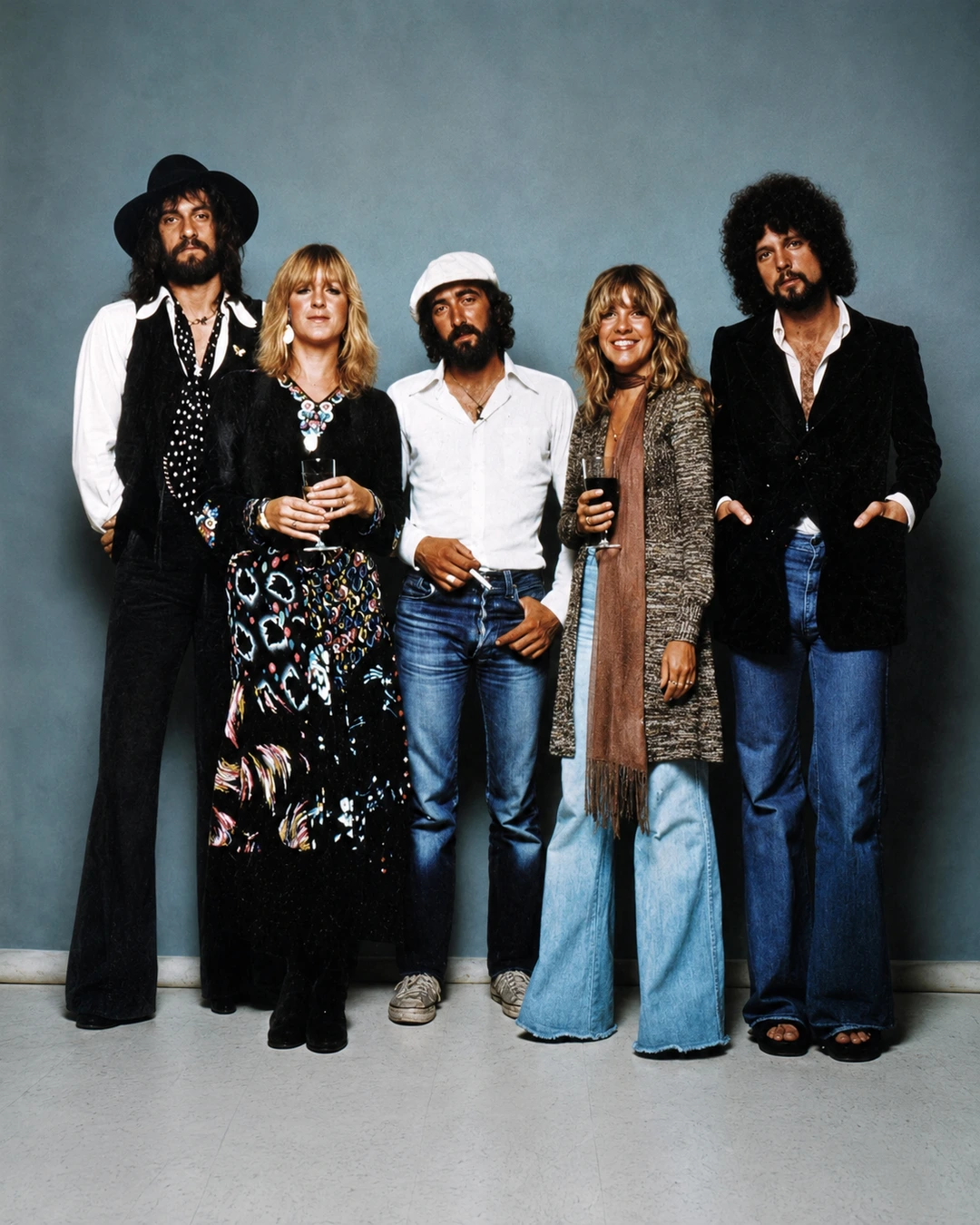
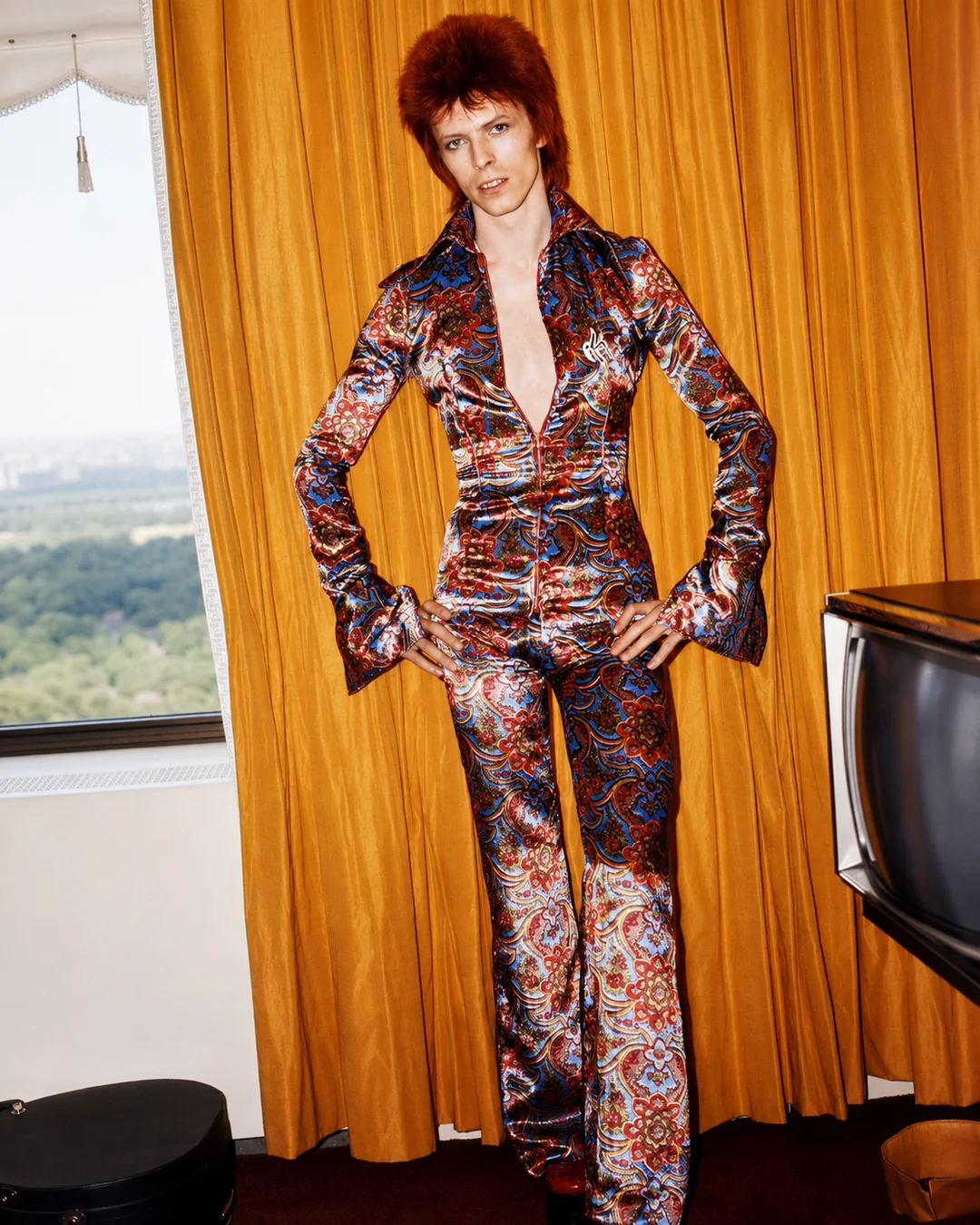
Across these changes, 70s style treated the body as something capable of changing character with each room. Clothes could lengthen it, dissolve its outline, cover it in shimmer or roughen it through wear, allowing identity to remain in motion rather than settle into a single form.
The decade carried freedom away from the open field and into places where identity could be tested under pressure. Offices, clubs, concert halls and city streets became stages for reinvention, while 70s style offered a language flexible enough to follow each shift. Clothing began to serve the life a person was entering, and the mirror became a private rehearsal space for futures that had only recently become imaginable.
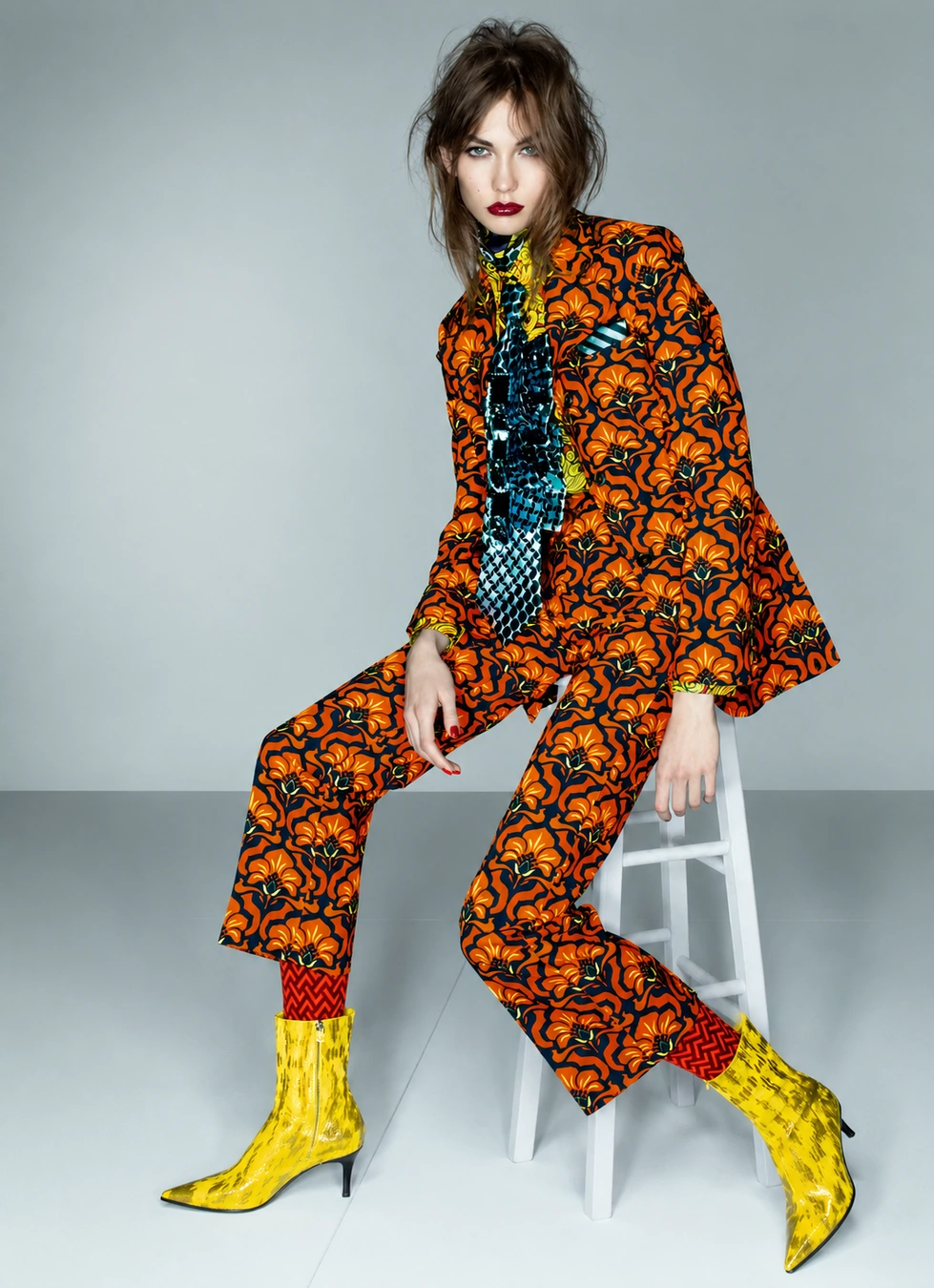
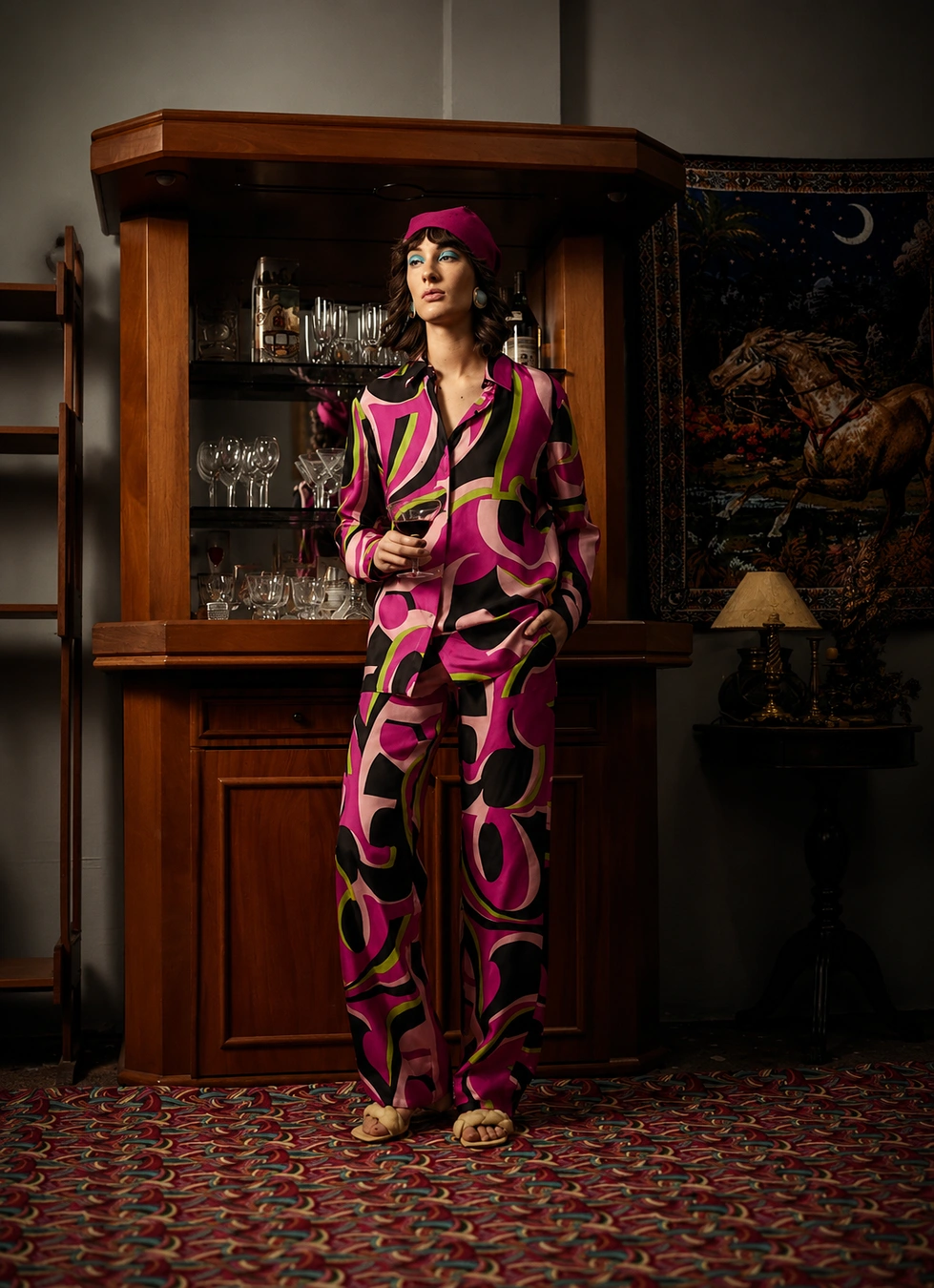
For many women, dressing accompanied a wider negotiation with work, independence and visibility. Authority no longer required complete erasure of sensuality, while femininity could move between polish and provocation without settling into either. The wardrobe absorbed that expanding range, allowing confidence to appear through personal choice rather than obedience to a single image of respectability.
Nightlife widened the possibilities further. Beneath club lights, glamour became communal theatre, and the body could move through versions of gender, desire and social identity that daylight kept under closer watch. Glam rock carried transformation onto the stage through androgyny and spectacle, while disco created a world in which pleasure itself acquired cultural weight. Dressing for the night offered more than escape, since each entrance into a crowded room allowed the self to be revised in public.
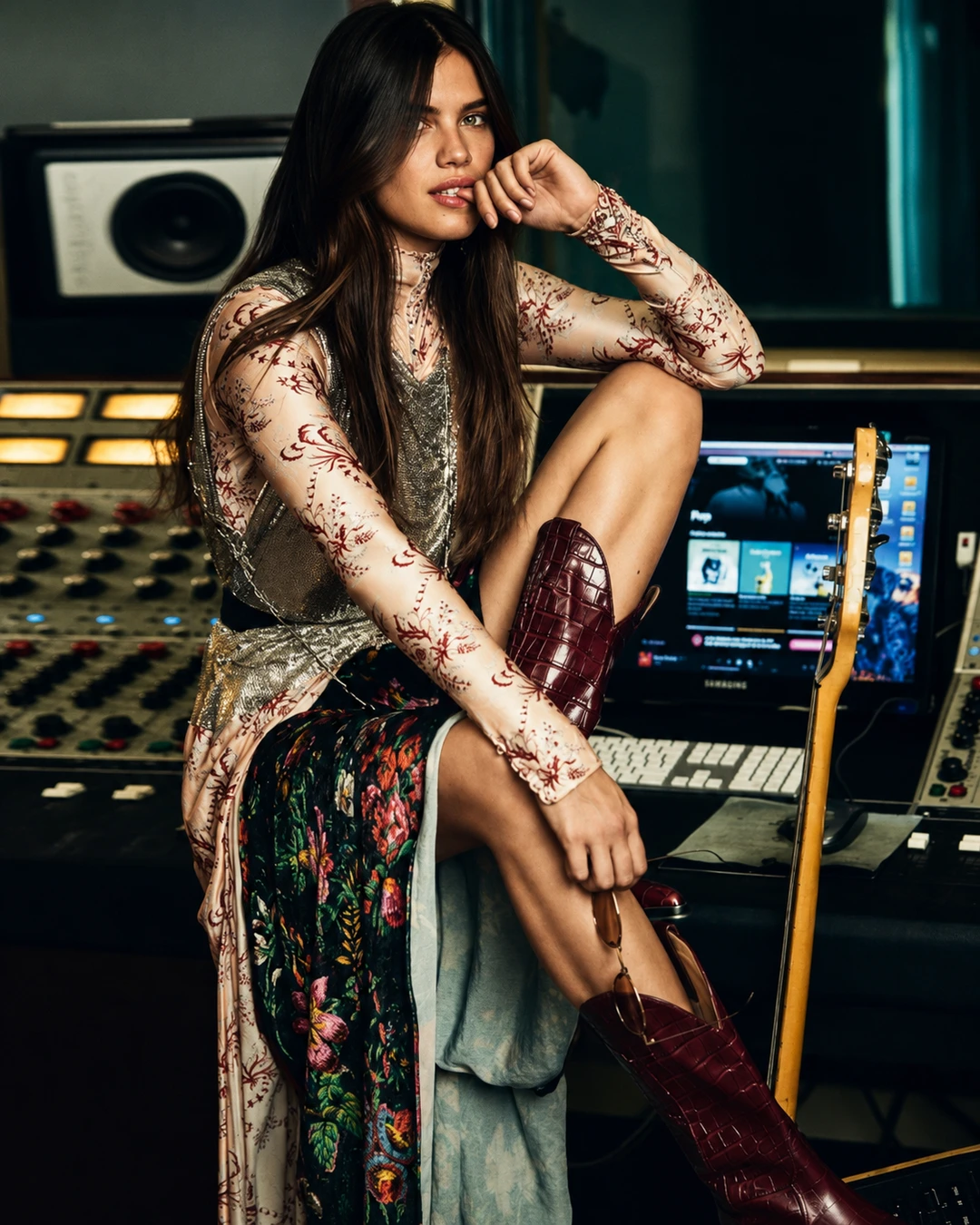
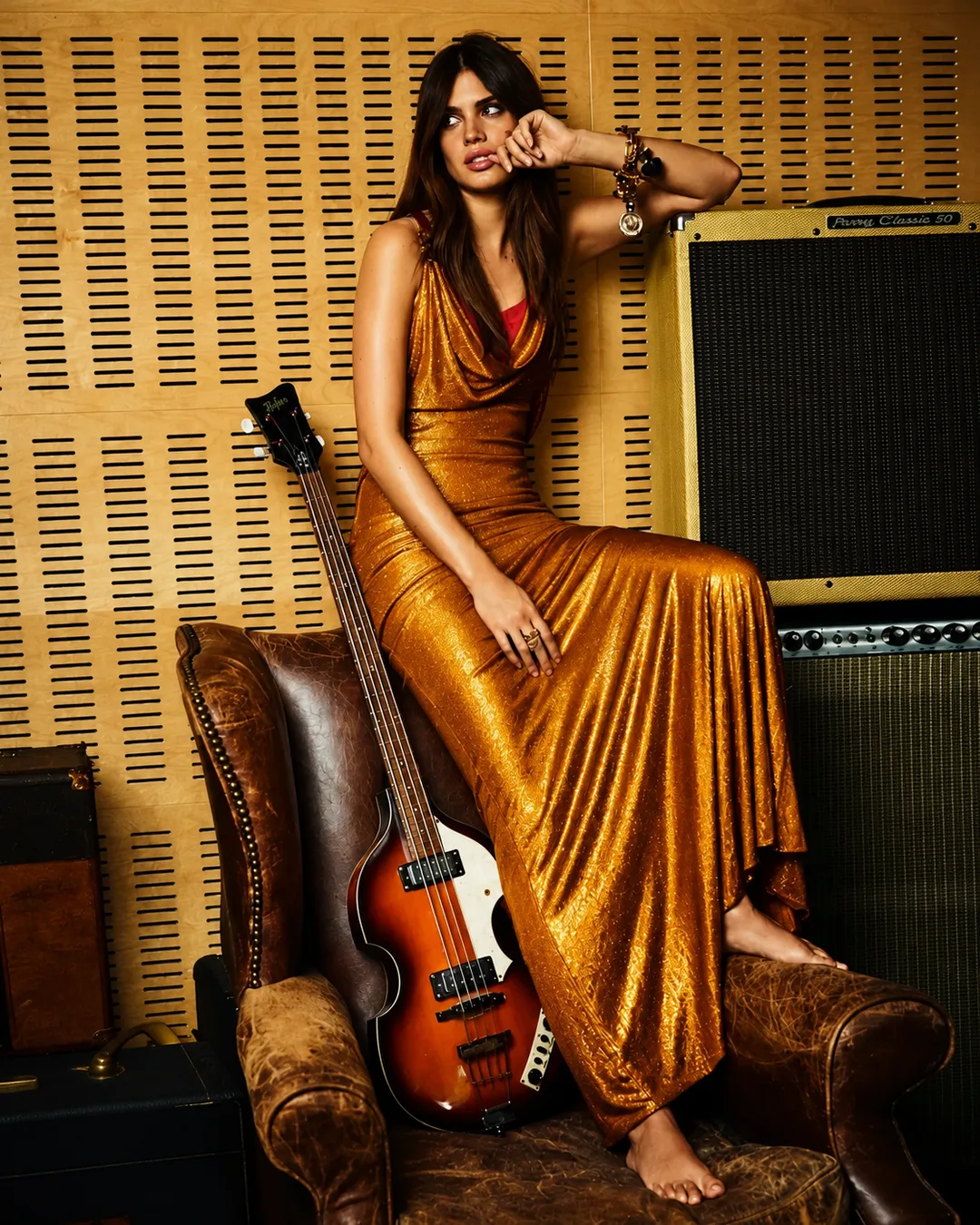
The freedom surrounding 70s style carried its own shadows. Smoke, mirrors and music could make an evening appear limitless, though the intensity often existed beside uncertainty and solitude. Such contradictions gave the decade its emotional charge, because reinvention promised exhilaration while also revealing how unstable identity could become once its old boundaries had loosened.
Across that shifting landscape, clothes became companions to possibility. A new outfit could alter posture, invite a different rhythm and make another version of the self visible for a few hours, long enough for imagination to leave the mirror and enter the world.
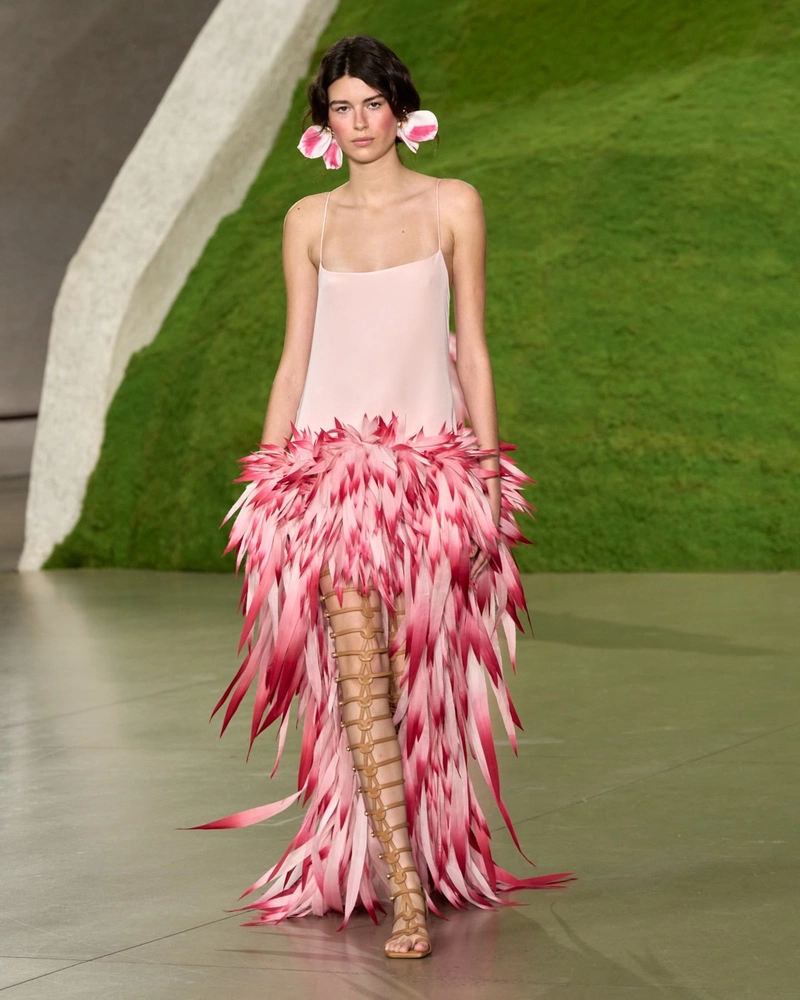
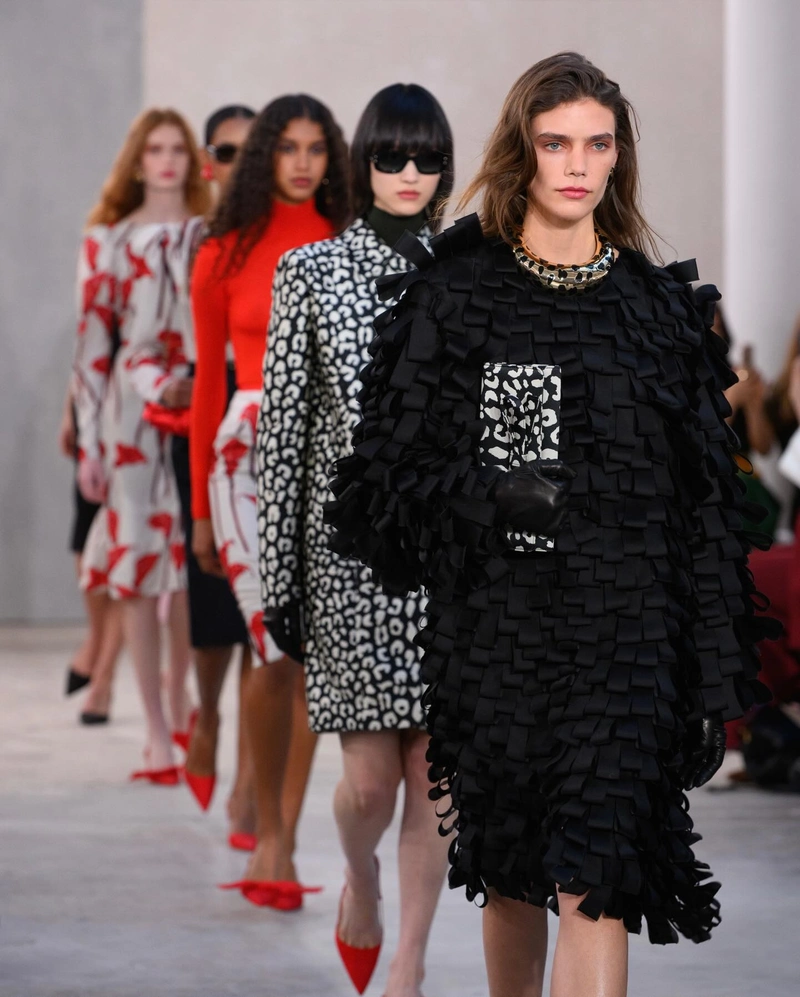
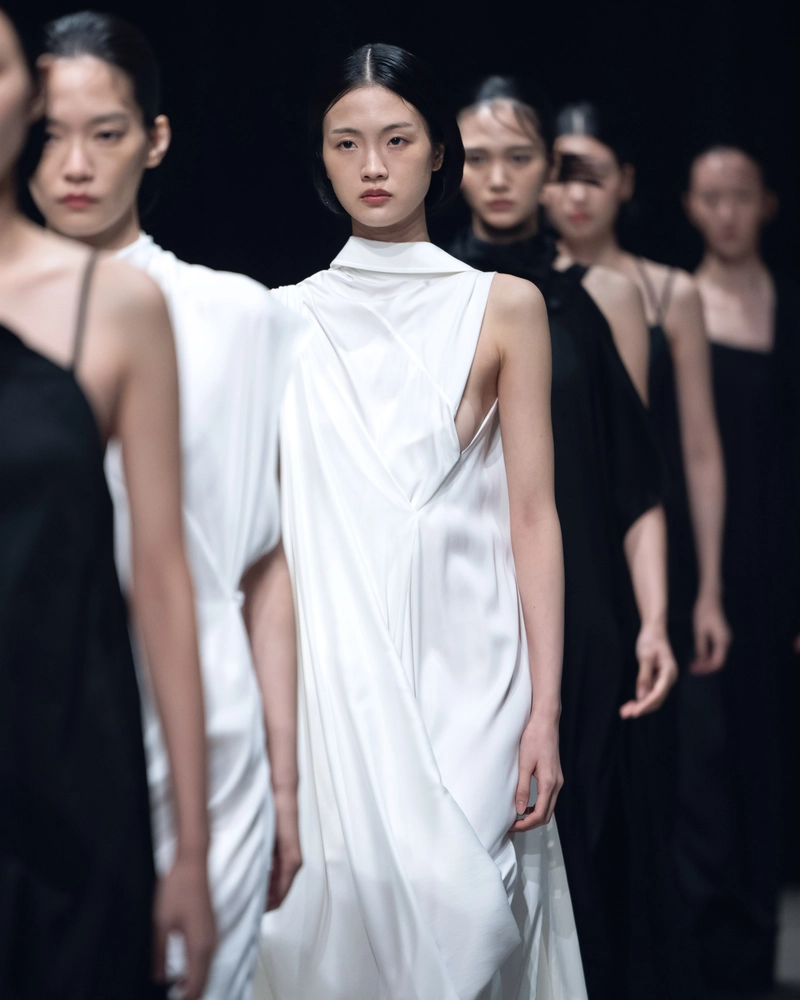
The decade returns most convincingly when designers treat it as a state of motion rather than a catalogue of familiar pieces. Its influence can surface through softness, theatrical colour, sensual draping or the confidence of a wardrobe assembled across different worlds, allowing each house to reveal a distinct side of 70s style.
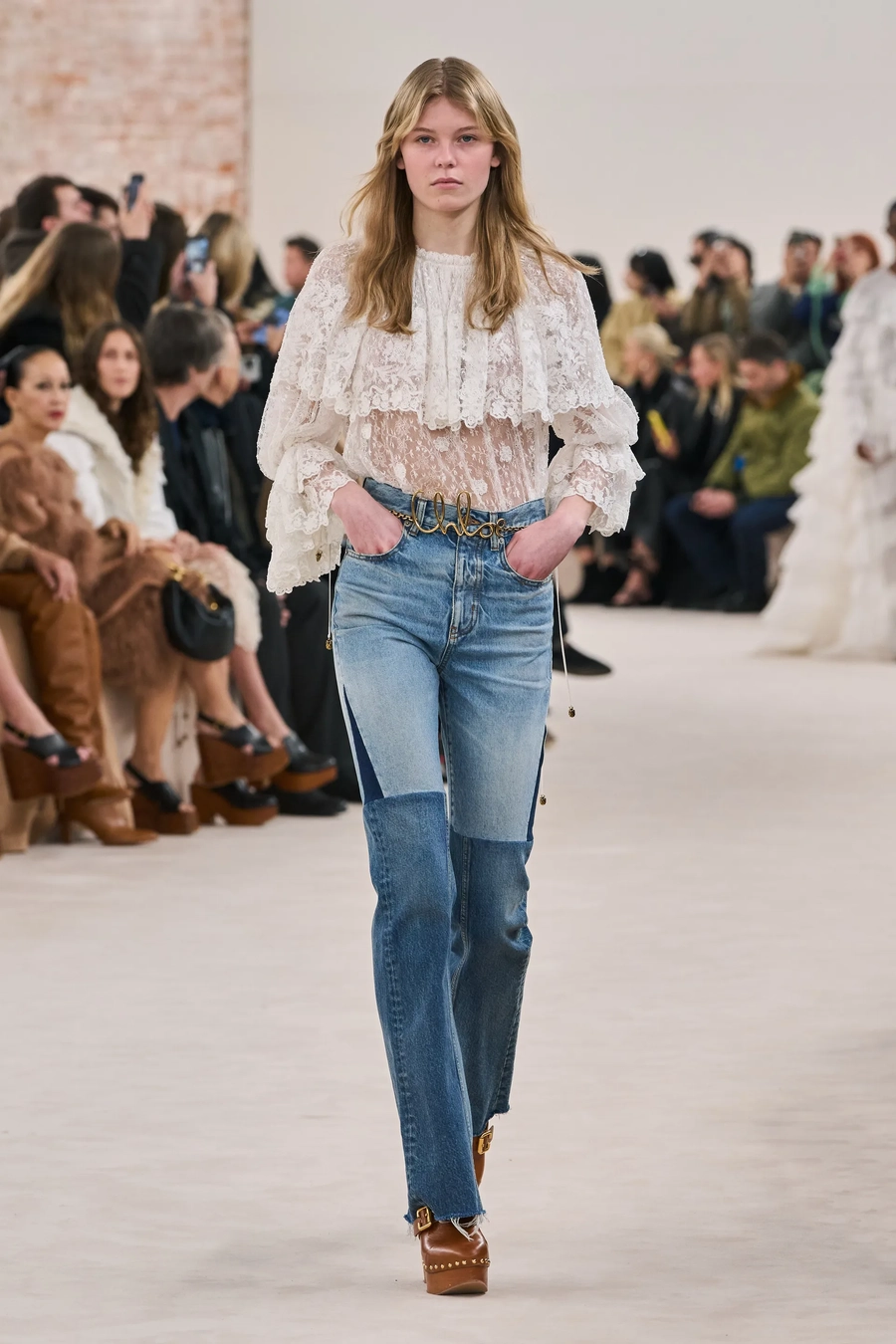
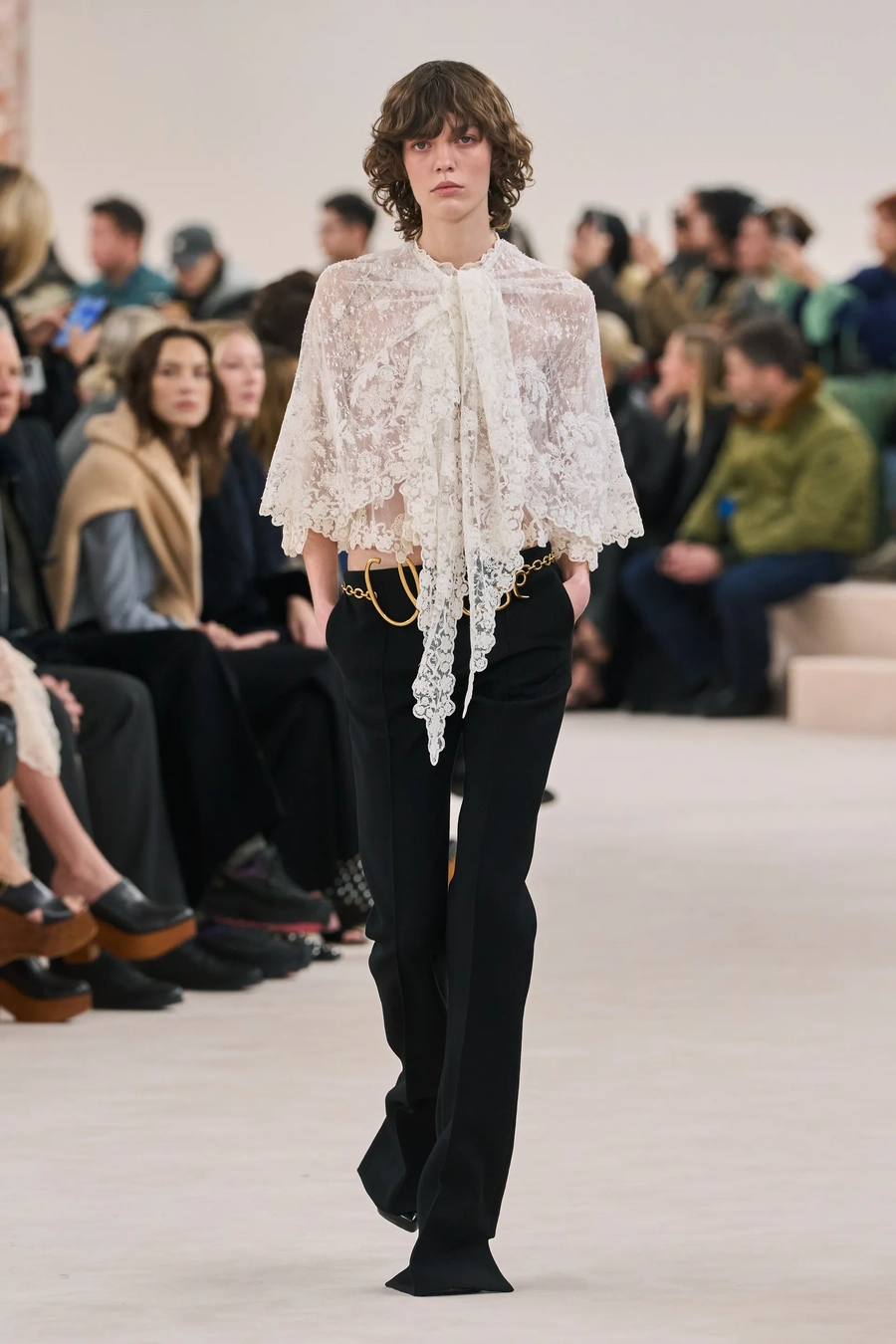
Chloé carries 70s style through fluid movement, romantic layering and an ease shaped by travel. The clothes preserve the decade’s softness while giving it a more modern sense of independence.
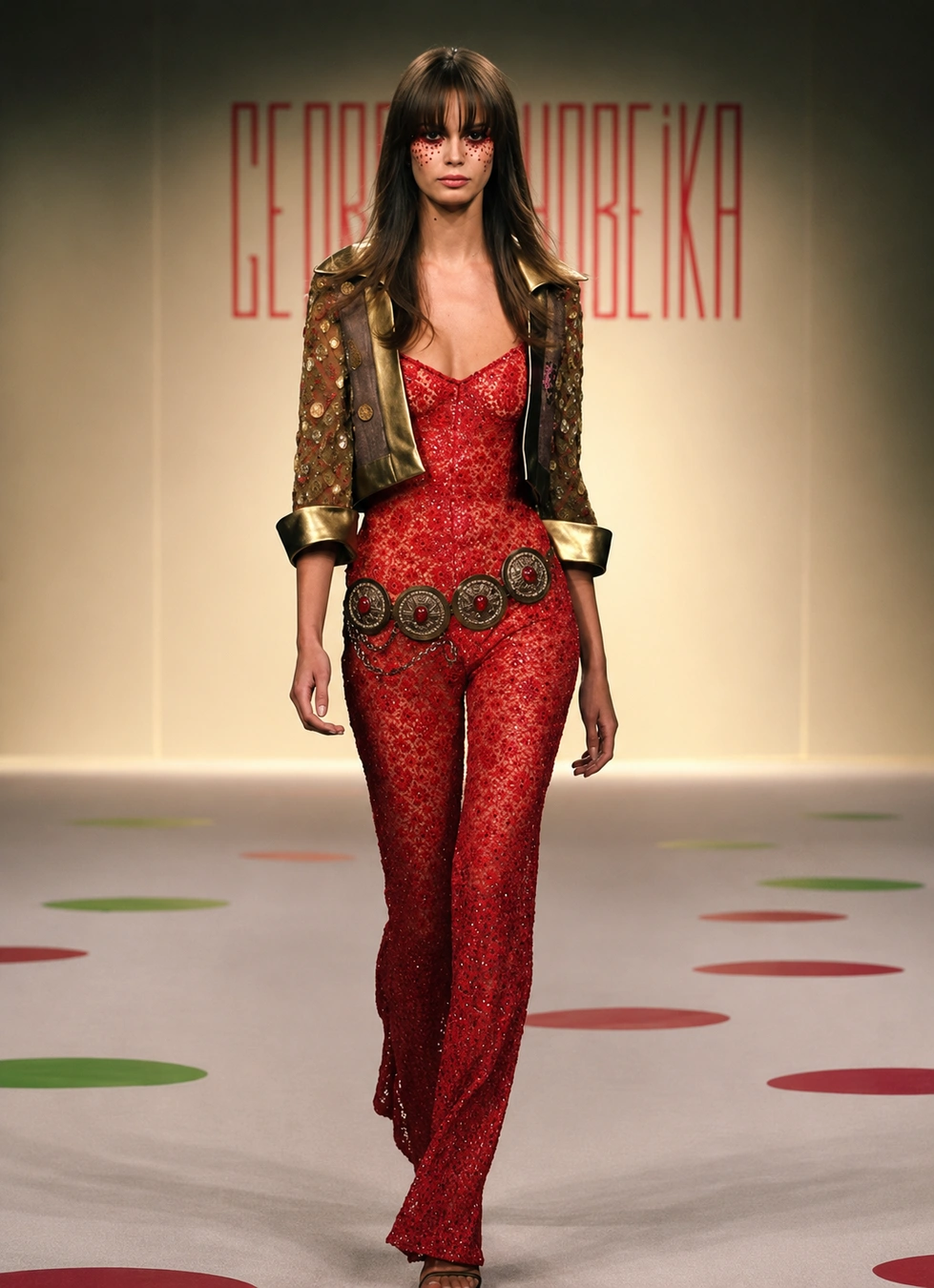
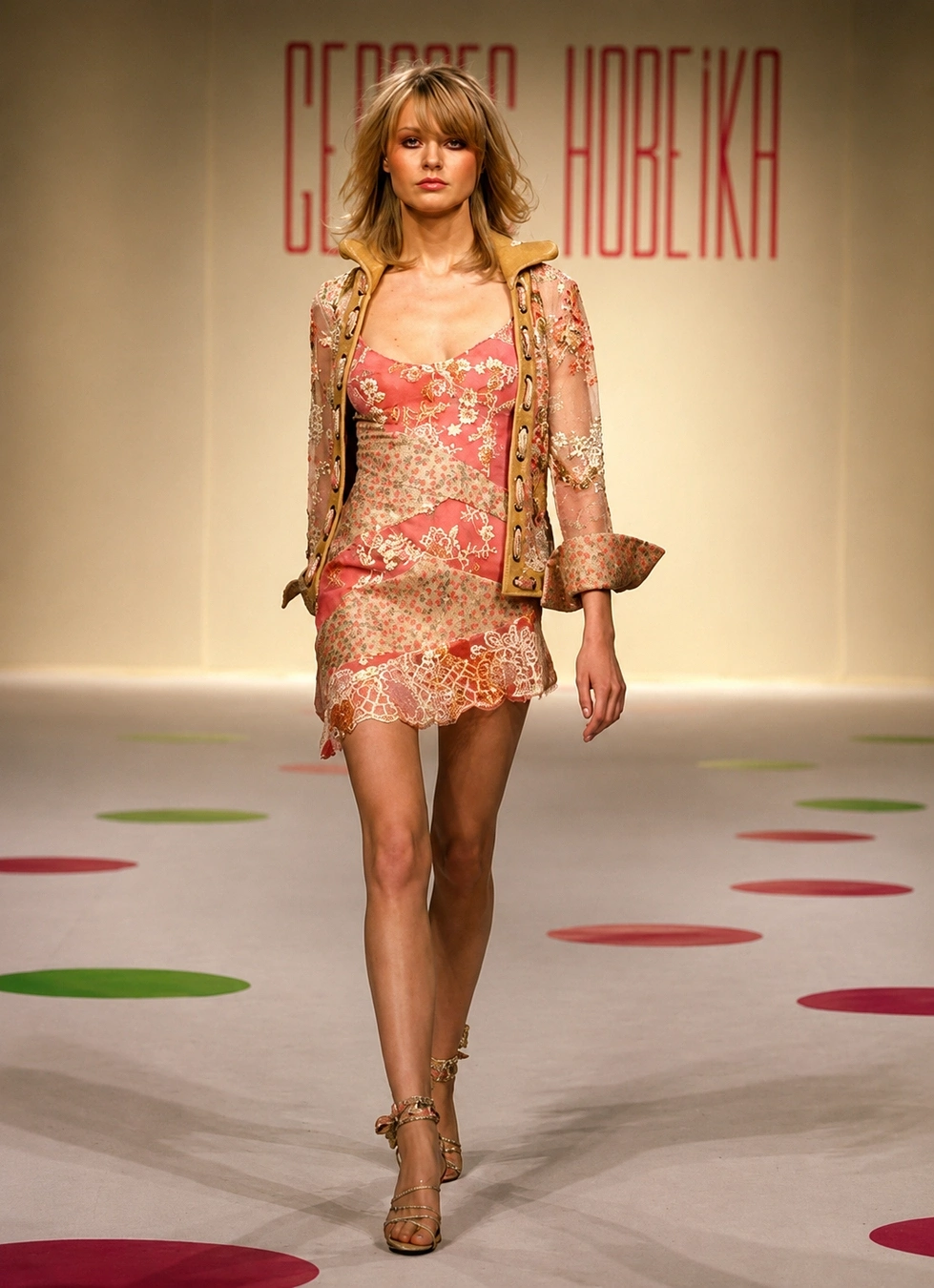
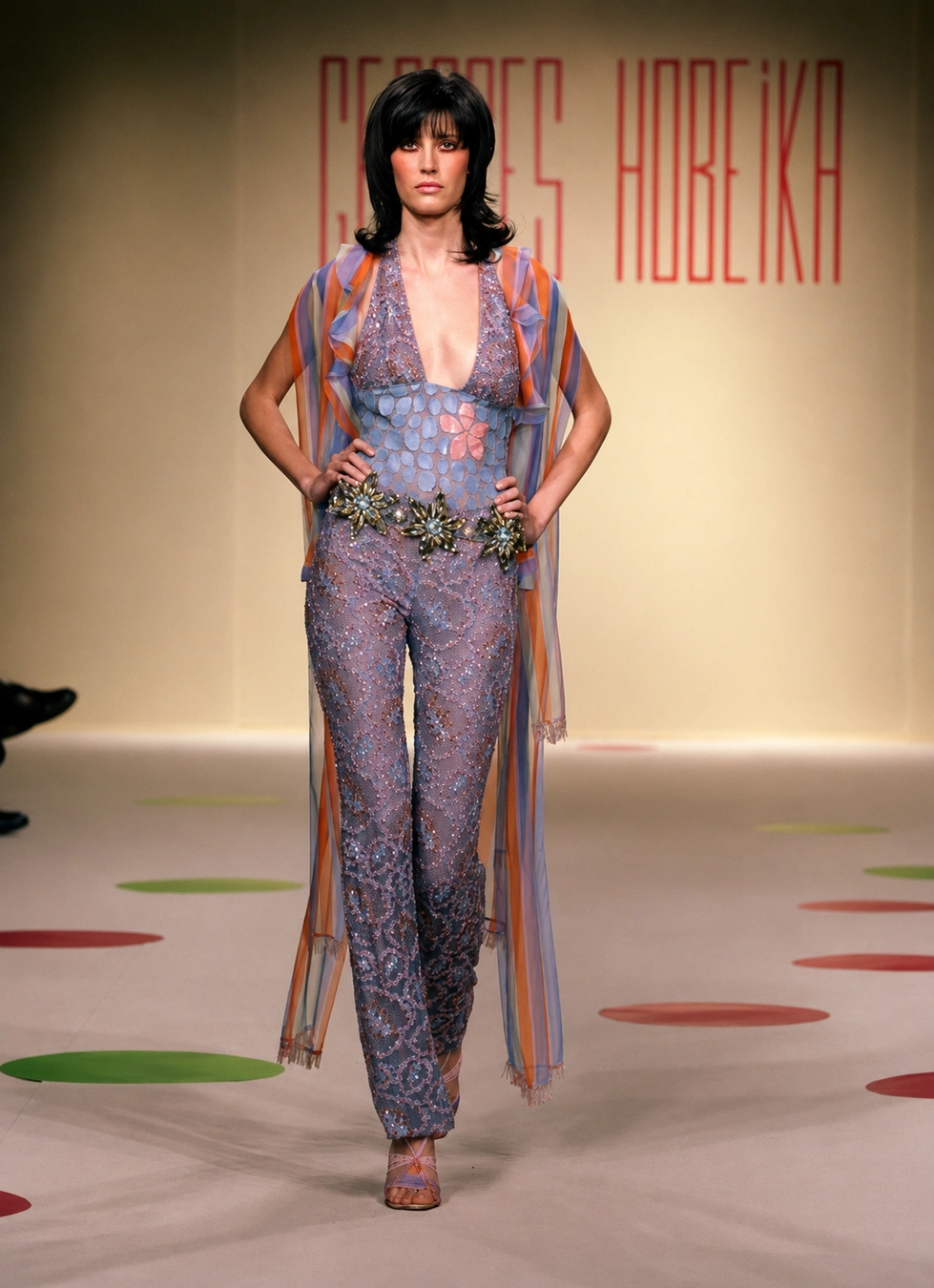
Georges Hobeika takes the decade toward couture, where draping, jewel tones and liquid surfaces turn bohemian sensuality into evening spectacle. The silhouettes retain the ease associated with 1970s glamour, though embroidery and controlled construction give that freedom a more polished, ceremonial presence.
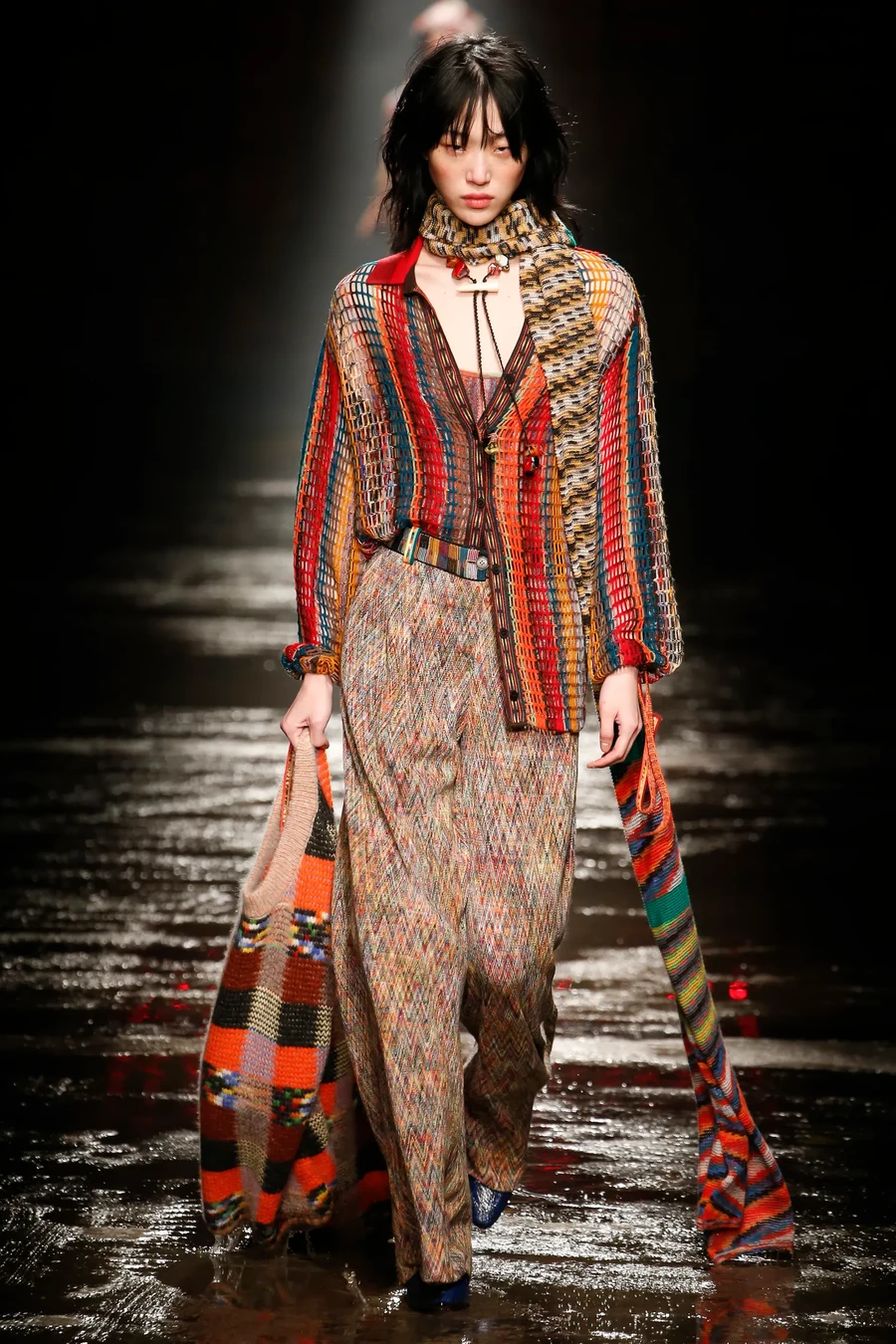
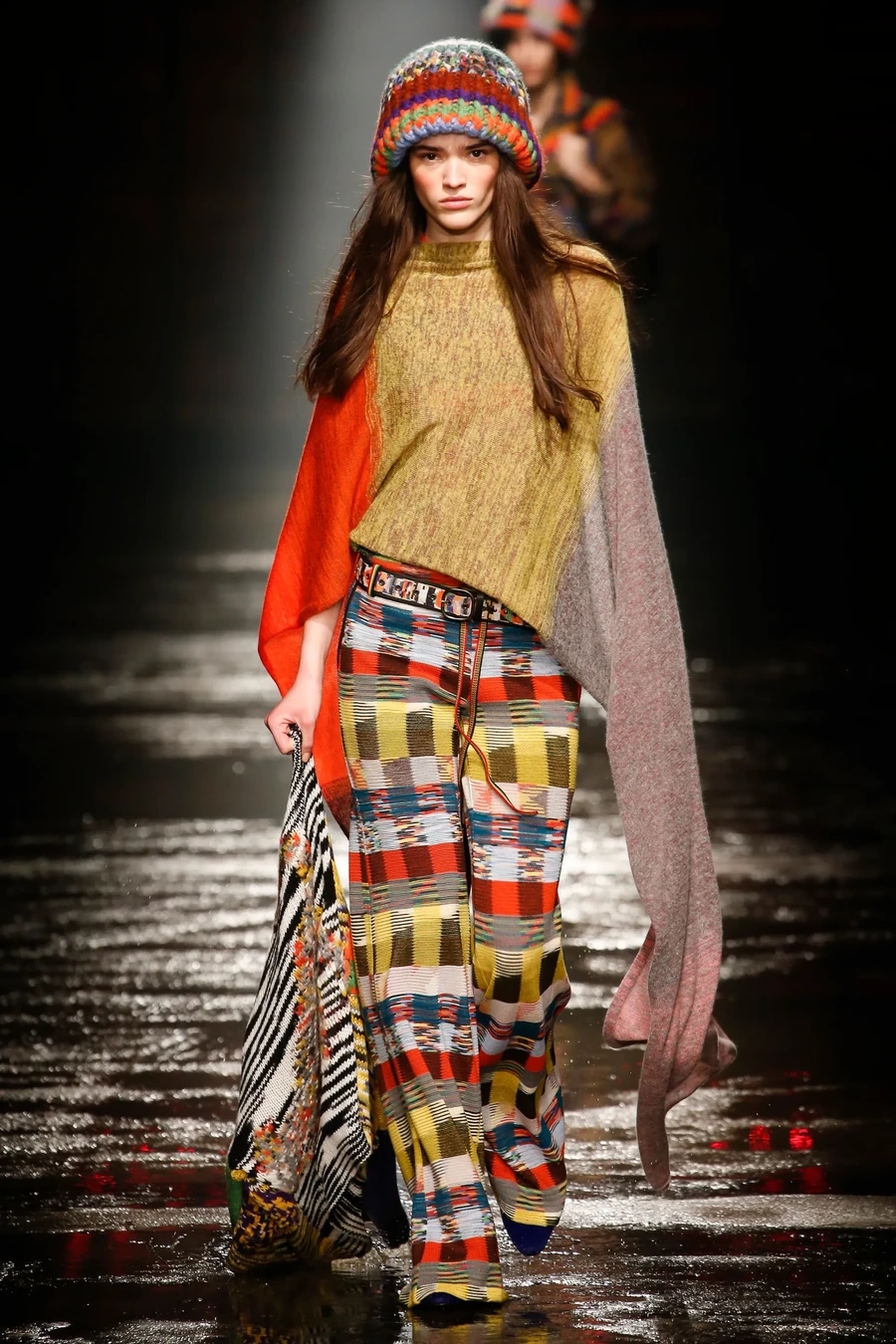
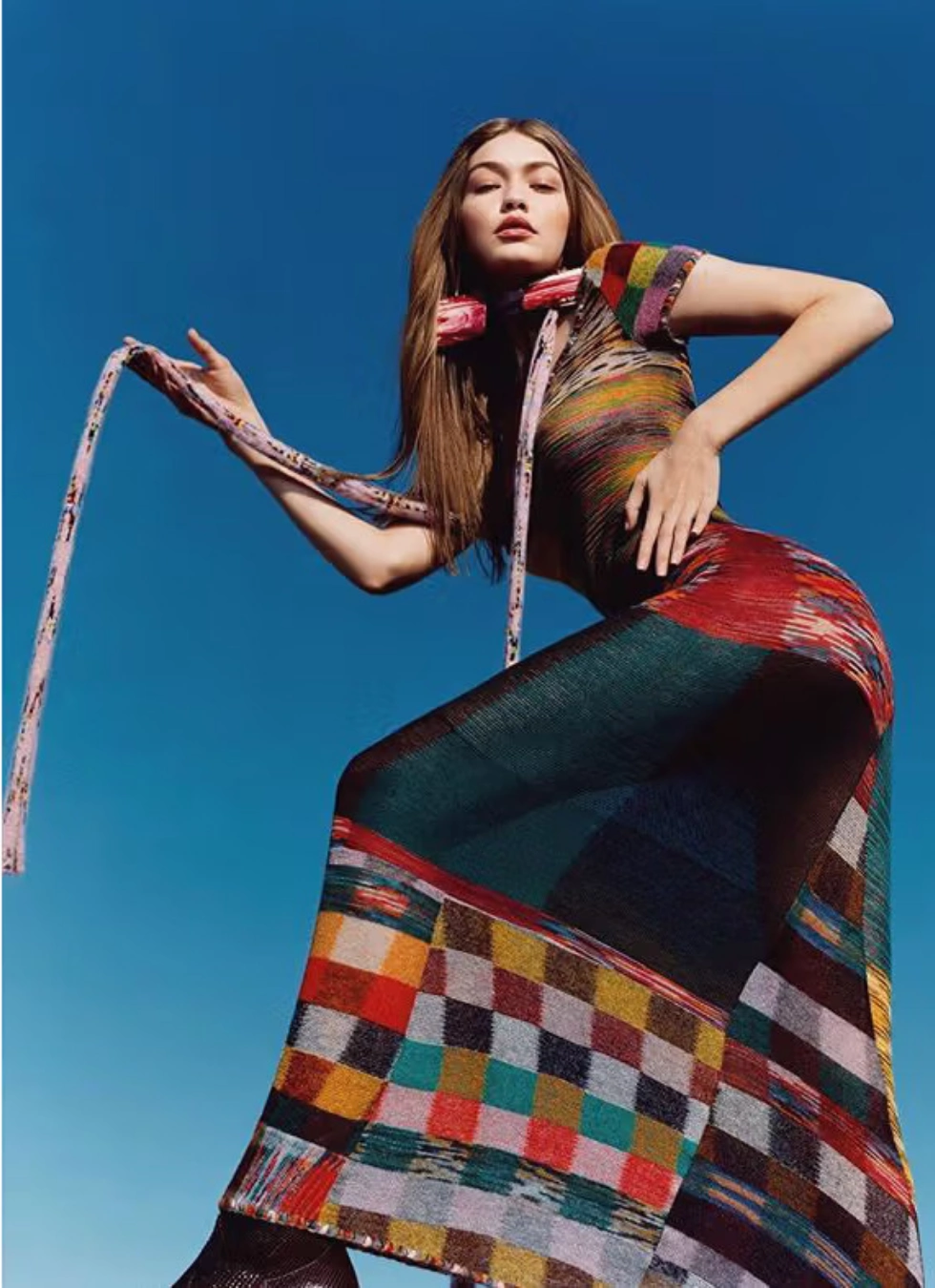
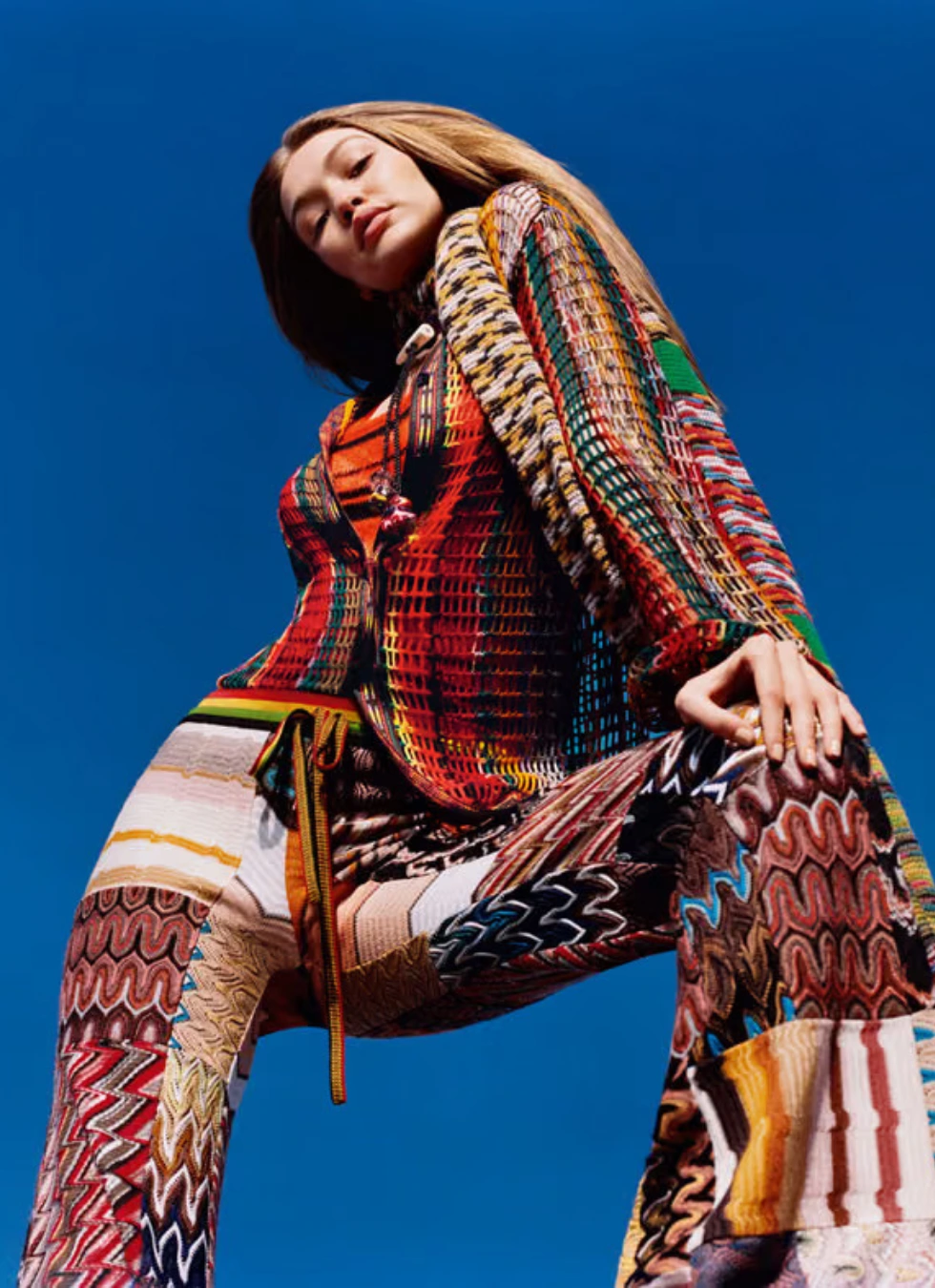
Missoni carries 70s style through knitwear that turns colour and pattern into movement. Its layered textures, elongated lines and flared proportions give the decade a softer, more nomadic energy, where bohemian ease is held together by the house’s unmistakable rhythm of stripes, zigzags and patchwork.
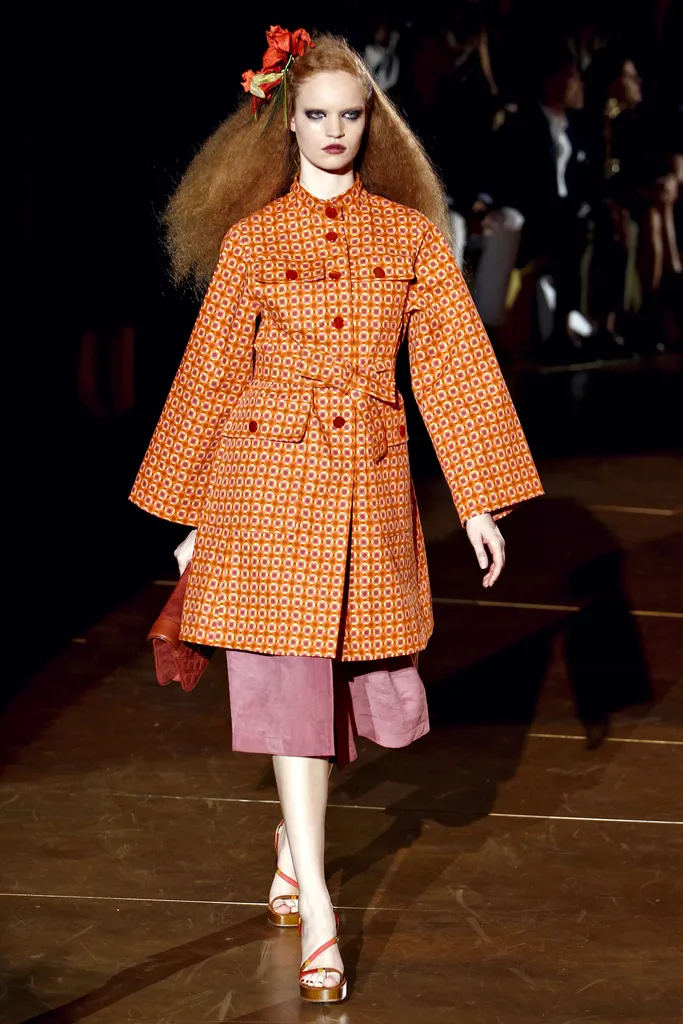
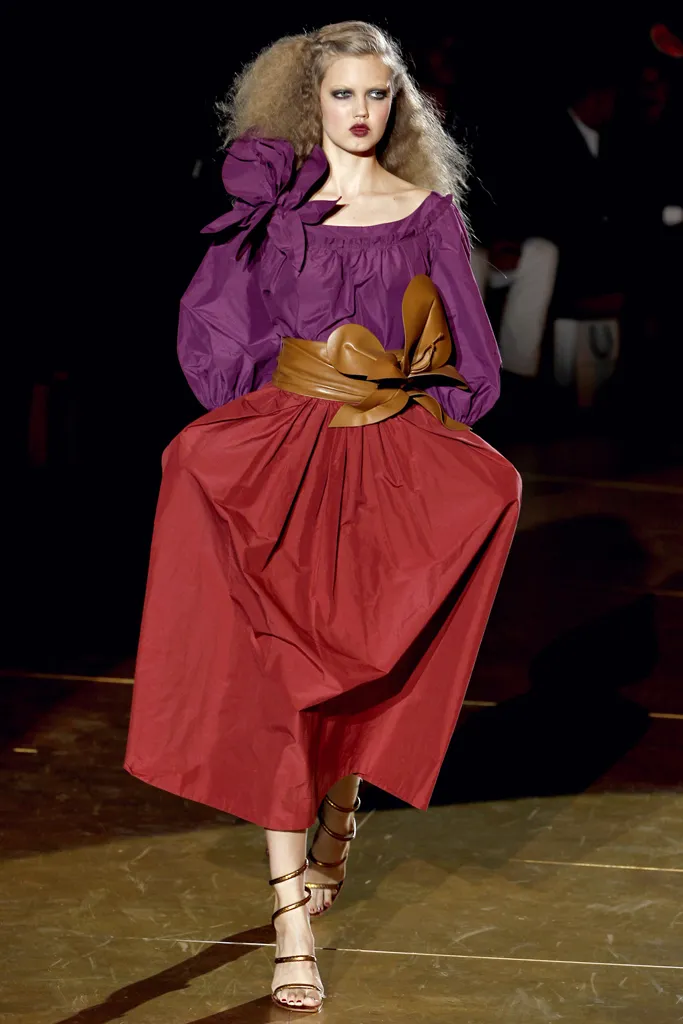
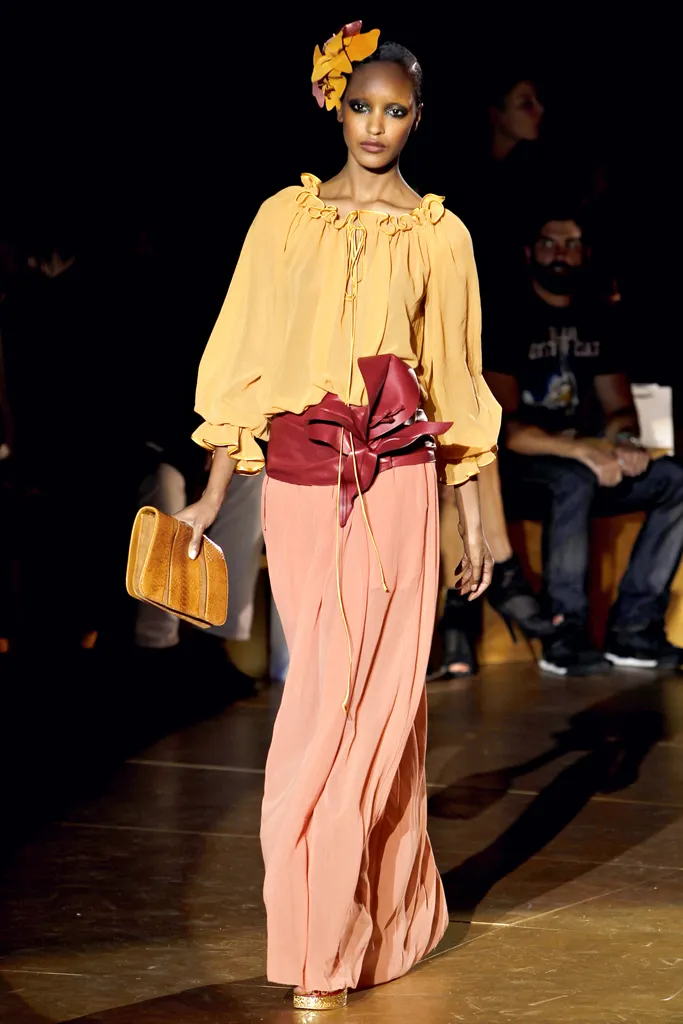
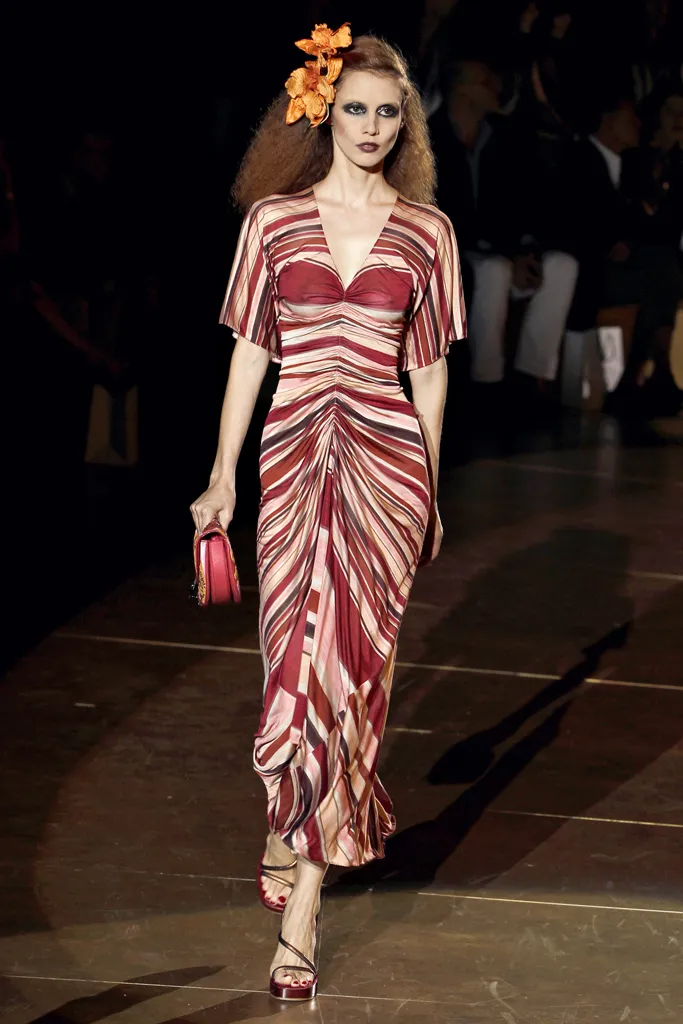
Marc Jacobs turns the decade toward exuberance, pushing colour, print and proportion into a world charged by nightlife. Satin, wide trousers and theatrical sleeves make transformation appear instinctive and joyful.
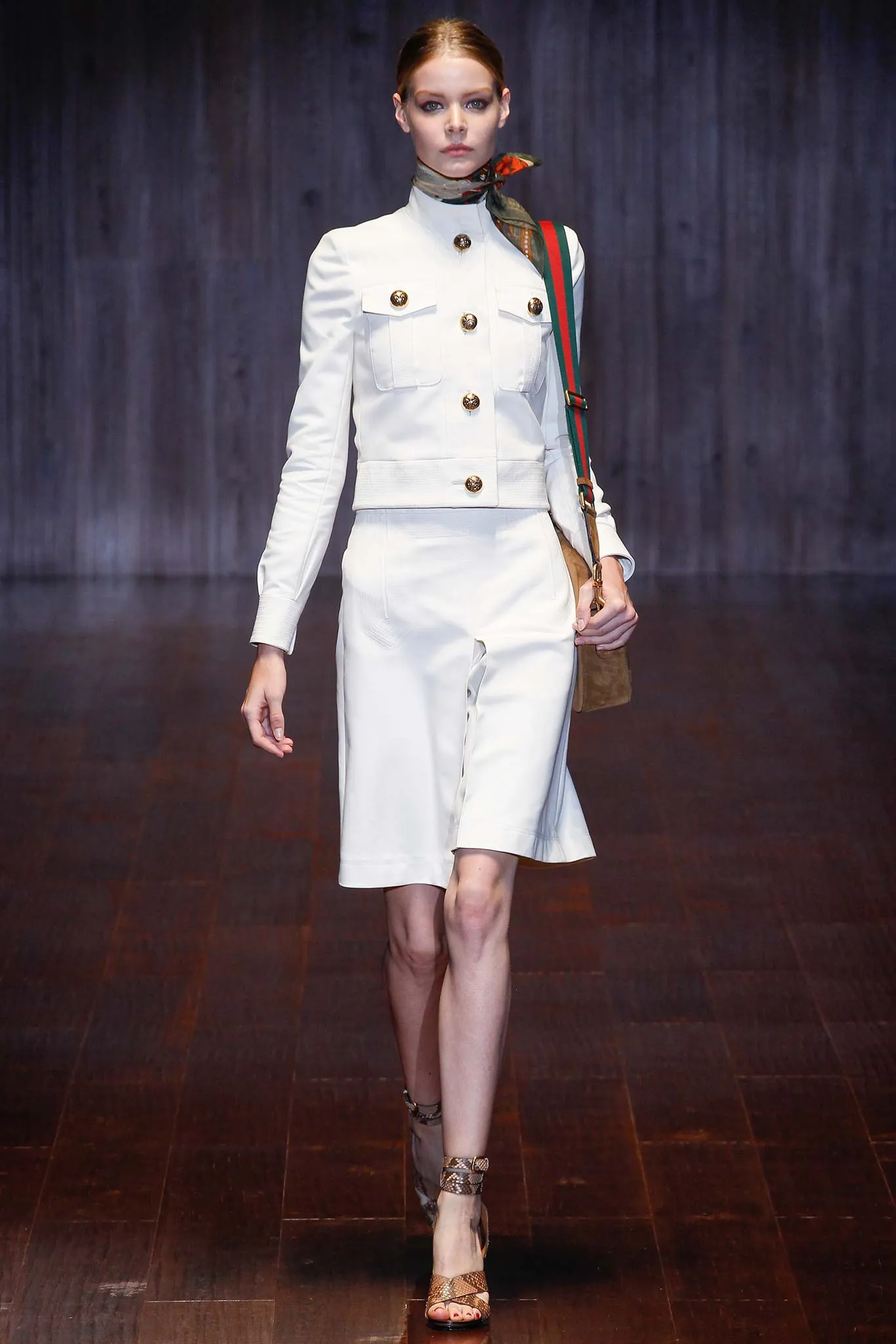
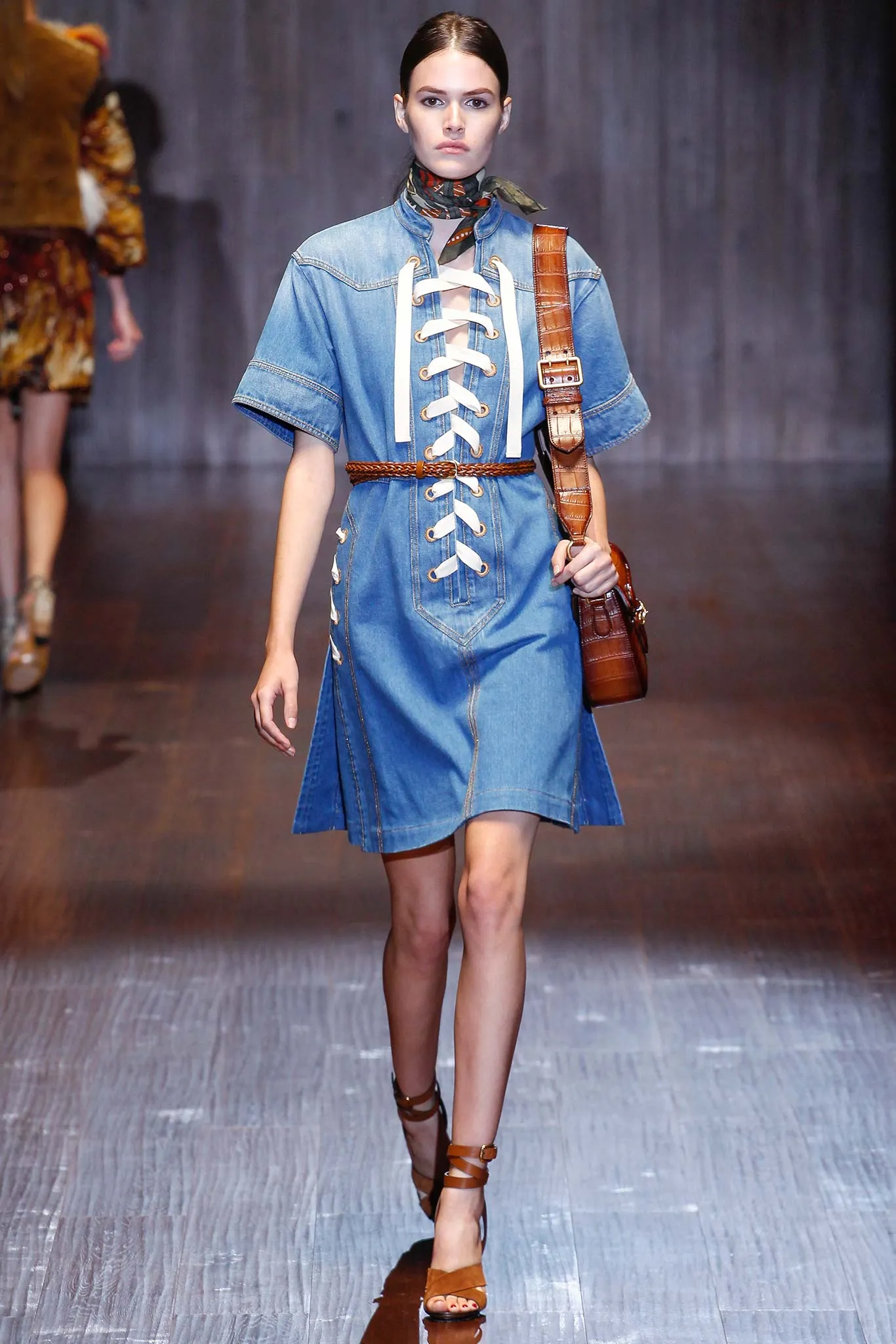
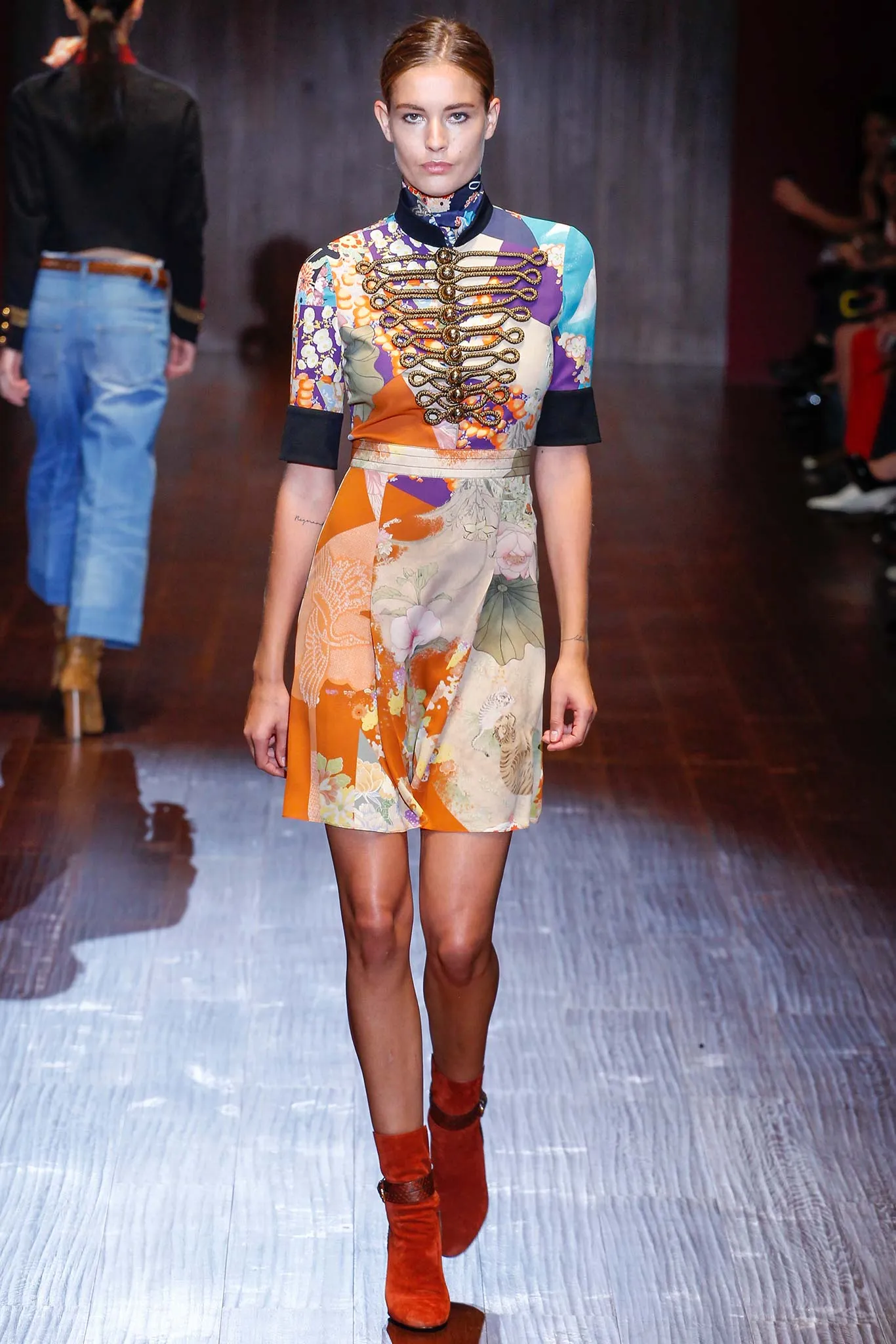
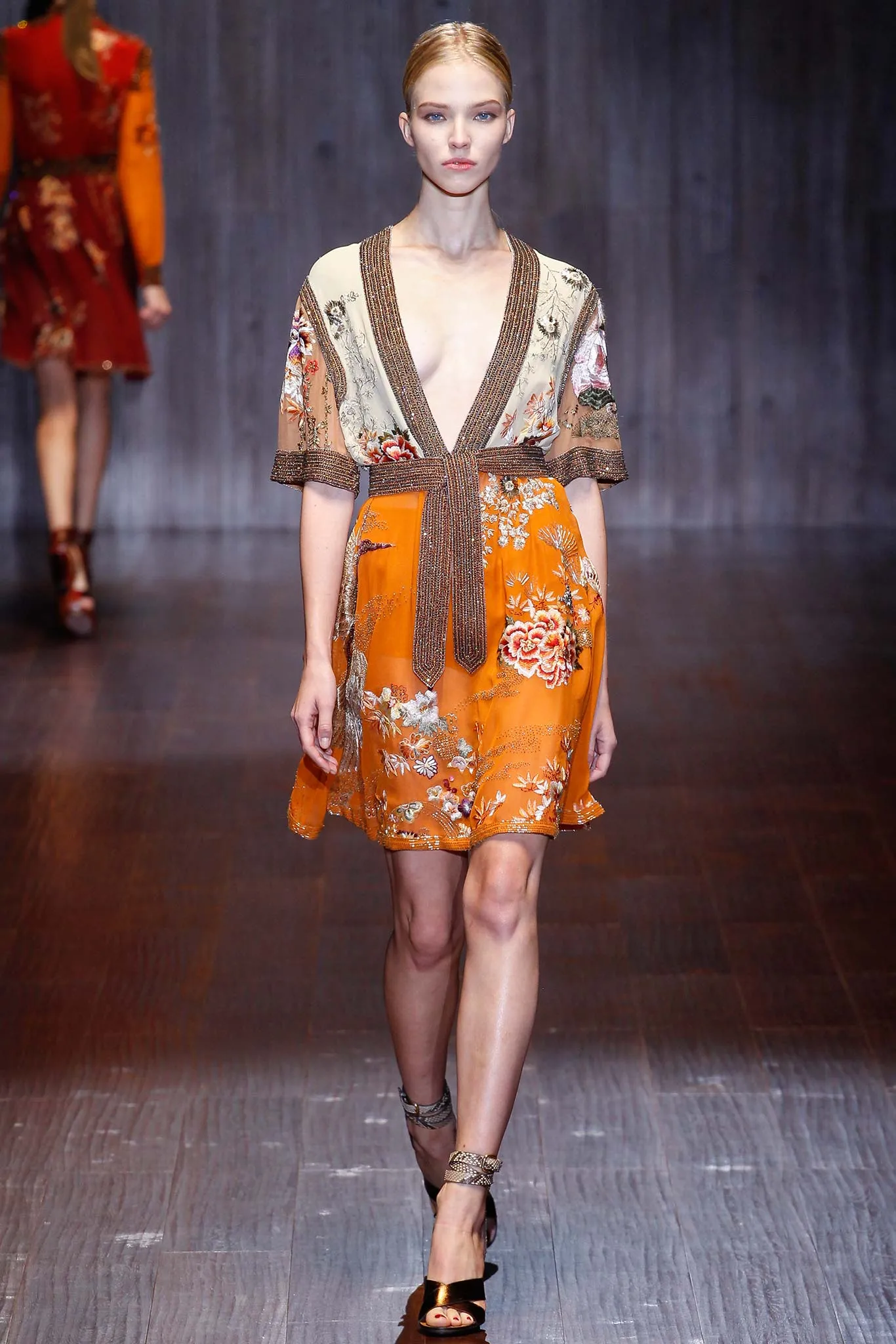
Gucci approaches the era through a more worldly wardrobe, placing military references, denim and silk against an atmosphere of vintage sophistication. The clothes suggest someone who has travelled, collected and rearranged influences over time, giving 70s style the layered intelligence of a personal historical image.
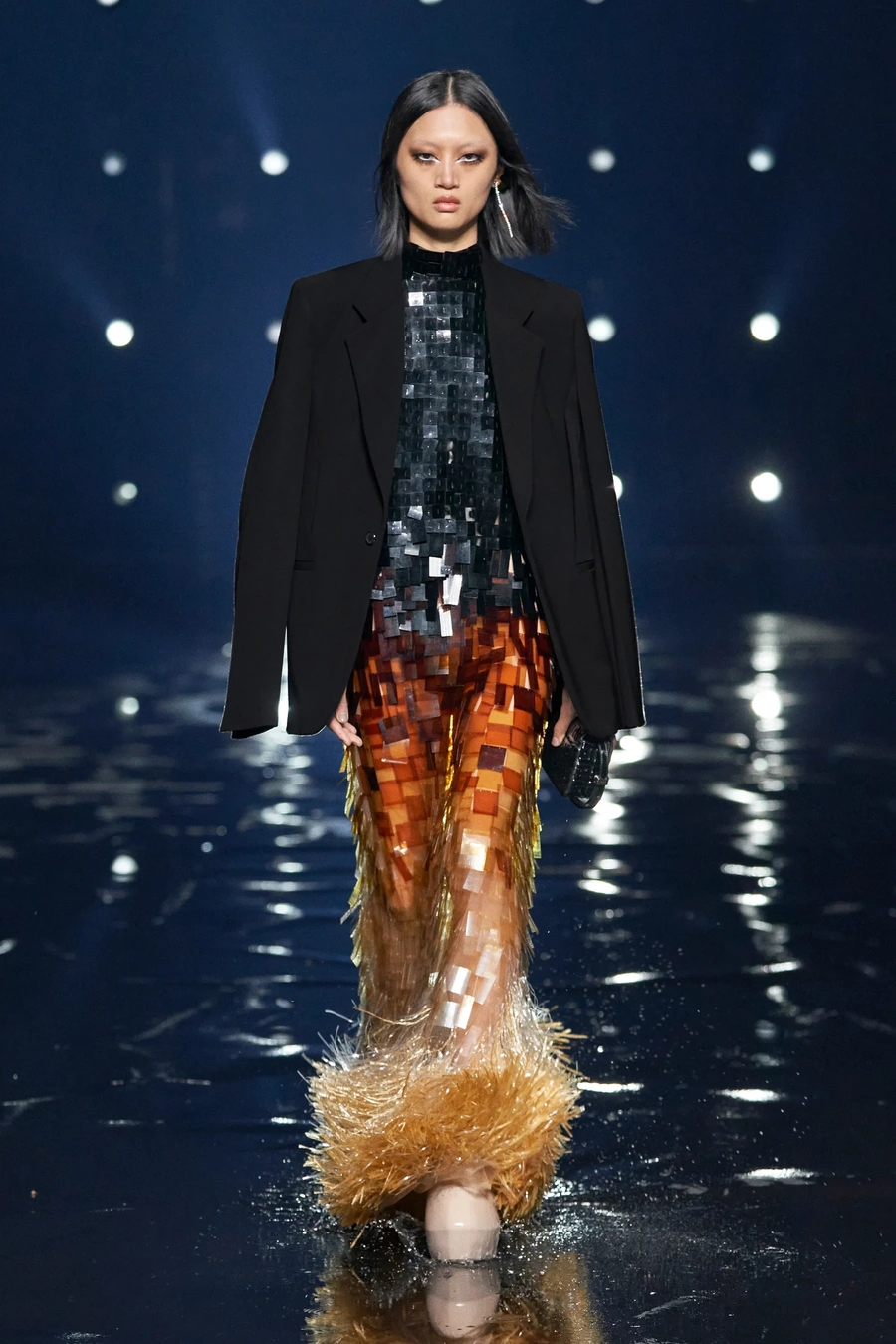
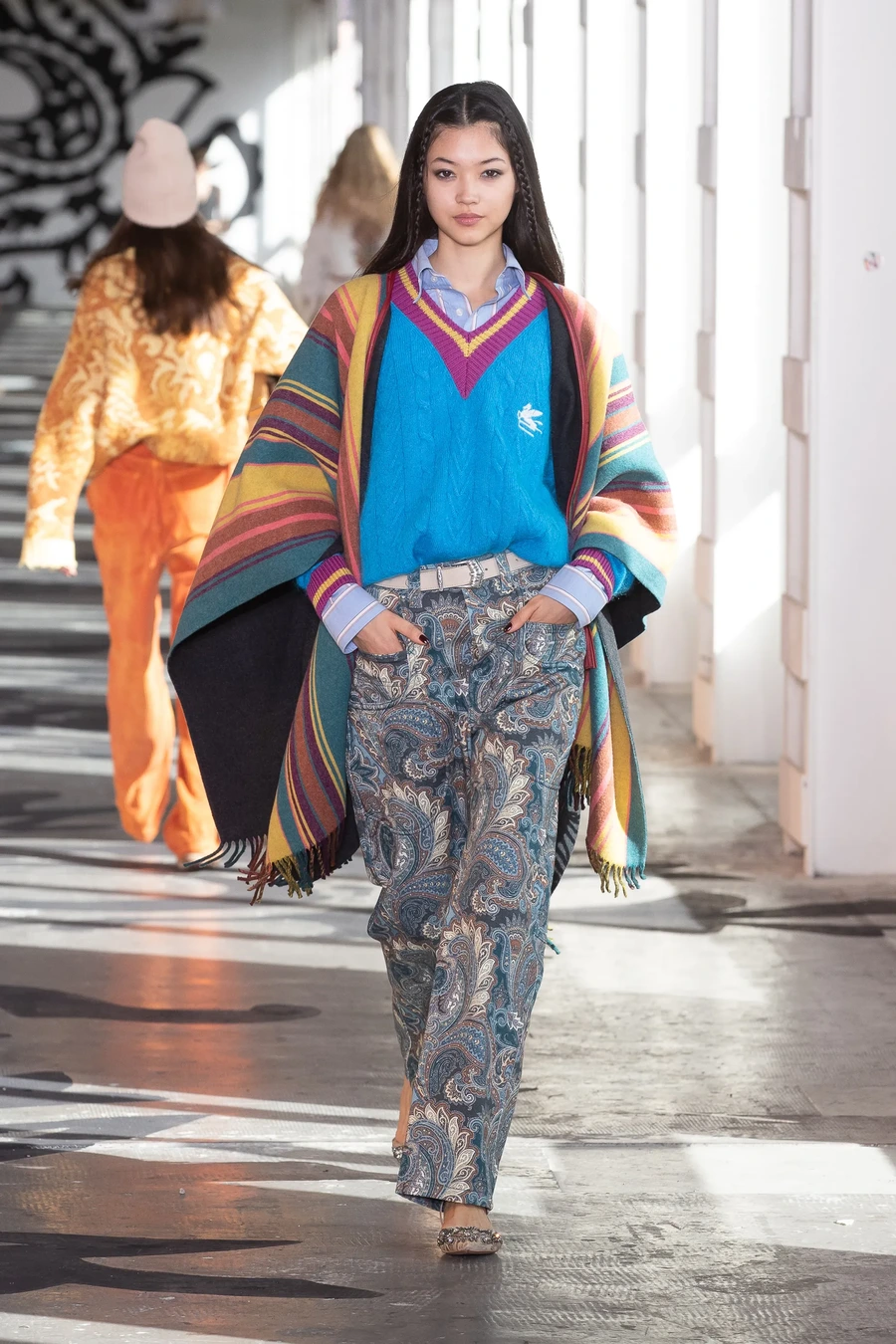
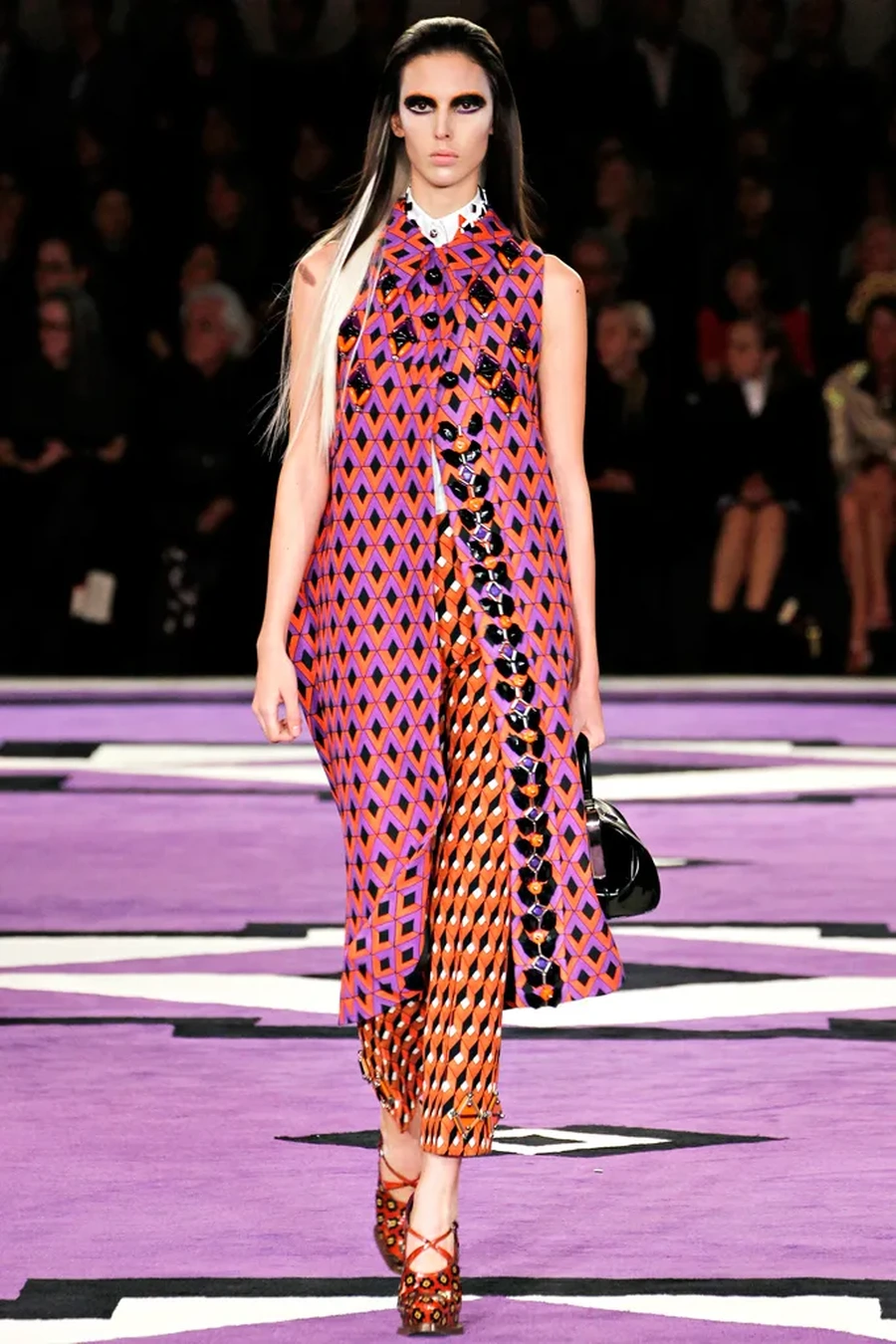
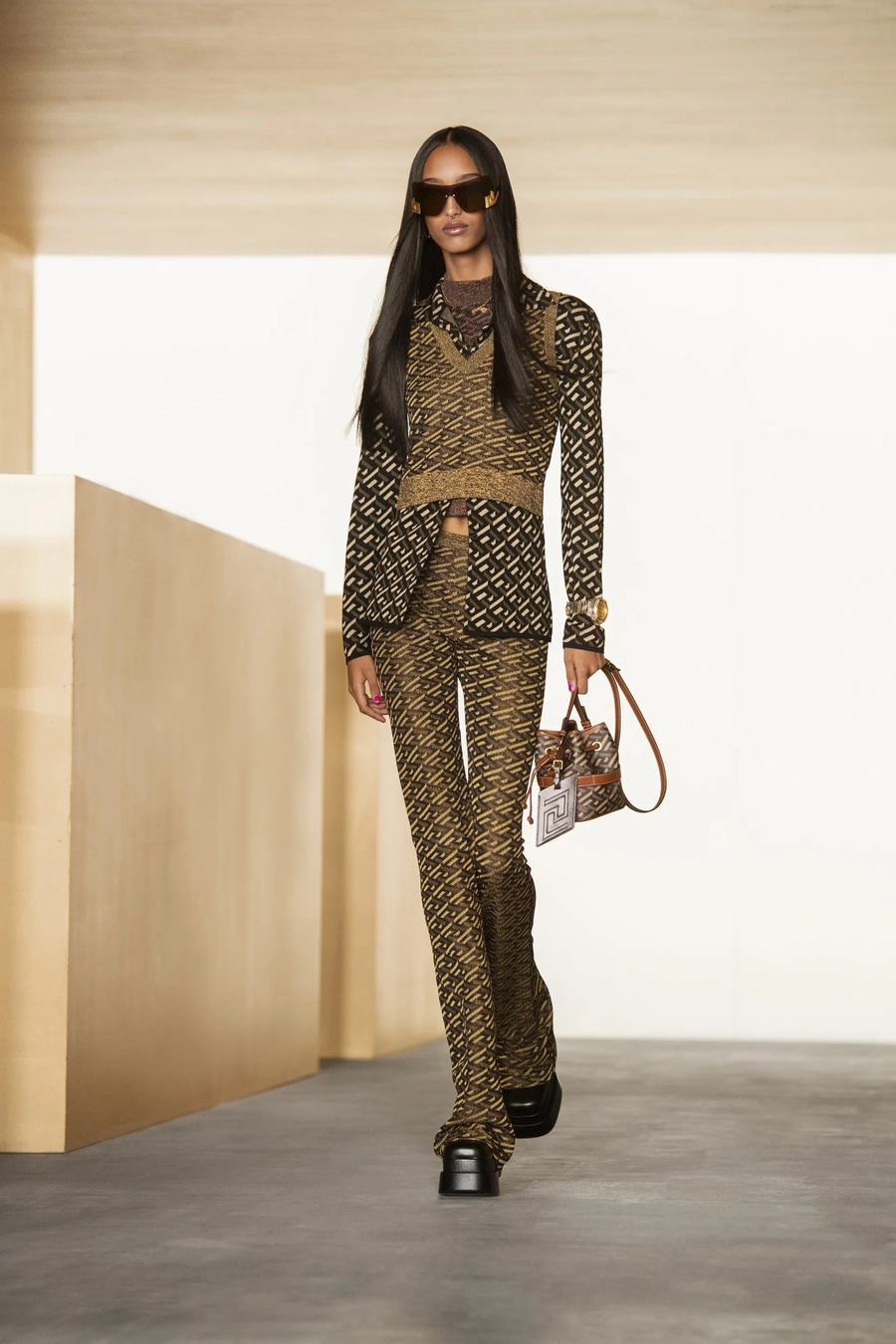
Beyond these houses, 70s style continues through suede, fluid jersey, relaxed tailoring and metallic fabrics shaped by movement and nightlife. Its range stretches from sun-faded bohemia to glam and disco, giving designers several ways to revisit the decade without flattening it into one retro image.
Cinema and television gave 70s style a life beyond the runway, allowing clothes to absorb the rhythm of streets, basements, dance floors and private ambition. On screen, the decade became a way characters tested identity through the worlds they hoped to enter.
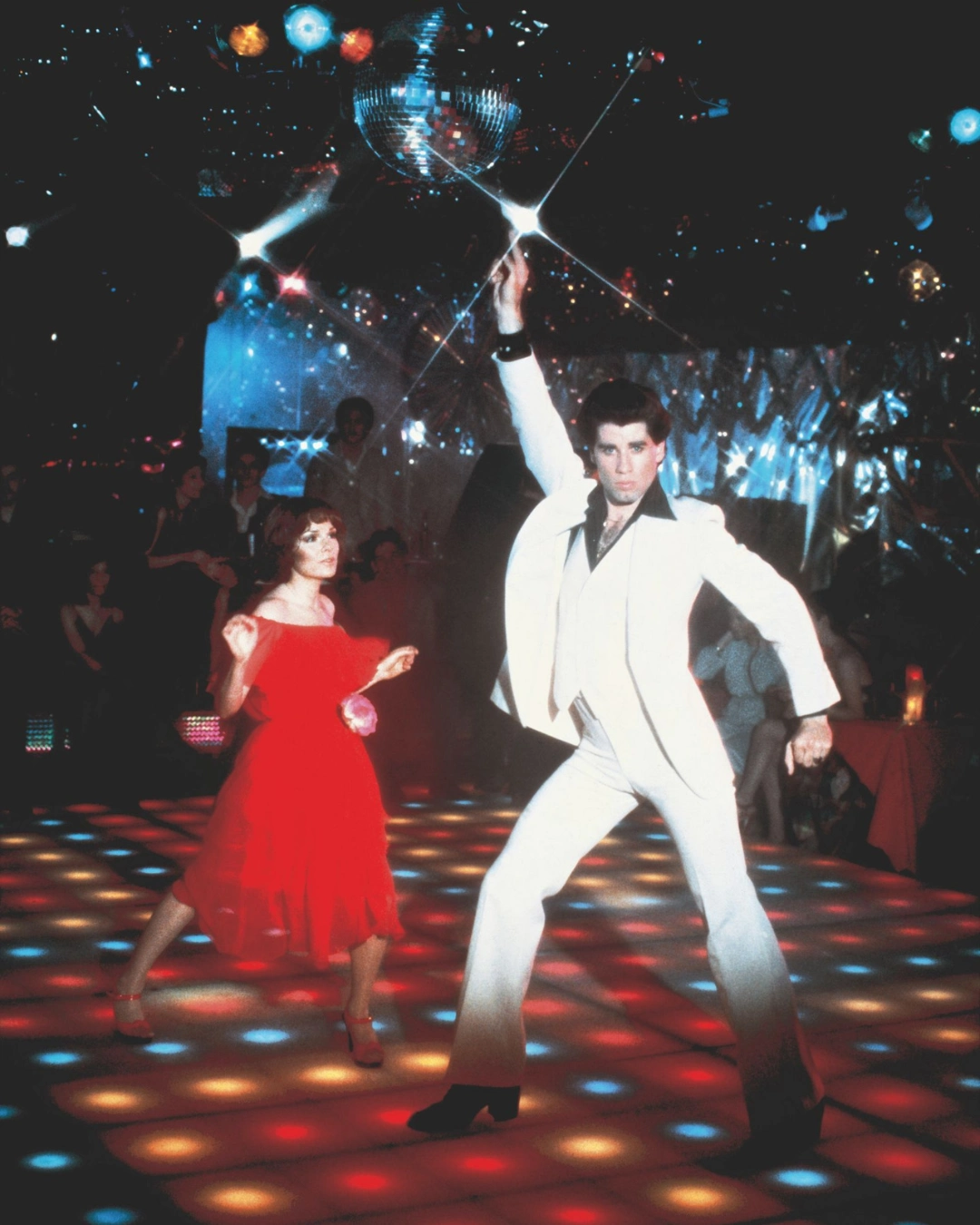
In Saturday Night Fever, dressing transforms Tony Manero’s life before the music reaches its peak. The white suit, open collar and immaculate polish create a version of him larger than his working-class routine, while the dance floor turns appearance into confidence, escape and performance.
That ’70s Show brings the decade into everyday life, where flared denim, striped knits and suede jackets belong to teenagers passing time in suburban Wisconsin. The costumes retain the warmth and awkwardness of clothes actually lived in, showing 70s style through friendship, rebellion and the restless space between adolescence and adulthood.
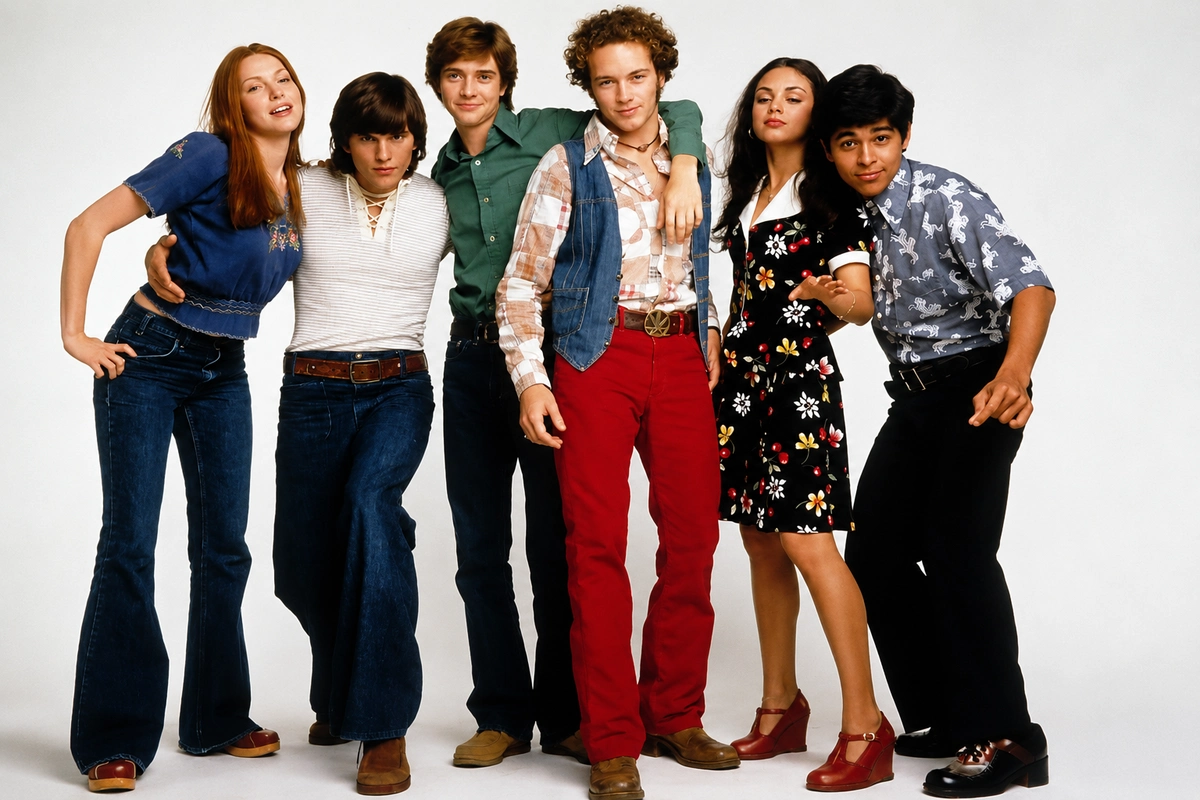
Together, the two works capture the decade on opposite scales, moving from the heightened glamour of the nightclub to the intimacy of a basement sofa. Clothing carries the same promise in both worlds: another self may be waiting inside the next song, the next night or the next outfit.
By morning, the dance floor has emptied, yet a little glitter still catches on the skin and the hem of a wide trouser leg keeps brushing the pavement as though the night has refused to release its rhythm. The mirror has returned to silence, though something in the reflection has shifted.
The decade left behind more than its familiar silhouettes. It preserved the belief that identity could remain open, shaped by music, movement and the private thrill of seeing oneself differently.
Somewhere, a light still turns above an empty room, scattering fragments across the walls.
And for a moment, another version of the self steps forward.
70s style carries that lingering possibility. It remembers the freedom of changing one’s image without asking the world for permission, allowing glamour, softness, confidence and contradiction to inhabit the same life. A person could move through one evening and emerge with another posture, another courage, another idea of who they might become.
Advertisement