MENU
Close





After LVMH’s sale of Marc Jacobs, the question is larger than why an American brand changed hands. It asks what luxury groups are choosing to protect, what they are willing to release, and why the aesthetic passport has become a strategic asset in the new luxury order.
After LVMH’s sale of Marc Jacobs, the question is larger than why an American brand changed hands. It asks what luxury groups are choosing to protect, what they are willing to release, and why the aesthetic passport has become a strategic asset in the new luxury order.
May 26, 2026


LVMH’s sale of Marc Jacobs to the joint venture between WHP Global and G-III Apparel Group should not be read as an isolated M&A headline. It feels more like a signal: a sign that luxury conglomerates are entering a period of portfolio purification, where every brand must prove that it belongs to clear enough grammar. For LVMH, that grammar may be French maison heritage, European craft, leather goods authority, global retail control, or a category-specific know-how that the group does not want to lose from its ecosystem.
Reuters reported that LVMH agreed to sell Marc Jacobs to WHP Global and G-III, with the buyers raising up to $850 million to execute the transaction. Marc Jacobs, the brand’s founder, will continue as creative director. Reuters also framed the deal within LVMH’s broader effort to restructure and focus on profitability as luxury demand weakens.
What is interesting is that Marc Jacobs was not sold to luxury rivals such as Kering or Richemont. It was moved into a more American, more pragmatic, more licensing-driven system: WHP Global, a New York-based brand management company, will handle licensing, while G-III will operate the global business. In other words, Marc Jacobs left the French maison castle and entered the American brand-management industry.
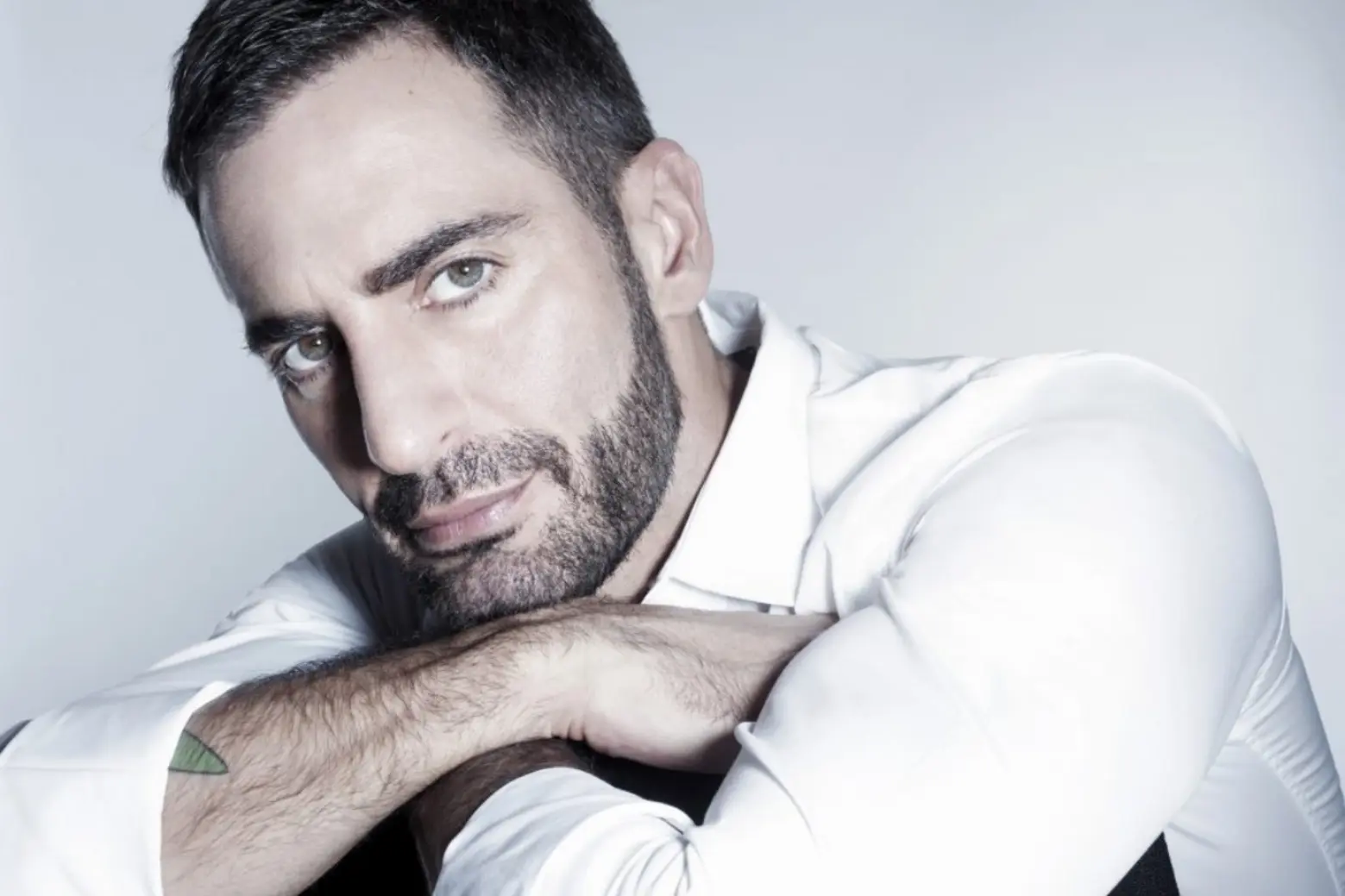
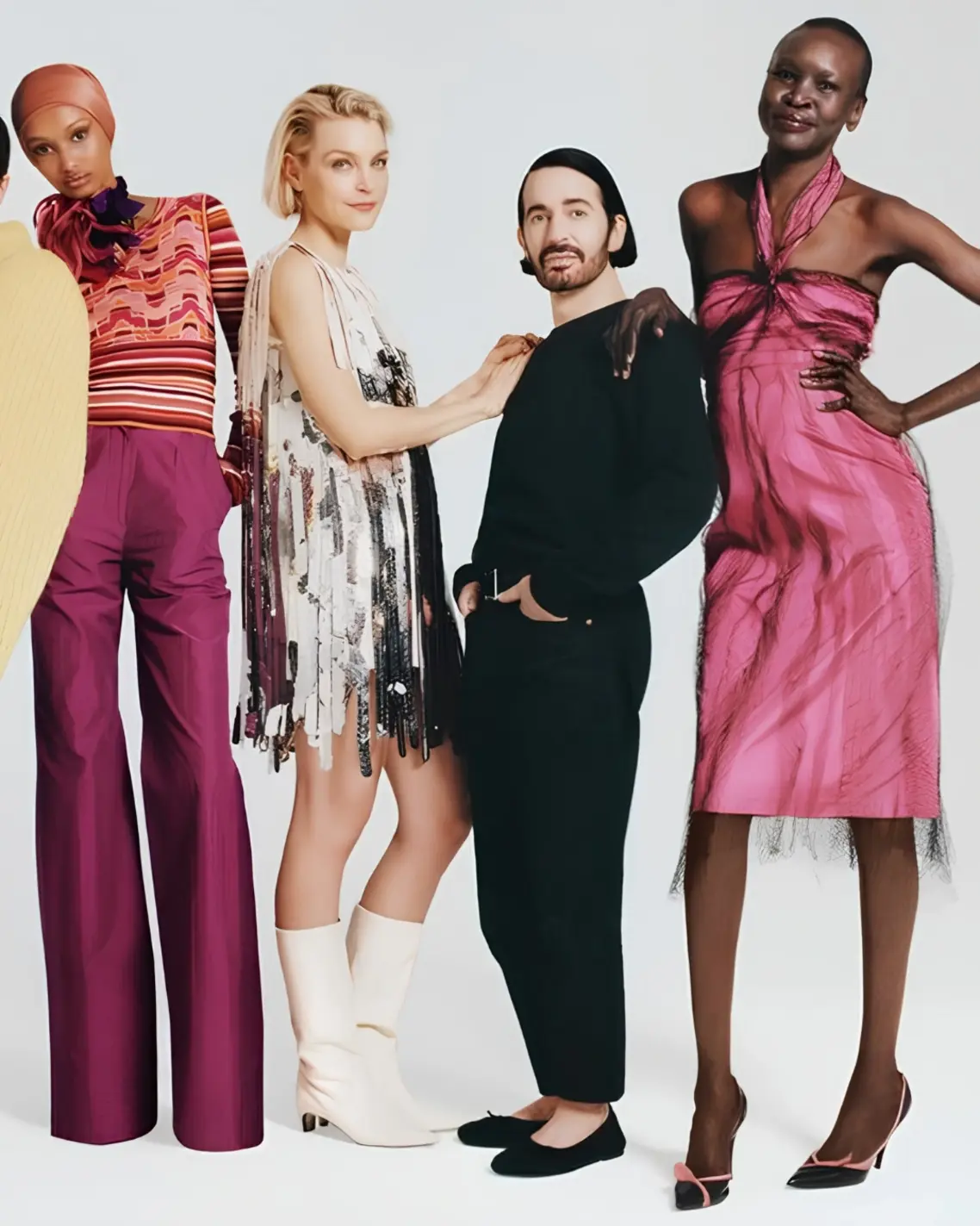
Marc Jacobs is a complicated case. He is American, founded his brand in 1984, and was also the designer who transformed Louis Vuitton when he became the house’s first creative director for ready-to-wear in 1997. Under LVMH, Marc Jacobs became a major cultural name: runway, handbags, Marc by Marc Jacobs, fragrance, beauty, Heaven, Gen Z nostalgia, and a very specific kind of New York coolness.
But that very multiplicity also made Marc Jacobs harder to manage inside a group seeking sharper focus. Vogue has noted that the brand needs to be unified again after years of carrying many product layers and identities: runway fashion, accessories, fragrance, Heaven, beauty relaunches, and more accessible product lines. Vogue also mentioned that Marc Jacobs once had more than 280 stores worldwide, a heavy network for a brand trying to maintain fashion credibility while also operating as a broader commercial business.
The problem with Marc Jacobs, then, is not necessarily that the brand is small or weak. The problem is that it is no longer the kind of asset LVMH appears eager to manage at this stage. Marc Jacobs has American cultural power, a strong founder myth, licensing potential, accessible handbags, wholesale exposure and Gen Z reach. Those qualities are better suited to WHP/G-III, where the brand can be treated as an American cultural IP, than to LVMH, where the ideal maison depends on craft authority, retail control and long-term desirability.
Put simply: Loewe is a maison LVMH can nurture as a luxury asset. Marc Jacobs is a brand IP WHP/G-III that can be exploited as a commercial asset.
WHP Global does not operate like LVMH. LVMH is a maison empire: it buys, keeps, nurtures, protects and expands heritage. WHP is a brand-management platform: it acquires IP, licenses it, expands categories, distributes through partners and optimises commercial value. WHP’s official website describes the company as owning 15+ global brands, generating more than $8.5 billion in retail sales across more than 80 countries.
After Marc Jacobs, Reuters reported that WHP’s total portfolio retail sales will exceed $9.5 billion. That figure matters because it shows that WHP is not only buying a fashion logo, but a brand that can become a major premium fashion pillar within its licensing system.
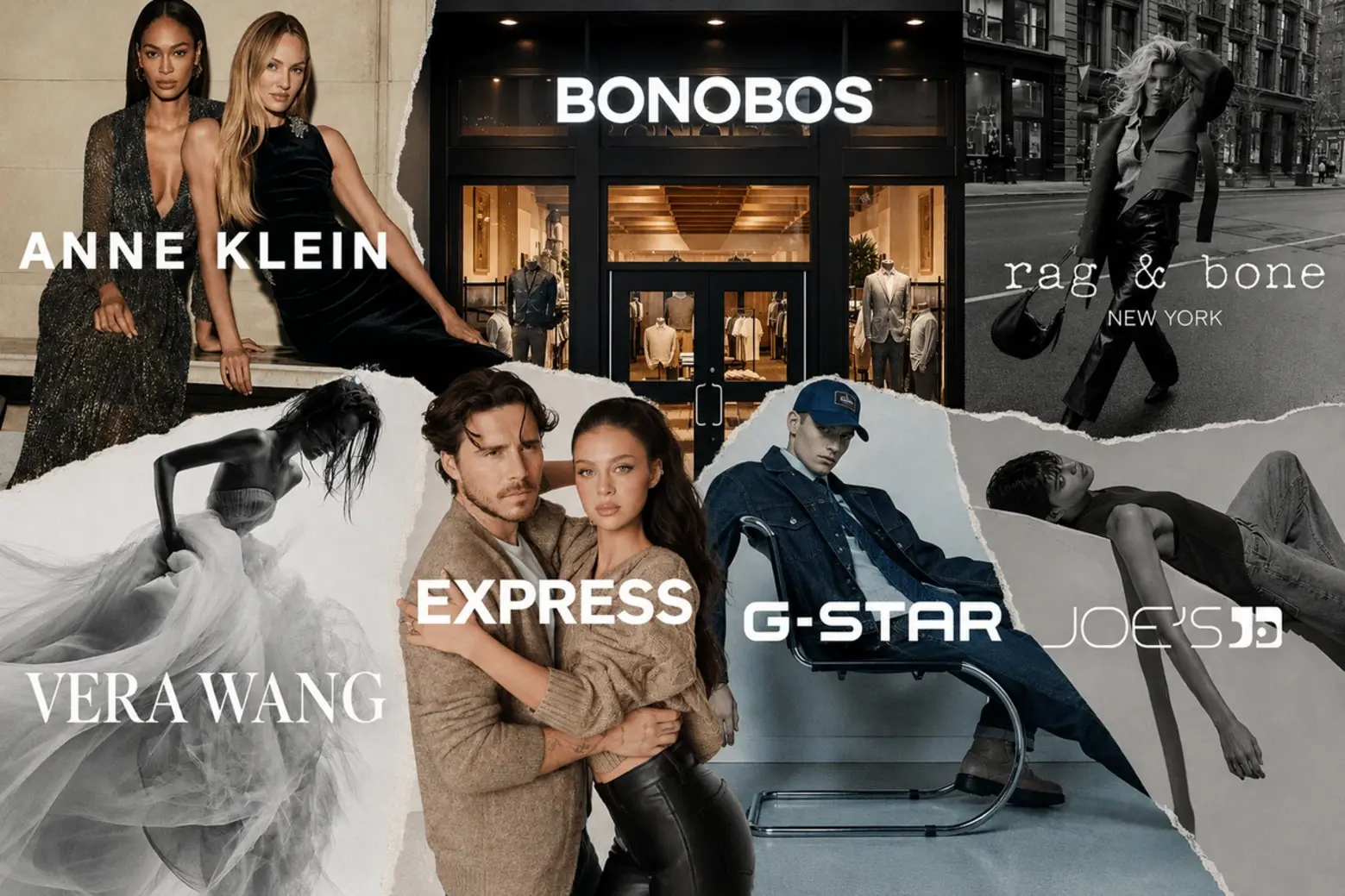
WHP’s portfolio has a strongly American colour: Toys“R”Us, Babies“R”Us, Anne Klein, Vera Wang, rag & bone, Joe’s Jeans, Express, Bonobos, Joseph Abboud, Isaac Mizrahi, Warners, alongside a few non-American brands such as Dutch denim label G-STAR and Italian sportswear brand LOTTO. If one includes Marc Jacobs, Vera Wang, rag & bone, Express, Bonobos, Anne Klein and the other American names in its portfolio, WHP looks less like a European-style maison group and more like a machine for reorganising American consumer brands.
So the Marc Jacobs deal is not only about LVMH selling an American brand. It is about an American brand returning to an American system, where the greatest value lies not in maison aura, but in the scalable power of IP.
The answer should be: yes, but not in a nationalist sense.
LVMH is not becoming a group that keeps only French brands. It remains a global empire, with 75 maisons, €80.8 billion in revenue in 2025, and more than 6,280 stores worldwide. But when one looks at its recent moves, LVMH appears to be concentrating more intensely on assets that fit its core grammar: major French maisons, European brands with clear craft DNA, and accessory brands with hard-to-replace know-how.


This is different from “returning to France” as a flag. More precisely, LVMH is re-anchoring itself in aesthetic passports with global power. France sells the dream of Paris, couture, leather goods, perfume and haute joaillerie. Italy sells tailoring, leather, sensuality, workshops and drama. Spain sells leather craft at more efficient costs while retaining European legitimacy. Germany sells engineering and travel objects, as Rimowa demonstrates. Switzerland sells watches and precision as a religion.
Luxury is returning to nationality not because of nationalism, but because in a market saturated with logos, origin has become the last form of trust.
If we look at recent divestments, the pattern is visible. Marc Jacobs is American. Off-White was founded by Virgil Abloh, an American designer, and based in Milan; LVMH sold Off-White to Bluestar Alliance in 2024. Stella McCartney is British, and Stella McCartney bought back LVMH’s minority stake in 2025. Financial Times also placed the Marc Jacobs deal within a broader streamlining phase at LVMH, alongside Off-White, Stella McCartney and travel retail assets in Greater China.
Still, saying that LVMH sells brands simply because they are “not French” would be too simplistic. LVMH sells when a brand no longer sits deeply enough inside the power structure the group wants to protect: heritage maison, craft authority, retail control, hard luxury, leather goods, scalable desirability and the ability to become a long-term profit pillar.
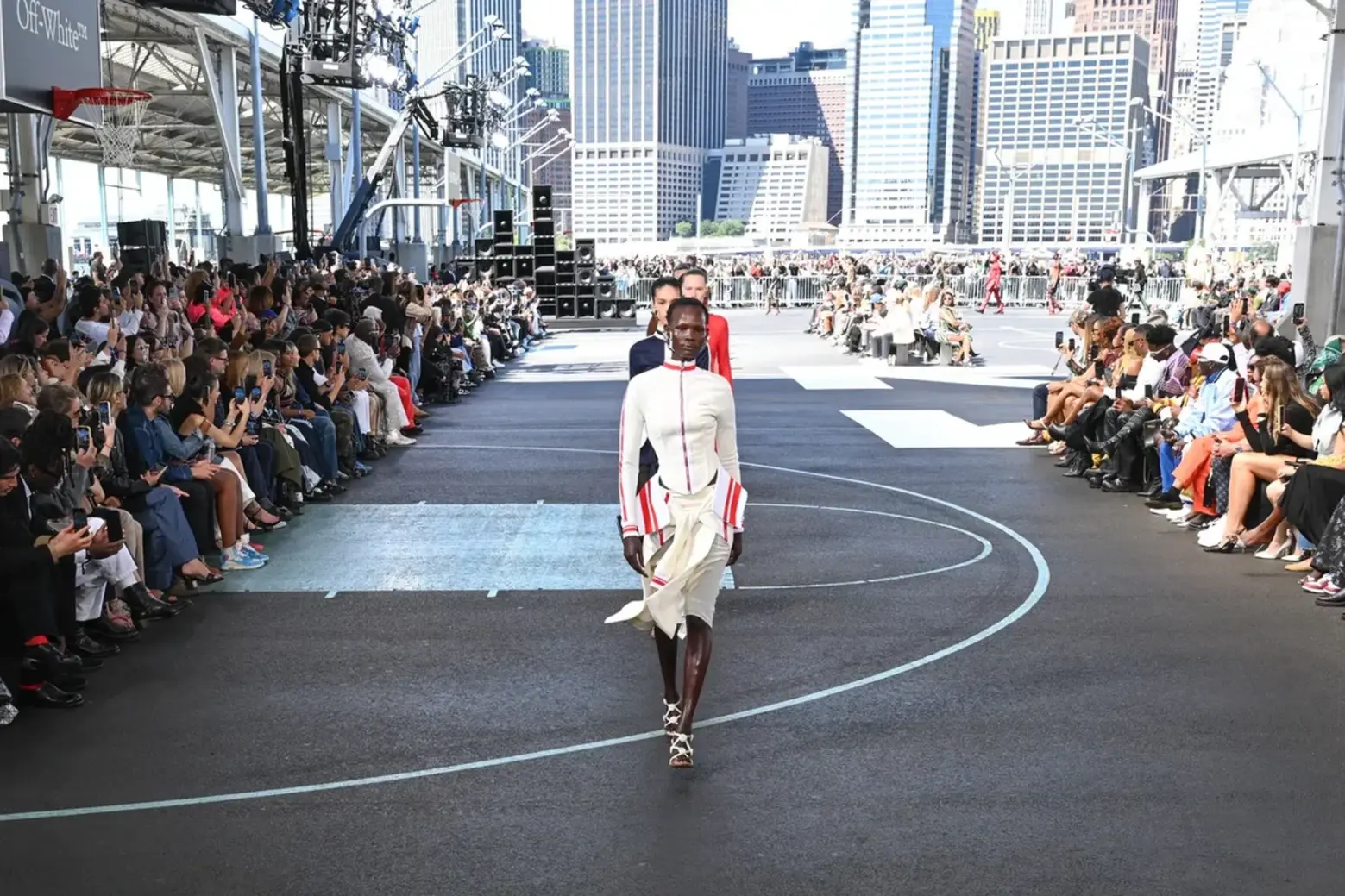
Off-White once had Virgil Abloh as its central soul. After Virgil, the question of controlling the brand’s spirit became more difficult. Stella McCartney had its own sustainability ethic, but did not become a pillar in the way Dior, Vuitton or Celine are pillars. Marc Jacobs has cultural power, but its current model leans more naturally toward licensing, handbag volume and accessible luxury.
So LVMH is not simply selling foreign brands. It sells brands that no longer fit the maison system, it knows how to control them best.
The important point is that LVMH still keeps many non-French brands. Loewe is Spanish. Fendi, Loro Piana and Pucci are Italian. Rimowa is German. Barton Perreira is American. Vuarnet is French, but closer to performance eyewear than a traditional fashion house. These brands show that the question is not “French or not French”. The question is whether a brand represents a national capability strong enough to be trusted.
Loewe does not need to be French to be worth keeping, because Loewe has what LVMH values: leather know-how, craft culture, Madrid heritage, art adjacency, strong handbags, and a quiet intellectual luxury image that feels very current. Commercial sources now describe Loewe as having more than 200 stores worldwide, though LVMH’s own maison page has previously cited a lower number, suggesting different counting methods across boutiques, distribution points, corners or new openings.


Loewe is also no longer a small brand. Loewe SA reported €885.2 million in revenue in 2024, up 9.2%, with €196.56 million in operating profit and €157.06 million in net profit, even though profit declined as operating costs increased. So calling Loewe “modest” in operational terms would be inaccurate. Loewe is expensive to run. But it is expensive in a way LVMH can justify: that spending turns into craft authority, leather desirability, store productivity and maison value.
This is the key difference between Loewe and Marc Jacobs. Loewe is a luxury machine operating in the grammar of LVMH. Marc Jacobs is expensive in another way: expensive because of the name, the founder, the cultural past, the American identity, and because every restructuring effort still has to pay to preserve the feeling that Marc Jacobs is still there.
One important intuition is that Spain is becoming a strategic advantage in luxury. It would be crude to call Spain “the China of Europe”, because that phrase misses the cultural craft layer of Spanish luxury. A better way to say it is: Spain gives luxury a rare combination of European legitimacy, leather know-how and cost efficiency.
Labour data supports this. Eurostat recorded that in 2025, average hourly labour costs in the EU economy were €34.9, while the euro area average was €38.2, with wide differences between countries. Comparative data also shows that labour costs in Spain are significantly lower than in countries such as France or Germany, while Spain still belongs fully to the European production system.
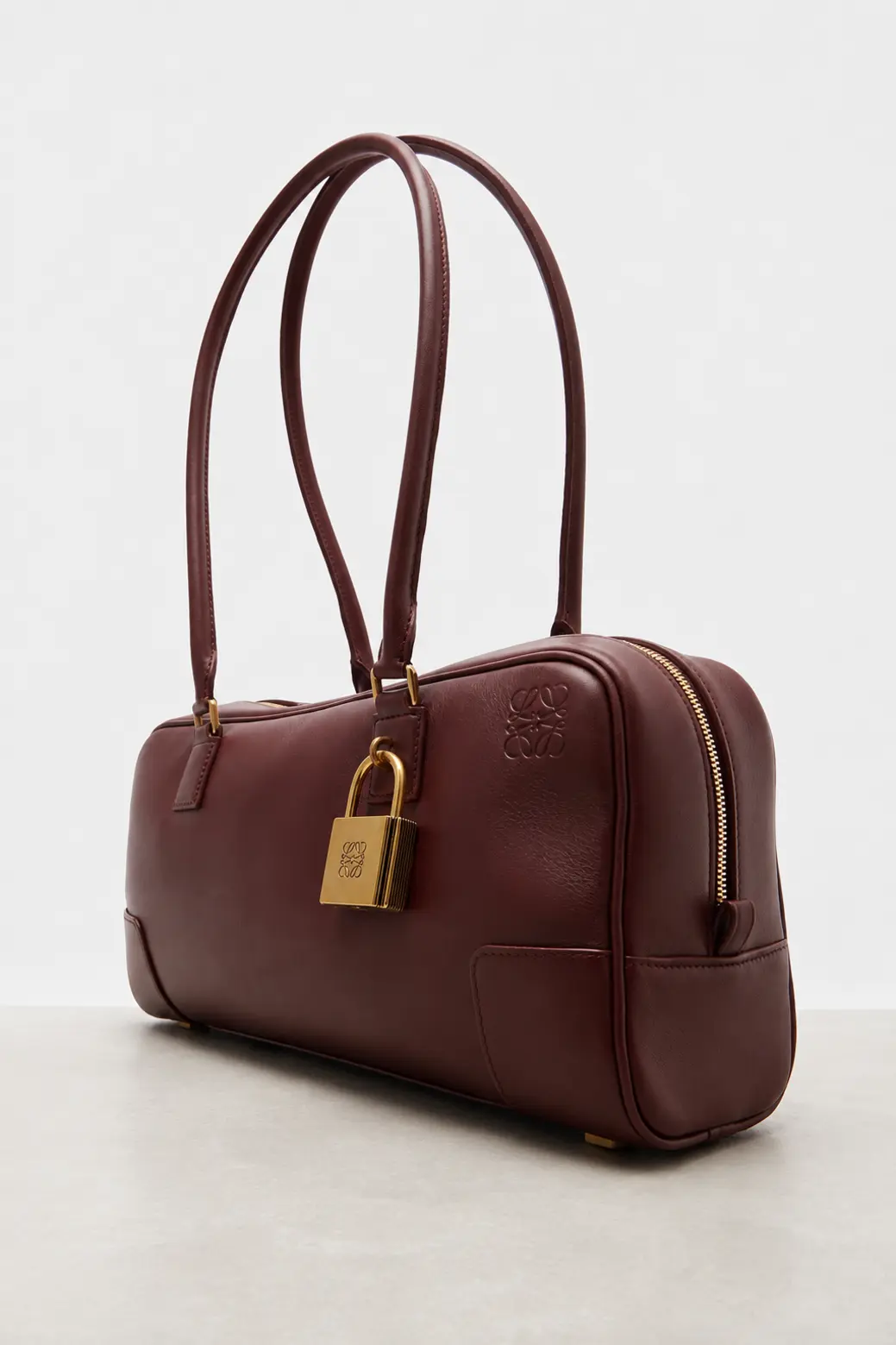
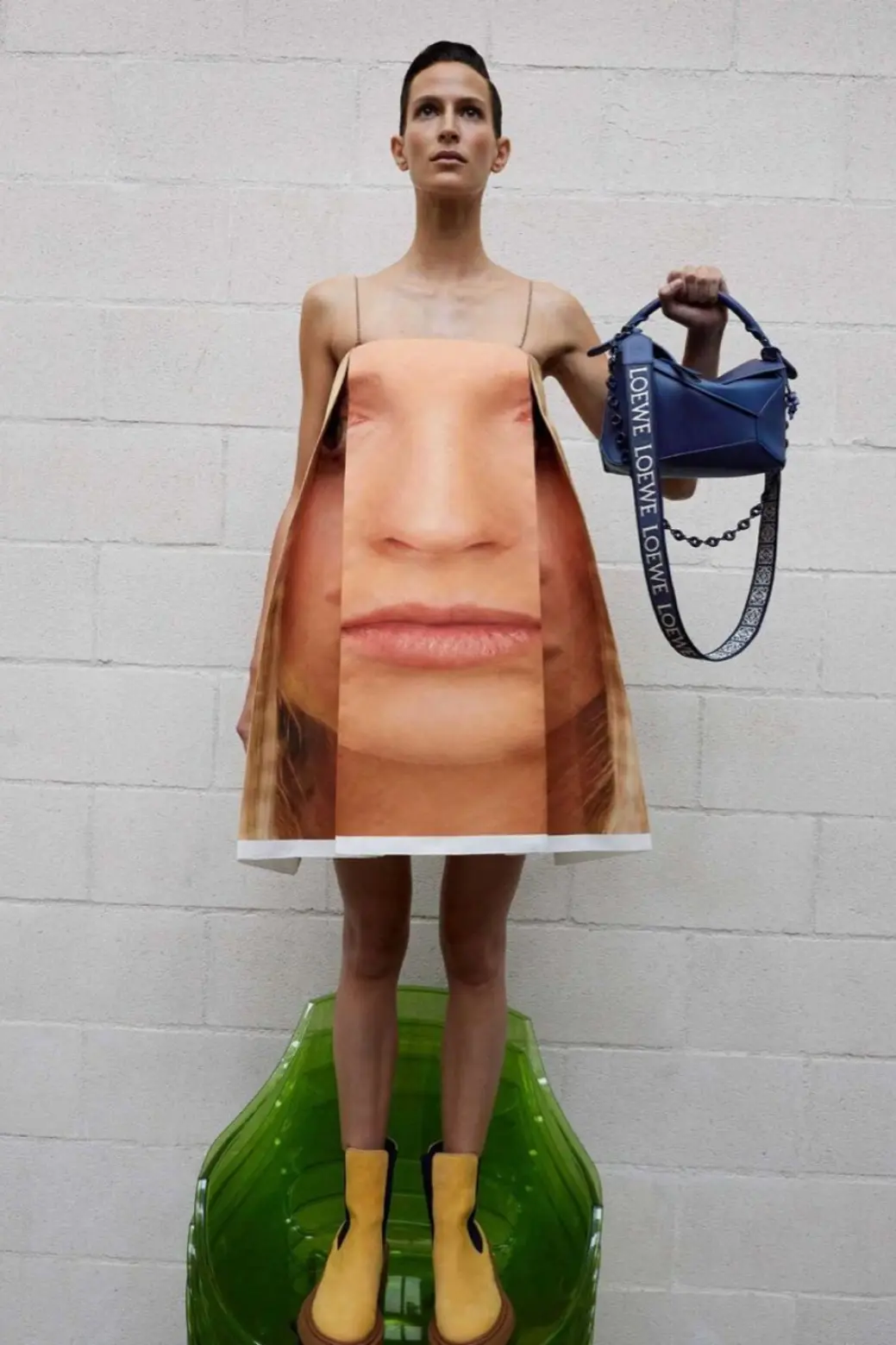
For Loewe, this advantage is particularly elegant. Spanish production and craft are not read as “cheap production”. They are read as legitimate European craft. That is what many brands dream of: a more manageable cost base than France or Italy, while keeping a European passport, a craft history, a leather story, and the ability to sell as true luxury.
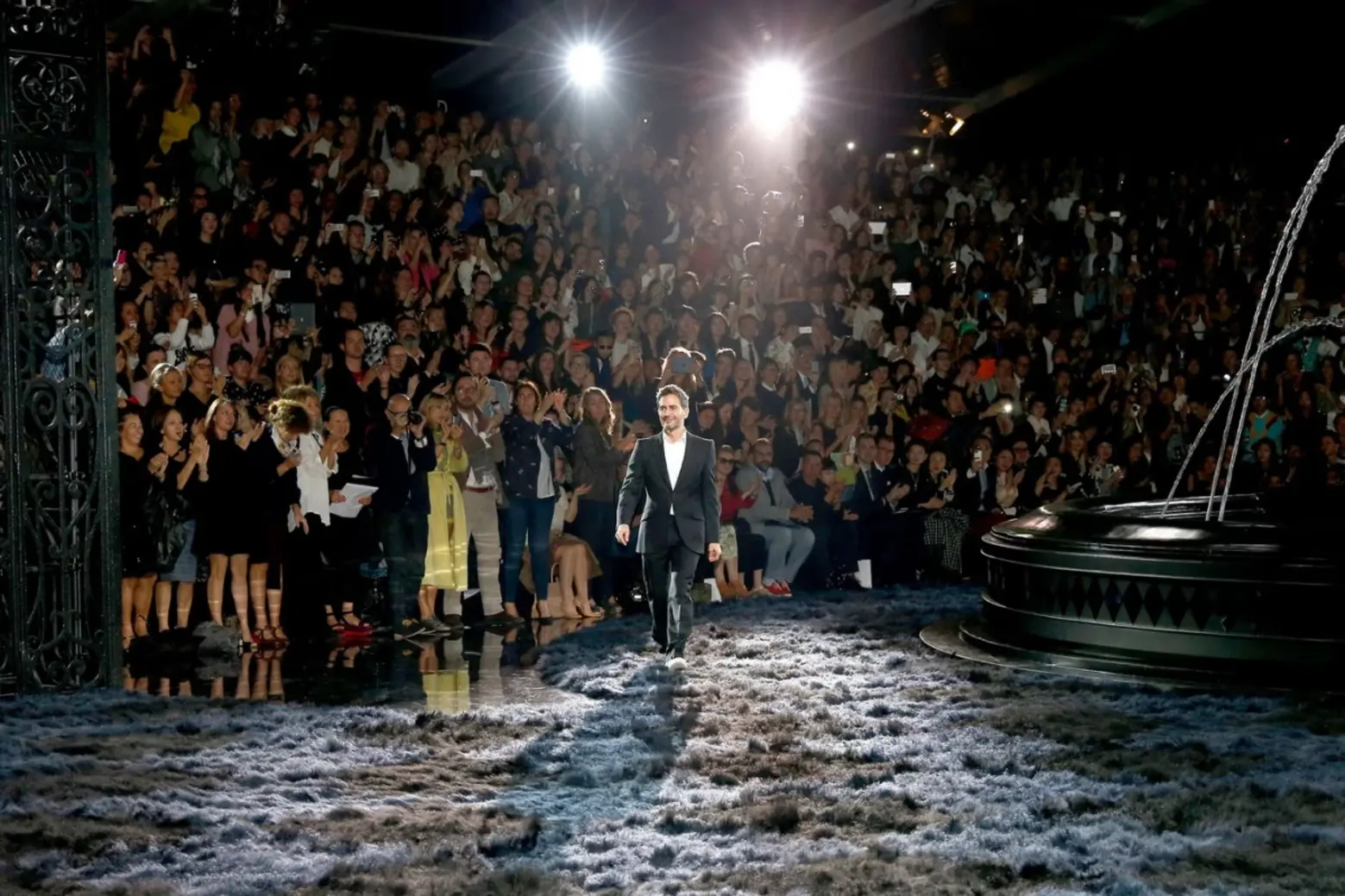
Marc Jacobs also carries another kind of cost that Loewe does not carry in the same way: founder premium. Marc Jacobs is not just a hired creative director. He is the name on the door. He is the living archive. He is the founder. He is the public face. He is the symbolic guarantee that, even after the brand changes owners, Marc Jacobs remains.
Reuters reported that Marc Jacobs will continue as creative director after the transaction closes, responsible for creative direction and runway collections. This means the buyers are not acquiring “Marc Jacobs” as an empty logo. They need Marc Jacobs himself to stay in order to preserve the brand’s credibility.
With Loewe, after Jonathan Anderson, LVMH could appoint Jack McCollough and Lazaro Hernandez, the founders of Proenza Schouler, as creative directors. With Marc Jacobs, the situation is different: if Marc Jacobs disappears from Marc Jacobs, the brand loses a large part of its meaning. That makes the identity cost of the brand higher. Not necessarily higher than Loewe in absolute operational terms, but heavier in terms of key-person dependency.
In other words: Loewe pays for a maison. Marc Jacobs must pay to keep a person as part of the maison.
Patou is one of the more interesting cases in the LVMH portfolio. It is a French maison founded by Jean Patou in 1914, once very important in French fashion history, then dormant for decades. LVMH acquired and relaunched Patou in 2018, appointing Guillaume Henry to rebuild its fashion identity after a long period in which the brand was remembered more for fragrance than for fashion. Vogue reported that Guillaume Henry left Patou in early 2026, and that the maison is considering a new path forward.
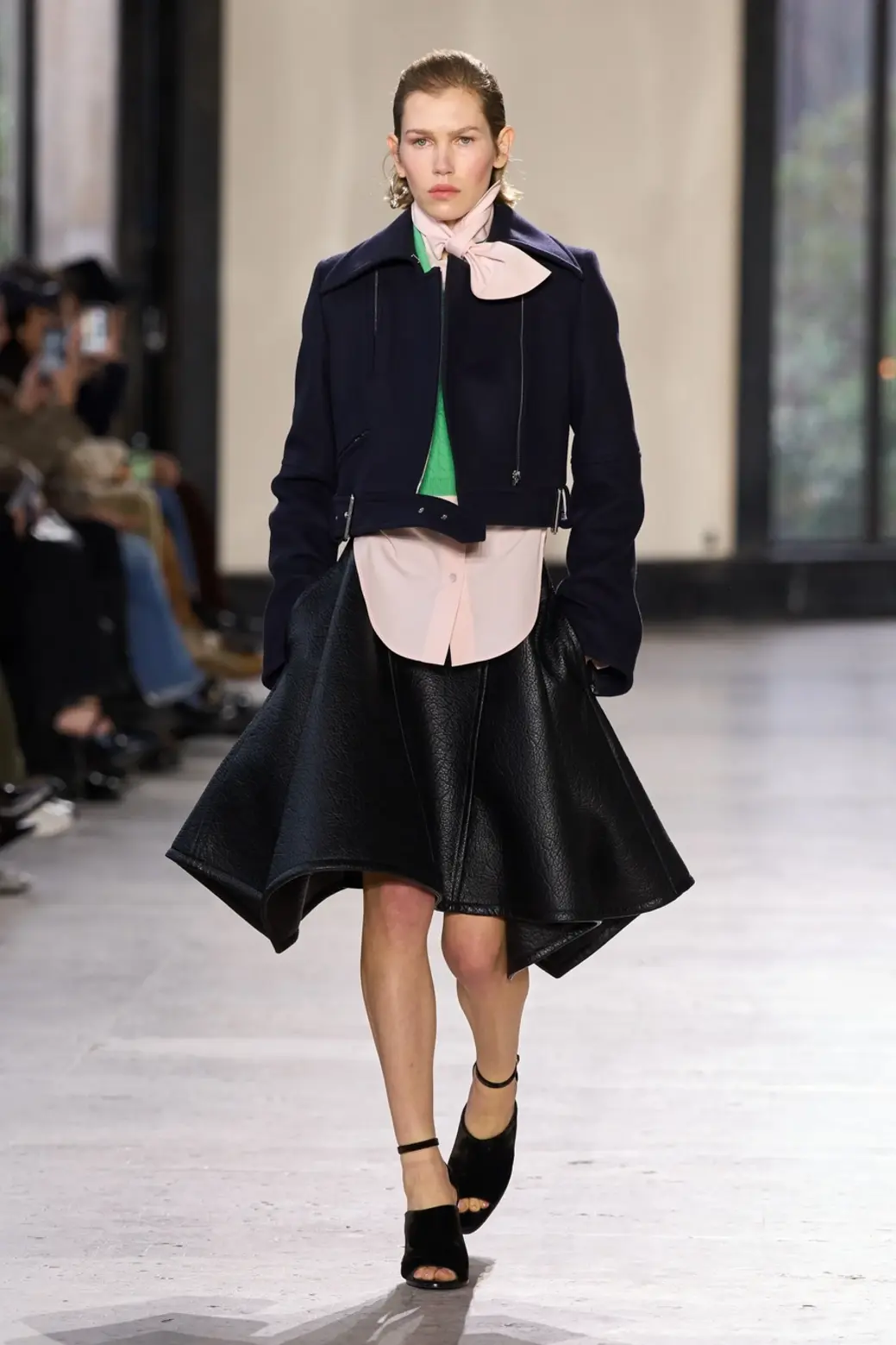

Patou can be seen as a “newcomer” that still needs nurturing, but there is no evidence to say that LVMH is nurturing it in order to sell it. A safer reading is that Patou is an option asset. It could become a small Parisian ready-to-wear label. It could be used to test new femininity, drop models or archive IP. It could also become a more transferable asset than Dior, Vuitton or Celine if LVMH one day decides to streamline further.
In luxury, not every small archive is kept because it is already winning. Sometimes it is kept because one day it can be awakened, revalued or sold at the right moment.
LVMH is not the only group returning to the power of the “aesthetic passport”. Prada Group completed its acquisition of Versace from Capri Holdings in 2025 after agreeing to buy the house for $1.375 billion, including debt. Reuters described the deal as a move to create a stronger Italian luxury force in a market historically dominated by French groups.
This is a clear case of Italian consolidation: an Italian icon returning to Italian ownership. Versace is Milan, excess, sensuality, celebrity and Mediterranean fantasy. Prada is design intelligence, Italian industry, nylon, bourgeois perversity, Miuccia. The two brands are different, but both carry an aesthetic passport strong enough to make the deal a national story, not merely a financial one.

Kering is more complicated. Kering is French, but much of its power lies in Italian maisons such as Gucci and Bottega Veneta, alongside Saint Laurent as a French pillar. Kering reported €14.7 billion in revenue in 2025; Gucci generated around €6 billion, down 22% on a reported basis, while Bottega Veneta reached €1.7 billion and proved more stable.
For Kering, the story is not simply “returning to France”. The story is re-disciplining national brands that have gone off rhythm: Gucci must recover its Italian power, Saint Laurent must preserve Parisian sharpness, and Bottega must protect quiet Italian leather authority. A luxury group can own many passports, but each passport must still mean something.
During an easy-growth luxury cycle, a group can afford to hold many hybrid brands, hype brands, founder-led brands, experimental brands, dormant brands and brands with unclear potential. When the market slows, patience shrinks. Every brand must answer one question: what kind of power do you represent?

If the answer is Paris couture, Dior is protected. If the answer is travel trunks and a monogram empire, Louis Vuitton is protected. If the answer is Spanish leather craft, Loewe is worth keeping. If the answer is German engineering in travel, Rimowa has a reason to exist. If the answer is Italian material authority, Loro Piana holds its place. But if the answer becomes too vague, too founder-dependent, too tilted toward accessible luxury, too difficult to place inside the maison system, or too reliant on a creative force that is no longer there, the chance of being sold rises.
This is why Marc Jacobs, Off-White and Stella McCartney together offer a lesson: the luxury conglomerate no longer buys aura alone. It needs aura that can be managed.
Luxury is not returning to nationality in a simplistic way. The conglomerates are not suddenly becoming conservative, closed or nationalist. They are returning to nationality as a guarantee of aesthetic credibility. A French brand must sell the French dream. An Italian brand must prove Italian power. A Spanish brand must turn craft and cost efficiency into European advantage. A German brand must turn engineering into desirability. An American brand, once it no longer belongs inside a French maison castle, may be better suited to an American system that knows how to turn IP into the market.
The Marc Jacobs deal is therefore not the end of a legend. It is a sign of a new order: even in luxury, not every aura is worth keeping if it no longer speaks the owner’s grammar.
In the next phase, groups will not only ask whether a brand is famous. They will ask: where does this brand belong, what does it know how to do, is its aesthetic passport still convincing, and who is best suited to exploit it?
LVMH did not sell Marc Jacobs because Marc Jacobs had no value. It sold a form of complexity it no longer wanted to manage. WHP bought that same complexity because it saw a different kind of value: an American name that can be reorganised, relicensed, expanded and re-commercialised.
In luxury after the era of easy growth, the aesthetic passport is no longer just a story of origin, but a decisive force in luxury portfolio strategy, shaping where a brand truly belongs.