MENU
Close





Marc Jacobs brand sold by LVMH turns a luxury transaction into a sharper question about authorship, ownership, and power: what happens when the king remains, but the castle belongs to someone else?

Marc Jacobs brand sold by LVMH turns a luxury transaction into a sharper question about authorship, ownership, and power: what happens when the king remains, but the castle belongs to someone else?
May 15, 2026
Advertisement

Advertisement



LVMH announced on 14 May, 2026 that it is selling Marc Jacobs to WHP Global, a New York-based brand management firm, in a transaction whose financial terms remain undisclosed. On paper, Marc Jacobs Brand Sold By LVMH is a clean corporate update. In fashion terms, it is more complicated: a designer whose name became a cultural symbol is staying in place creatively, while the business carrying that name moves into another owner’s hands.
Marc Jacobs will stay in place as creative director, a detail that immediately shapes the meaning of the deal. This is a change of ownership, but also a careful preservation of creative authorship.
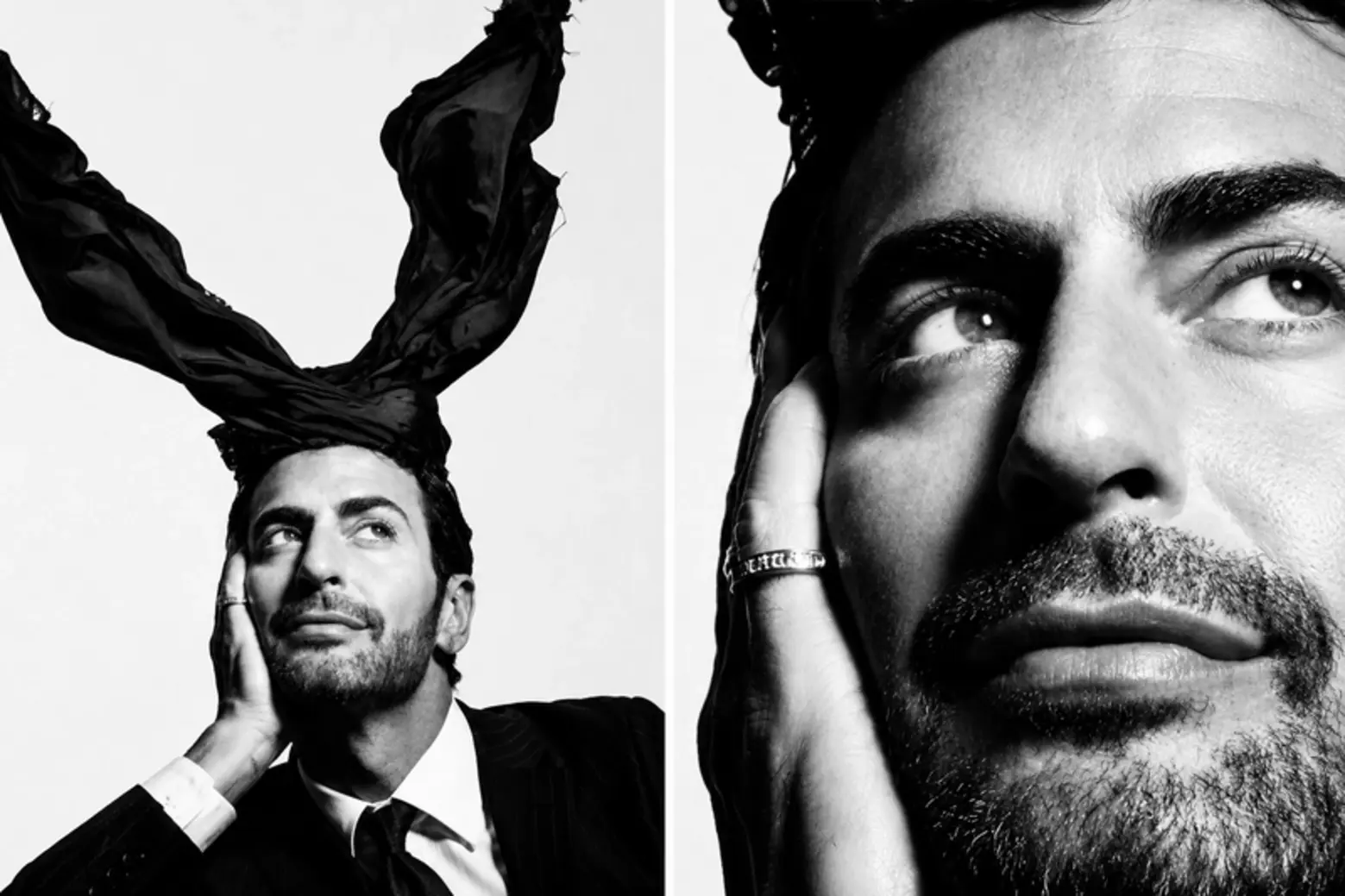
In a statement posted to social media, Marc Jacobs acknowledged the emotional contradiction of transition. “I fear and loathe and also love change. While change is inevitable, what remains constant and unwavering is my love for fashion and the joy it brings me,” he said. He also thanked Bernard Arnault for his support, belief and trust over the past 30 years, calling it an honour and privilege to work with the Arnault family and LVMH.
The sale confirms earlier reports from The Wall Street Journal and other outlets that the French luxury group had been moving forward with a long-considered exit from Marc Jacobs, with discussions reportedly targeting a valuation of around $1 billion.
For WHP Global, Marc Jacobs is positioned as a cornerstone of its fashion portfolio, joining names such as Vera Wang, Rag & Bone and G-Star. The licensing firm will own and operate the brand in partnership with G-III Apparel Group, which already controls Donna Karan, another label with a previous LVMH chapter. That structure signals a different kind of future for Marc Jacobs: less a traditional luxury maison sitting inside a prestige conglomerate, more a brand platform built for licensing, category expansion, and commercial repositioning.
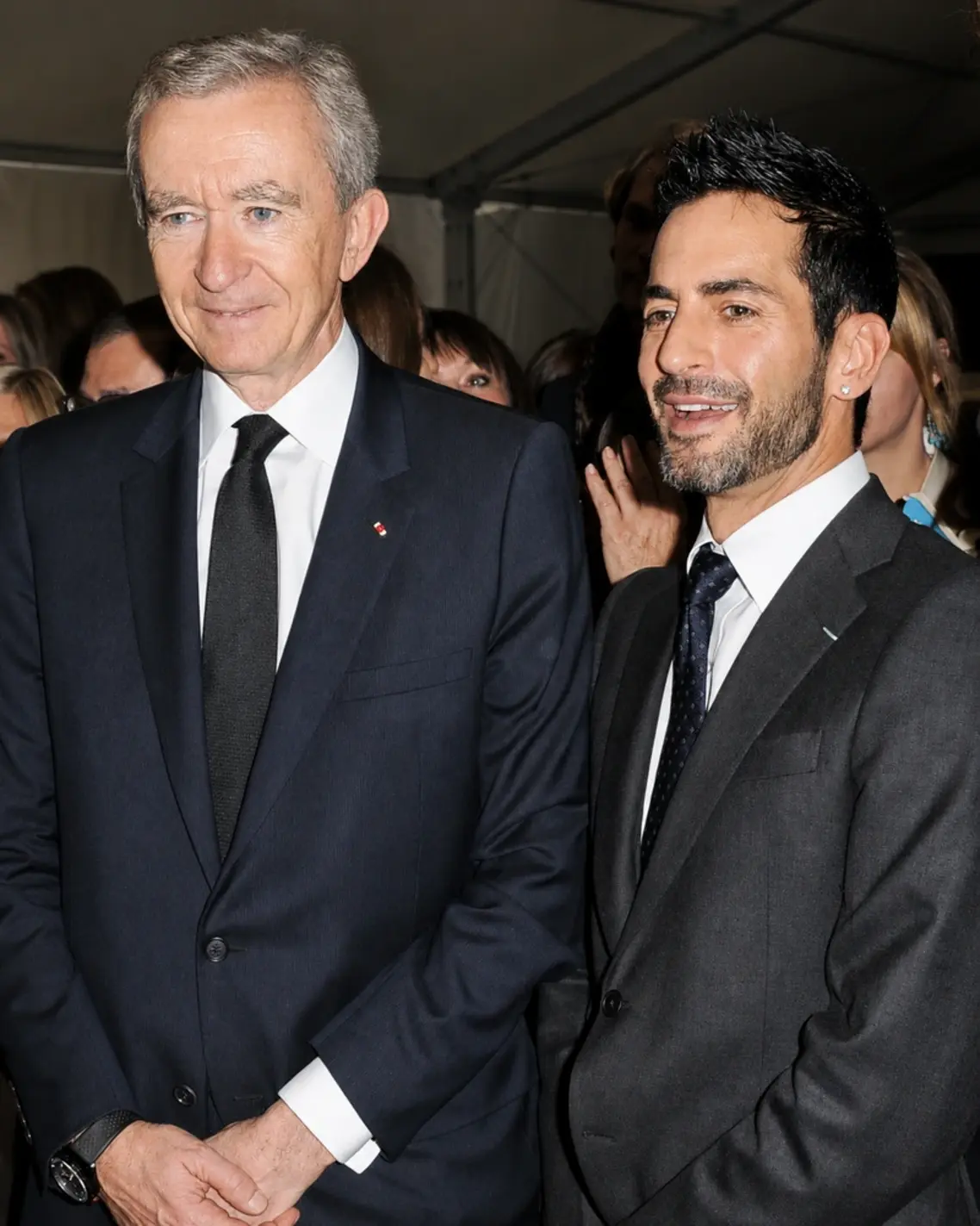
LVMH rarely parts with brands, which makes this sale especially revealing. The deal arrives during a prolonged slowdown in luxury sales, a moment that has pushed the group to examine its portfolio with greater discipline. The company has already begun trimming assets that sit outside its strongest strategic priorities. It sold Off-White to Bluestar Alliance last year, transferred its stake in Stella McCartney back to the designer in January, and is reportedly exploring a sale of Rihanna-fronted Fenty Beauty. Marc Jacobs now appears as part of that larger recalibration: a once-central creative asset that may have become more valuable outside the LVMH machine than within it.
LVMH acquired Marc Jacobs in 1997, at the same time the designer was entering what would become a 16-year tenure at Louis Vuitton while continuing to build his own label. At Vuitton, Jacobs did more than modernize a heritage house. He helped recode the entire logic of luxury. As artistic director, he transformed the French brand from a respectable trunk-and-bag maker into a cross-category fashion giant, using theatrical runway shows and high-impact artist collaborations with figures including Stephen Sprouse, Takashi Murakami and Yayoi Kusama. By the 2000s, Vuitton had become a pop-cultural language of wealth, aspiration and consumption, a status so visible that David LaChapelle could parody it in his 1999 portrait “Lil’ Kim: Luxury Item.”
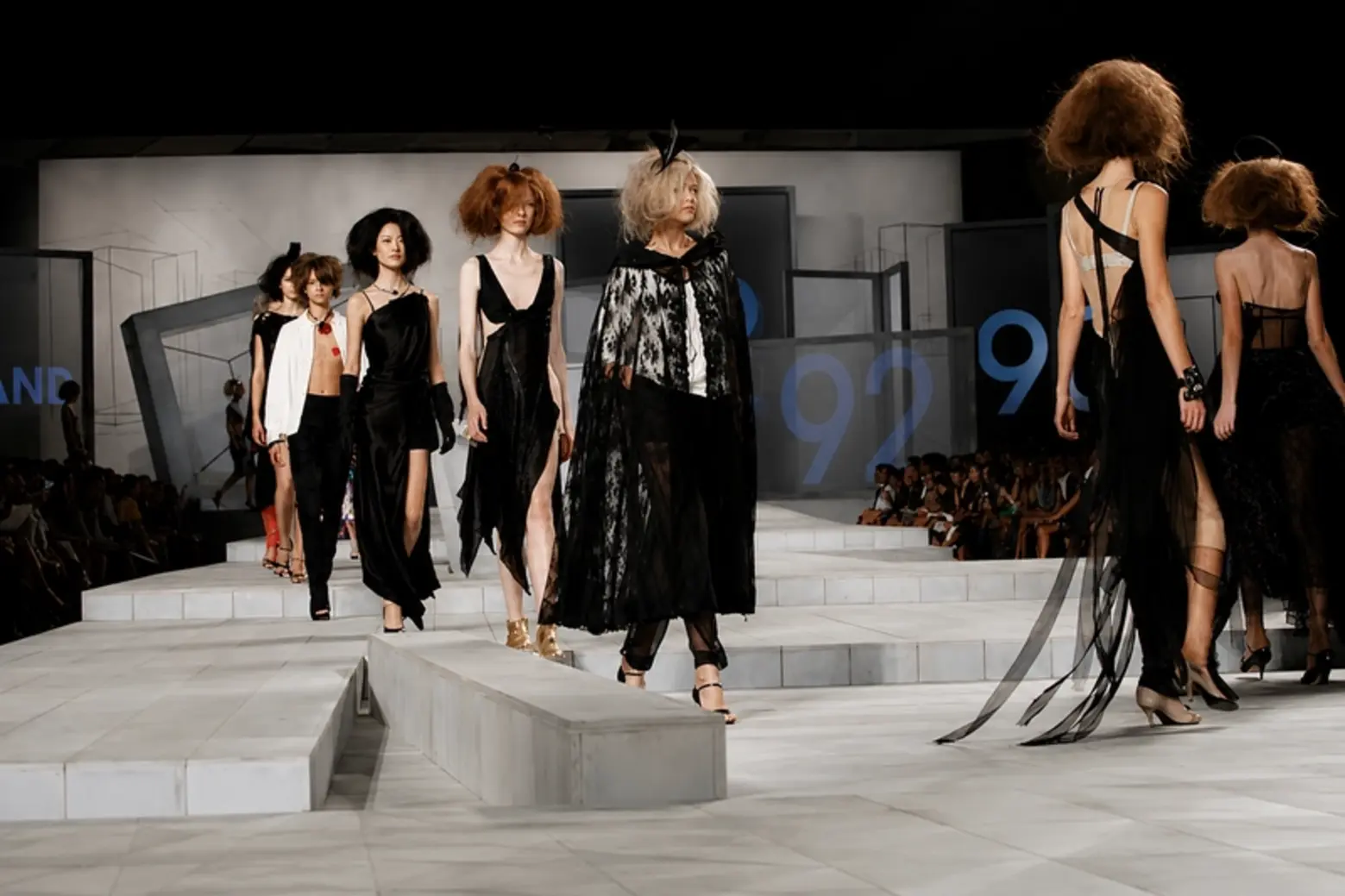
Marc Jacobs’ own label also flourished under LVMH’s stewardship. At its height, it operated as a global brand with as many as 250 stores. Marc by Marc Jacobs, its more accessible line, became a defining presence on department store floors, while beauty and fragrance licenses extended the label’s reach far beyond ready-to-wear. For a time, the business made sense because the fashion market still had room for a powerful “designer” middle: more elevated than contemporary fashion, more playful than old-guard luxury, and emotionally close to the young consumer who wanted fashion with attitude.
That space became far harder to defend in the 2010s. The industry polarized. Heritage houses moved further upmarket, strengthening their claim to true luxury, while fast-fashion giants and sportswear brands pulled consumers away from premium fashion. Department stores, once crucial to Jacobs’ commercial ecosystem, began to weaken. In that environment, Marc Jacobs’ positioning grew increasingly fragile. The label had prestige, cultural memory, and a singular creative identity, but the market around it had shifted. The old designer brand model, once the sweet spot of fashion desirability, started to look structurally exposed.
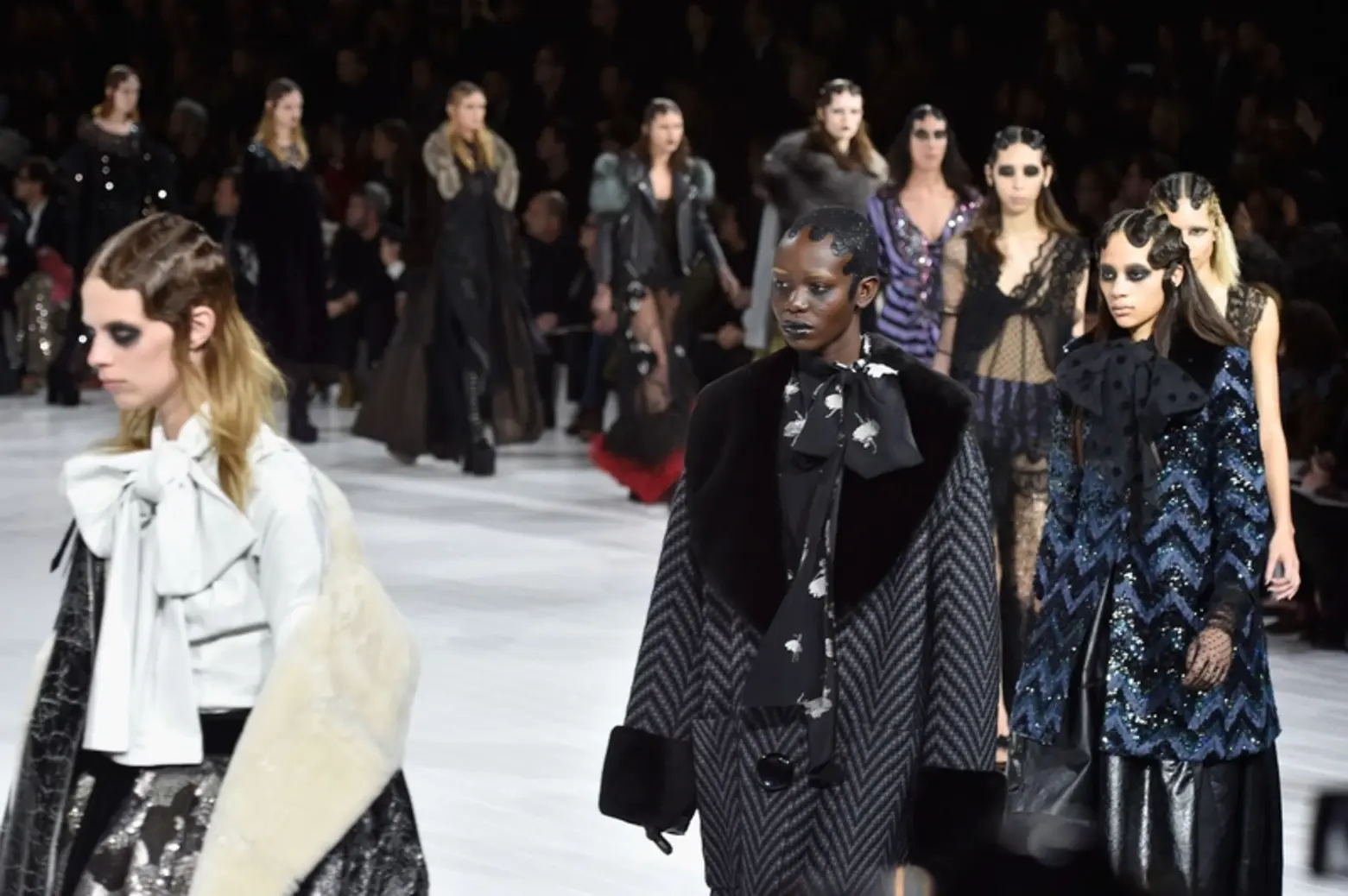
The financial strain became impossible to ignore. In the years before the pandemic, the Marc Jacobs brand was estimated to be losing more than €50 million, or about $58 million, annually. The pandemic then accelerated a more radical restructuring. The company closed most of its boutiques, including its iconic Mercer Street flagship, and narrowed its business around a more targeted strategy. Many flagship stores gave way to handbag corners built around accessible products priced slightly above Coach and Michael Kors. At the same time, the brand pushed Heaven, the Gen Z-focused line launched in 2020, largely through online channels. Even the runway collections, still essential to the brand’s authority and myth, became more financially contained once ready-to-wear was no longer being merchandised across hundreds of stores.
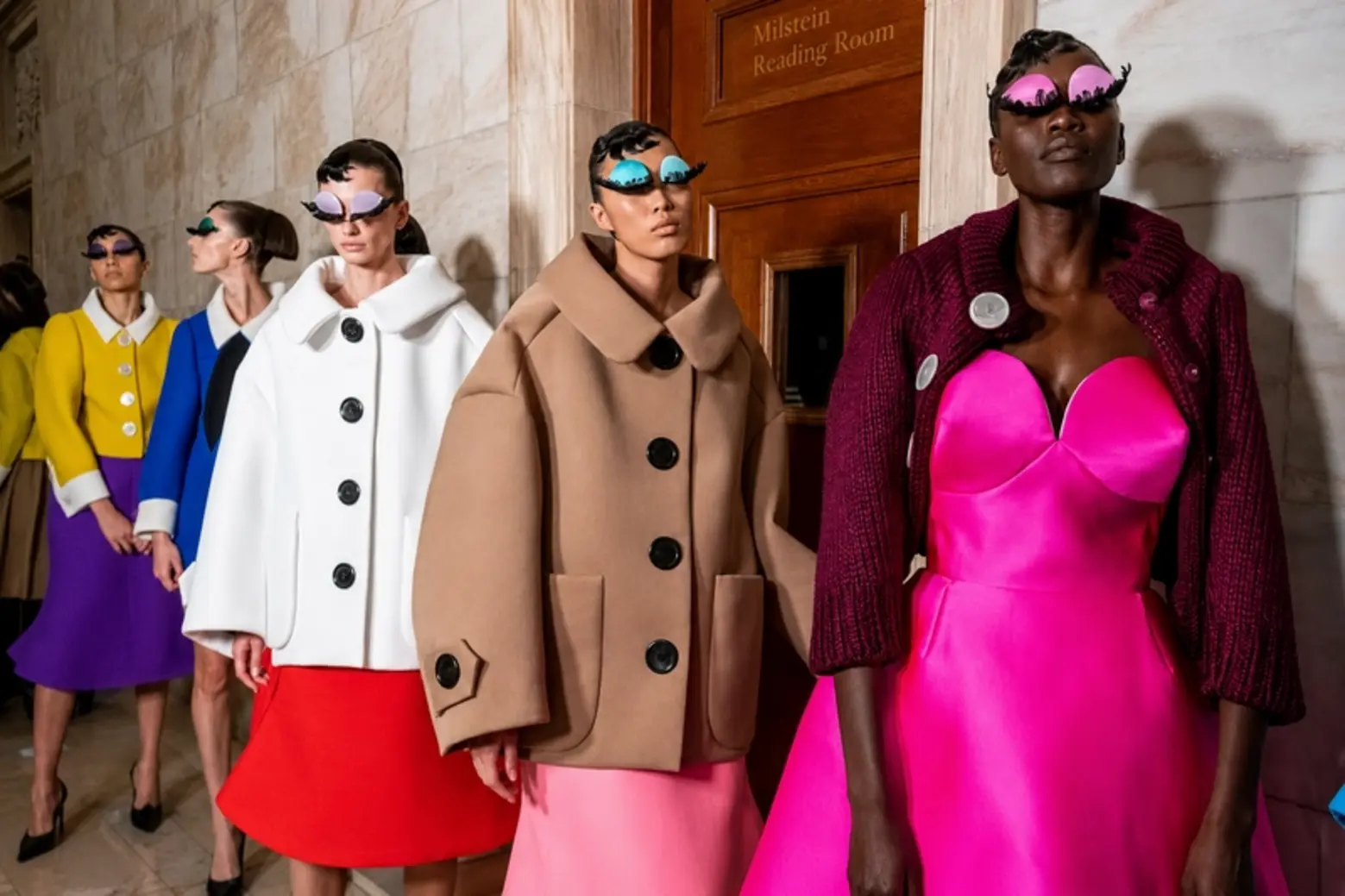
Those changes helped stabilize the business. LVMH even highlighted Marc Jacobs’ remarkable performance in the first half of 2023, suggesting that the turnaround had real commercial force. Yet the broader luxury slowdown since 2024 likely complicated that recovery. LVMH does not disclose sales for individual units, but a pullback in luxury spending would naturally pressure a brand still balancing accessibility, prestige and reinvention. The Arnault family has long shown loyalty to Jacobs, but the logic of the deal suggests a growing recognition that the label’s next chapter may require a different owner, a different operating model, and a different definition of scale. Marc Jacobs Brand Sold By LVMH is therefore a story about fashion royalty, but also about what royalty means when the throne itself becomes an asset. The king may still keep the crown. The question now is who owns the kingdom around him.
Advertisement