MENU
Close





At 94, Yayoi Kusama is more than an artist; she is a global phenomenon. From record-breaking auctions and celebrity admirers to her profound influence on mental health advocacy, discover how her lifelong obsession with dots has become a universal language for our fractured, digital age.
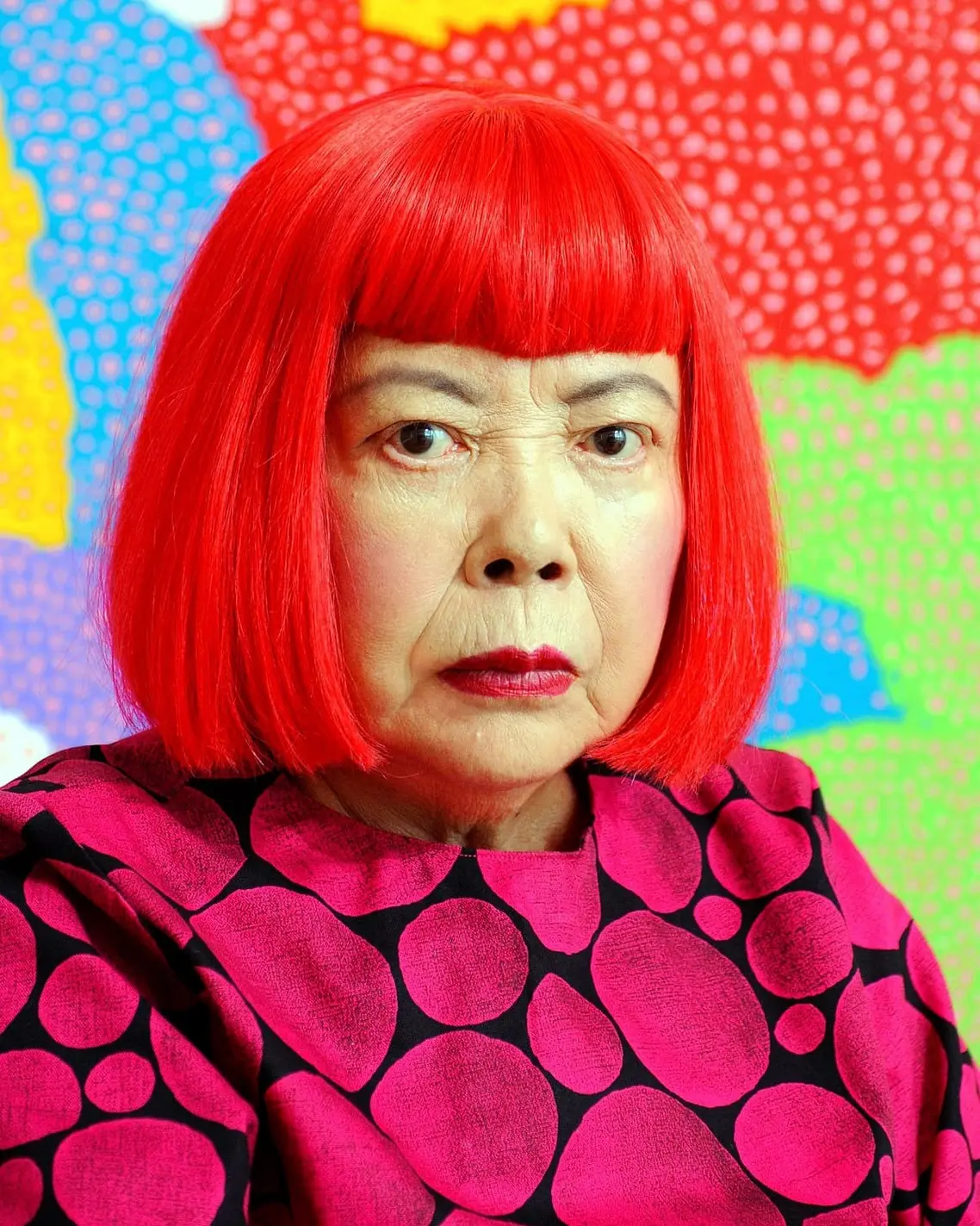
At 94, Yayoi Kusama is more than an artist; she is a global phenomenon. From record-breaking auctions and celebrity admirers to her profound influence on mental health advocacy, discover how her lifelong obsession with dots has become a universal language for our fractured, digital age.
November 24, 2025


For Yayoi Kusama, dots are language, life, her private world, and the bridge connecting her to our shared humanity. What began as personal obsession has become a global language of resilience and connection that continues to evolve and captivate new generations. At 94, the Japanese artist remains one of the most relevant and sought-after creative voices in contemporary art, proving that her vision is more timely than ever.
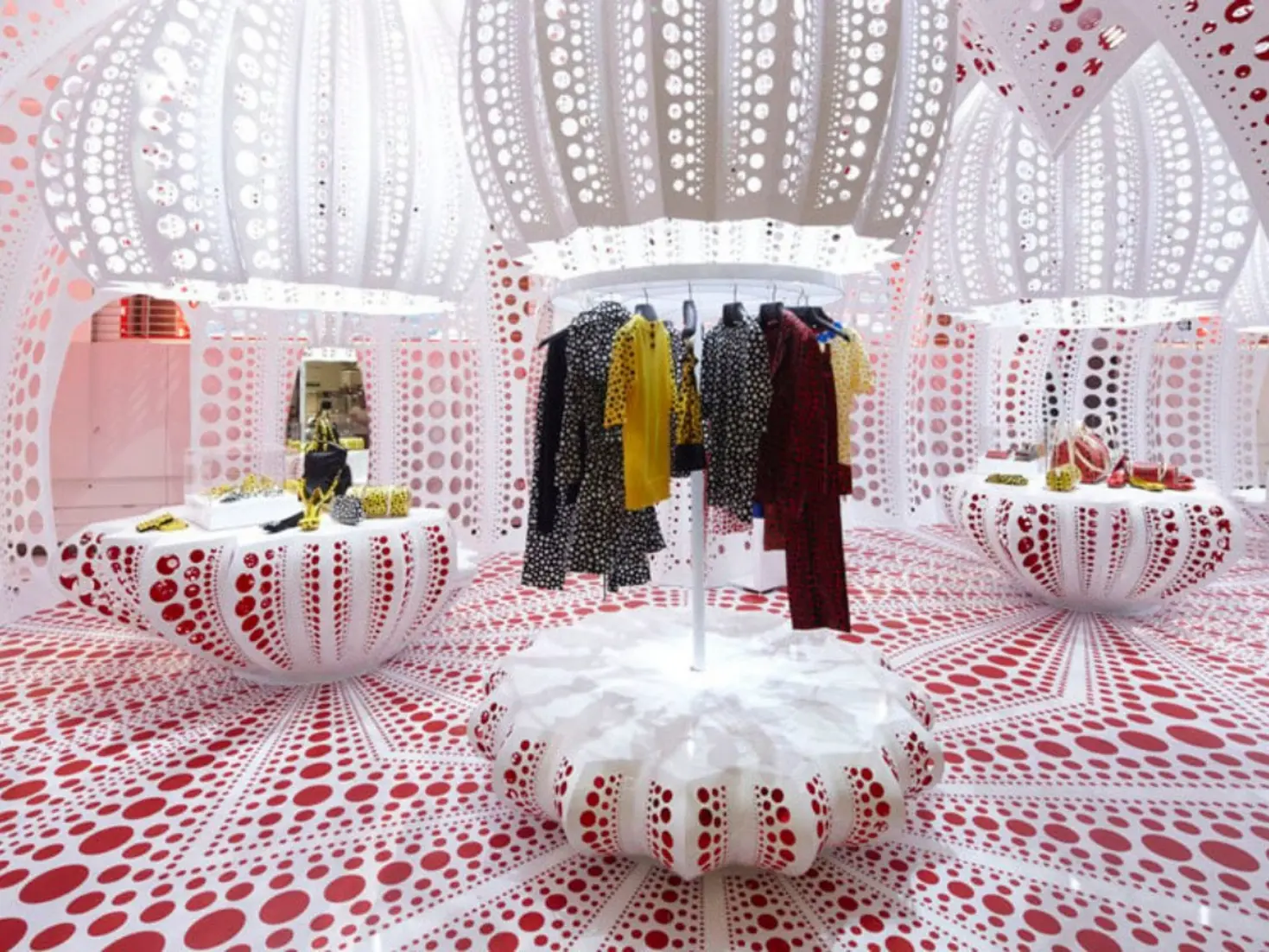
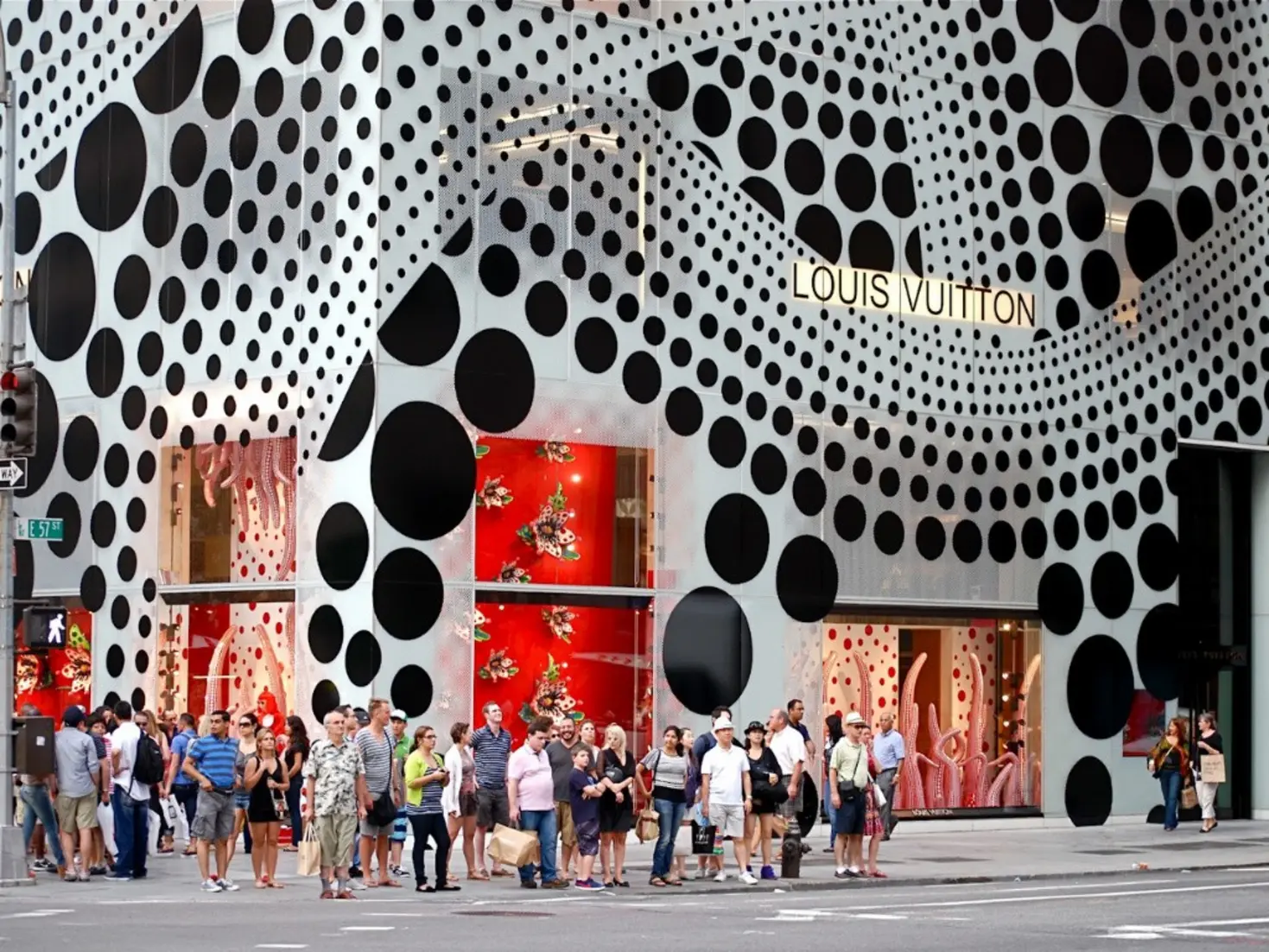

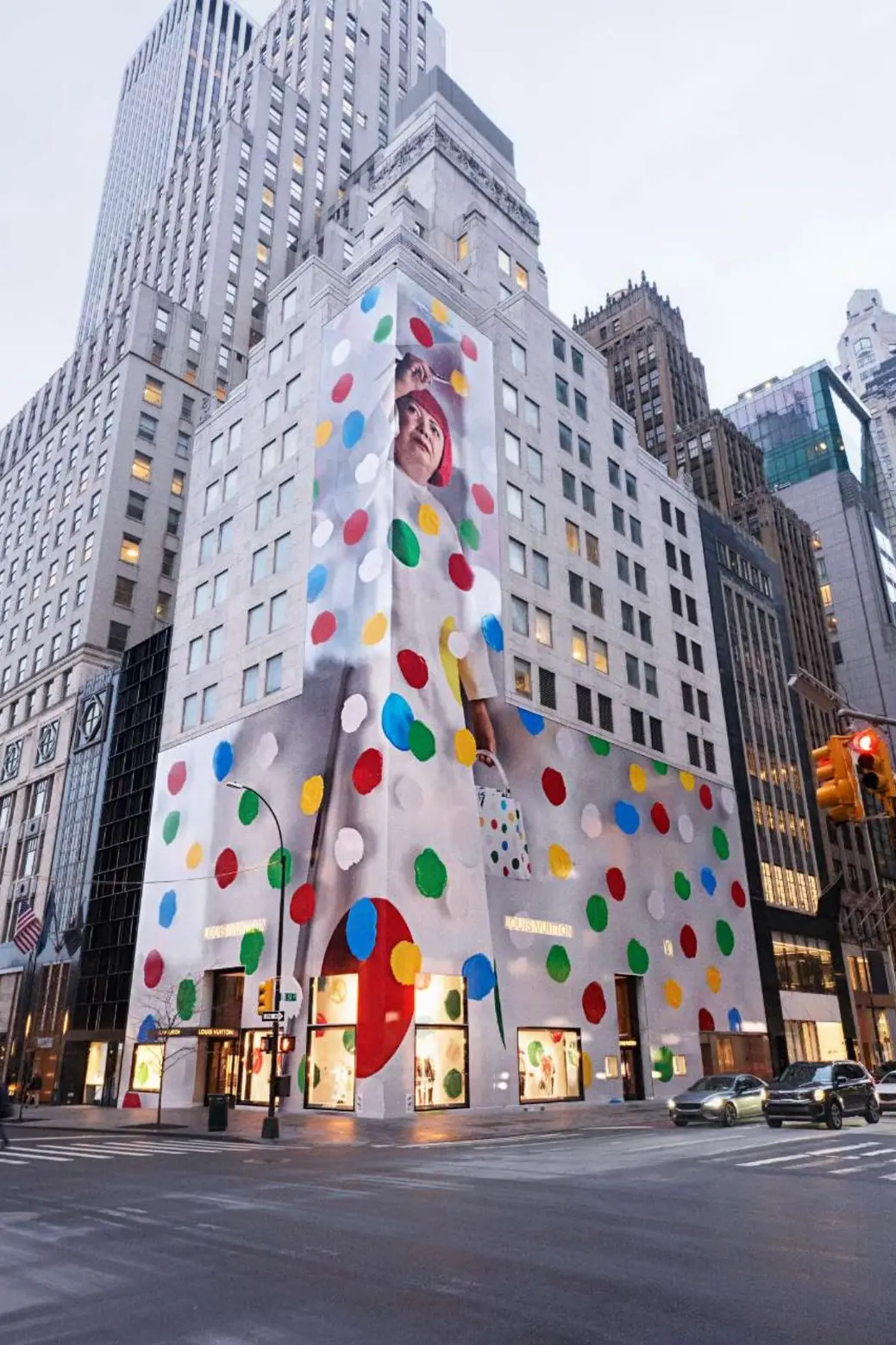
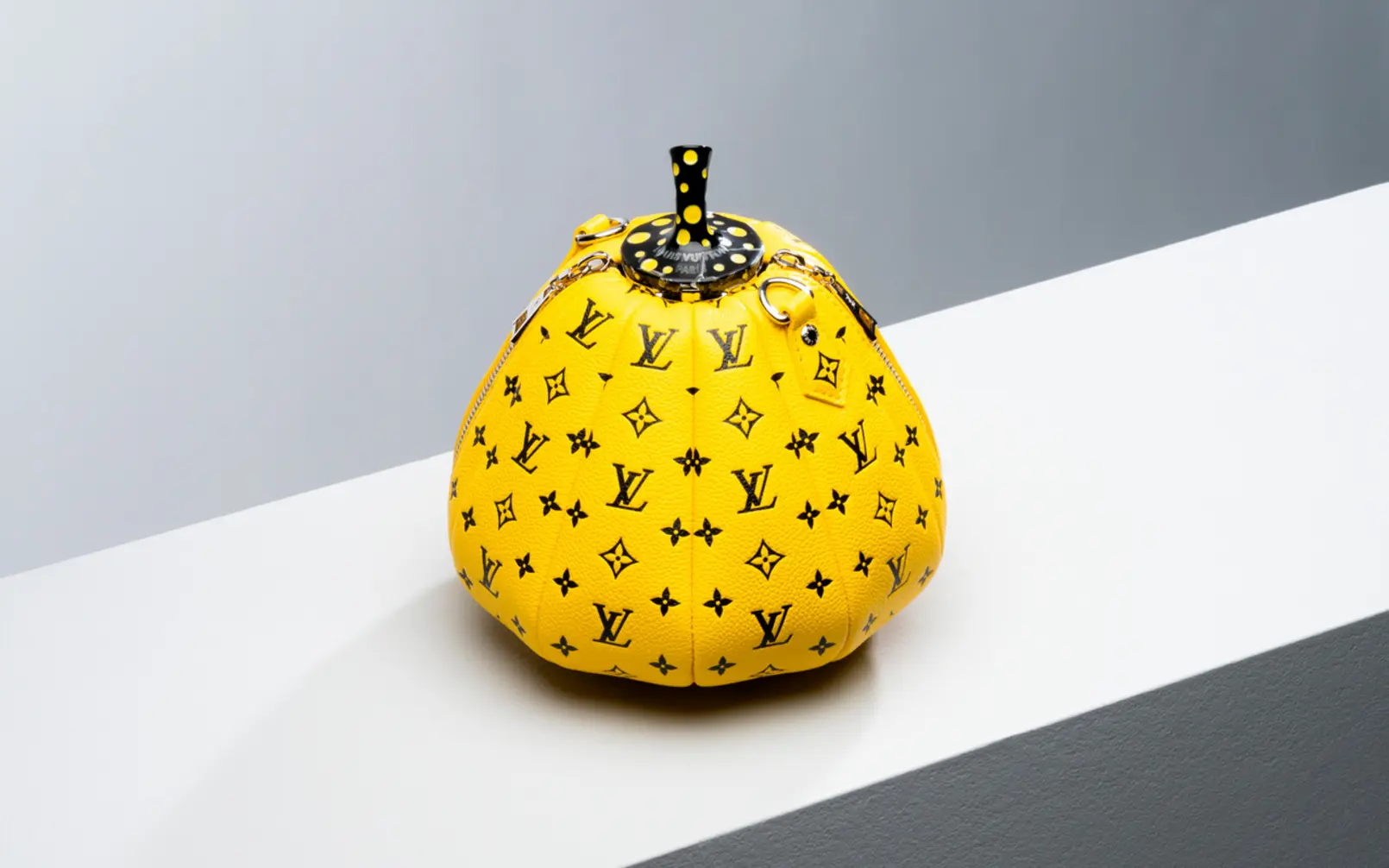
Louis Vuitton decorates its flagships with Kusama’s colorful polka dots, the Louis Vuitton x Kusama Yayoi collaboration that redefined how fashion engages contemporary art. While many discovered Kusama through her groundbreaking 2012 Louis Vuitton collaboration, her influence has since reached unprecedented heights. The queues that once stretched for hours have become global phenomena from Tokyo to London, visitors now routinely wait months for advance bookings to experience her iconic Infinity Mirror Rooms. This anticipation has only grown; her 2023 retrospective at Berlin's Gropius Bau attracted over 10,000 visitors, while Tate Modern's 2023 retrospective broke attendance records within its first month. Demand for her work continues to soar, reinforcing her status as a defining figure in 21st-century art.
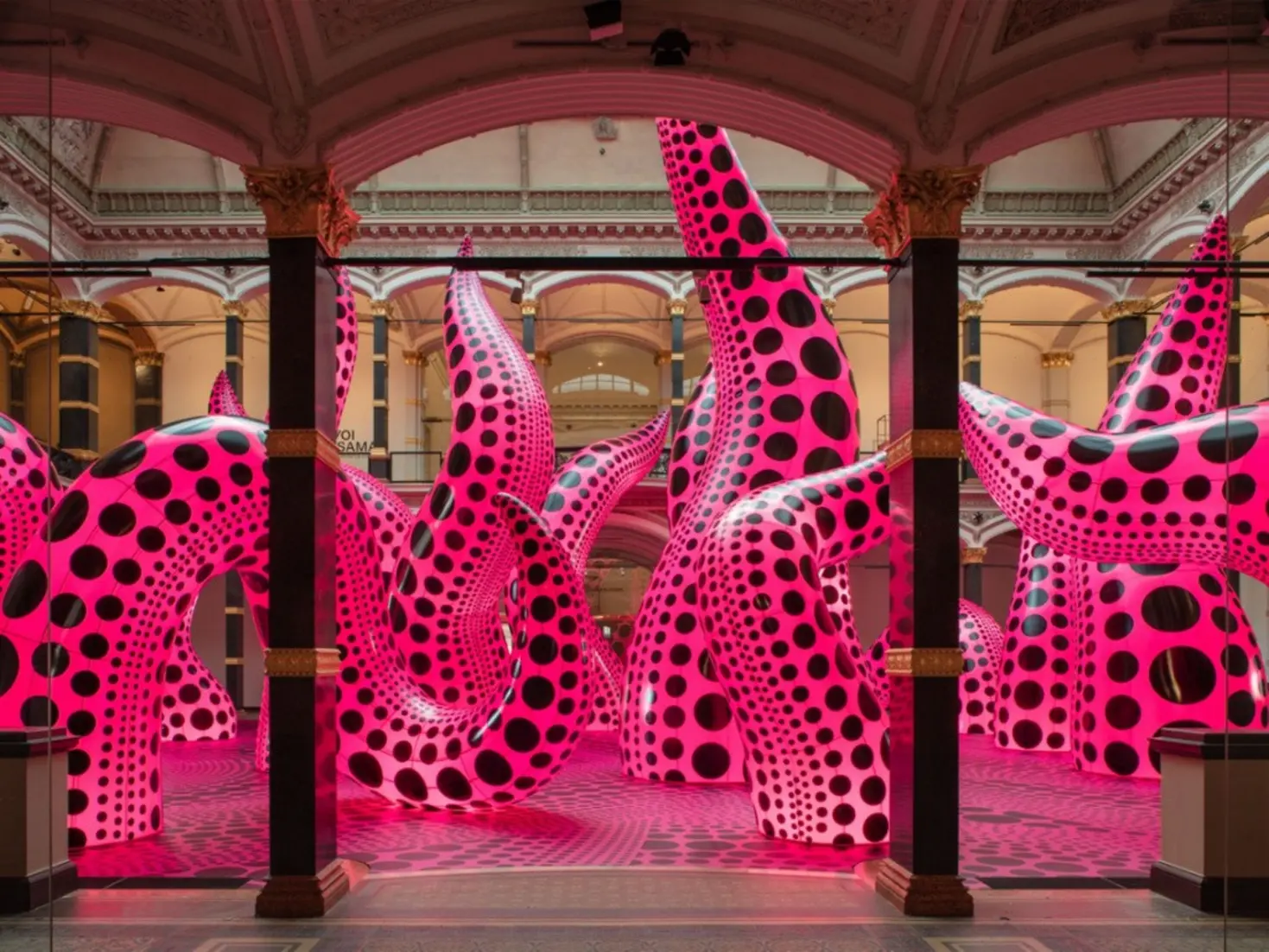
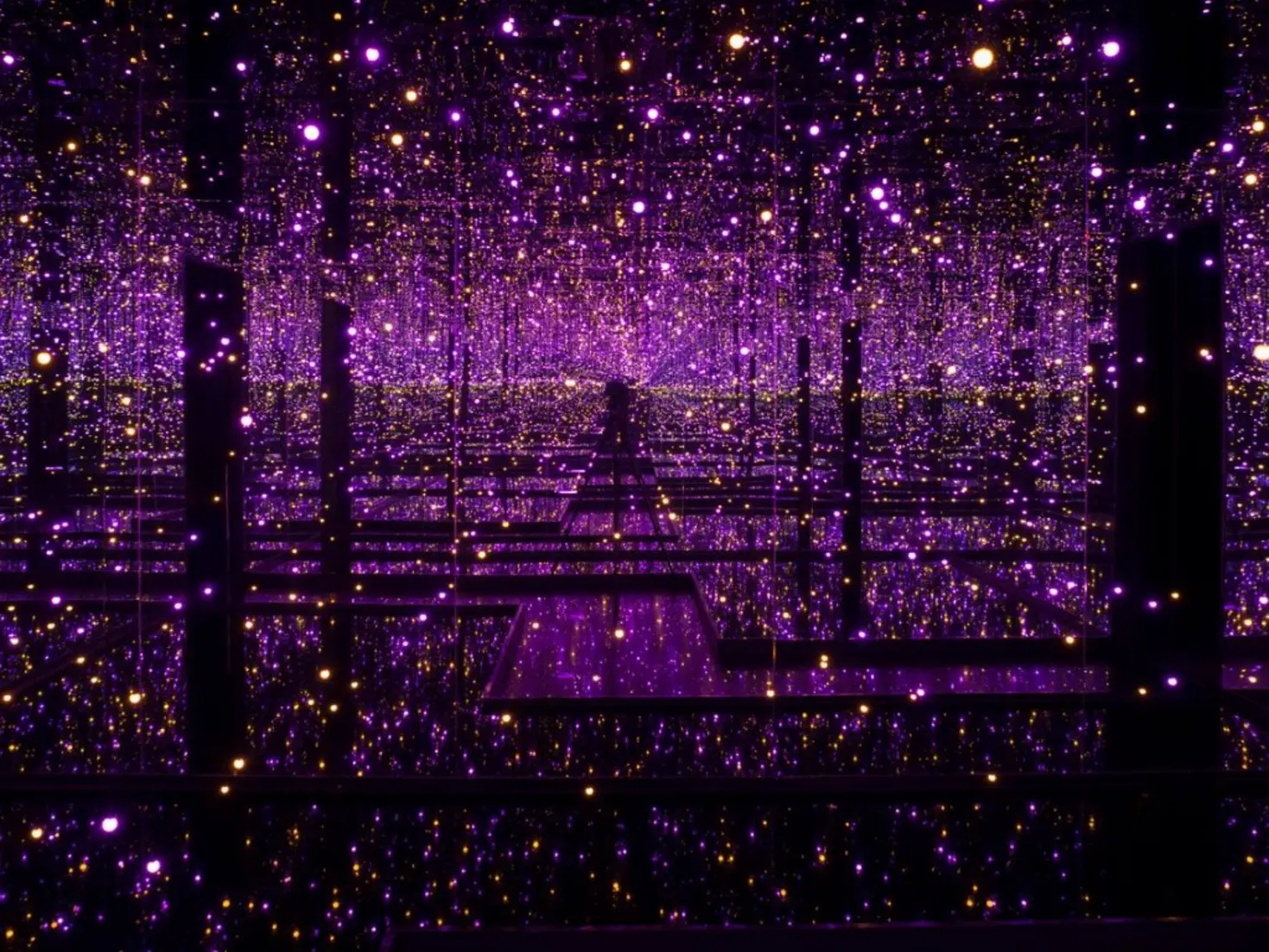
Kusama's mirror rooms have evolved beyond metaphors for selfie culture into something more profound: shared experiences of cosmic wonder in an increasingly digital world. When celebrities like Beyoncé and Taylor Swift experienced her installations, they sparked new waves of public fascination. More importantly, institutions like the Hirshhorn recognized early what has become undeniable: Kusama speaks directly to our era's hunger for immersive, transcendent experiences. As Museum Director Melissa Chiu noted during the museum's landmark 2017 exhibition, "We're witnessing a perfect storm where museums can barely meet the demand from audiences drawn to graphic, transformative experiences. This is Kusama's moment — one that has now extended for nearly a decade."


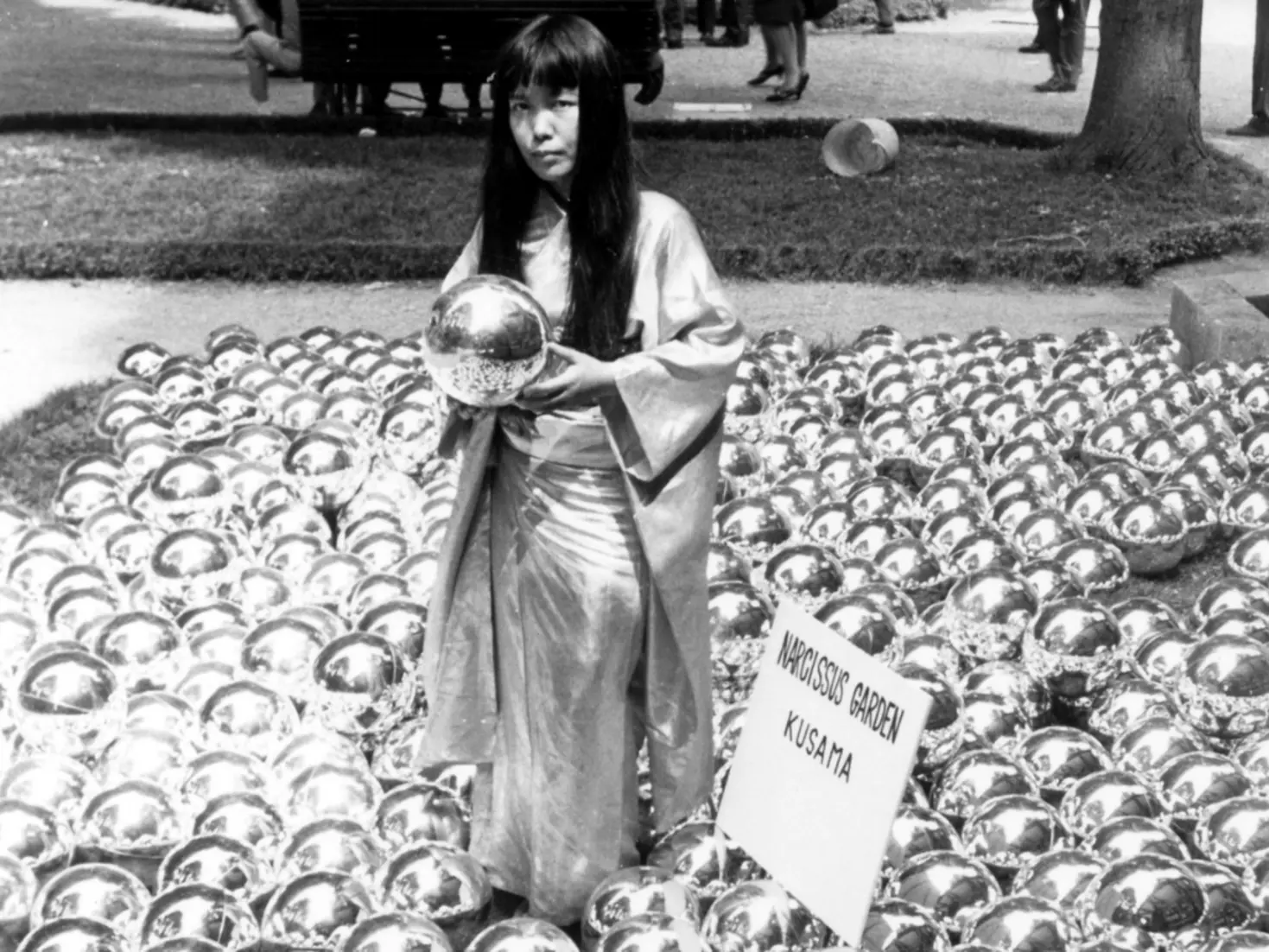
The question of Kusama's mental health feels increasingly irrelevant when examining her extraordinary career trajectory. The artist who has voluntarily lived in a Tokyo mental health facility since 1977 continues to demonstrate remarkable business acumen and creative output. Her early commercial instincts, like selling individual mirrored spheres from her 1966 Narcissus Garden installation —have evolved into a global enterprise that balances artistic integrity with commercial success. Recent auction results confirm her astronomical market position: her 1959 painting Untitled (Nets) sold for $10.5 million in 2022, shattering her previous records and cementing her status among the art world's most valuable living artists.
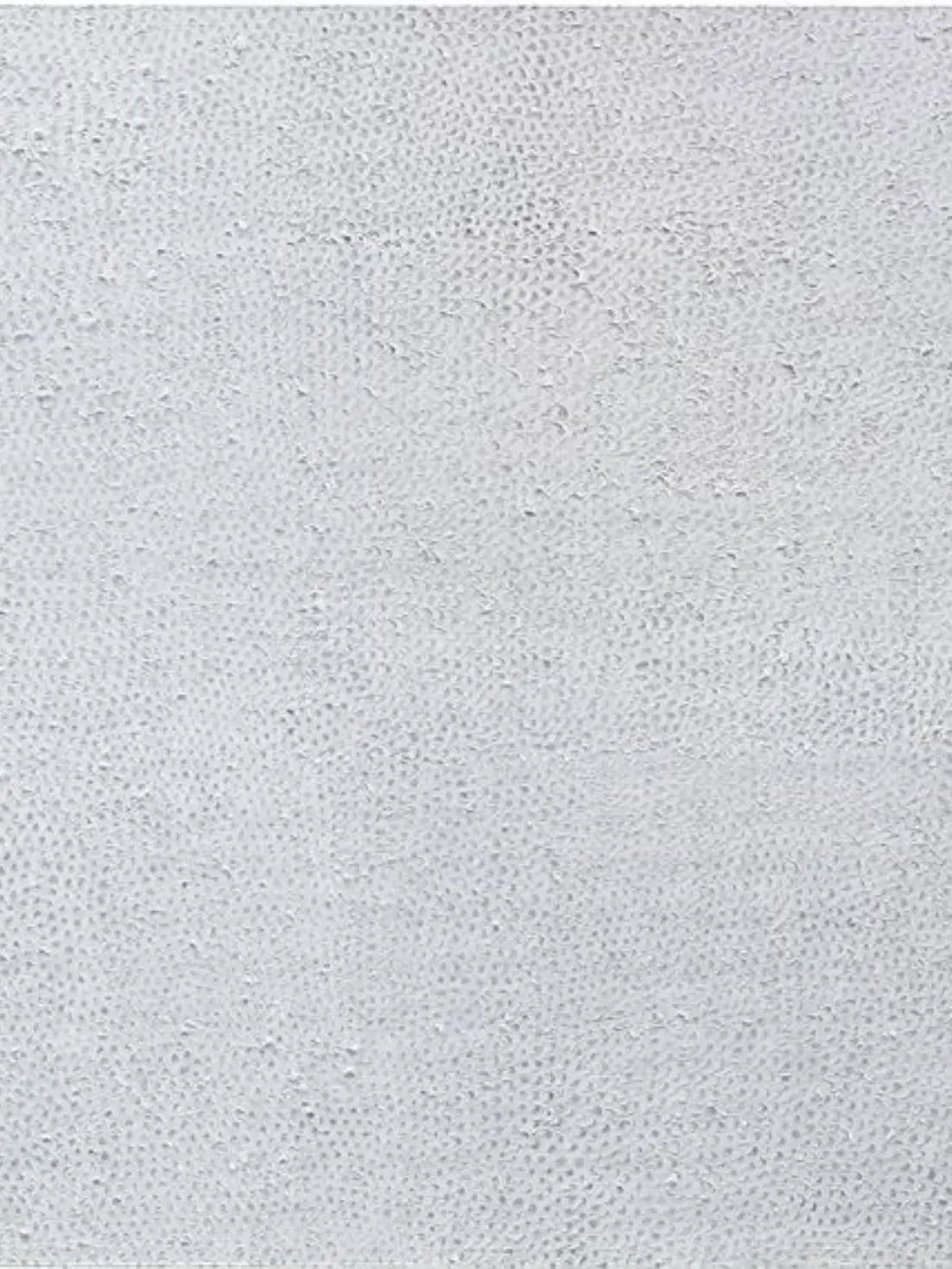
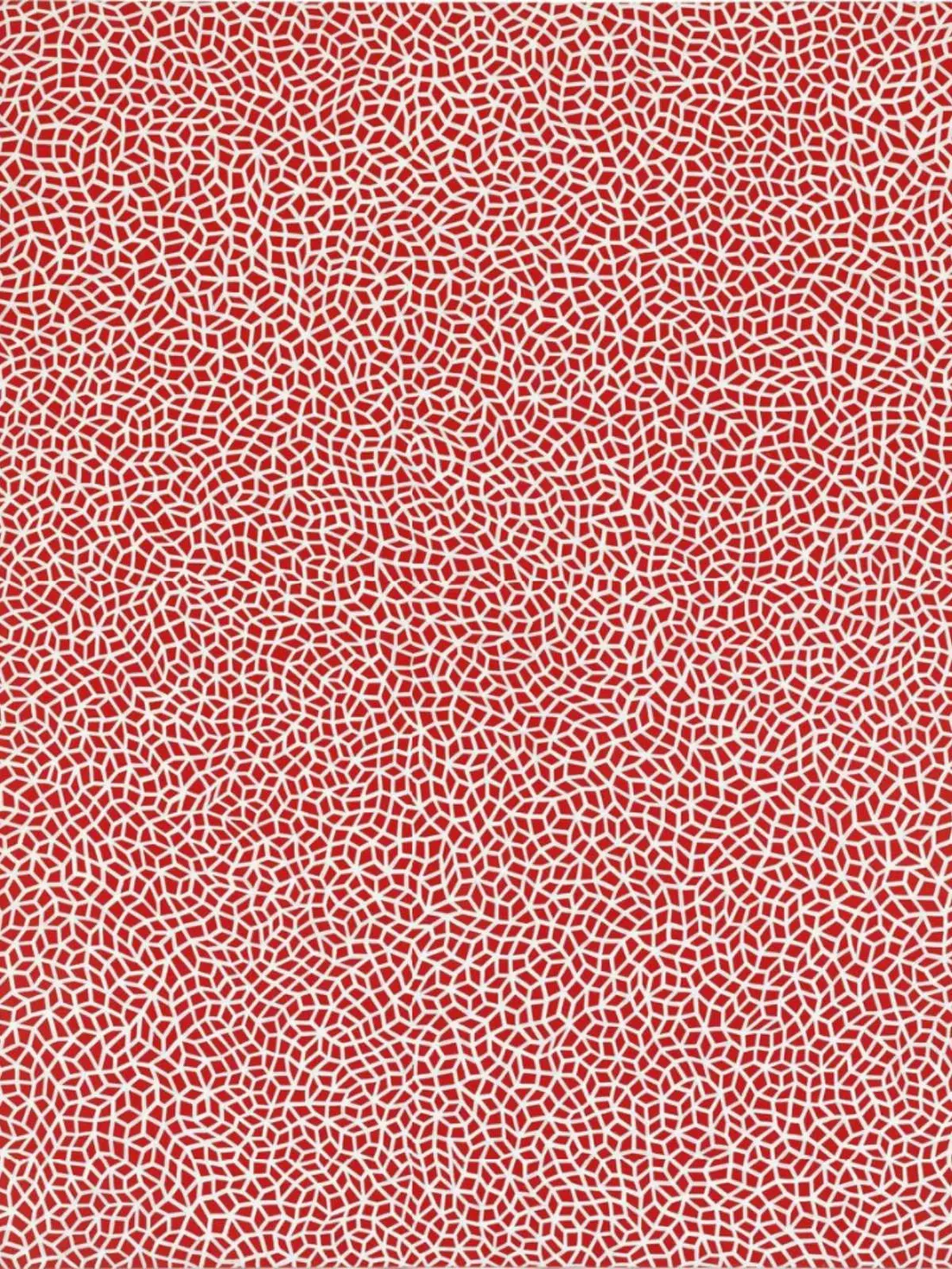
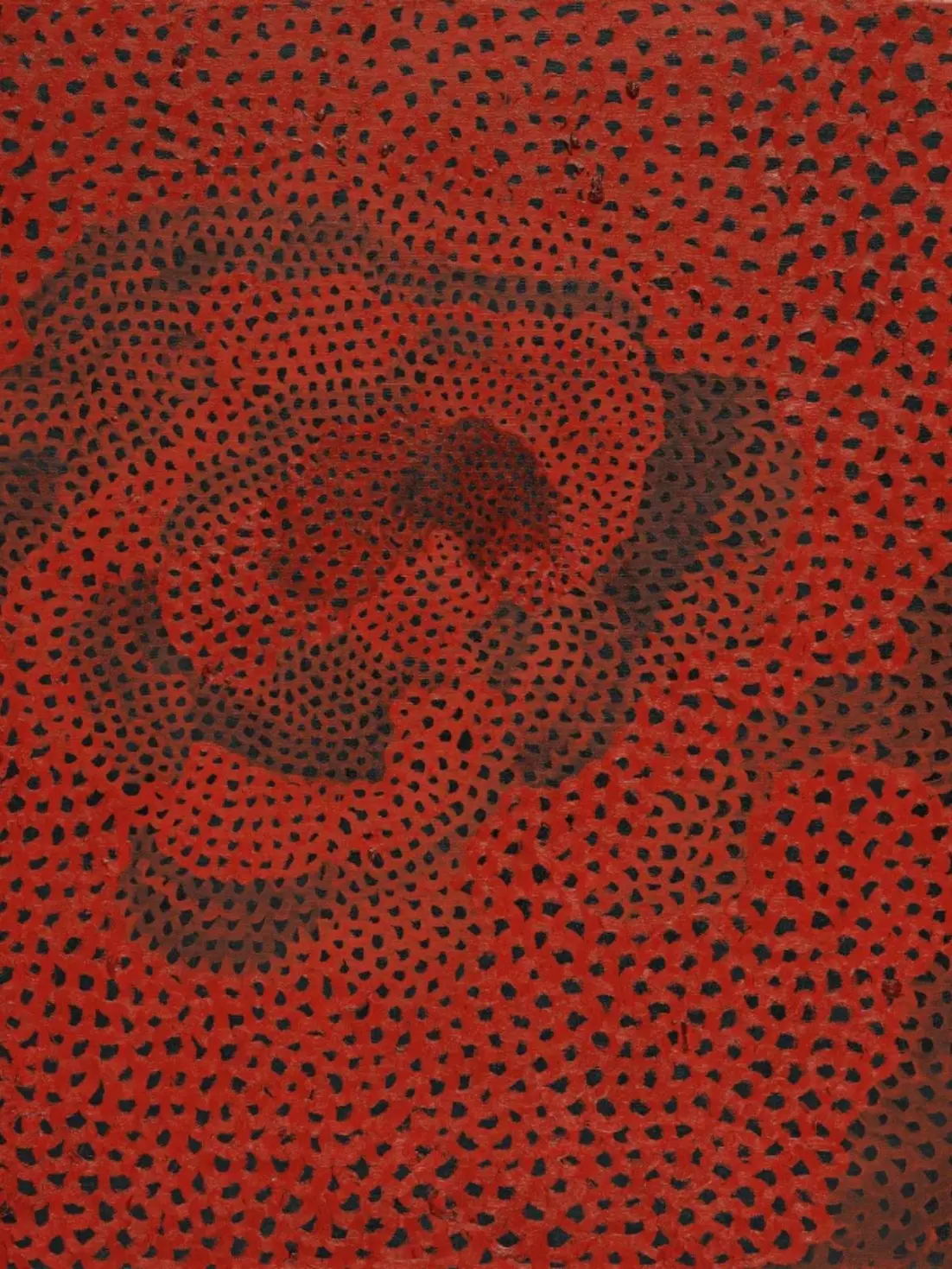
What’s most remarkable is how Kusama has maintained creative control while achieving unprecedented commercial success. Her studio’s location near the mental health facility remains strategic, allowing her to balance intensive work with necessary care. As she explained in a rare 2022 interview, "My art and my life are one continuous thread. The dots help me weave patterns of meaning from what others might see as chaos. Every day I wake up and create, because creating is my reason for being."


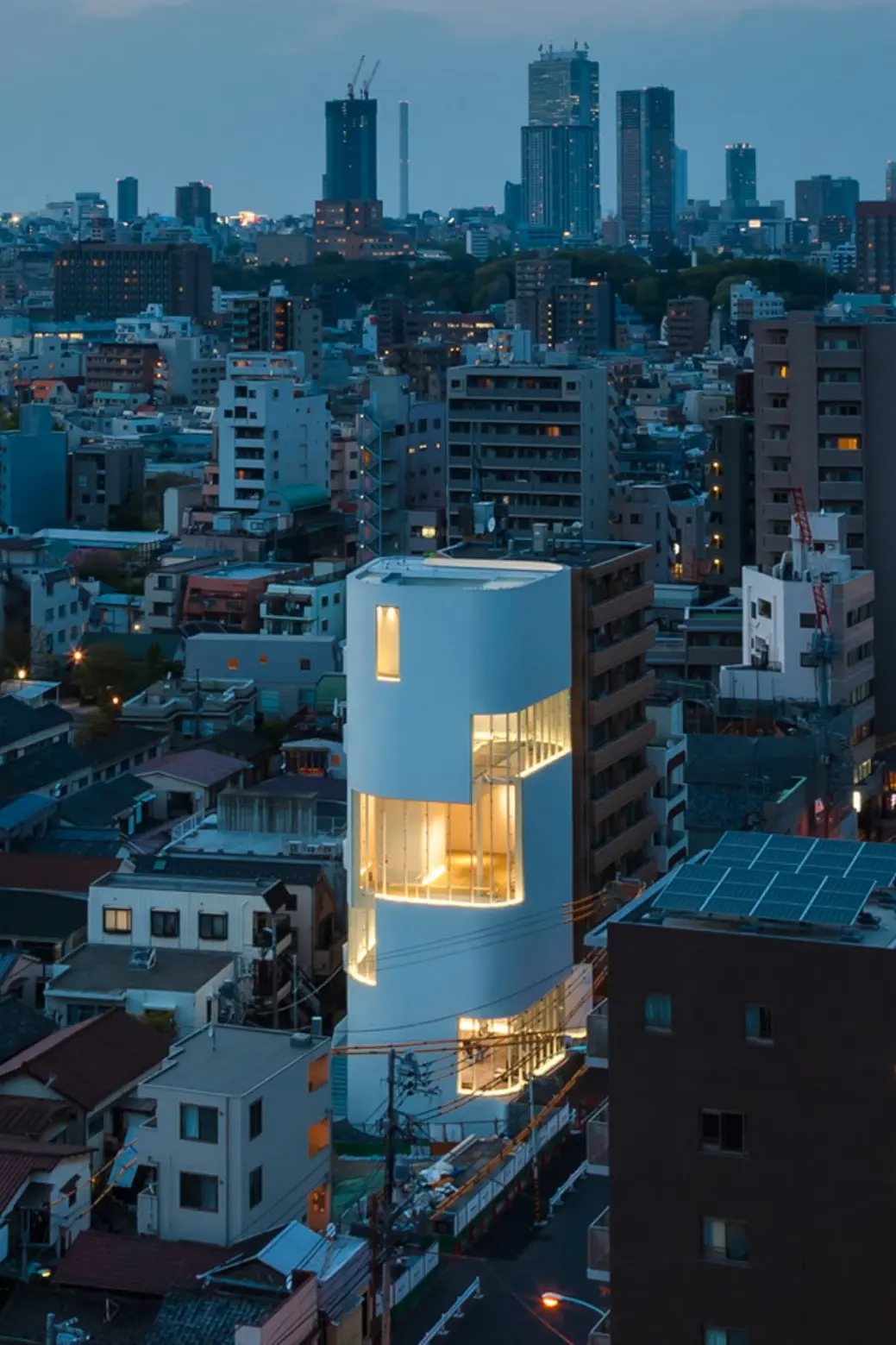
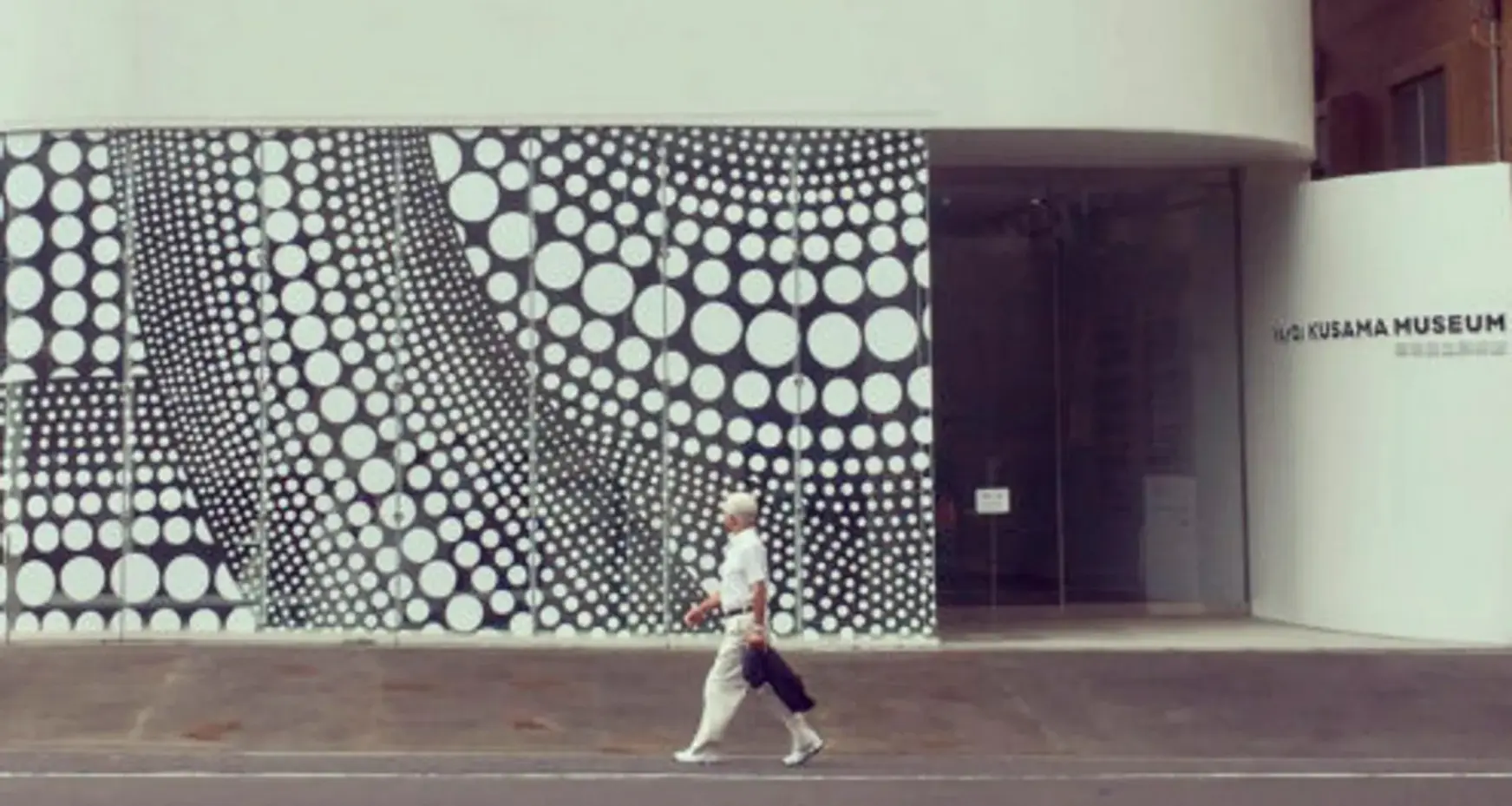
This dedication culminated in the founding of the Yayoi Kusama Museum in Tokyo - a permanent sanctuary for her artistic universe, offering scholarly exhibitions and preserving her legacy on her own terms.

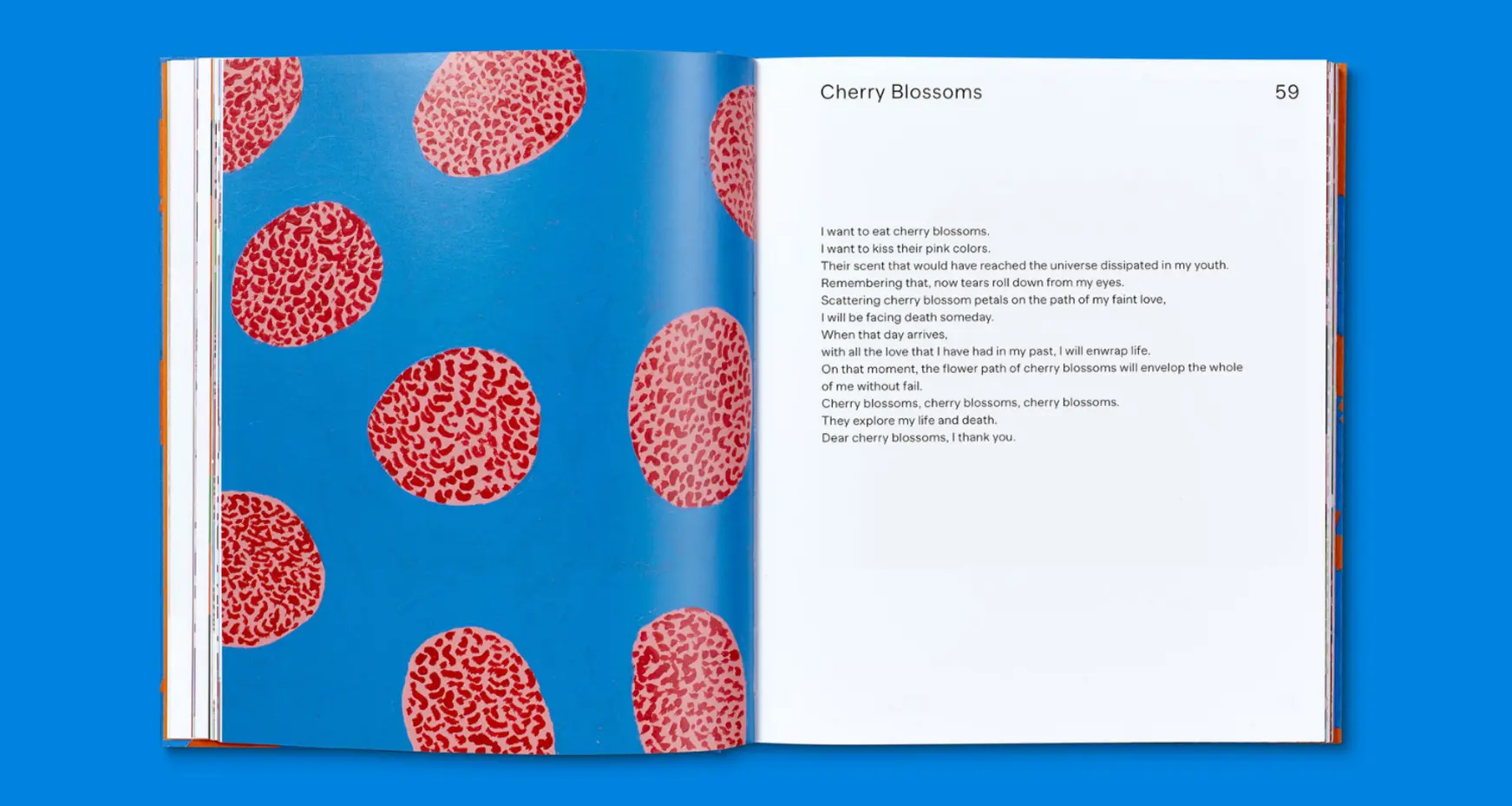
Kusama's openness about mental health struggles has made her an unexpected icon for psychological wellness in the digital age. Her 2021 collaboration with the World Health Organization on art therapy initiatives demonstrated how her personal salvation through art has become a model for others. "Creating art saved my life," she stated during the campaign. "Now I want to show others this path to healing, especially young people who feel lost in today's complicated world."

The recent publication of her expanded autobiography in 2020 revealed new dimensions of her New York years, particularly her influence on — and competition with, male contemporaries like Andy Warhol and Claes Oldenburg. Contemporary scholarship has properly credited her with pioneering trends that others later commercialized, from repetitive imagery to immersive installations. This reassessment of art history has positioned Kusama not just as an artist, but as a crucial innovator who transformed multiple artistic disciplines.


Her infinity nets — those endless repetitions of small arcs that first brought her attention in the 1960s, have found new resonance in our algorithm-driven era. The repetitive, meditative quality of these works speaks to a world increasingly interested in mindfulness and digital detox. Visitors often describe experiencing her installations as a form of active meditation, where the overwhelming repetition creates a strange sense of peace and perspective.
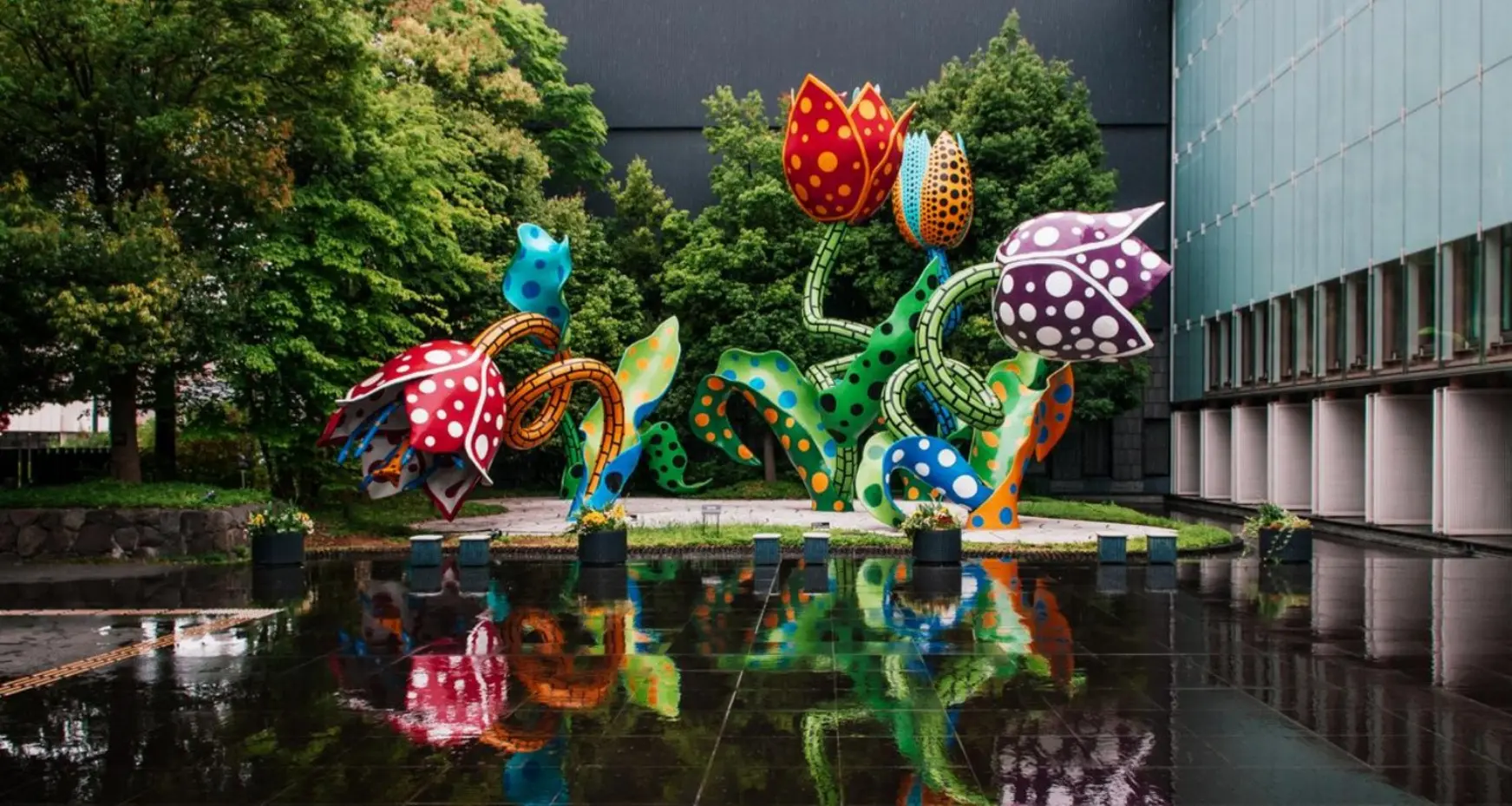
The journey from that first 1959 New York exhibition at Brata Gallery to her current status has been one of relentless innovation and expansion. Her current Every Day I Pray for Love series, featuring vibrant flower sculptures and her signature dots, continues her exploration of love and cosmic connection that began decades ago. The works feel both familiar and fresh, demonstrating how she continues to evolve her signature style while maintaining its essential character.


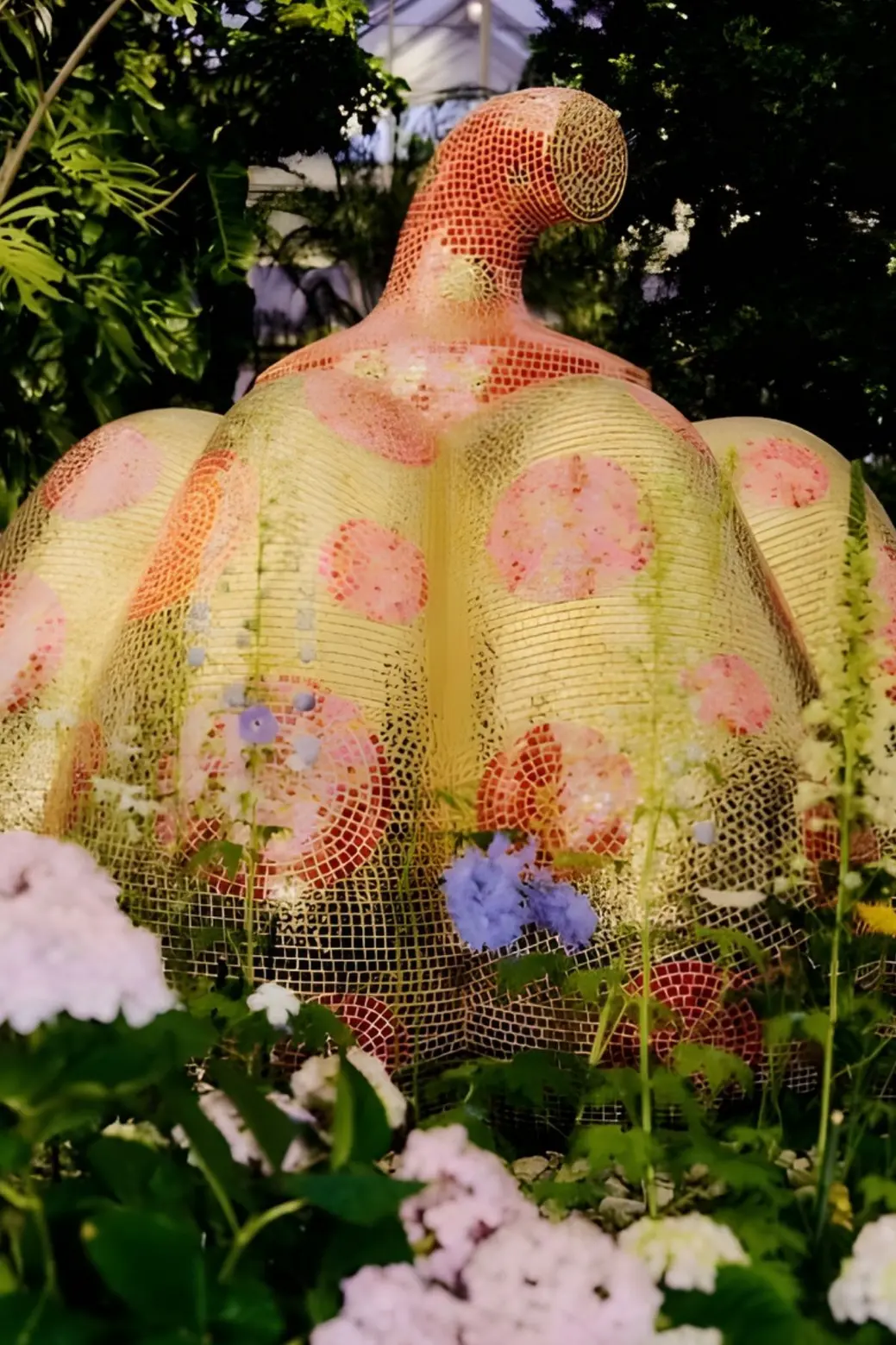
Her Yayoi Kusama pumpkin sculptures, whimsical yet monumental, have become beloved symbols in public art. Her 2022 installation A Message of Love, Directly from My Heart to the Universe filled Grand Central Madison Avenue with luminous pumpkins, attracting over two million visitors and becoming one of the most-photographed art events of the year.
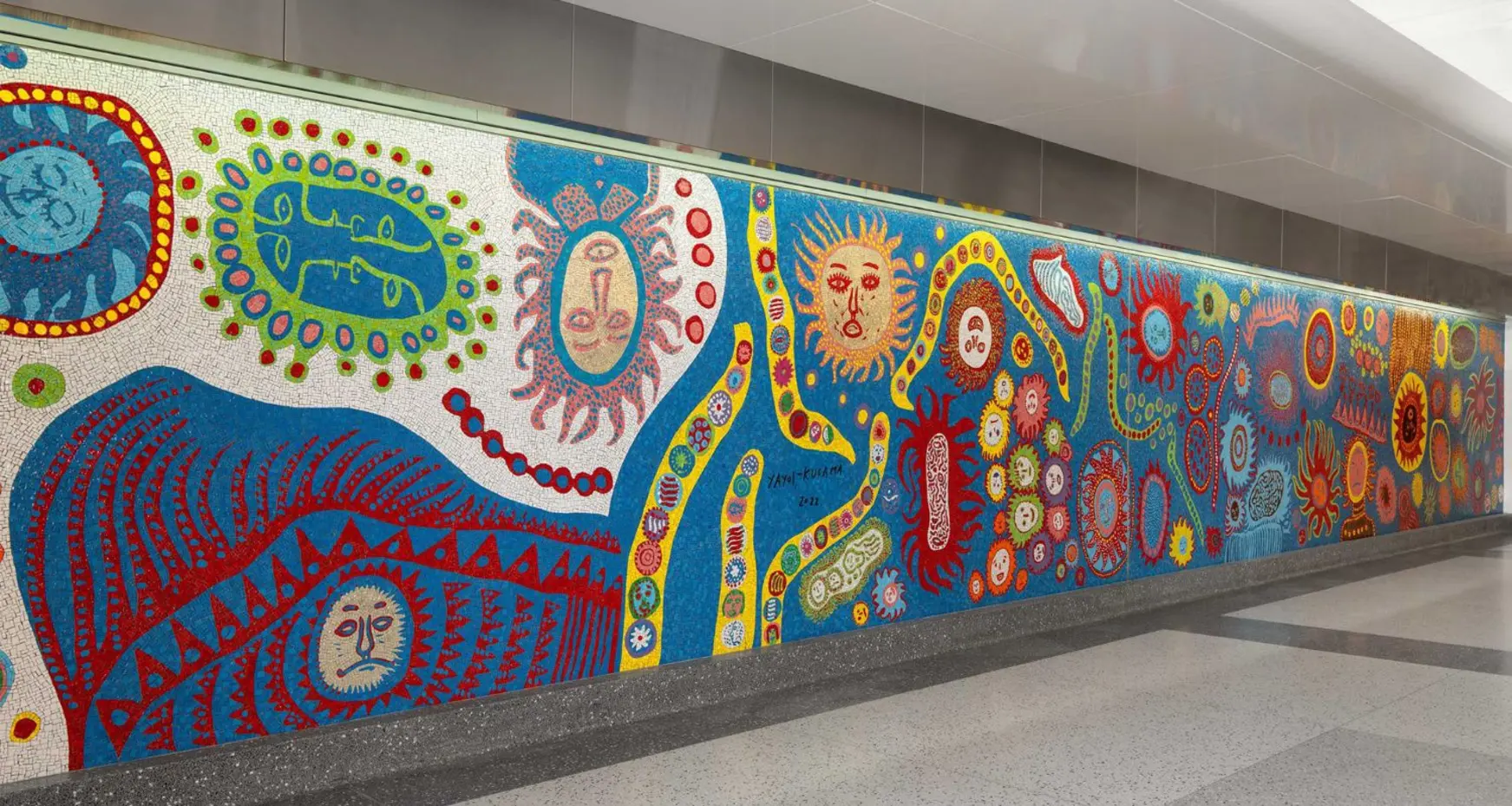
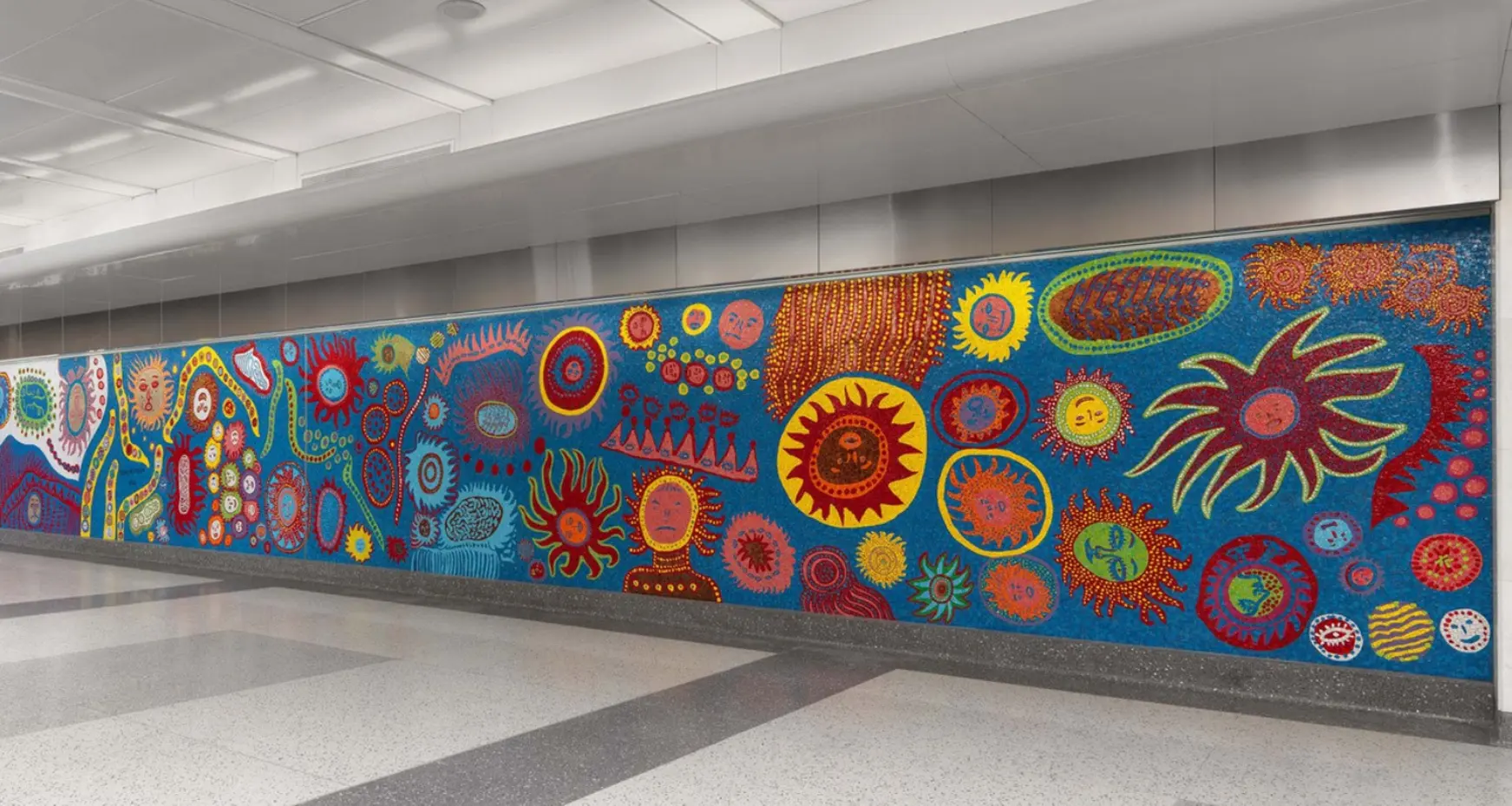
What's particularly remarkable about Kusama's late-career popularity is how it transcends generations and cultural boundaries. Children respond to the playful colors and shapes, teenagers to the immersive Instagram-ready environments, adults to the psychological depth, and seniors to the testament of creative perseverance. This broad appeal is unusual in contemporary art, where artists typically attract specific demographic niches.
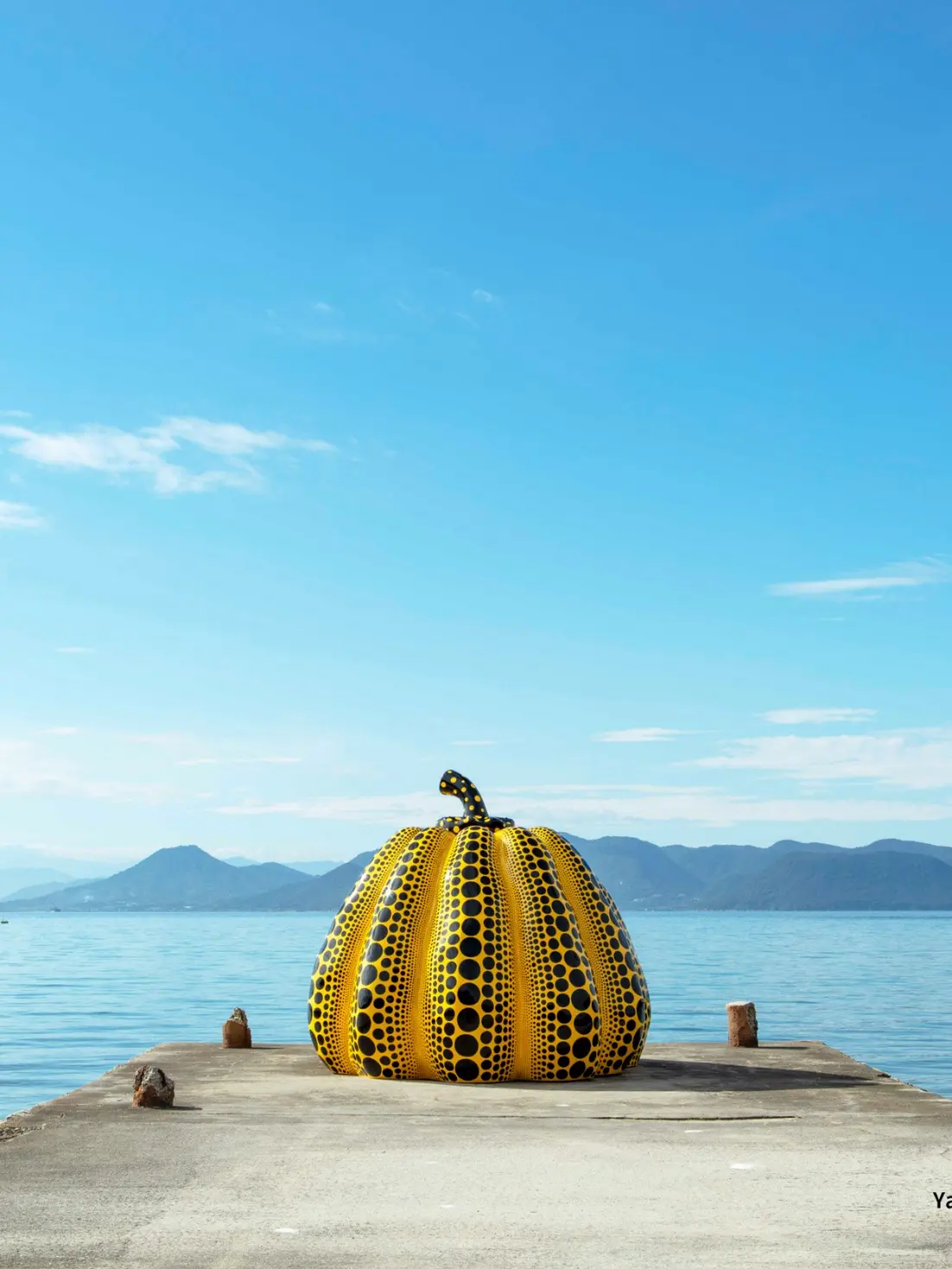

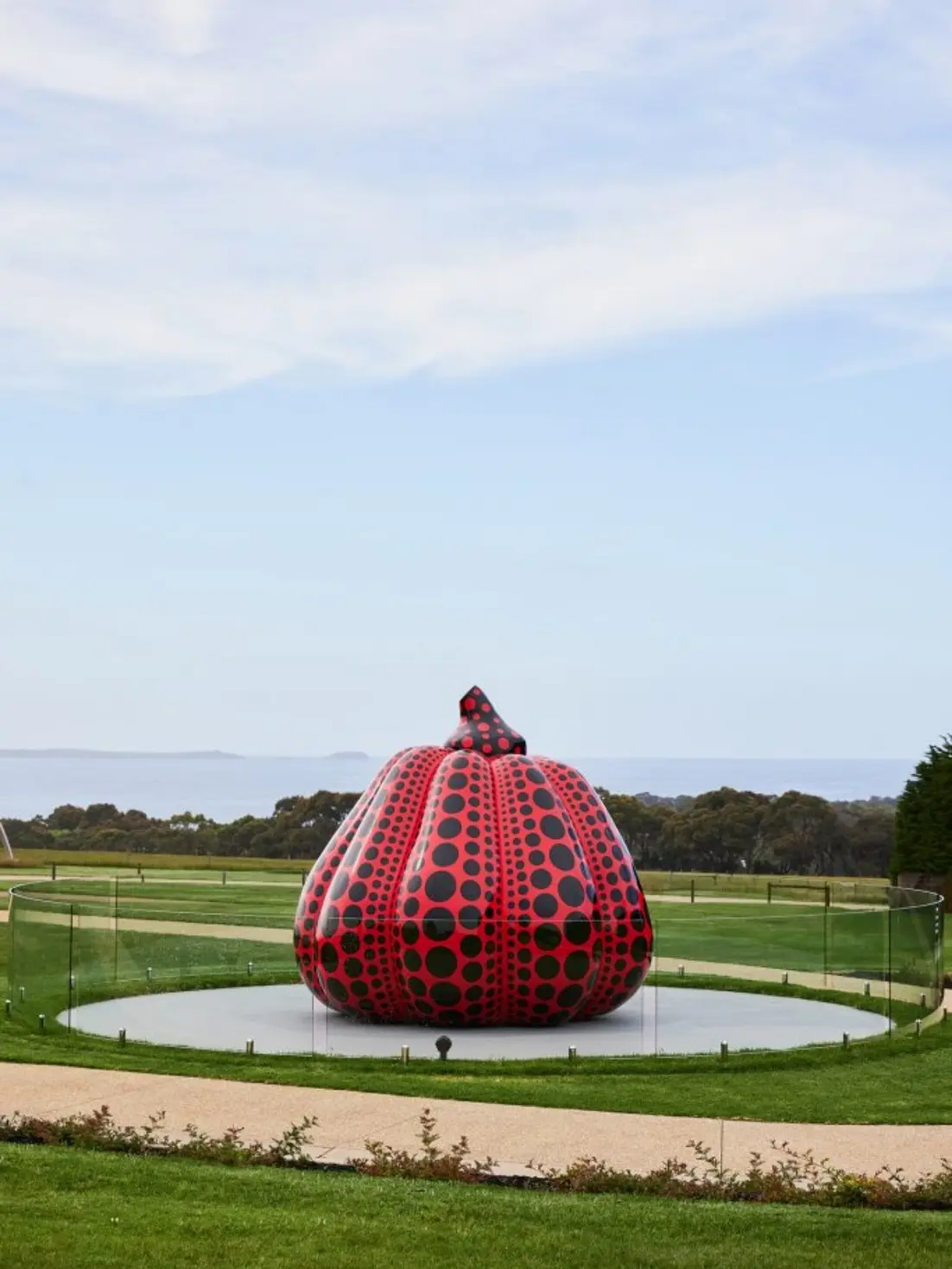
As we move further into the 21st century, her themes - environmental consciousness, mental health, interconnection, feel increasingly prophetic. Her dots, once intimate symbols of personal obsession, now speak to our collective need for order amid chaos.
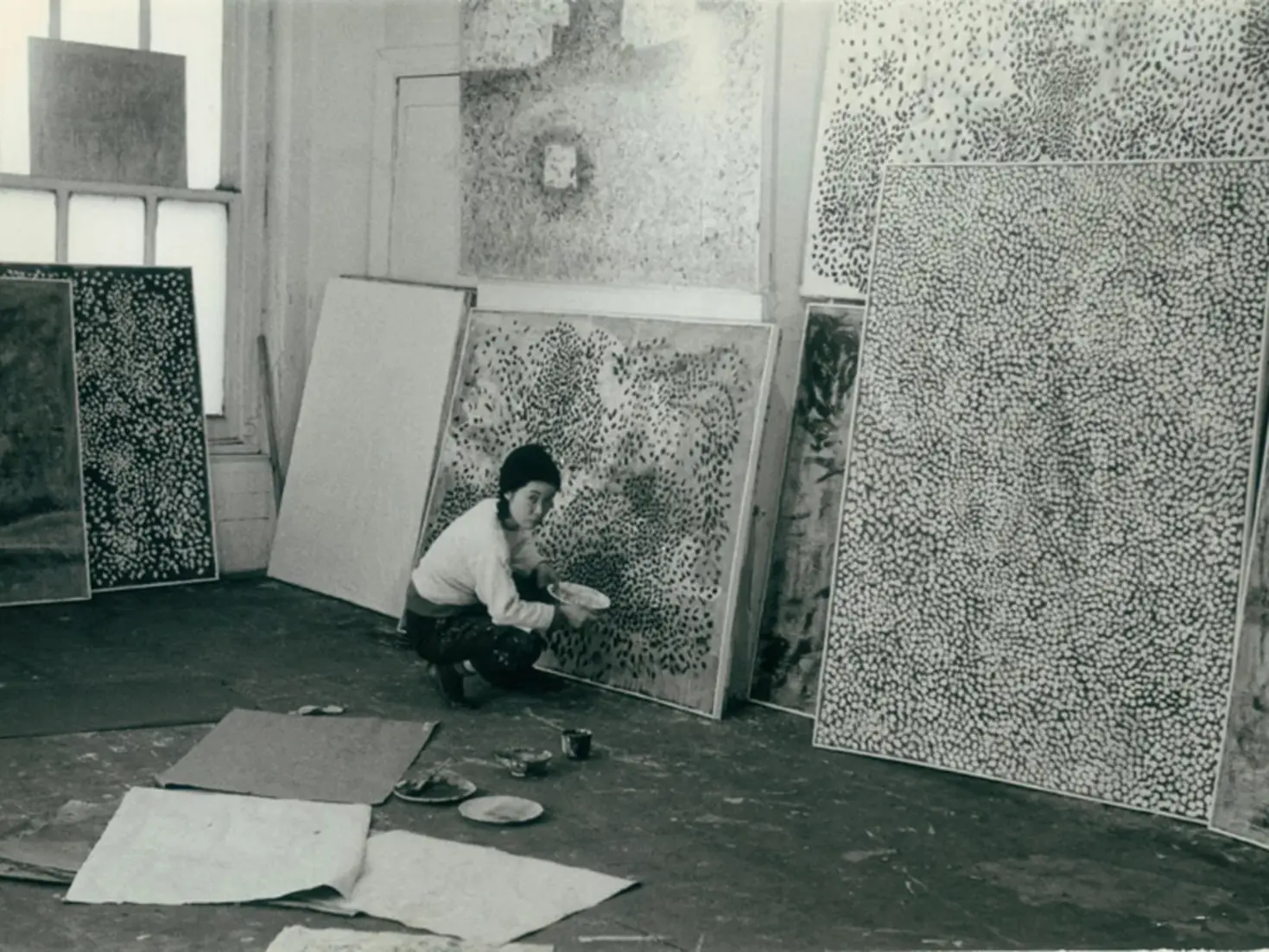
The establishment of the Yayoi Kusama Museum in Tokyo represents not just a personal achievement but a significant moment in art institutional history. Few living artists have museums dedicated exclusively to their work, and even fewer have designed and overseen these institutions themselves. The museum's programming — which includes scholarly exhibitions alongside public workshops, ensures that her legacy will be understood in depth, not just through social media snippets.
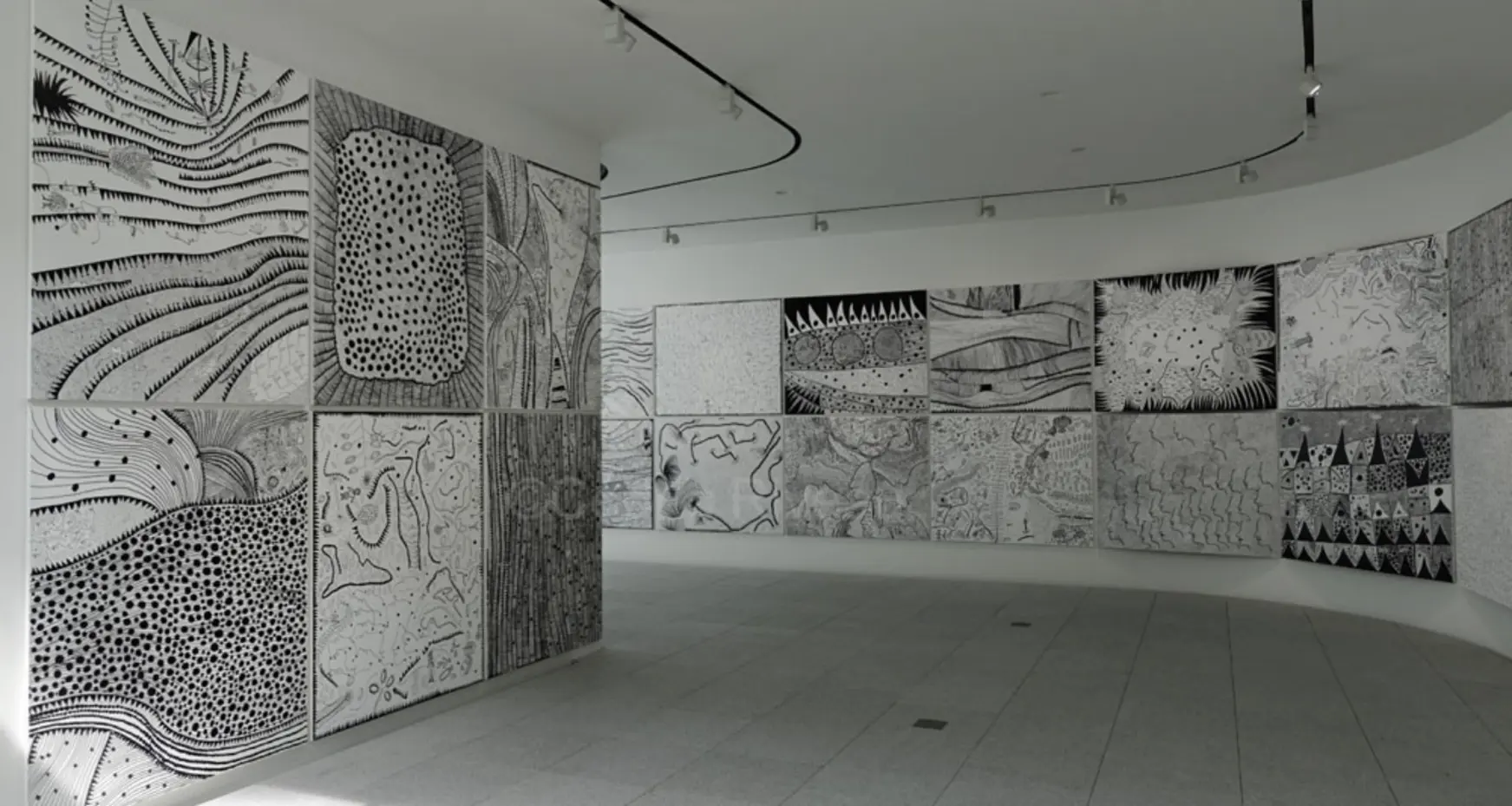
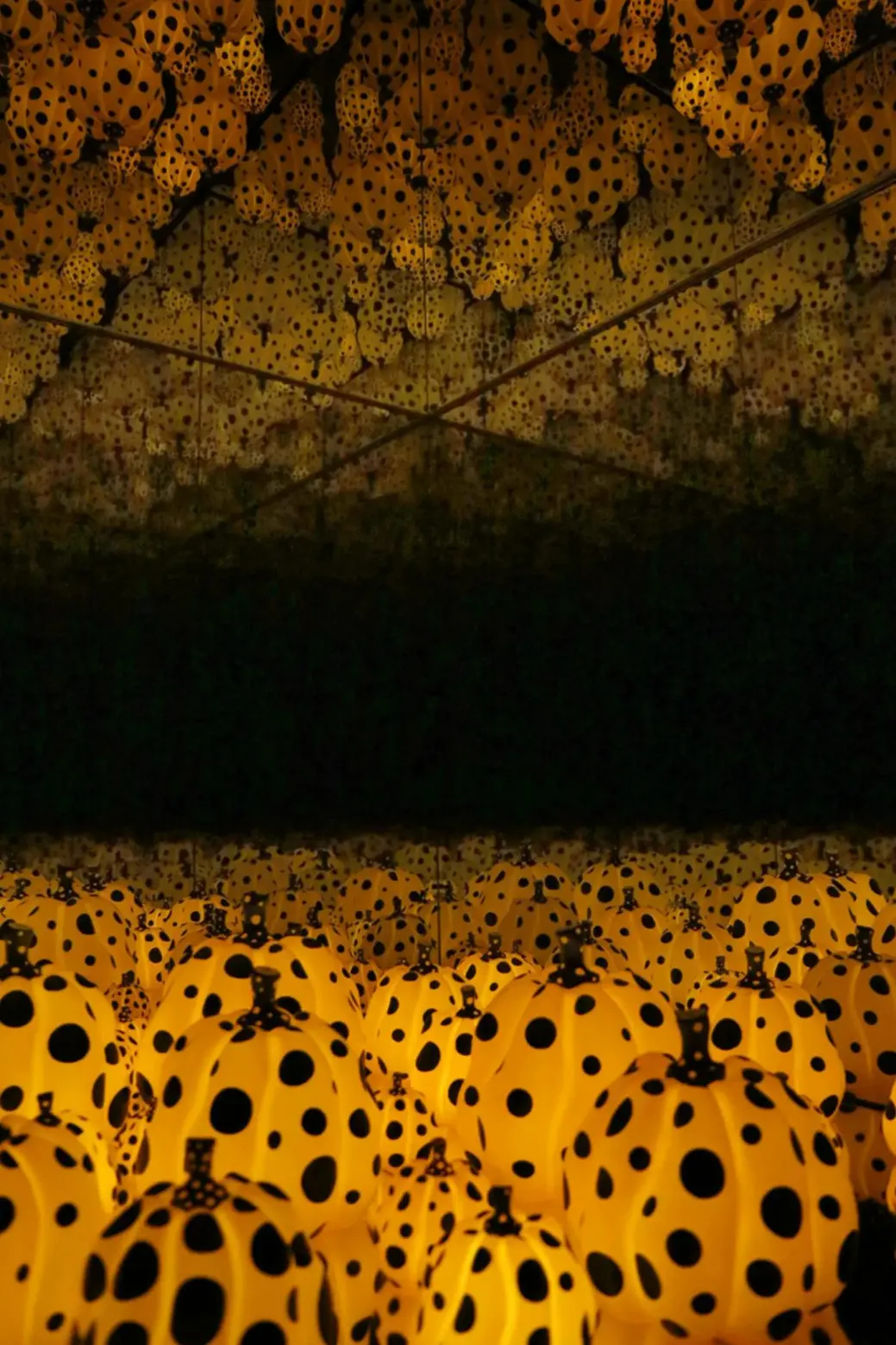

Perhaps this is Kusama's ultimate achievement: transforming personal pathology into universal language, private obsession into public celebration, and individual dots into a constellation that guides us all toward greater understanding. In letting her dots speak for nearly eight decades, she has given voice to something essential in the human experience—the relentless, beautiful, necessary drive to create meaning and connection in a world that often seems determined to fragment and isolate us.
Her work continues to challenge the artificial boundaries between art and commerce, personal and public, sacred and popular. As new generations discover her installations and older generations revisit them with fresh perspective, Kusama's dots continue their quiet revolution—reminding us that from the smallest, most repetitive elements can emerge the most profound and enduring beauty.