MENU
Close





Luxury once raised a glass with young designers and called every bubble champagne. But as consumers grow sharper, PR loses its magic, and conglomerates enter the age of luxury dieting, designer buybacks expose a colder question: which names still deserve the cellar, and which were only sparkling wine in a crystal flute?
Luxury once raised a glass with young designers and called every bubble champagne. But as consumers grow sharper, PR loses its magic, and conglomerates enter the age of luxury dieting, designer buybacks expose a colder question: which names still deserve the cellar, and which were only sparkling wine in a crystal flute?
May 27, 2026


There is a romantic way to read the phenomenon of designers buying back the brands that bear their names: they reclaim freedom, recover their souls, and regain the right to tell their own stories. That reading is true, but incomplete. In luxury, buybacks rarely unfold in the soft light of creative liberation. They usually happen at colder moments: when a conglomerate no longer wants to keep funding a smaller brand, when the market no longer grows easily, when founder aura is no longer enough to make profit, and when a name once lifted by capital suddenly becomes a transferable asset.
To understand this trend, it needs to be read not only as fashion news, but as a movement of history, politics and consumer taste. For decades, Western luxury had one enormous advantage: it came from “the West”. For developing or newly wealthy markets, European and American labels were not only products. They were proof of modernisation, integration, status and the ability to enter a world that had once felt distant. But as major consumer nations become richer, more confident and more capable of keeping value within their own borders, the question changes: why should profit, symbols and cultural pride continue flowing outward?
China is the clearest example of this reversal. Bain & Company recorded that the personal luxury goods market in mainland China fell 3–5% in 2025, after a much steeper 17–19% decline in 2024. More importantly, the report does not simply describe a weaker market. It describes a more cautious, more informed consumer who is prioritising “value-driven luxury”; at the same time, China’s secondhand luxury market grew 15–20% in 2025, while overseas luxury spending declined as the renminbi weakened, price gaps between China and major global markets narrowed, and domestic tourism encouraged consumption to return home.

That is an important signal: customers are no longer buying “Western” simply because it is Western. They compare, question, weigh value and begin to look at luxury with less obedient eyes. If a logo once stood for entry into an international world, it now has to compete with domestic symbols that speak a closer cultural language.
With Russia, the issue is not the maturation of taste, but geopolitics. Since March 2022, the EU has imposed export bans on luxury goods to Russia as part of its sanctions packages following the invasion of Ukraine. A market that once consumed luxury heavily has not disappeared entirely, but it has been pushed out of the official flow of major maisons. For conglomerates, this is the kind of shock PR cannot fix.
At the same time, global luxury has entered a slower-growth phase. LVMH reached €80.807 billion in revenue in 2025, down from €84.683 billion in 2024; profit from recurring operations fell from €19.571 billion to €17.755 billion. In Fashion & Leather Goods alone, revenue declined from €41.060 billion in 2024 to €37.770 billion in 2025, while profit from recurring operations fell from €15.230 billion to €13.209 billion.
This is the moment luxury starts dieting. When champagne is still flowing, conglomerates can nourish many dreams: a young label, an eccentric founder, a London-cool designer, a sustainability symbol, a streetwear brand in full heat. When the market slows, the questions become less poetic: can this brand scale, can it make money, does it belong to the core, does it still justify the cost of managing it?
During the easy-growth years of luxury, the Western aura could turn many brands into “champagne” in the eyes of the market. As long as a label came from Paris, Milan, London or New York, as long as it had editorial support, a beautiful show venue, a few front-row faces and a polished PR campaign, it could enter the banquet. Not all of them were real champagne. Some were merely sparkling wine poured into crystal flutes. But when the party was festive enough, few people wanted to ask too carefully what was actually in the glass.

The wind has changed. Luxury consumers are no longer willing to accept that every brand carrying a Western aura should automatically be treated as luxury. They are beginning to distinguish more sharply: which brands only have the bubbles of PR, which are commercial champagnes with scale and recognition, and which bottles truly deserve to be kept in the cellar. Borrowing the language of champagne to speak about fashion: the market is not only rejecting sparkling wine disguised as champagne; it is also beginning to distinguish between mass-recognition champagne such as Moët & Chandon and more prestige-coded symbols in luxury imagination such as Veuve Clicquot, Dom Pérignon or Krug.
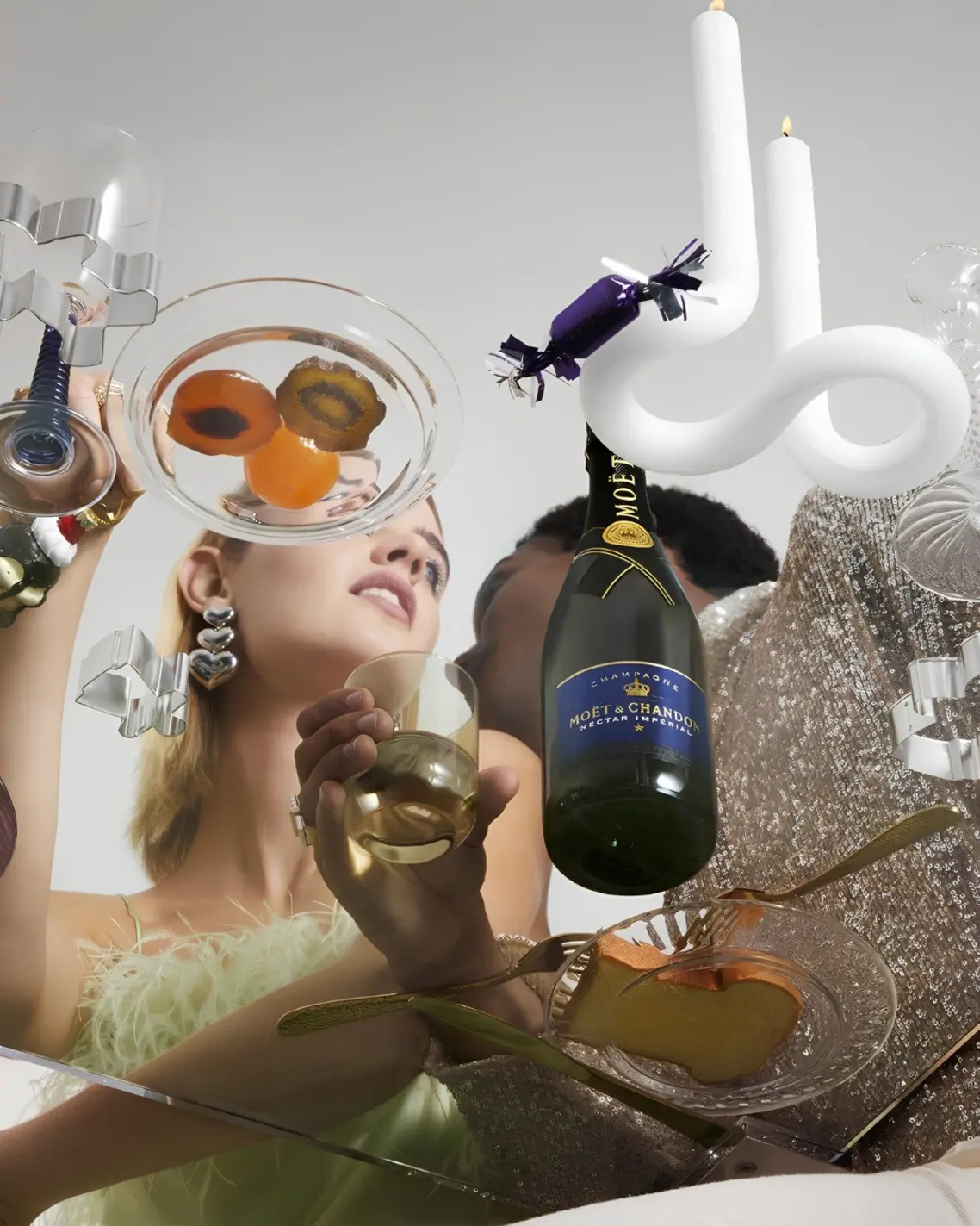
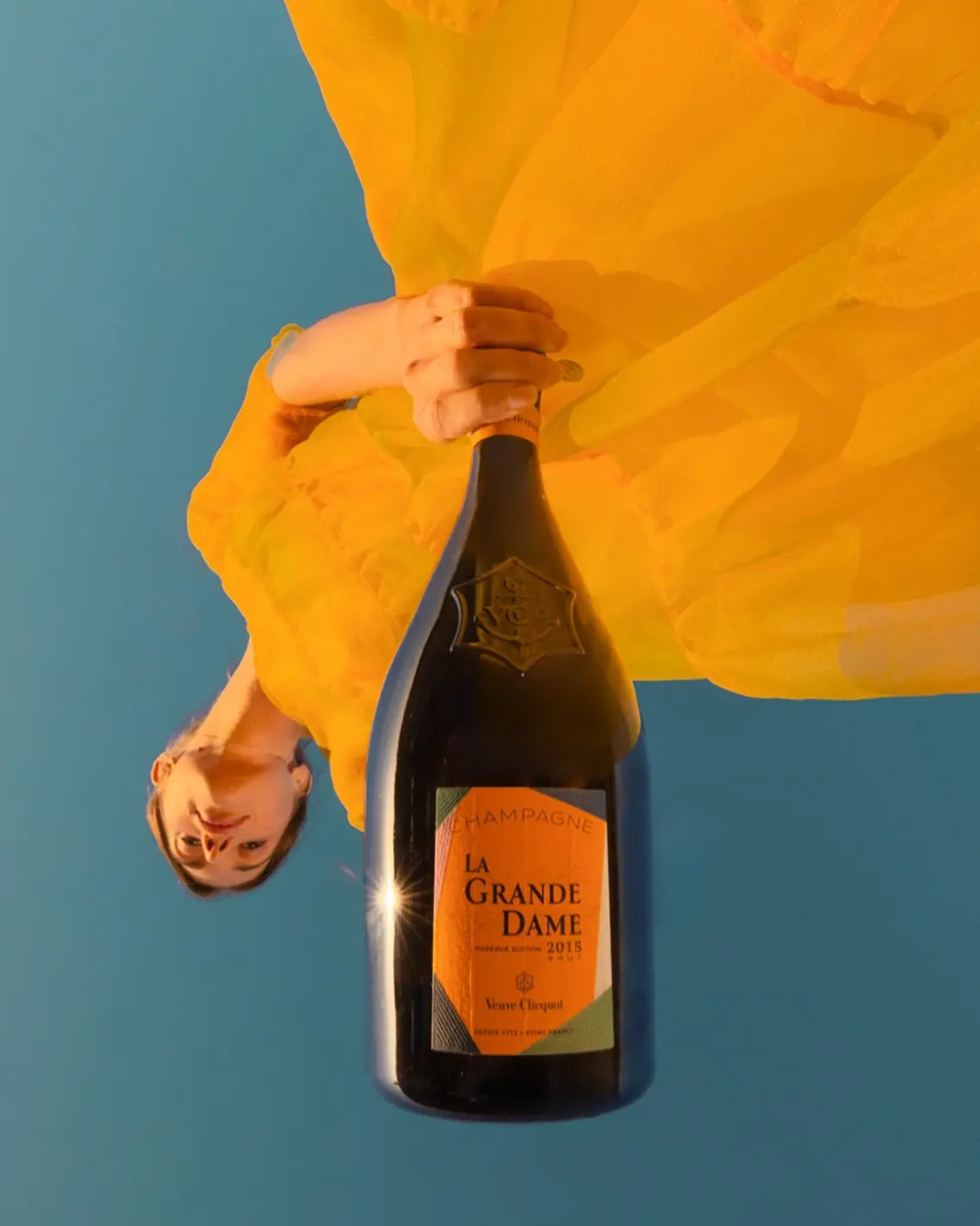
The metaphor becomes even more interesting because Moët Hennessy itself is going through a phase of renewed discipline. Reuters has reported that Moët Hennessy’s revival plan focuses on big-name brands such as Moët & Chandon and Hennessy, while narrowing smaller labels and cutting around 1,200 positions, mostly through retirement or natural departures. In other words, even in wine and spirits, the era when “enough bubbles” was enough fun has passed.
In fashion, the same logic is unfolding. A brand can no longer be saved simply because it is “Western”, “cool”, “founder-led” or once backed by a major group. Buyers increasingly ask harder questions: does this brand have real heritage, does it have an iconic product, does it possess a craft, does it retain value, does it have anything beyond PR? Is it champagne, or merely sparkling wine given a more elegant name?
This is exactly why luxury conglomerates are forced to diet. When consumers are still happy to be seduced by bubbles, portfolios can be broader. When consumers become more sober, conglomerates are forced to keep only the bottles that truly have a reason to exist: Dior, Louis Vuitton, Loewe, Fendi, Loro Piana, Rimowa — brands with craft at the core, country equity, iconic products and pricing power. Smaller founder-led brands, however brilliant they once seemed, are asked again: are they real champagne, or only a sparkling wine once made luminous by the lights of the conglomerate?
This does not mean designers lack talent. But talent in fashion rarely takes off alone. A designer needs buyers, editors, show venues, PR machinery, fashion weeks, factories, showrooms, stylists, celebrities, department stores, and sometimes one powerful person to open the right door.
Marc Jacobs is a classic example. Bernard Arnault once acknowledged that Anna Wintour brought both John Galliano and Marc Jacobs to his attention. This is not a piece of gossip. It is evidence of how fashion power works: talent enters history not only through sketches, but through networks of patronage.
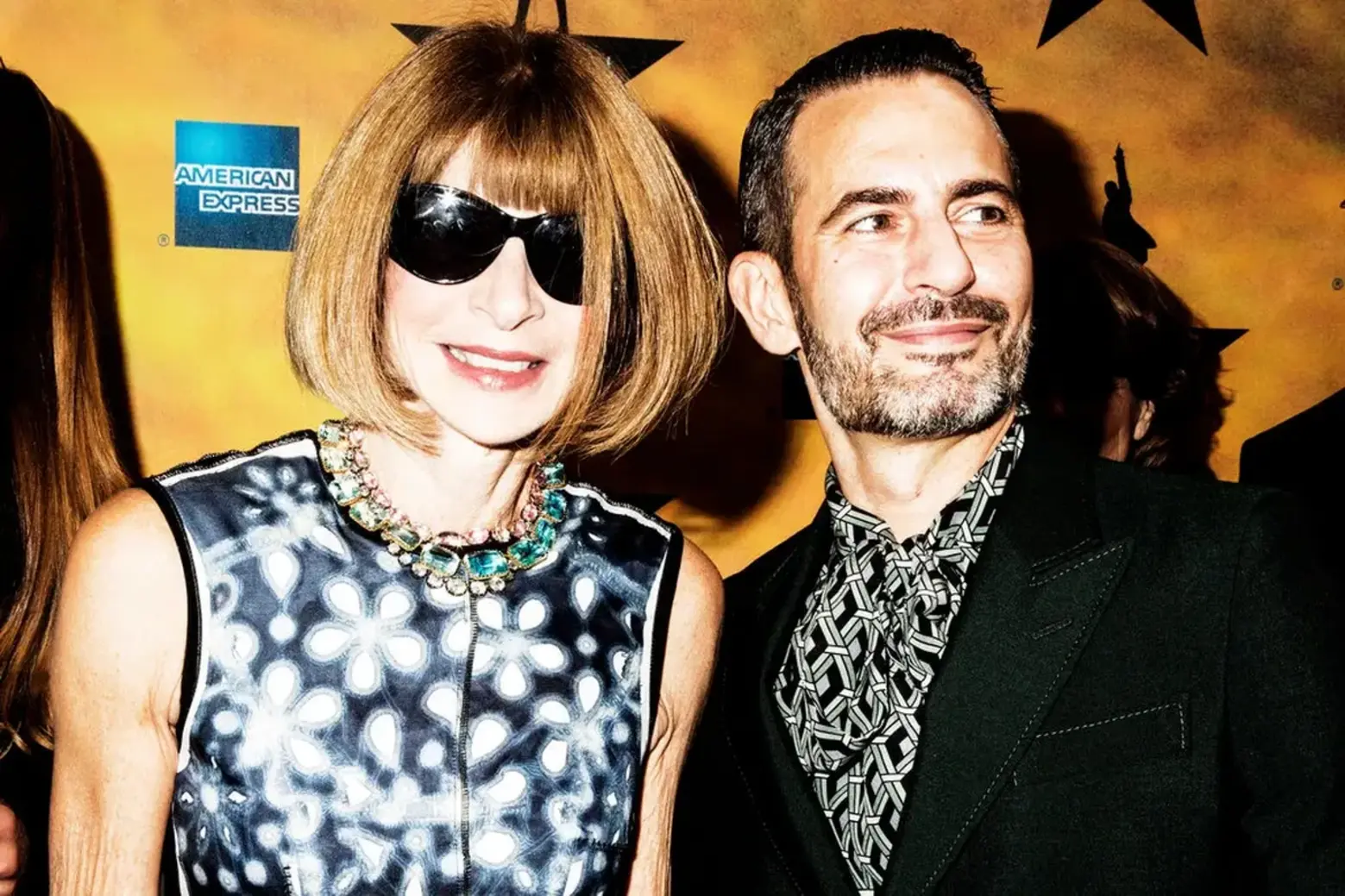
Wintour is also credited with helping Marc Jacobs when he lacks the money to stage a show. Business Insider has written that Donald Trump once helped Wintour by allowing Marc Jacobs to use a ballroom at the Plaza Hotel when the then little-known designer did not have the funds for a show. The detail feels almost cinematic: a young designer, a powerful editor, a borrowed ballroom, and a social system betting on the possibility of turning talent into a brand.
So when we ask what Marc Jacobs might have become without the support of conglomerates, the answer should be fair but sharp: he had talent, but that talent was placed on a runway by a system. LVMH took a stake in Marc Jacobs in 1997, the same year Jacobs became the first creative director of Louis Vuitton ready-to-wear; nearly three decades later, LVMH agreed to sell Marc Jacobs to a joint venture between WHP Global and G-III Apparel Group in a deal for which Reuters reported the buyers raised up to $850 million. Marc Jacobs will remain creative director after the transaction.
In the good years, the capital and creator raised their glasses together. The conglomerate needed the designer’s aura; the designer needed money, infrastructure, PR, stores and access to the world. But when the market becomes harder, capital begins asking a colder question: does this aura still make enough profit?

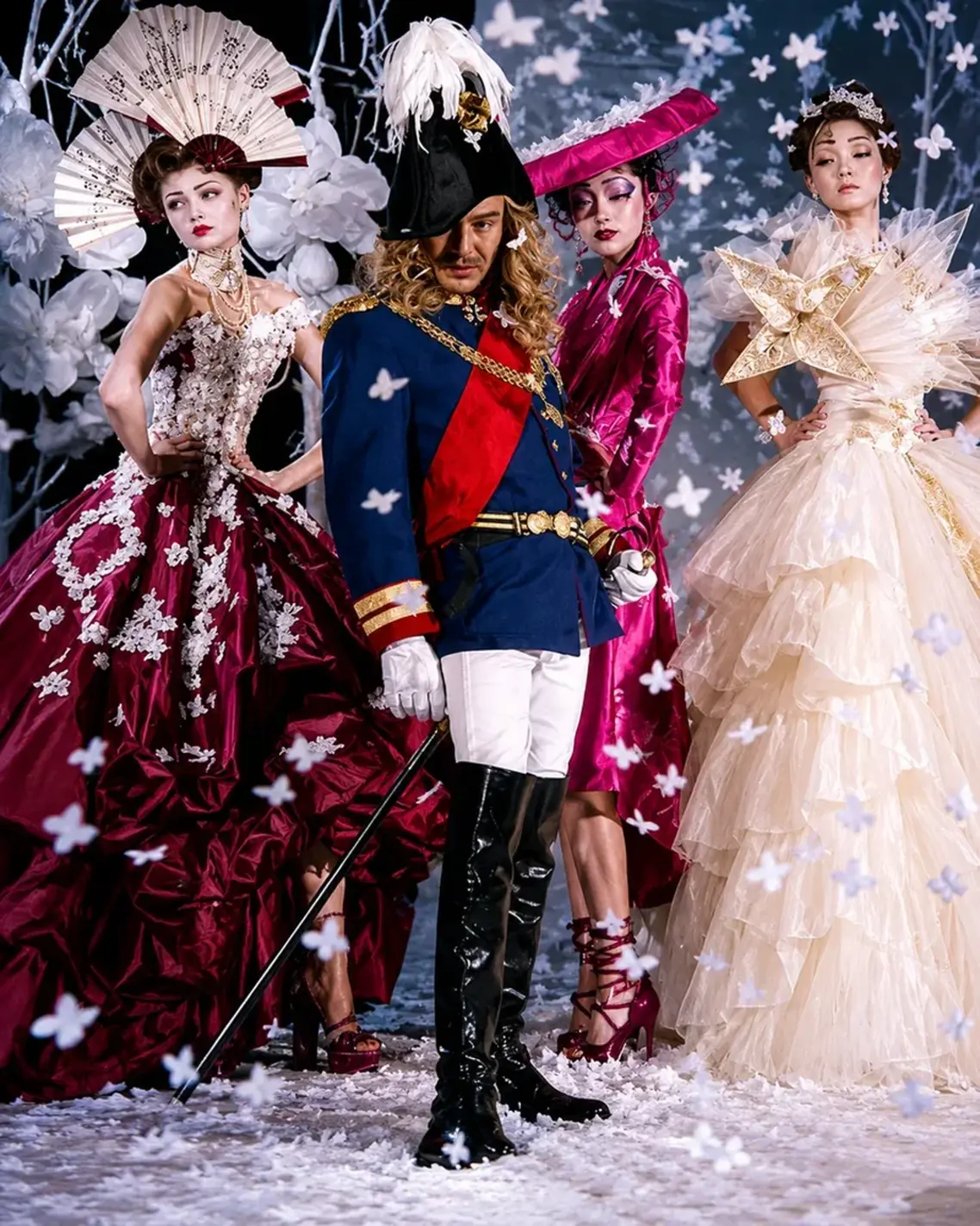
John Galliano is an important ghost in this story. Galliano was not only a designer supported by a conglomerate; he is proof of the darker side of the relationship between a person’s name and corporate ownership.
Dior dismissed Galliano in 2011 after a video of him making antisemitic remarks at a Paris bar circulated globally. Reuters reported that Dior described the nature of Galliano’s words and behaviour as “odious” and fired him just days before Paris Fashion Week. Galliano was later dismissed from the label that bore his own name; FashionNetwork reported that the John Galliano brand, founded in 1994, was 91% owned by Christian Dior.
This is the tragedy of the name in fashion. A designer can bring his name into a company, but once capital owns that company, the name can continue as an asset even after the person is removed from it. Galliano created a crisis when the luxury market was still strong enough that the conglomerate did not need to sell him back a redemption story. He did not have a buyback moment like Stella McCartney or Giambattista Valli. The scandal cost him Dior, cost him the label bearing his name, and cost him control over his image at a moment when that name belonged to another structure.
This makes the later buyback stories look almost fortunate. Not every separation comes from scandal. For many designers, the issue is not that they created a media crisis. It is that the market no longer stands behind them, the conglomerate no longer wants to keep feeding their brand, and luxury is no longer in the era of endless champagne.
There is a darker meaning inside designer buybacks. Designers do not only buy back their brands because they want freedom. Sometimes they buy them back because there is no better road left.
A brand that bears the founder’s name is not an ordinary logo. It is a career, an archive, a reputation, a media history, a buyer network, a customer memory and a market permission slip. When a designer loses control of the brand carrying their own name, they do not simply lose a business. They lose the stage on which the world learned who they were.
They can start again under a new name. But at what level? A young designer is allowed to be unknown, imperfect, experimental and fragile. A designer who has already been backed by a conglomerate, shown on major calendars, written about by the press, bought by serious retailers, and treated as part of contemporary fashion history, does not easily return to that innocence. They climbed too high to begin again, as if nothing happened.

This is the paradox of the eponymous brand. The name helps the designer become a symbol, then it can become a prison. When that name belongs to capital, the designer’s career is anchored to someone else’s balance sheet. Buyback is therefore not only a creative liberation. It is an act of survival. Without buying back the name, the designer may still have talent, but may lose the most important vehicle through which the market recognises that talent at the old level.
In fashion, starting again never means simply opening a new studio. It means convincing buyers, journalists, customers and investors that one still deserves to be read as a major figure, even without the very name that once made that figure major. That is why many designers take the chance to buy back their brands when the opportunity appears. They are not only reclaiming a company. They are reclaiming the right to continue being read as themselves.
If capital can turn a designer’s name into an asset, buyback is the moment when the designer tries to turn that asset back into destiny.

Stella McCartney is a rare case because she has twice regained control from two different conglomerates. In 2018, Kering announced an agreement to sell its 50% stake in Stella McCartney Ltd back to Stella McCartney herself, making her the sole owner of the brand after 17 years of partnership. In 2025, Stella McCartney again bought back a minority stake, this time from LVMH; Reuters reported that she would remain Global Ambassador on Sustainability, advising Bernard Arnault and LVMH’s executive team.


Christopher Kane followed a similar arc. Kering bought 51% of Christopher Kane in 2013, then moved to sell the stake back to the designer in 2018 after five years of partnership. Nicholas Kirkwood regained control of his shoe label from LVMH in 2020 after seven years of collaboration. Giambattista Valli is the latest case: Artémis, the Pinault family holding company, sold its majority stake back to the designer in 2026; Reuters placed the transaction within Artémis’s efforts to streamline and reduce underperforming assets, noting that the value of the deal was not disclosed.
These transactions should not be read as fairy tales of independence. They are arbitrage in a bad cycle. When the market is strong, a small name can be valued by potential. When the market is weak, potential is discounted. The conglomerate sees a non-core asset. The designer sees his or her own name. Both parties look at the same object, but value it through two different emotions.
Buying back a brand, then, is not only “I want my freedom.” It is also “the conglomerate no longer wants to keep me at the old cost.” And that is exactly when a window opens: the designer can reclaim the name that was sold away when the champagne was still flowing.
Another historical point matters here. In the late 1990s and early 2000s, if a young designer wanted global recognition, they almost inevitably had to pass through a narrow set of gates: Paris, Milan, London, New York, Vogue, department stores and luxury conglomerates. Other platforms existed, but their symbolic authority was not on the same level.
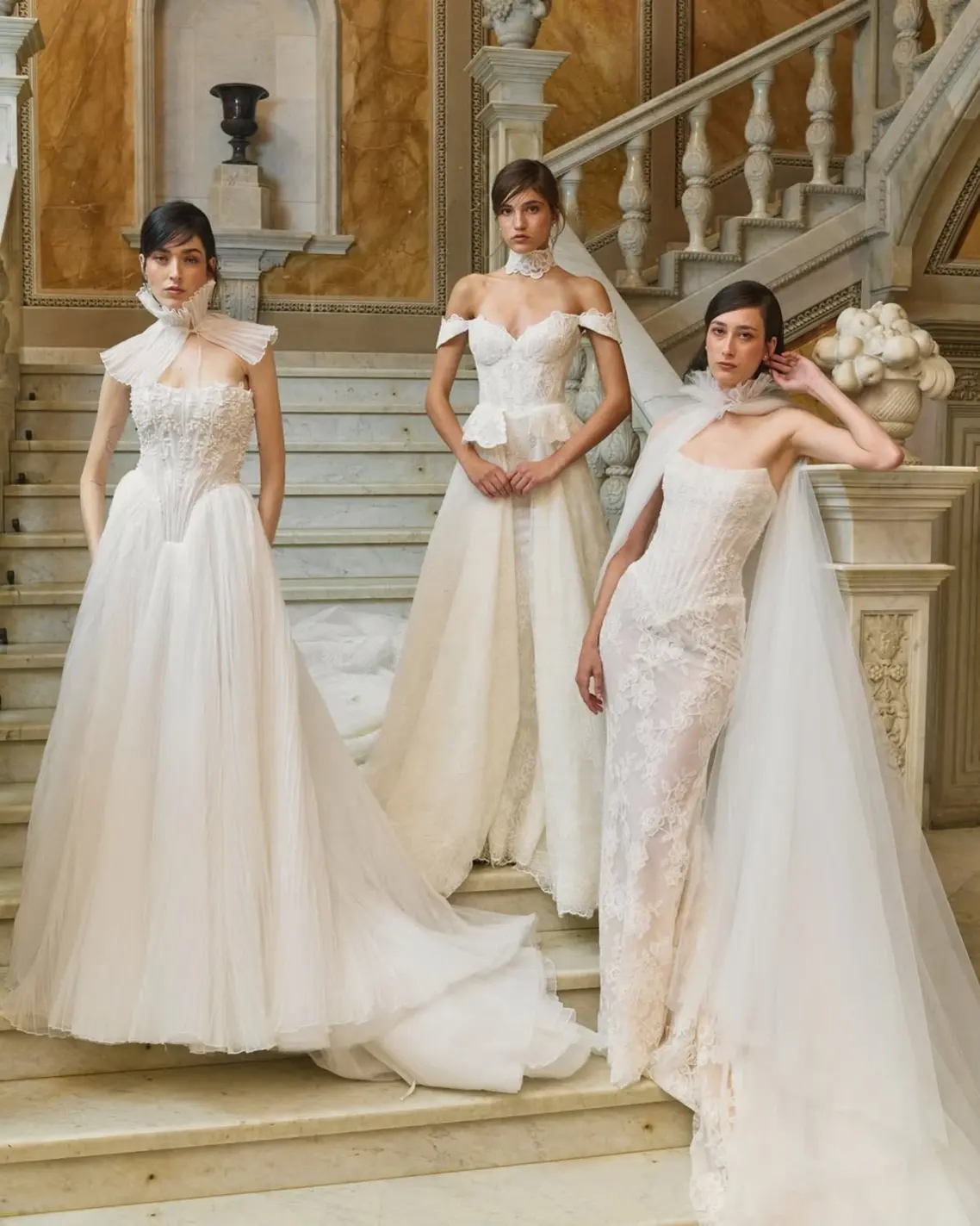

The details need precision. Barcelona Bridal Fashion Week did not appear only after 2000; it has a longer history. But in recent years, it has expanded into a truly international stage for bridal, occasionwear and red-carpet dressing. BBFW 2026 is expected to feature more than 400 brands, around 80% international, and roughly 40 designers on the runway; organisers have also said the event is expanding into evening, ceremony, red-carpet and cocktail looks.

Shanghai Fashion Week also was not “non-existent” in the early 2000s if one uses its official establishment in 2003, but it did not yet possess the symbolic power it has now. Research on Shanghai Fashion Week records that the event was officially established in 2003 and originated from the Shanghai International Clothing Festival. It has since become a real discovery destination for fashion observers, buyers and brands looking at Chinese design more than local curiosity.
Hong Kong likewise had an early fashion trade infrastructure. HKTDC had organised Hong Kong Fashion Week for decades; in 2019, it called that Fall/Winter edition the 50th edition and recorded around 1,400 exhibitors. What is new is not that Hong Kong suddenly has fashion, but that it is repackaging its fashion power into a new creative platform. Hong Kong Fashion Fest was announced in the city’s 2023 Policy Address as part of a plan to develop Hong Kong into a fashion design hub in Asia.
In other words, the world no longer needs to pass through only a few Western gates to find new designs. Buyers, press and consumers are looking to Barcelona, Shanghai, Seoul, Hong Kong, Copenhagen, Tokyo, Dubai and Riyadh. There, they can find new designs, softer prices, clearer local energy and, sometimes, faster adaptation than older maisons can offer.
It would be a serious omission to discuss the global shift in fashion without mentioning the Middle East. For many years, the region was seen mainly as a luxury consumption market: a place where maisons brought couture, high jewellery, watches and trunk shows to clients with enormous spending power. But in recent years, the Middle East has not only bought luxury items. It has begun building runways, funding programmes, fashion weeks, designer networks and its own form of aesthetic authority.

Dubai Fashion Week is the clearest example. For Spring/Summer 2026, Vogue recorded that Dubai Fashion Week featured 40 designers, with 68% from outside the UAE, suggesting that Dubai is trying to become an international discovery platform rather than merely a local stage. Riyadh Fashion Week is also moving quickly: the Saudi Fashion Commission announced plans for the first Riyadh Fashion Week from 20 to 23 October 2023, and by 2025, Riyadh Fashion Week had reached its third edition.
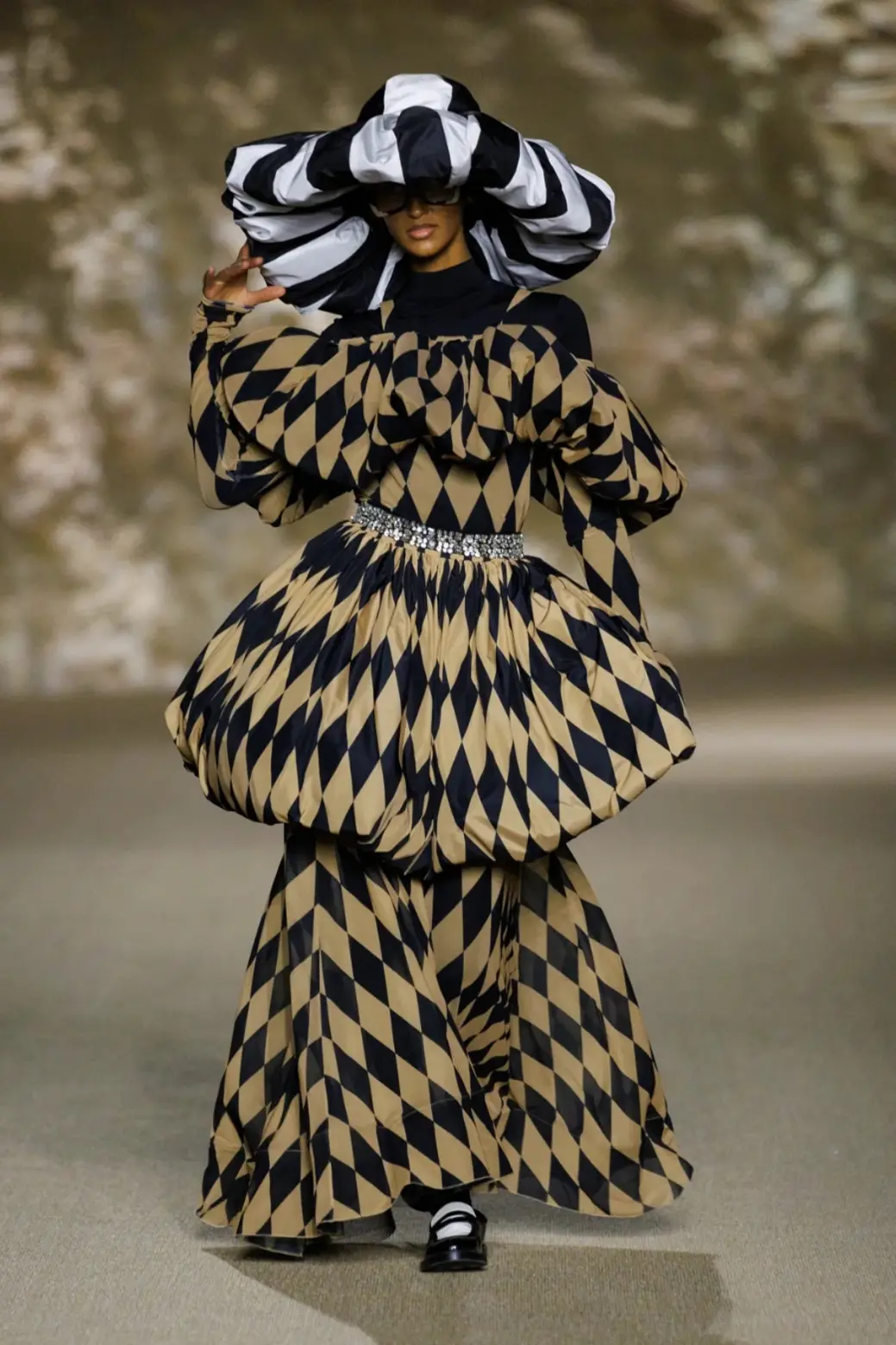

The important point is that the Middle East does not merely represent “rich buyers”. It represents a new kind of buying. A group of clients, buyers and stylists are looking to the region for eveningwear, bridal, couture-adjacent design and modest luxury with high glamour, more approachable costs than Paris couture, and a feeling of uniqueness, newness and cultural density. When Paris becomes too expensive, Milan is too crowded, London is too experimental and New York is too commercial, the Middle East becomes a place worth watching: where money, ceremony, image and national ambition meet on the runway.
This creates enormous pressure on smaller designer brands inside conglomerates. When the global market offers more choices, a Western founder-led label can never rely forever on the aura of being backed by LVMH or Kering. Without a hero product, country equity, know-how, retail logic or the ability to scale, it becomes a burden.
In an easy-selling era, PR can do a great deal. It can turn a designer into a genius, a small show into a historic moment, a handbag into an icon, a founder into a myth. But when consumers become more cautious, PR must give way to colder questions: what is the quality, where is the value, where is it made, is the cost justified, can the brand preserve desirability when the hype fades?
That is why luxury groups are returning to things that are harder to fake: great heritage, know-how, country of origin, craft, materials, accessories, leather goods, hard luxury. A French house must feel French. An Italian brand must possess Italian power. A Spanish brand must turn craft and cost efficiency into European advantage. A German brand such as Rimowa must turn engineering into desirability. A Swiss brand must sell precision almost as a religion.
In that model, smaller founder-led brands become fragile. They have stories, but not necessarily structure. They have names, but not necessarily cost discipline. They have aura, but not necessarily margins. And when luxury enters a dieting phase, aura is no longer the main course.
The best image for this phase may be a banquet table being cleared. In a strong-growth era, there is champagne, cake, grand show venues, editor patronage, corporate stakes, and young designers being lifted onto the global stage. Conglomerate and creator both win: one gains aura, the other gains money and infrastructure.

But markets do not stand still. China becomes more mature and more demanding. Russia is locked out of the official luxury flow. Younger consumers gain more domestic options. Platforms outside the West grow stronger. Luxury prices rise so fast that customers begin to feel betrayed. Bain & Company has said the number of global luxury consumers declined from 400 million in 2022 to around 340 million in 2025; Reuters also cited Bain warning that sharp price increases have made many customers feel left behind.
In this context, conglomerates no longer want to fund every dream. They keep the pillars, keep the know-how, keep brands with a clear aesthetic passport. The rest are asked: are you still worth drinking champagne for?
This is exactly where designer buyback appears as a painful form of return. For the conglomerate, the brand is a line on the balance sheet. For the designer, it is their name. For the market, it may be an asset whose valuation by dream has already passed its peak.
The rise of designer buybacks is not merely a moving story about designers reclaiming their names. It is the result of a new cycle of luxury: the market is slowing, politics is intervening more forcefully, domestic consumers are becoming more mature, new fashion centres are rising, and conglomerates are being forced to discipline their portfolios.

Marc Jacobs was supported by LVMH for nearly three decades, then sold when the brand seemed better suited to an American IP system than to a French maison castle. Stella McCartney twice reclaimed ownership after Kering and LVMH. Christopher Kane, Nicholas Kirkwood and Giambattista Valli have all passed through different versions of the same story: when capital no longer wants to fund aura, the creator gets a chance to buy back the soul.
John Galliano is the darker reminder: if crisis comes at the wrong moment, a designer can lose not only the seat, but the name itself inside another party’s legal structure.
So buyback is both freedom and confession. It admits that a conglomerate can build the runway for genius to take flight, but when the wind changes, the conglomerate may also be the first to pull away the ladder. It admits that a name may be brand equity to capital, but a living identity to the founder. And it admits a cold truth about fashion: when champagne is flowing, sparkling wine can also be called champagne if the glass is beautiful enough, the lights are flattering enough, and the drinker still wants to believe. In the age of luxury dieting, designer buybacks reveal the coldest truth of fashion: when the party ends, every name must prove what remains in its glass besides bubbles.