MENU
Close





Gianfranco Ferré once crossed Italy and France by private jet. Marc Jacobs left Louis Vuitton before a front row of powerful friends. Galliano, Lagerfeld, Ferré and Marc belonged to the age of the star-designer. But luxury today seems hungry for another figure: the creative operator who can turn image into system, myth into product, and genius into something the maison can actually manage.

Gianfranco Ferré once crossed Italy and France by private jet. Marc Jacobs left Louis Vuitton before a front row of powerful friends. Galliano, Lagerfeld, Ferré and Marc belonged to the age of the star-designer. But luxury today seems hungry for another figure: the creative operator who can turn image into system, myth into product, and genius into something the maison can actually manage.
May 26, 2026


There was a time when a fashion designer was not merely a professional. They were a social figure. They carried the aura of a star. They had relationships with actors, singers, editors, magnates and corporate owners. They appeared at the end of the runway not like an employee stepping out after a shift, but like the protagonist emerging after the final act of a play. The media system built them that way too: the designer was genius, eccentric, king in a castle of fabric, someone showed business needed to know, sit beside and be dressed by.
Gianfranco Ferré, John Galliano, Karl Lagerfeld and Marc Jacobs all belonged to that era. They had their own brands, yet their greatest symbolic power was often enthroned inside maisons that did not entirely belong to them. Ferré had Gianfranco Ferré, but Dior gave him a Parisian stage with couture-scale authority. Galliano had John Galliano, but Dior turned him into the god of spectacle. Karl had Karl Lagerfeld, but Chanel was where he became a mass-cultural legend. Marc Jacobs had Marc Jacobs, but Louis Vuitton made him a global force.
Yet another movement is taking place. Jonathan Anderson at Dior or Daniel Roseberry at Schiaparelli are not anonymous figures. They are famous, influential and capable of producing powerful images. But they do not come from the same mythology. They are not built as social gods in the old sense. They represent another kind of talent: the professional creative operator, the person who can turn archive into system, taste into product, media moments into revenue, and genius into schedule.
That is not a decline in talent. It is a change in the type of talent luxury now chooses to elevate.
Gianfranco Ferré is a beautiful example of the period when designers were treated as grand figures. Ferré, the Italian designer known as “the architect of fashion”, led Dior from 1989 to 1996. During this period, he created 15 haute couture collections for the maison, bringing architectural spirit, structure and Italian romanticism into one of the most important couture houses in France.
With his first haute couture collection for Dior in July 1989, Ferré won the Dé d’Or, one of the most prestigious fashion prizes of that era. Fondazione Gianfranco Ferré considers his appointment as Artistic Director of Christian Dior a decisive turning point in his career.

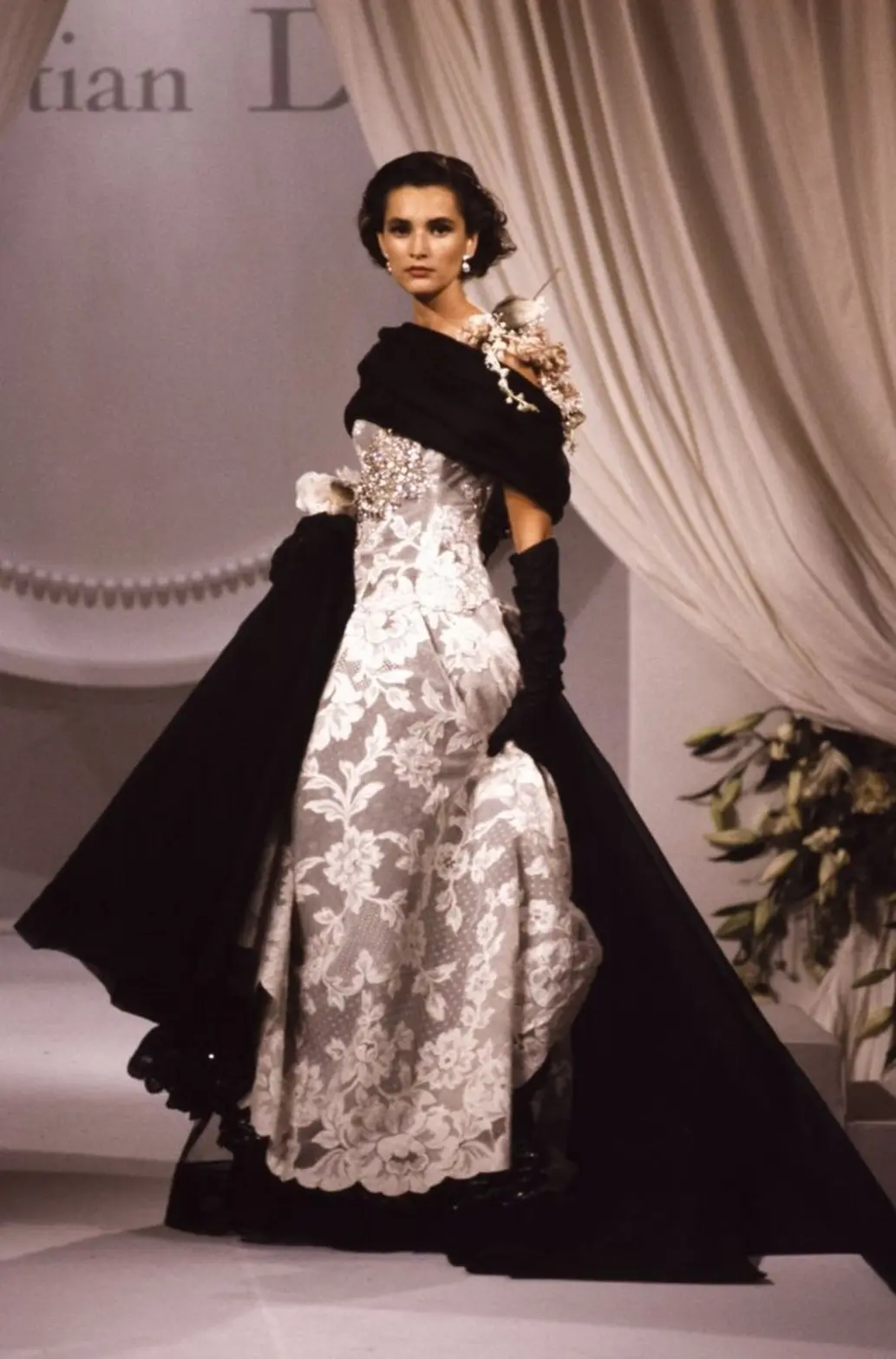
According to Fashion Today, Ferré was once given a private jet to fly back and forth between Italy and France, running his own brand in Italy while working for Dior in Paris. This detail is not only about logistics. It is about a ritual of power. A designer was moved like a head of state between two fashion capitals because the system believed his talent deserved that privilege.
Ferré was not merely a creative director. He was a star-designer: someone with his own reputation, his own brand, his own social life, and the ability to enter Dior as a figure already carrying rank.
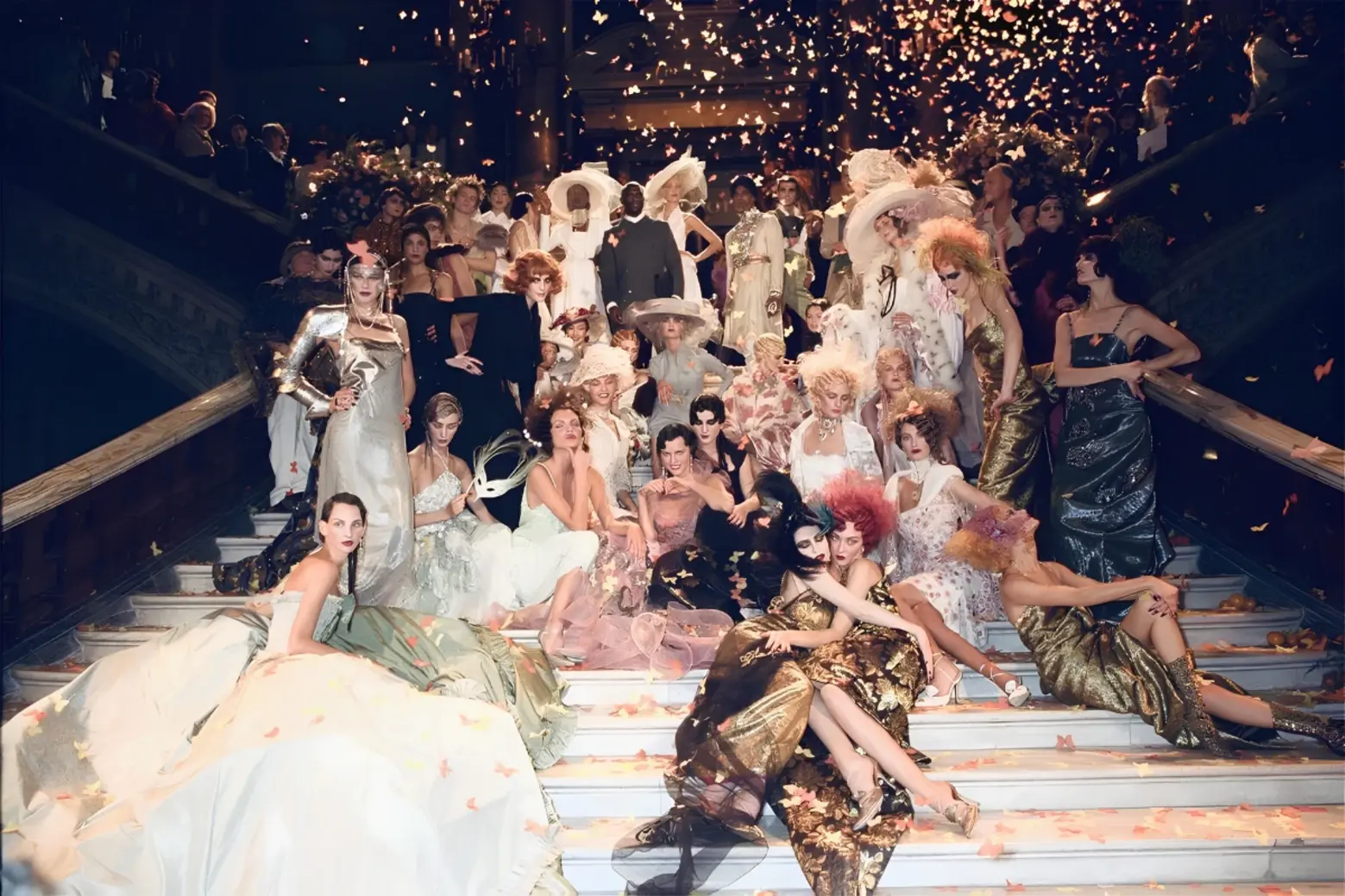
John Galliano was the same, but more theatrical. Galliano did not merely work for Dior. He turned Dior into a vast stage of history, cinema, fallen aristocracy, Eastern fantasy, make-up, styling and runway theatre. At his peak, Galliano had the aura of a superstar. He did not appear like an employee. He appeared as the final character of the show, like a king stepping before his subjects after the kingdom had just performed its power.
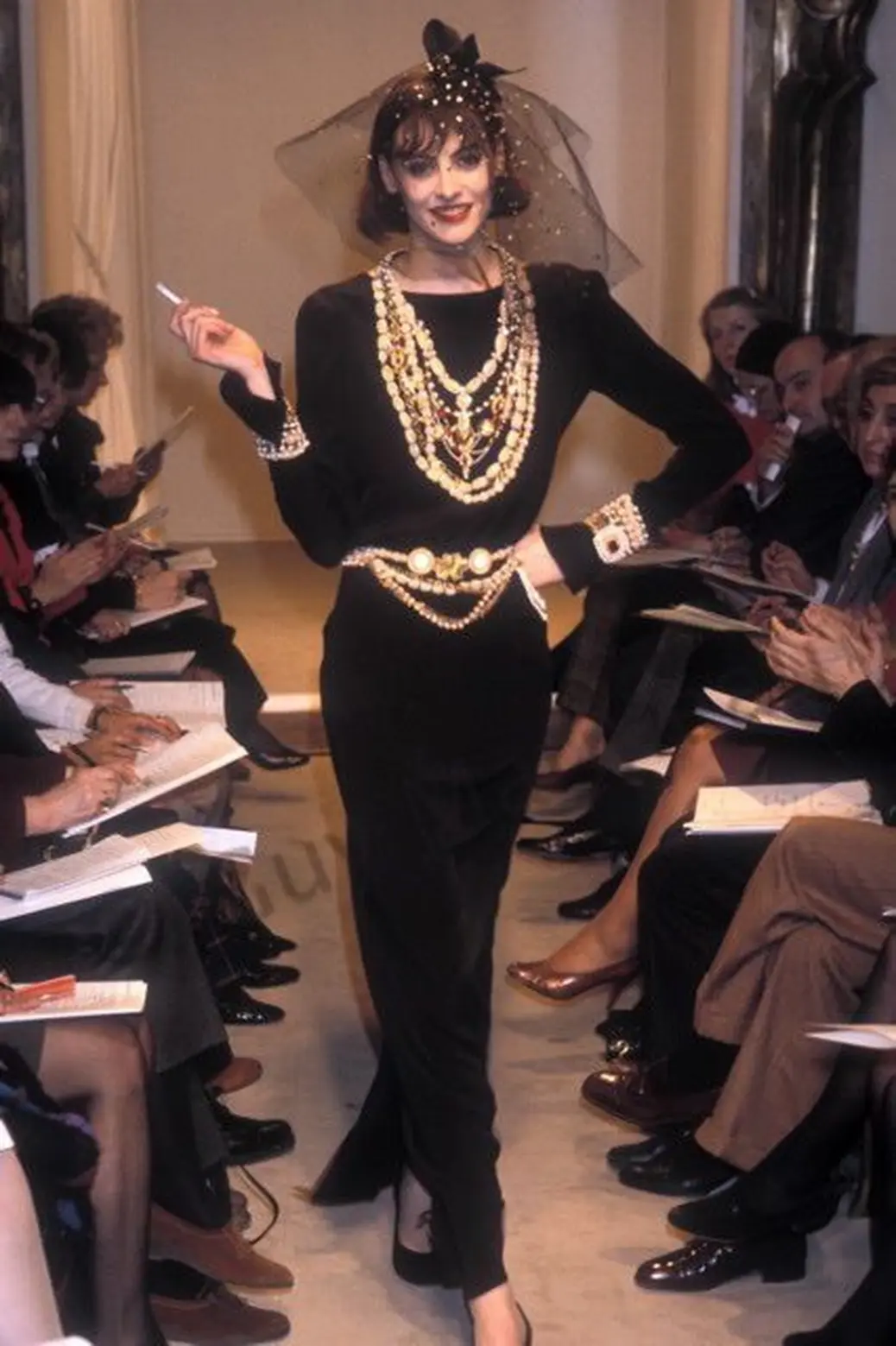
Karl Lagerfeld was another kind of star-designer. He did not burn like Galliano. He was colder, more graphic, more iconic. White hair, black sunglasses, high collars, fingerless gloves: Karl turned himself into a living logo. He created his first couture collection for Chanel in 1983 and launched his eponymous brand in 1984, but it was Chanel that made him a global image.

Marc Jacobs was the star-designer in a more New York language: younger, more pop, more connected to show business and the fashion establishment. His final Louis Vuitton show in 2013 made that very clear. Lady Gaga, Anna Wintour and Kate Moss sat in the front row; Jacobs received a standing ovation for his final bow. It was not merely a change in the creative director role. It looked like a social ritual, a farewell to a friend of the system.
Ferré flew by private jet. Galliano stepped out like a theatre king. Lagerfeld lived as his own logo. Marc Jacobs was sent off by a front row of powerful friends. That was the age when designers did not simply create fashion. They were fashion.
Yet Ferré himself also reveals a colder truth: a monument in any park can be replaced. Ferré was a monument, but he still left Dior. That does not diminish his talent. It only proves that inside a major maison, even a great designer is still holding a position. And a position can always be given to someone else when the owner wants to change the landscape.
This is what makes Karl Lagerfeld more exceptional. Karl did not own Chanel. He did not own Fendi either. But he kept Chanel until the end of his life. He was fortunate enough never to need a homecoming in his lifetime, because his greatest throne was never pulled from under him while he was alive.
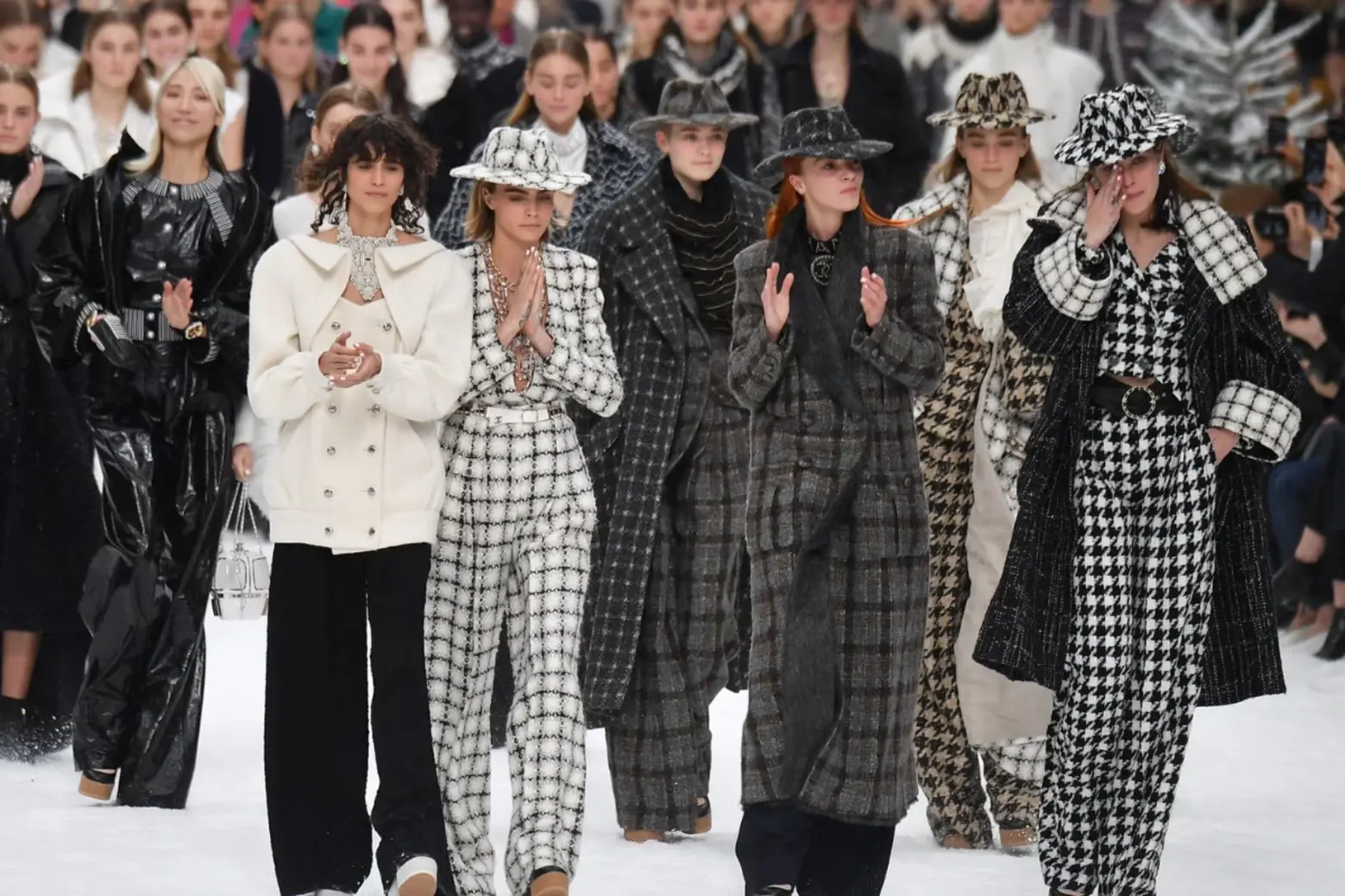
But the word “fortunate” matters. It does not deny Karl’s talent. On the contrary, it makes that talent more real. Karl kept Chanel because he was gifted, disciplined, commercially useful, visually iconic, capable of turning archive into system, and because history stood on his side. But that never meant he was guaranteed to be irreplaceable. Chanel did not belong to Karl. The fact that he was never forced to return to Karl Lagerfeld as a rescue kingdom was a historical grace, not a natural right.
After Karl’s death, the Karl Lagerfeld brand continued according to the logic of a commercial asset. In 2022, G-III acquired the remaining 81 per cent of the Karl Lagerfeld brand for €200 million, becoming the sole owner of the label. This reveals a very clear paradox: Karl Lagerfeld, the man, was far greater than Karl Lagerfeld, the brand. He did not need to return home because he had managed to keep his borrowed empire until the very end.
John Galliano is the most painful case, because he did not only lose Dior. He also lost the road back to John Galliano.
Dior dismissed Galliano in 2011 after the antisemitic remarks scandal; Reuters reported that Dior described his words and behaviour as “odious”. He was later removed from the label bearing his own name, a brand founded in 1994 and at the time 91 per cent owned by Christian Dior.


This is what makes Galliano different from Karl and Marc Jacobs. Karl did not need a homecoming, because Chanel did not slip from his hands in his lifetime. Marc Jacobs left Louis Vuitton, but still had Marc Jacobs as a vehicle for continuing his career. Galliano lost Dior, then lost John Galliano as a place he could return to.
Maison Margiela later gave Galliano an important stage for recovery. Reuters reported that he left Maison Margiela at the end of 2024 after 10 years as artistic director, closing a major chapter after OTB brought him back into fashion. But recovery is not the same as homecoming. Margiela is someone else’s house. The archive belongs to someone else. The name on the door belongs to someone else.
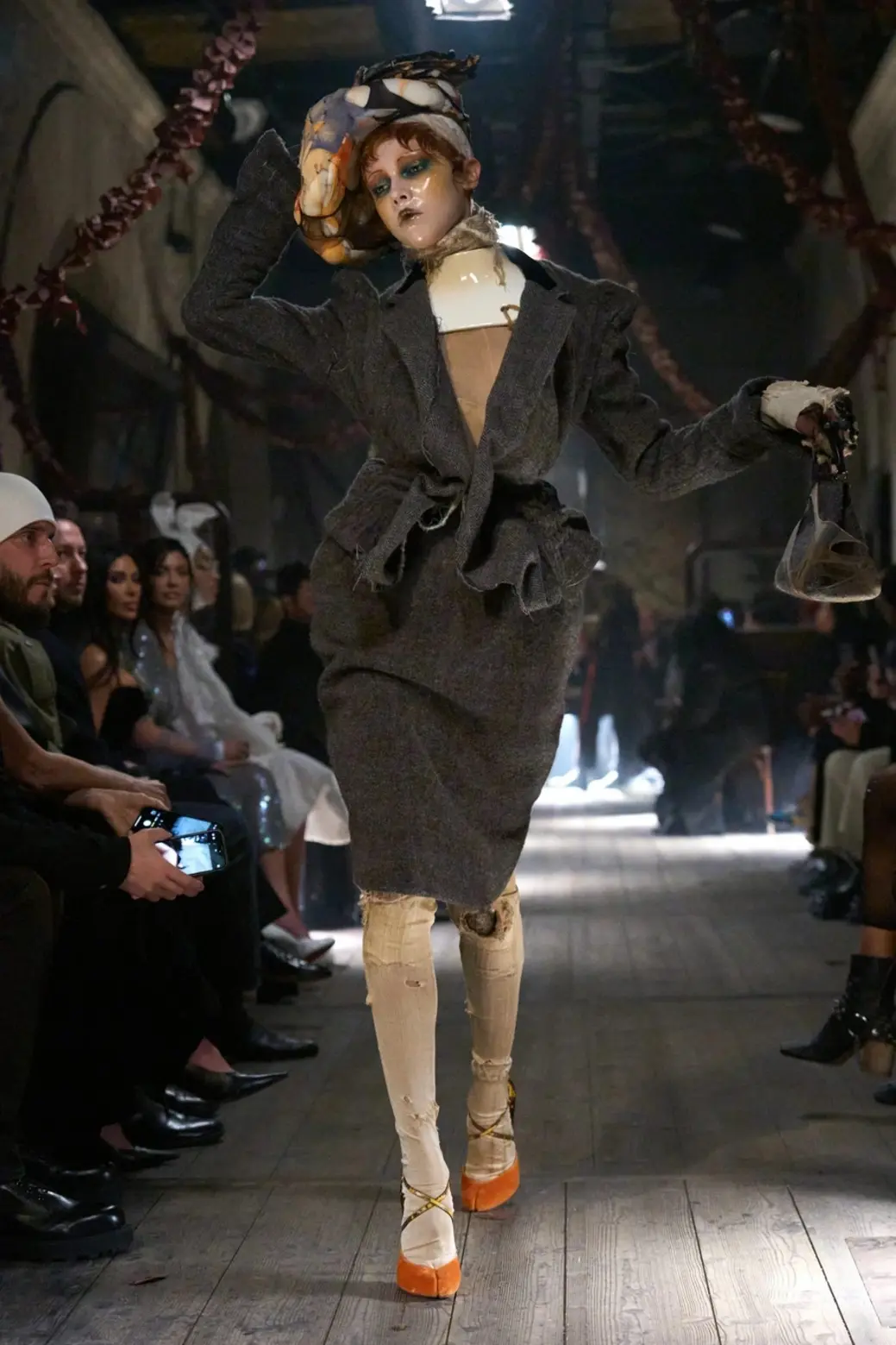

The tragedy of Galliano is not that fashion never forgave him. To a certain extent, fashion did forgive him. But recognition is not sovereignty. Galliano recovered the right to be admired, but he did not recover the kingdom bearing his name.
This is the cruellest lesson of the eponymous brand: a designer can survive as a genius, yet remain exiled from the commercial body that once allowed the market to read that genius.
Marc Jacobs is an intermediate case. He had his own brand, but he became globally anointed through Louis Vuitton. In 1997, LVMH took a stake in Marc Jacobs, the same year he was appointed the first creative director of Louis Vuitton ready-to-wear. In 2013, after 16 years, he left Louis Vuitton to focus on his own brand and a possible Marc Jacobs IPO.
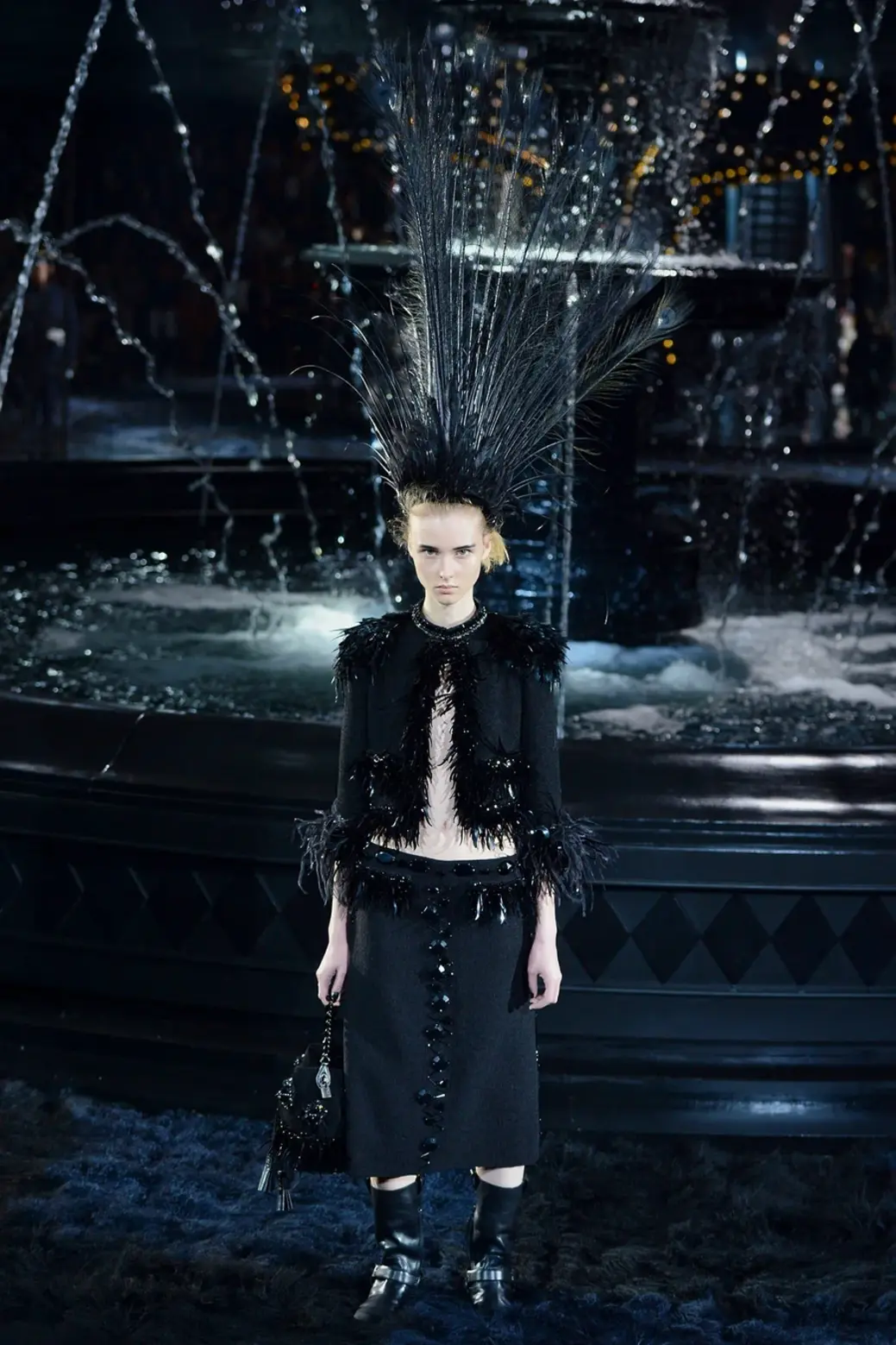

Marc lost Louis Vuitton, the stage that had crowned him. But he still had Marc Jacobs to continue with. When LVMH agreed to sell Marc Jacobs to the WHP Global and G-III joint venture in 2026, Reuters reported that the buyers had raised up to $850 million for the deal, and that Marc Jacobs would remain creative director.

This is the life-or-death difference from Galliano. Marc was not cut off from his own name at the very moment he needed it. He could leave Louis Vuitton, but he still had a vessel named Marc Jacobs to sail forward.
An eponymous fashion brand is not only a company. It is archive, professional evidence, buyer relationships, media history, customer memory and the market’s permission to keep reading the designer as a major figure. Once a designer has climbed too high, it is not easy to begin again as an unknown person. The new are allowed to be raw. The established are not.
That is why keeping one’s name is not only creative freedom. It is the right to have a way back.

For a designer who does not want to depend on the goodwill of a major maison, the answer is almost: become Giorgio Armani. Armani was not only a designer. He held both creative sovereignty and corporate sovereignty during his lifetime. He did not need another house to crown him; he built his kingdom, kept his kingdom, and turned his name into a complete system.
Valentino Garavani offers another lesson. He sold his brand in 1998 and officially retired in 2008. Valentino left in glory, with a final bow and a protected legacy. But once a name has been sold, the history of the brand may continue magnificently without being entirely determined by its founder.
In fashion, the greatest luxury is not rare fabric, a show venue or a private jet. The greatest luxury is sovereignty: the right to decide the fate of one’s own name.
Only at this point should Jonathan Anderson and Daniel Roseberry enter the story, not as protagonists, but as signs of a new order.
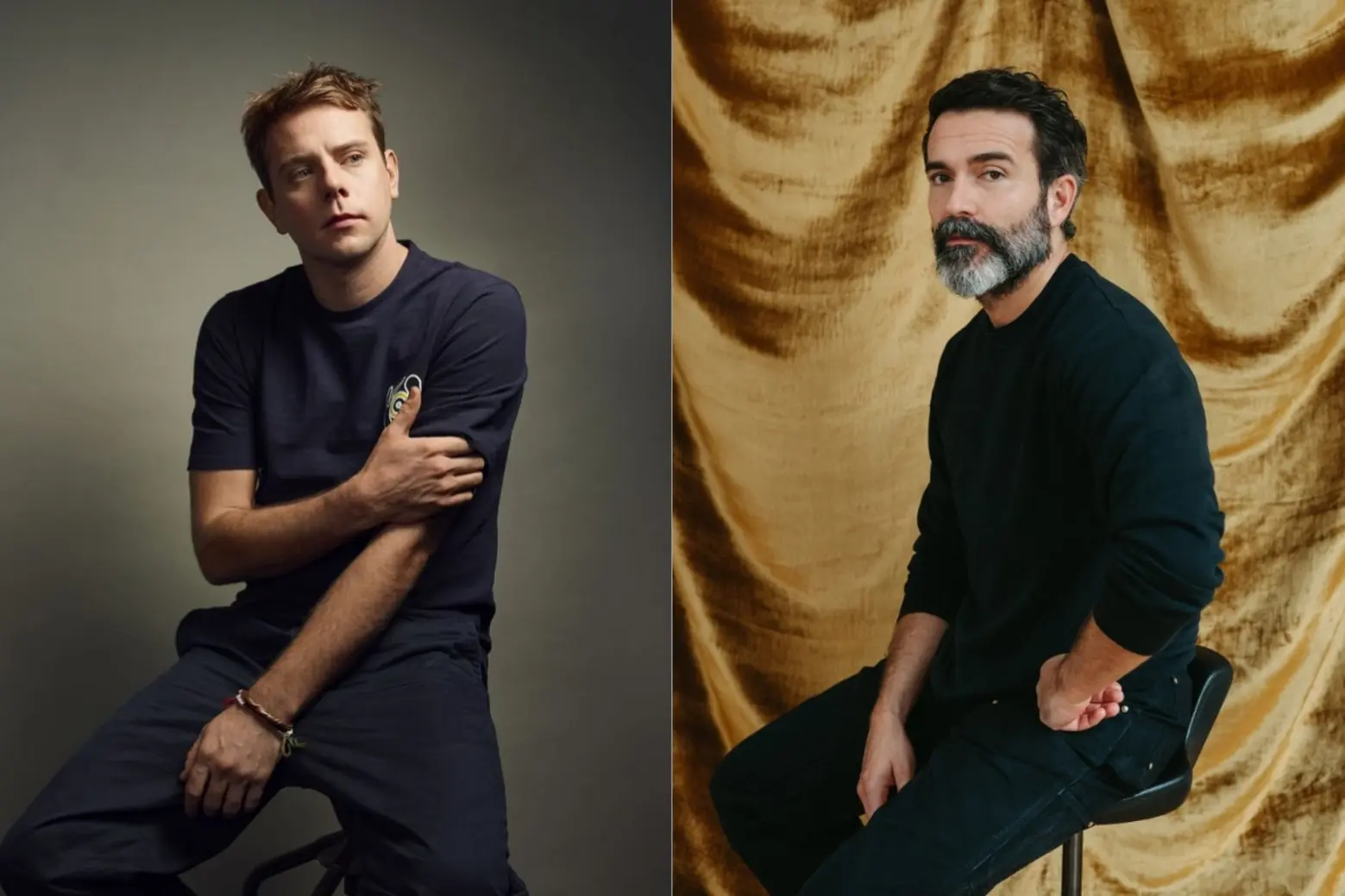
Anderson is highly visible today, but the way the system speaks about him is very different from the way it once spoke about Galliano, Lagerfeld or Marc Jacobs. Dior appointed Anderson in 2025 as creative director overseeing menswear, womenswear and haute couture; The Guardian wrote that he was the first designer to hold full creative control at Dior since Christian Dior himself. Another profile noted that if Anderson continues JW Anderson and his Uniqlo collaboration, he could be presenting around 18 collections a year, making him one of the most prolific designers working today.
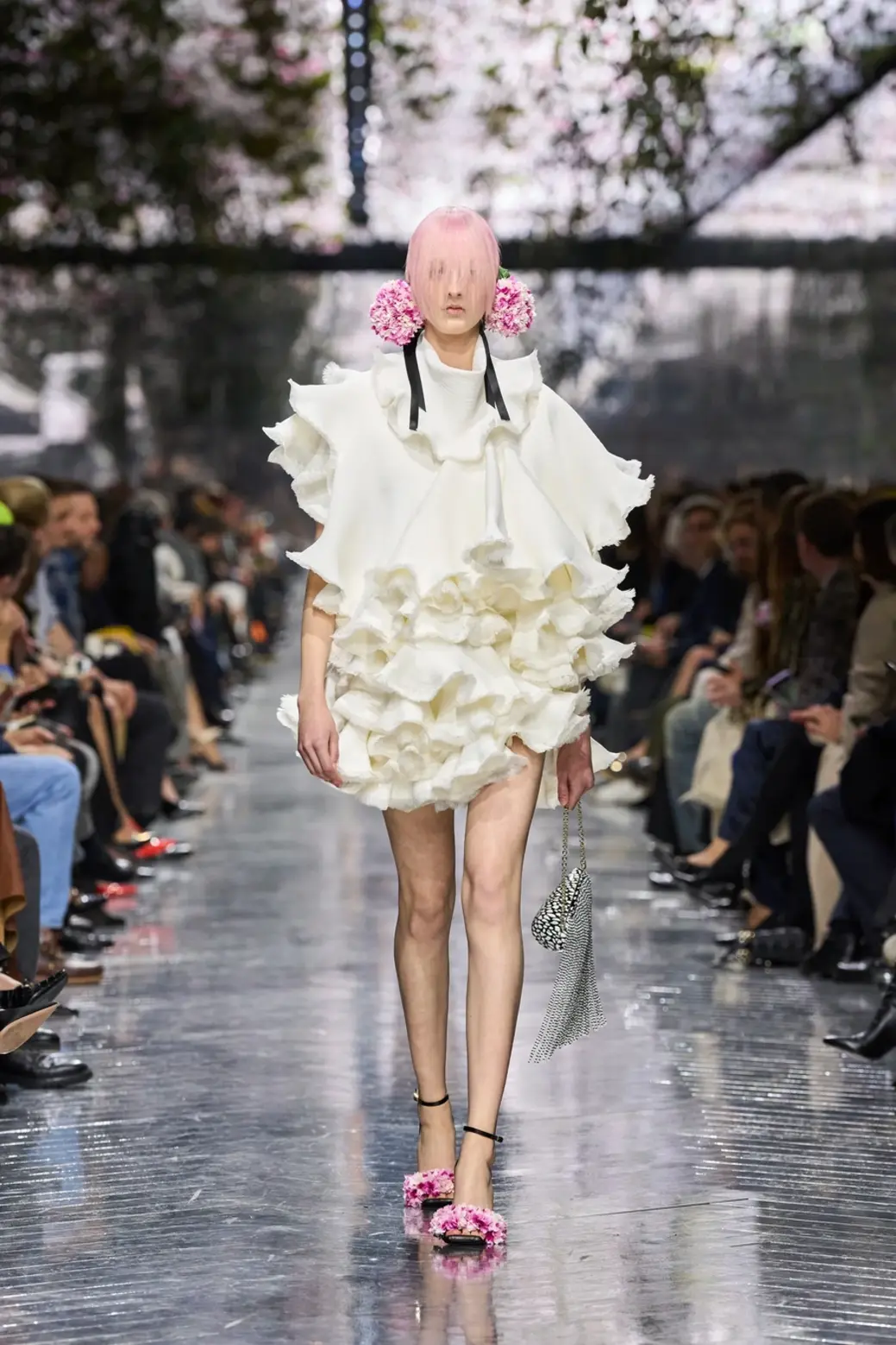

That number matters. It does not mean Anderson lacks talent. It means his power is defined by system capacity. He is not constructed as a reckless runway god. He has been given a Dior as a machine that needs to be operated.
Daniel Roseberry at Schiaparelli is similar. Vogue reported that Roseberry was appointed artistic director of Schiaparelli in 2019, after 11 years at Thom Browne and five years as design director for both menswear and womenswear. Schiaparelli’s own biography also frames him as a designer who rose through Thom Browne before taking the helm of the Paris couture house.


Roseberry did not arrive at Schiaparelli as a god with an existing cult. He arrived after years of work inside another system, relatively unknown to the wider public, before the maison and the media elevated him as the man capable of reviving a surrealist legacy. Under Roseberry, Schiaparelli has produced powerful red-carpet and couture-viral moments, from Lady Gaga at Joe Biden’s inauguration to surrealist gold body parts and celebrity dressing. But Roseberry’s power is not that he becomes the star of the banquet. His power is that he can produce an aura for Schiaparelli.
This is the central shift: the age of designer-as-celebrity is giving way to the age of designer-as-operator. Or more precisely, fashion has moved from selecting designers who can become mythology to selecting designers who can manage mythology.
Galliano was crowned by the system because he had fire. Anderson is crowned by the system because he knows how to control fire.
The economic context makes this shift clearer. LVMH reached €80.8 billion in revenue in 2025 and operated a network of more than 6,280 stores worldwide; its Fashion & Leather Goods division recorded €37.8 billion in revenue and an organic decline of 5 per cent.
During the years of easy luxury growth, conglomerates could nourish many dreams. They could buy aura, founder myth, an eccentric designer, a young voice, an explosive symbol. But when the market slows, the questions become colder: who creates real value, and who merely creates bubbles? Who has a product, and who only has PR? Who has a system, and who only has a persona?
Luxury today still needs genius. But genius is no longer allowed to stand outside the system. Genius must work with archive, product, retail, accessories, pricing, communications, schedules and KPIs. Genius must be scheduled.
Ferré was once given a private jet to fly between Italy and France. That was the symbol of an era when the system was willing to serve genius like it served a head of state. Jonathan Anderson, at the other end of history, may have to make close to 18 collections a year. That is the symbol of another era: genius is no longer merely worshipped; genius is operated.
From Ferré to Karl, from Galliano to Marc Jacobs, from Armani to Valentino, then to Jonathan Anderson and Daniel Roseberry, fashion history reveals an uncomfortable truth: being worshipped is not the same as being protected.
Ferré was a monument, but monuments can still be replaced. Karl was fortunate enough never to need a homecoming in his lifetime, because he kept Chanel until the end. Marc Jacobs left Louis Vuitton but still had Marc Jacobs to continue with. Galliano lost Dior and also lost the road back to John Galliano. Armani shows that sovereignty is the ultimate luxury. Valentino shows that selling one’s name means handing part of one’s fate to someone else. Anderson and Roseberry show that the new hero does not necessarily have to live like a superstar; he must know how to manufacture aura for the maison.
Fashion has not stopped needing extraordinary figures. But it has become less willing to tolerate gods who cannot be managed. Ferré, Galliano, Karl and Marc belonged to the era when designers were built as the stars of the banquet. Anderson and Roseberry belong to another age: the designer does not have to be the biggest star in the room, as long as he knows how to build the room, control the lighting, invite the right guests, create the right moment, and make sure the maison can still sell after the party is over.
In luxury today, power no longer belongs only to the star-designer praised the loudest, but to the creative operator skilled enough to keep the throne, keep the name, or turn desire into a system for a kingdom that does not belong to him.