MENU
Close





On May 20, 2026, Giambattista Valli buys back his brand from Artémis became one of fashion’s most charged comeback stories, as the designer regained full control after a period of business review and runway quiet.
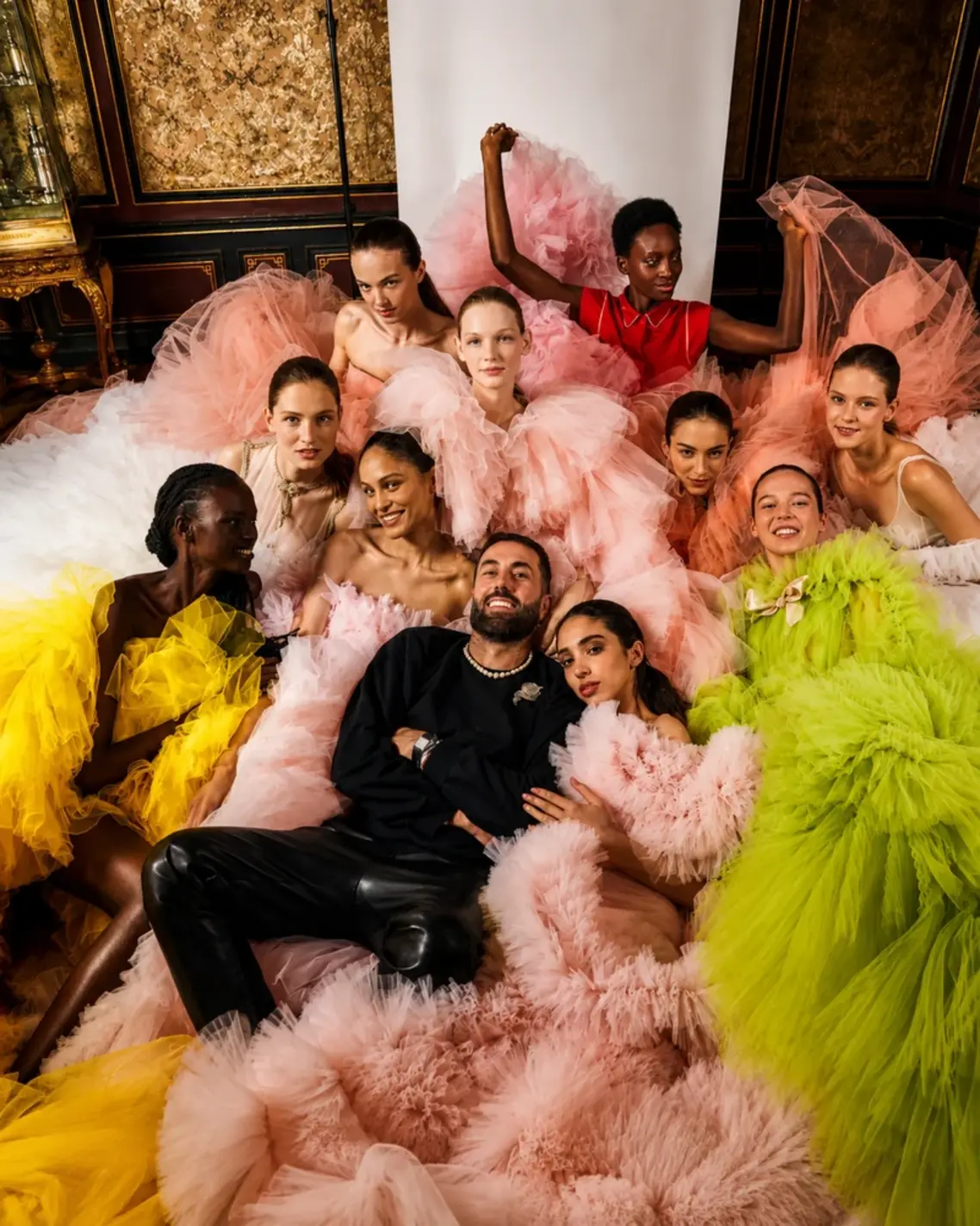
On May 20, 2026, Giambattista Valli buys back his brand from Artémis became one of fashion’s most charged comeback stories, as the designer regained full control after a period of business review and runway quiet.
May 20, 2026


Artémis, the Pinault family holding company, sold its majority stake back to the designer, restoring full ownership to the founder of the Paris house he launched in 2005. The financial terms were not disclosed, though the move closed a long chapter that began with Artémis’s investment in 2017 and deepened when its stake rose above 90 percent by 2021.
The timing gave the story its real charge. Earlier in January 2026, the house abruptly canceled its Paris haute couture show in order to focus on an in-depth review of operations and long-term sustainability. That decision left a visible gap in the season and cast a sharper light on the pressures facing smaller luxury brands in a slower market. Against that backdrop, this buyback reads as far more than a corporate transaction. It feels like a designer pulling his own name back into his own hands.
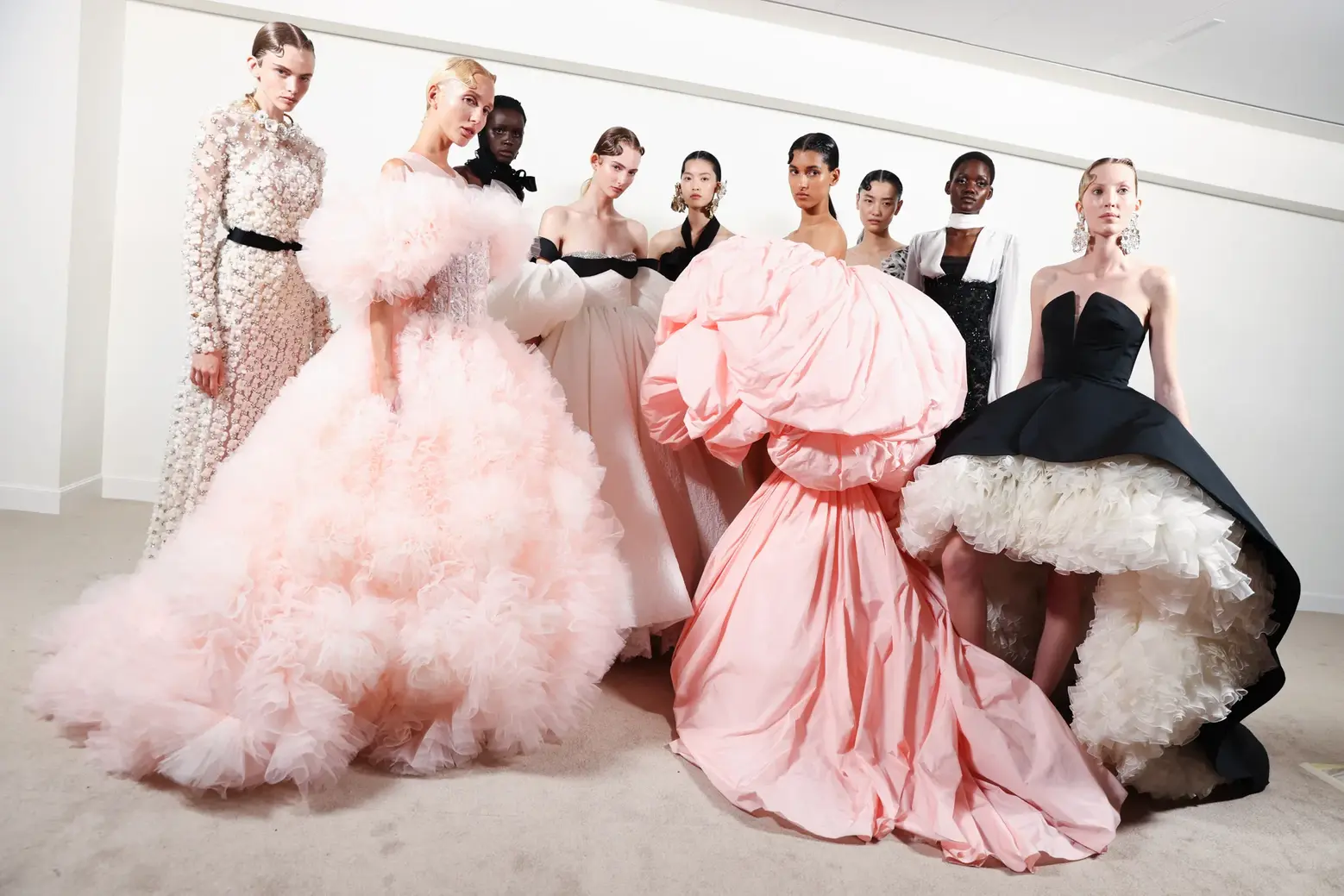
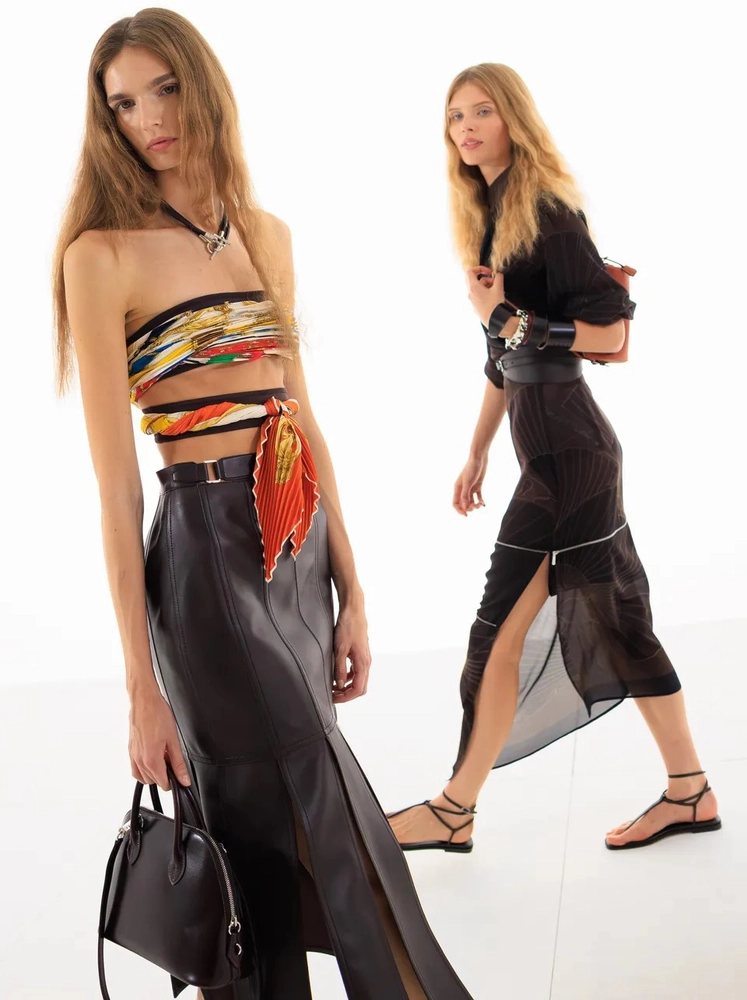
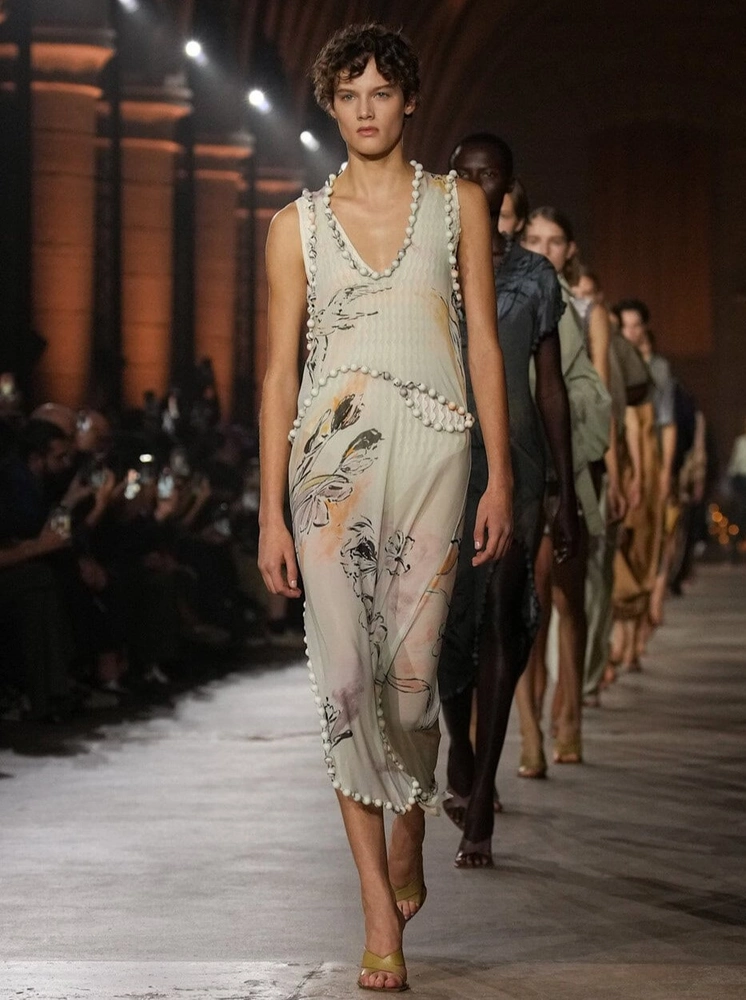
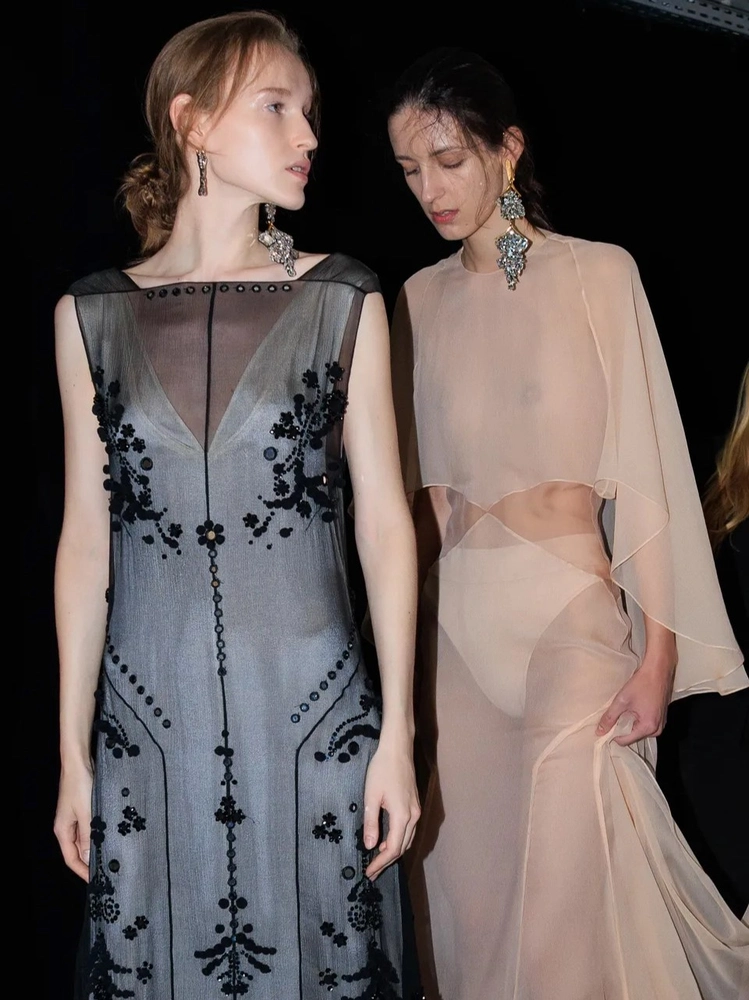
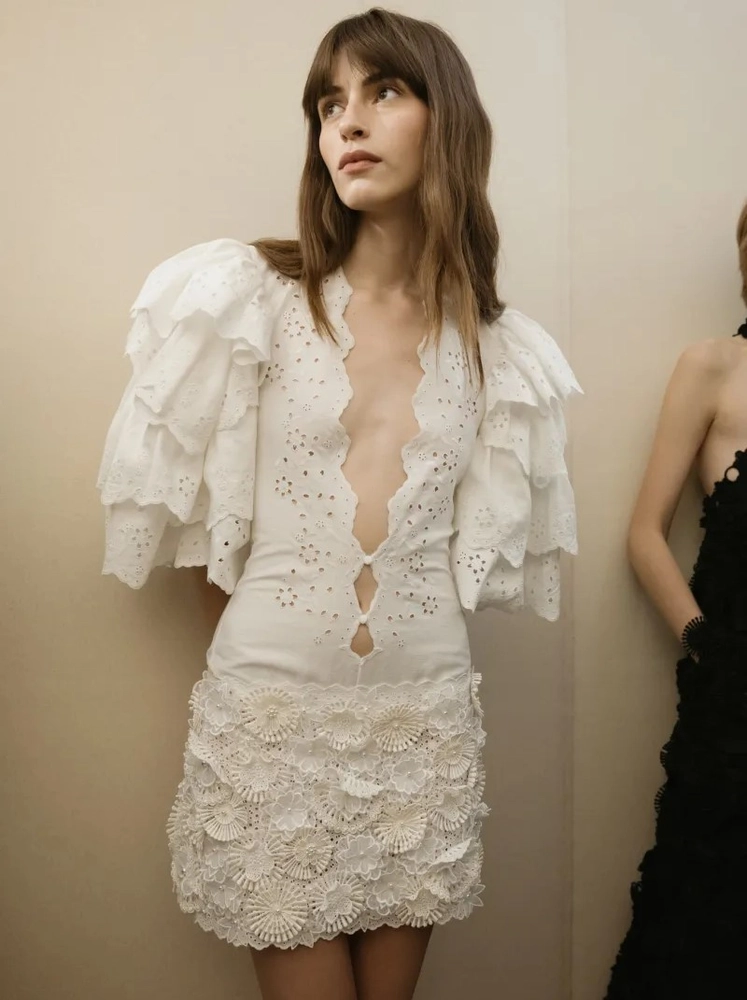
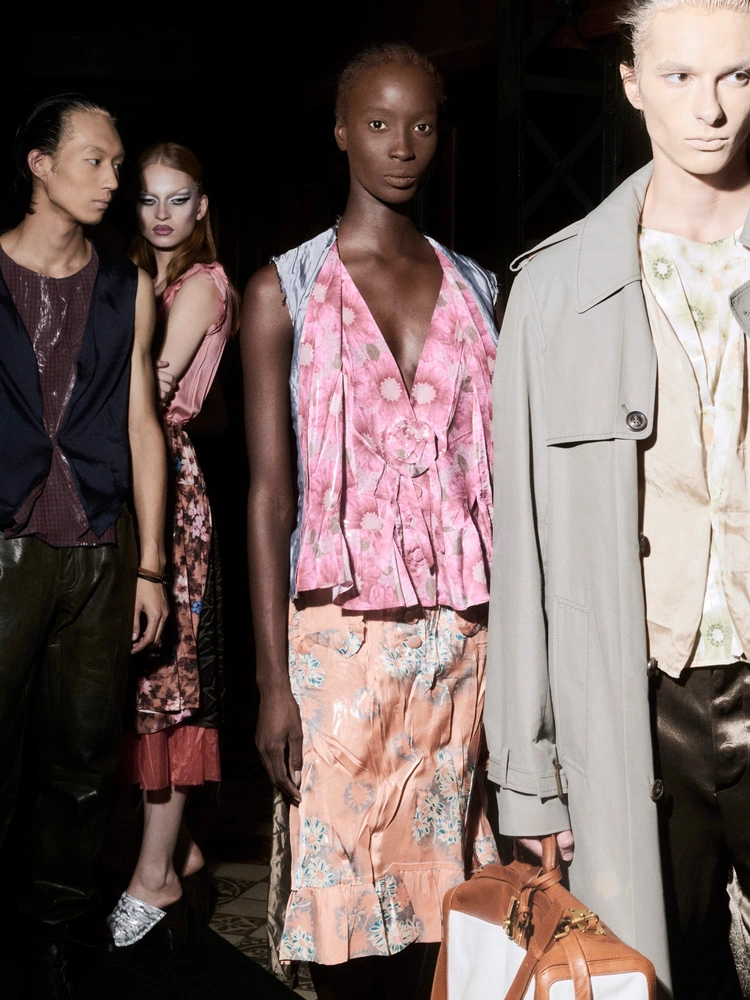
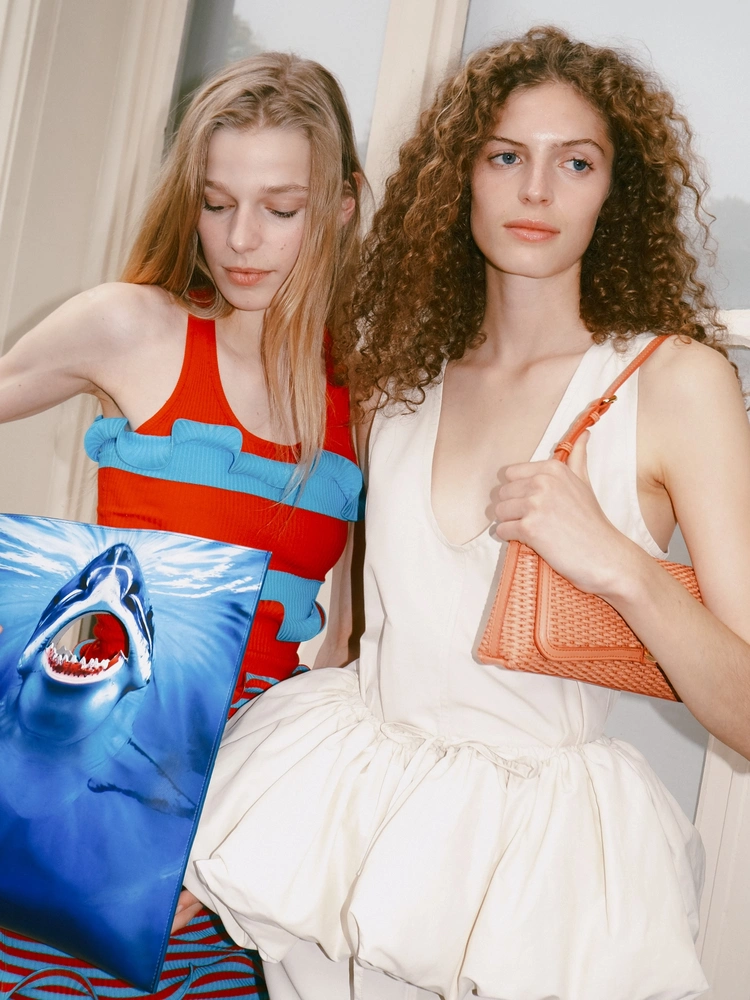
There is something especially poignant in that shift because Giambattista Valli has always built his world around authorship, emotion, and silhouette. Since founding his label in 2005 and joining the haute couture calendar in 2011, he has cultivated a house language of exaggerated romance, disciplined volume, floral excess, and a very particular Parisian fantasy. Regaining full ownership places that language back under the full control of the man who wrote it.
The story also says something larger about fashion right now. Artémis had supported the house’s international expansion and infrastructure, yet the broader luxury slowdown and pressure on underperforming assets changed the climate around independent-feeling labels housed inside bigger structures. In that sense, Giambattista Valli buys back his brand becomes both a personal reclaiming and a business signal. It marks a moment when survival, identity, and control suddenly matter as much as spectacle.