MENU
Close





On July 2, 2026, Chanel acquires Charvet, the historic Paris shirtmaker founded in 1838 and based on Place Vendôme.
On July 2, 2026, Chanel acquires Charvet, the historic Paris shirtmaker founded in 1838 and based on Place Vendôme.
July 2, 2026


It brings together two houses with very different public profiles: Chanel, one of the most powerful global names in fashion, beauty, fragrance, and accessories, and Charvet, a highly specialized Parisian shirtmaker whose reputation has been built through discretion, precision, and long-term client trust. The acquisition gives Chanel ownership of a house known for bespoke shirts, ties, pajamas, robes, and a quiet form of luxury that has resisted the usual pressure to become loud, instantly recognizable, or aggressively expanded.
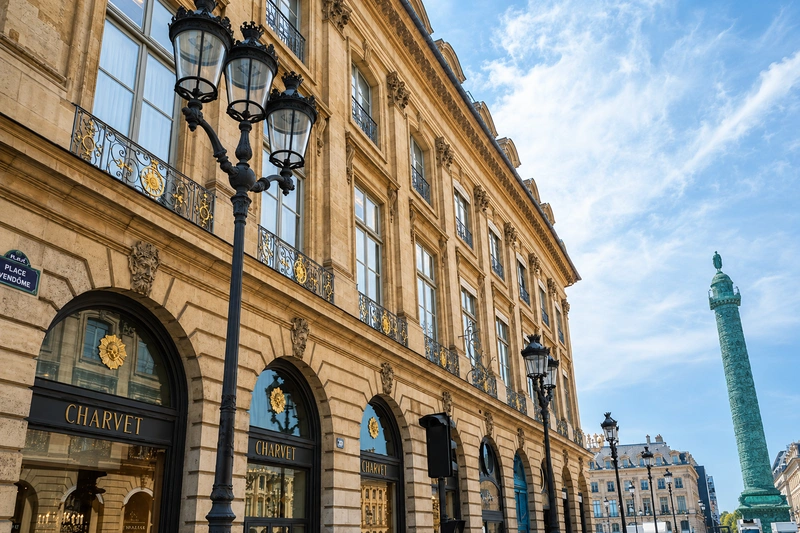
Charvet was founded in Paris in 1838 and became associated with the history of the modern shirt as a luxury object. Its address at 28 Place Vendôme is part of its identity, giving the house a physical presence tied to old Paris, private service, and personal appointment culture. In an industry increasingly driven by visibility, Charvet has remained powerful through the opposite logic: limited distribution, specialized expertise, high-touch service, and a deep archive of fabrics, colors, collars, cuffs, and proportions.
The significance of Chanel acquires Charvet lies first in craftsmanship. Chanel has spent years strengthening its relationship with specialist manufacturers, ateliers, and heritage suppliers, building a model where creative authority depends on control over materials, techniques, and rare skills. Charvet fits naturally into this strategy because its value sits in knowledge that can be difficult to scale: hand, fit, fabric choice, client memory, and the small technical decisions that turn a shirt into a personal object.
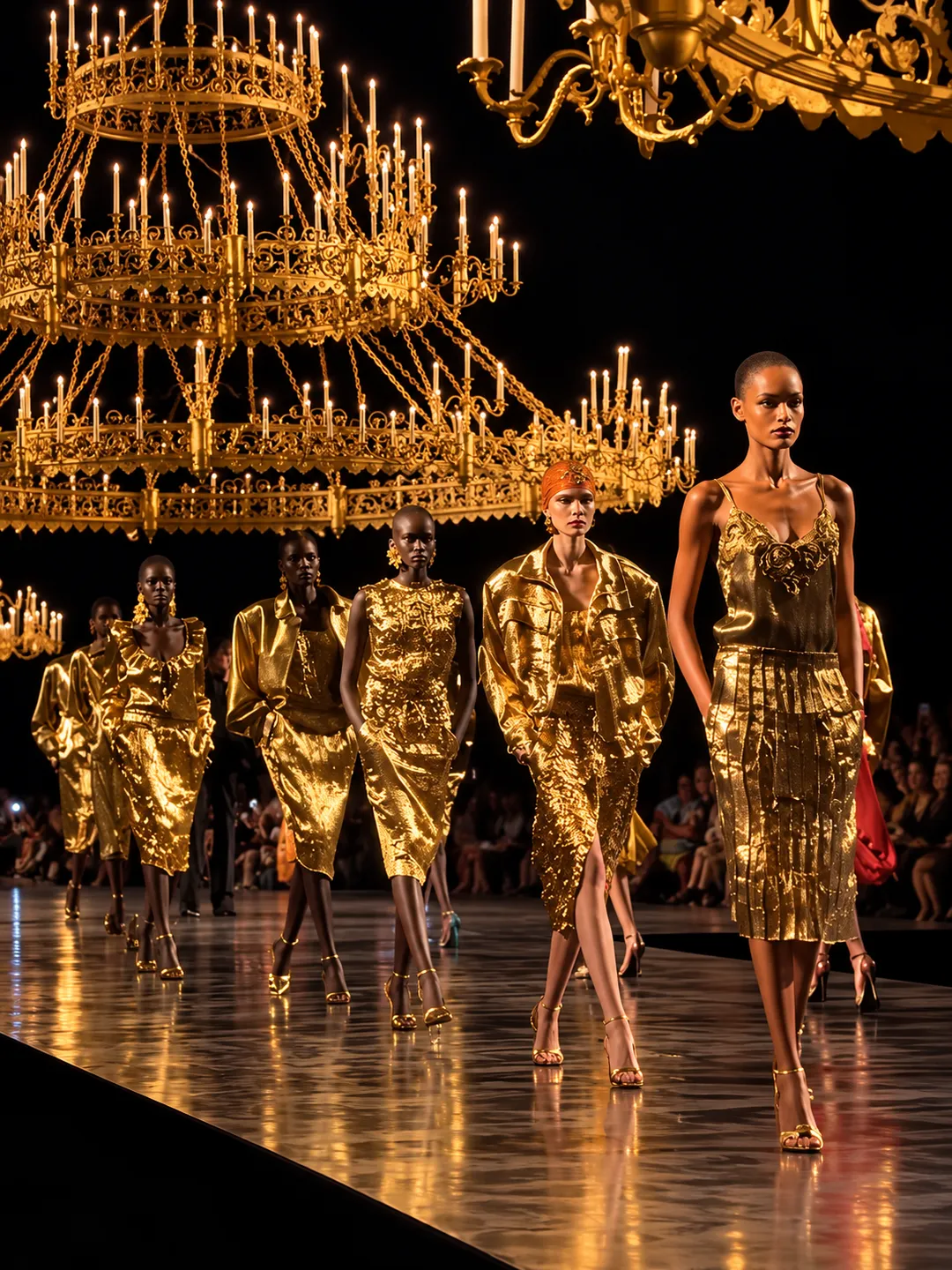
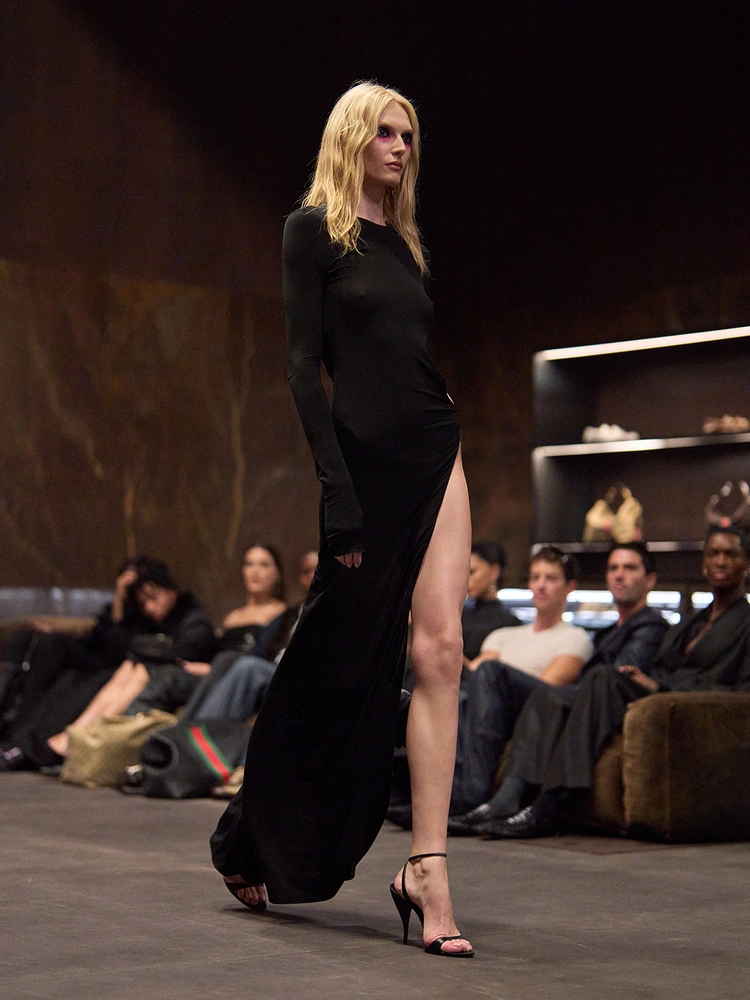
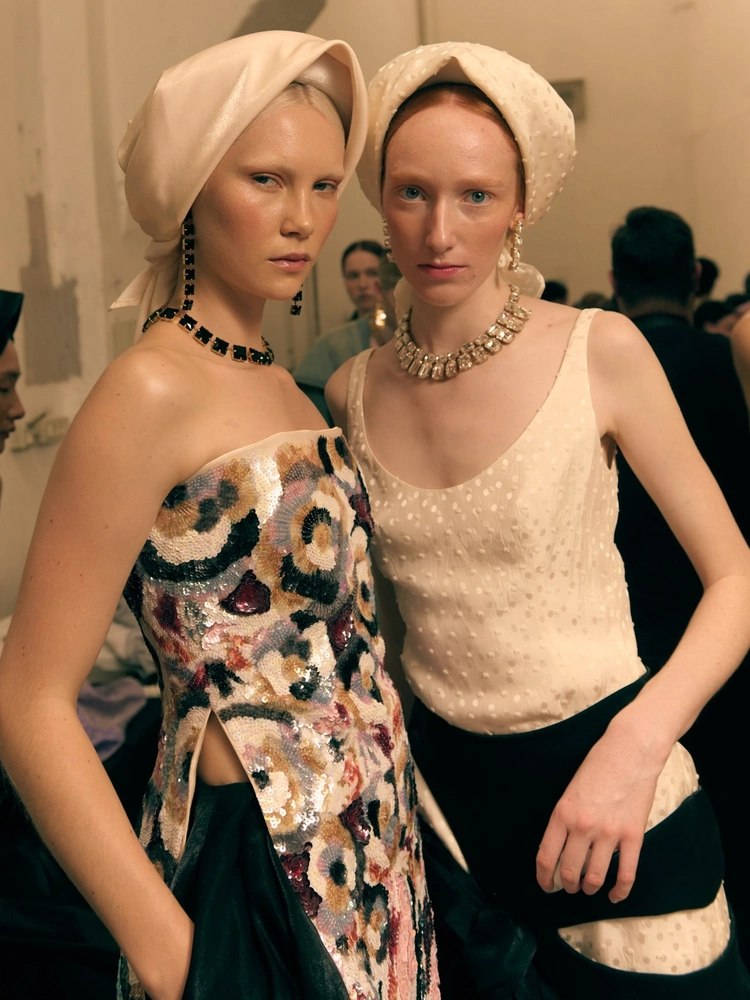
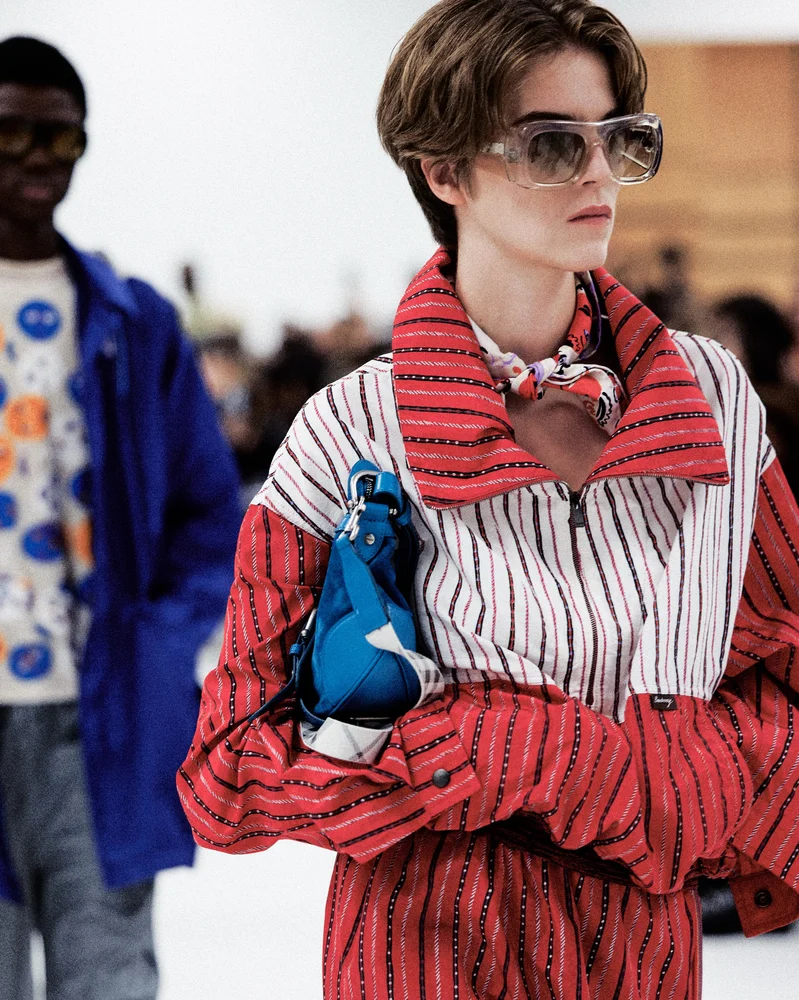
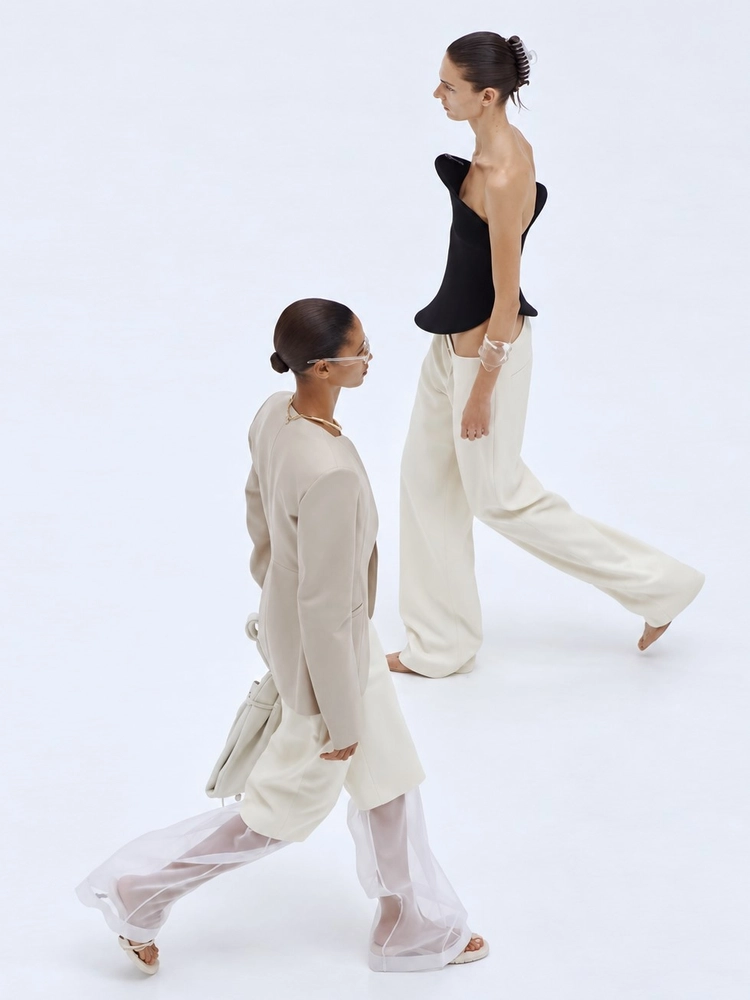
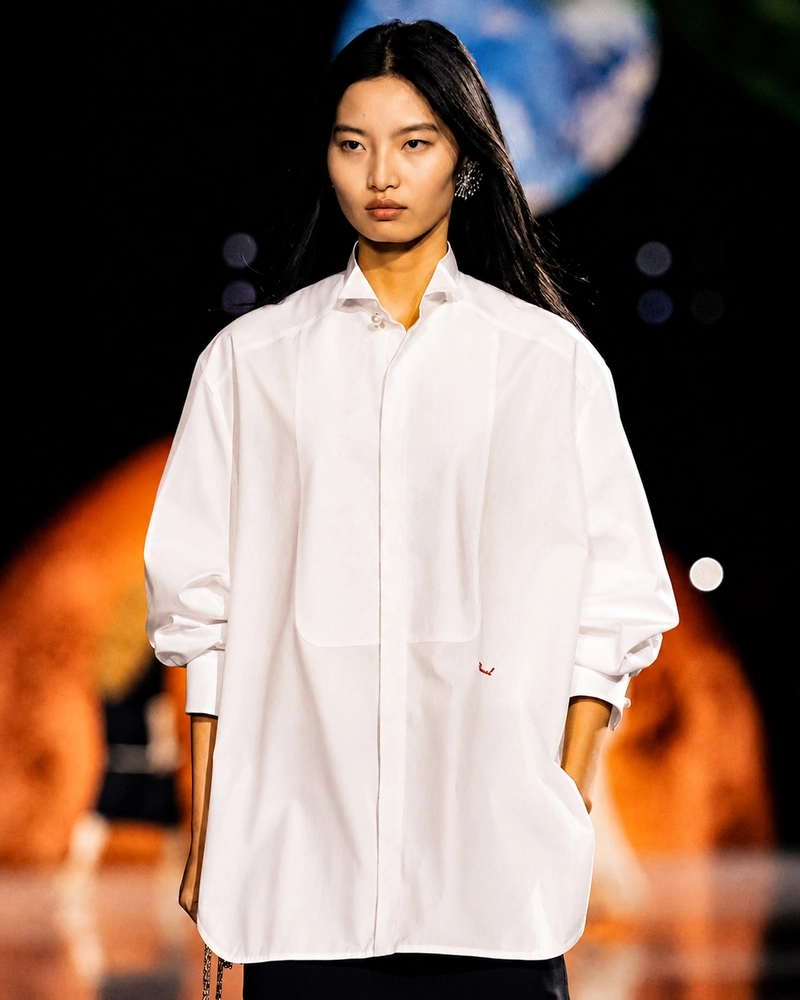
The deal also arrives at a meaningful moment for Chanel’s own creative direction. Matthieu Blazy’s Chanel debut brought renewed attention to the shirt as a cultural garment, especially through the house’s collaboration with Charvet. That runway context matters because it showed how a classic men’s wardrobe piece could be reintroduced through Chanel’s language of ease, intimacy, and modern elegance. In this sense, Chanel acquires Charvet after the shirt had already become a signal of where the house might be moving: toward clothes with more construction, and a sharper relationship with lived-in luxury.