MENU
Close





Beauty’s newest obsession already has centuries behind it. The crown braid returns with the kind of history that makes every modern interpretation feel richer.
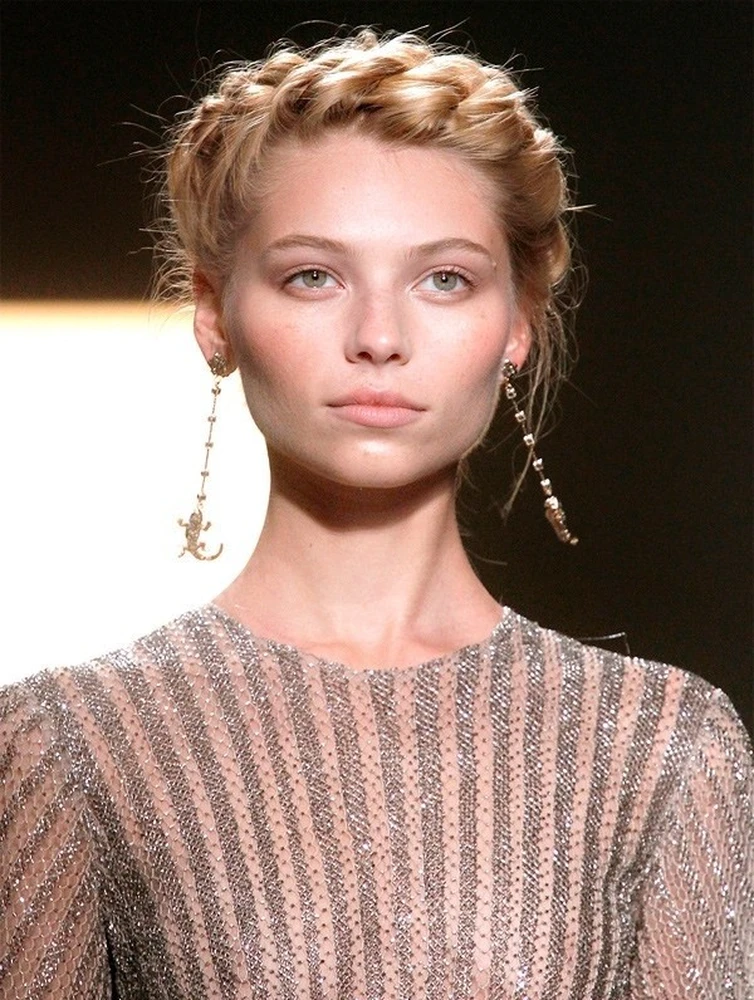
Beauty’s newest obsession already has centuries behind it. The crown braid returns with the kind of history that makes every modern interpretation feel richer.
August 14, 2026
Advertisement
Advertisement
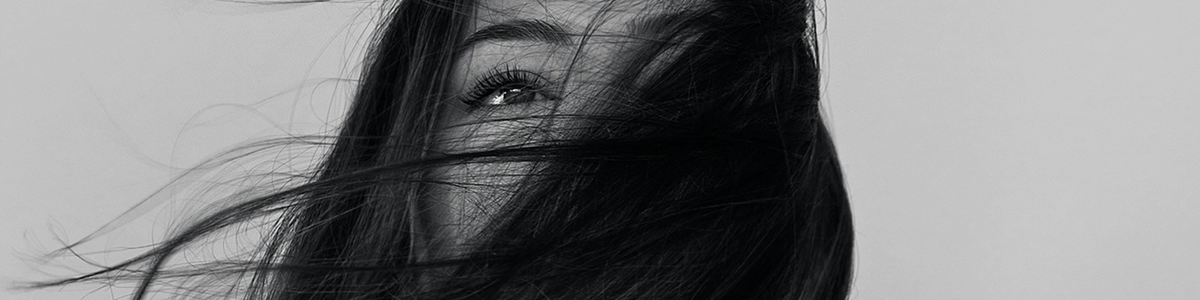


The crown braid is circling the head again for Fall 2026, carrying centuries of beauty language into a season drawn toward romance, ornament, and visible craft.
The circular silhouette recalls halos, ceremonial crowns, folk dress, bridal rituals and generations of women who turned hair into ornaments through their own hands. The crown braid needs few accessories because the technique itself creates status around the face.
Beauty is reconnecting with femininity through decoration, tactile craft and inherited visual codes. The interest lies in what those traditions can communicate today. Softness can signal confidence. Ornaments can become self-expression. A hairstyle inherited from cultural memory can acquire an entirely contemporary attitude through the person wearing it.
Every section has been divided, crossed, tightened, and positioned. The finished hairstyle contains evidence of touch, time, and skill, qualities carrying fresh value within a beauty culture filled with immaculate surfaces and rapid transformation. The hand of the maker remains readable in the hair.
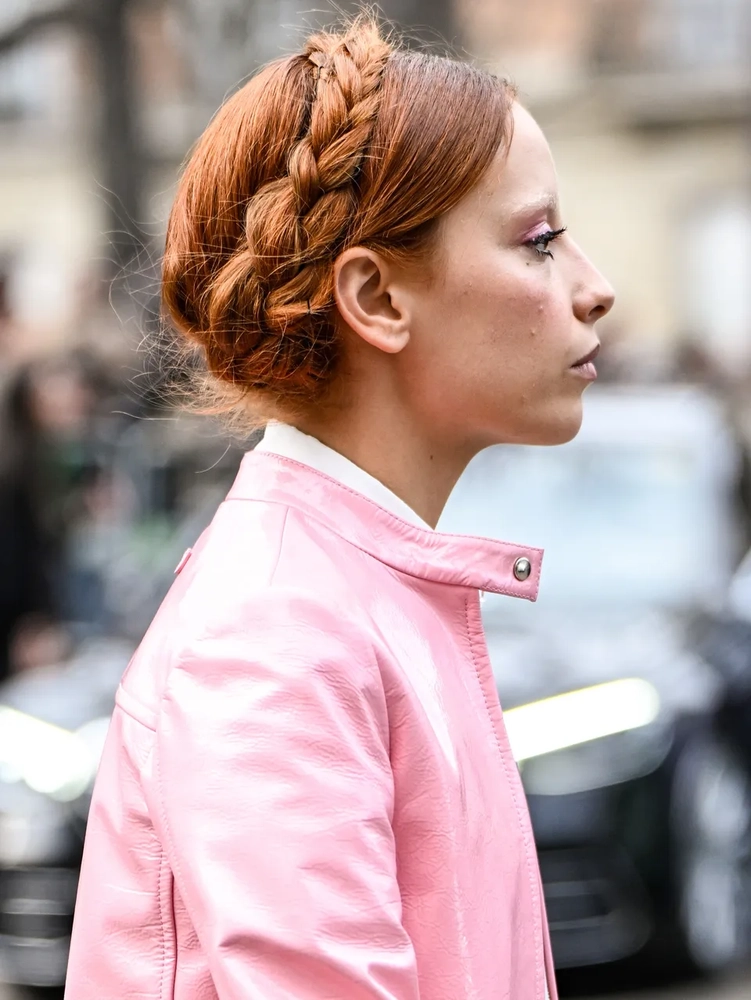
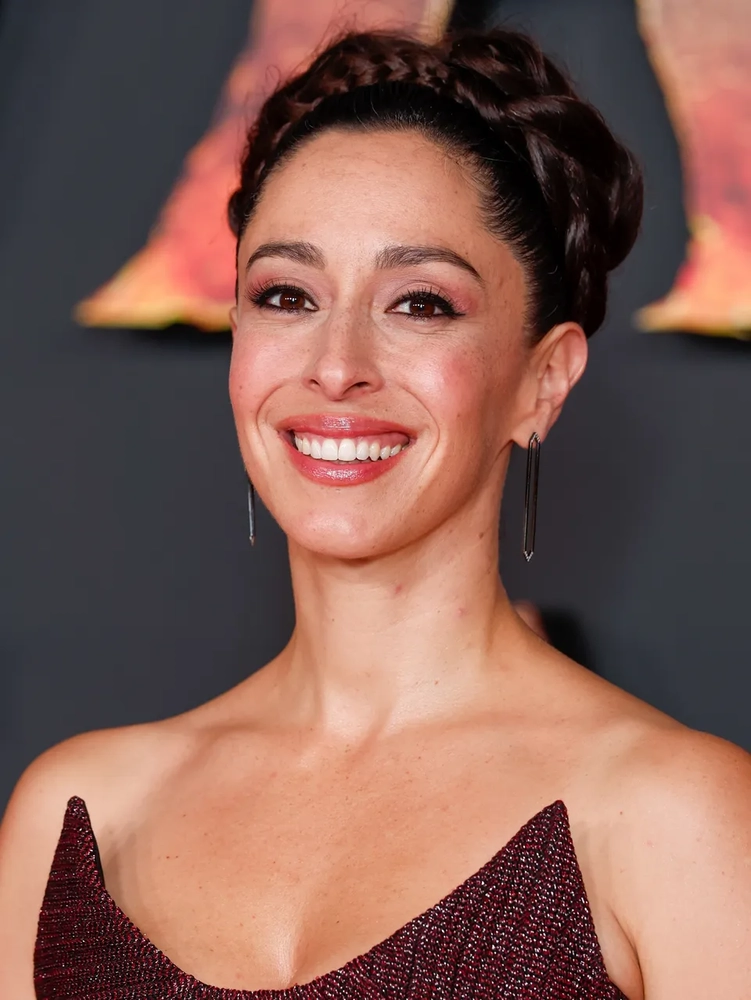
Current versions preserve that craftsmanship while allowing the construction to breathe. Loosened plaits, natural texture, and flyaways give the crown braid movement, while ribbons, velvet, metallic thread, and tiny jewelry can shift its cultural mood. The same circular architecture can carry folk romance, gothic softness, ceremonial glamour, or bohemian ease.
Textured braids hold visual weight beside layered clothing, high necklines, knits and richly tactile fabrics. Hair becomes part of the season’s material vocabulary instead of functioning as a polished finishing touch.
Progress has never required abandoning every symbol inherited from women before us. Traditions survive because each generation gets to renegotiate their meaning. The crown braid carries memory on the head while leaving plenty of space for individuality inside the structure.
Zendaya gave the crown braid its mythological life during The Odysseypress tour. Hairstylist Coree Moreno worked with Grecian-inspired braids shaped around the head with loosened texture and deliberate movement. The relationship between hairstyle and film created an immediate visual bridge to ancient Greek mythology, yet the execution kept the image firmly inside contemporary beauty.
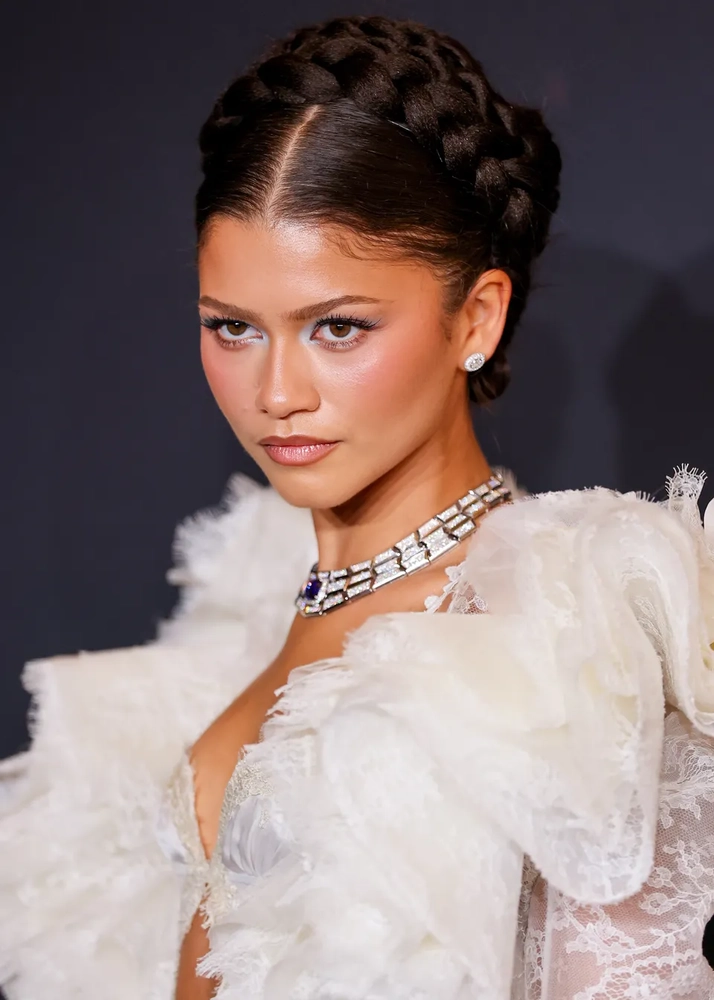
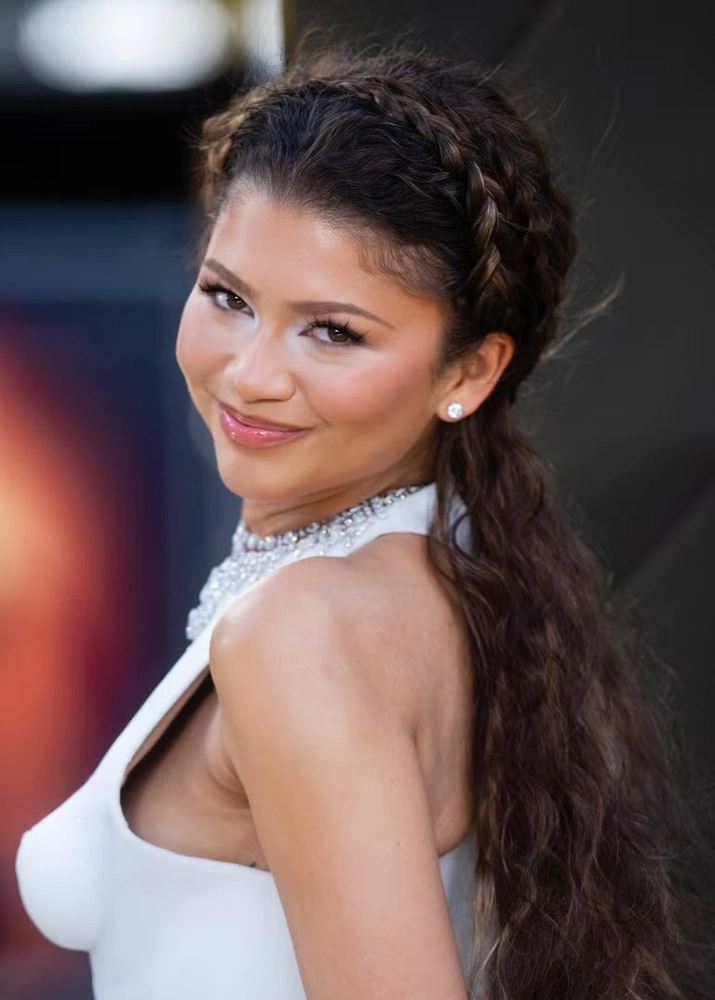
That styling demonstrates how historical references gain power when the original symbolism remains legible. The circular braid evokes goddesses, classical sculpture, and ceremonial femininity while texture keeps the wearer present inside the reference.
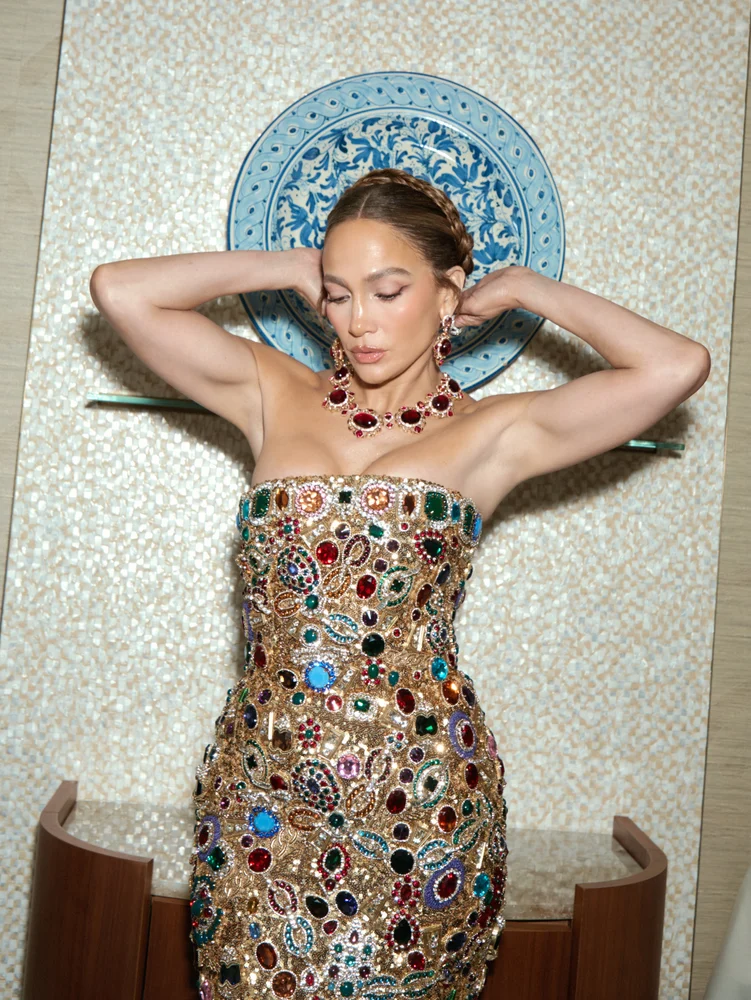
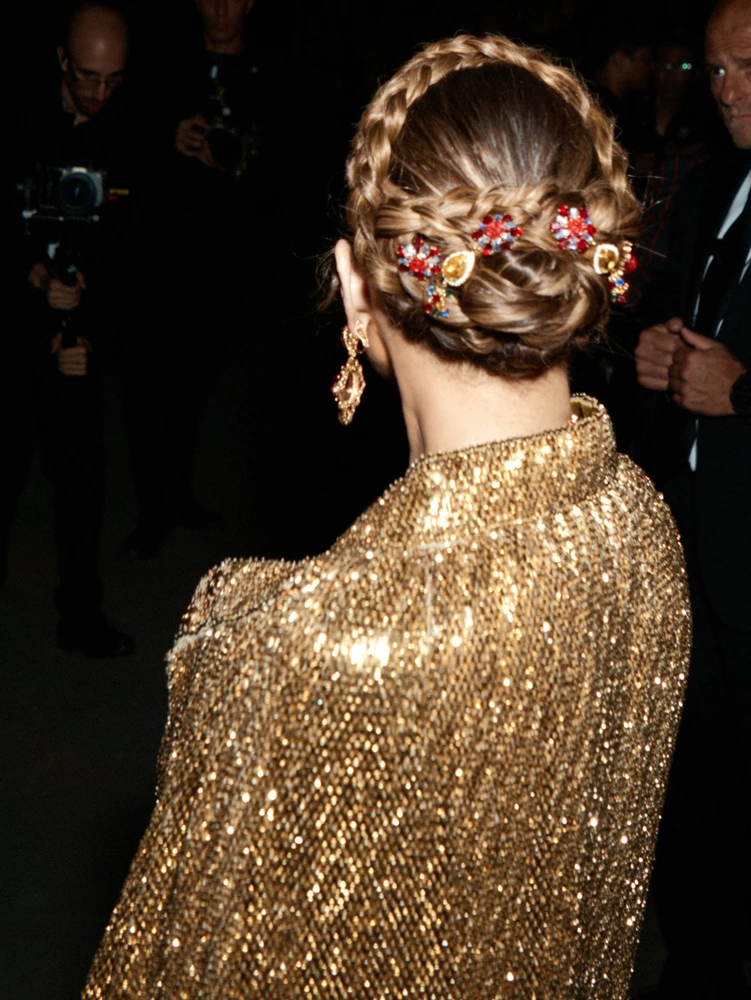
Jennifer Lopez carried the hairstyle into another territory at Dolce & Gabbana Alta Moda. Surrounded by couture spectacle, embellishment, and Italian theatricality, the braided crown became an extension of ceremony. Its architecture framed the face with the visual authority already embedded in the word “crown.”
Olivia Rodrigo then carried the crown braid into the music-festival spirit during her surprise appearance with The Smashing Pumpkins at Lollapalooza 2026. Here, the hairstyle tapped directly into the boho-chic revolution currently moving through fashion and beauty.
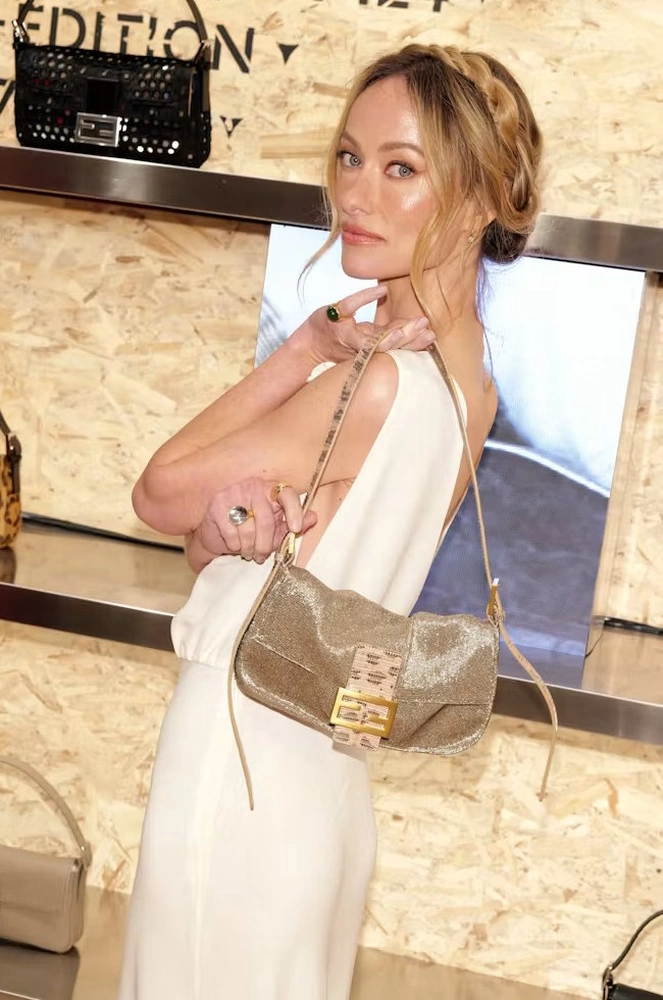
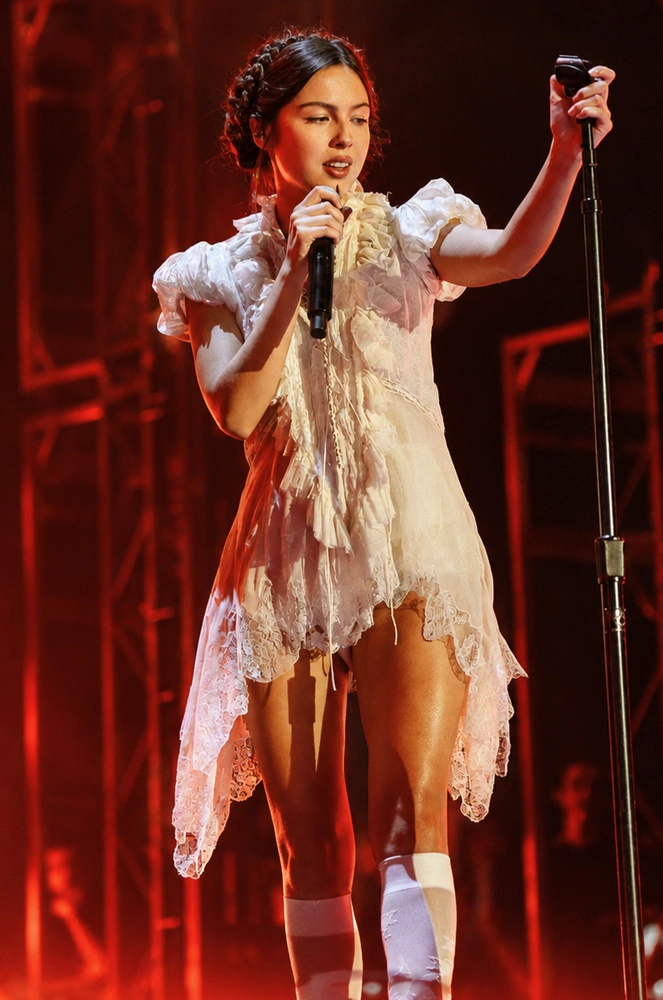
Festival culture has long given braids a natural home. Their handcrafted texture belongs beside undone waves, vintage clothing, flowing silhouettes, boots, and the romantic disorder created by hours spent moving through crowds and music.
That range explains why the crown braid can rise again with such conviction. Its shape has survived generations because it carries values beauty repeatedly returns to: craft, femininity, ritual, individuality and the desire to turn something as ordinary as hair into a symbol.
Advertisement