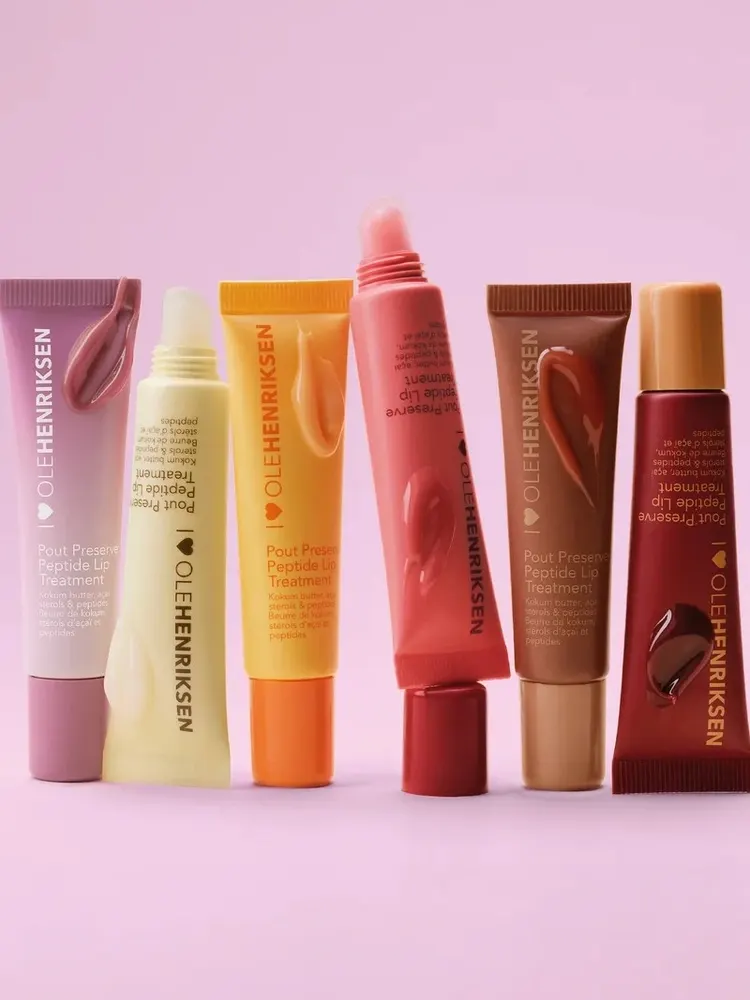
Fall has a flavor, and it tastes like dark chocolate. Cocoa brown brings that deliciously moody richness to the lips, wrapped in soft texture and subtle rose.

Cocoa Brown: The Scent of Fall, the Shade of Lips
Fall has a flavor, and it tastes like dark chocolate. Cocoa brown brings that deliciously moody richness to the lips, wrapped in soft texture and subtle rose.
November 9, 2026


Across the Fall/Winter 2026 beauty landscape, cocoa brown is emerging as a sophisticated expression of the enduring brown lipstick trend. Its contemporary identity favors cool undertones, dimensional pigments and finishes that allow the natural lip color to remain visible.
The renewed fascination draws upon the distinctive beauty language of the 1990s, when brown lipstick became synonymous with supermodel glamour. Today, influential makeup artists are rediscovering its versatility, while luxury beauty houses explore the shade through sheer balms, satin lipsticks and reflective glosses.
What Makes Cool Cocoa Brown So Desirable?
The appeal of cocoa brown begins with its particular relationship with color temperature. Typically sitting between medium chocolate and deep espresso, this shade carries muted grey, mauve or rosy undertones that soften the intensity of its brown pigment. The result is a complex neutral that can appear smoky, velvety or delicately romantic.
Subtle variations in undertone play a significant role in determining the finished effect. Grey introduces an earthy, subdued quality, while mauve lends a hint of plum. A trace of rose creates warmth within the overall cool composition, allowing the color to interact naturally with the lips.
Texture further shapes its identity. Sheer formulas reveal the natural pink of the lips beneath a translucent cocoa veil. Blurred matte lipsticks create a diffused, powdery appearance, while satin and glossy finishes emphasize the depth of chocolate pigments.
French makeup artist Violette Serrat has explored this balance through her interpretation of brown lipstick. Her approach favors softly diffused pigmentation and relaxed application, bringing a sense of intimacy and understated confidence to the shade. The finish feels naturally lived in, with color becoming part of the lips themselves.
From 1990s Supermodels to the 2026 Revival
The cultural history of cocoa brown lipstick is closely connected to the beauty revolution of the early 1990s. In 1991, makeup artist Bobbi Brown launched her original cosmetics line with ten brown based lipsticks, introducing a new understanding of wearable lip color.
Her first shade, Brown, originated from a customized combination of taupe eye pencil, pinkish blush and lip balm. The formula reflected her interest in creating lipsticks that complemented natural lip pigmentation, an idea that subsequently became central to her beauty philosophy.
During the same decade, supermodels such as Naomi Campbell and Kristen McMenamy helped establish darker brown lips as a recognizable fashion statement. Their beauty imagery captured the distinctive relationship between sculpted features, earthy pigments and expressive lip contours.


The current popularity of cocoa brown also reflects a growing appreciation for brown lipstick as a deliberate artistic choice.
MAC director of makeup artistry Terry Barber approaches brown through the visual language of monochromatic makeup. His preference for sepia inspired complexions extends earthy pigments across eyes, cheeks and lips, creating a cohesive composition reminiscent of cinematic imagery.
For a Luar runway presentation, Barber outlined the models' lips with deep brown pencil before filling them with a lighter brown gloss. Inspired by Linda Evangelista's iconic beauty imagery, the look explored the interplay between pronounced contours and reflective surfaces.
The Interpretations of Cocoa Brown
The renewed fascination with cocoa brown gathered momentum in late 2025, when MAC's Lustreglass Sheer Shine Lipstick in Alone Time became a viral beauty favorite. Its muted mauve brown pigment, touched with grey and softened by translucent shine, captured the understated glamour of 1990s supermodel makeup. The shade's popularity revealed a growing appetite for cool, earthy lip colors with subtle complexity.


In September, VIOLETTE_FR introduced Bisou Balm in Chocolat, developed by makeup artist Violette Serrat around the richness of artisanal chocolate softened with cream. Carefully balanced chestnut and mahogany undertones create a nuanced cool brown, while its sheer matte texture recreates the French bouche mordue technique, leaving the lips softly blurred and naturally expressive.


Westman Atelier's HydroBalm Tinted Lipstick in Soda offers another interpretation, translating cocoa brown into a translucent, moisturizing formula. Described as sheer cool cocoa, Soda combines buildable pigmentation with hyaluronic acid microspheres, peptides and ceramides, allowing natural lip color to emerge beneath its delicate sheen.


The movement also extended into shimmering textures. VIEVE's October 2025 holiday collection introduced Lip Dew in Supermodel, a deep neutral chocolate brown enriched with fine golden shimmer. Its glossy, oil infused formula lends the familiar chocolate palette a luminous dimension.


Meanwhile, Bobbi Brown's Jones Road Beauty continues her enduring fascination with brown through The Classic Lip in Chocolate, a richly pigmented satin lipstick. NARS Afterglow Lip Shine in Smooth Talk offers a glossy cocoa interpretation, emphasizing depth through translucent pigment and reflective shine.


The Art of Wearing Cocoa Brown Lips
The versatility of cocoa brown allows makeup artists to explore several application techniques, each revealing a distinct aspect of the color.
For a softly blurred finish, Violette Serrat's approach offers an accessible starting point. Apply a sheer brown lipstick directly onto the lips, gradually building pigment toward the center. Gently diffuse the edges with fingertips to create the relaxed bouche mordue effect.
Lip contouring introduces another dimension. A deep brown pencil can define the natural lip line before a lighter chocolate lipstick or gloss is blended across the center. The interaction between dark contours and luminous texture produces the sculptural quality associated with 1990s supermodel makeup.
Natural lip pigmentation also influences the final result. The same cool cocoa formula may reveal rosy undertones on one complexion and muted taupe or deep chocolate on another. Examining a shade under natural light helps identify its relationship with individual skin tones.
For an expressive interpretation, Terry Barber's monochromatic technique extends cocoa brown across the entire face. Smoky taupe eyeshadow, softly sculpted brown cheeks and chocolate lips create a unified palette. Subtle variations in texture, from matte eyelids to glossy lips, give the composition depth and movement.