MENU
Close





A strong skin barrier depends on an organized mixture of lipids, with ceramides making up the largest share. Their structure, type, and formulation help explain why they have become essential to barrier-care skincare.

A strong skin barrier depends on an organized mixture of lipids, with ceramides making up the largest share. Their structure, type, and formulation help explain why they have become essential to barrier-care skincare.
September 18, 2026
Advertisement

Advertisement



Skin hydration depends on an organized structure at the very surface of the body. Inside that structure, ceramides play a central role.
Ceramides are a family of lipids known as sphingolipids. Human skin produces them naturally, particularly within the epidermis.
At the molecular level, a ceramide is constructed from two main components: a sphingoid base and a fatty acid, connected through an amide bond.
Different combinations of these components create different ceramide structures. Fatty-acid chain length, the type of sphingoid base, hydroxyl groups, and other structural features can all vary. Modern lipid analysis has identified a remarkably diverse collection of ceramide molecules within human skin.
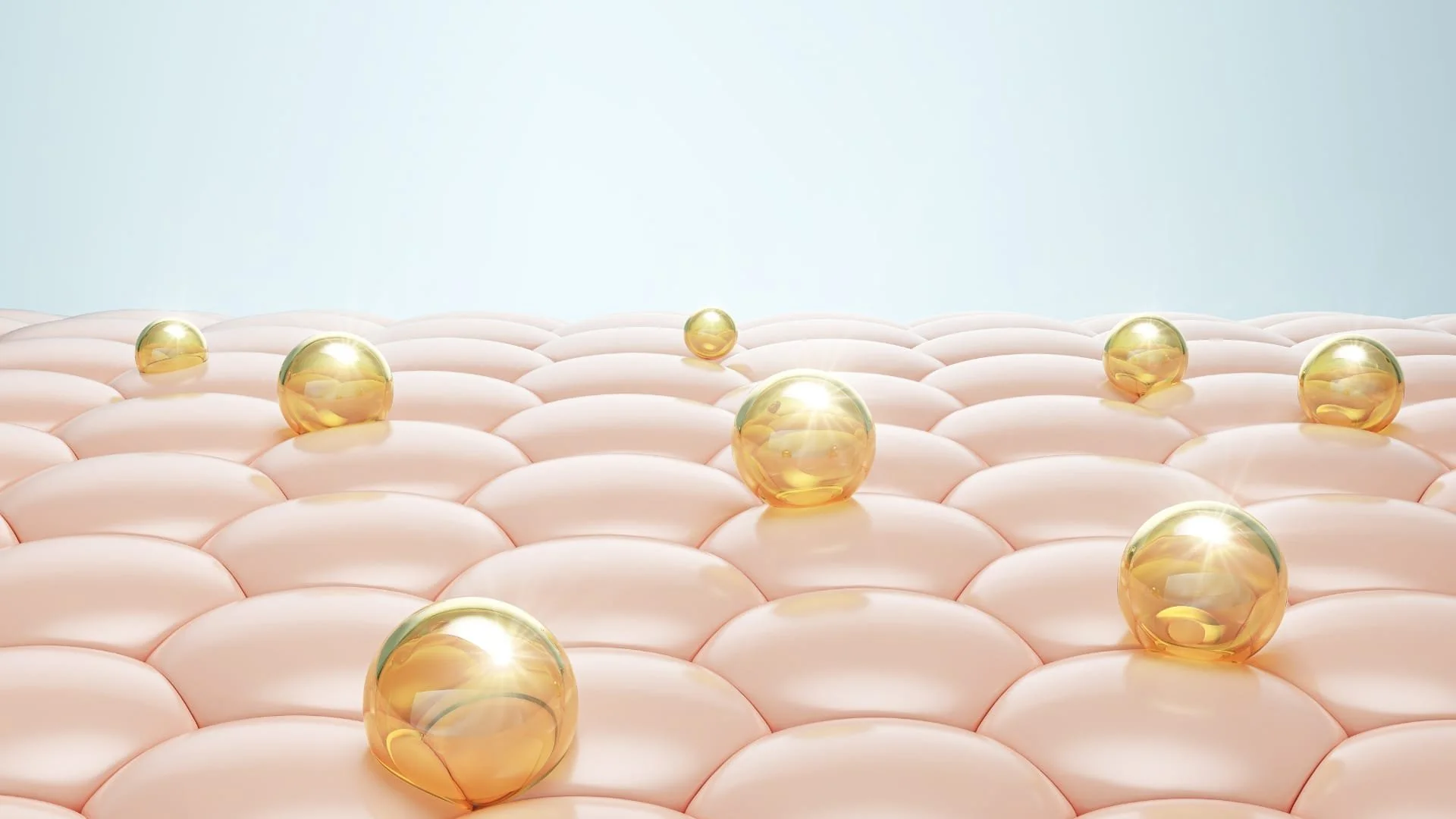
This diversity has a purpose. The molecular shape of each lipid influences the way ceramides arrange themselves alongside neighboring lipids. Their organization ultimately contributes to the physical properties of the skin barrier.
For skincare, ceramides are therefore best understood as a family of structural skin lipids instead of one uniform substance.
The skincare relevance of ceramides centers on the stratum corneum, the outermost part of the epidermis.
This layer contains flattened mature cells called corneocytes, surrounded by an extracellular lipid matrix. Ceramides account for roughly half of these stratum-corneum lipids by mass, while cholesterol and free fatty acids make up much of the remaining lipid system.
The familiar brick-and-mortar analogy offers a simple picture. Corneocytes act as the bricks, while the surrounding lipid material acts as the mortar holding the surface together.
At a microscopic level, the arrangement is highly organized. Ceramides, cholesterol, and fatty acids assemble into layered structures known as lipid lamellae. These layers extend through the spaces around corneocytes and create a continuous permeability barrier.
This arrangement gives ceramides their central function: helping control movement through the skin.
One of the skin barrier's fundamental jobs is regulating water.
Water continuously moves from deeper tissue toward the skin surface. The lipid matrix slows this movement and helps maintain an appropriate level of hydration within the stratum corneum.
Researchers measure this process through transepidermal water loss, commonly shortened to TEWL. TEWL describes water passing through the epidermis and evaporating from the surface.
A well-organized ceramide-rich lipid matrix supports controlled water movement and helps the stratum corneum retain moisture.
The same architecture also regulates interaction with the external environment. The barrier controls the passage of environmental substances and supports protection from potential irritants.
Ceramide structure matters here. Long lipid chains and tightly arranged molecules contribute to the organization of the barrier. The types of ceramides present, their molecular characteristics, and their relationship with surrounding lipids all influence this system.
Hydration and barrier function are therefore closely connected to ceramide quantity, composition, and organization.
The ceramide composition of skin changes throughout life and in response to the environment.
Age can influence the amount and distribution of stratum-corneum lipids. Research has documented age-related changes in several ceramide classes, helping explain why mature skin frequently experiences dryness and altered barrier function.
Season also matters. Cold temperatures and dry atmospheric conditions affect the lipid environment of the stratum corneum. Studies have recorded seasonal shifts in ceramide composition during autumn and winter, which corresponds with the familiar increase in dryness, tightness, and flaking during colder months.
Ceramide profiles also change in xerosis, the clinical term for dry skin.
A particularly important area of research concerns atopic dermatitis. People with atopic dermatitis can show alterations in ceramide composition, chain length, and lipid organization alongside increased water loss and barrier disruption.
The primary purpose of topical ceramides is barrier support.
Ceramide-containing moisturizers provide lipids designed to integrate with or support the stratum-corneum lipid system. Well-designed formulations can improve hydration, support barrier recovery, and help relieve dryness and roughness.
Their effect is especially relevant to water retention. A healthy lipid matrix helps regulate TEWL, which supports lasting hydration within the outer layers of skin.
This distinguishes the role of ceramides from another major moisturizer category: humectants. Ingredients such as glycerin and hyaluronic acid bind water within a formula and the stratum corneum. Ceramides contribute lipid material associated with the architecture that helps retain that water.
These two functions work naturally together in a moisturizer.
Dry, flaky, tight-feeling, mature, and environmentally stressed skin can all benefit from formulations built around this combination of hydration and lipid support.
Ceramide moisturizers also have an established role in skincare routines for eczema-prone skin, where supporting the compromised barrier forms an important part of daily management.
Ingredient lists often contain names such as Ceramide NP, Ceramide AP, and Ceramide EOP. These letters describe the chemical building blocks of each ceramide.
In Ceramide NP, N refers to a non-hydroxy fatty acid and P refers to phytosphingosine.
Ceramide AP contains an alpha-hydroxy fatty acid combined with phytosphingosine.
Ceramide EOP contains an esterified omega-hydroxy fatty acid paired with phytosphingosine.
Earlier naming systems frequently assigned ceramides numbers. Modern letter-based nomenclature provides information about the molecular structure itself.
These structures influence characteristics such as lipid packing and organization, which helps explain why cosmetic formulas may include several ceramide types within a single product.
Skincare formulas can approach ceramide technology in several ways.
Natural skin ceramides are those synthesized within the human epidermis.
Synthetic or skin-identical ceramides are manufactured molecules designed to reproduce defined ceramide structures found in skin. Controlled synthesis allows formulators to work with specific lipid structures at cosmetic manufacturing scale.
Pseudoceramides take another approach. These manufactured lipids have structures designed to reproduce important physical properties associated with natural ceramides. Pseudoceramides have also been studied in barrier-supporting and moisturizing formulations.
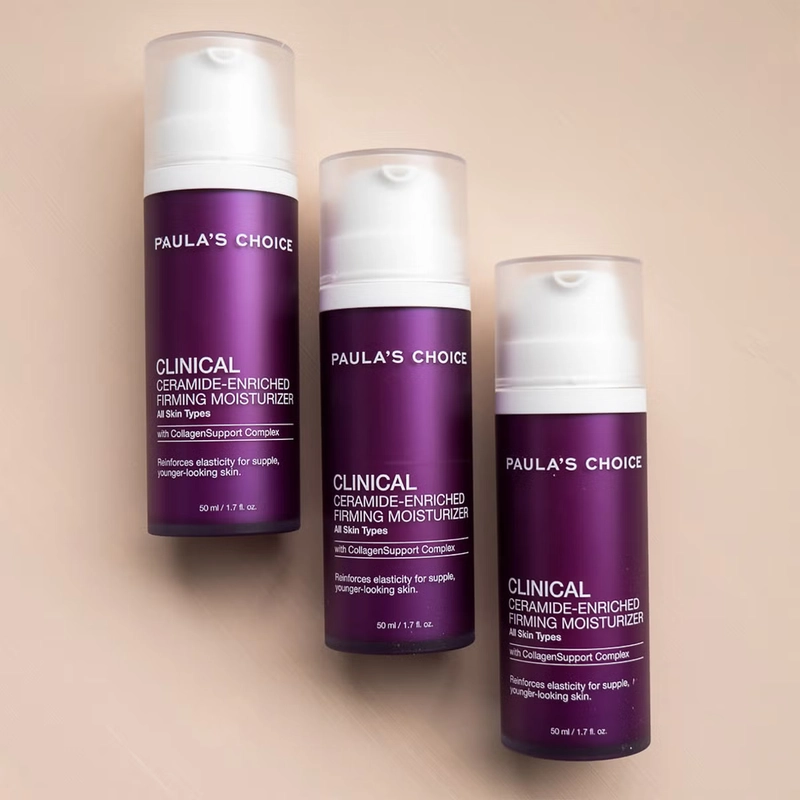
A jar listing several ceramides still represents only one part of the formulation story.
Ceramides are highly structured lipids with limited water solubility. Their performance depends on how effectively formulators incorporate them into an emulsion and organize them alongside other ingredients.
The skin itself provides the blueprint. Within the stratum corneum, ceramides exist alongside cholesterol and free fatty acids. Cosmetic researchers therefore frequently study combinations of these three lipid families when designing barrier-supporting formulas.
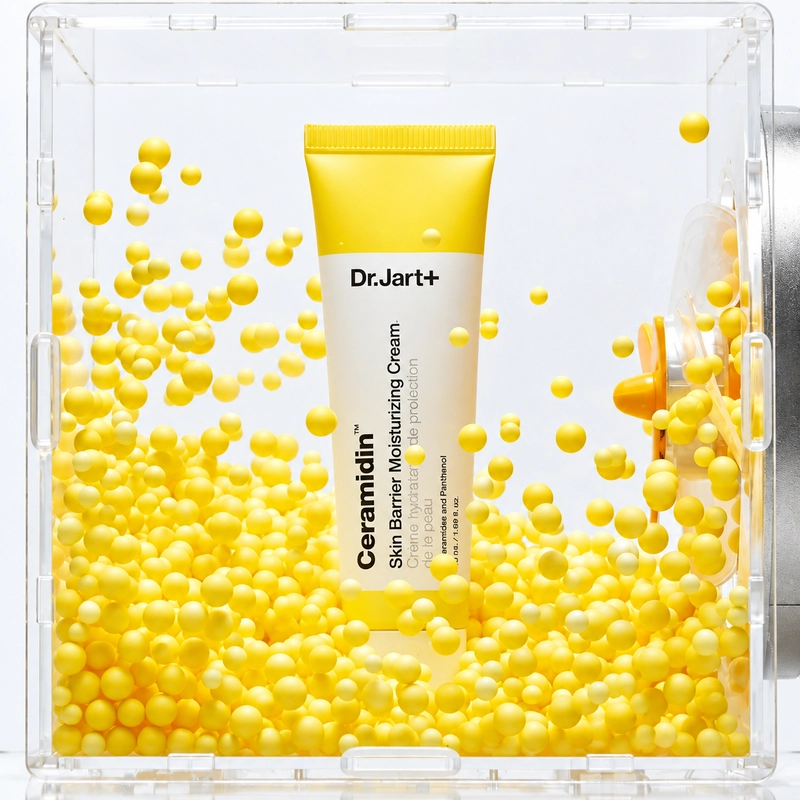
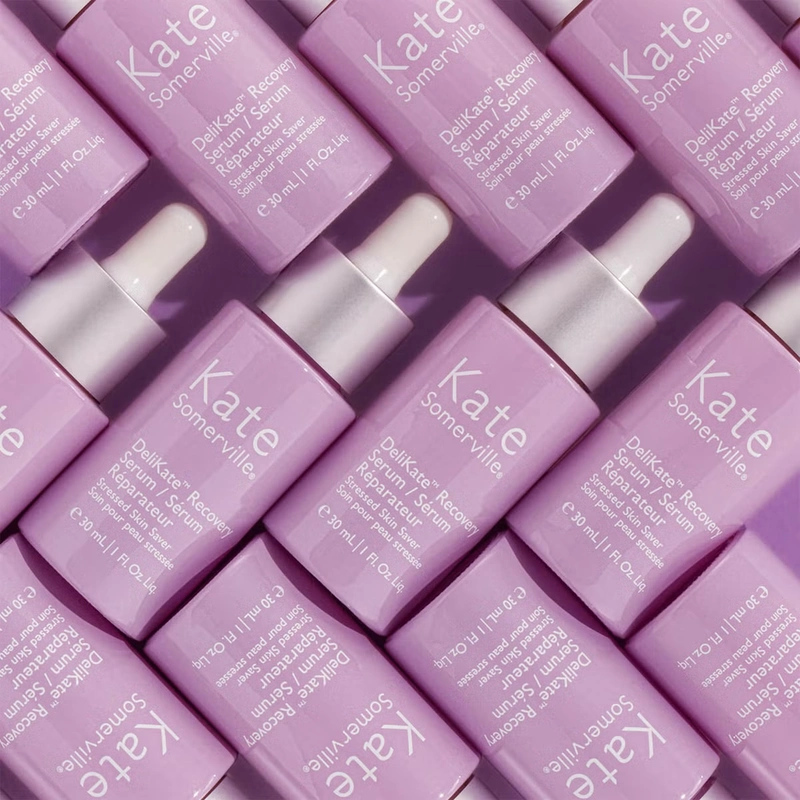
Processing also matters. Ceramides need appropriate solubilization, dispersion, and lipid organization. Delivery systems and lamellar emulsions can help arrange these molecules in structures designed to interact effectively with the skin surface.
This also explains why a label claiming three, five, or nine ceramides gives only part of the information needed to evaluate a moisturizer. Ceramide identity, surrounding lipids, formulation architecture, and delivery all contribute to performance.
Ceramides can be used in both morning and evening skincare routines. A ceramide moisturizer typically follows cleansing, toners, and treatment serums. Applying moisturizer while the skin retains some water from cleansing can help support hydration.
Ceramides also pair naturally with several moisturizer ingredients. Glycerin and hyaluronic acid contribute water-binding properties. Cholesterol and fatty acids complement the lipid composition of the barrier. Squalane and other emollients soften the skin surface. Dimethicone and petrolatum help control evaporation. This layered formulation strategy addresses hydration from several directions while ceramides perform their structural lipid role.
Advertisement