On November 4, 2026, Coperni confirmed that it has ceased operations after months of conflict with majority shareholders and exclusive distributor Tomorrow. For a label that built its identity around imagining what fashion might become next, the ending arrives with an uncomfortable reminder: cultural visibility and creative momentum cannot always protect an independent brand from the machinery behind the clothes.
Coperni Closes While Its Ideas Still Look Ahead
On November 4, 2026, Coperni confirmed that it has ceased operations after months of conflict with majority shareholders and exclusive distributor Tomorrow. For a label that built its identity around imagining what fashion might become next, the ending arrives with an uncomfortable reminder: cultural visibility and creative momentum cannot always protect an independent brand from the machinery behind the clothes.
November 4, 2026


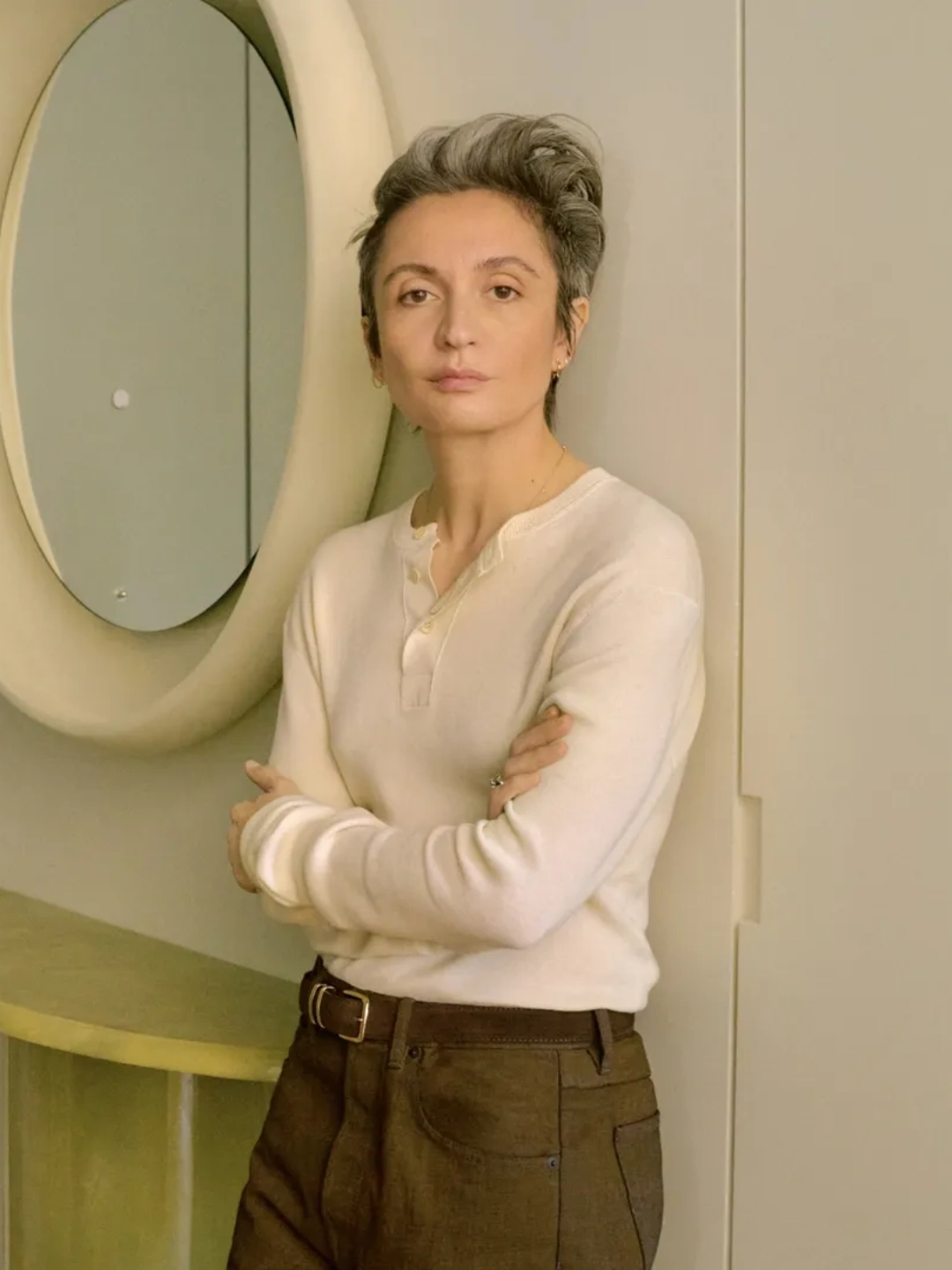
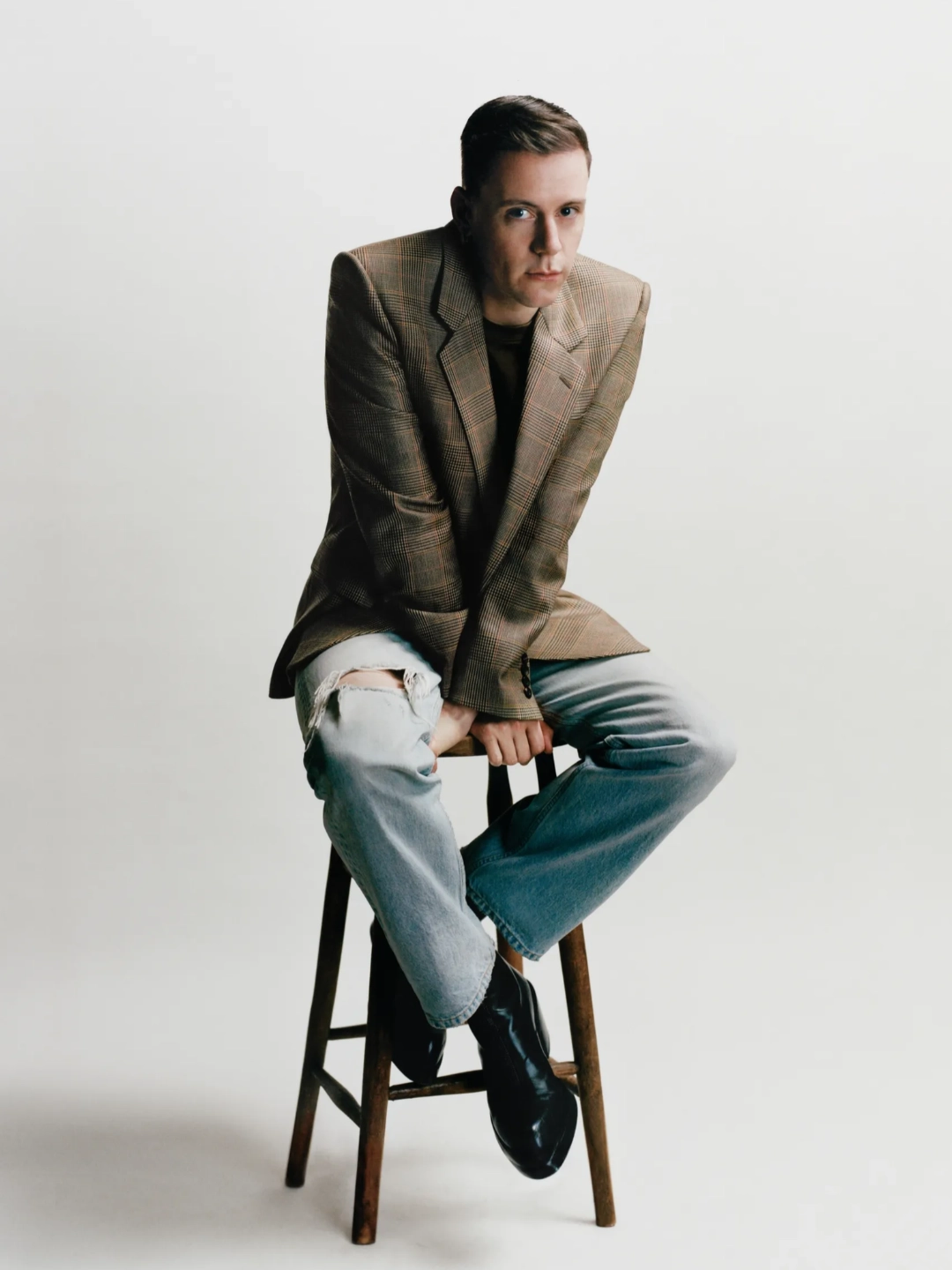
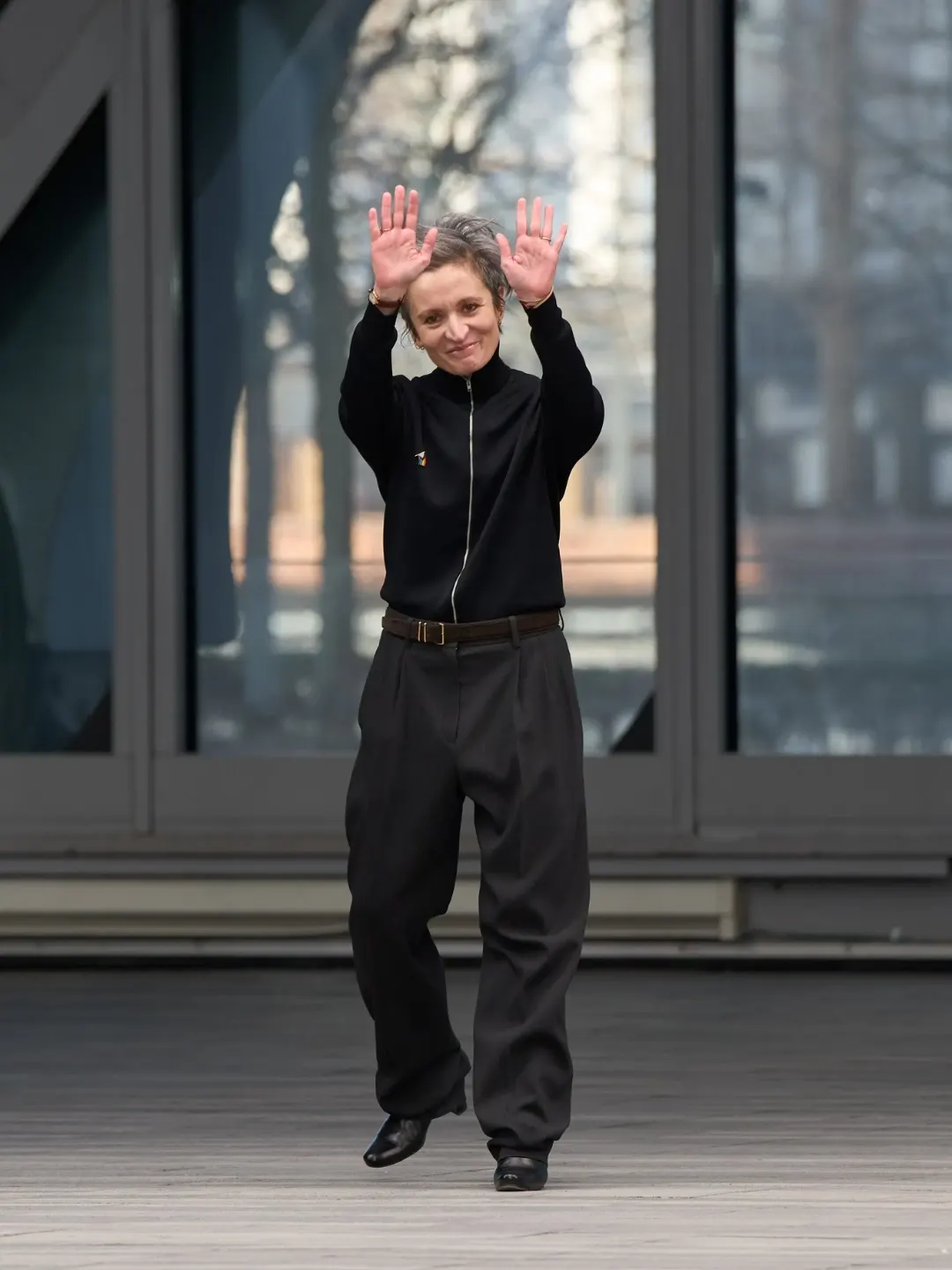
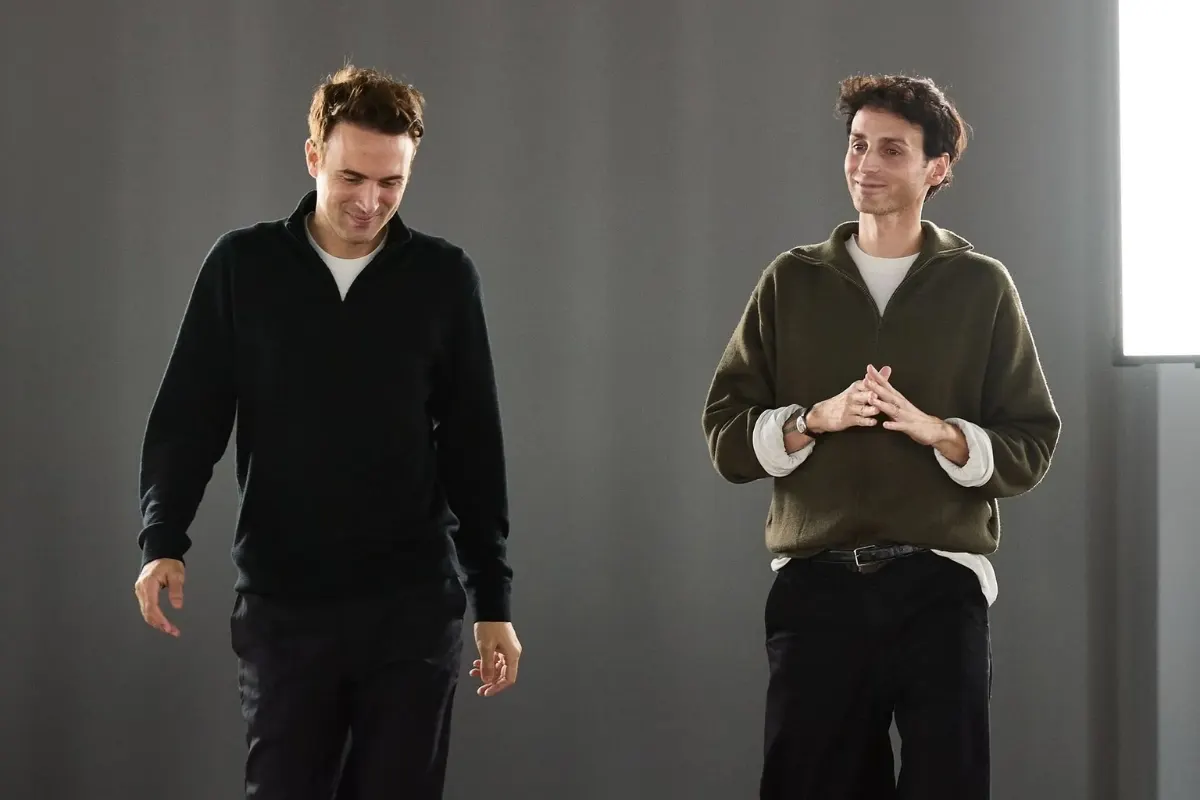
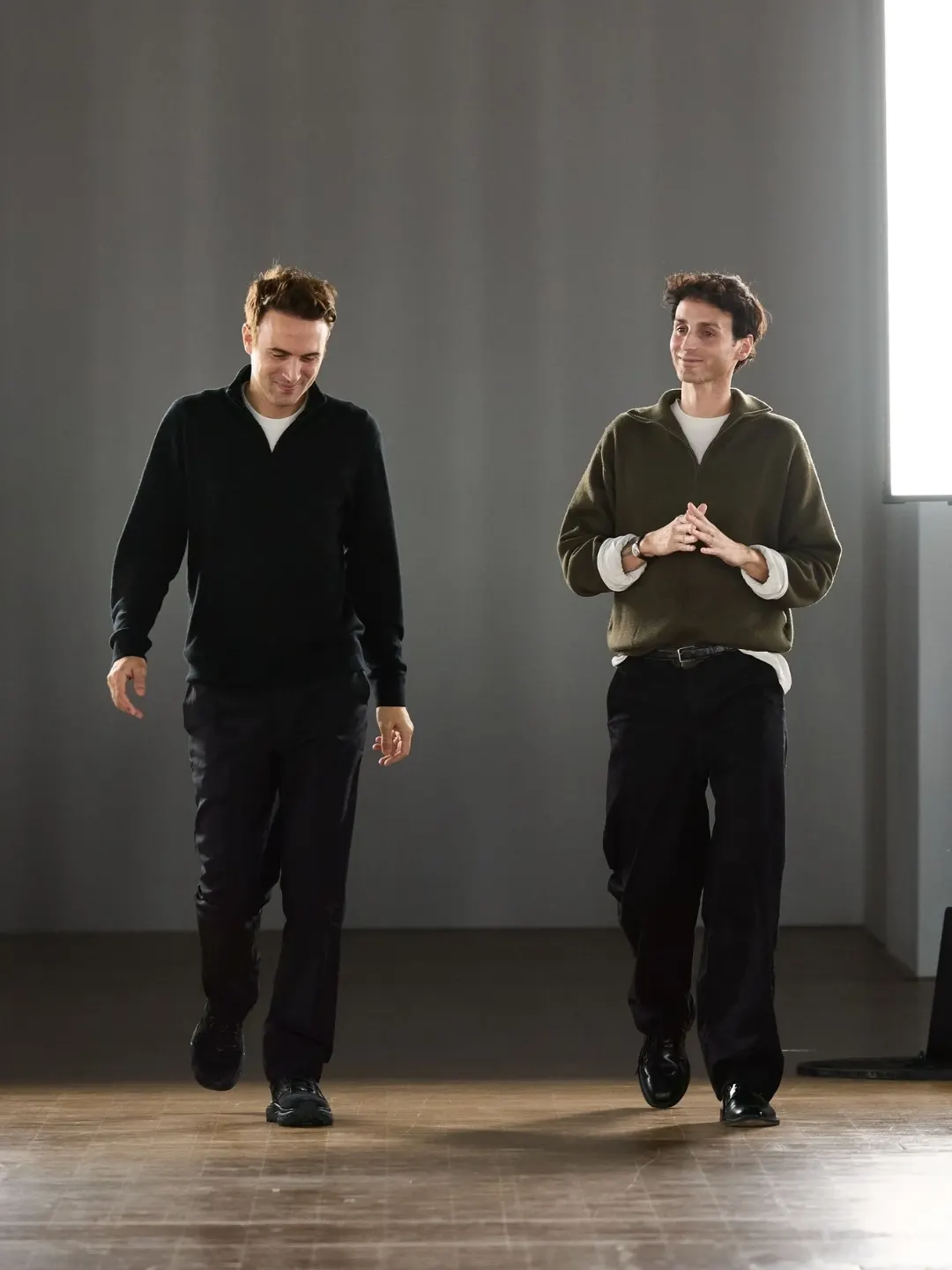
Sébastien Meyer and Arnaud Vaillant first launched Coperni in 2013, paused the project while working at Courrèges, then relaunched it in 2018. That second life turned the label into one of Paris Fashion Week’s most recognisable young names, helped by the curved Swipe bag and a runway strategy that repeatedly treated technology as part of fashion’s vocabulary.
Yet 2026 increasingly became a story about control. In February, Coperni cancelled its Fall/Winter 2026 show as its relationship with Tomorrow deteriorated. By June, the company had entered judicial reorganisation in Paris after the founders said Tomorrow had stopped paying sums owed to the brand. Meyer and Vaillant were simultaneously trying to regain control of the label.
There was still hope as recently as October. Three acquisition offers emerged through the Paris court process, while Coperni’s international revenue had fallen from €15 million in 2023 to €10 million in 2025. None ultimately produced the resolution needed to keep operations going.
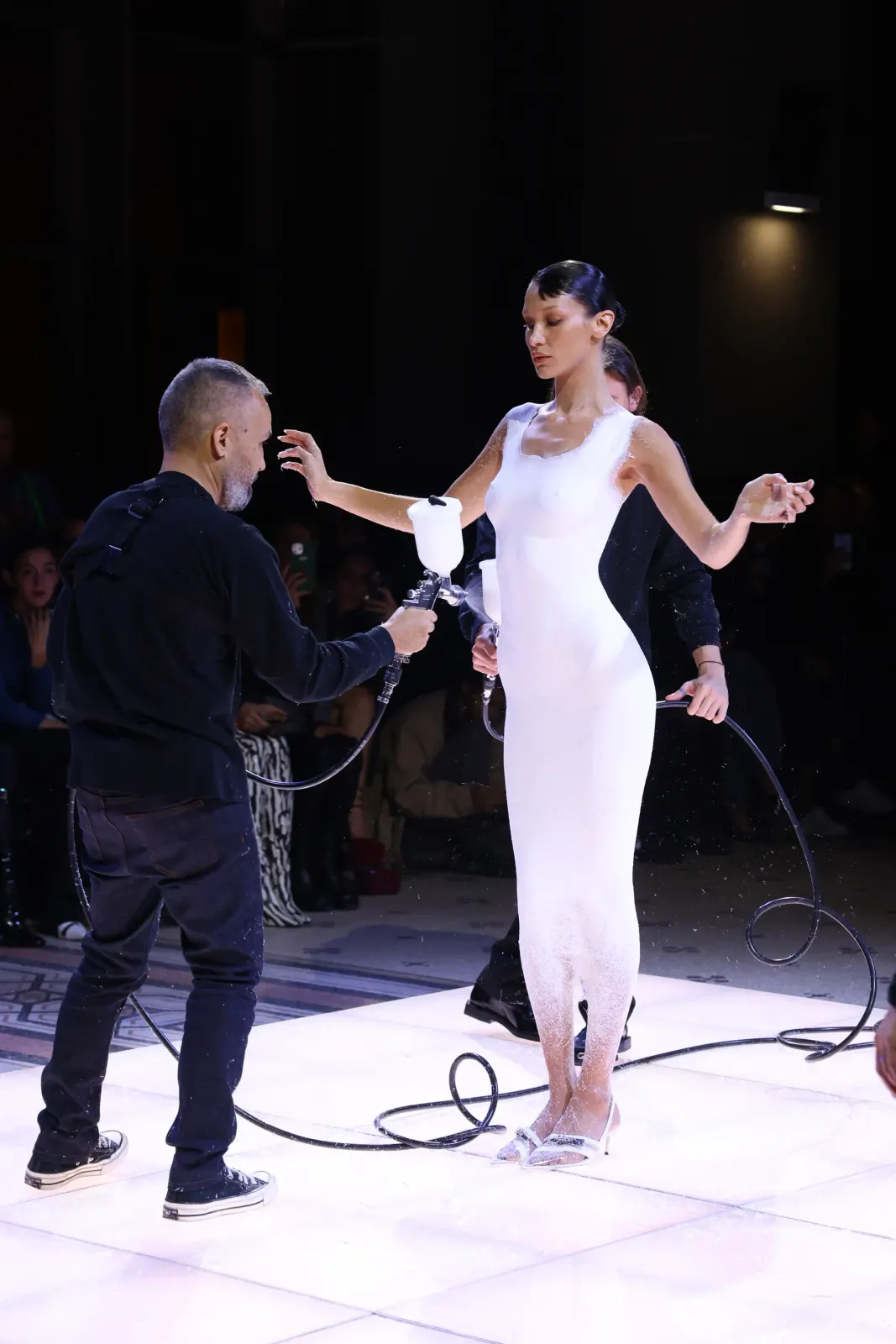
The closure lands differently because Coperni never looked creatively exhausted. Bella Hadid’s Spring 2023 finale, where Fabrican technology sprayed a white dress directly onto her body, became one of the defining runway images of the decade. A season later came Boston Dynamics robot dogs; in 2024, the Air Swipe bag reduced the handbag to silica aerogel and almost entirely air. Disneyland Paris then hosted the Spring 2025 show, its first fashion presentation in the park’s history.
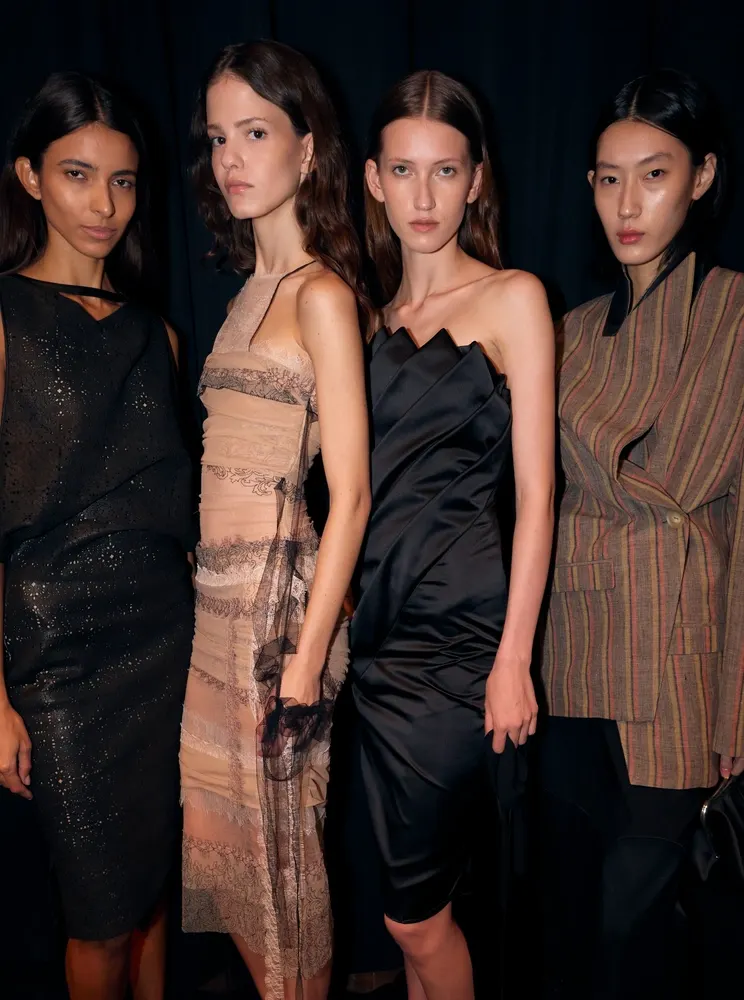
Those spectacles occasionally risked becoming bigger than clothes, but they also revealed something Coperni understood unusually well: in an image-saturated fashion system, experimentation could become communication. Technology was rarely added as futuristic decoration alone. It gave each show a question people wanted to watch being answered.
Meyer and Vaillant described the past eight years as an “extraordinary” collective adventure and said they still have ideas they want to create.
That makes this less a story about a brand running out of relevance than one about how fragile independent fashion can remain even after achieving it. Coperni succeeded in making millions of people look; surviving long enough to decide what came next proved considerably harder.