




How Baccarat, a glassmaker from Lorraine, turned light, ritual and centuries of craftsmanship into a language of status, and why that language still matters in a less formal age.

Baccarat and the Architecture of Luxury
How Baccarat, a glassmaker from Lorraine, turned light, ritual and centuries of craftsmanship into a language of status, and why that language still matters in a less formal age.
November 11, 2026


A glass is among the most democratic objects in a home. We reach for one without thinking, fill it with water, leave it on a desk or place it beside a plate. Yet put a Baccarat glass on the table and the ordinary act of drinking acquires a different register. Its weight, the sharpness of its cut and the way it catches a candle flame all invite attention. The object does not simply perform a function; it suggests that the function deserves a ceremony. The remarkable achievement of Baccarat is not that it made glass expensive. It helped persuade generations of people that the smallest domestic gestures could carry the language of distinction.
That distinction did not emerge fully formed from a marketing department. Baccarat began in 1764, when a glassworks was established in the village of Baccarat in Lorraine, in eastern France, with royal authorization under Louis XV. The factory initially made glass rather than the celebrated crystal for which the name would become known. Its transition to crystal production in the early nineteenth century placed it within a European culture increasingly fascinated by brilliance, precision and the technical possibilities of decorative objects. Over time, the house developed a vocabulary in which cutting, engraving, proportion and reflected light mattered as much as material itself.

The politics of the table
Consider the Harcourt service, introduced in 1841. Its emphatic geometry, substantial stem and distinctive flat cuts give it an almost architectural presence. It is difficult to mistake for an anonymous wineglass. Harcourt became associated with prestigious tables and formal hospitality, a reminder that dining has long been a theatre of hierarchy. Where one sat, what one was served and the objects placed before a guest could communicate rank without a word being spoken. A crystal glass was therefore never merely a container: it belonged to a larger choreography of invitation, access and recognition.

This is one reason luxury objects often outlive the social systems that first gave them meaning. Courtly etiquette may have lost its authority over everyday life, but the objects associated with it retain a kind of cultural memory. They offer an encounter with a world in which gestures were regulated and craftsmanship was expected to withstand scrutiny at close range. To own such an object today is not necessarily to aspire to aristocracy. It may instead be to borrow the gravity of a tradition, even for an informal dinner with friends.

Baccarat crystal: the craft of making light visible
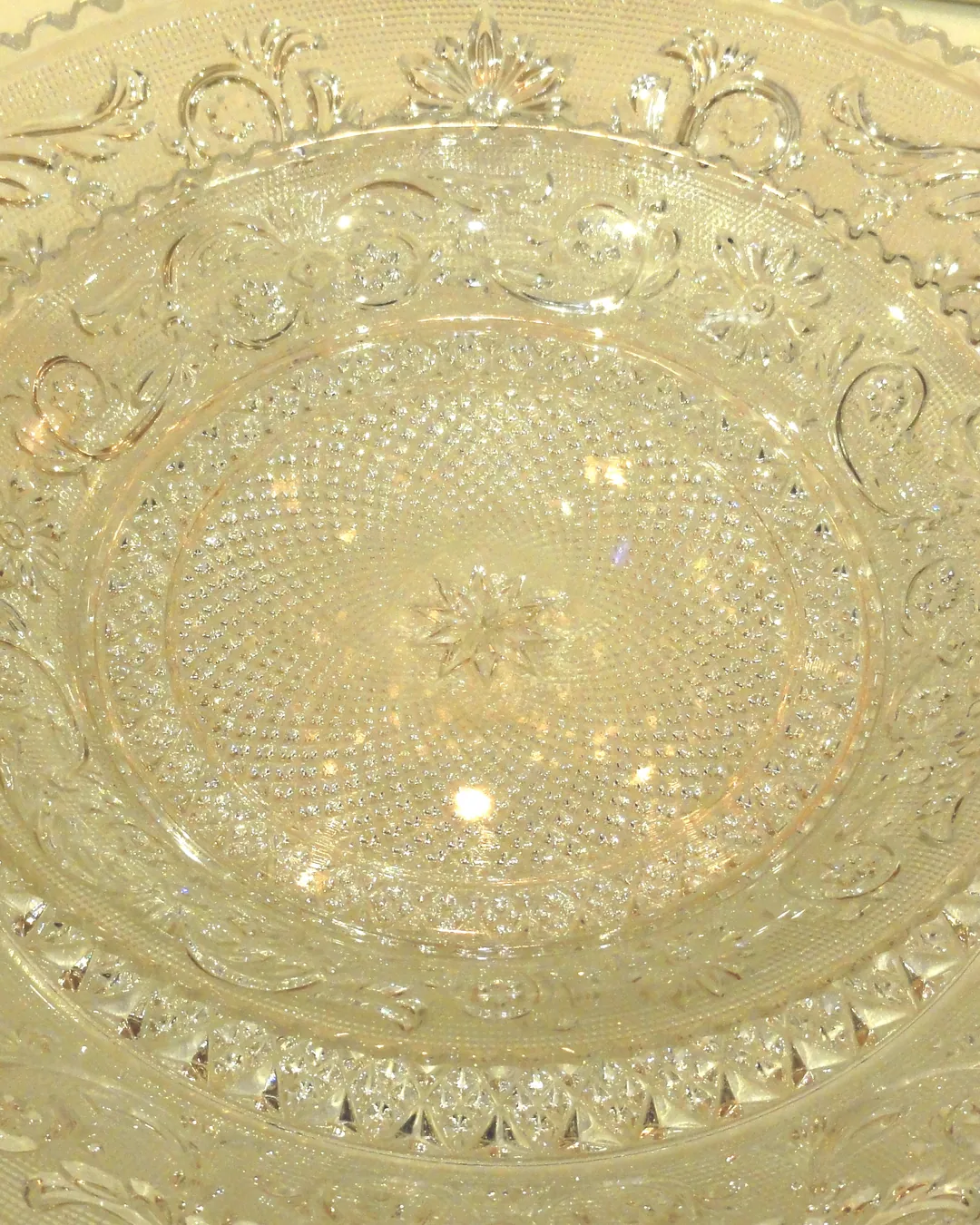
Crystal has a particular capacity to make light feel tangible. The brilliance comes from a combination of material composition, clarity, polished surfaces and precisely executed cuts. But technique alone does not explain the emotional effect. A well-made Baccarat piece changes with its surroundings: daylight reveals its transparency, while evening light multiplies reflections and shadows. In this sense, the object is never quite complete in isolation. It depends on a room, a hand, a table and a source of illumination to become fully itself.


The fascination with handmade luxury is sometimes described too simply, as though hours of labour automatically confer cultural value. They do not. What matters is whether skill produces a result that can be perceived and remembered. In fine crystal, a minute irregularity can interrupt the rhythm of a repeated cut; a poorly judged proportion can make an elaborate object feel cumbersome. Craftsmanship is meaningful when it turns demanding processes into apparent ease. The viewer sees light, balance and confidence, rather than the accumulated decisions required to achieve them.

From royal dining rooms to contemporary interiors
Baccarat has also refused to remain exclusively a supplier of formal tableware. Its chandeliers, vases, decorative objects and collaborations have allowed the house to inhabit spaces where the rules of traditional dining no longer apply. The brand’s contemporary presence, including hospitality and interior environments, makes the name part of an atmosphere rather than merely a signature etched into a product. That expansion is commercially understandable, but it also raises an important question: can a house preserve the specificity of its craft when its identity becomes a broader lifestyle?

The answer depends on what is being sold. If Baccarat is reduced to a logo, it competes in an overcrowded market of expensive symbols. If it remains a particular way of working with light and material, it offers something more difficult to reproduce. Heritage, after all, is not a guarantee of relevance. It is a store of techniques and stories that each generation must find a reason to use. The strongest historic houses do not simply repeat the past; they make the past legible in the present.


A ceremony without an occasion
There is an appealing contradiction in bringing a Baccarat glass into ordinary life. Contemporary taste often prizes informality: open-plan kitchens, mixed table settings, fewer rules about which glass belongs to which drink. Against that backdrop, fine crystal can seem gloriously unnecessary. But perhaps its purpose has shifted. Rather than demonstrating that one knows the correct etiquette, it can express a willingness to pay attention. A glass of water served beautifully does not become more nourishing. The experience of receiving it, however, may become more memorable.
That distinction also separates meaningful luxury from mere expense. Price can create scarcity, and history can create prestige, but neither ensures that an object has a place in someone’s life. A crystal piece locked away for fear of damage may function primarily as a financial or social signal. The same piece used, washed, admired and occasionally chipped enters the story of a household. Its value becomes personal as well as symbolic. Luxury then ceases to be only a statement about what one can afford and becomes a choice about what one wishes to notice.
Baccarat’s enduring lesson is that domestic objects can shape the mood of a room and the behaviour of the people within it. The glass does not possess power on its own; generations of artisans, hosts, collectors and guests have helped assign it meaning. Its sparkle is physical, but its prestige is social. Between those two realities lies the true architecture of luxury: a material achievement sustained by a collective belief that certain moments, however ordinary, are worth making extraordinary.