MENU
Close





What happens when the sweetness of the Olivia Rodrigo babydoll dress starts to darken, caramelize, and reveal a whole history of girlhood, grunge, desire, and control?

What happens when the sweetness of the Olivia Rodrigo babydoll dress starts to darken, caramelize, and reveal a whole history of girlhood, grunge, desire, and control?
May 14, 2026
Advertisement

Advertisement



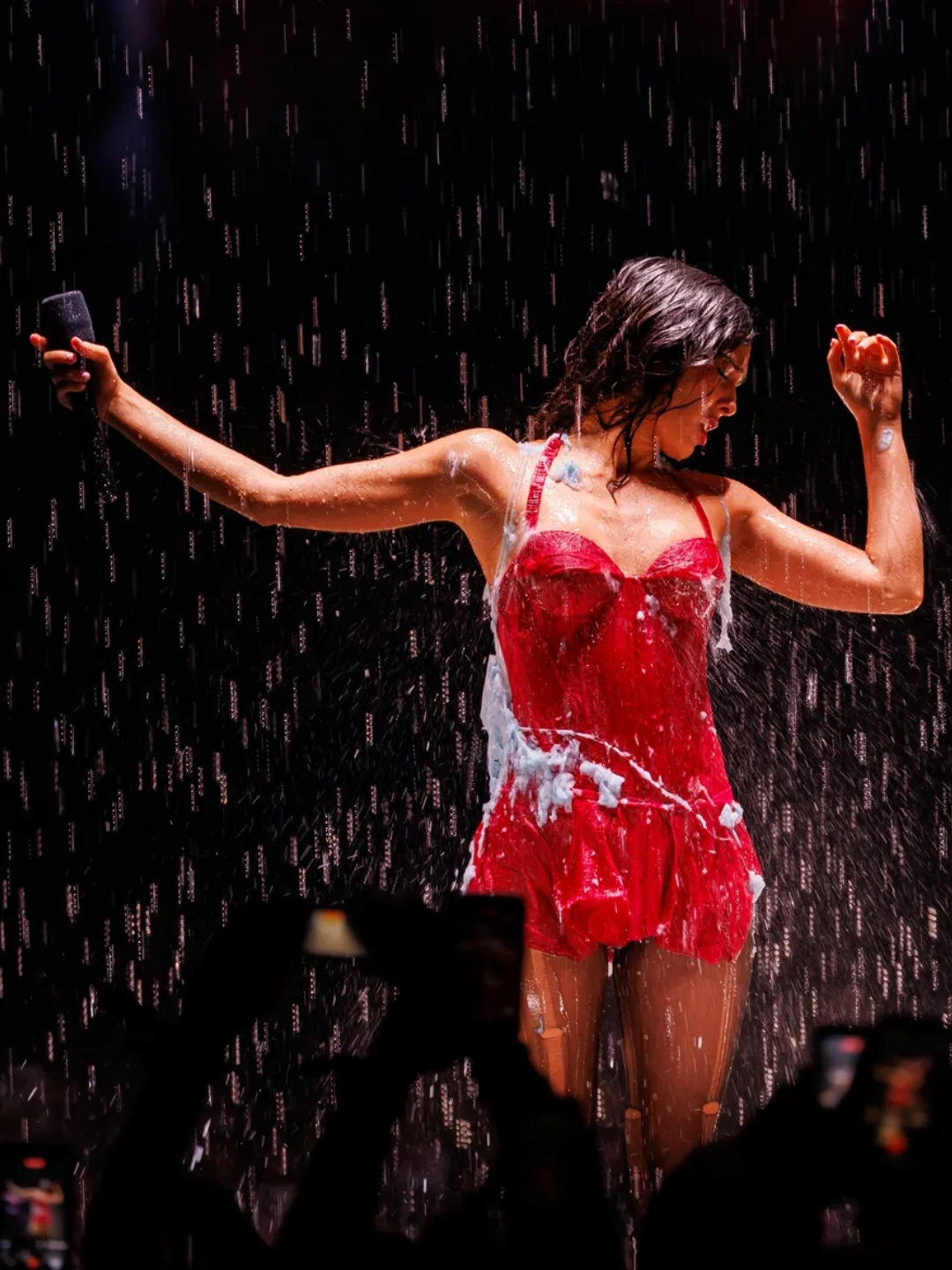
The Olivia Rodrigo babydoll dress controversy begins with a deceptively small garment: short hem, puffed softness, a floating shape, socks, heavy shoes, and a face that understands exactly how much noise innocence can make when it enters a room with adult intention. For her new “Drop Dead” era, Rodrigo leaned into the babydoll as a full visual language, from the Petra Collins-directed video filmed at Versailles to her promotional appea rances and Barcelona Spotify Billions Club performance. “Drop Dead,” the first single from her forthcoming album you seem pretty sad for a girl so in love, arrived with a Versailles-set video where Rodrigo wore a baby-blue Chloé Pre-Fall 2026 chemise and bloomers, plus a pearl-studded mini dress previously worn onscreen by Jane Birkin. The album-era formula continued elsewhere: custom pale-pink babydolls, over-the-knee socks, Mary Janes, pointelle socks, and a recurring girlish silhouette sharpened by styling decisions that made the sweetness feel deliberate rather than decorative.

What makes the Olivia Rodrigo babydoll dress so explosive is the ancient cultural allergy to women using softness as strategy. The babydoll has always looked light, but its history carries tension. We trace the silhouette’s modern origin to 1942 America during World War II fabric restrictions, then follows the rise of the short hemline through late-1950s and 1960s fashion, where Brigitte Bardot, Twiggy, Jane Birkin, and Cristóbal Balenciaga helped move it into glamour, youth culture, and couture. A dress born partly from shortage became, through fashion’s strange alchemy, a visual argument about space: space between fabric and body, space between girlhood and womanhood, space between what a body is and what strangers demand it should mean.
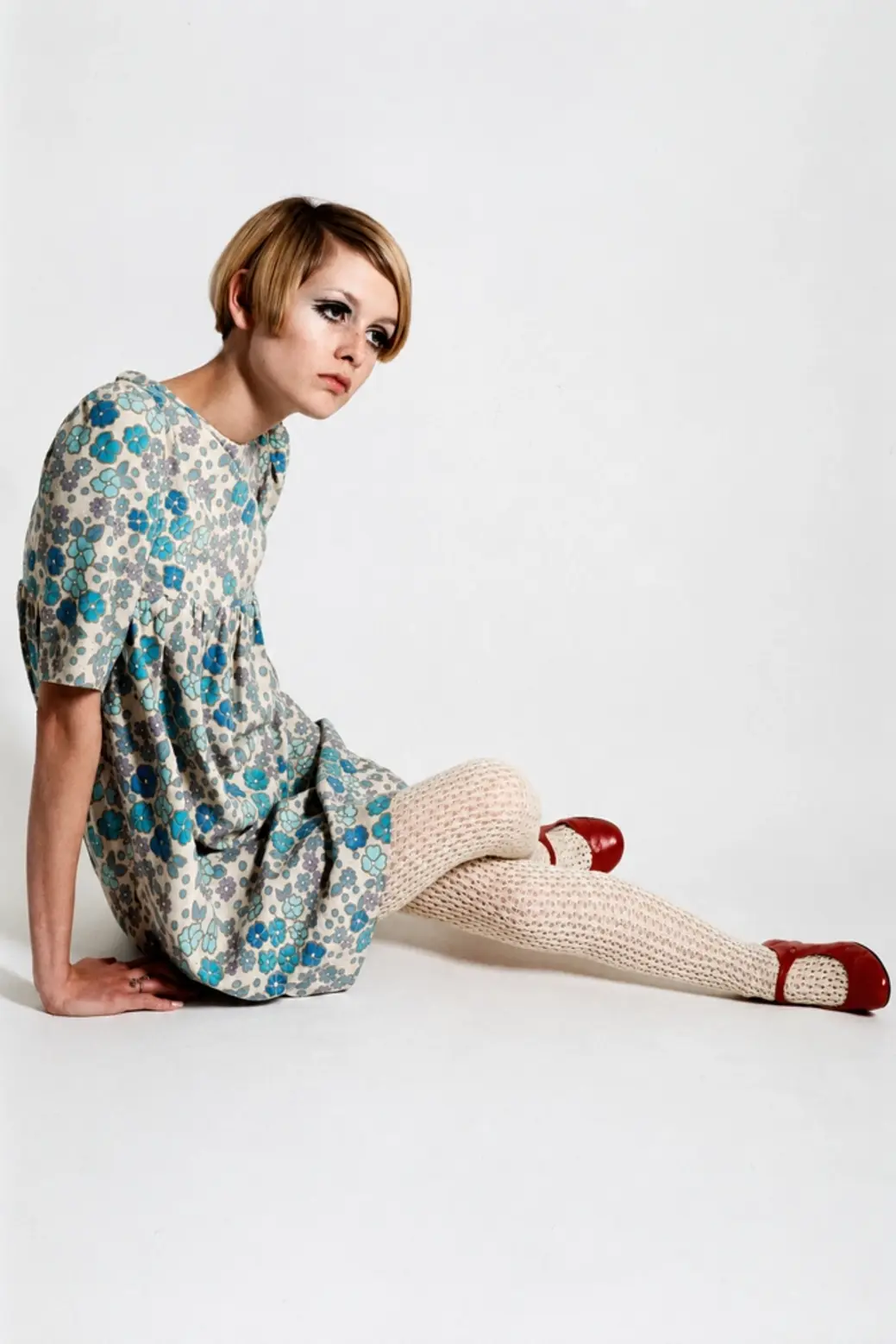

That space is exactly where controversy grows. A corseted gown stages womanhood as architecture. A babydoll does something more slippery. It refuses the waist as a command center. It lets fabric hover. It gives the legs the drama while hiding the torso’s usual social script. The result is a silhouette that can look naive, royal, theatrical, perverse, pastoral, or bratty depending on the wearer’s gaze, shoes, posture, music, and myth. Rodrigo understands this instability. Her version of the babydoll arrives like a loaded lullaby. The powder shades and flounces speak one language, while the boots, socks, album title, grunge references, and heartbreak theater speak another. The dress becomes a little trap for the viewer. Anyone who rushes to call it childish reveals a hunger to freeze female imagery at the easiest moral reading.

The babydoll dress controversy around Olivia Rodrigo, then, has less to do with a piece of clothing than with the public’s fantasy of visual control. Online culture wants a young woman’s body to arrive with a label attached: innocent, provocative, grown, respectable, unserious, feminist, wrong. The babydoll refuses that filing system. It allows Rodrigo to stand inside contradiction. She can look soft while performing rage. She can borrow from childhood costume language while speaking as an adult artist. She can turn the visual codes of sweetness into a mood board for grief, desire, fame, boredom, vanity, and revenge. The garment acts like a mirror, reflecting the viewer’s private rules about women, age, exposure, taste, and permission.
To understand why the Olivia Rodrigo babydoll dress hits such a nerve, the discussion has to move through Courtney Love and the aesthetic usually written as kinderwhore. This is the archive Rodrigo herself points toward. Olivia Rodrigo connected her attraction to the silhouette with images of Courtney Love and Kat Bjelland in babydoll dresses, recalling riot grrrl and grunge women who owned the look. Love, Bjelland, and Kim Gordon helped make the short, floral, empire-waisted dress a grunge-girl uniform during the 1990s, with Love wearing frilled dresses repeatedly, including a 1994 Saturday Night Live performance.
The force of Courtney Love kinderwhore style came from sabotage. It took the costume of sweetness and dragged it through noise, sweat, lipstick, distortion, and fury. The babydoll in that universe was a glitch in the feminine machine. A Peter Pan collar could sit above a scream. A floral dress could meet a guitar like a dare. Mary Janes could become stage armor. Love’s genius was her understanding that culture already treated women like dolls, so she dressed like one and made the doll appear possessed by its own anger. The result was neither pure parody nor pure seduction. It was a contamination ritual. She made prettiness unstable. She made the “good girl” costume develop a feedback shriek.


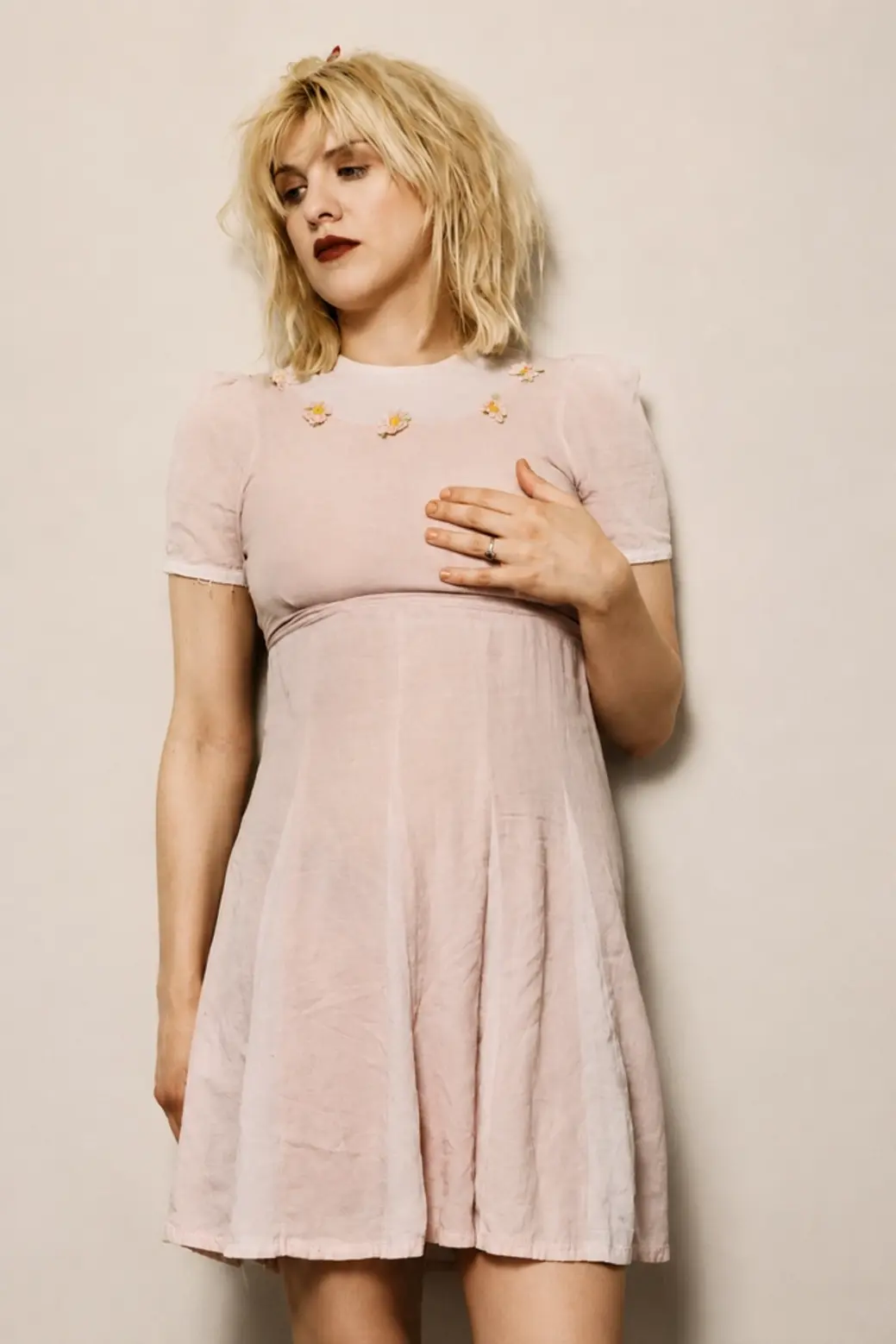
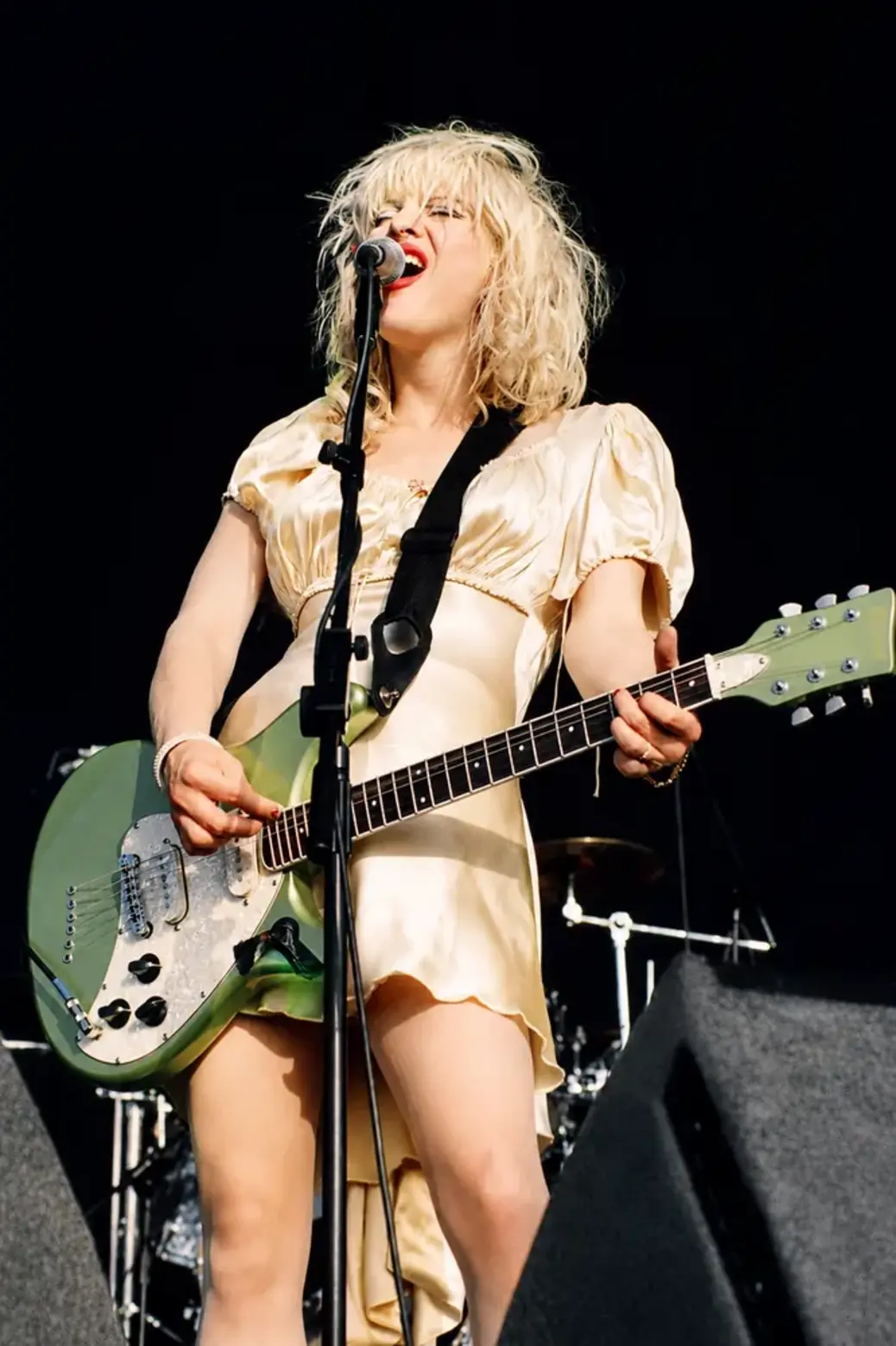
Olivia Rodrigo’s version comes from a different ecosystem. She moves through magazine spreads, Spotify stages, Instagram discourse, designer credits, stylists, album campaigns, and fan edits. Her babydoll arrives cleaner, more cinematic, more pastel, more platform-native. Yet the inheritance remains. The Olivia Rodrigo babydoll dress does what a strong pop reference should do: it translates an older wound into a newer grammar. Courtney Love’s babydoll looked like a torn page from the diary of a girl who had already set the house on fire. Olivia Rodrigo’s babydoll looks like the diary before the fire, with the match tucked between pages. One is wreckage as performance. The other is anticipation as performance. Both disturb because they treat girlhood as a volatile material rather than a safe aesthetic.

There is something almost vampiric in how the dress moves through time. Each era feeds on the last. The 1940s gave it economy. The 1950s gave it couture danger. The 1960s gave it youthquake velocity. The 1990s gave it rage. Rodrigo gives it virality. In 2026, clothing no longer lives only on the body; it lives as screenshot, accusation, meme, think piece, TikTok theory, fan defense, and comment-section trial. The babydoll dress controversy becomes part of the garment’s construction. It adds an invisible layer, a social lining stitched from discomfort. In this sense, Rodrigo is closer to Love than she may appear. Both use the dress as a provocation about female legibility. Love confronted the stage. Rodrigo confronts the feed.

A woman wears something soft, and the softness is treated as manipulation. She wears something short, and the hem becomes a moral weather report. She pulls from youth culture, and the archive gets flattened into accusation. She builds a visual world, and the public treats itself as the rightful interpreter. The body gets read before the work gets heard. The dress gets sentenced before the artist gets granted authorship.
Rodrigo’s particular power lies in how her music has always understood emotional contradiction. Her songs can be melodramatic and precise, wounded and funny, romantic and vicious, self-aware and fully teenage in the best literary sense: full of first feelings that know they are also performances. The Olivia Rodrigo babydoll dress belongs to that same emotional technology. It turns the body into a stage for split states. The result is a visual sentence with several clauses, each one interrupting the last.
The deeper issue is agency. A babydoll dress on a hanger is fabric. A babydoll dress on Olivia Rodrigo becomes an argument about authorship. Who owns the meaning of a woman’s softness? The wearer, the archive, the stylist, the critic, the fan, the parentified scold online, the algorithm that rewards outrage, or the culture that still panics whenever femininity escapes one approved category?
The babydoll dress controversy also exposes a peculiar modern contradiction. Pop culture demands that women have an era, a visual concept, a brand map, a reference board, a mythology, a signature. Then, when a young woman builds one with too much historical friction, the same culture acts shocked by its complexity. Rodrigo has chosen a garment that refuses clean adulthood, which makes perfect sense for an artist whose persona has always lived in the messy passage between first heartbreak and self-possession. She is using the babydoll dress to dramatize becoming: the awkward glamour of growing into power while everyone watches, comments, judges, edits, and misreads. It refuses to let womanhood mature by abandoning the symbols that once framed it. It refuses the stale idea that growing up means dressing in ways that reassure the viewer. Olivia Rodrigo babydoll dress carries a fiercer proposition: maybe adulthood begins when a woman can return to girlhood’s costume rack and wear the haunted pieces on her own terms.
Advertisement